Artwork
The dog and the magpie
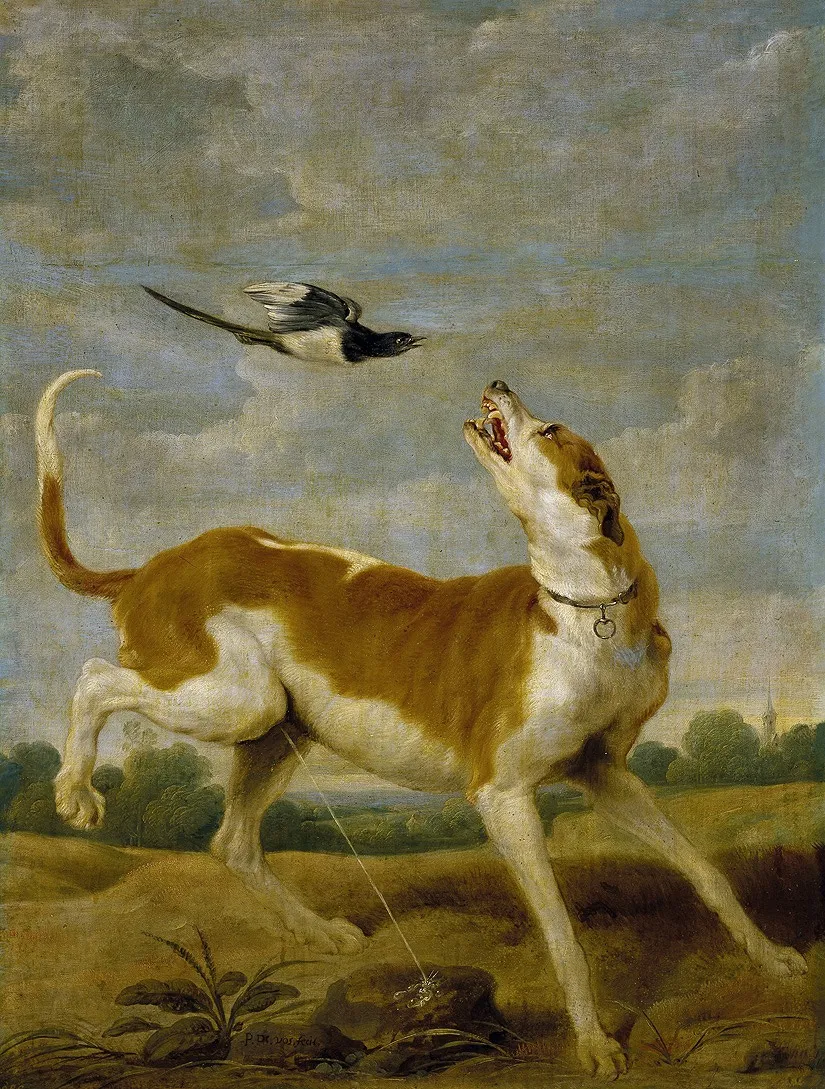
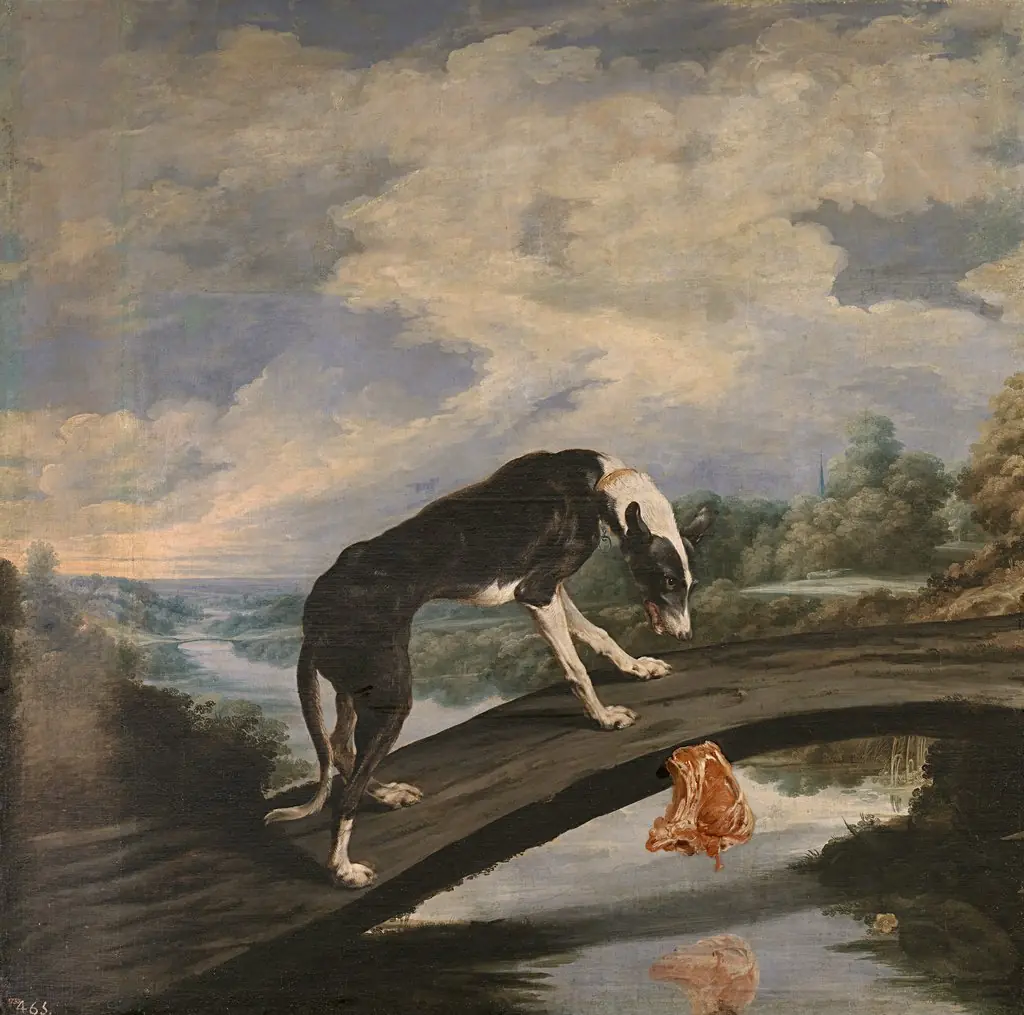
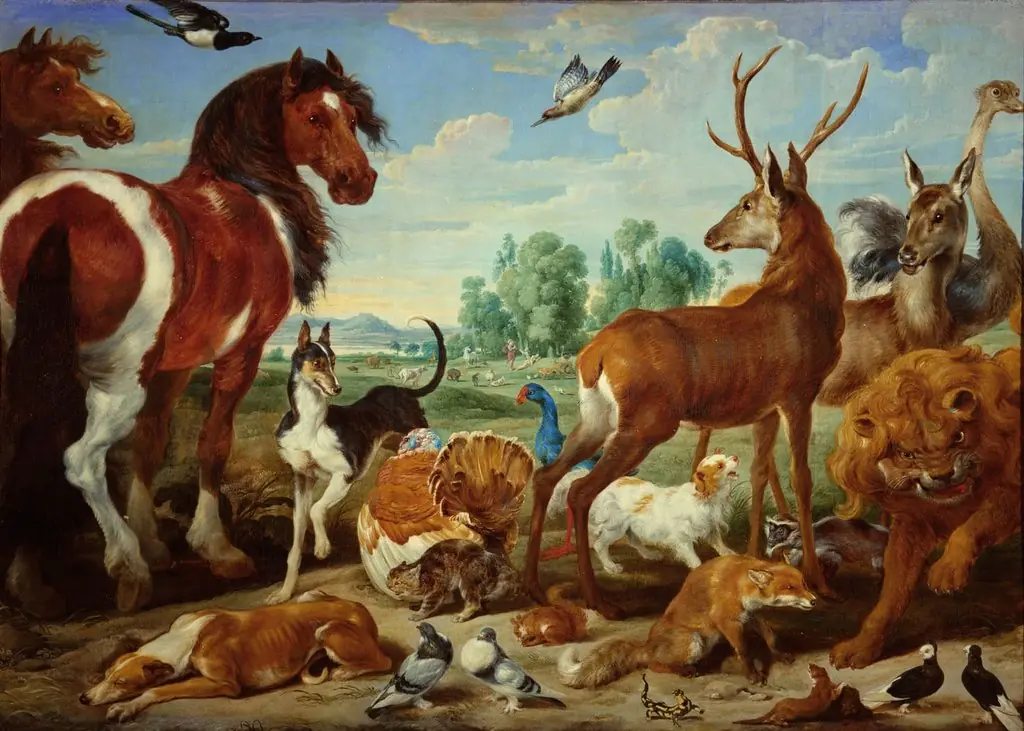
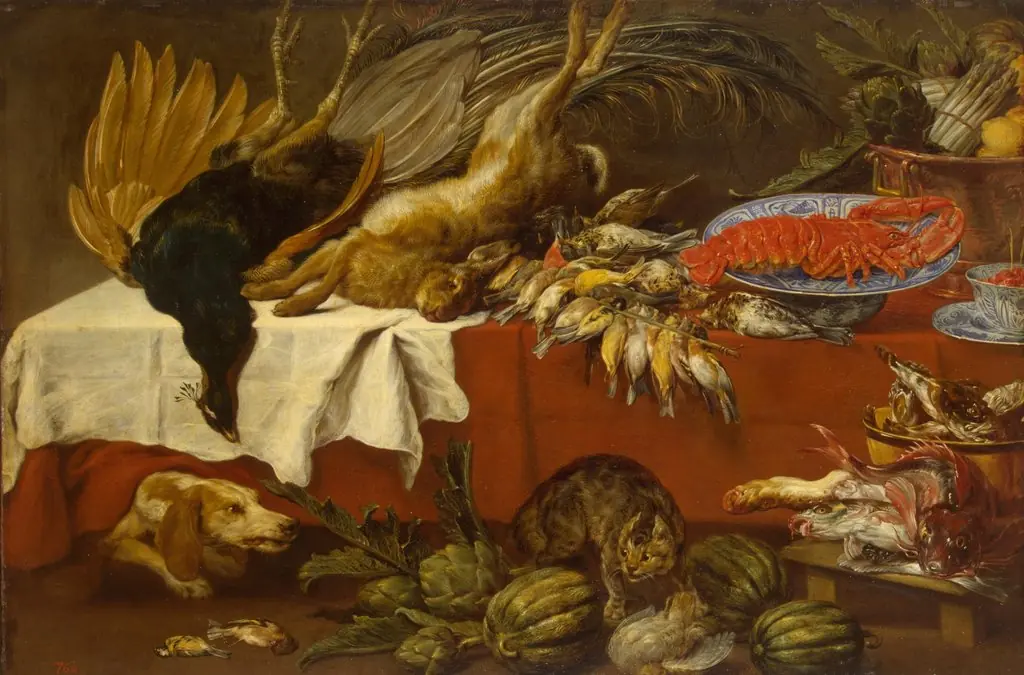
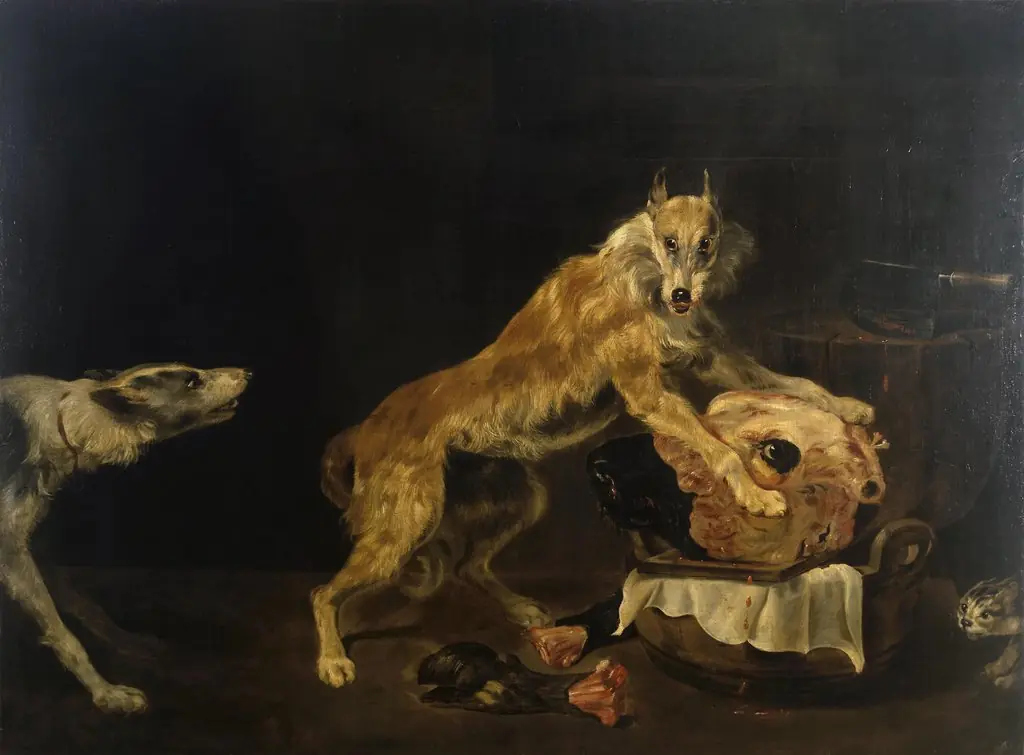
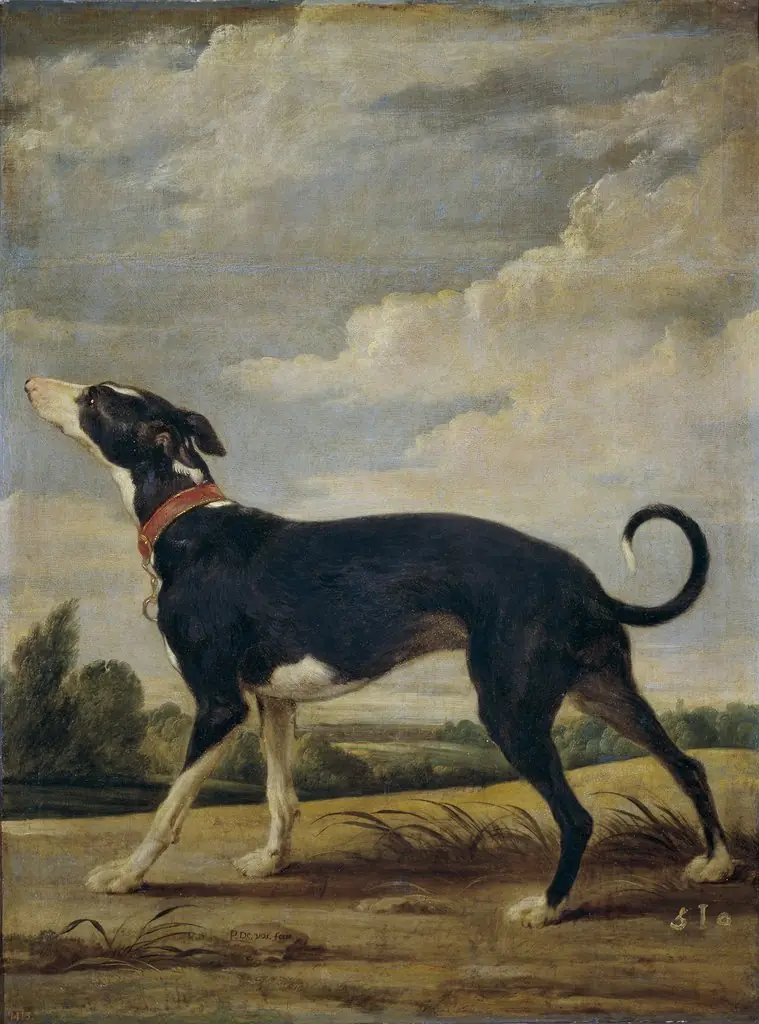
The dog and the magpie is an oil painting by the Flemish Baroque painting artist Paul de Vos. It dates from 1636 and is held in the collection of the Museo del Prado.
About this work
Overview
The painting is part of the Museo del Prado’s collection and exemplifies the Flemish Baroque tradition of depicting wildlife with narrative energy.
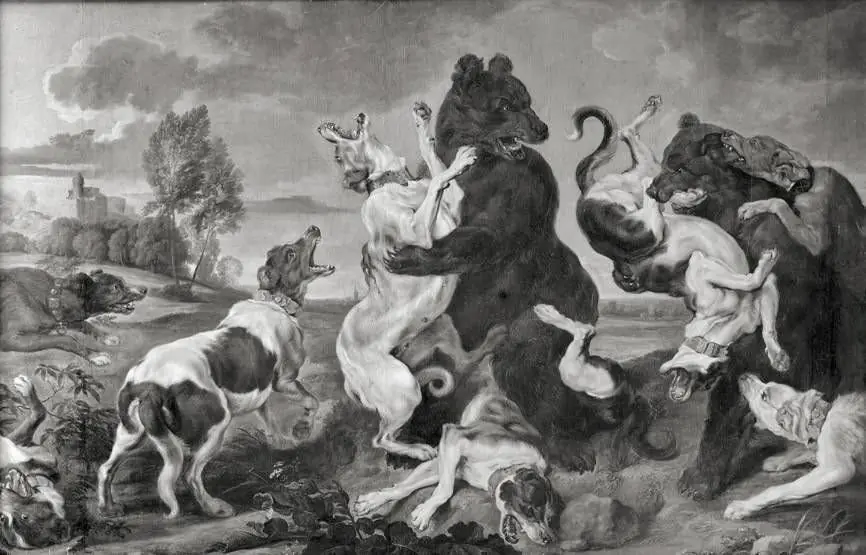
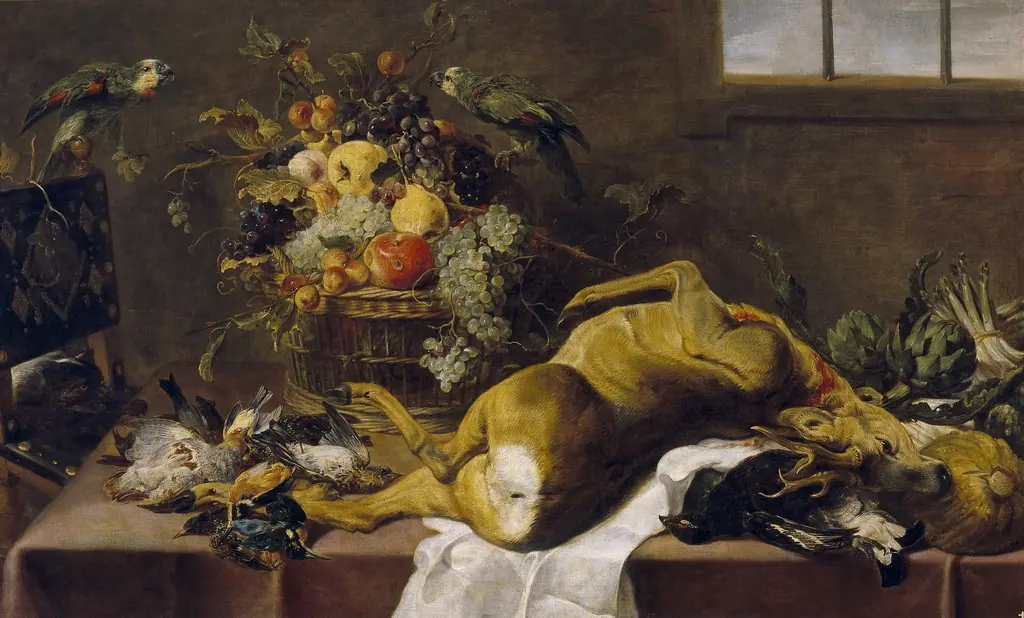
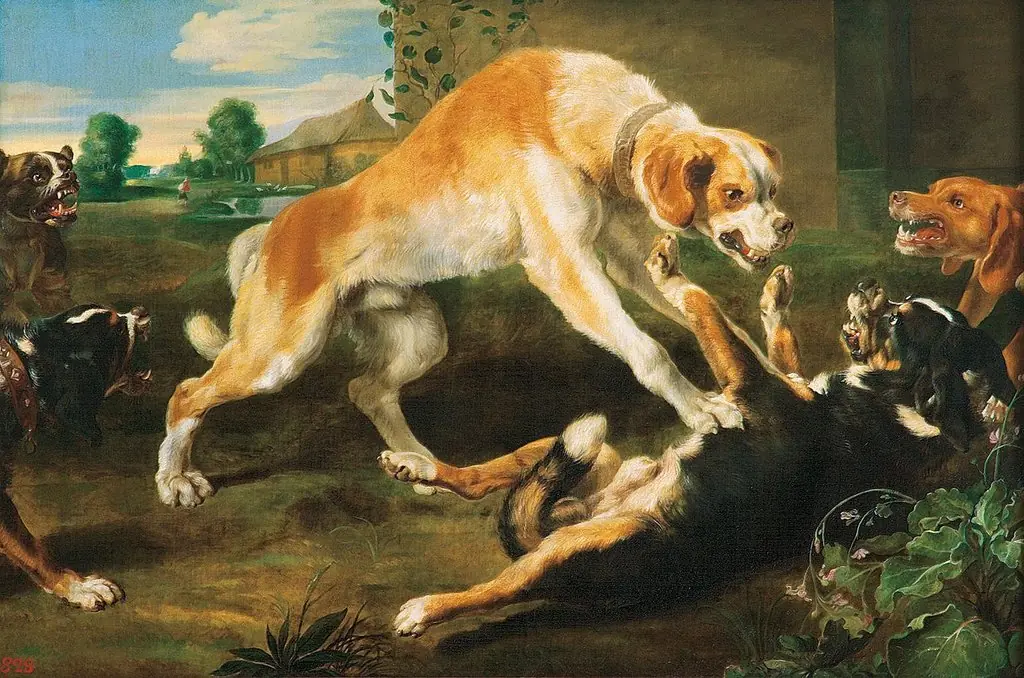
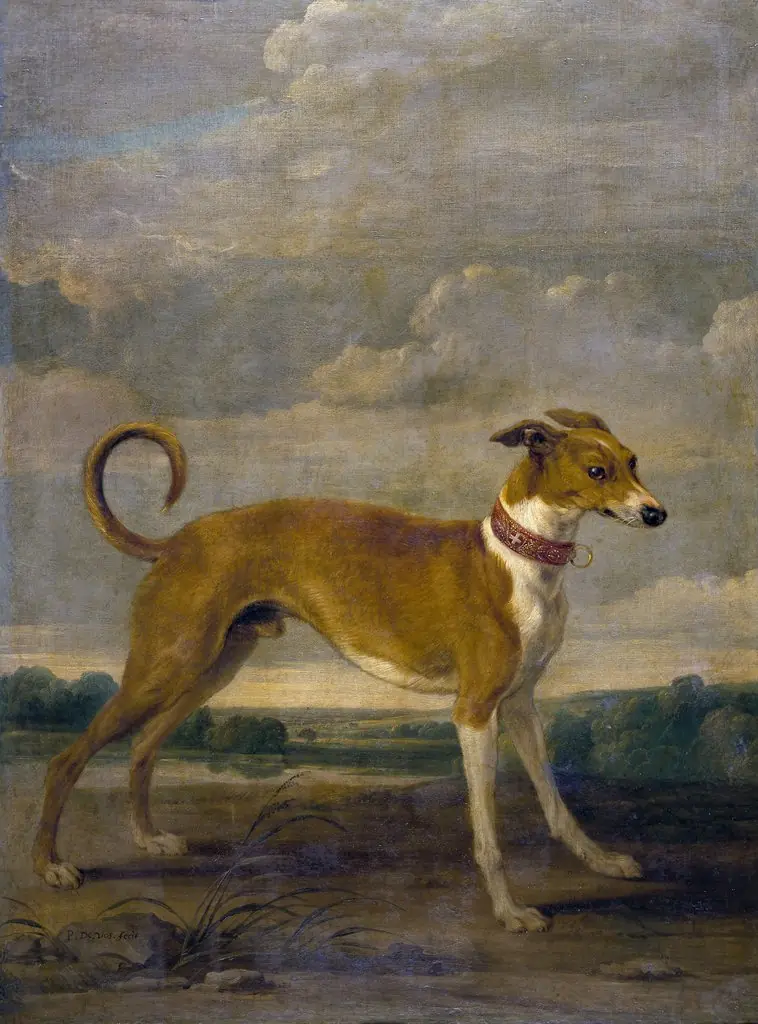
Painted in 1636 by Flemish artist Paul de Vos, this oil-on-canvas work captures a moment of tension between a domesticated dog and a magpie in an open landscape. De Vos, known for his animal subjects, rendered the scene with careful attention to movement and naturalism. The painting is part of the Museo del Prado’s collection and exemplifies the Flemish Baroque tradition of depicting wildlife with narrative energy.
Subject & Meaning
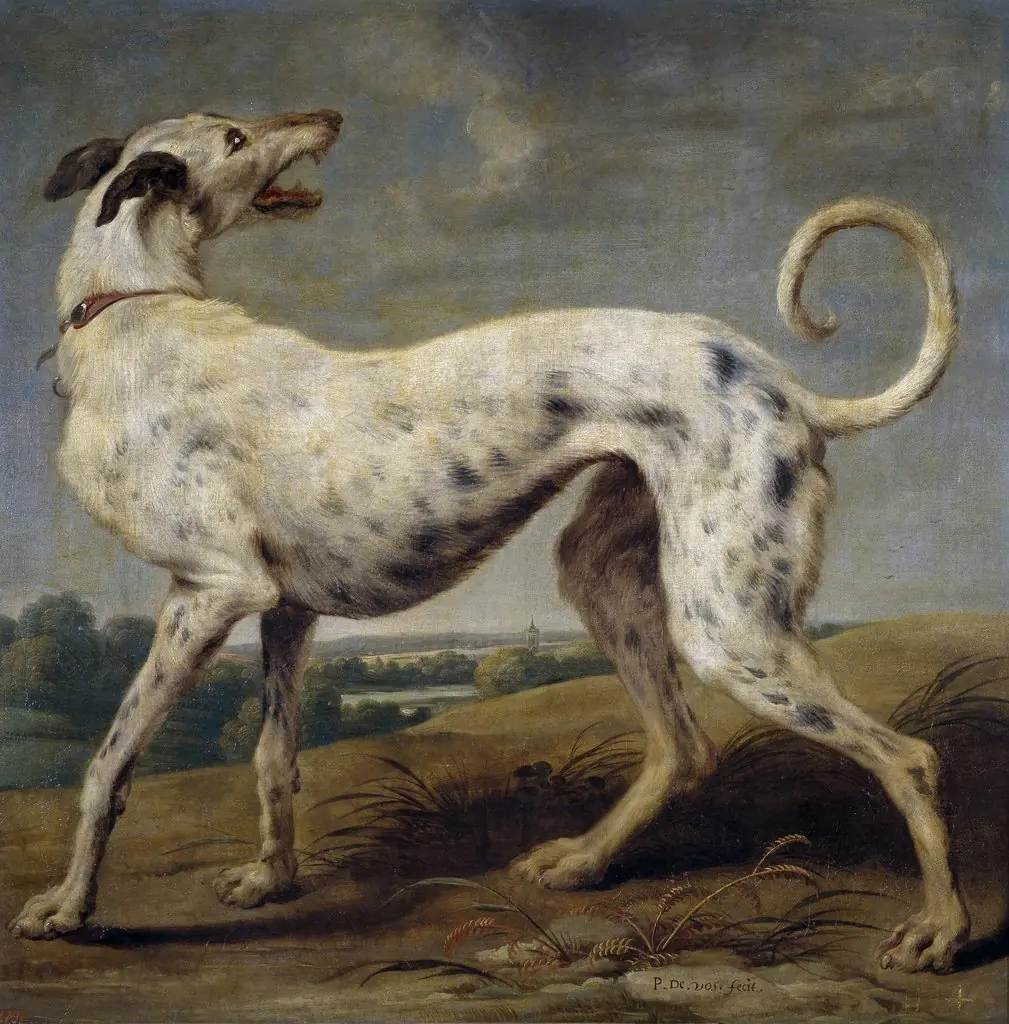
The painting portrays a dog, collar visible, reacting to a magpie in flight. The magpie, mid-air with wings outstretched, appears to be escaping the dog’s pursuit. No human figures are present, yet the dog’s leash, though unseen, implies domestication.
The scene suggests a fleeting encounter between wild and tamed nature, reflecting contemporary interest in animal behavior and the boundaries between nature and human control.
Technique & Style
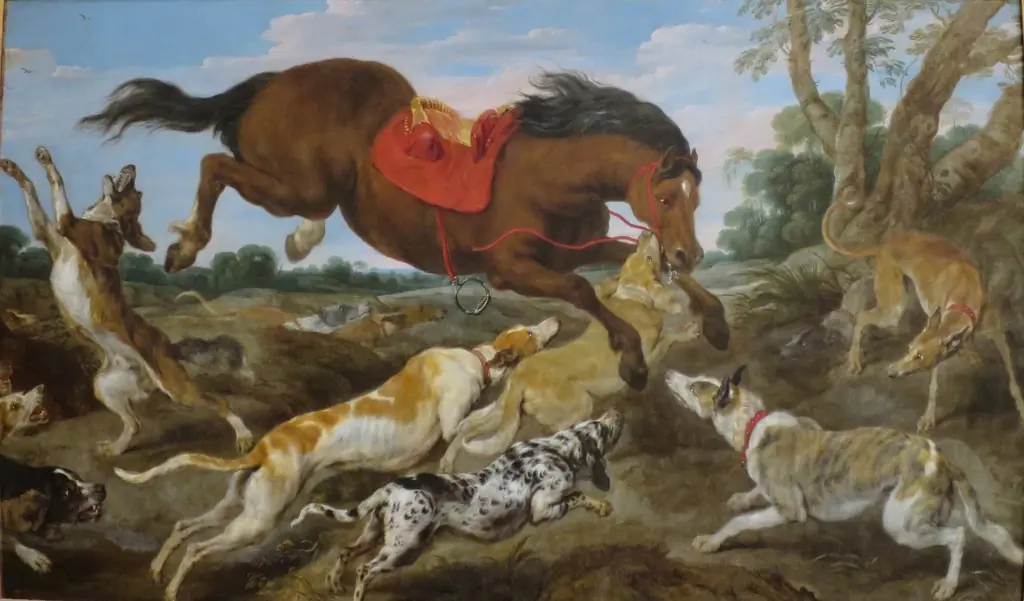
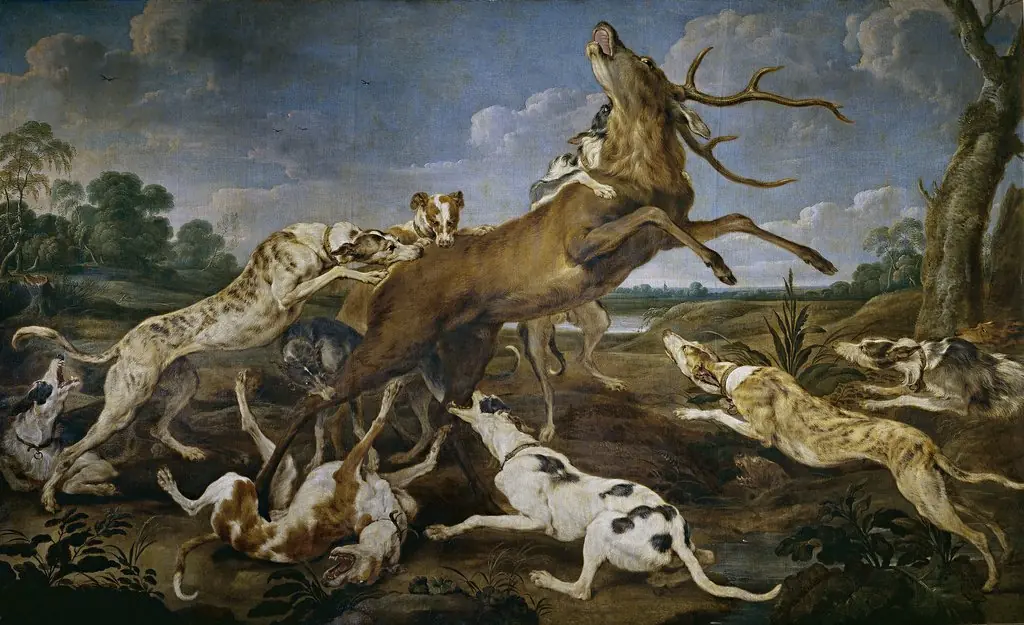
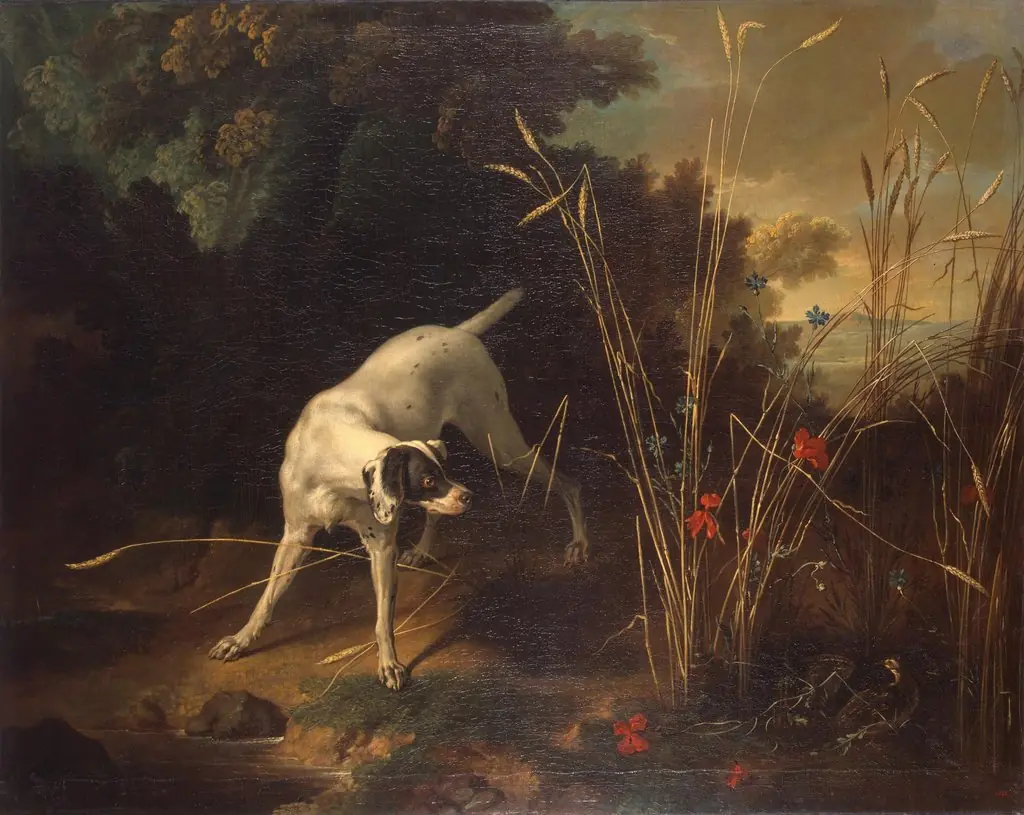
De Vos employed chiaroscuro to model the dog’s fur and the magpie’s feathers, enhancing volume and spatial depth. The brushwork is precise yet lively, capturing texture and motion without idealization. The background, with soft clouds and distant trees, recedes gently, framing the foreground action.
The composition directs the eye along the diagonal of the bird’s flight, reinforcing the sense of sudden movement and tension.
History & Provenance
Created during de Vos’s active period in Antwerp, the painting was likely commissioned by a collector interested in animal subjects. It entered the Spanish royal collection in the 17th or early 18th century and was later transferred to the Museo del Prado. Its presence there reflects the Habsburgs’ patronage of Flemish art and the broader European appetite for naturalistic animal scenes during the Baroque era.
Context
De Vos worked within a network of Antwerp artists who specialized in genre and animal painting, often contributing figures or animals to larger compositions by Rubens or van Dyck. His focus on dogs and birds aligned with a growing interest in empirical observation and the natural world. Such works appealed to elite patrons who valued both artistic skill and the symbolic resonance of animal behavior.
Legacy
Though less celebrated than his contemporaries, de Vos’s animal scenes contributed to the development of naturalistic painting in Flanders. His attention to individual animal expression and dynamic interaction influenced later genre painters. The Dog and the Magpie remains a representative example of how Flemish artists translated everyday animal encounters into compelling visual narratives within the Baroque aesthetic.
Artist & collection
Artist
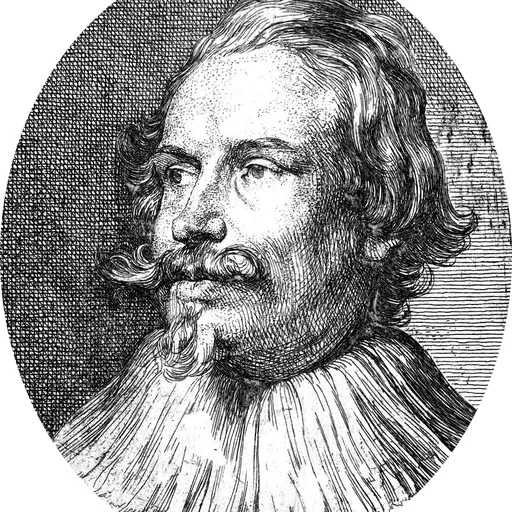
Paul de Vos (1591/92, or 1595 in Hulst – 30 June 1678 in Antwerp) was a Flemish Baroque painter who specialized in mainly in compositions of animals, hunting scenes and still lifes.