Artwork
Fable of the dog and the prey
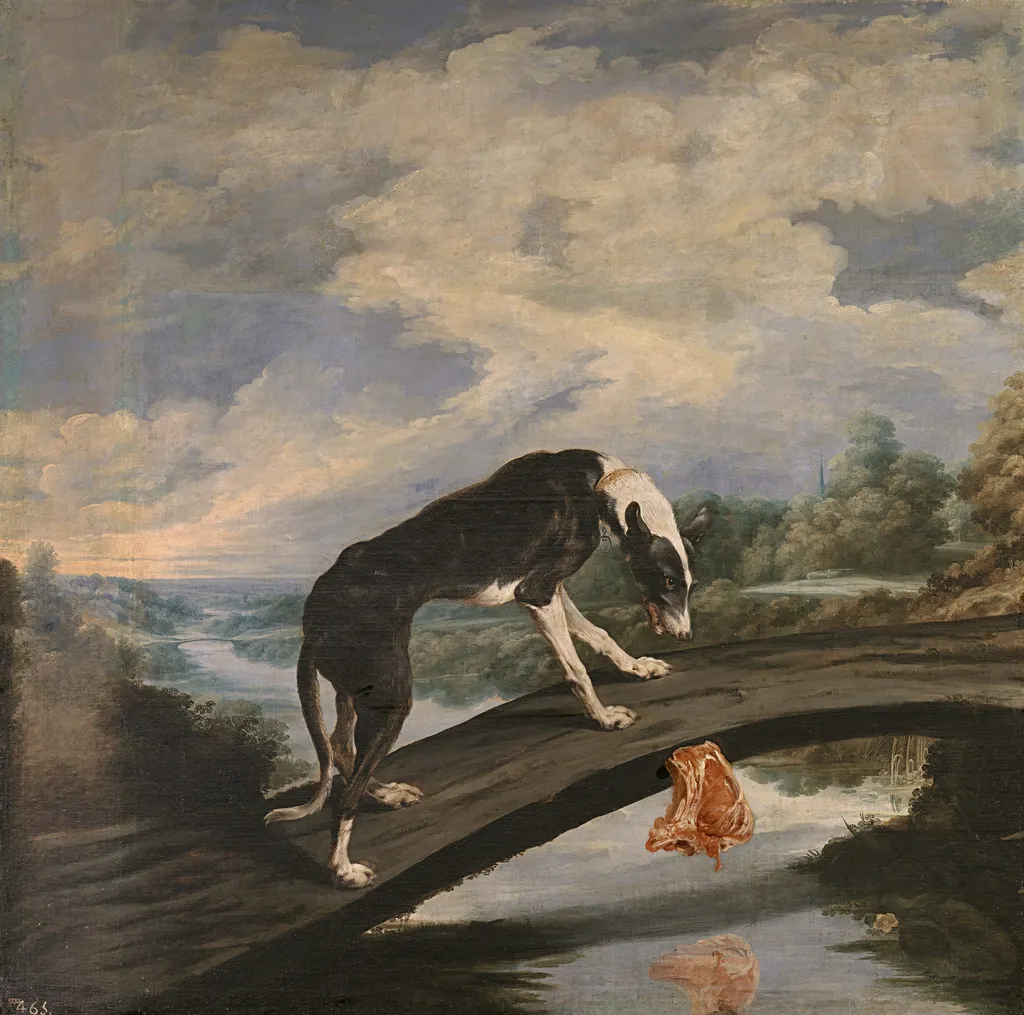
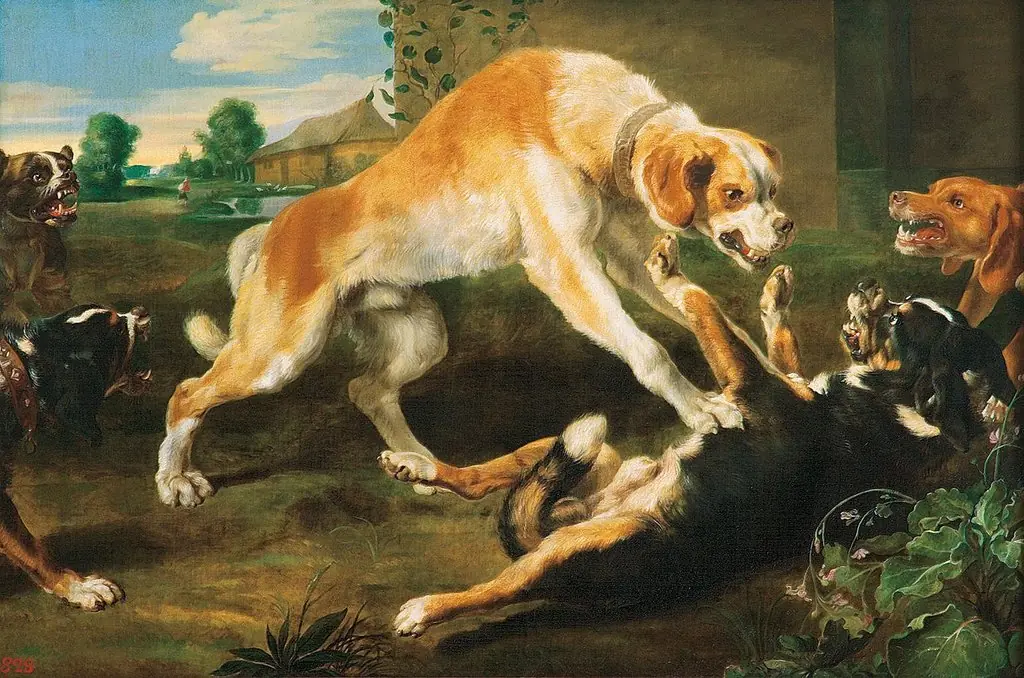
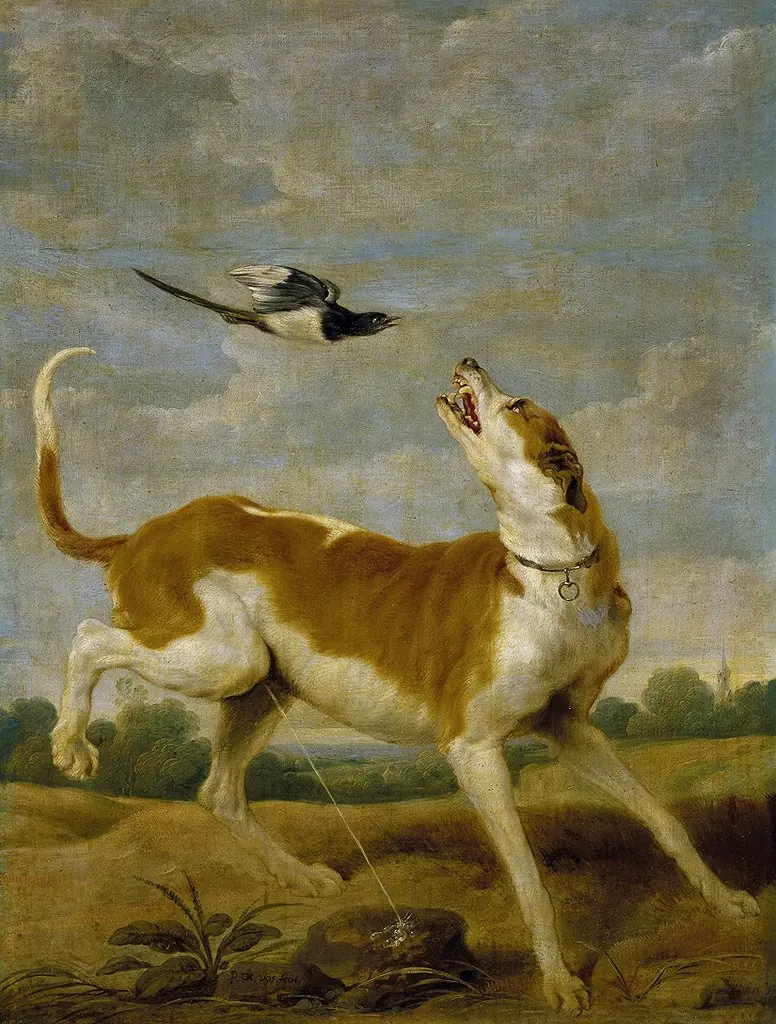
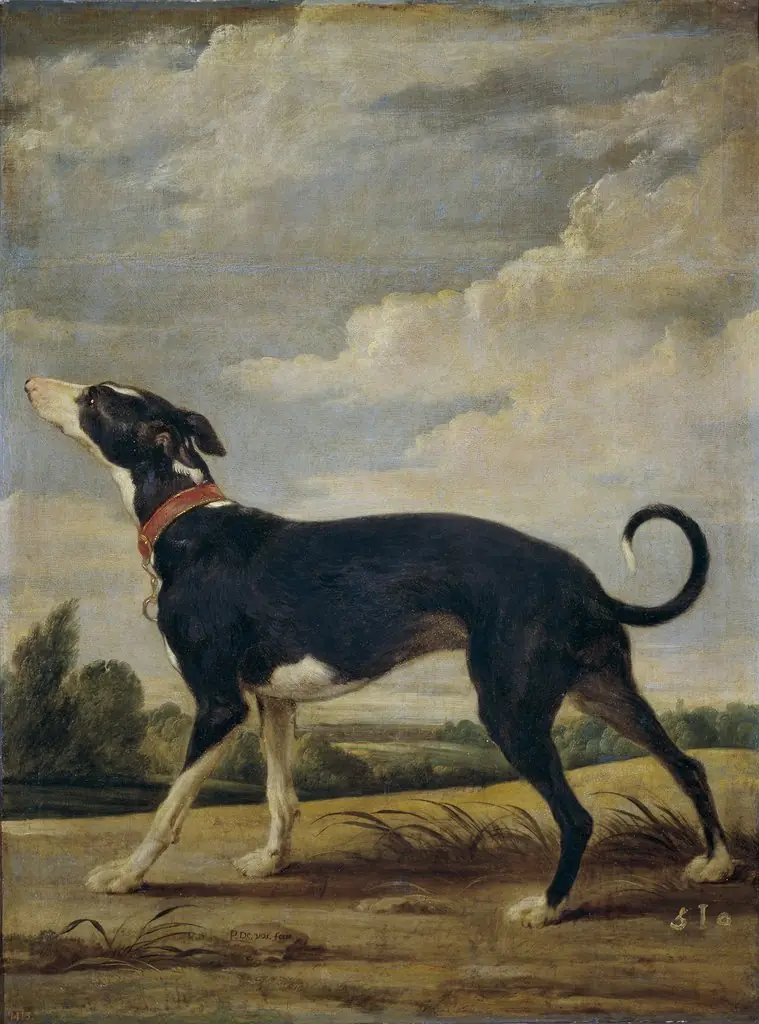
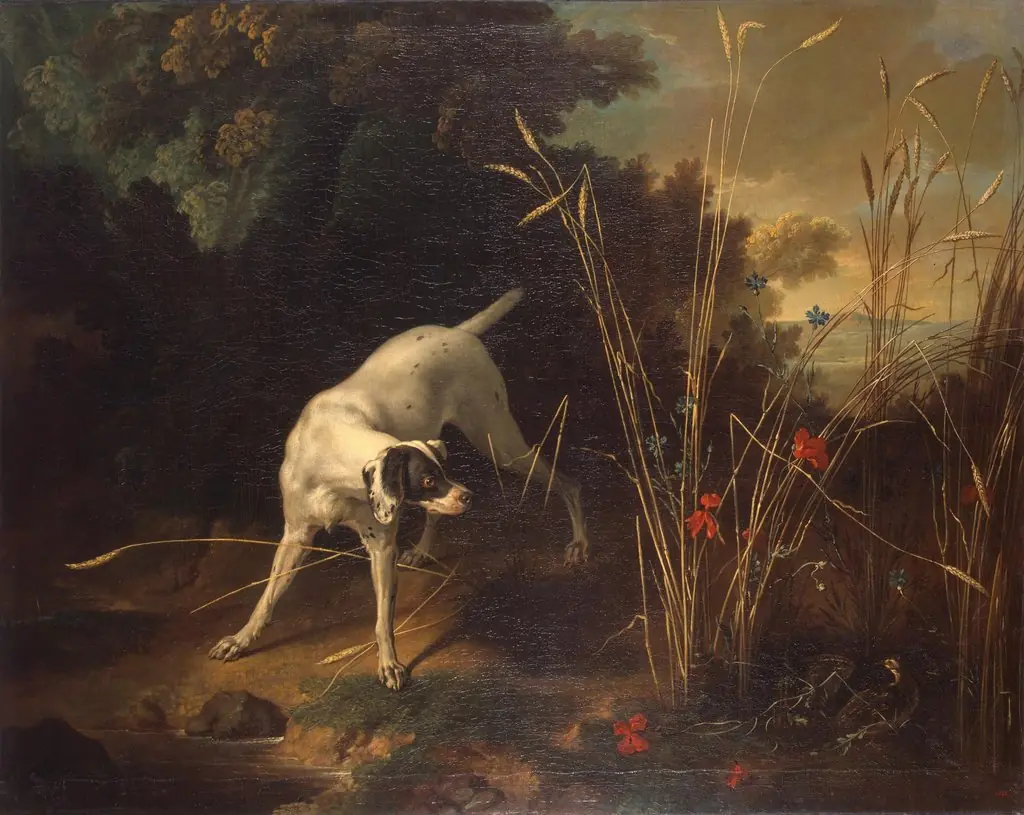
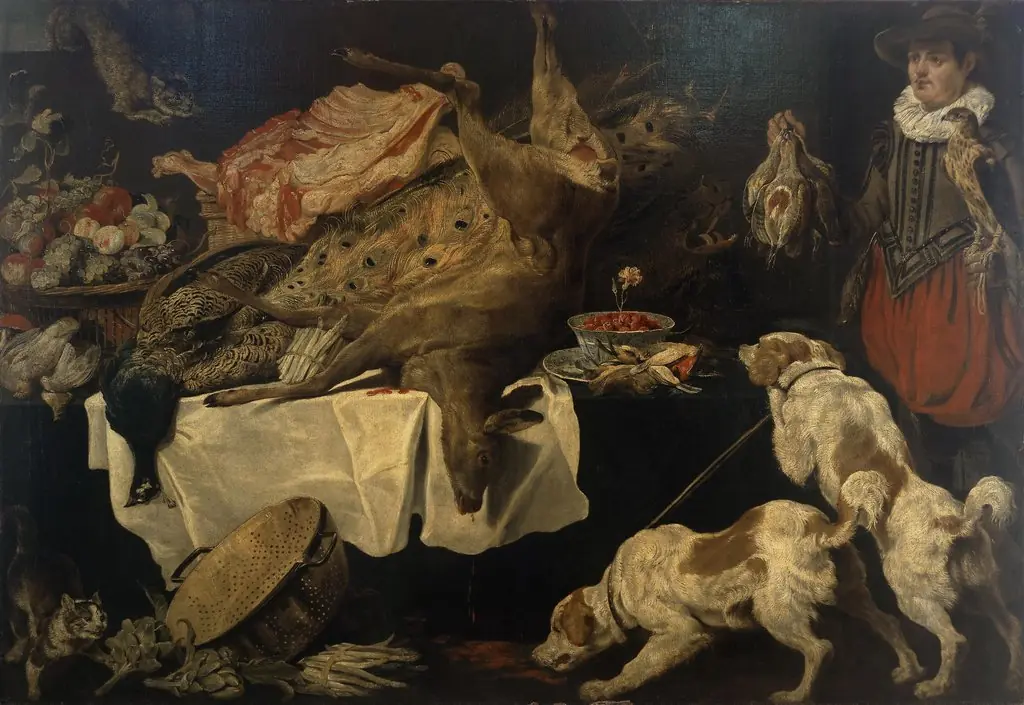
Fable of the dog and the prey is an oil painting by the Flemish Baroque painting artist Paul de Vos. It dates from 1636 and is held in the collection of the Museo del Prado.
About this work
Overview
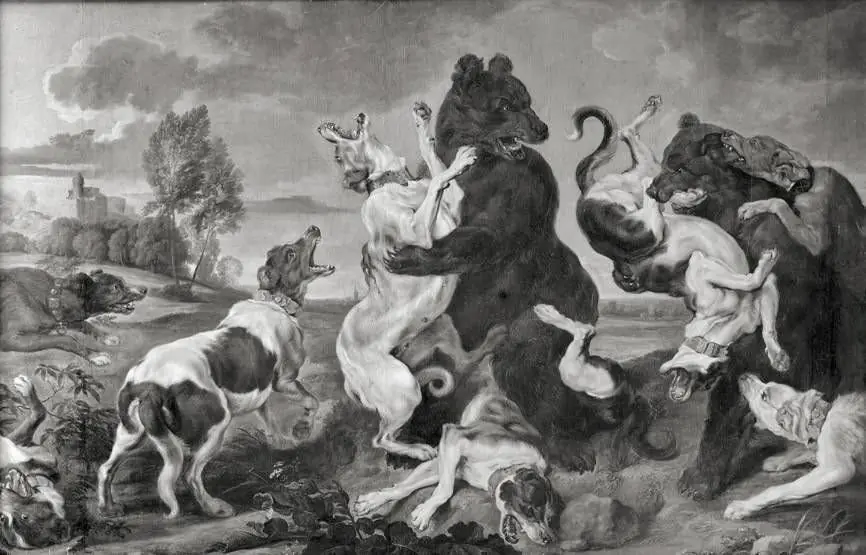
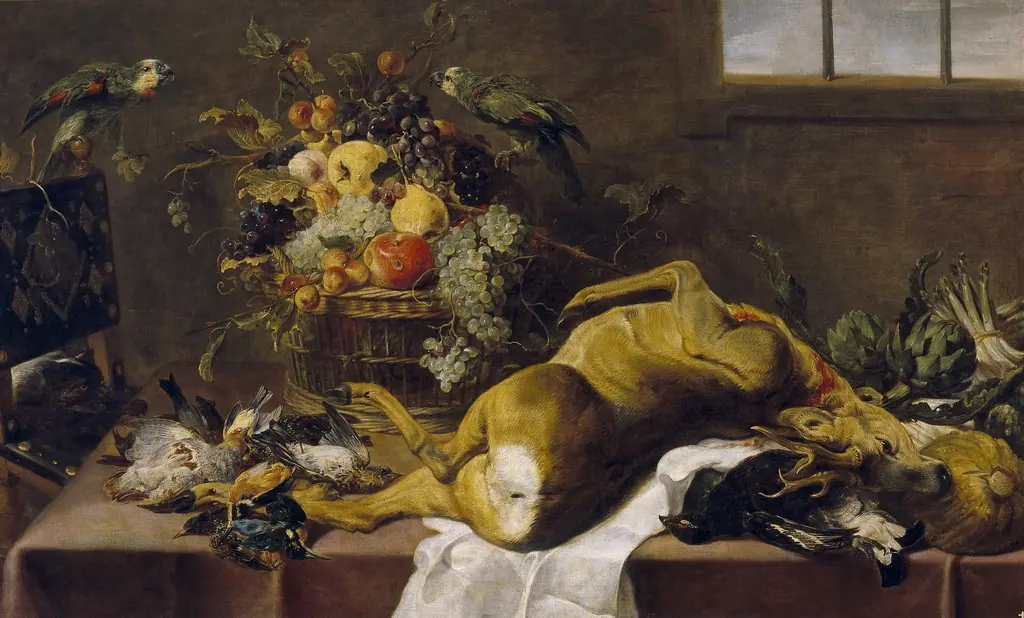
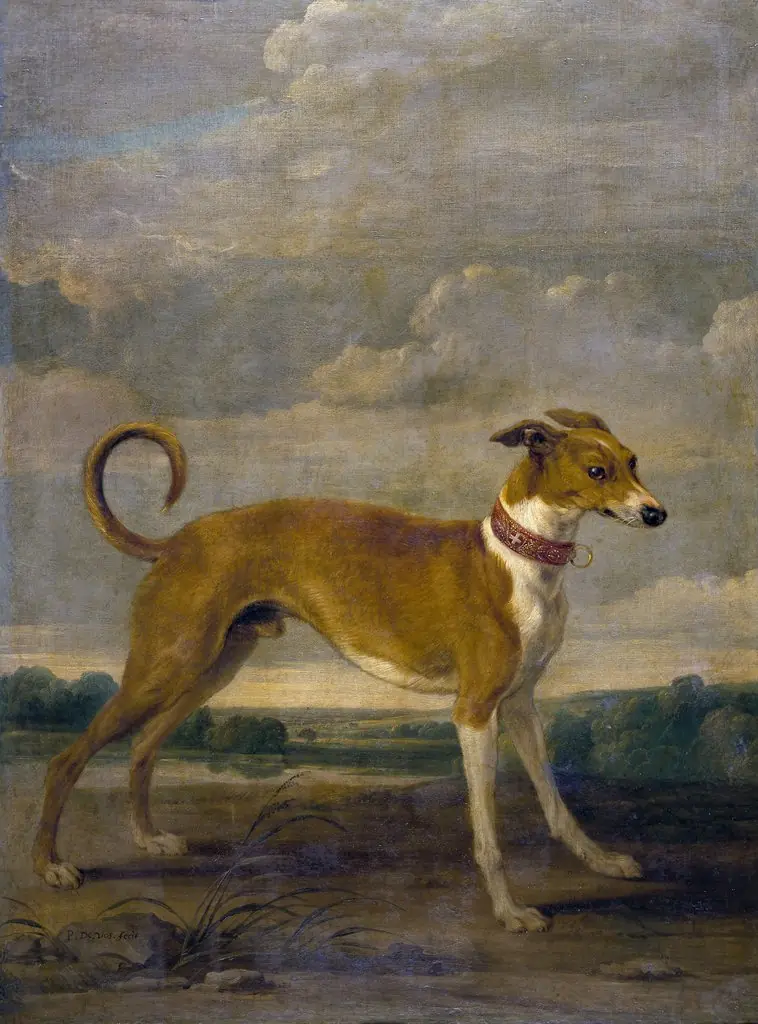
Painted in 1636 by Paul de Vos, this oil-on-canvas work captures a moment from a hunting scene, reflecting the artist’s focus on animal subjects. Executed in the Flemish Baroque tradition, it is part of the Museo del Prado’s collection. De Vos, active in Antwerp, specialized in dynamic depictions of wildlife, often commissioned by aristocratic patrons who valued such naturalistic narratives.
Subject & Meaning
The painting shows a black-and-white hound gripping a limp rabbit in its jaws, perched on a weathered tree trunk beside still water. The rabbit’s lifeless form and the dog’s intense focus suggest a precise, unglamorized moment of capture. No human figures appear, emphasizing the raw interaction between predator and prey, evoking themes of nature’s inevitability rather than moral allegory.
Technique & Style
De Vos employs careful chiaroscuro to model the dog’s fur and the rabbit’s body, enhancing tactile realism. The calm water and soft, diffused sky provide contrast to the tension of the central action. Brushwork is precise yet unobtrusive, avoiding theatricality; the composition is grounded in observed detail rather than idealized drama, typical of his approach to animal subjects.
History & Provenance
Created during de Vos’s mature period in Antwerp, the painting likely originated in a private collection of a wealthy Flemish patron. It entered the Museo del Prado’s holdings through Spanish royal acquisitions, possibly as part of a broader 17th-century influx of Northern European works into the Habsburg collection. Its attribution and date are well documented in museum archives.
Context
De Vos worked alongside leading Antwerp artists like Rubens and van Dyck, contributing animal figures to their larger compositions. His independent works, including this one, catered to collectors interested in naturalism and the spectacle of the hunt. While not overtly religious or mythological, such scenes aligned with Baroque tastes for lifelike representation and emotional immediacy.
Legacy
Though less celebrated than his contemporaries, de Vos’s focus on animal behavior influenced later genre and wildlife painting. His ability to render texture and motion without sentimentality set a precedent for 18th-century naturalists. This painting remains a quiet example of how Flemish artists translated observational precision into enduring visual records of the natural world.
Own this work as a print
Artist & collection
Artist
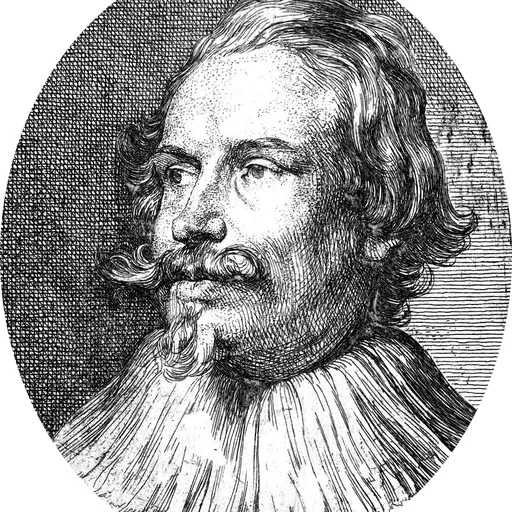
Paul de Vos (1591/92, or 1595 in Hulst – 30 June 1678 in Antwerp) was a Flemish Baroque painter who specialized in mainly in compositions of animals, hunting scenes and still lifes.