Artwork
Introducing the Miracle
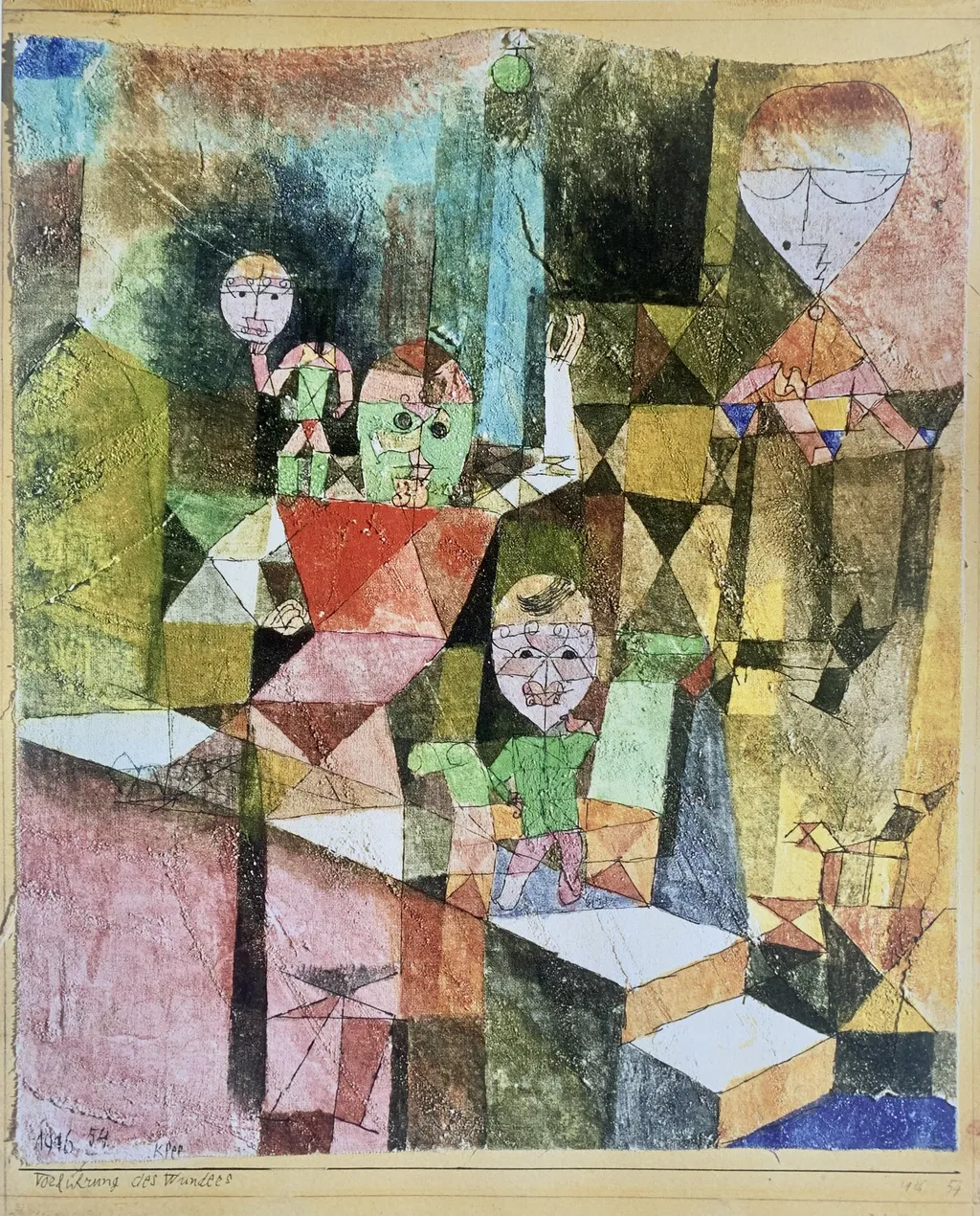
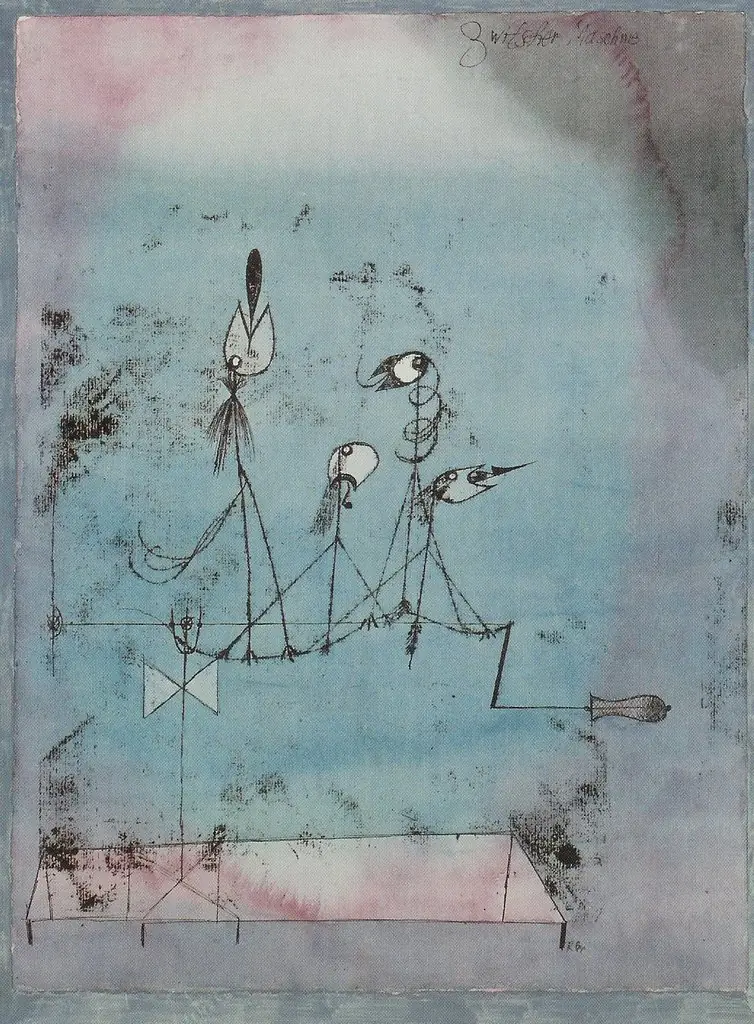
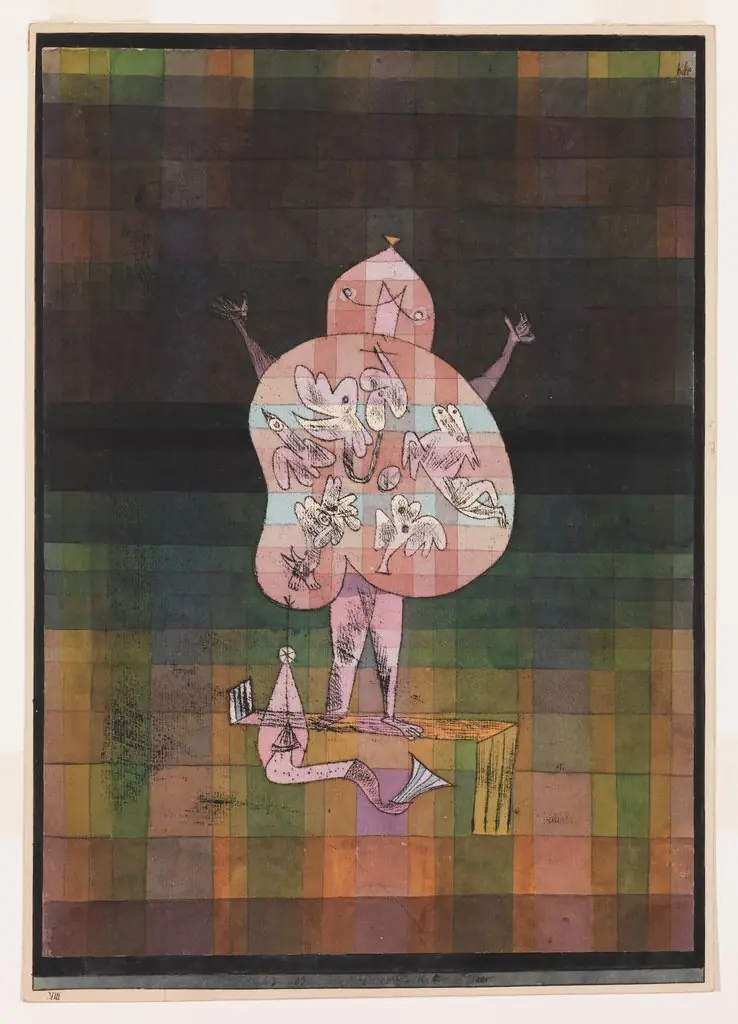
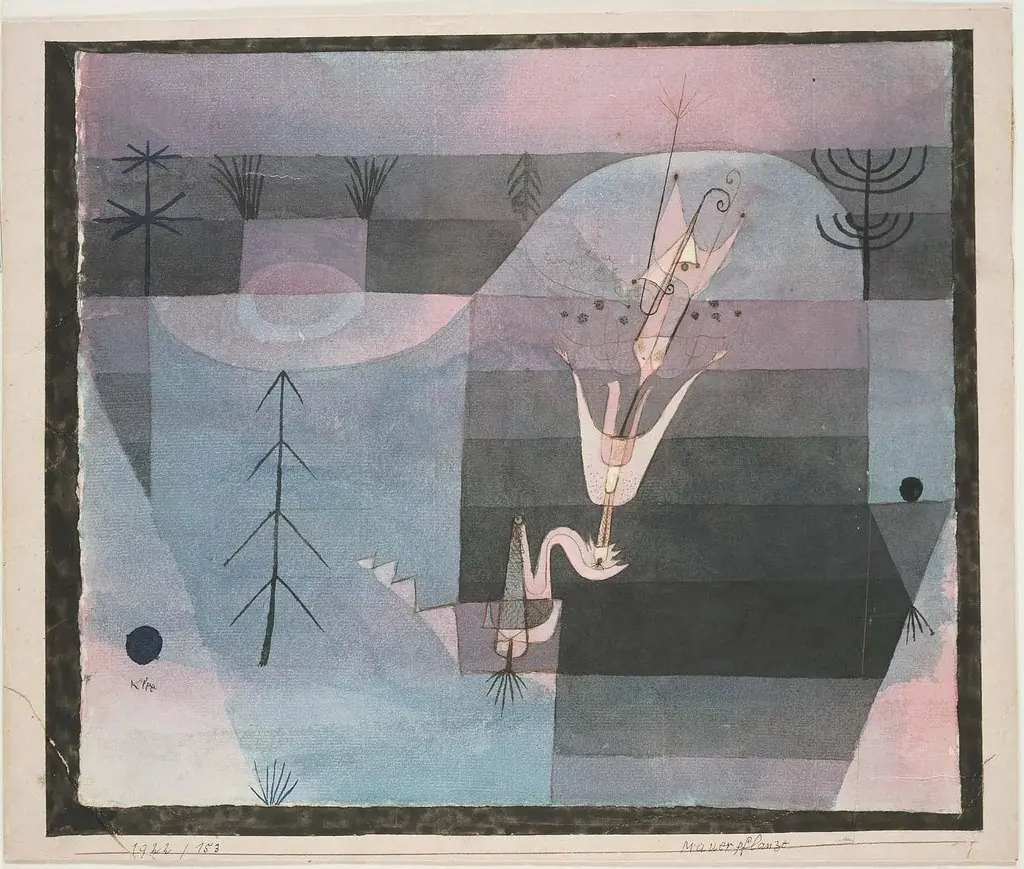
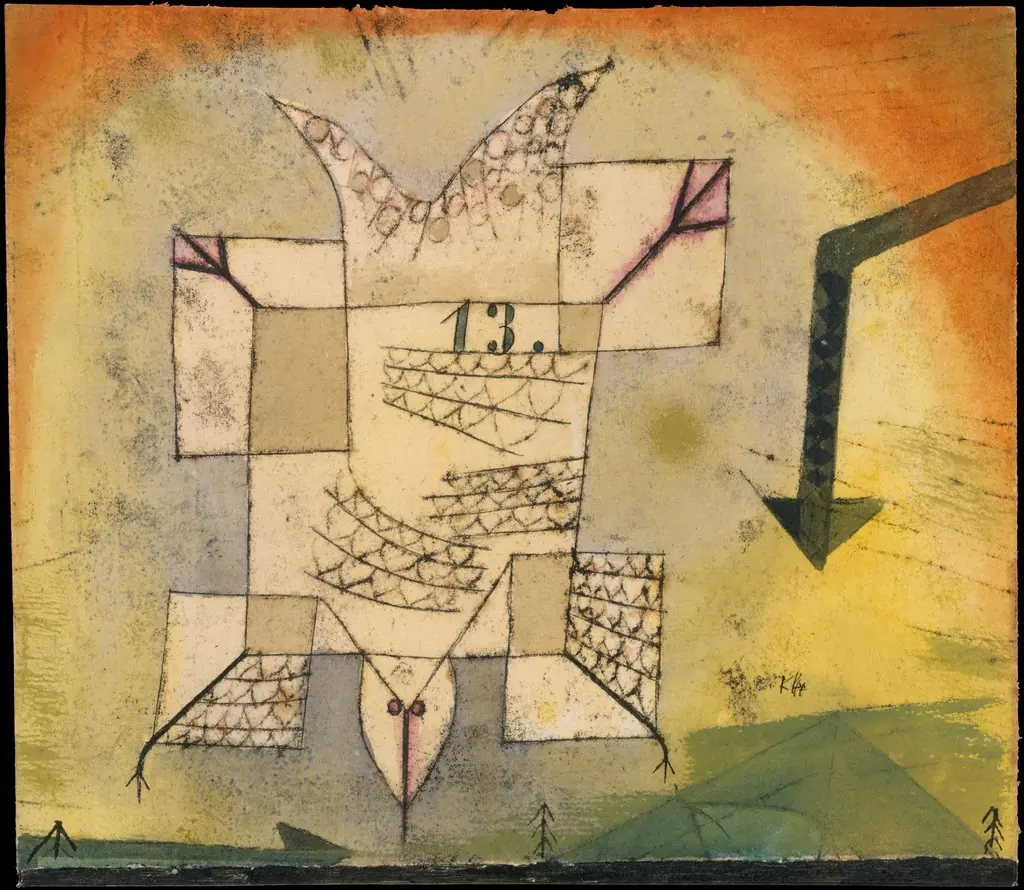
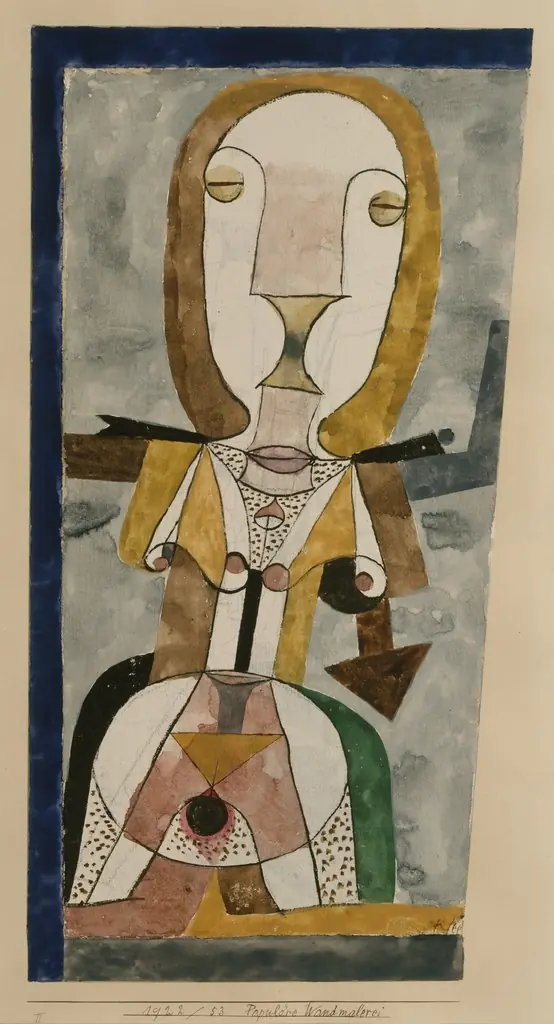
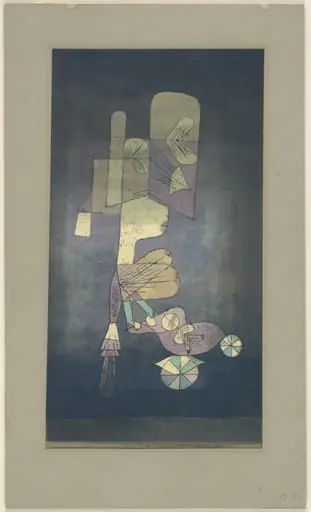
Introducing the Miracle is an unspecified painting by the German Expressionist artist Paul Klee. It dates from 1916 and is held in the collection of the Museum of Modern Art.
About this work
Overview
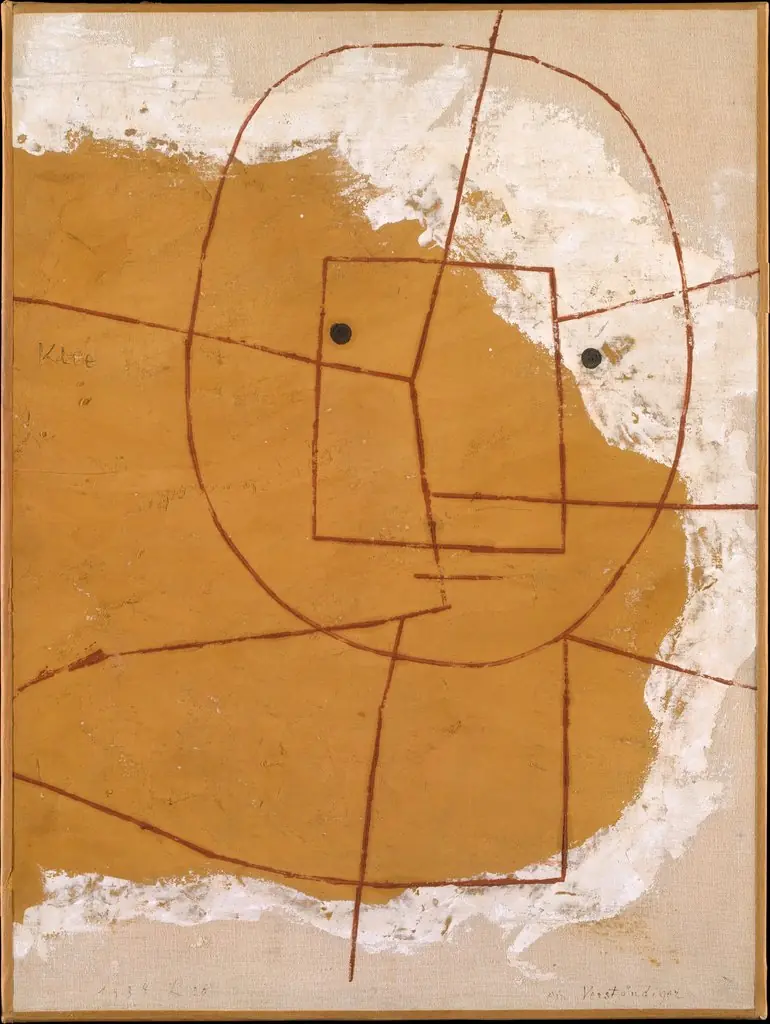
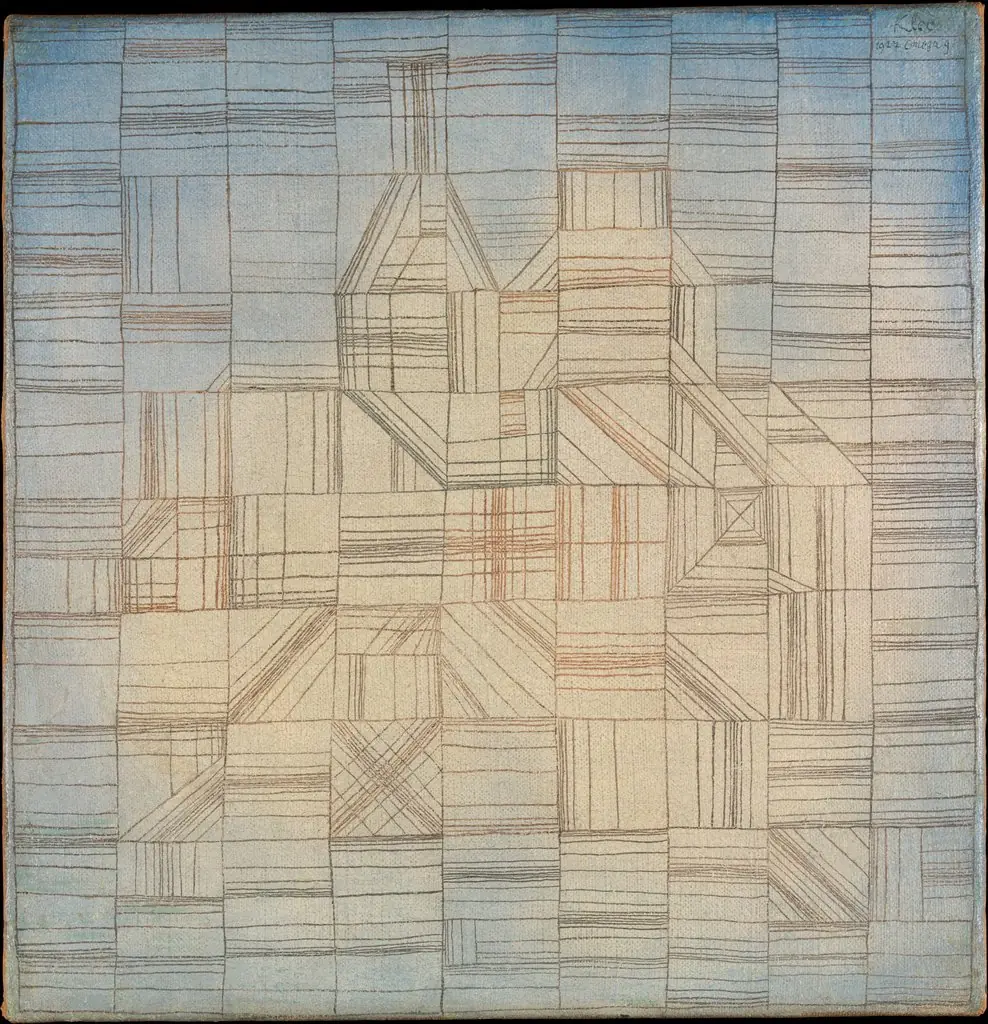
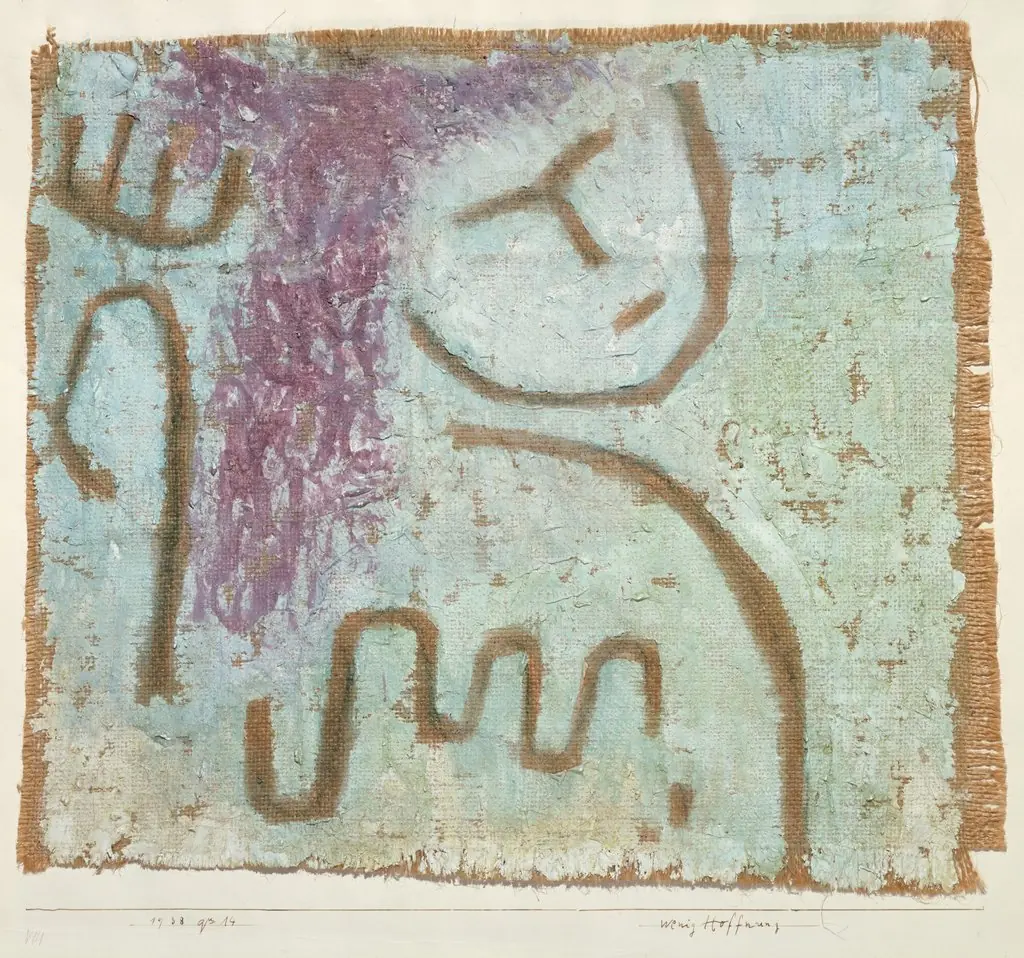
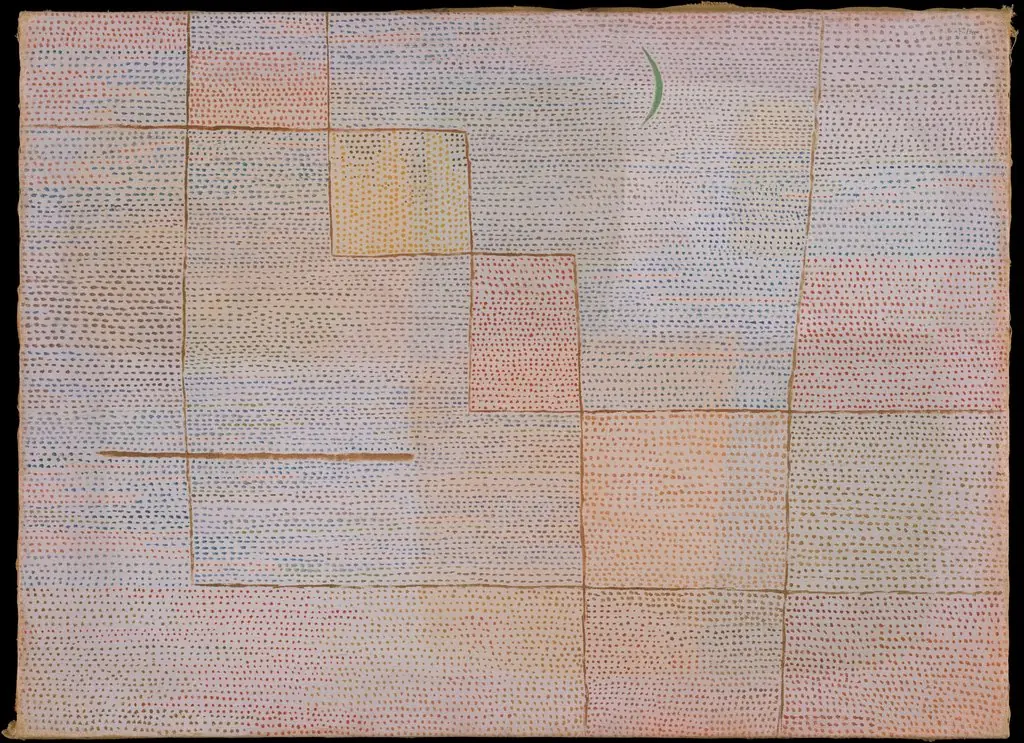
Created in 1916, Introducing the Miracle is an oil painting by Paul Klee, a Swiss‑born artist who worked in Germany. The work belongs to the German Expressionist period and is part of the Museum of Modern Art’s permanent collection. It exemplifies Klee’s early engagement with abstraction, employing vivid hues and simplified forms to generate visual rhythm.
Subject & Meaning
The canvas presents a group of figures rendered in elementary geometric shapes. A man in a green shirt occupies the foreground, while a woman in a red dress appears further back, each posed in a way that suggests movement and interaction. The arrangement of colors and lines creates a tension that guides the eye across the scene, hinting at a narrative of collective activity.
Technique & Style
Klee reduces the human form to basic lines, planes, and blocks of color, using bold strokes and textured surfaces. The palette is saturated, with contrasting greens, reds, and other vivid tones that heighten the sense of dynamism. This abstraction aligns with Klee’s interest in color theory and his experimentation with a visual language that balances spontaneity and structural order.
History & Provenance
After its completion in the midst of World War I, the painting entered the collection of the Museum of Modern Art, where it remains on display. Its acquisition reflects MoMA’s early commitment to representing avant‑garde European art and to preserving works that illustrate the development of modernist abstraction.
Context
The artist later authored influential essays on form and design, contributing theoretical foundations that continue to inform modern art education.
Introducing the Miracle sits at the intersection of expressionism, cubism, and emerging surrealist tendencies that shaped Klee’s practice. The artist later authored influential essays on form and design, contributing theoretical foundations that continue to inform modern art education. The painting therefore serves both as a visual example of his early style and as a precursor to his subsequent theoretical writings.
Own this work as a print
Artist & collection
Artist
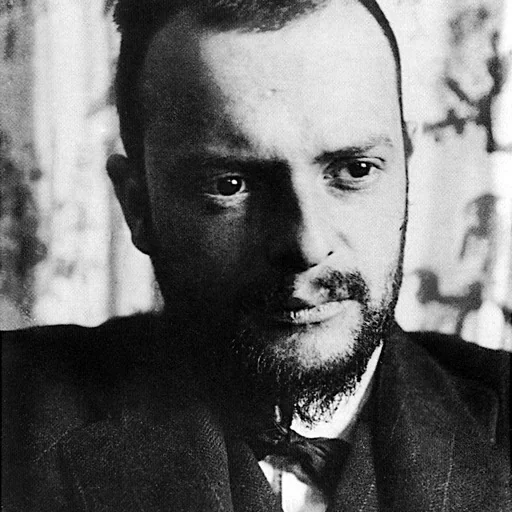
Paul Klee (German:; 18 December 1879 – 29 June 1940) was a Swiss-born German artist.