Artwork
Calanque
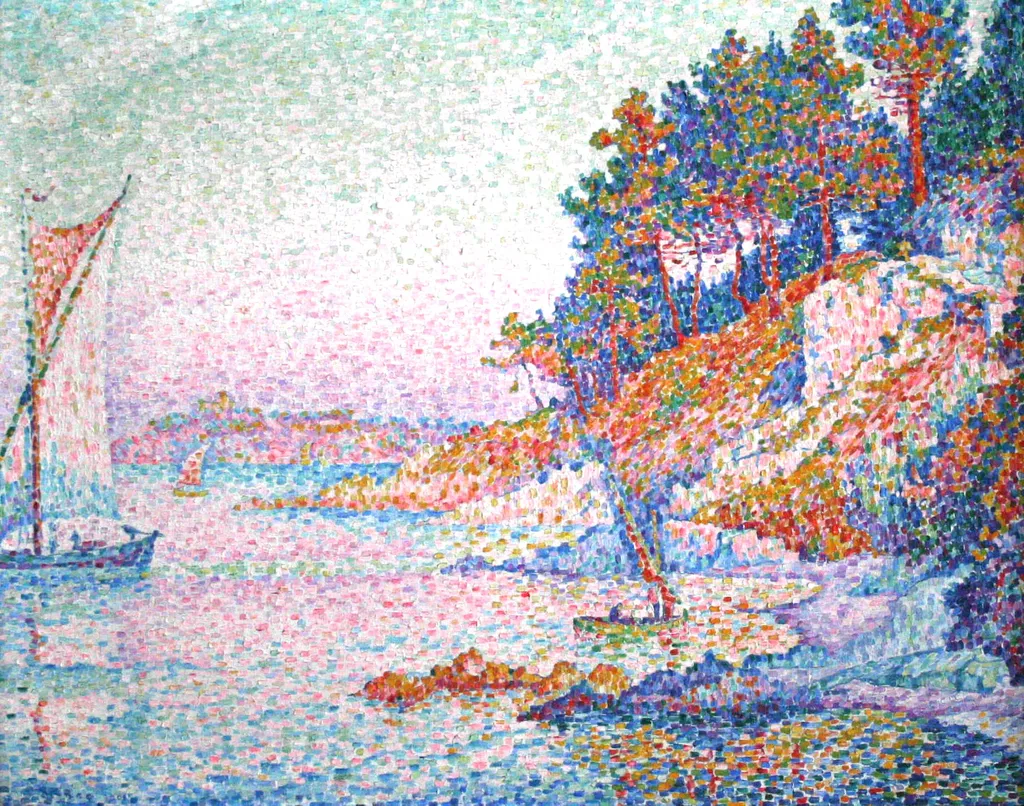
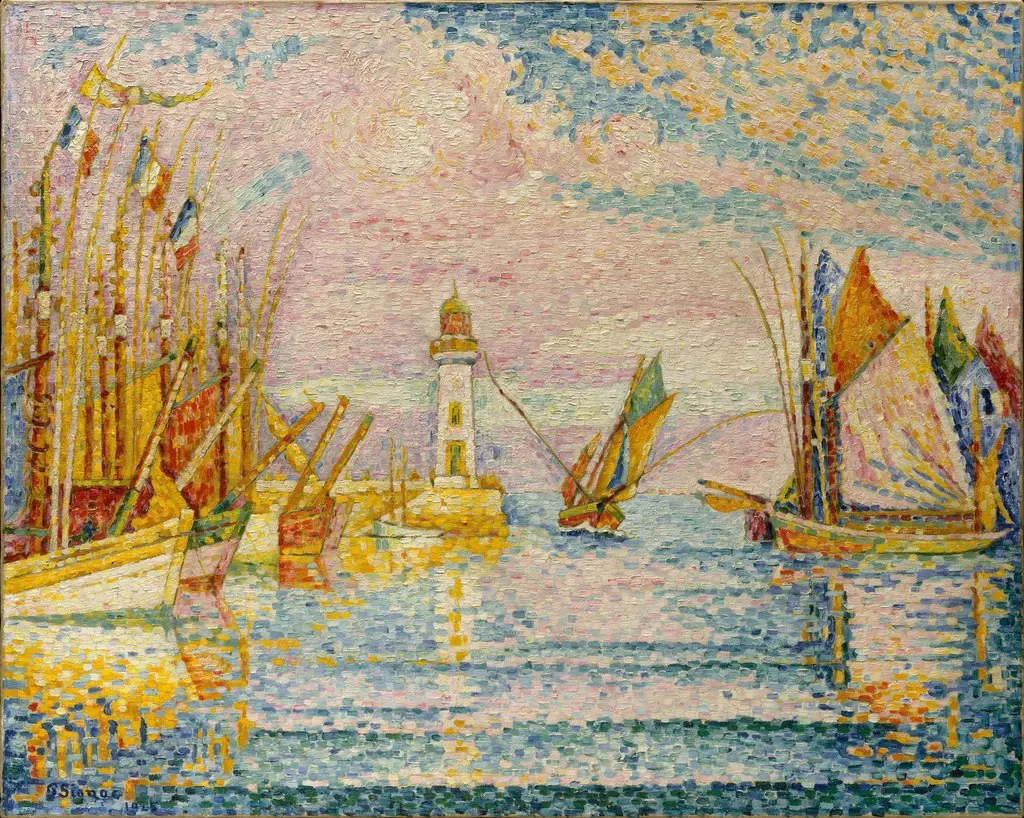
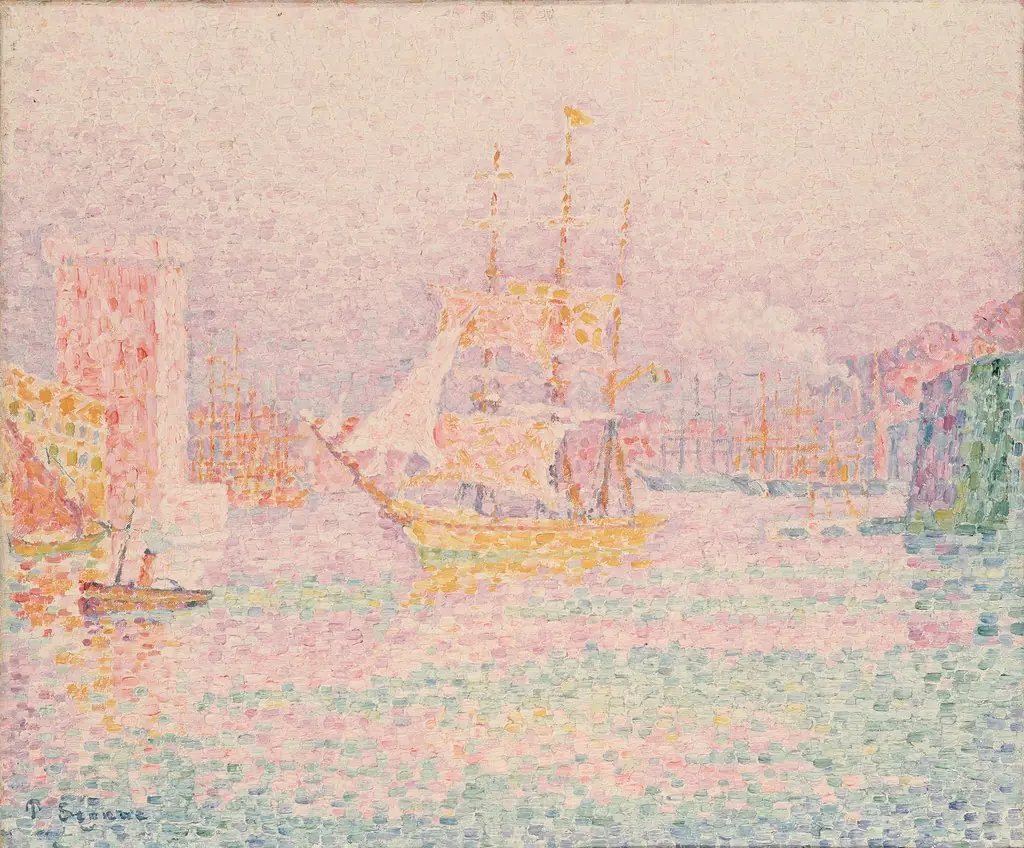
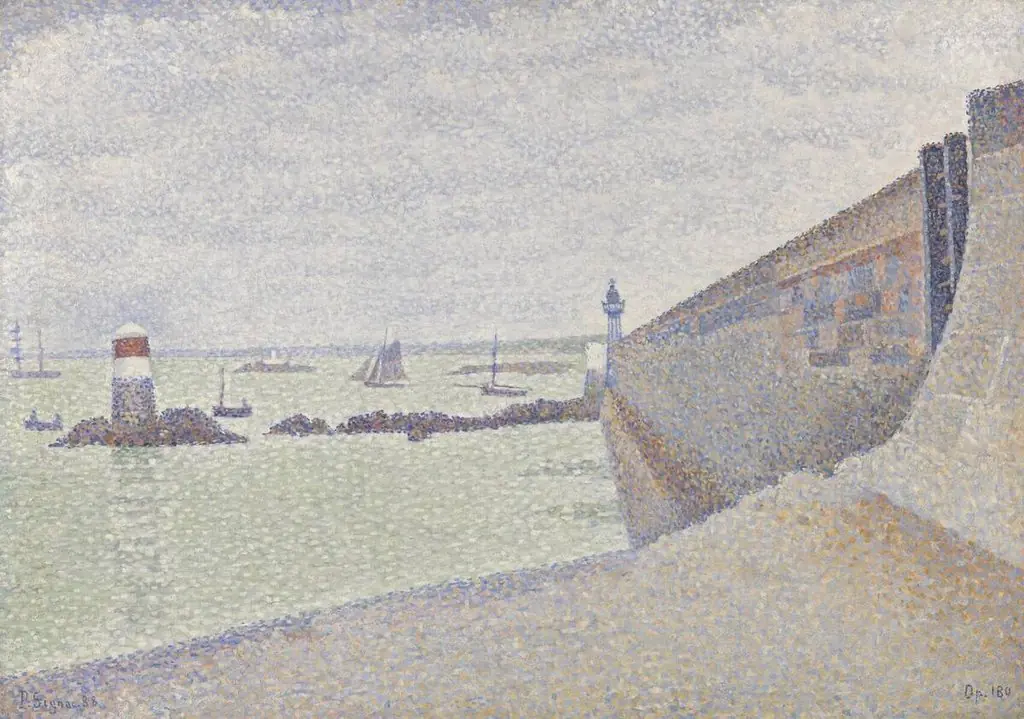
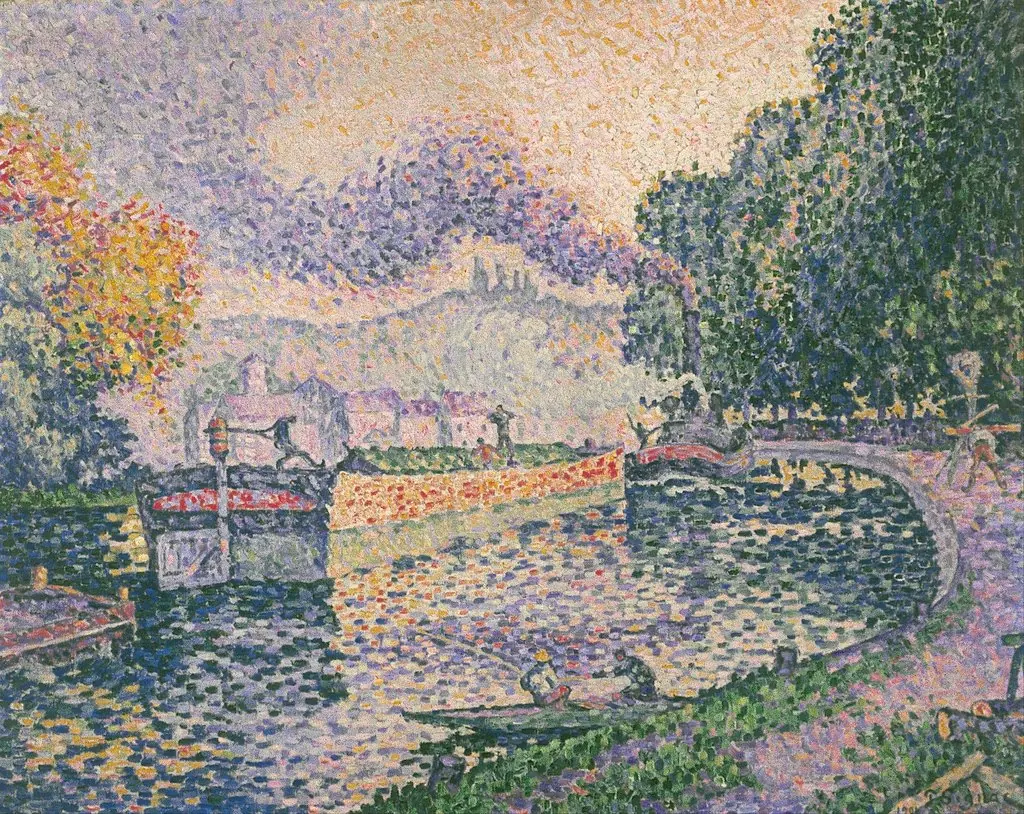
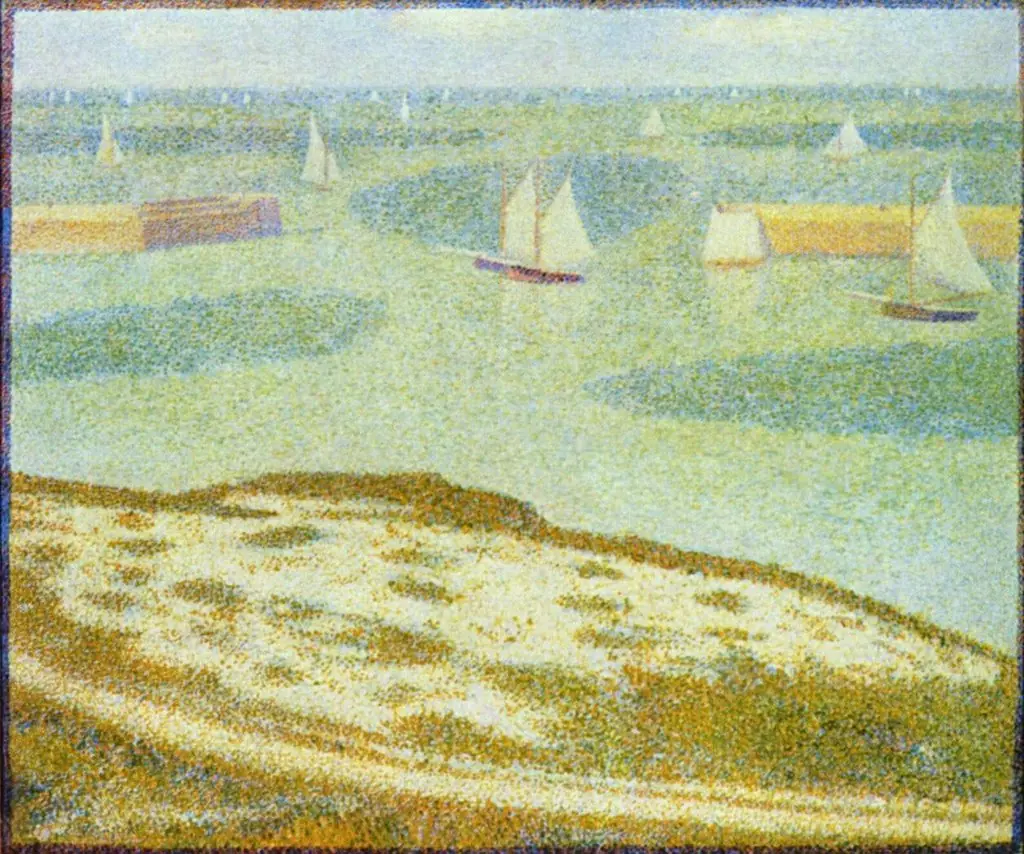
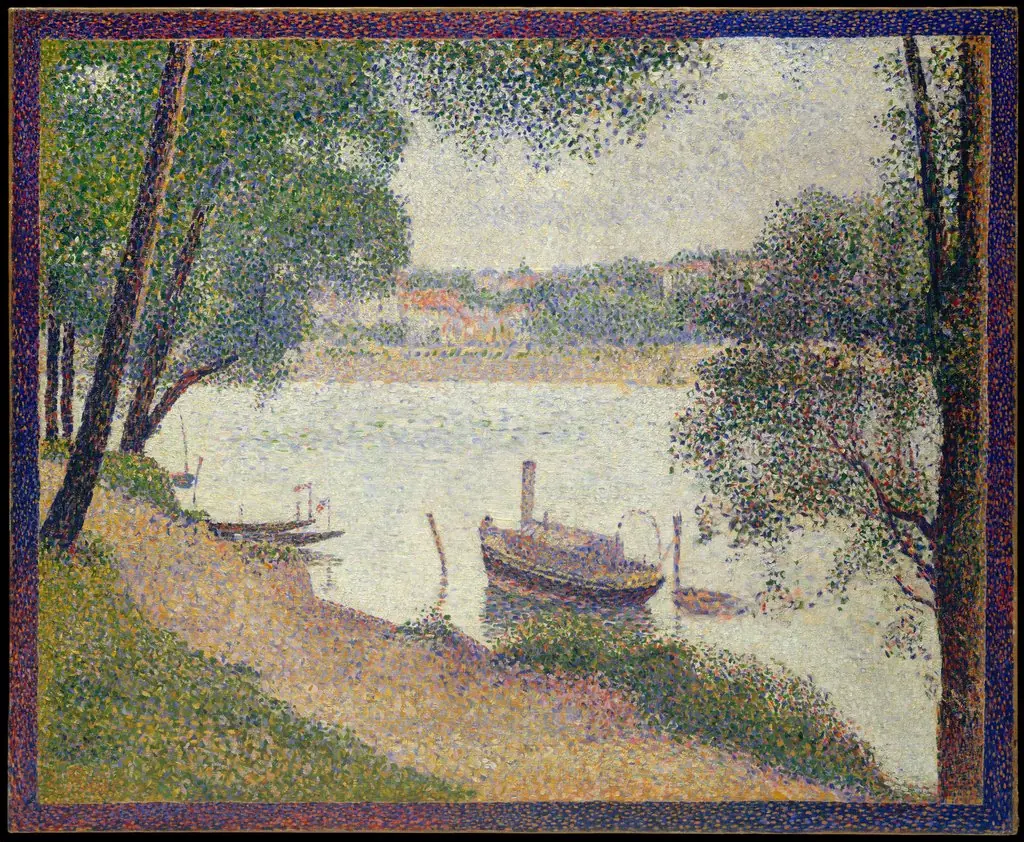
Calanque is an oil painting by the Neo-Impressionist artist Paul Signac. It dates from 1906 and is held in the collection of the Royal Museums of Fine Arts of Belgium.
About this work
Overview
Calanque is an oil painting created by Paul Signac in 1906, featuring a landscape with a sailboat and a tree, characterized by the distinctive use of tiny colored dots.
Subject & Meaning
The painting depicts a serene seascape with a sailboat on the water and a tree on the right, reflecting Signac's affinity for maritime subjects, influenced by his experience as a sailor.
Technique & Style
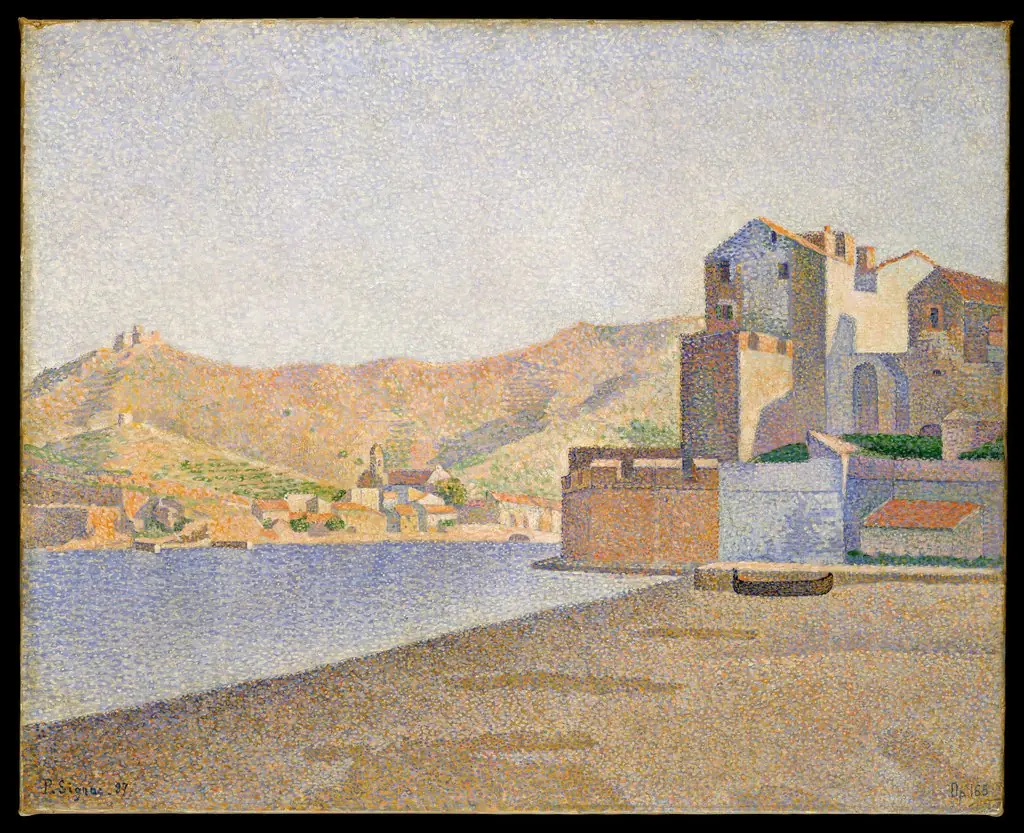
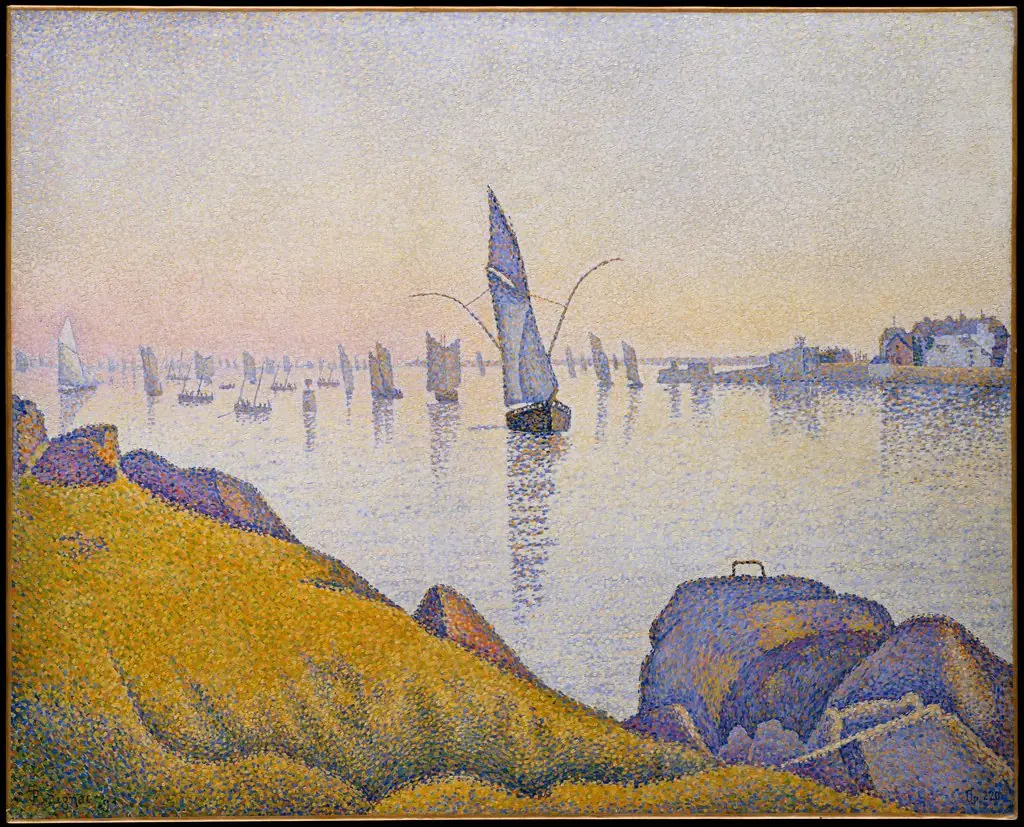
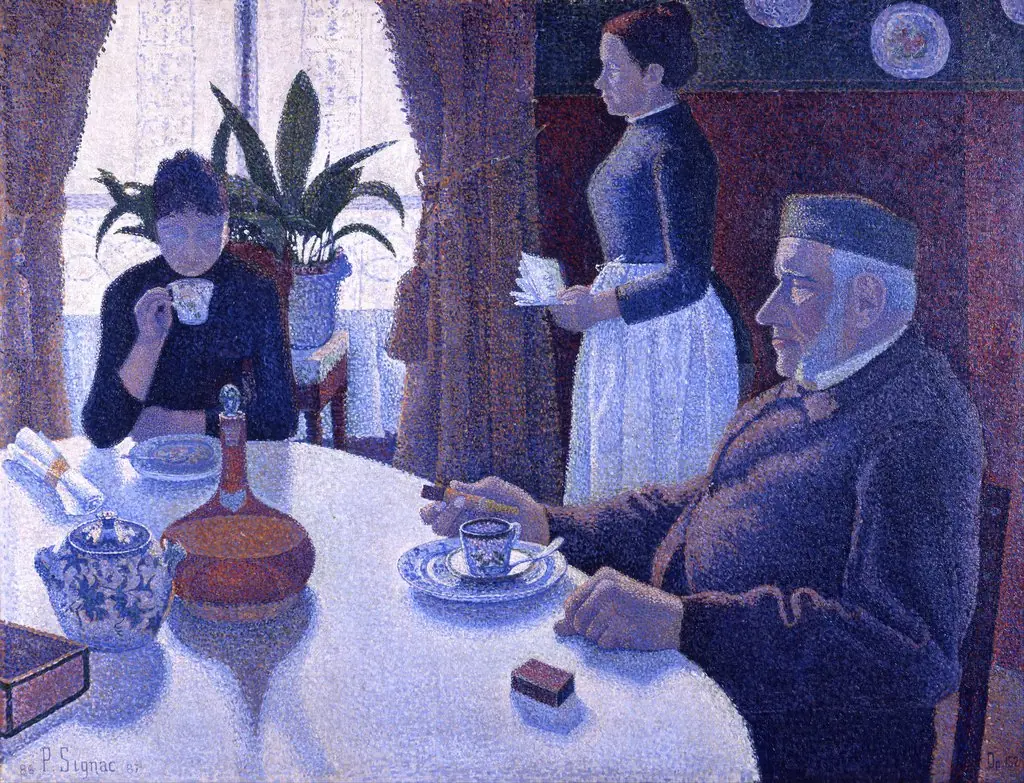
Executed in Pointillism, a technique Signac developed alongside Georges Seurat, the work comprises densely packed, tiny dots of pink, blue, yellow, and green, which blend at a distance to create soft, shimmering effects in the sky and sea, contrasting with the bold, thick foliage.
History & Provenance
Calanque is part of the collection at the Royal Museums of Fine Arts of Belgium, highlighting its recognition within the European art historical canon.
Context
As a leading Neo-Impressionist, Signac's use of Pointillism in Calanque exemplifies the movement's emphasis on optical mixing and capturing light, distinguishing it from other contemporary landscape approaches.
Legacy
Calanque contributes to Signac's legacy as a pioneer of Pointillism, with its vibrant, dot-filled composition continuing to illustrate the innovative style that influenced subsequent artistic movements.
Own this work as a print
Artist & collection

Artist
Paul Victor Jules Signac ( seen-YAHK, French:; 11 November 1863 – 15 August 1935) was a French Neo-Impressionist painter who, with Georges Seurat, helped develop the artistic technique Pointillism.

Museum
Royal Museums of Fine Arts of Belgium
Continue through works from the same source collection.