
Movement
Neo-Impressionism
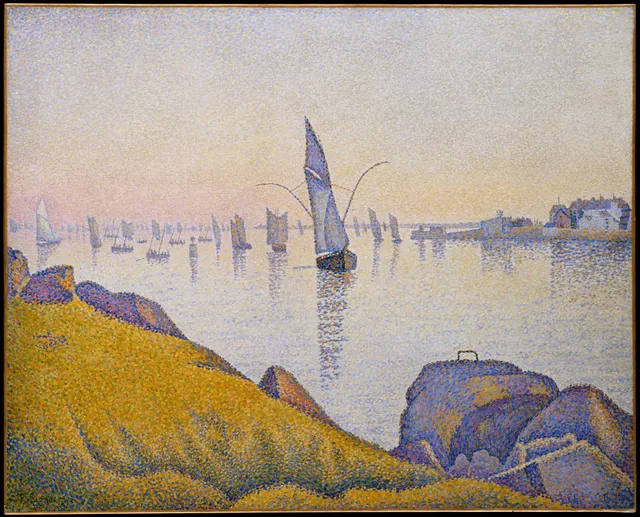
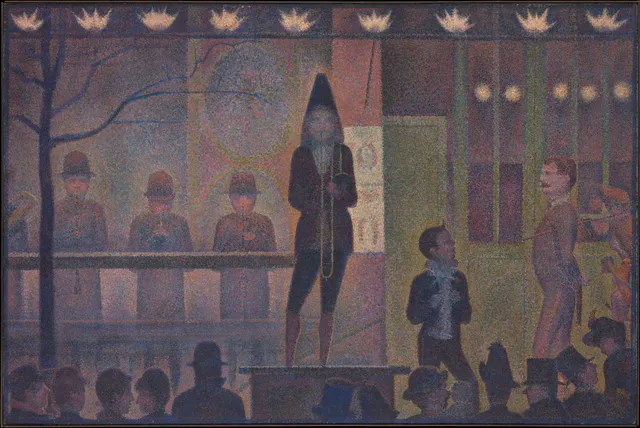
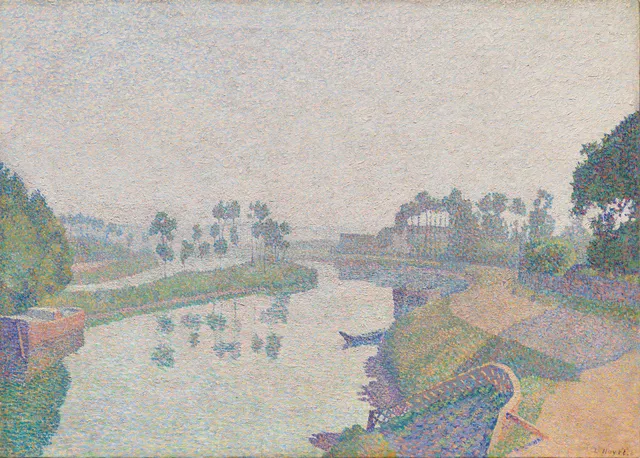
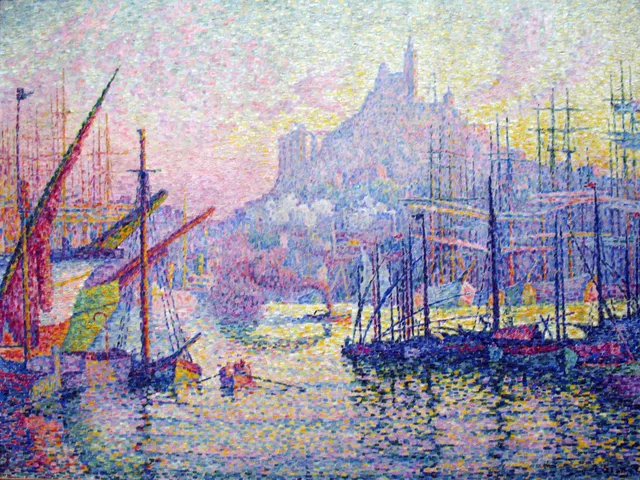
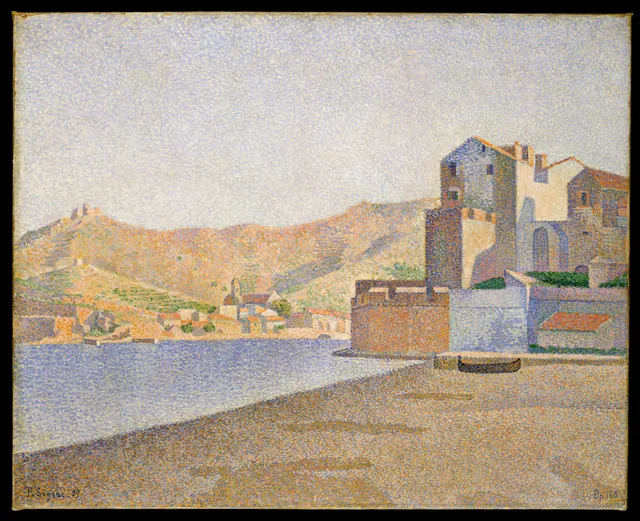
Neo-Impressionism is an art movement of the 1880–1900 period. The gallery holds 31 works in this movement, including works by Camille Pissarro, Paul Signac and Georges Seurat. Browse Neo-Impressionism paintings, portraits, pictures and artworks from the world's public-domain museum collections.
Neo-Impressionism emerged in Paris in the mid-1880s as a deliberate, scientifically minded revision of Impressionism. Its founding moment was the appearance of Georges Seurat's monumental "A Sunday Afternoon on the Island of La Grande Jatte" at the eighth and final Impressionist exhibition and the Salon des Indépendants in 1886. The critic Félix Fénéon coined the term "Neo-Impressionism" that same year. Where the Impressionists had chased fleeting atmosphere with spontaneous, improvised brushwork, Seurat and his circle sought to put painting on a rational footing, drawing on the colour theories of Michel-Eugène Chevreul and the American physicist Ogden Rood to build durable, harmonious compositions from optical principles.
The movement's defining technique was the application of small, separate touches of pure, unmixed pigment placed side by side so that they fuse in the viewer's eye rather than on the palette. This practice of optical mixture is known as Divisionism, while the closely related habit of applying paint in precise, regular dots is called Pointillism. Juxtaposing complementary colours—a dab of orange beside blue, for instance—the Neo-Impressionists aimed for a vibrancy and luminosity greater than premixed paint could yield. The method demanded patience and produced still, almost frozen scenes governed by carefully calibrated horizontals, verticals and proportions.
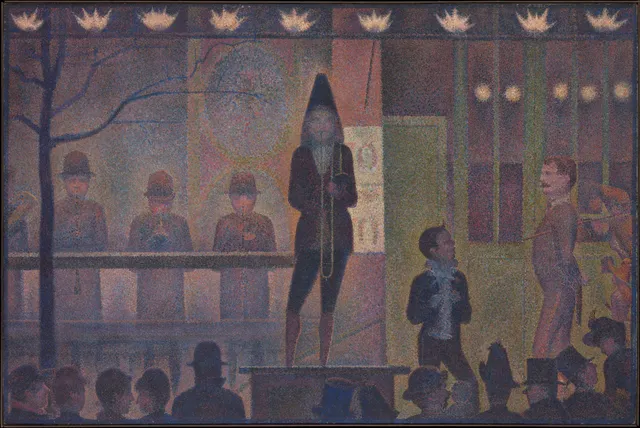
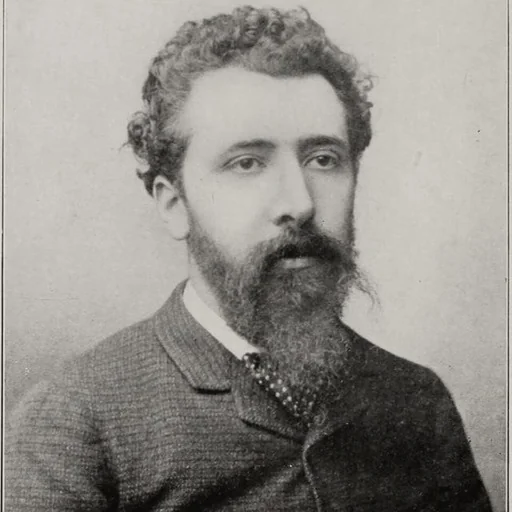
Seurat (1859–1891) was the movement's originator, and beyond "La Grande Jatte" he produced "Models," "Circus Sideshow" ("Parade de cirque"), "Le Chahut" and the unfinished "The Circus." His early death from illness at thirty-one left Paul Signac as the group's leading intellect and advocate. Signac codified its principles in the 1899 treatise "D'Eugène Delacroix au néo-impressionnisme" and applied them to luminous Mediterranean harbour scenes such as those at Marseilles, Collioure and Concarneau. The circle also included the elder Impressionist Camille Pissarro and his son Lucien, Henri-Edmond Cross, Charles Angrand, the Belgian painters Théo van Rysselberghe and Anna Boch, and others who carried the style across France and into Belgium via Les XX.
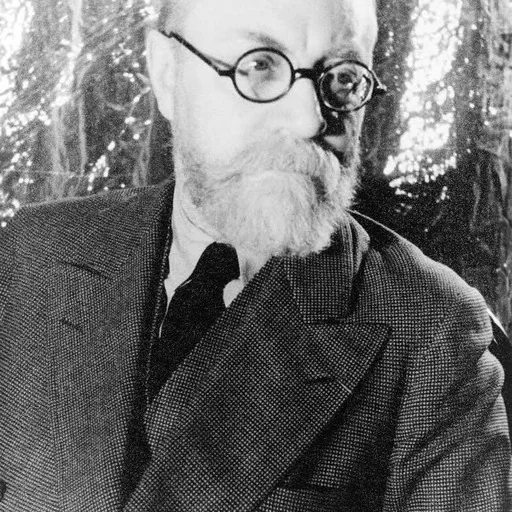
Though its strict phase was brief, Neo-Impressionism's reach was considerable. Signac and Cross, settled on the Côte d'Azur, mentored a younger generation; when Henri Matisse joined them at Saint-Tropez in 1904 he absorbed their divided colour and produced "Luxe, calme et volupté," a direct bridge to Fauvism. The movement thus stands as the methodical successor to Impressionism and a crucial conduit toward the liberated colour of early twentieth-century modernism, its scientific ambition echoing later in Robert Delaunay's Orphism.
Key artists

Works
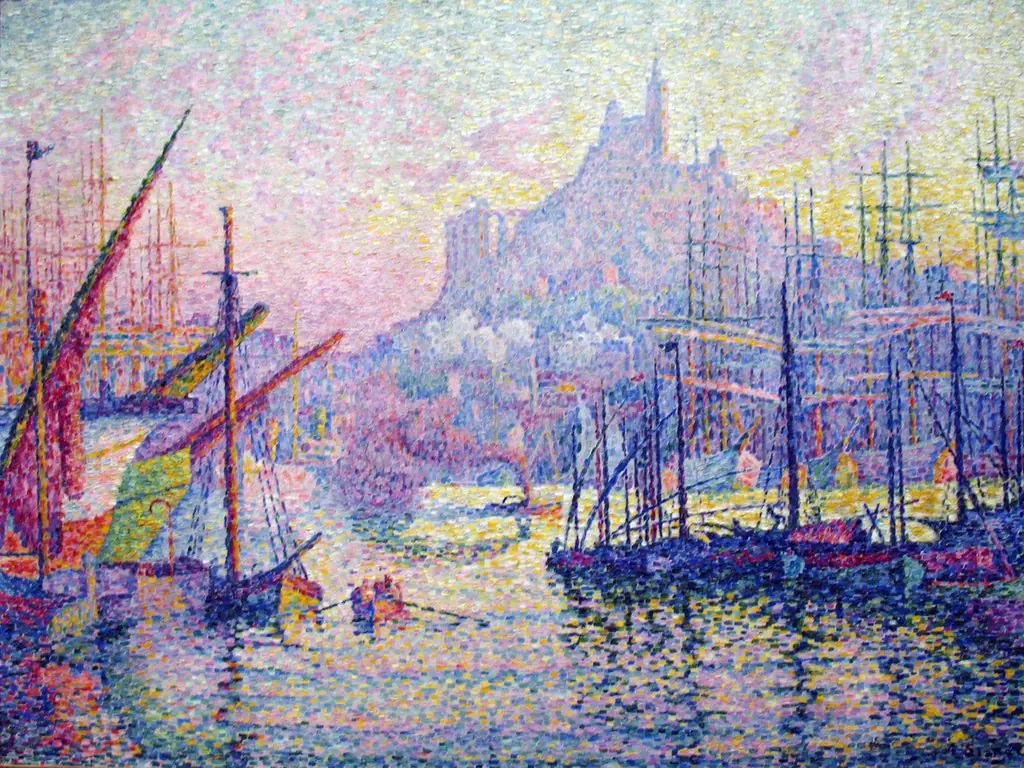 Notre-Dame-de-la-Garde (La Bonne-Mère), Marseilles
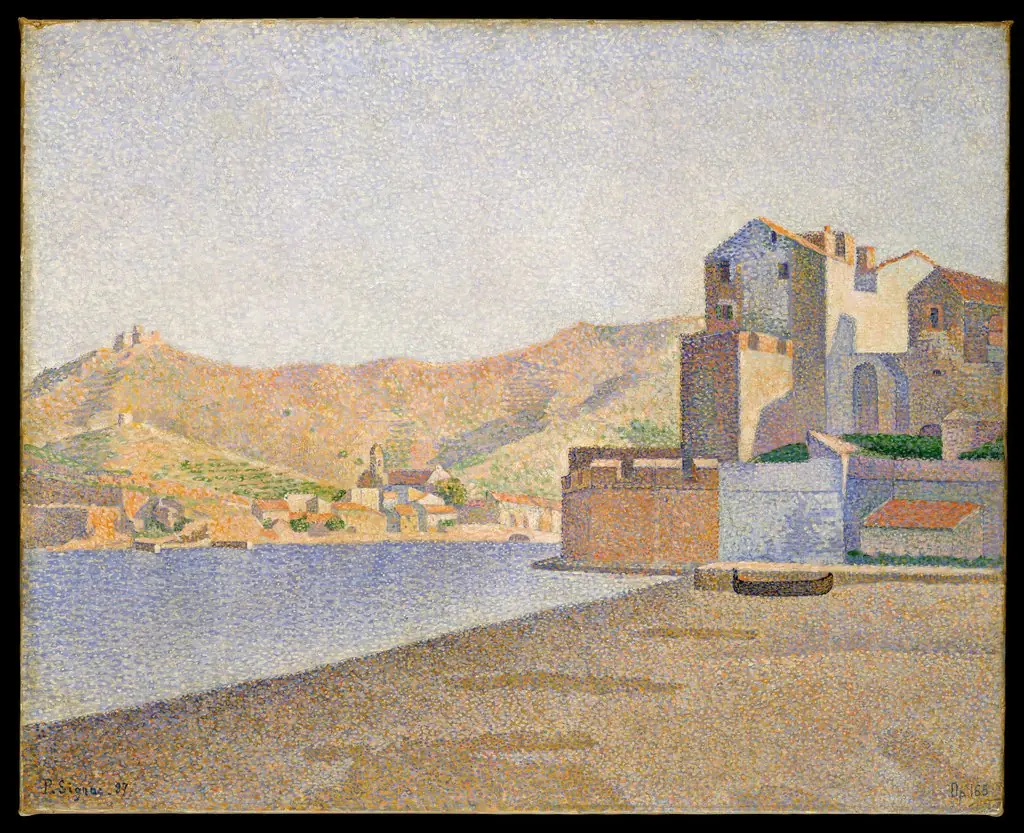 The Town Beach, Collioure, Opus 165
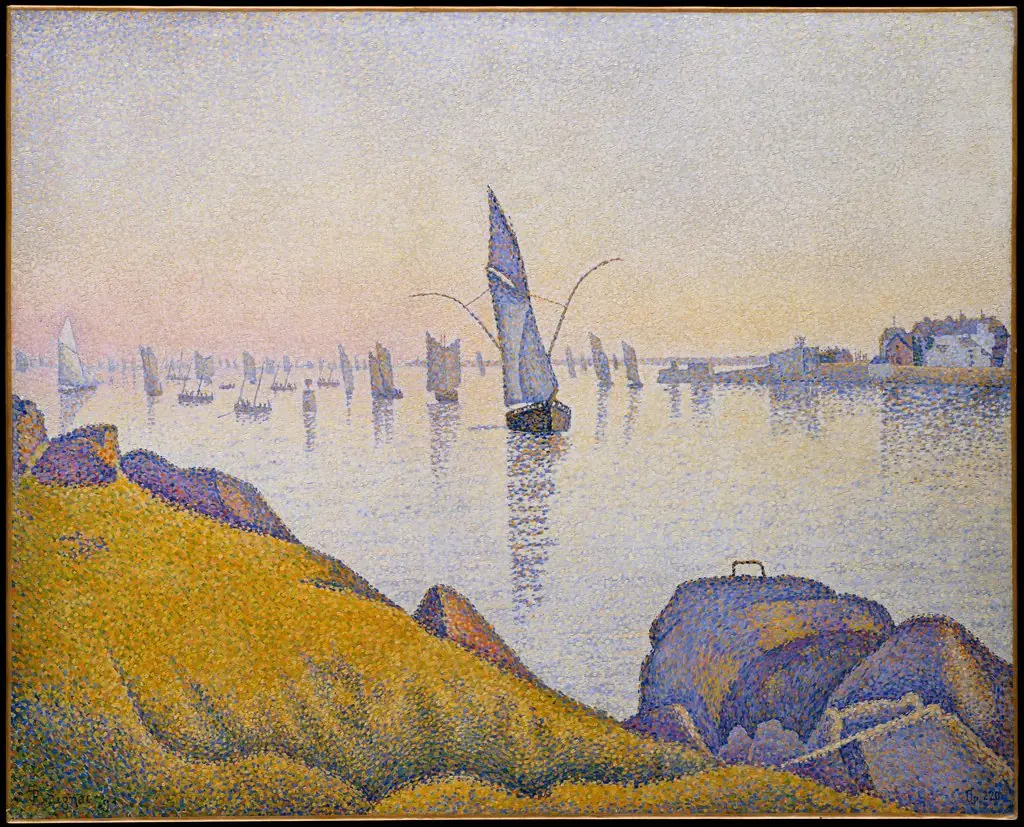 Evening Calm, Concarneau, Opus 220 (Allegro Maestoso)
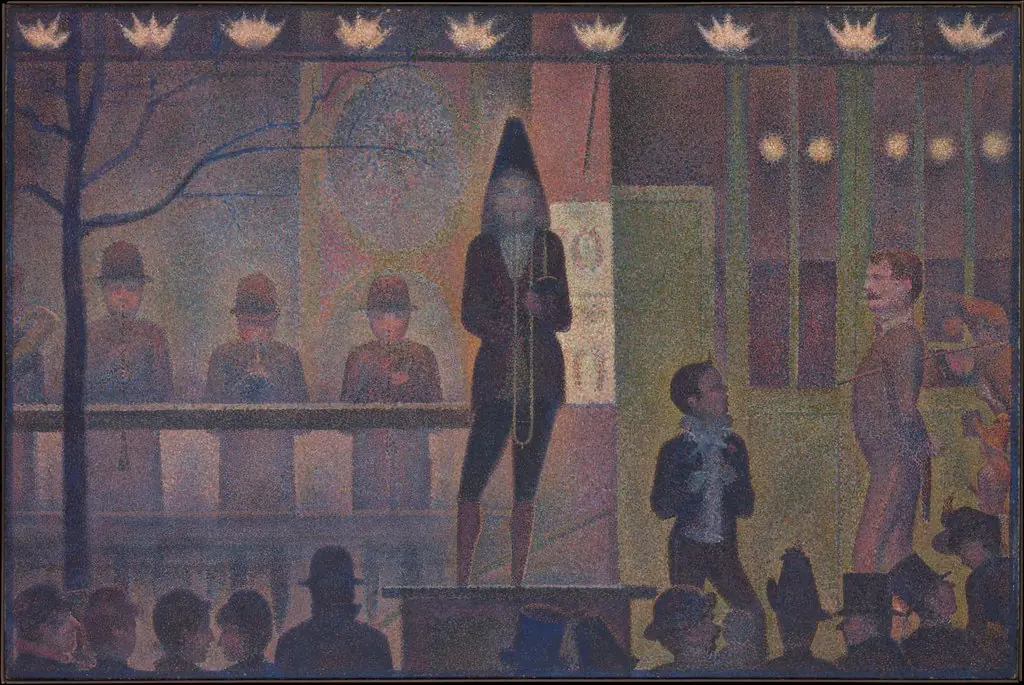 The Circus Parade
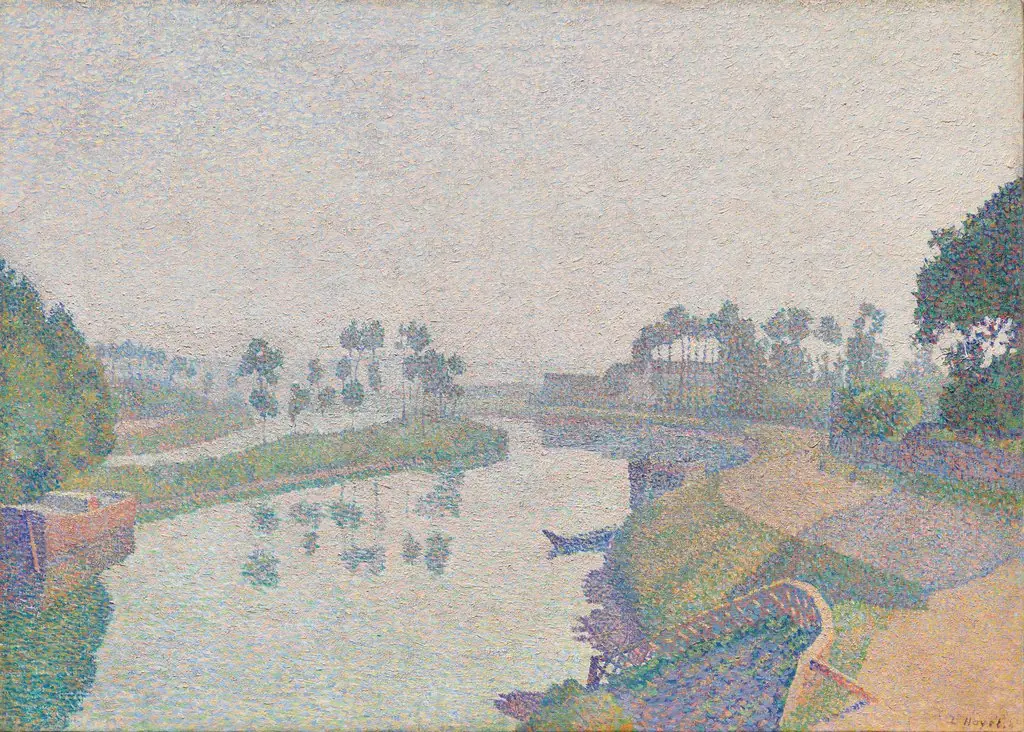 Banks of the Oise at Dawn
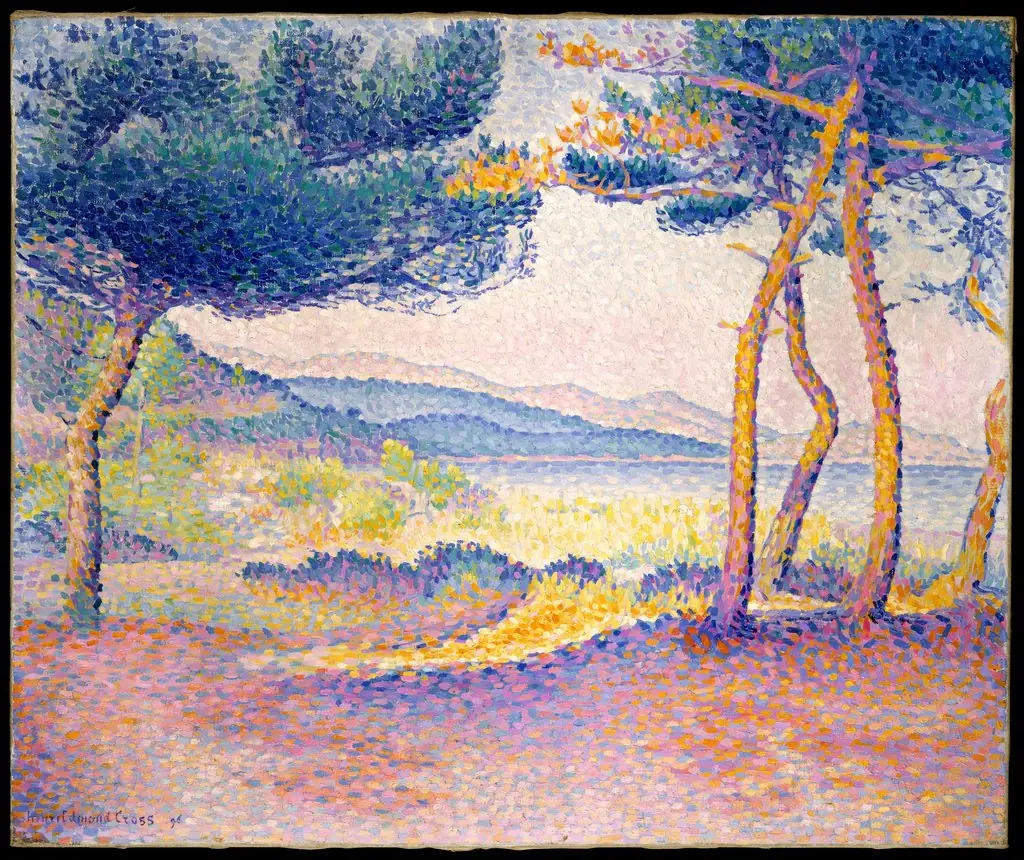 Pines Along the Shore
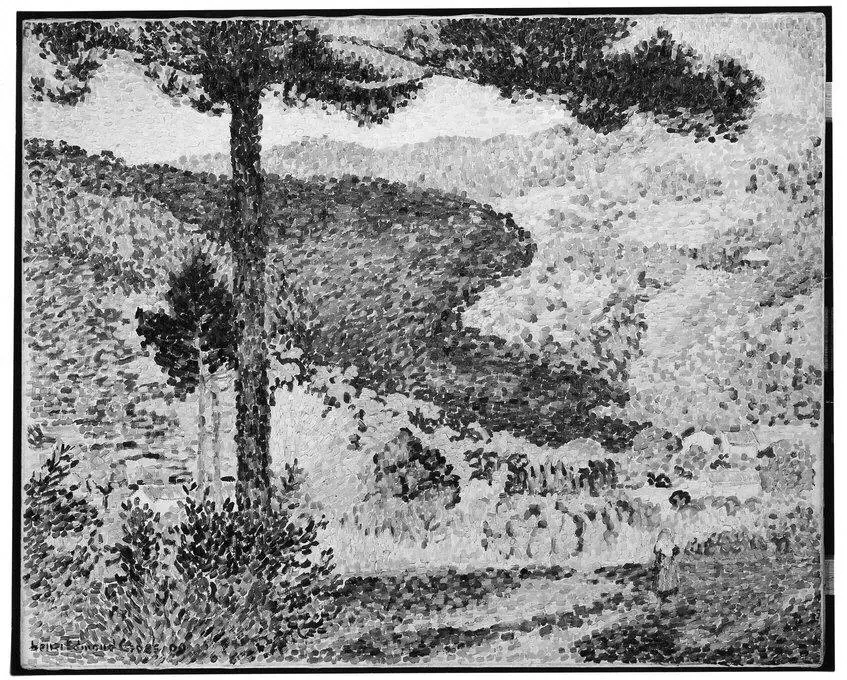 Valley with Fir (Shade on the Mountain)
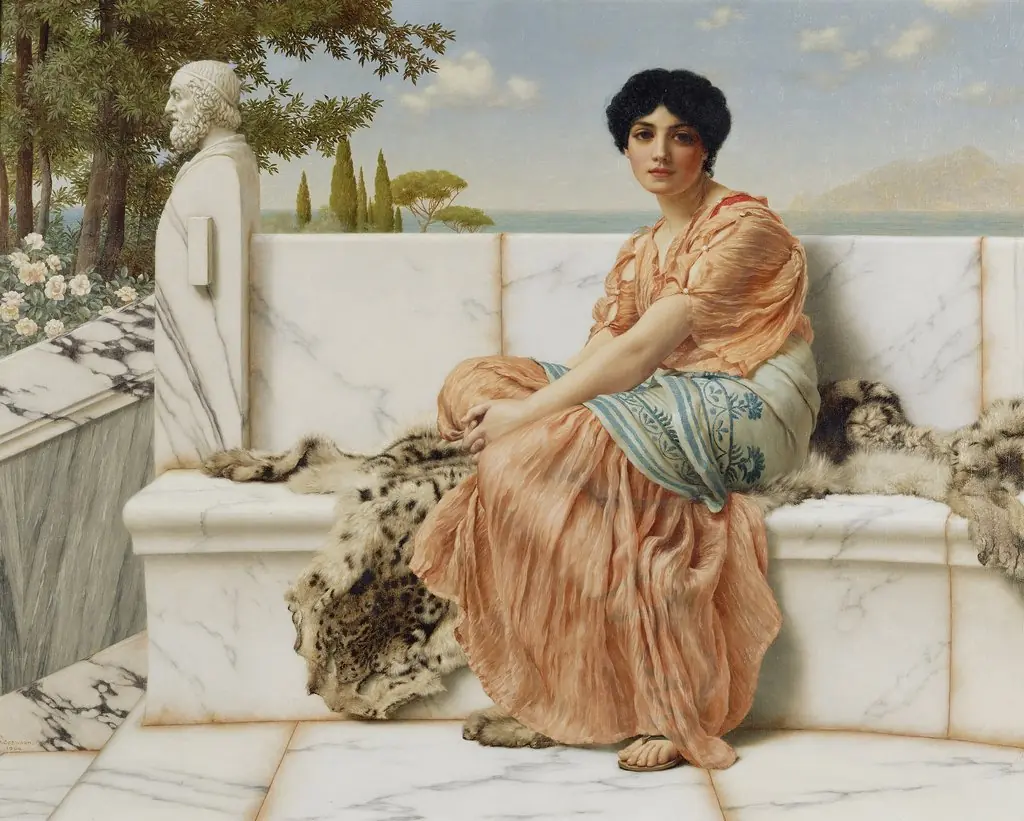 Reverie
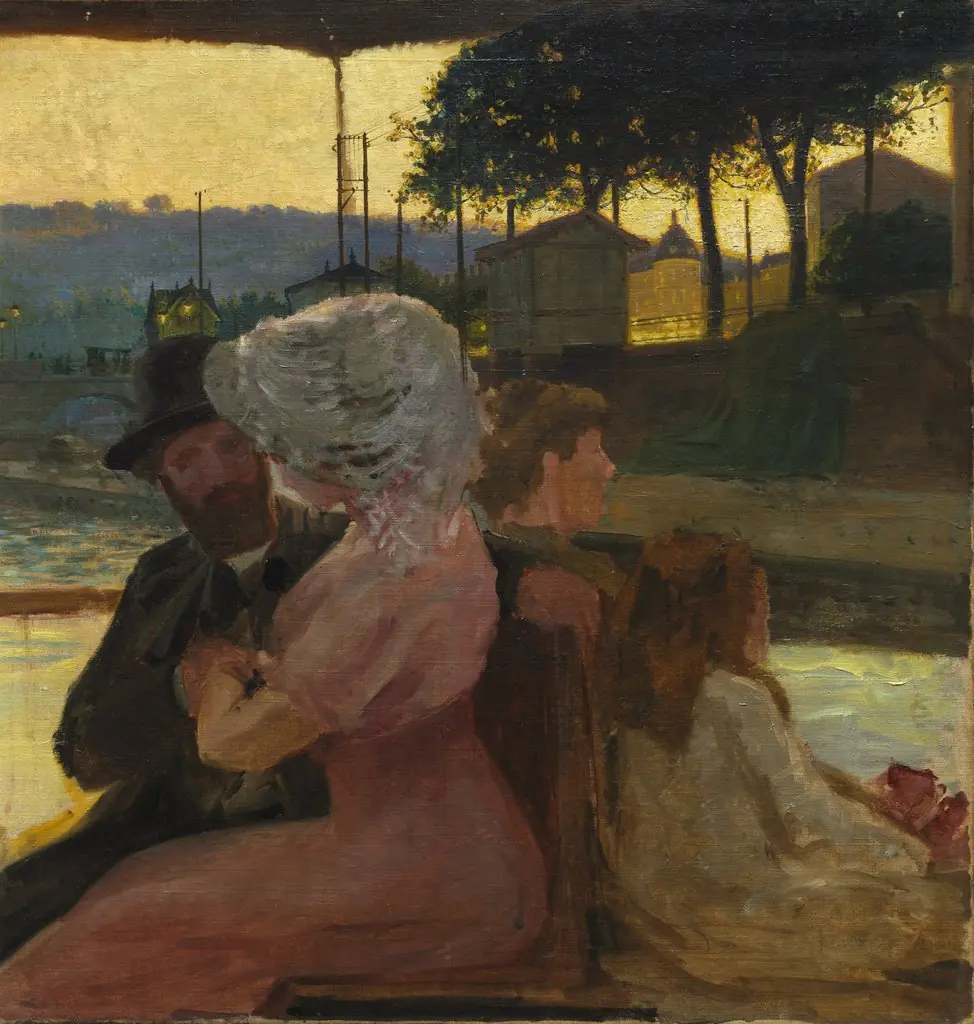 On the River
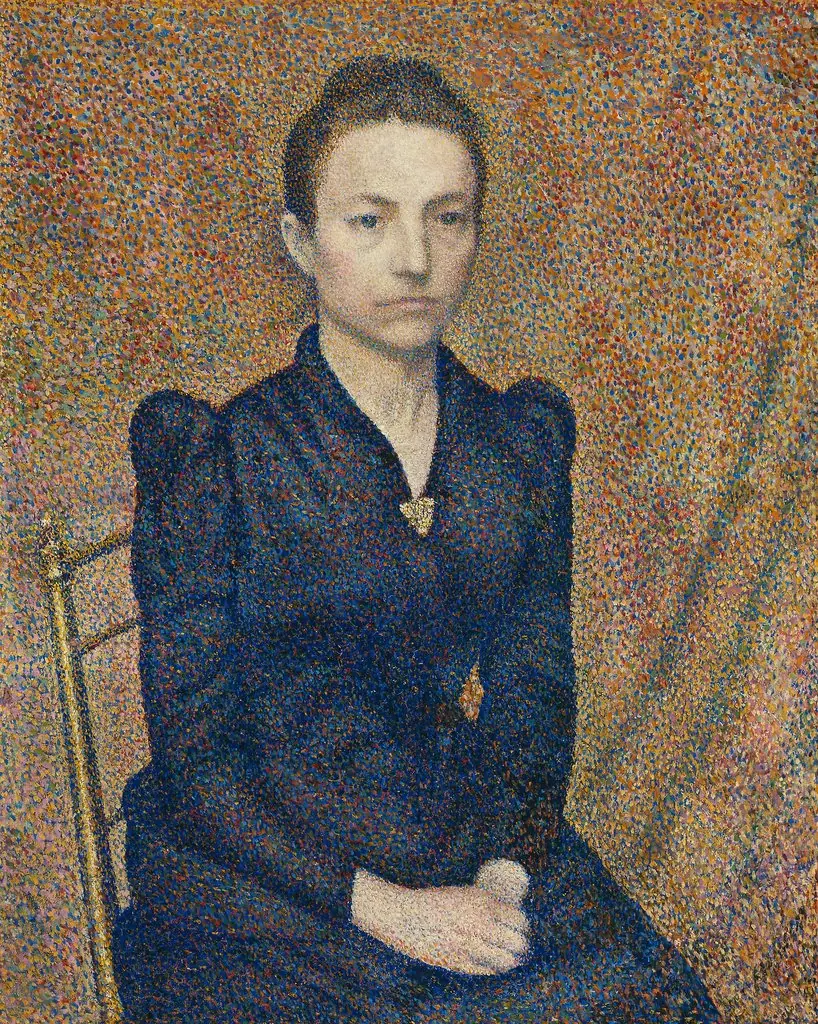 Portrait of the Artist's Sister
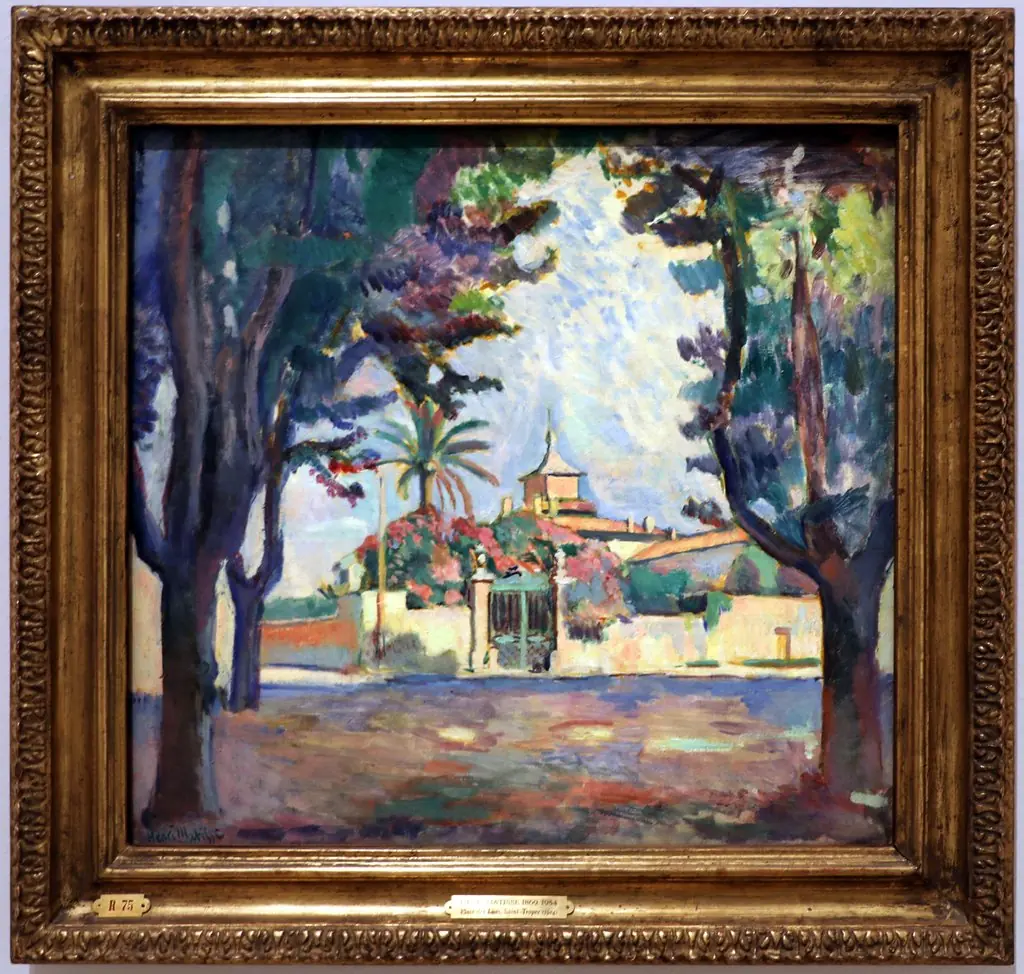 Place des Lices, Saint-Tropez
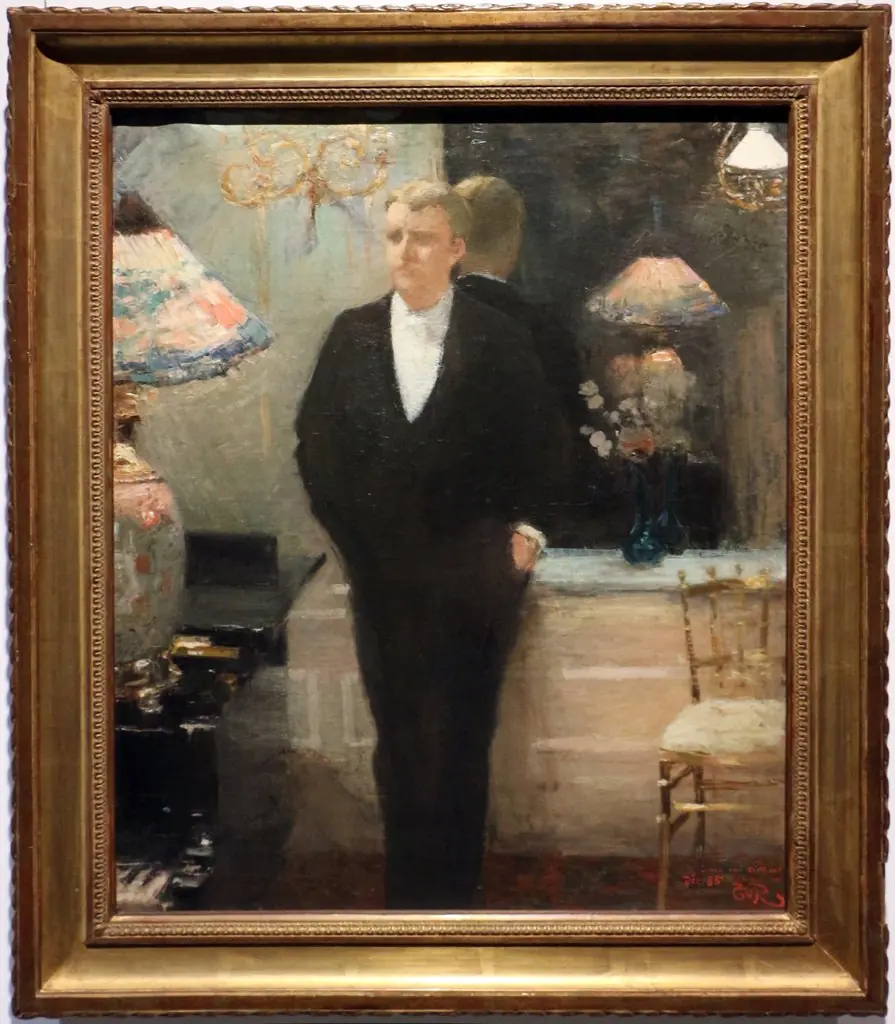 Portrait of Octave Maus
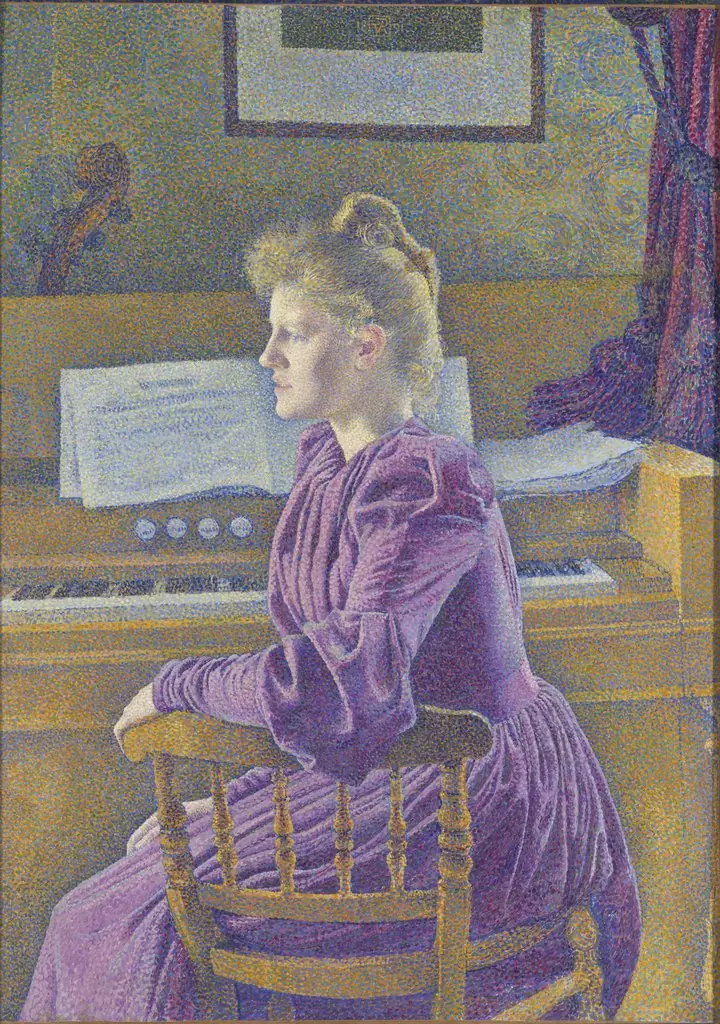 Maria Sèthe
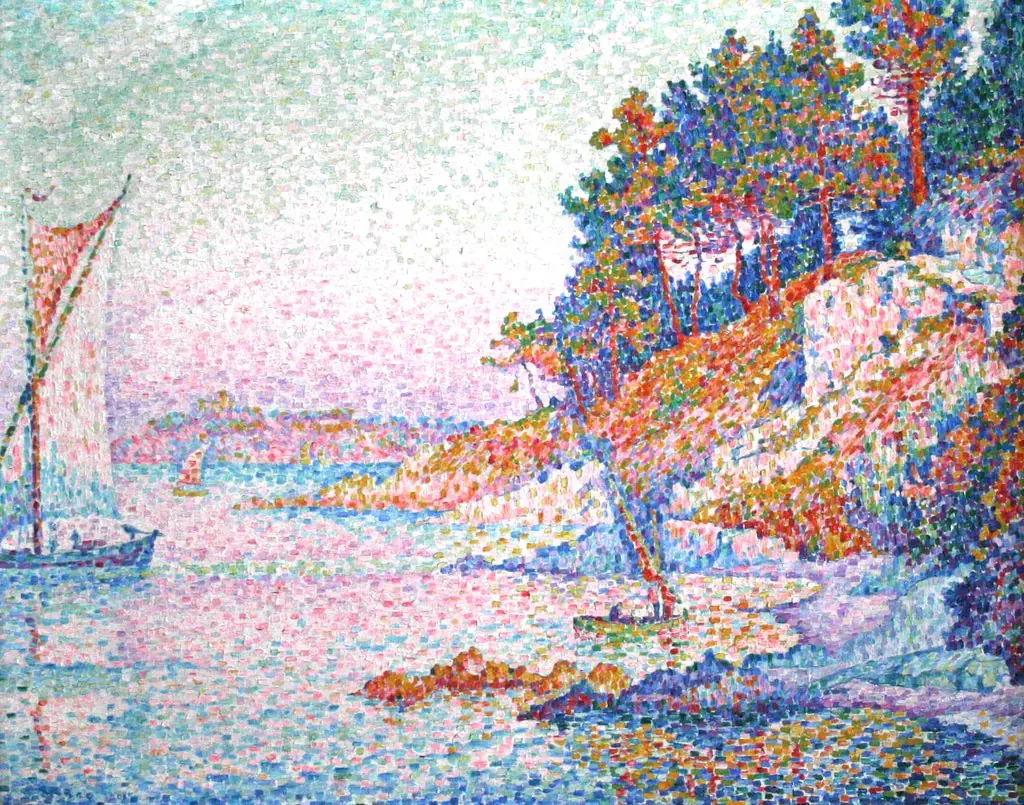 Calanque
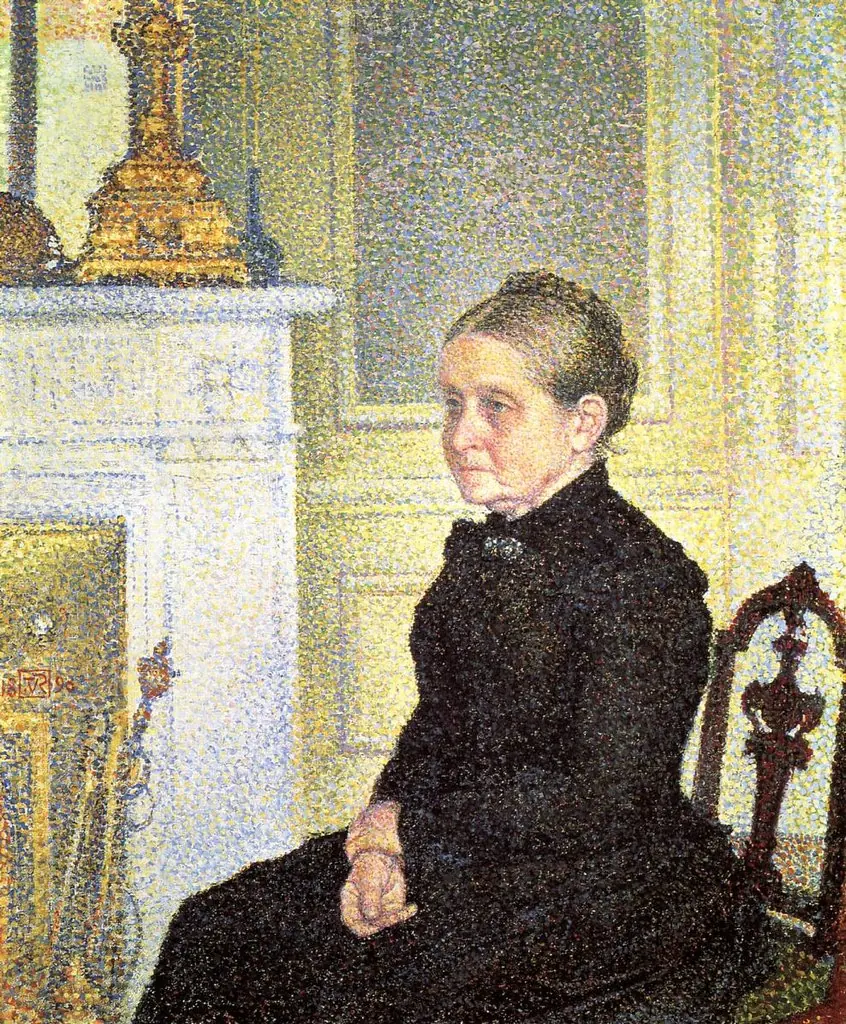 Portrait of Madame Charles Maus
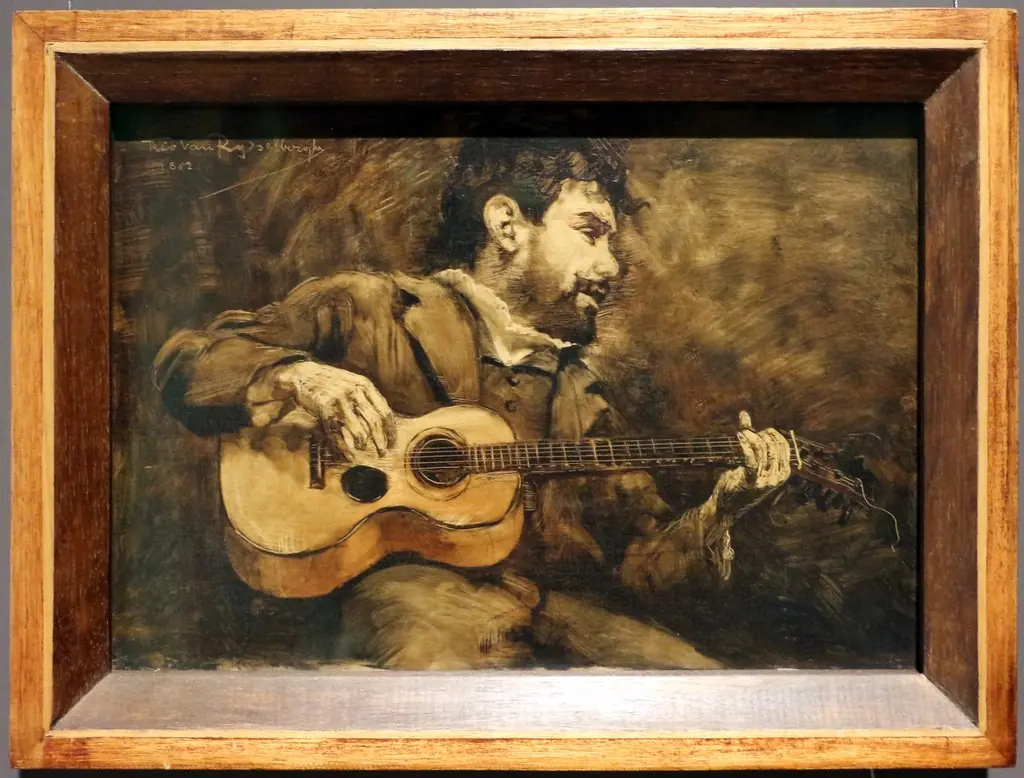 Guitar player - Portrait of the Spanish painter Darío de Regoyos
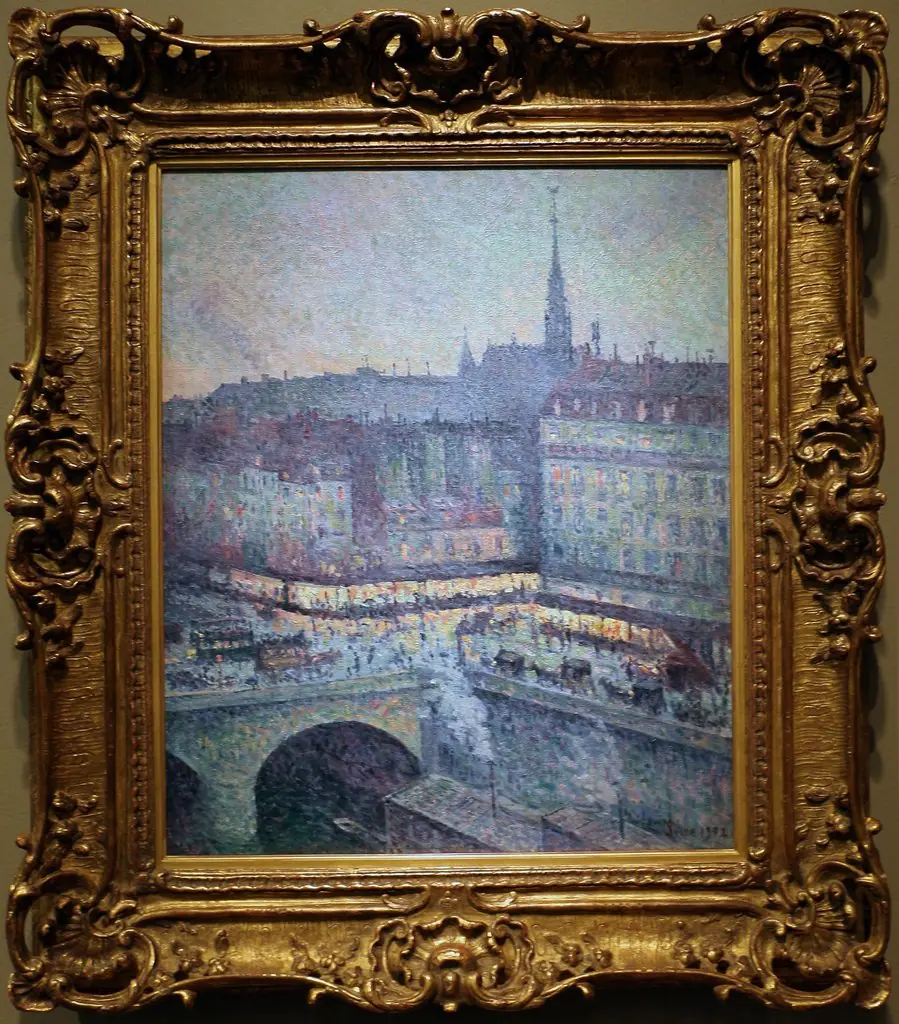 La Sainte-Chapelle
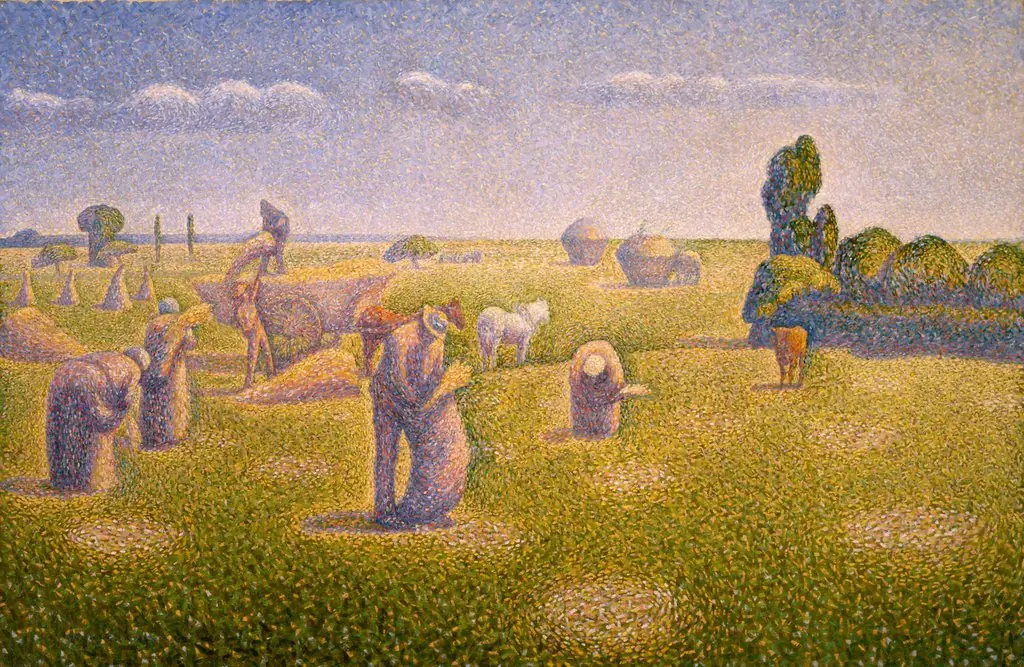 The Harvesters
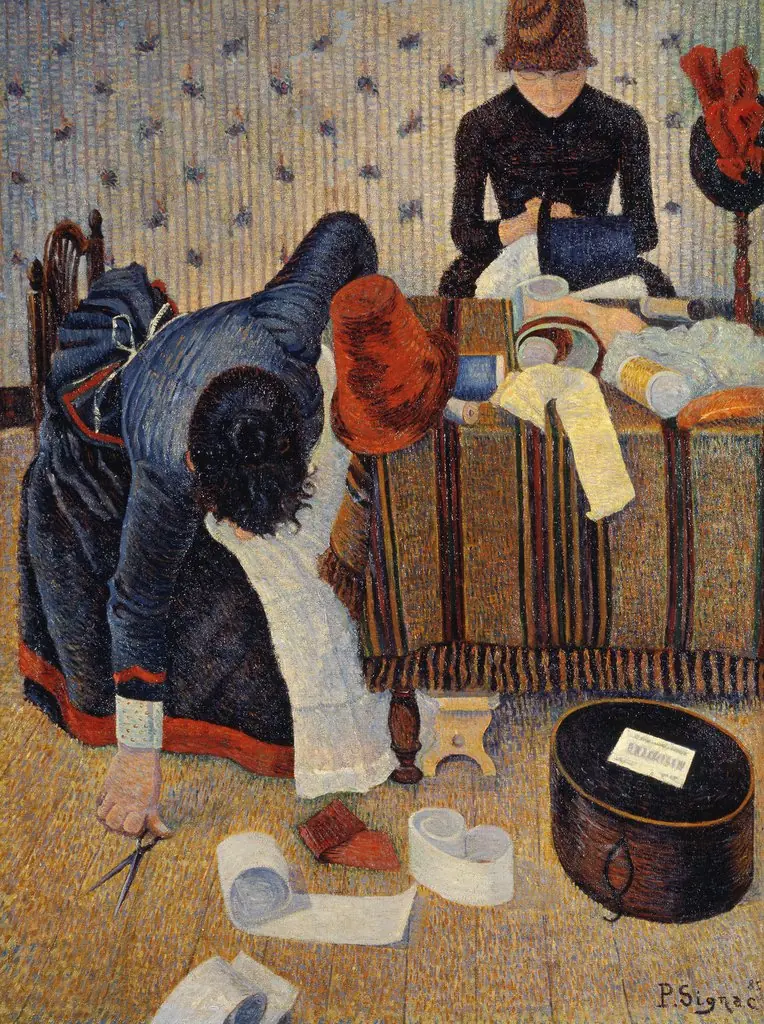 Deux stylistes Rue du Caire
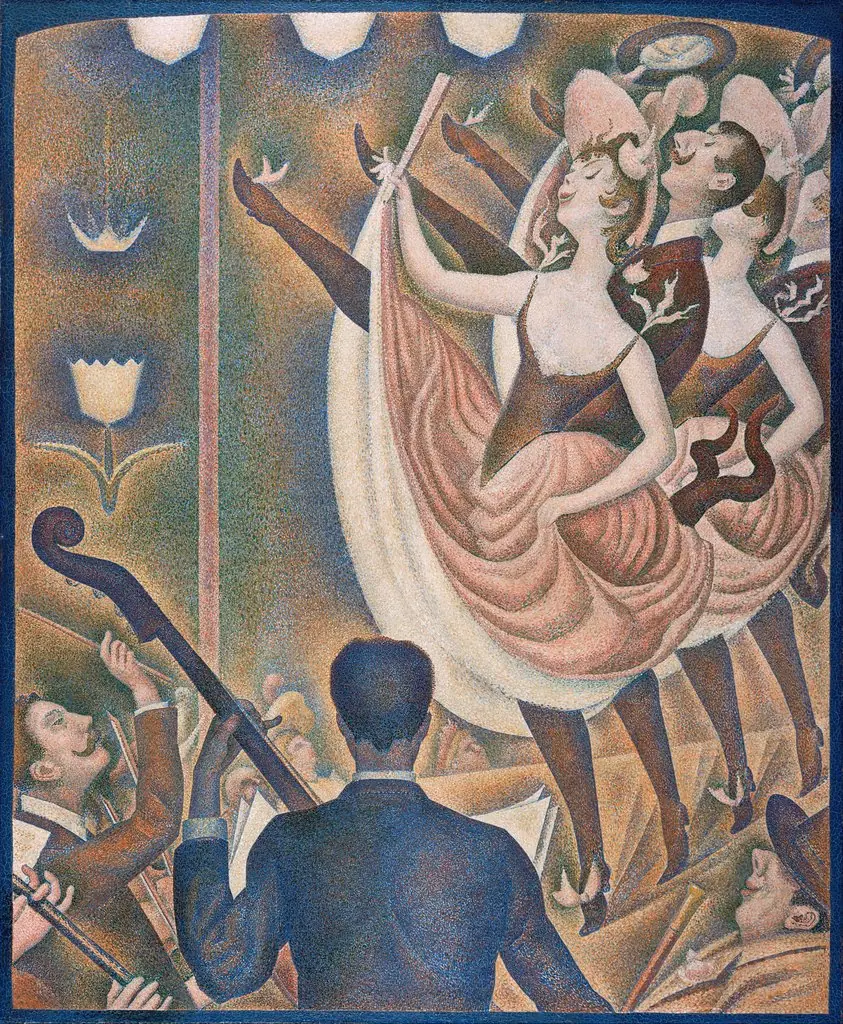 Le Chahut
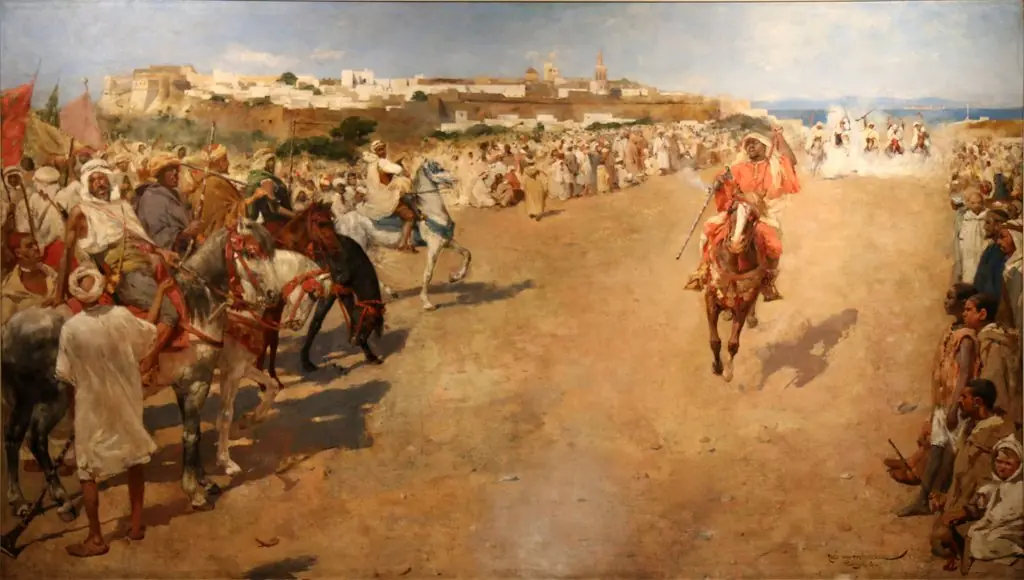 Arabian fantasia
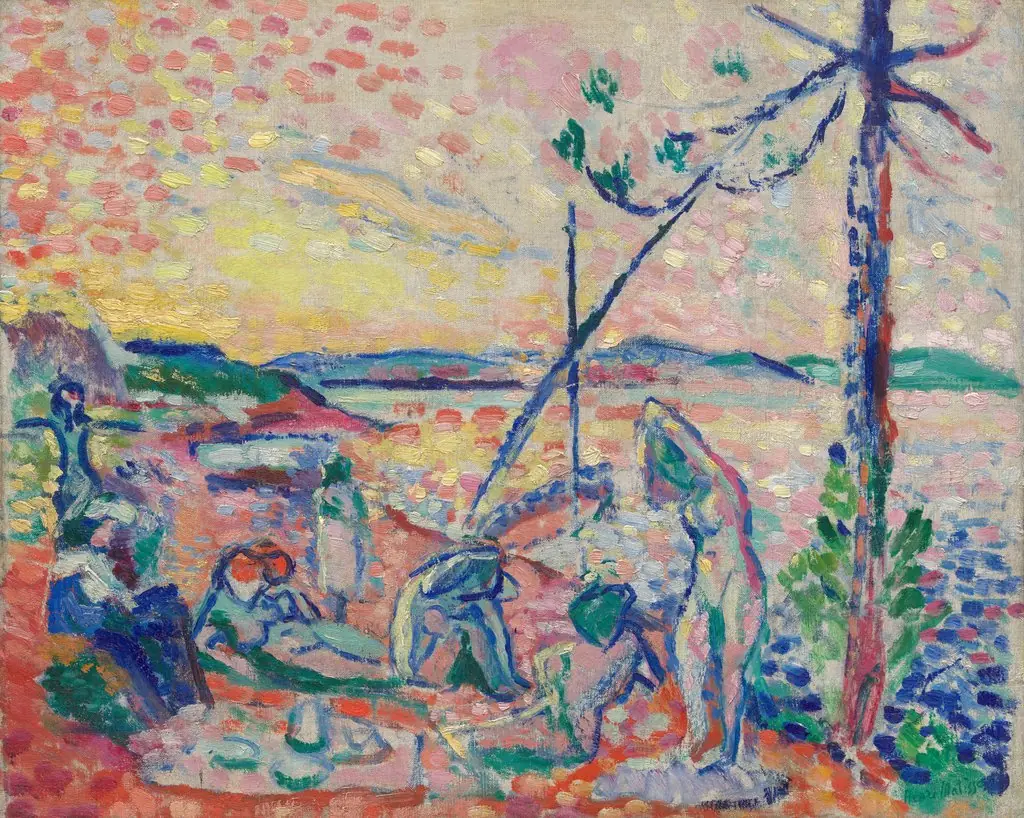 Study for "Luxe calme et volupté"
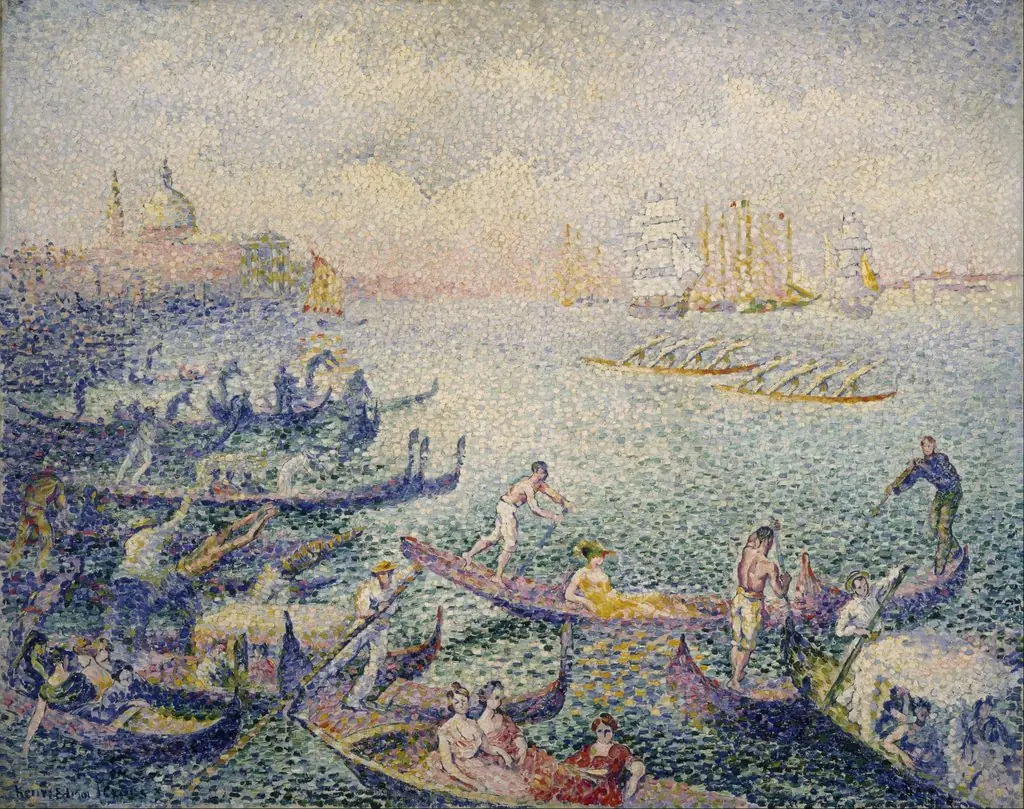 Regatta in Venice
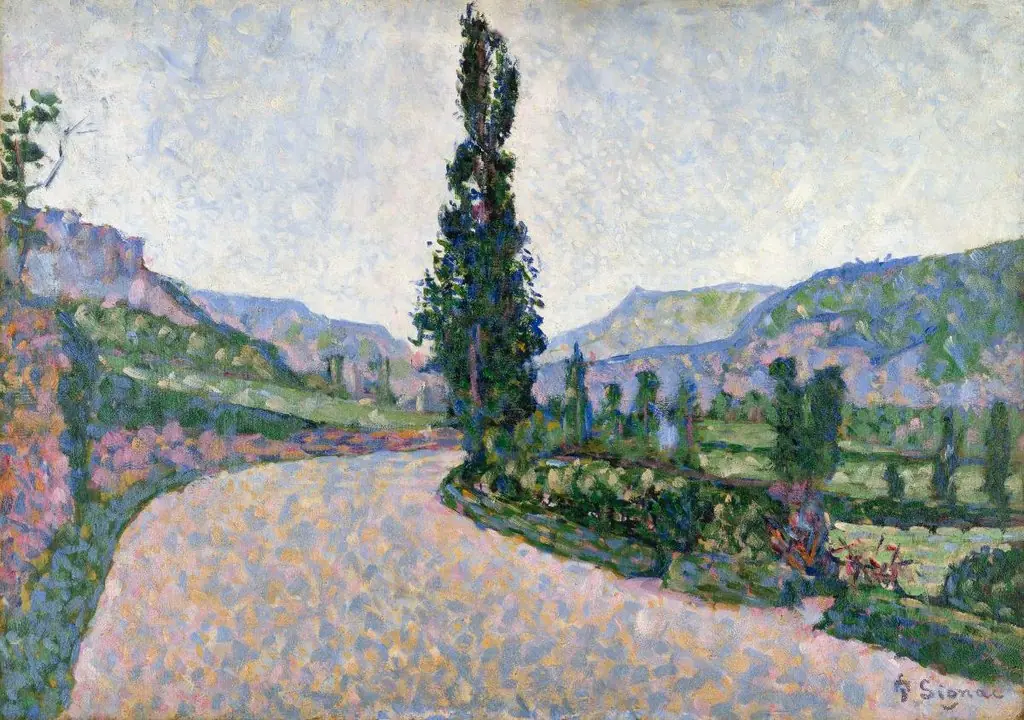 Comblat-le-Château. Le Peuplier
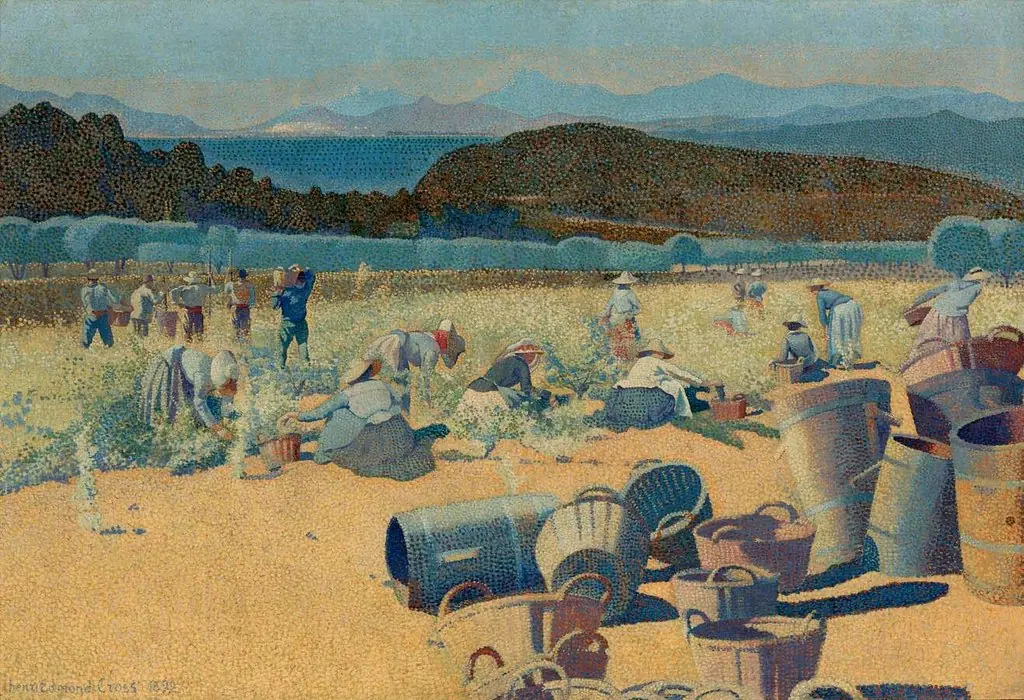 The Grape Harvest
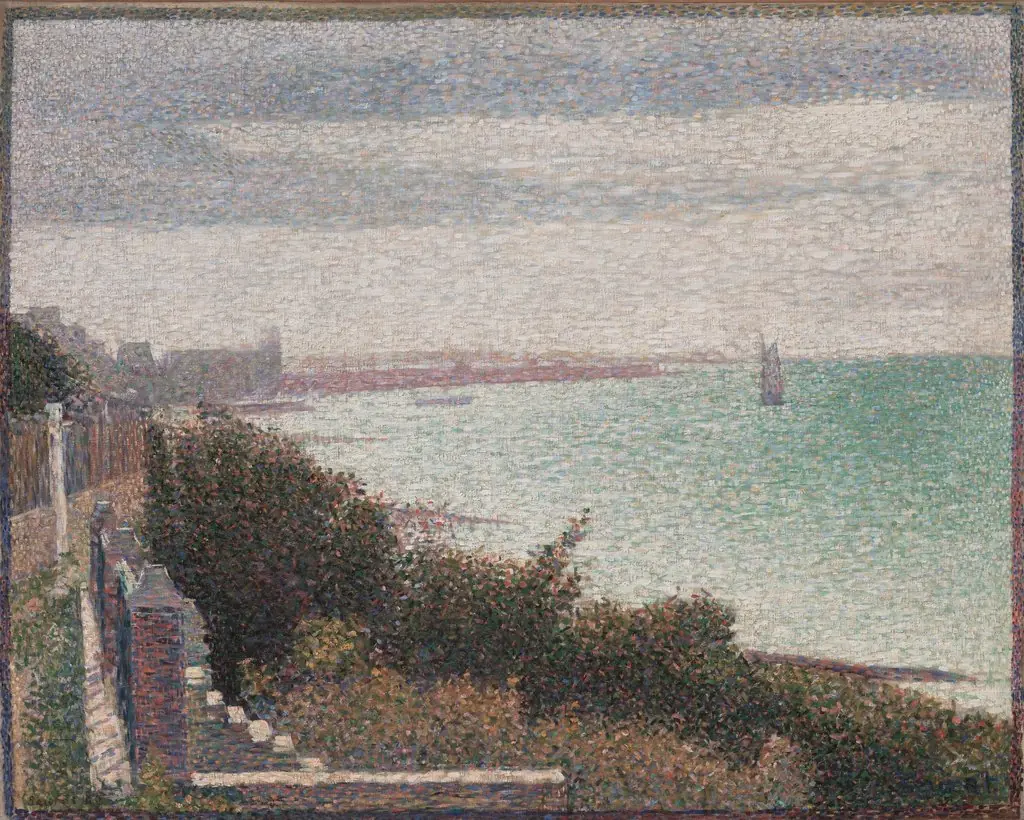 Grandcamp, Evening
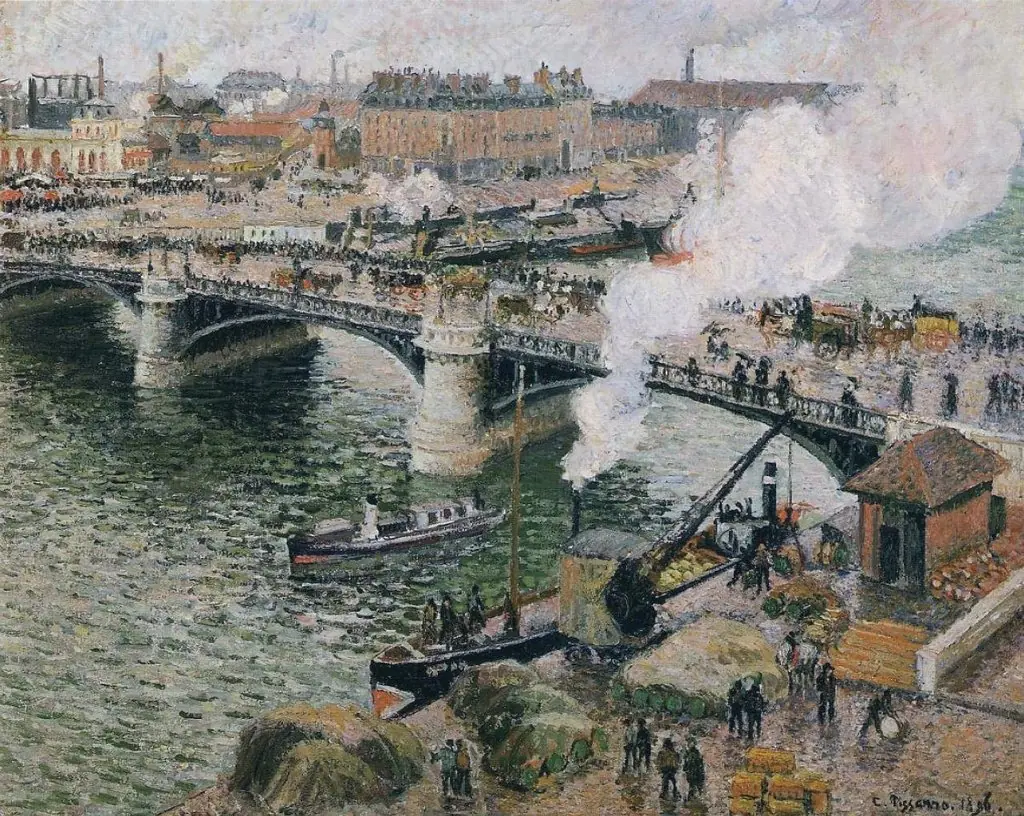 Pont Boieldieu in Rouen, Rainy Weather
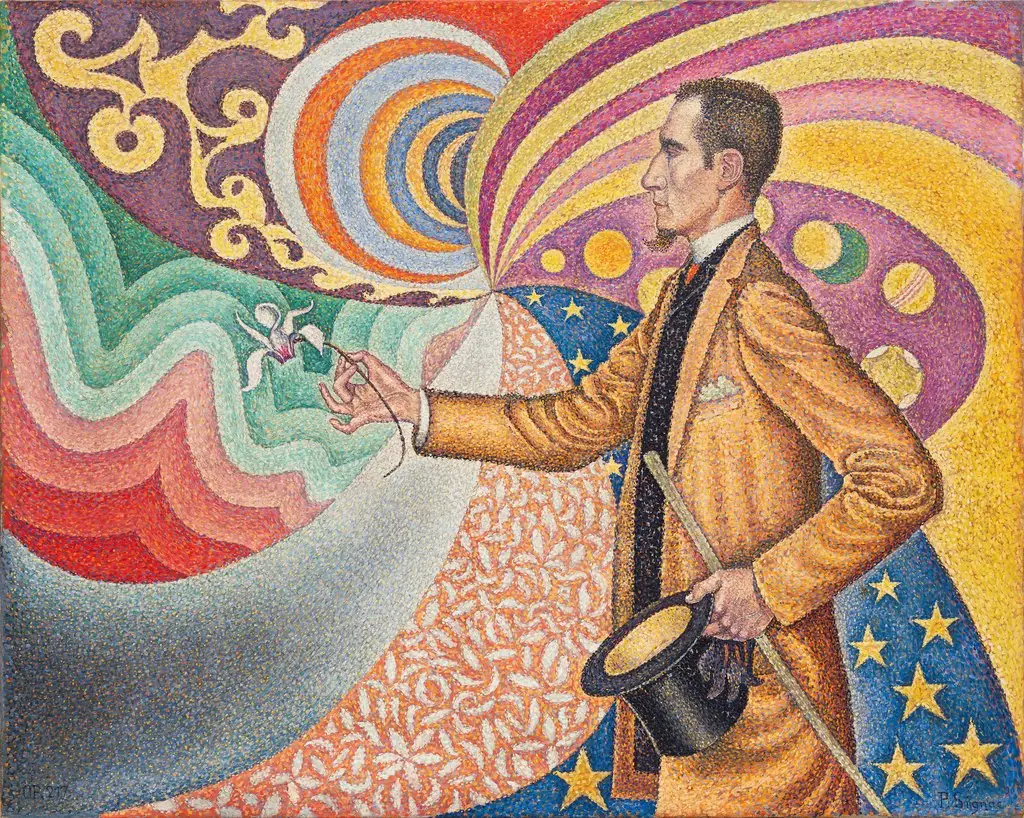 Opus 217. Against the Enamel of a Background Rhythmic with Beats and Angles, Tones, and Tints, Portrait of M. Félix Fénéon in 1890
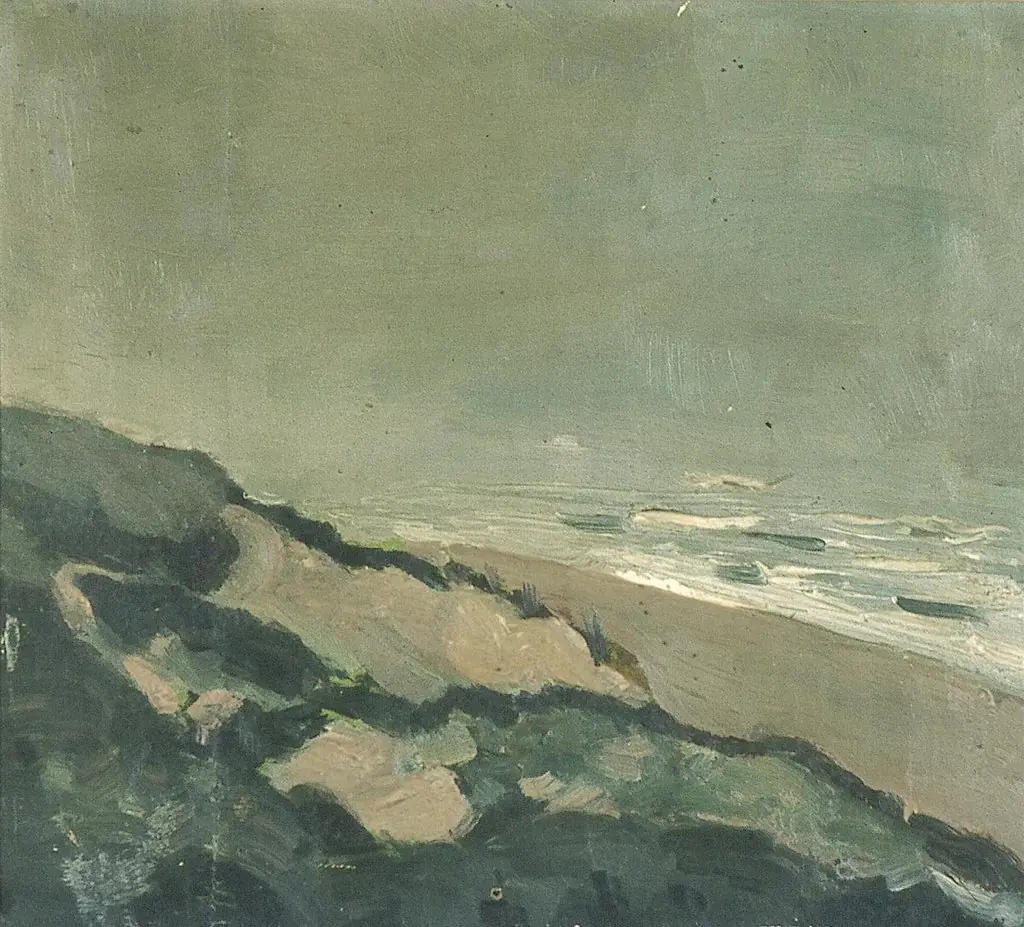 Dunes and Sea
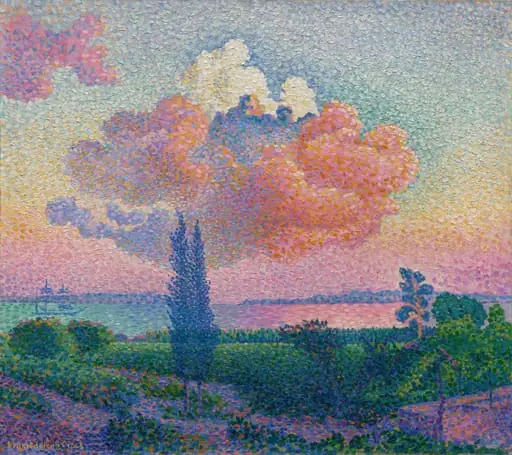 The Pink Cloud
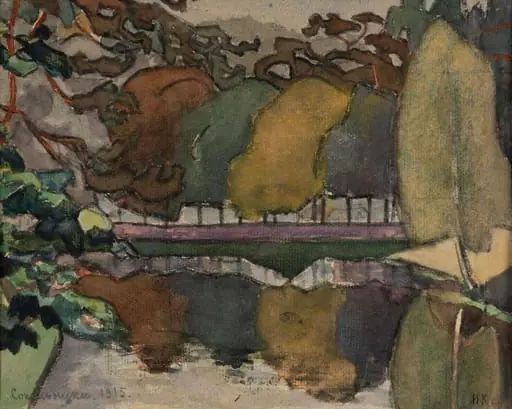 Λίμνη Σοκόλνοκι
Groups & collectives
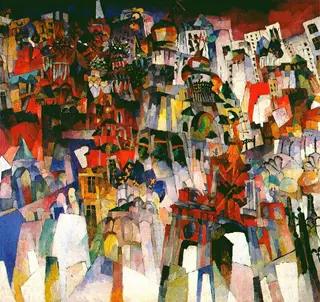
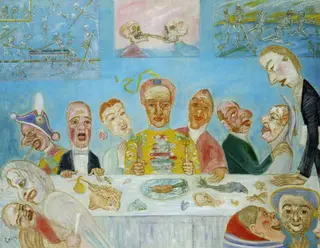
Learn this movement
-
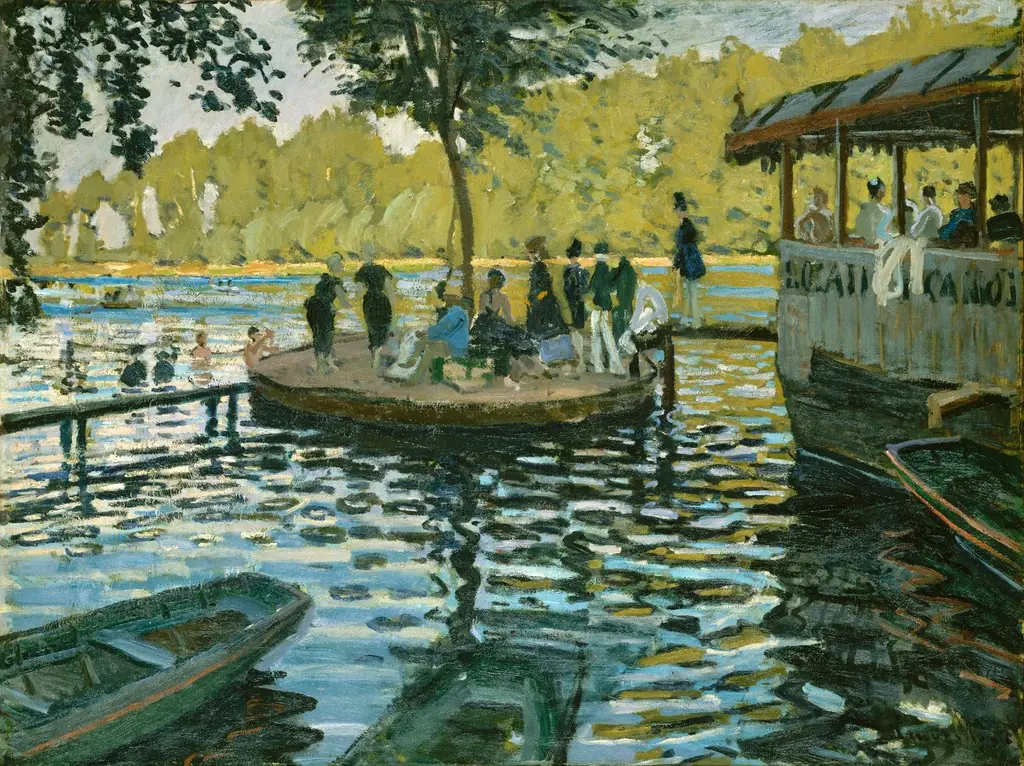 Featured in the course Impressionism From the shadow of the Salon to the light of the modern eye, seven friends rewrite the rules of seeing.
 -
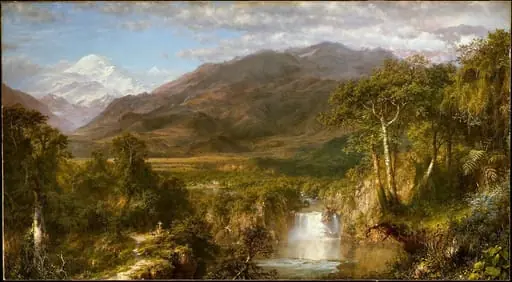 Featured in the course Color & Light From the glowing haze of Luminism to the fractured beams of Pointillism, trace how painters dissolved the world into light.
Frequently asked questions
What is Neo-Impressionism?
Neo-Impressionism is an art movement. The scientific extension of Impressionism developed by Georges Seurat and Paul Signac from 1884, using Pointillism — dots of pure color that the eye mixes optically — to achieve greater luminosity and compositional control.
How many Neo-Impressionism works does Artifact World Gallery have?
Artifact World Gallery holds 31 public-domain Neo-Impressionism works, all free to view and download.
Who are the key Neo-Impressionism artists?
Key Neo-Impressionism artists in the collection include Camille Pissarro, Paul Signac and Georges Seurat.
When did Neo-Impressionism take place?
Neo-Impressionism dates from 1880–1900.
Where can I see Neo-Impressionism works?
Neo-Impressionism works in the collection are held by Metropolitan Museum of Art, Royal Museums of Fine Arts of Belgium and Museum of Modern Art.