
Movement
Pointillism
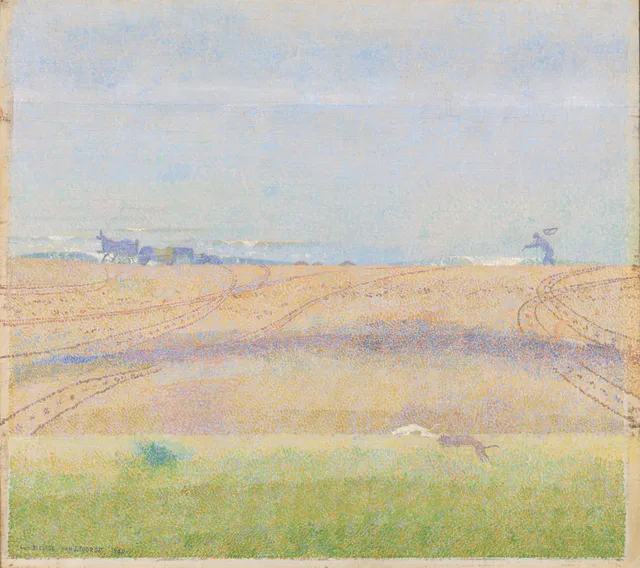
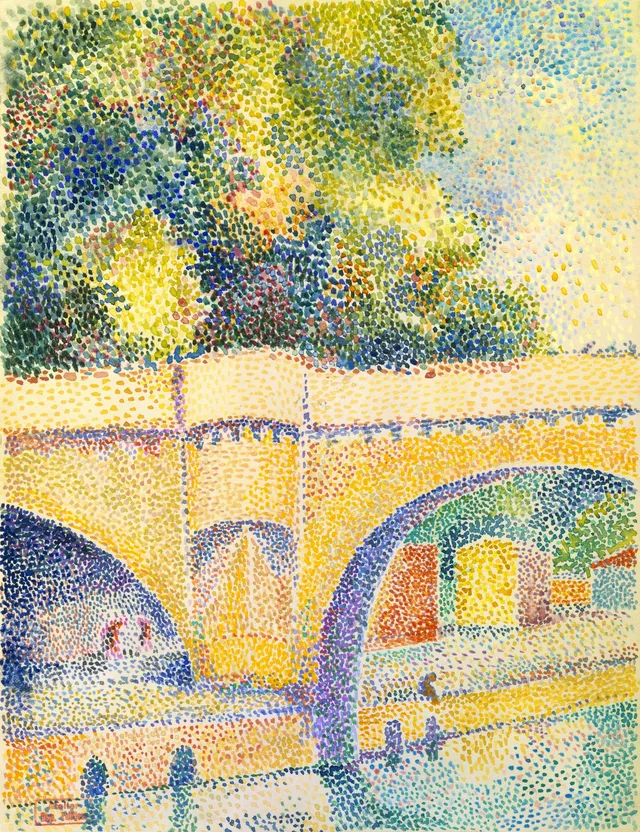
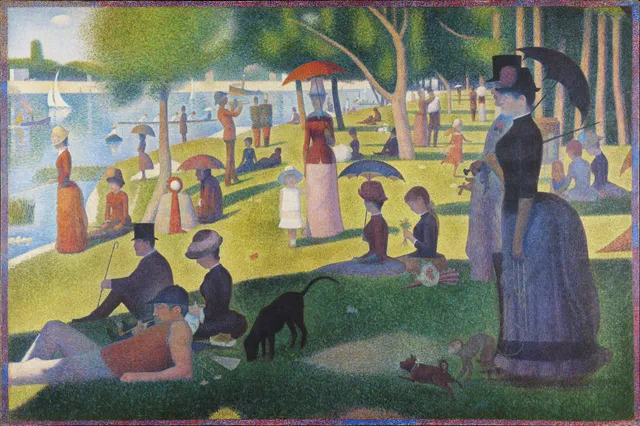
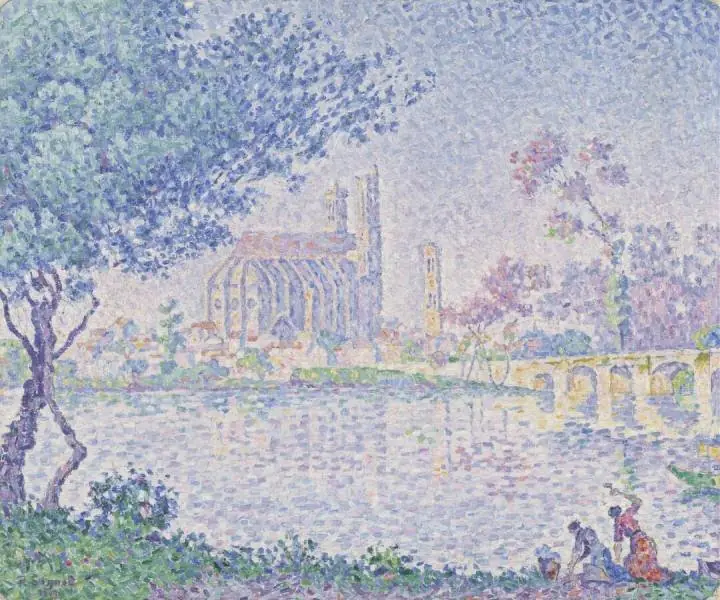
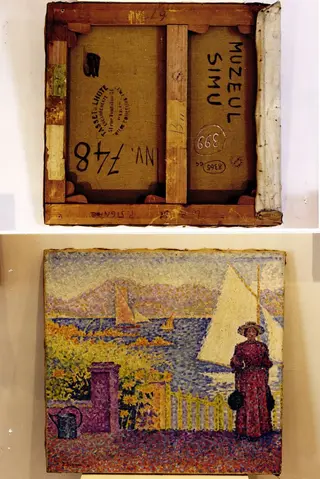
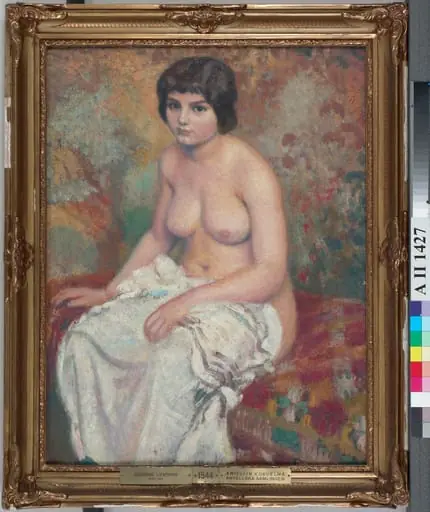
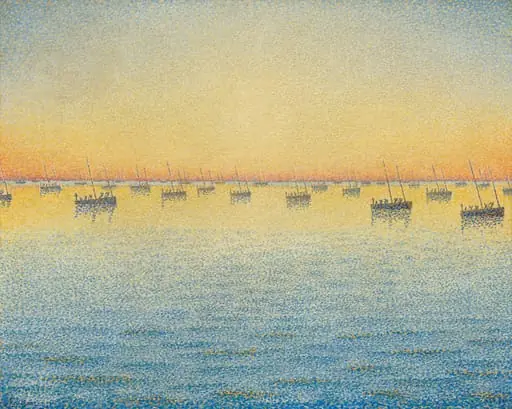
Pointillism is an art movement of the 1880–1900 period. The gallery holds 12 works in this movement, including works by Paul Signac, Georges Seurat and Henri Edmond Cross. Browse Pointillism paintings, portraits, pictures and artworks from the world's public-domain museum collections.
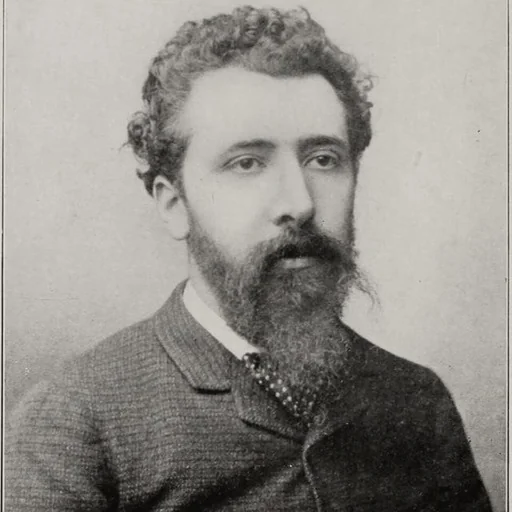
Pointillism emerged in Paris in the mid-1880s as the signature method of Neo-Impressionism, a movement founded by Georges Seurat (1859–1891). Dissatisfied with the spontaneous, intuitive brushwork of the Impressionists, Seurat sought to place painting on a rational, scientific footing. Beginning around 1884 he developed what he called "chromoluminarism," drawing on the color theories of the chemist Michel-Eugène Chevreul—whose law of simultaneous contrast he had studied from Chevreul's work at the Gobelins tapestry works—as well as the writings of Charles Blanc and the American physicist Ogden Rood. The movement crystallized at the eighth and final Impressionist exhibition in 1886, where the critic Félix Fénéon coined the term "Neo-Impressionism." It was Fénéon's phrase peinture au point that gave the technique its popular name, though Seurat and his followers preferred "Divisionism."
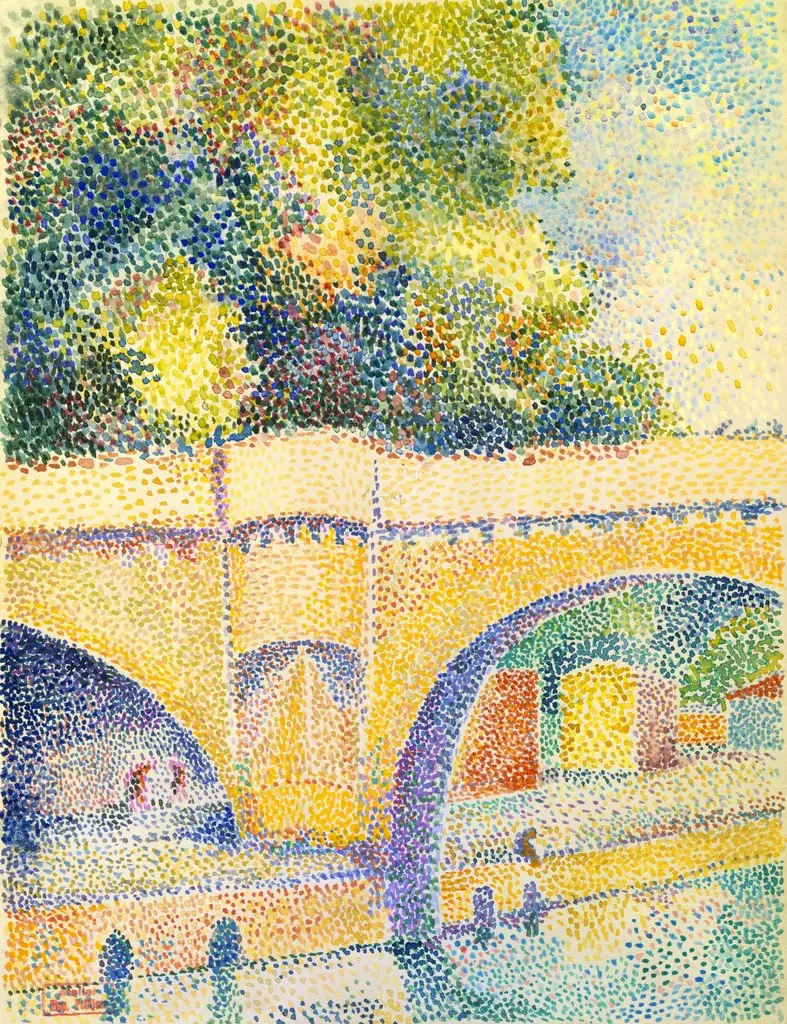
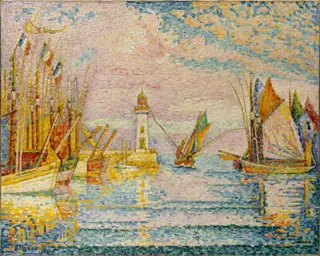
The method rests on optical mixing. Rather than blending pigments on the palette, the painter lays down small, distinct touches of pure, unmixed color side by side, so that the eye fuses them at viewing distance into luminous, vibrating tones. The Divisionists believed this separation of hues yielded the maximum brilliance attainable, since blended pigment dulls while juxtaposed color shimmers. The result is a methodical, almost mosaic-like surface—calm, structured, and deliberately impersonal, a sharp departure from the loose immediacy of Monet or Renoir.
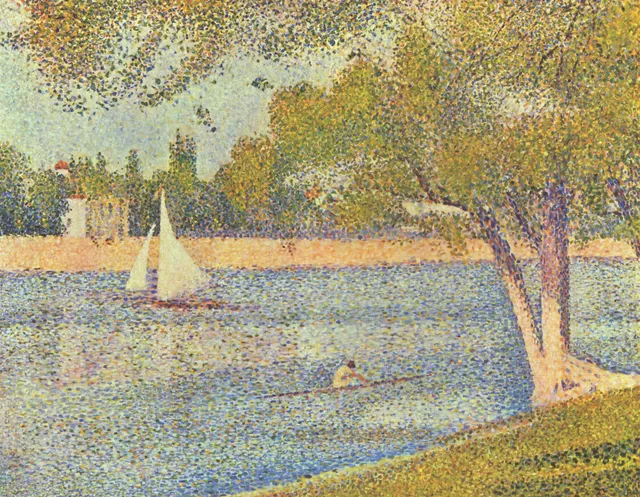
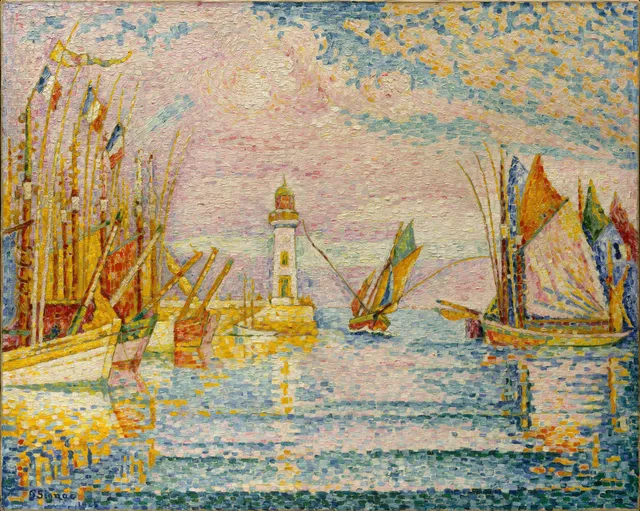
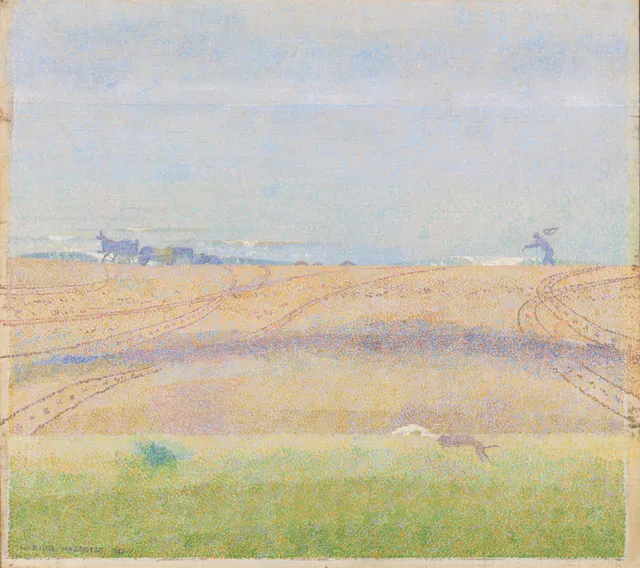
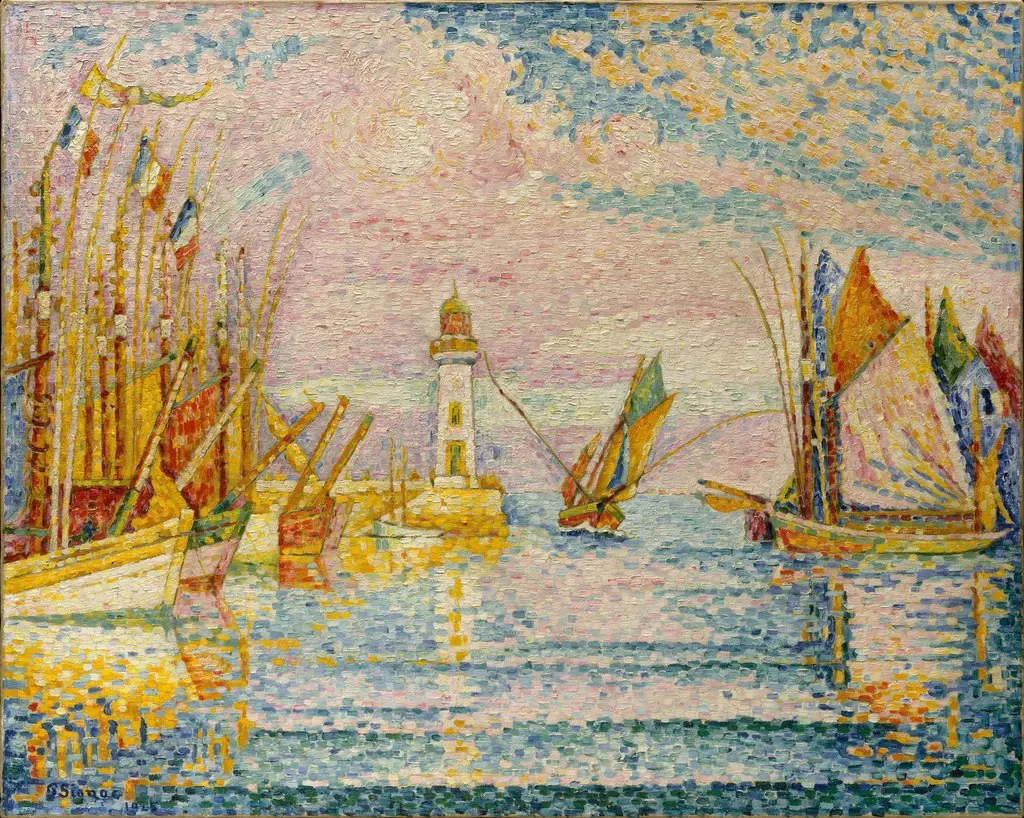
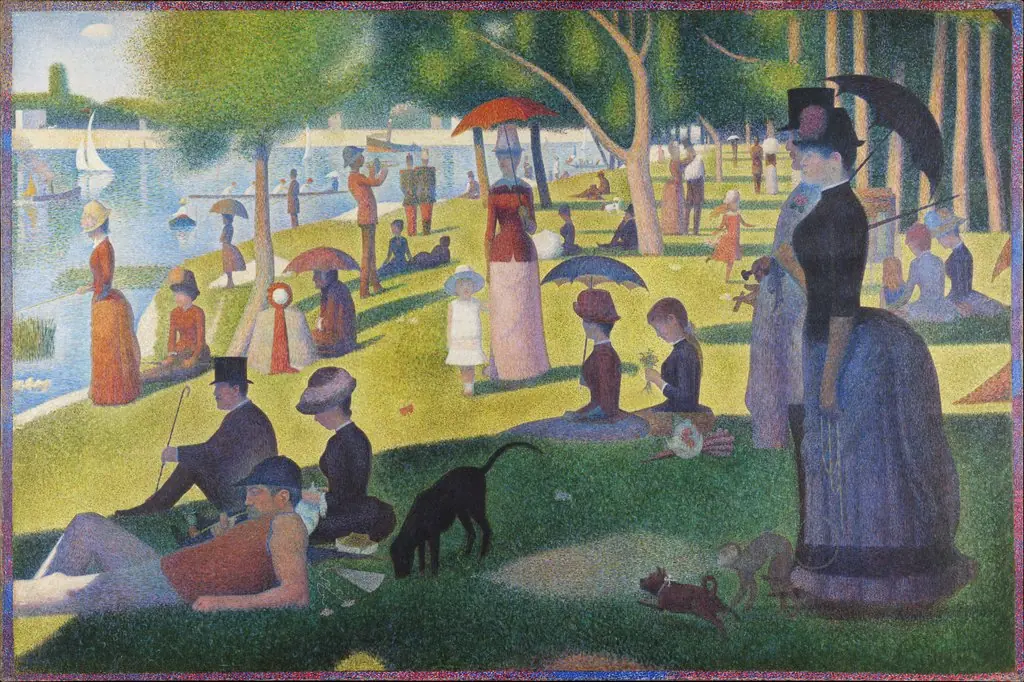
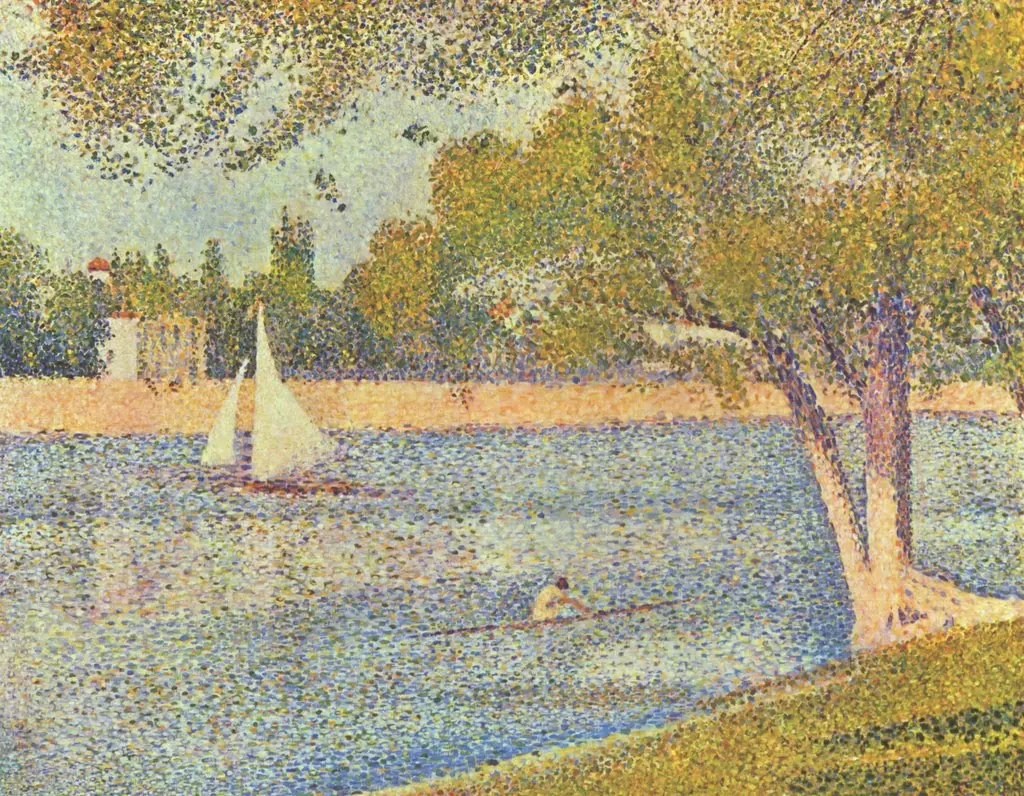
Seurat's monumental A Sunday Afternoon on the Island of La Grande Jatte (1884–86), exhibited in 1886, remains the definitive statement of the style; his related study The Seine at La Grande Jatte shows the same patient construction. His closest ally, Paul Signac (1863–1935), became the movement's leader and theorist after Seurat's early death, codifying its principles in D'Eugène Delacroix au néo-impressionnisme (1899) and painting brilliant Mediterranean scenes such as the Lighthouse at Groix. Other adherents included Henri-Edmond Cross, Maximilien Luce, Hippolyte Petitjean, and, briefly, Camille Pissarro and his son Lucien.
Though the strict dot technique was short-lived, its influence was profound. Cross loosened the method into broader, mosaic-like blocks of color, and his canvases—together with Signac's—directly inspired Henri Matisse, whose Luxe, Calme et Volupté (1904) translated Neo-Impressionist color into the foundations of Fauvism. Pointillism thus forms a crucial bridge between Impressionism and twentieth-century modernism, and its faith in pure, juxtaposed color echoes onward through Fauvism, Cubism's analytic structure, and even later abstraction.
Key artists

Works
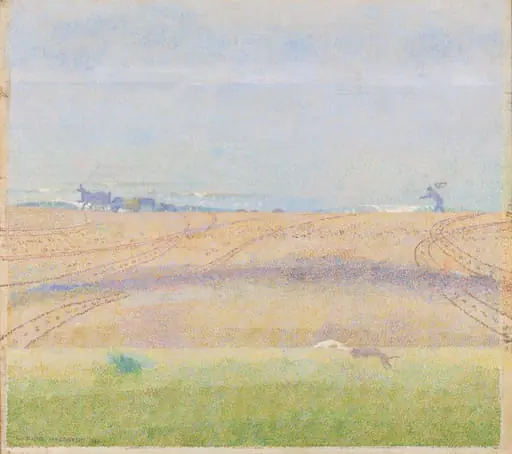
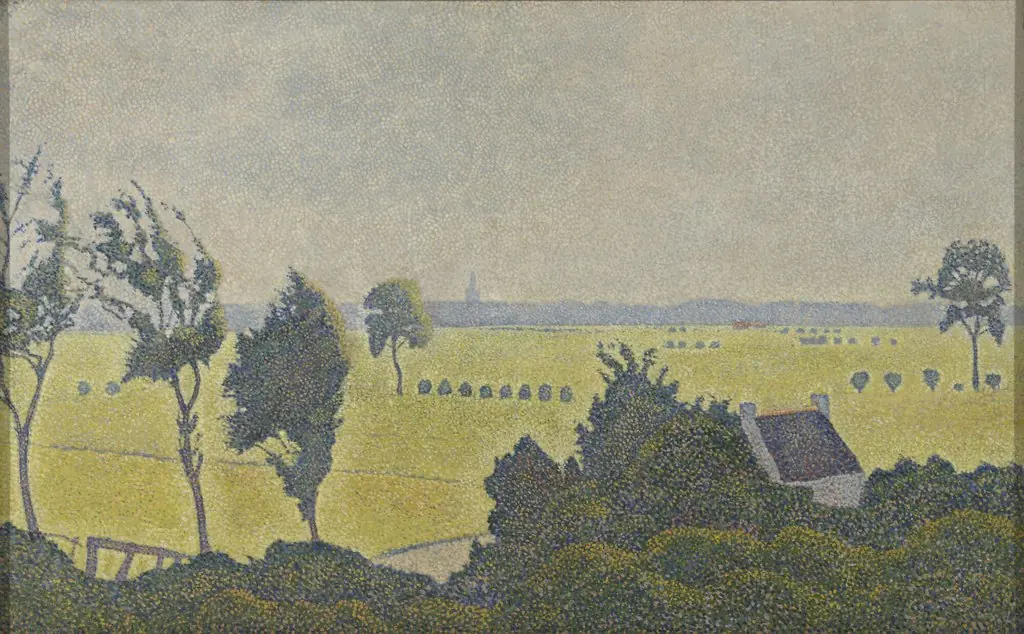
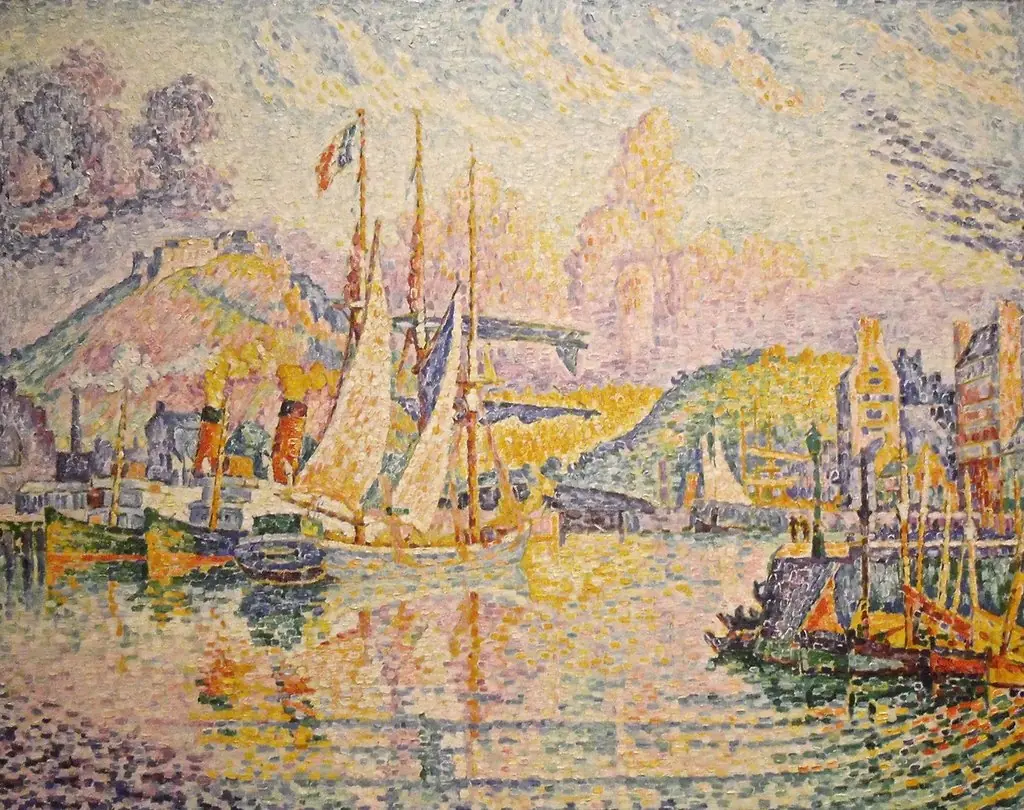
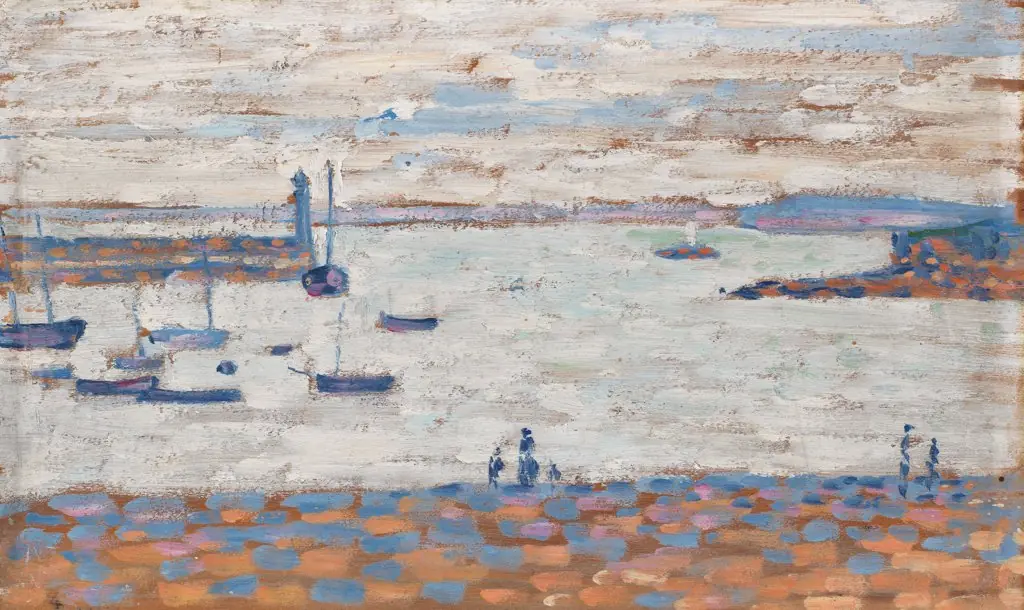
Groups & collectives
Learn this movement
Frequently asked questions
What is Pointillism?
Pointillism is an art movement. Georges Seurat's systematic method of applying tiny, discrete dots of pure color that mix optically in the viewer's eye rather than on the palette.
How many Pointillism works does Artifact World Gallery have?
Artifact World Gallery holds 12 public-domain Pointillism works, all free to view and download.
Who are the key Pointillism artists?
Key Pointillism artists in the collection include Paul Signac, Georges Seurat and Henri Edmond Cross.
When did Pointillism take place?
Pointillism dates from 1880–1900.
Where can I see Pointillism works?
Pointillism works in the collection are held by Metropolitan Museum of Art, Montreal Museum of Fine Arts and Royal Museums of Fine Arts of Belgium.