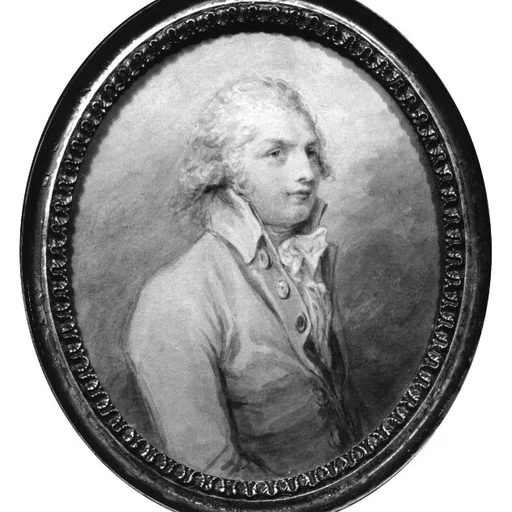
Subject
Button
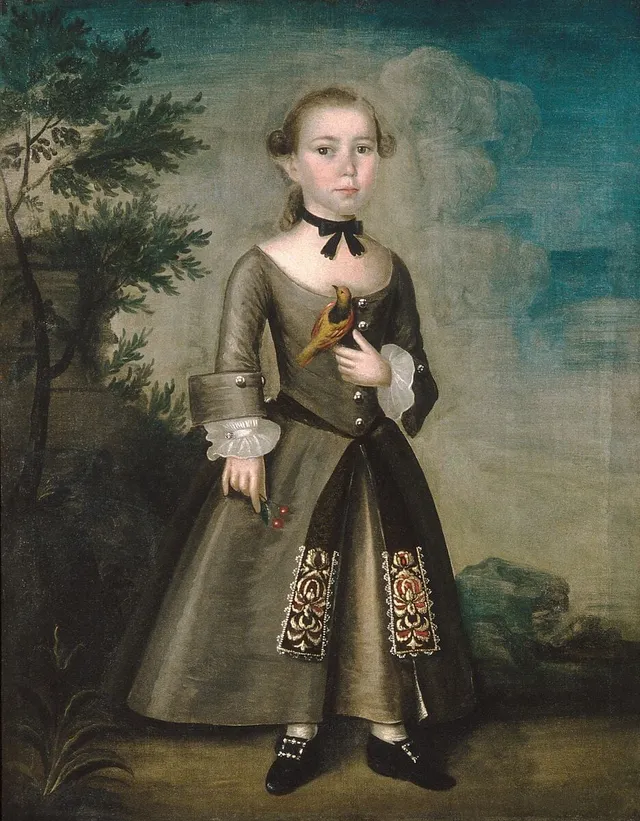
Button is a subject in art. The gallery holds 66 works in this subject in art, including works by Francis Wheatley, Joseph Badger and Pieter Cornelisz. van Slingelandt.
Although the button is among the humblest objects in art, it carries an outsized history. The earliest known example—a curved seashell ornament unearthed at Mohenjo-daro in the Indus Valley—is roughly 5,000 years old, and for most of antiquity such pieces were purely decorative, sewn to garments that were actually closed with brooches, clasps, pins, or laces. The button as a true fastener is a medieval European invention: the matching buttonhole appeared in Germany in the 13th century, and tailors quickly grasped that buttons and holes together allowed close-fitting garments that followed the line of the body. By the 14th century rows of buttons ran from elbow to wrist and from neckline to waist, and those of gold, silver, and ivory openly signalled wealth and rank.
It is this association of the button with status, vanity, and finery that made it a recurring motif in painting, above all in portraiture. From the Dutch fijnschilders to the grand manner of Georgian Britain, the rendering of buttons became a quiet test of a painter's skill and a coded statement about the sitter. A glittering double row down a waistcoat, a cuff fastened with gilt or cut-steel studs, the controlled gleam of metal against velvet—these details conveyed prosperity as eloquently as a face. The 16th through 18th centuries were the button's golden age in dress, when wealthy patrons commissioned buttons of semi-precious materials; Matthew Boulton's Soho manufactory near Birmingham, founded in 1762, industrialised the gilt and cut-steel button and made such ornament newly fashionable.
The genre is best read through specific canvases. Pieter Cornelisz. van Slingelandt's *Portrait of a Man Holding a Watch* exemplifies the Leiden delight in minute, light-catching detail, while Joseph Wright of Derby's portrait of *The Hon. Richard Fitzwilliam, 7th Viscount Fitzwilliam of Merrion* and Francis Wheatley's *The Saithwaite Family* show how English painters used costume to register gentility. Across the Atlantic, the colonial directness of Joseph Badger's *James Badger* and the miniaturist precision of Anne Hall's *Charles Henry Hall* attest to the same conventions, later echoed in the historicist sumptuousness of Mariano Fortuny Marsal's *Madame Gaye*.
As a subject, then, the button is less a movement than a thread running through Western portraiture, binding the histories of dress, craft, and the painter's pursuit of verisimilitude.
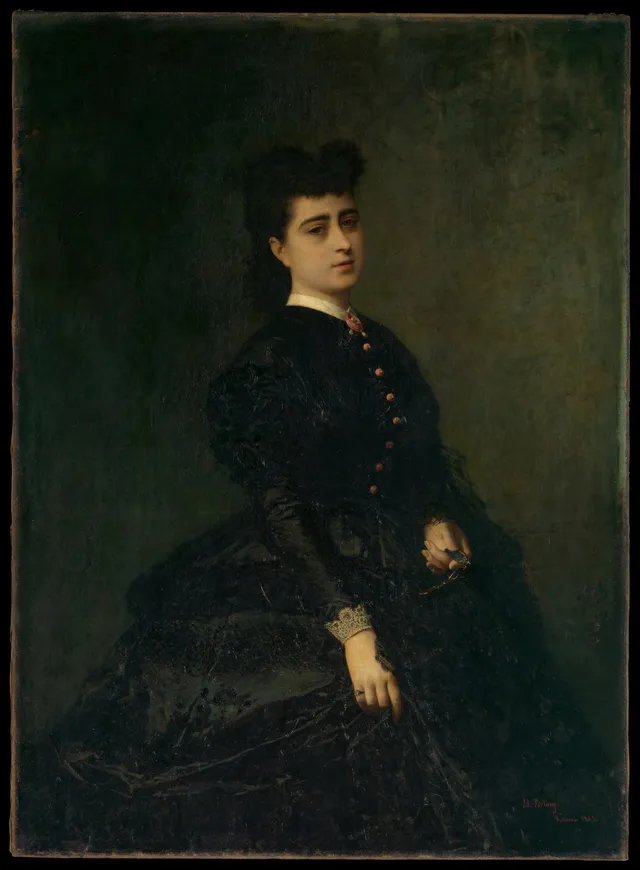
Key artists

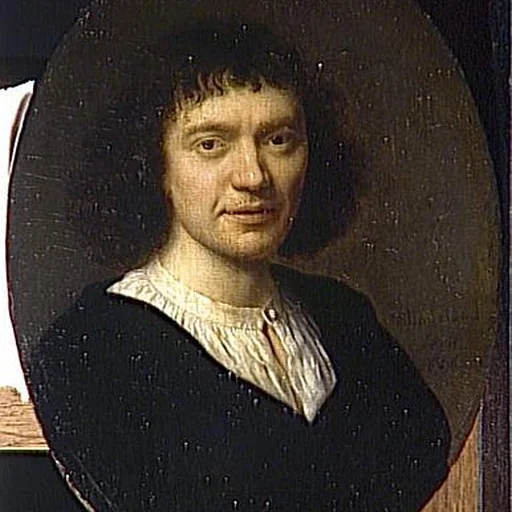
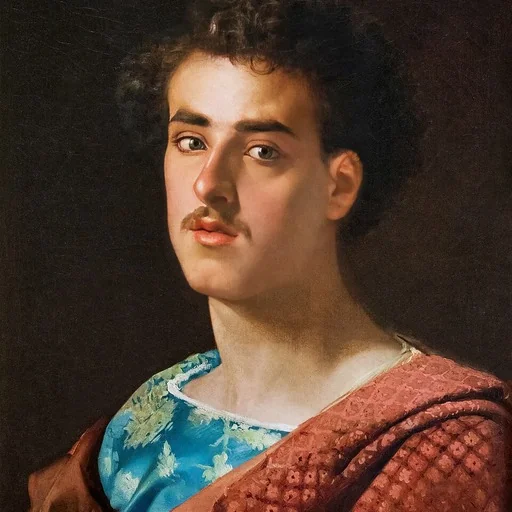
Overview
A button is a small fastener that joins two pieces of fabric by slipping through a loop or sliding through a buttonhole, though in art it frequently appears as a detail of costume that carries social, economic, and sartorial significance. The collection holds 469 works that depict buttons, ranging from family portraits and individual likenesses to medals and commemorative pieces. Examples include The Saithwaite Family, James Badger, Madame Gaye, Charles Henry Hall, Portrait of a Man Holding a Watch, and portraits of nobility such as The Hon. Richard Fitzwilliam, 7th Viscount Fitzwilliam of Merrion. Buttons appear across these works not merely as functional closures but as markers of status, craft, and fashion that artists carefully recorded.
Iconography & meaning
In visual art, buttons operate on multiple symbolic registers. Functionally, they denote the practical mechanics of dress, but iconographically they signal wealth, rank, and cultural refinement. Precious metal buttons encrusted with jewels functioned as wearable jewelry in Renaissance courts, while fabric-covered buttons demonstrated compliance with or defiance of sumptuary laws. French legislation mandated silk-covered buttons to protect the Paris and Lyons silk industries, whereas England briefly prohibited fabric buttons to protect button makers' guilds. The direction of buttoning, left or right, became gendered: men's garments typically fastened left over right, women's right over left, a convention scholarly accounts attribute to the needs of sword-drawn for men and of dressing by servants for women. Military and livery buttons bore heraldic devices, transforming the button into a miniature emblem of allegiance. In portraiture, the depiction of buttons allowed artists to display technical virtuosity in rendering materials, from mother-of-pearl to gilt metal, and to indicate the sitter's place within social hierarchies.
In the collection
The 469 works in this collection that depict buttons span portraiture, medals, and possibly genre scenes, with buttons appearing on coats, waistcoats, shirts, and accessories. The Saithwaite Family and James Badger represent British portraiture of the eighteenth and nineteenth centuries, where buttons on waistcoats and coats were standard elements of masculine dress. Madame Gaye and Charles Henry Hall suggest similar attention to fashionable detail. The Portrait of a Man Holding a Watch indicates how buttons accompanied other personal accessories in compositions that emphasized the sitter's propriety and punctilio. Medallic works in the collection, including portraits of Henri de La Tour d'Auvergne, Vicomte de Turenne, Angelo Poliziano, Pius IV, and Georges Louis Leclerc, Comte de Buffon, feature buttons on the depicted clothing of their subjects, even in the reduced scale of medal obverses, where such details anchor the representation in specific historical costume. The consistent presence of buttons across these varied works suggests that the collection's cataloguing recognizes the button as a significant visual element worth indexing, reflecting its role as a reliable indicator of period, class, and attention to dress in Western European art.
Across movements & periods
The treatment of the button in art tracks broader changes in fashion, technology, and social organization. In antiquity, button-like objects served ornamental or sealing functions rather than fastening, as seen in Indus Valley, Bronze Age Chinese, and Roman finds. The invention of the buttonhole in thirteenth-century Germany enabled fitted garments and prompted the rapid spread of button use across Europe, documented in the establishment of button makers' guilds. Renaissance art reflects this technological shift through the proliferation of buttons on doublets and detachable sleeves, with artists depicting rows of buttons as evidence of fashionable investment. The seventeenth century introduced fabric-covered and embroidered buttons, lighter and more decorative, responding to the elaborate coat fashions of the period. French legal requirements for silk buttons and English prohibitions against fabric ones reveal how buttons became sites of economic regulation, a tension that art could subtly reference through the depiction of materials. The eighteenth and nineteenth centuries saw industrialization transform button manufacture, with the Prosser process for porcelain buttons and later plastic production, though painted and engraved portraits continued to emphasize hand-crafted metal and mother-of-pearl buttons as aristocratic signifiers. Across these periods, the level of detail artists devoted to buttons correlated with the importance of dress in constructing social identity.
Notable depictions
While the sources do not specify individual artworks as canonical button studies, the collection's holdings suggest significant depictions through portraiture that emphasizes costume. The Saithwaite Family, as a group portrait, likely presents multiple figures whose buttons coordinate or differentiate their social roles within the family structure. James Badger and Charles Henry Hall, as individual male portraits, would display the buttoned coat and waistcoat as standard elements of respectable masculine presentation in their respective periods. The Portrait of a Man Holding a Watch creates a composition around personal accessories, with buttons forming part of a visual vocabulary of self-possession and temporal discipline. Among the medallic portraits, the depiction of Pius IV in papal robes and Henri de La Tour d'Auvergne in military dress would require careful attention to the buttons appropriate to each station, even at small scale. The collection's inclusion of Madame Gaye suggests that buttons also appear in female portraiture, where they might function decoratively on spencer jackets or as part of riding habits, despite women's clothing more commonly using lacing and hooks during many periods.
Legacy
The button's afterlife in visual culture extends beyond its functional origins into collecting, craft, and design history. Button collectors, termed fibulanomistes in French, treat buttons as objects worthy of systematic study and preservation, recognizing their value as miniature artifacts of material culture. The industrial history of button manufacture, from the guild-based production of medieval Europe through the nineteenth-century French industry that employed 30,000 people at its peak to modern plastic molding, traces broader narratives of labor, trade, and technological change. In fashion studies, the button remains a diagnostic element for dating garments and understanding construction techniques. The gendered convention of left versus right buttoning, established by the seventeenth century and still observed, continues to structure ready-to-wear production. For art historians, buttons in painted and sculpted portraits provide evidence for reconstructing lost garments, identifying workshop practices through the depiction of fastenings, and interpreting the social messages that sitters wished to convey through their dress. The persistence of buttons as catalogued elements in collections of 469 works affirms their enduring role as small but telling details in the visual construction of identity.
Works
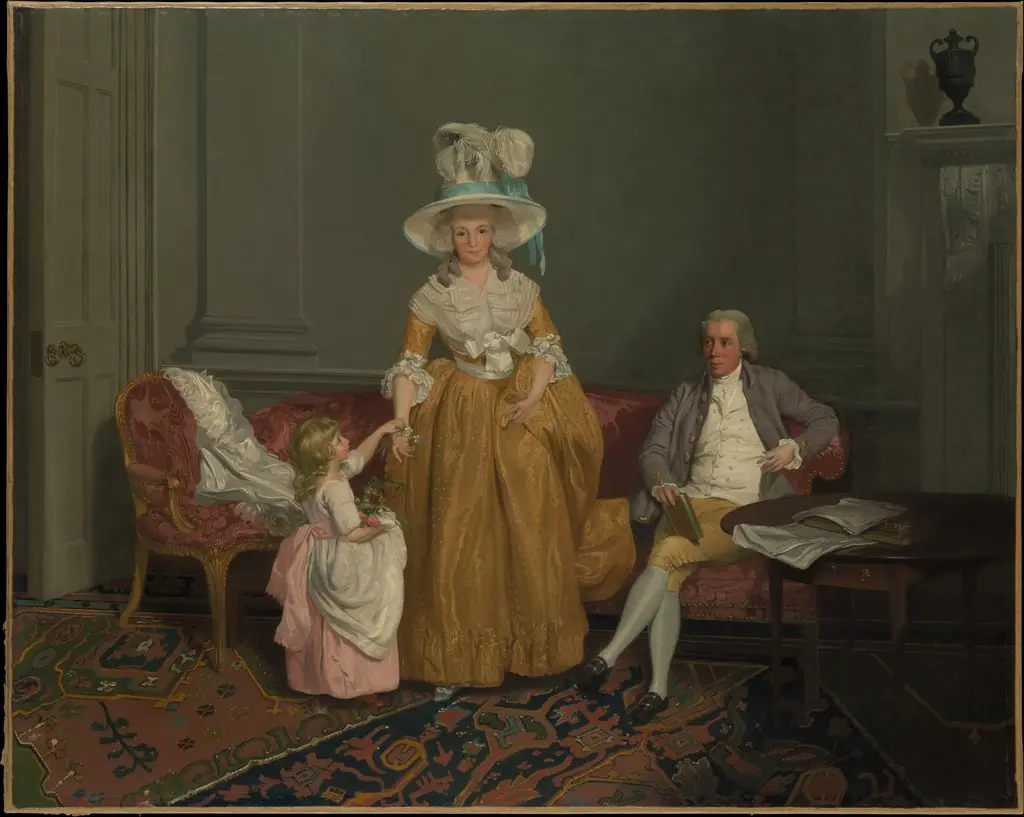 The Saithwaite Family
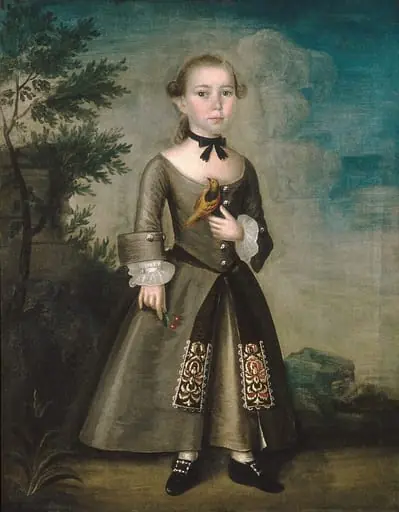 James Badger
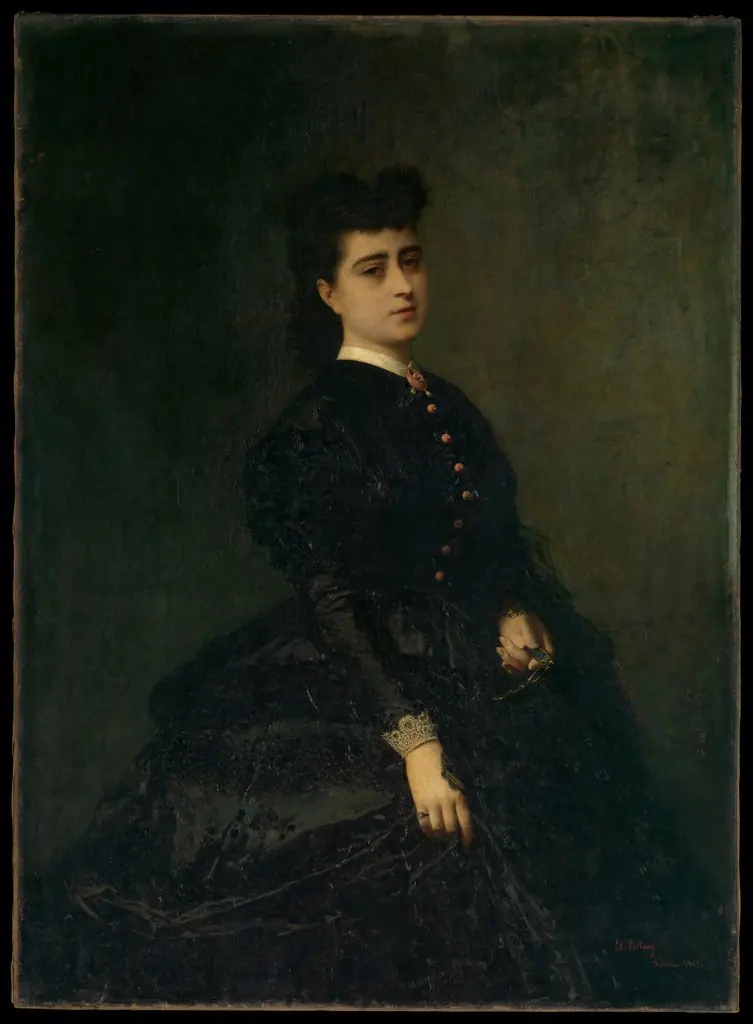 Madame Gaye
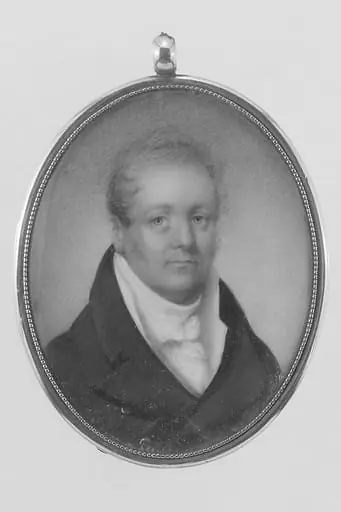 Charles Henry Hall
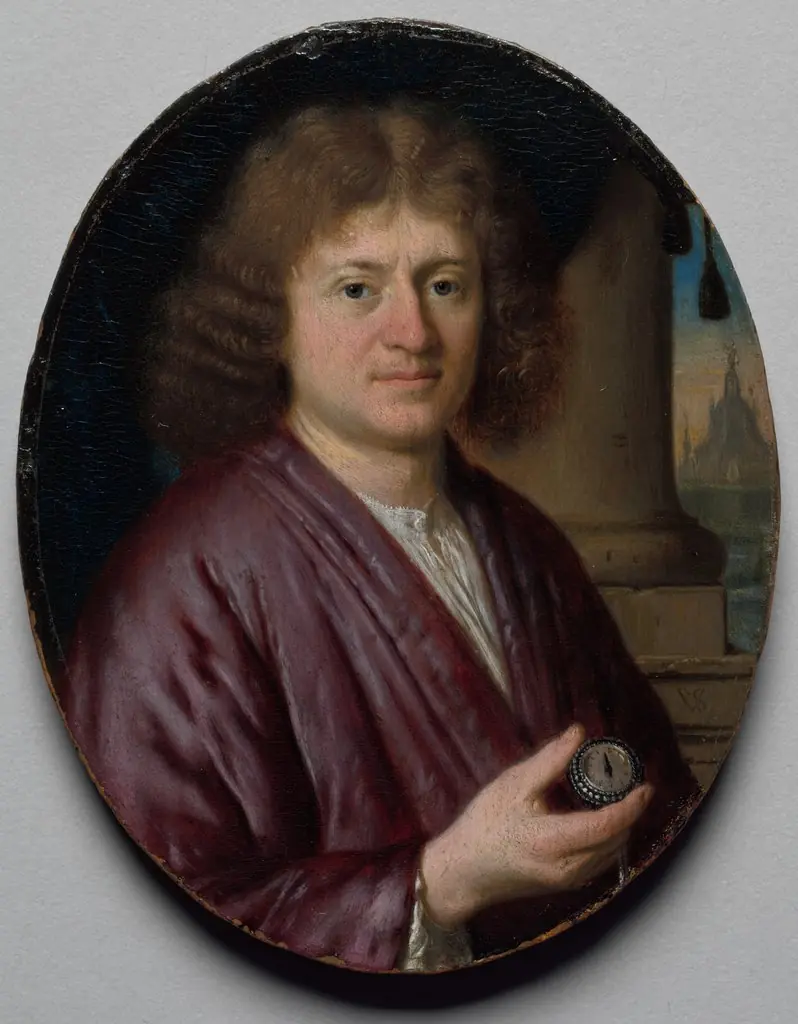 Portrait of a Man Holding a Watch
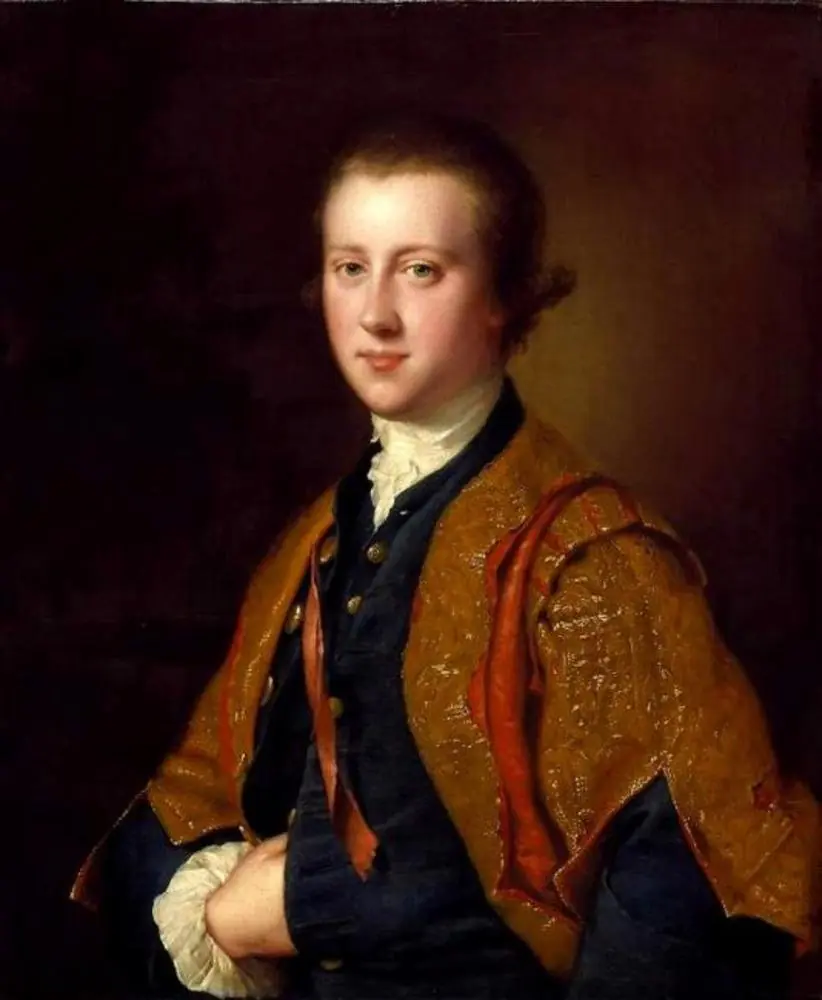 The Hon. Richard Fitzwilliam, 7th Viscount Fitzwilliam of Merrion
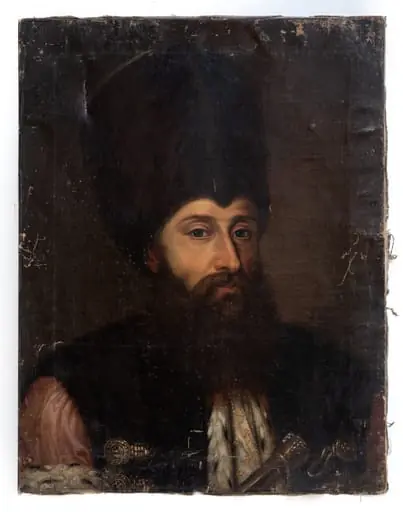 Alexandru Ipsilanti
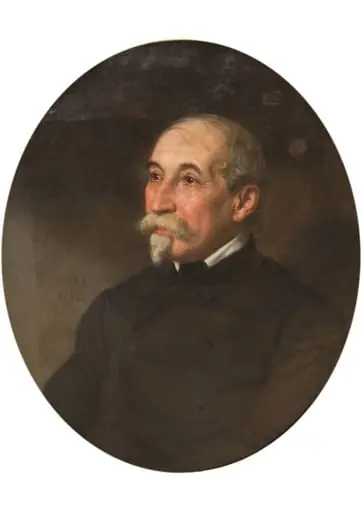 Portretul primarului Scarlat Kretzulescu
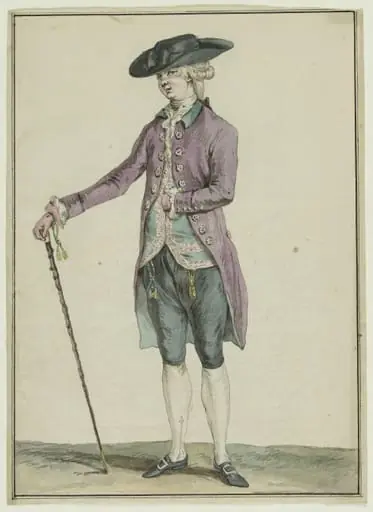 Petit maître en chenille, Habit du matin
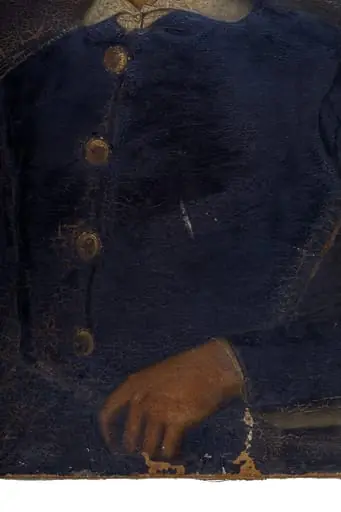 Teodor Botez
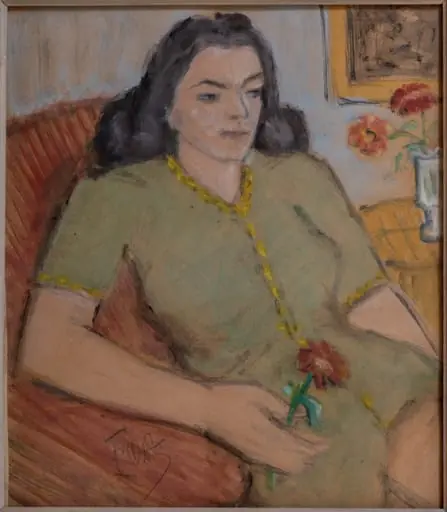 Femeie în interior
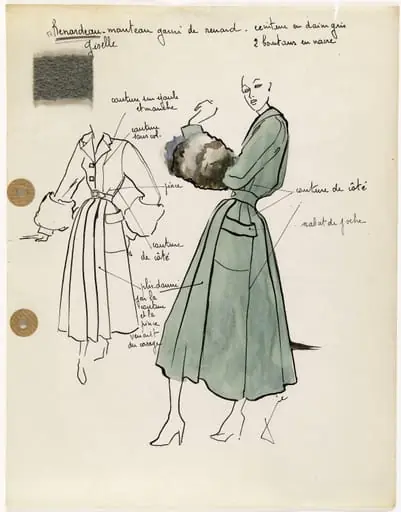 'Renardeau'
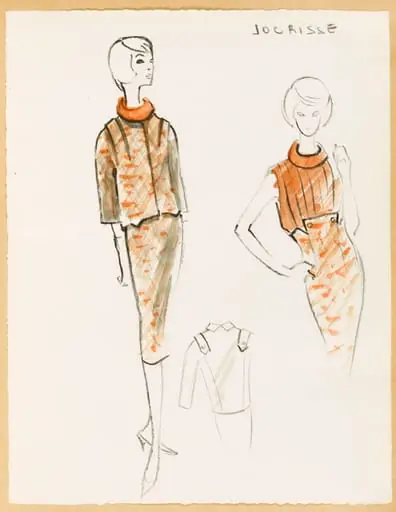 Jocrisse
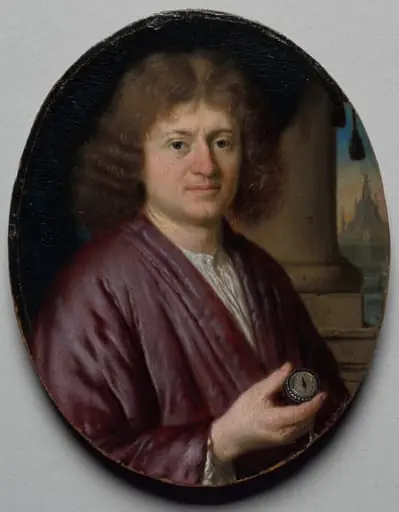 Portrait of a Man Holding a Watch
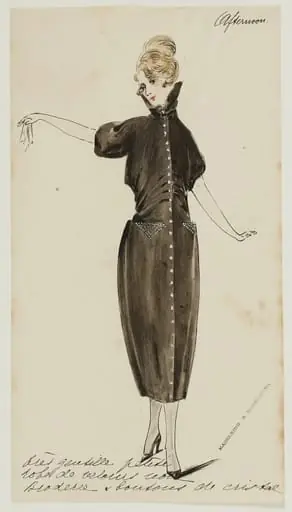 Afternoon
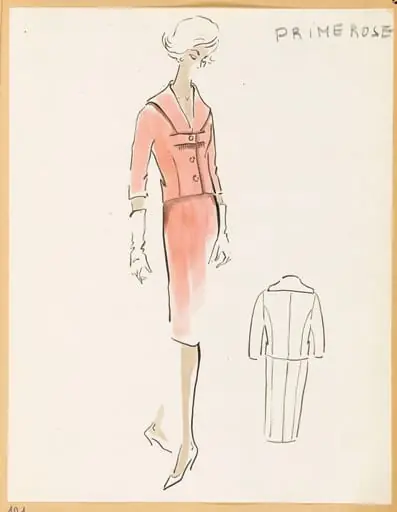 Primerose
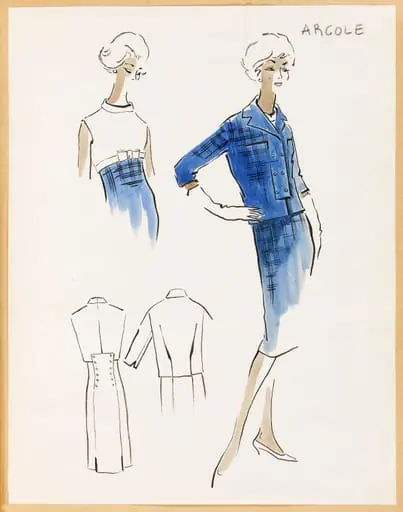 Arcole
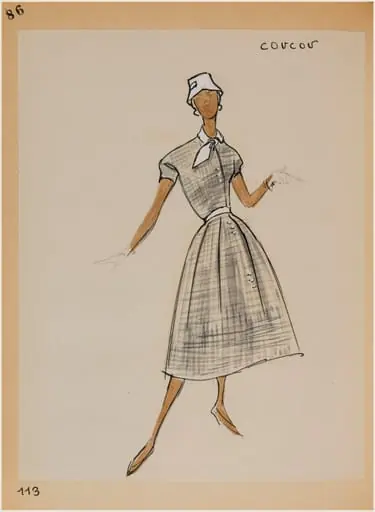 Coucou
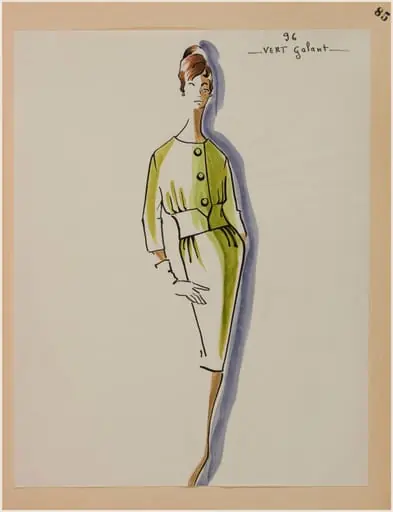 Vert galant
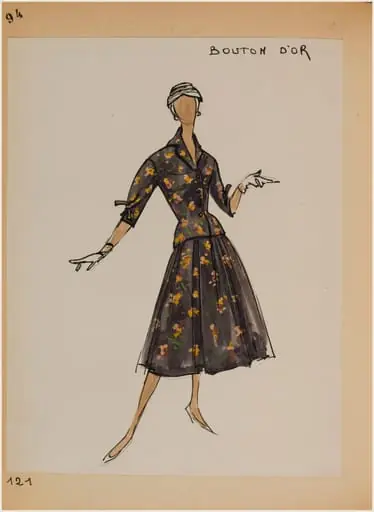 Bouton d'or
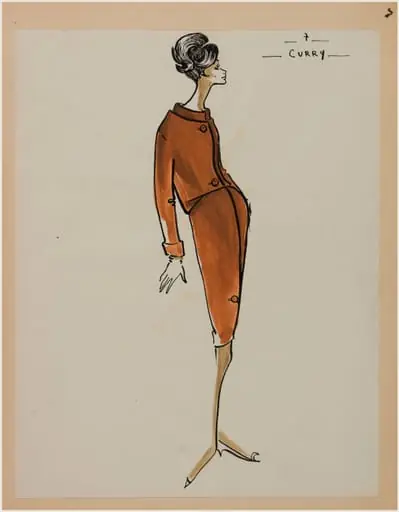 Curry
Curry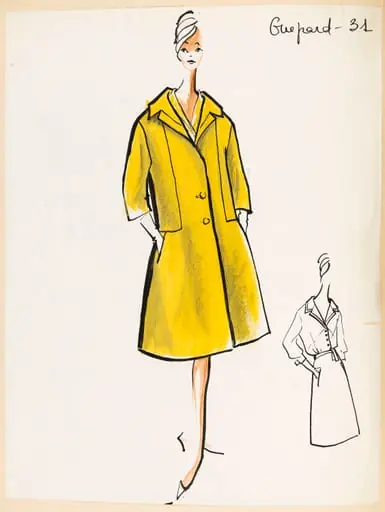 Guépard
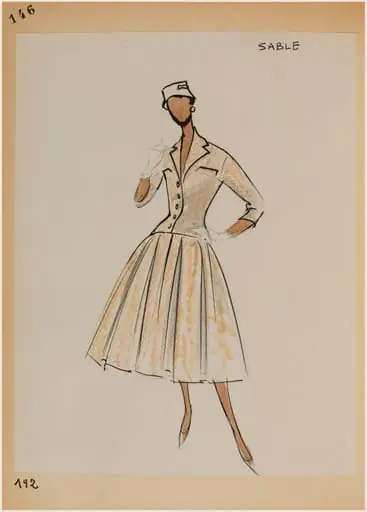 Sable
Sable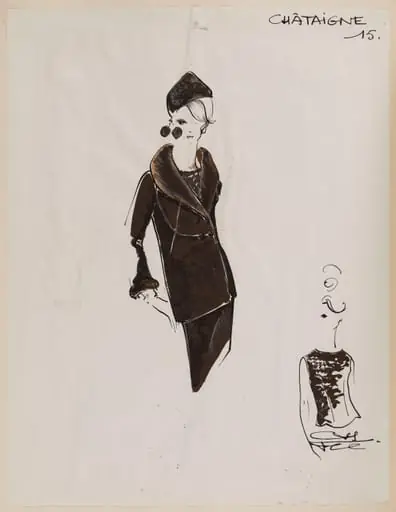 Châtaigne
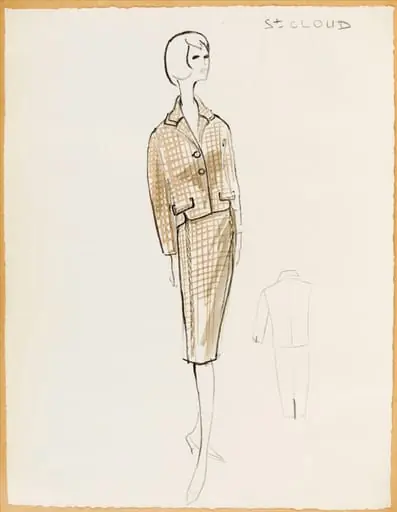 Saint-Cloud
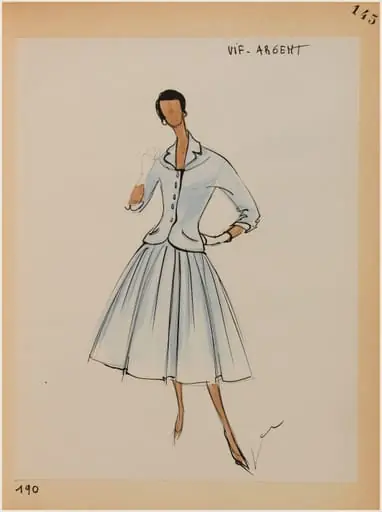 Vif-argent
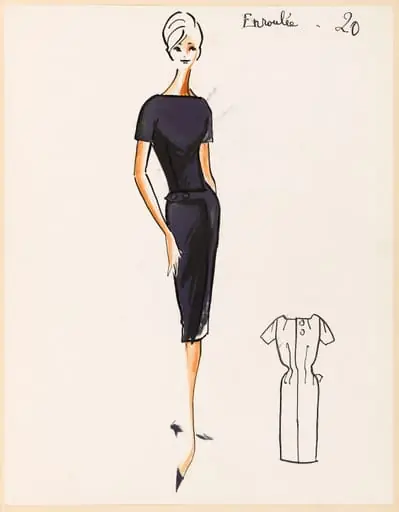 Enroulée
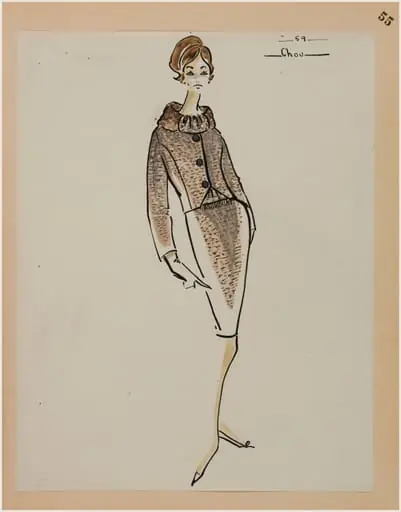 Chou
Chou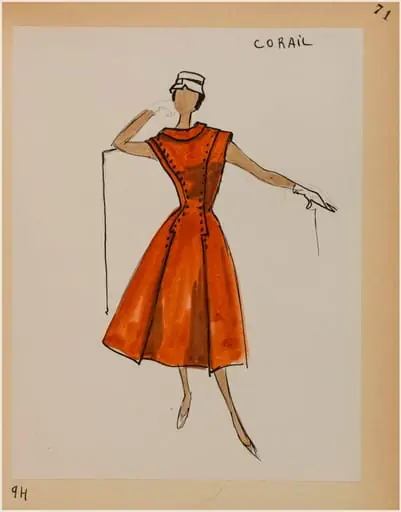 Corail
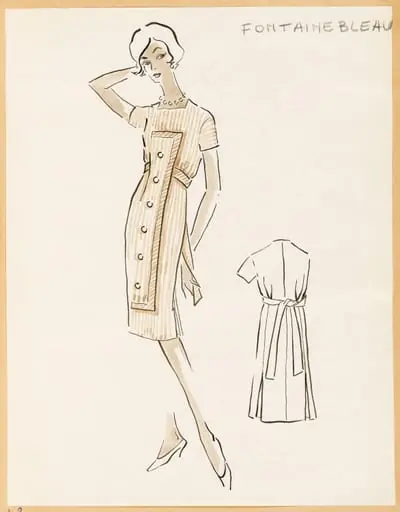 Fontainebleau
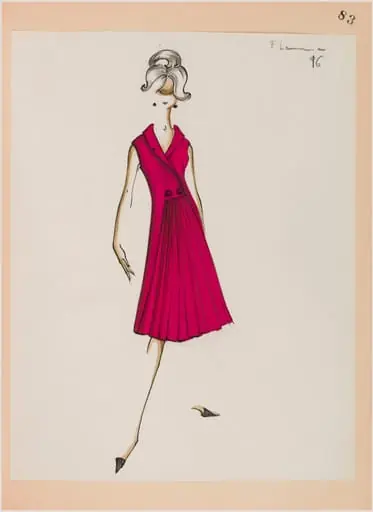 Flamme
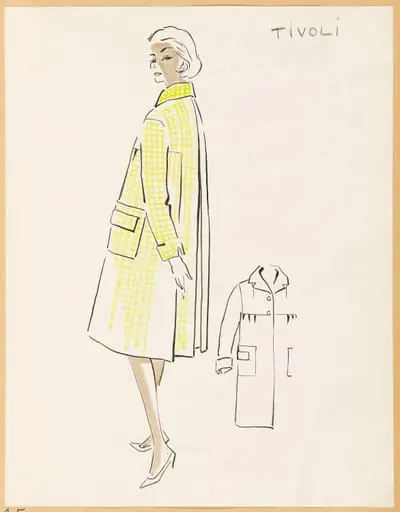 Tivoli
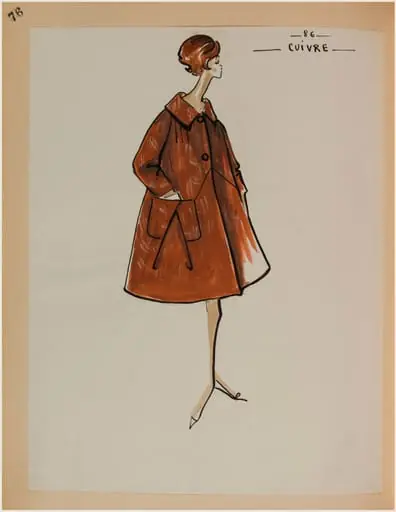 Cuivre
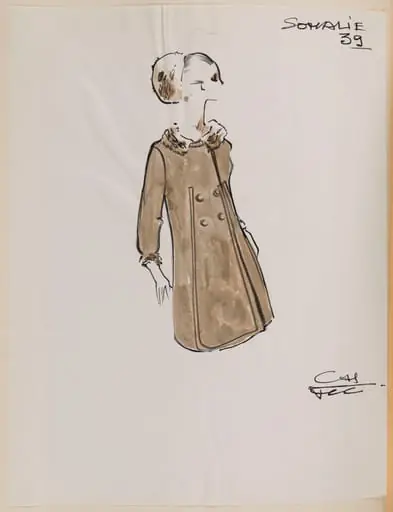 Somalie
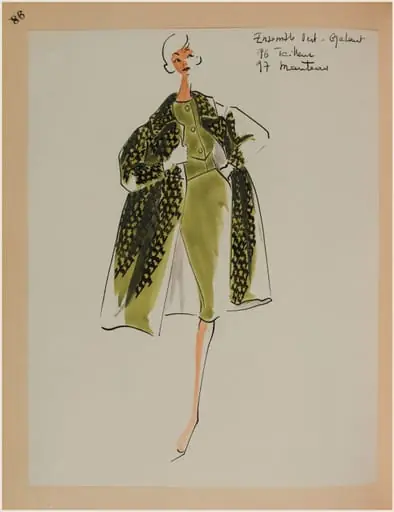 Ensemble vert galant tailleur et manteau
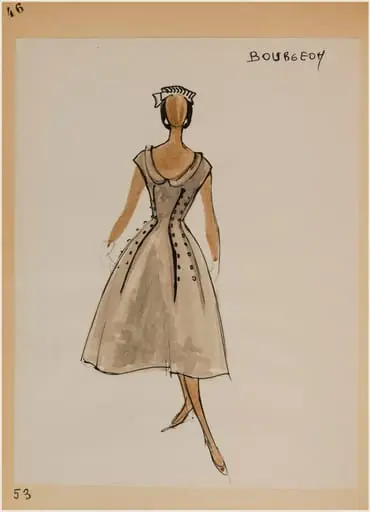 Bourgeon
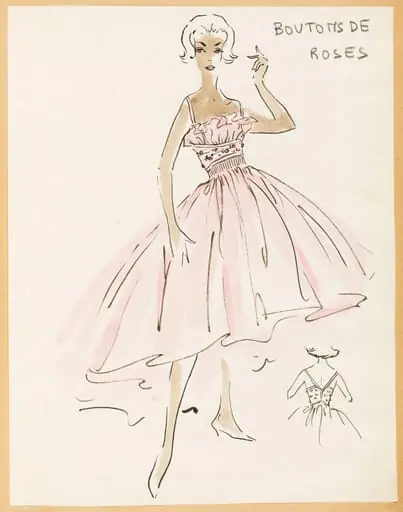 Boutons de roses
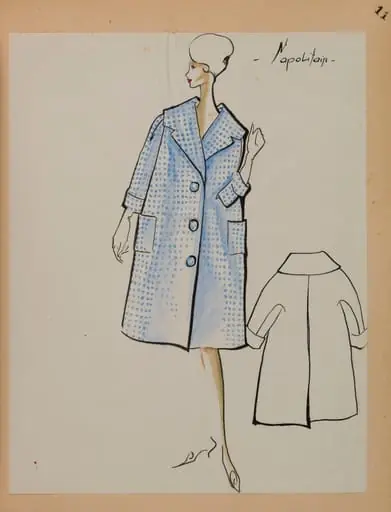 Napolitain
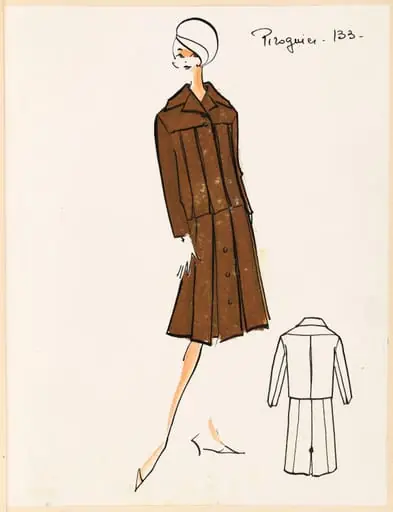 Piroguier
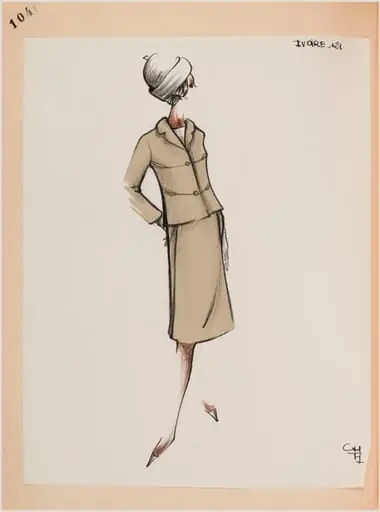 Ivoire
 Portret de muncitor
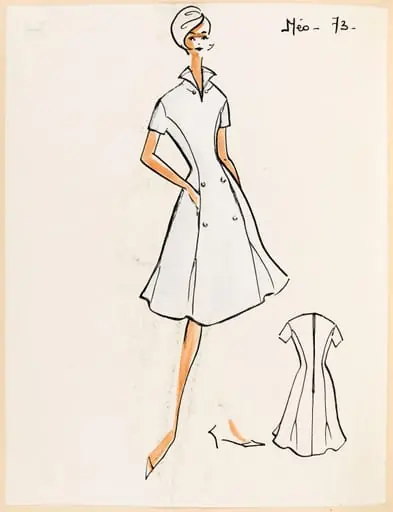 Méo
Méo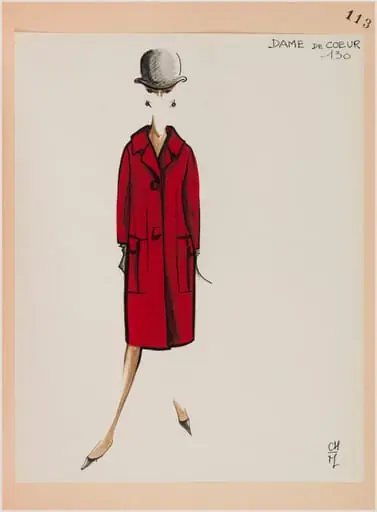 Dame de coeur
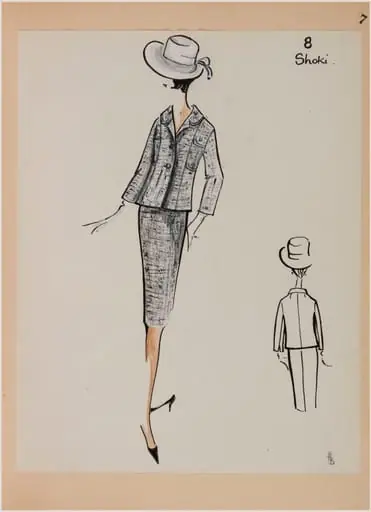 Shoki
Shoki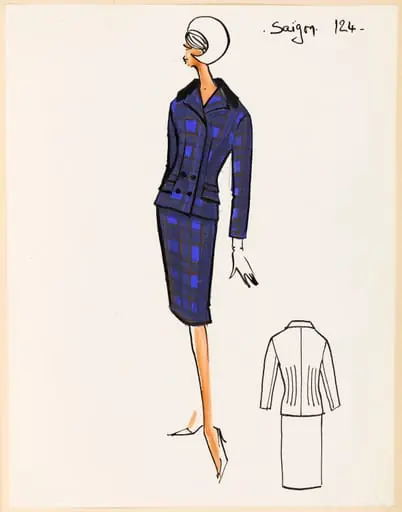 Saïgon
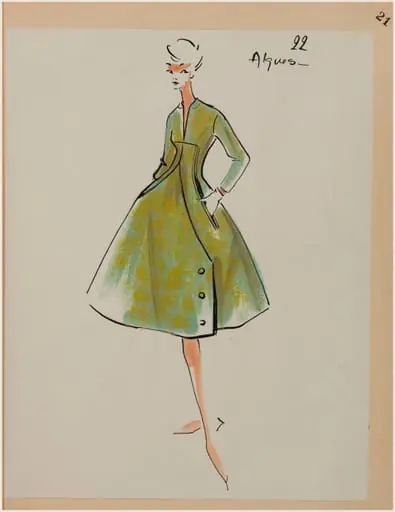 Algues
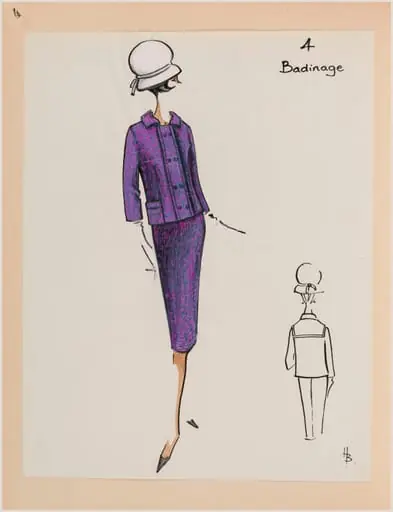 Badinage
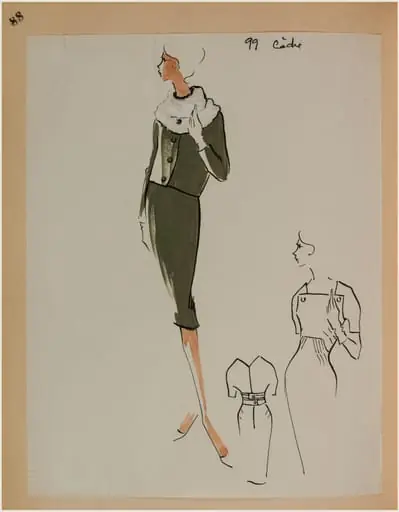 Cèdre
Cèdre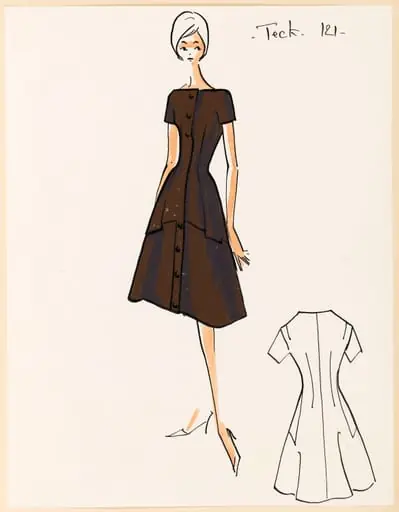 Teck
Teck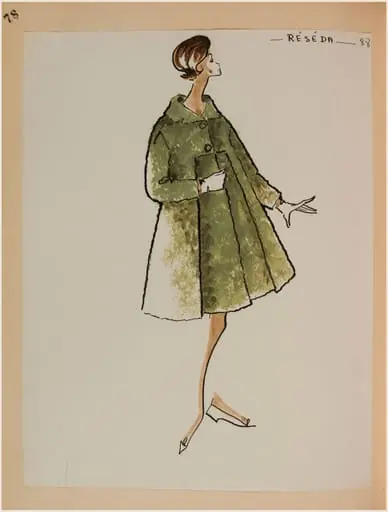 Réséda
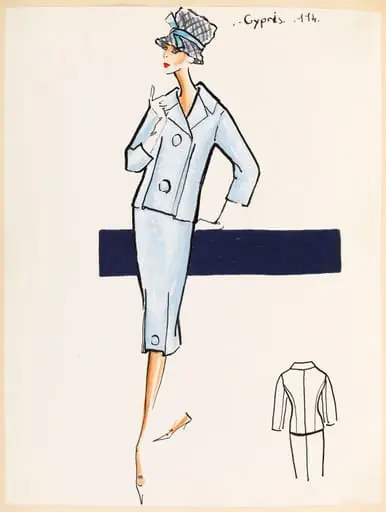 Cyprès
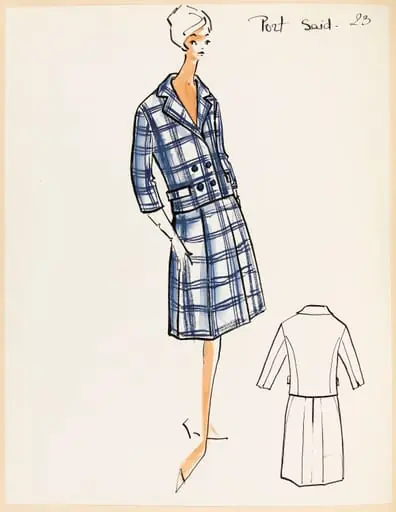 Port Said
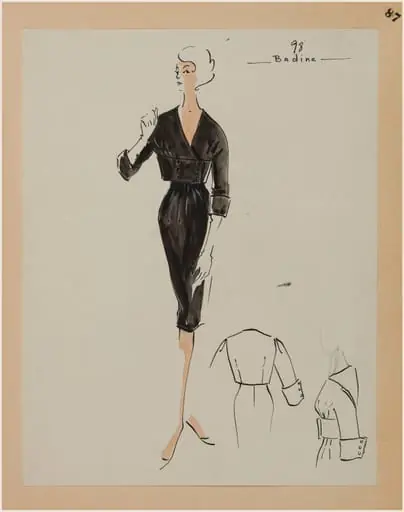 Badine
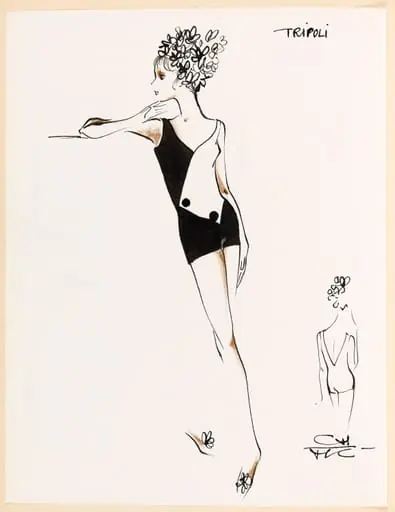 Tripoli
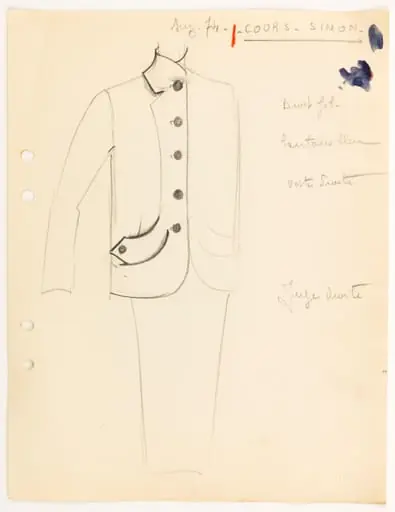 Cours-Simon
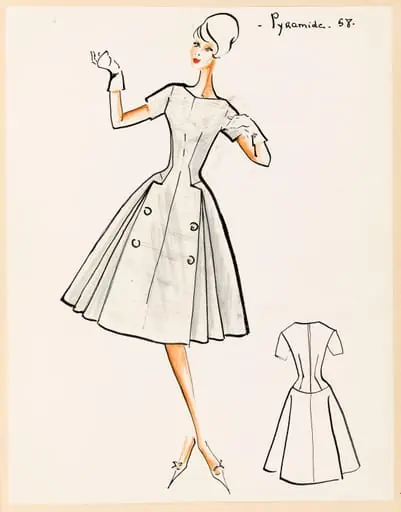 Pyramide
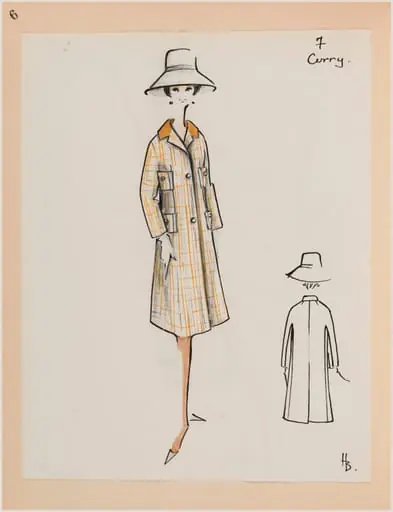 Curry
Curry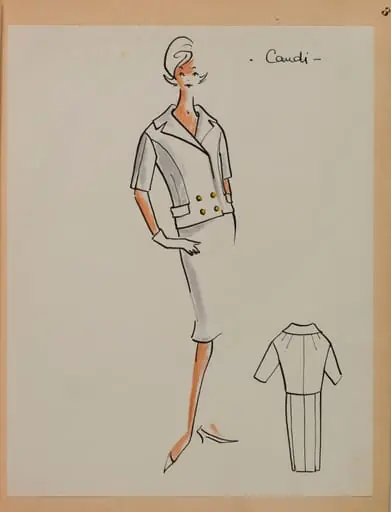 Candi
Candi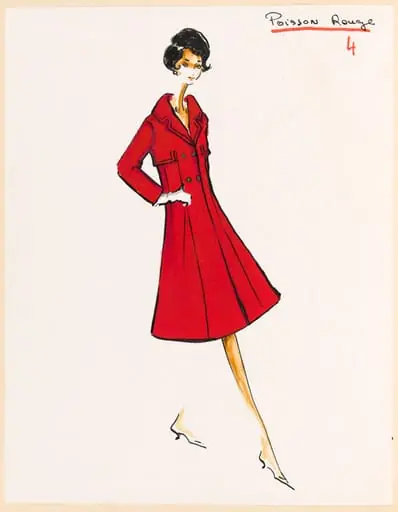 Poisson rouge
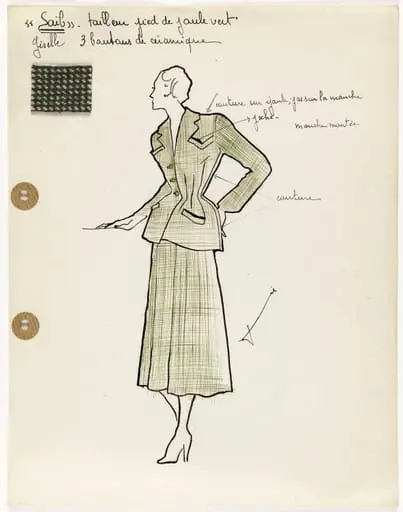 'Saïb'
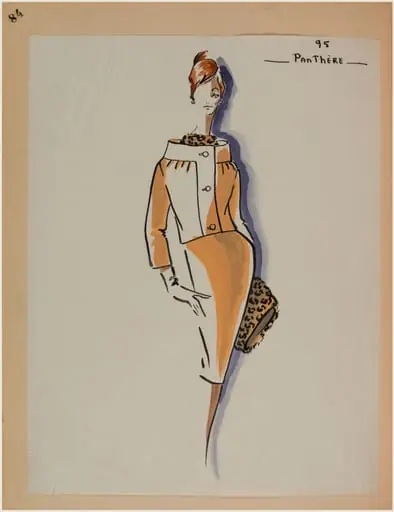 Panthère
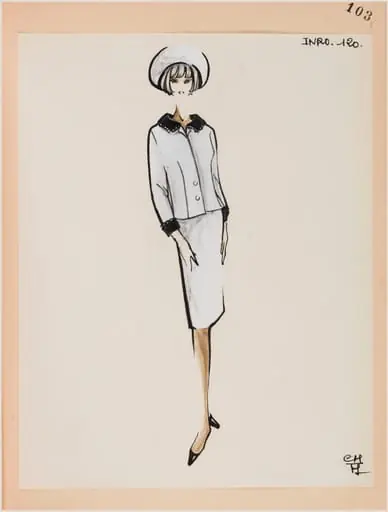 Inro
Inro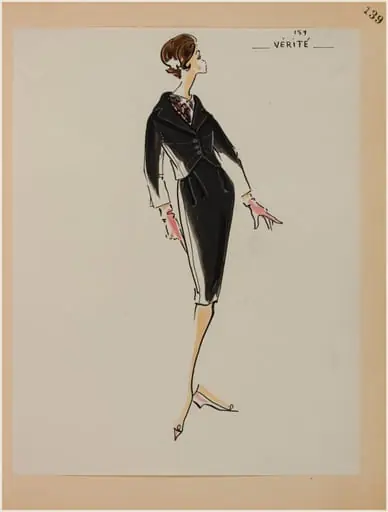 Vérité
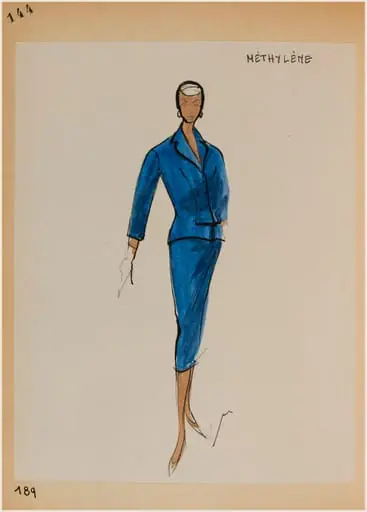 Méthylène
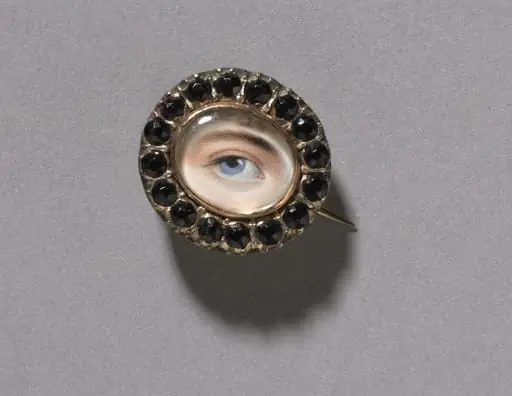 Eye
Eye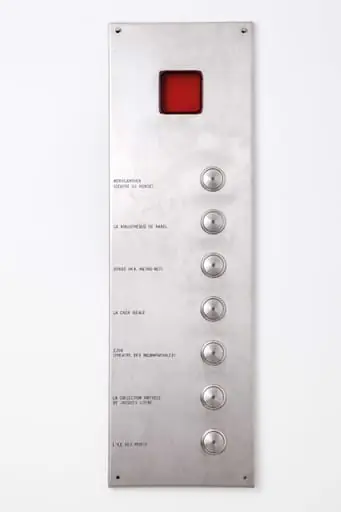 Lift (Ανελκυστήρας)
Frequently asked questions
What is Button?
Button is a subject in art. A button () is a fastener that joins two pieces of fabric together by slipping through a loop or by sliding through a buttonhole.
How many Button works does Artifact World Gallery have?
Artifact World Gallery holds 66 public-domain Button works, all free to view and download.
Who are the key Button artists?
Key Button artists in the collection include Francis Wheatley, Joseph Badger and Pieter Cornelisz. van Slingelandt.
Where can I see Button works?
Button works in the collection are held by Palais Galliera - Musée de la Mode de la Ville de Paris, Moldova National Museum Complex and Metropolitan Museum of Art.