Artwork
Saint Dominic Presiding over an Auto-da-fe
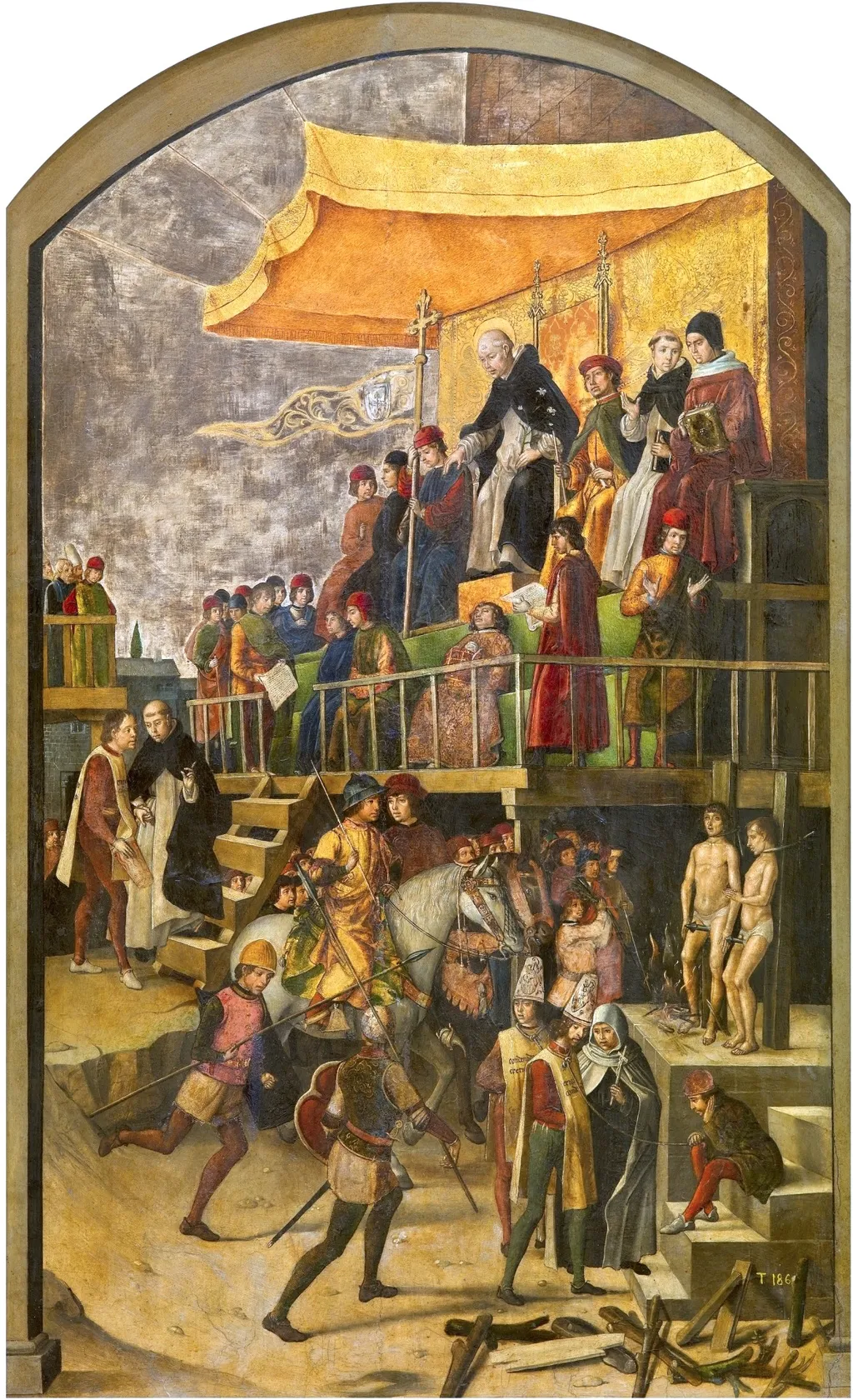
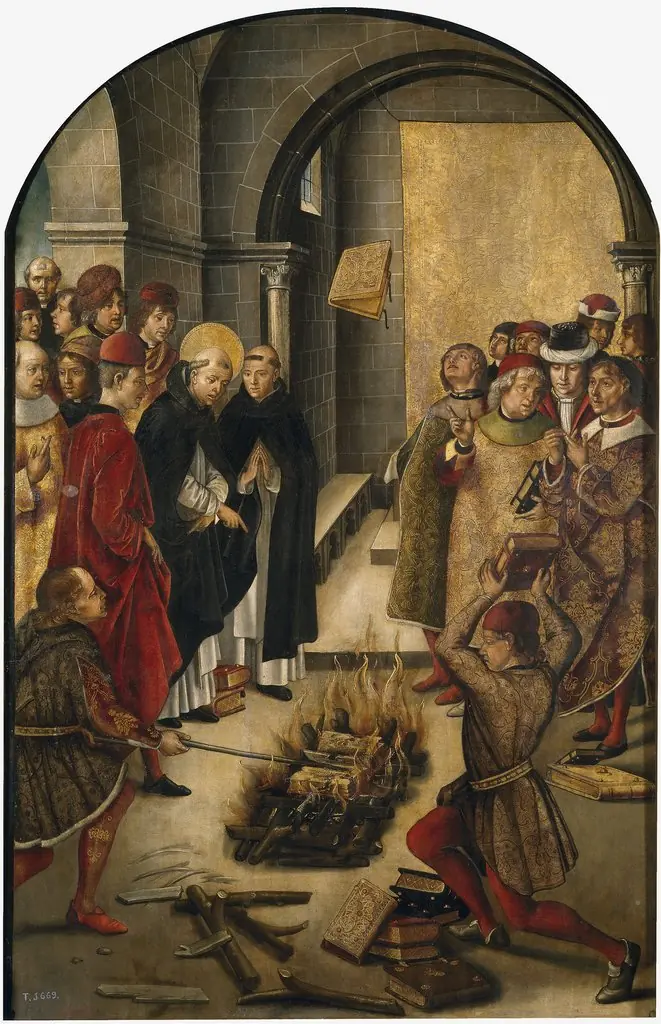
Saint Dominic Presiding over an Auto-da-fe is an oil painting by the Early Renaissance artist Pedro Berruguete. It dates from 1497 and is held in the collection of the Museo del Prado.
About this work
Subject & Meaning
This juxtaposition underscores both the doctrinal gravity of the Inquisition and the artist's synthesis of Iberian and Northern European traditions.
The painting portrays Saint Dominic presiding over an auto-da-fe, a public sentencing ceremony of the Spanish Inquisition. He stands elevated, larger than the surrounding figures, symbolizing his spiritual authority over heretics condemned for their beliefs. The condemned Albigensians are depicted in the Sanbenito, a garment signifying their punishment, while the weapon held by one figure may represent the Inquisition's instruments of justice.
The composition reflects a blend of medieval hierarchy, where size denotes religious rank, with emerging Renaissance techniques such as perspective, chiaroscuro, and architectural detail. This juxtaposition underscores both the doctrinal gravity of the Inquisition and the artist's synthesis of Iberian and Northern European traditions.
Technique & Style
The work is executed in mixed technique on a wooden panel, a method consistent with Spanish practice of the period, and measures 154 by 92 centimetres. Berruguete combines Hispano-Flemish tradition with emerging Renaissance elements. Hierarchical scaling, a medieval device, is used to rank the figures by religious importance: Saint Dominic, though set in a background plane, is rendered larger than the Albigensian heretics condemned at the stake in the foreground.
Renaissance features include the use of linear perspective, individualized facial types, the modeling of light, and the integration of architectural space. The composition is organized vertically, with the saint at the apex, pardoned penitents and inquisitorial judges elevated on a tribunal, and soldiers and condemned heretics positioned in the lower register. Narrative detail is carried through telling expressions and gestures, such as a sleeping cleric in fine robes beneath the saint and a bored figure in red hose holding a rope in the lower right corner.
History & Provenance
The painting was created circa 1493–1499 for the sacristy of the Real Monasterio de Santo Tomás in Ávila, commissioned by the Spanish Inquisition. It was later transferred to the Museo de la Trinidad before being absorbed into the Museo del Prado in 1872, where it remains on display. The work, painted in mixed media on panel, measures 154 cm in height by 92 cm in width and belongs to the Spanish school of the late 15th century.
Its subject depicts Saint Dominic presiding over an auto-da-fé, a ritual of the Inquisition, with compositional elements reflecting both Iberian-Flemish tradition and emerging Renaissance techniques.
The painting is held at the Museo del Prado in Madrid, where it remains on public display. Its accession record derives from its prior placement in the Museo de la Trinidad, which was absorbed into the Prado in 1872. The work was originally commissioned for the sacristy of the Real Monasterio de Santo Tomás in Ávila.
Context
Pedro Berruguete's Saint Dominic Presiding over an Auto-da-fe (c. 1493–1499) serves as a pivotal document within the Spanish school, illustrating the synthesis of Hispano-Flemish tradition with emerging Renaissance elements. Art historical analysis highlights the work's deliberate fusion of medieval hierarchical scaling, where Saint Dominic appears larger than nearby figures despite being in the background, with advanced Renaissance techniques such as linear perspective, distinct facial characterization, and architectural depth. Created for the sacristy of the Royal Monastery of Santo Tomás in Ávila, a key Inquisition site, the painting functions as a historically significant record of the condemnation of Albigensian heretics.
Its composition is noted for narrative complexity, including ironic details like a sleeping high-ranking figure and expressions of boredom among the guards, which add layers of psychological realism to the religious subject matter.
Overview
Created in 1497 by Spanish artist Pedro Berruguete, this oil painting portrays a dramatic episode from the early Inquisition. Saint Dominic is positioned centrally, overseeing a crowded scene that unfolds on two levels, with a balcony above a tumultuous ground below. The work is part of the Museo del Prado’s collection.
Artist & collection
Artist
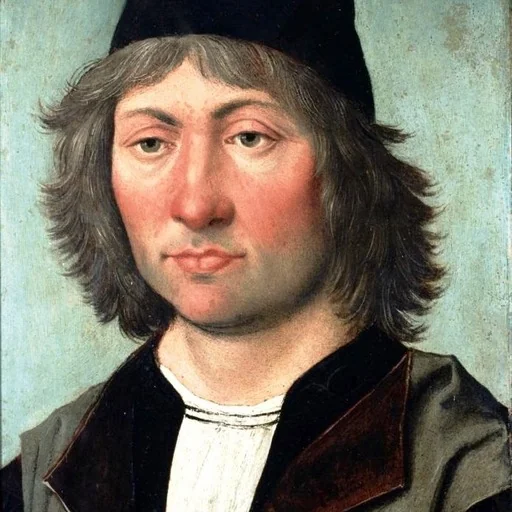
Pedro Berruguete (c. 1450 – 1504) was a Spanish painter who adopted Flemish techniques and conventions and so is part of the Hispano-Flemish style. Berruguete most famously created paintings of the first few years of…

- Încoronarea Mariei
 Baptism of King Chlodwig I (ca. 466–511)
 The Calling of Saint Anthony
 Ecce Homo
 The Multitude Which Stands before the Throne
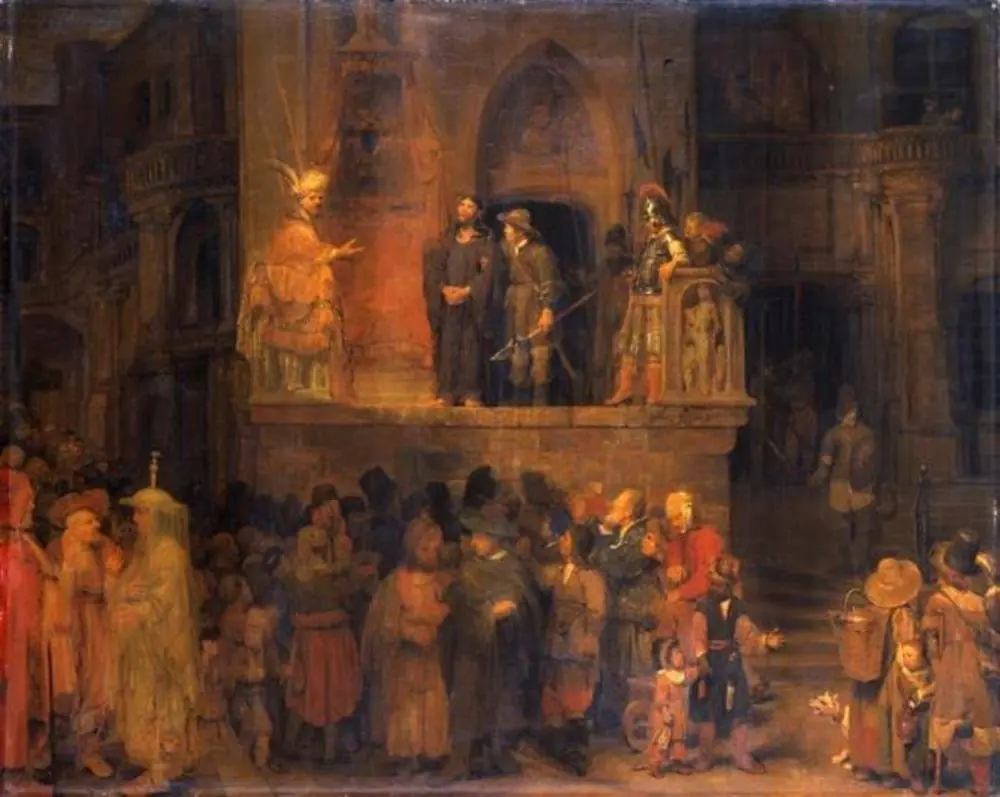 Ecce Homo (John 19:5)
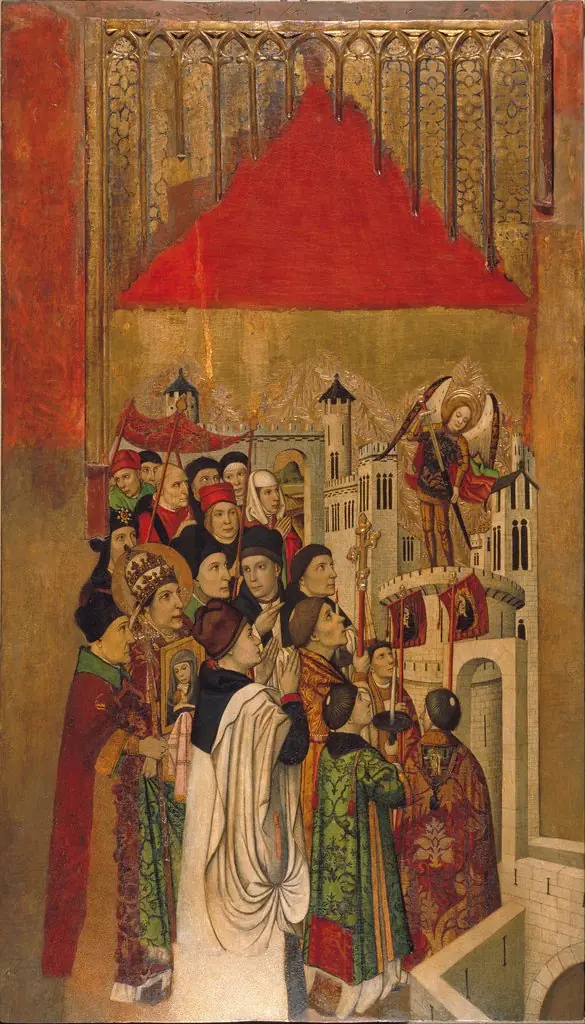 Apparition of Saint Michael at the Castle of Sant'Angelo
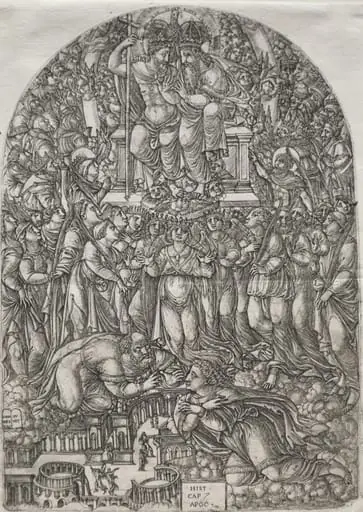 The Apocalpse: An Innumerable Multitude which stand before the Throne
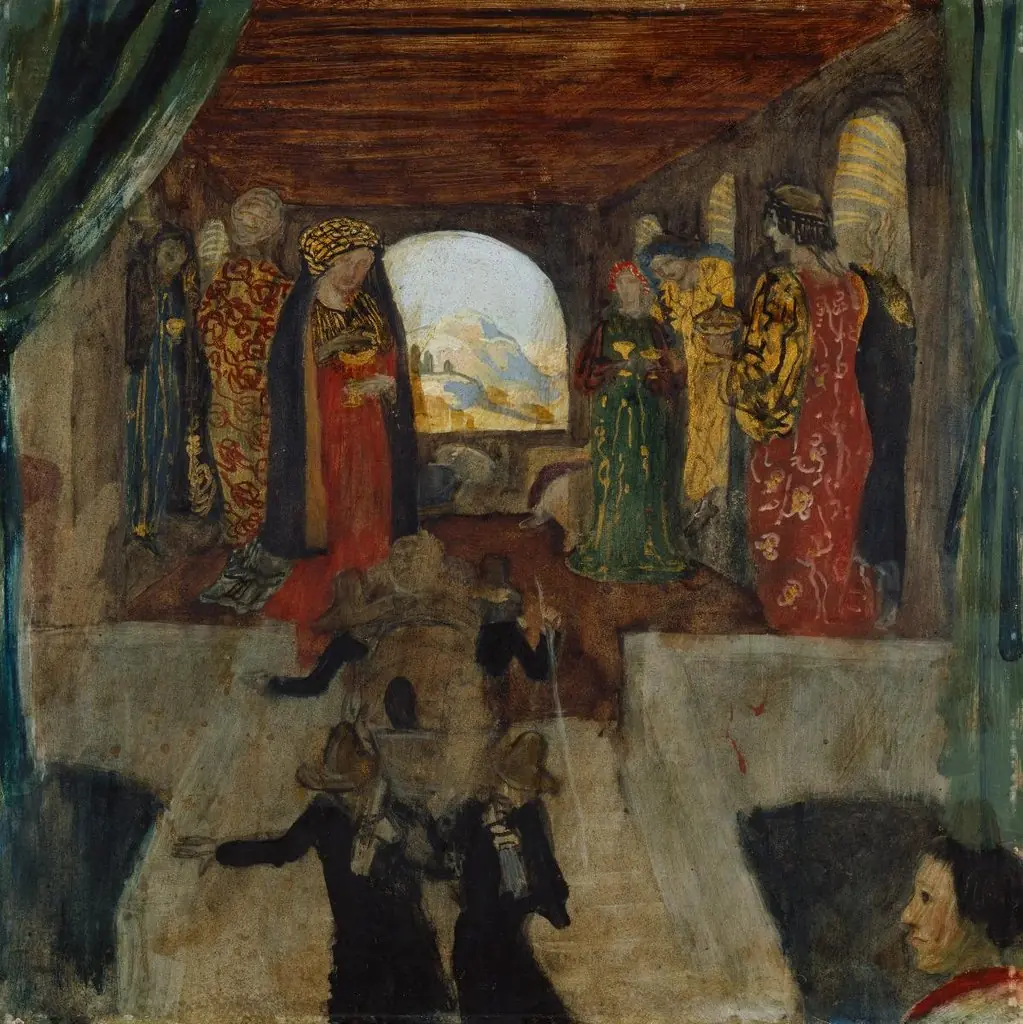 Auszug der Penaten. Entwurf
 Ecce homo
 The Council of Nicaea A.D. 787
 Ecce Homo