Artwork
Saint Peter Martyr
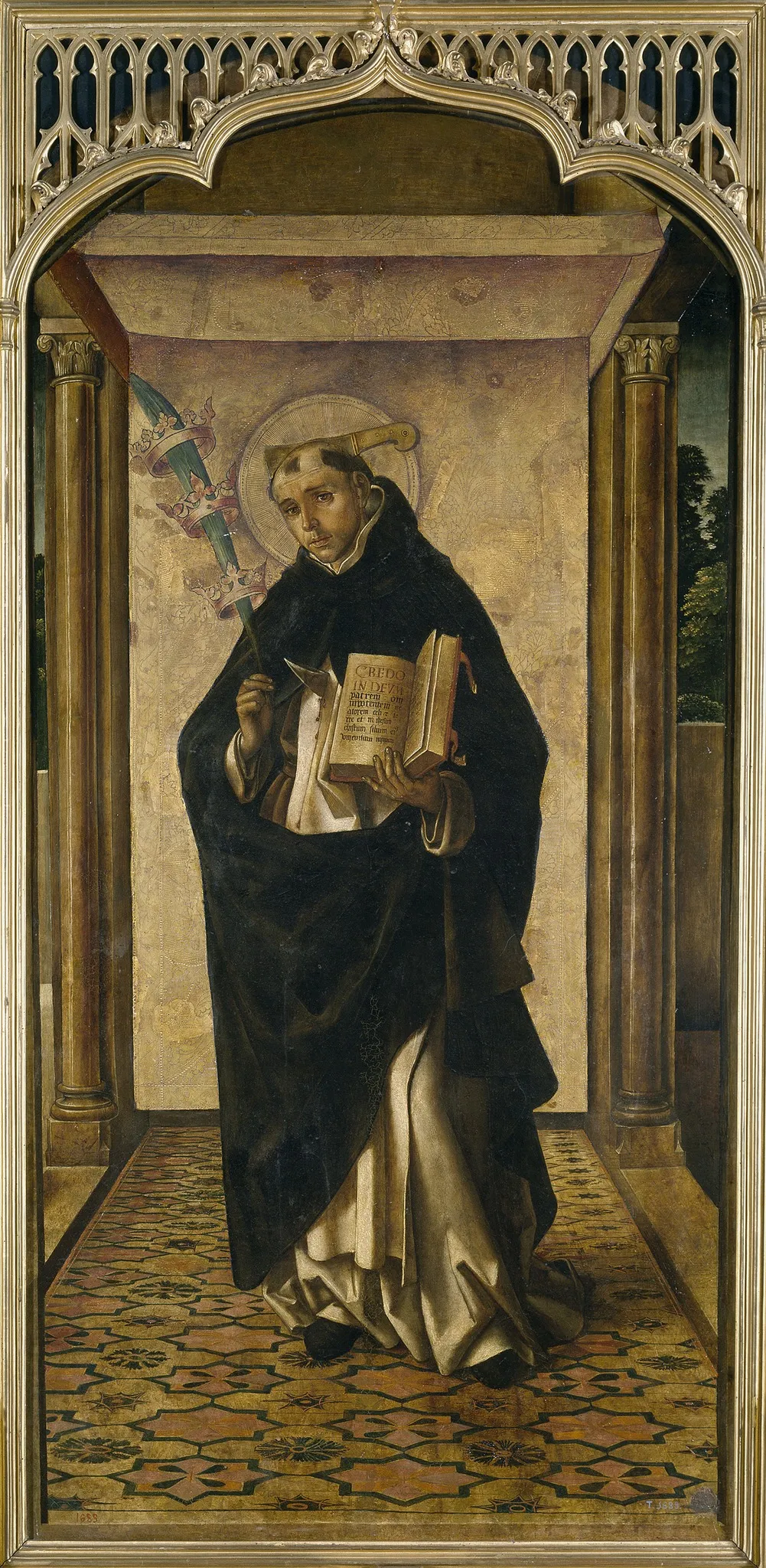
Saint Peter Martyr is an oil painting by the Early Renaissance artist Pedro Berruguete. It dates from 1497 and is held in the collection of the Museo del Prado.
About this work
Subject & Meaning
These objects symbolize the violent nature of his death, traditionally depicted as an attack with a blade, and his role as a learned theologian and preacher.
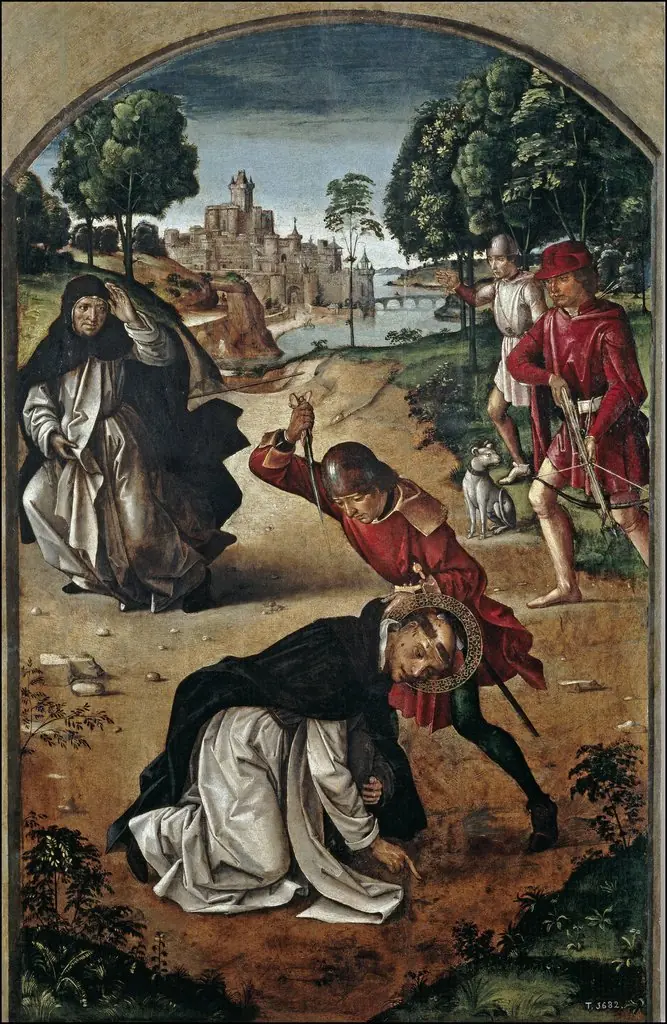
The painting depicts Peter of Verona, also known as Saint Peter Martyr, as its central figure. The iconography includes specific attributes associated with the saint's life and martyrdom: a knife and a book. These objects symbolize the violent nature of his death, traditionally depicted as an attack with a blade, and his role as a learned theologian and preacher.
As a work of religious art, the piece serves to honor the martyr and visually communicate the narrative of his sacrifice and scholarly devotion.
Technique & Style
The work is executed in oil paint on a wooden panel, a format typical of late 15th-century Spanish religious panels. Its dimensions are 177 centimeters in height and 90 centimeters in width, supporting a composition that centers on the martyr Saint Peter of Verona holding a knife and a book, rendered with the naturalistic modeling and rich coloration characteristic of Pedro Berruguete’s style.
The painting’s surface shows the smooth handling of oil, allowing subtle gradations of light and shadow that model the figures and emphasize the narrative drama. These formal qualities align with the devotional intensity found in the artist’s contemporary altarpieces.
The work is housed in the Museo del Prado, where it remains part of the museum’s collection of Spanish Renaissance art.
History & Provenance
Saint Peter Martyr is an oil-on-panel painting by Pedro Berruguete dated to 1493. The work was created in that year and entered the holdings of the Museo de la Trinidad before being transferred to the Museo del Prado, where it is currently held. The painting has been associated with the Spanish royal collection, consistent with Berruguete's documented activity at the Castilian court during the late fifteenth century.
No specific commissioner is named in the available records, and the documented history of the work begins with its 1493 creation and subsequent museum custody.
The painting Saint Peter Martyr by Pedro Berruguete is held in the collection of the Museo del Prado in Madrid. Historical records indicate the work was previously part of the Museo de la Trinidad before its current location. The artwork, executed in oil on panel in 1493, depicts Peter of Verona alongside a knife and a book.
The provided sources do not contain specific inventory numbers or a detailed history of exhibitions for this piece.
Overview
Created in 1497, this oil painting by Spanish artist Pedro Berruguete portrays Saint Peter Martyr, a 13th‑century Dominican preacher. The work exemplifies the early Renaissance period in Spain, merging devotional content with emerging naturalistic techniques. It is currently housed in the Museo del Prado, forming part of the museum’s collection of late‑medieval religious art.
Context
At the turn of the 16th century, Spanish art was absorbing influences from the Northern Renaissance while retaining local devotional traditions. Berruguete’s work reflects this synthesis, aligning with contemporaneous Spanish painters who were integrating Flemish detail and realism into ecclesiastical subjects.
Artist & collection
Artist
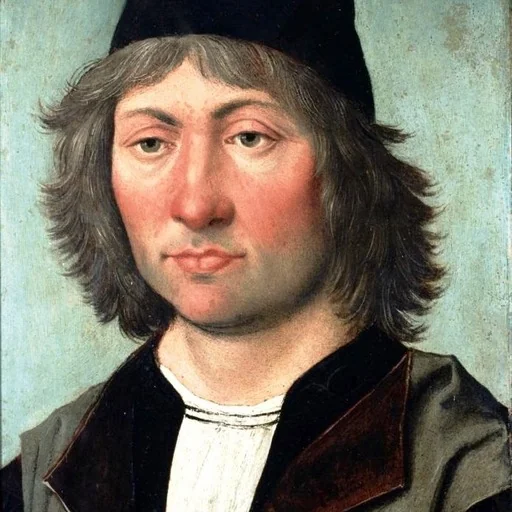
Pedro Berruguete (c. 1450 – 1504) was a Spanish painter who adopted Flemish techniques and conventions and so is part of the Hispano-Flemish style. Berruguete most famously created paintings of the first few years of…

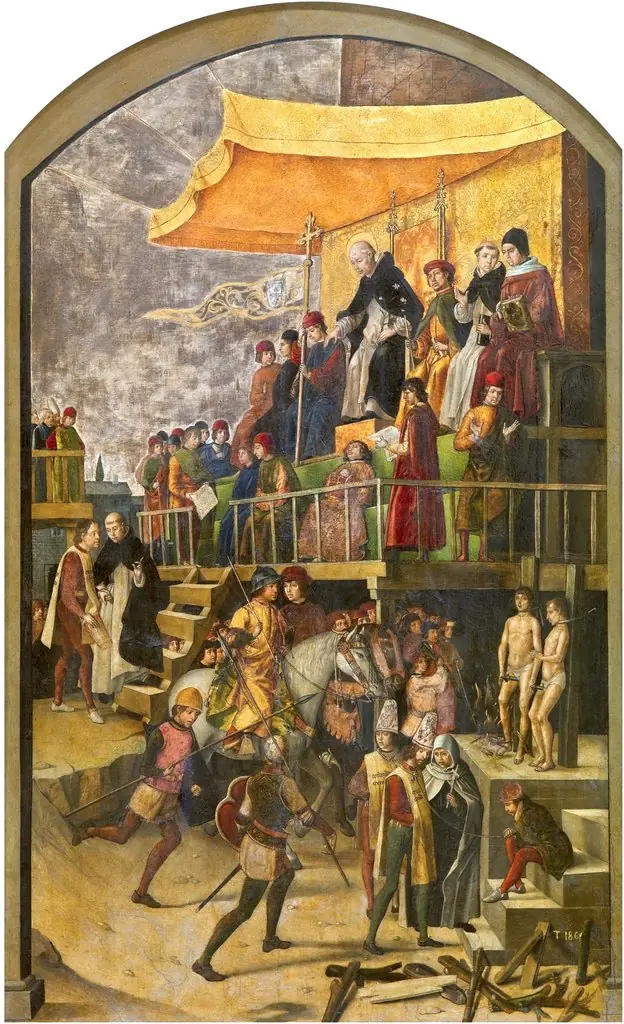
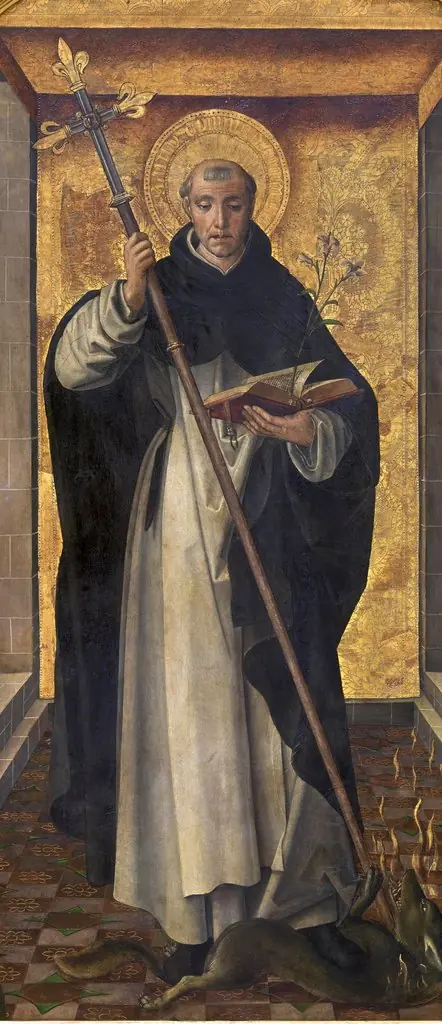
- Saint Dominic of Guzmán
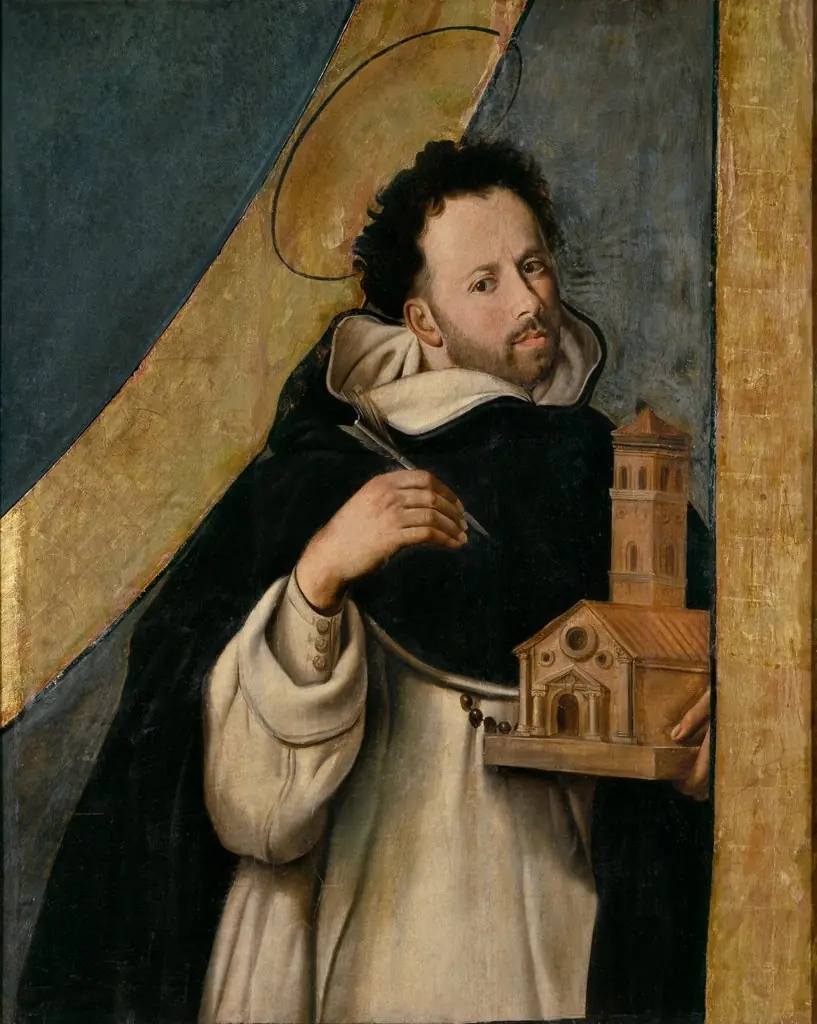
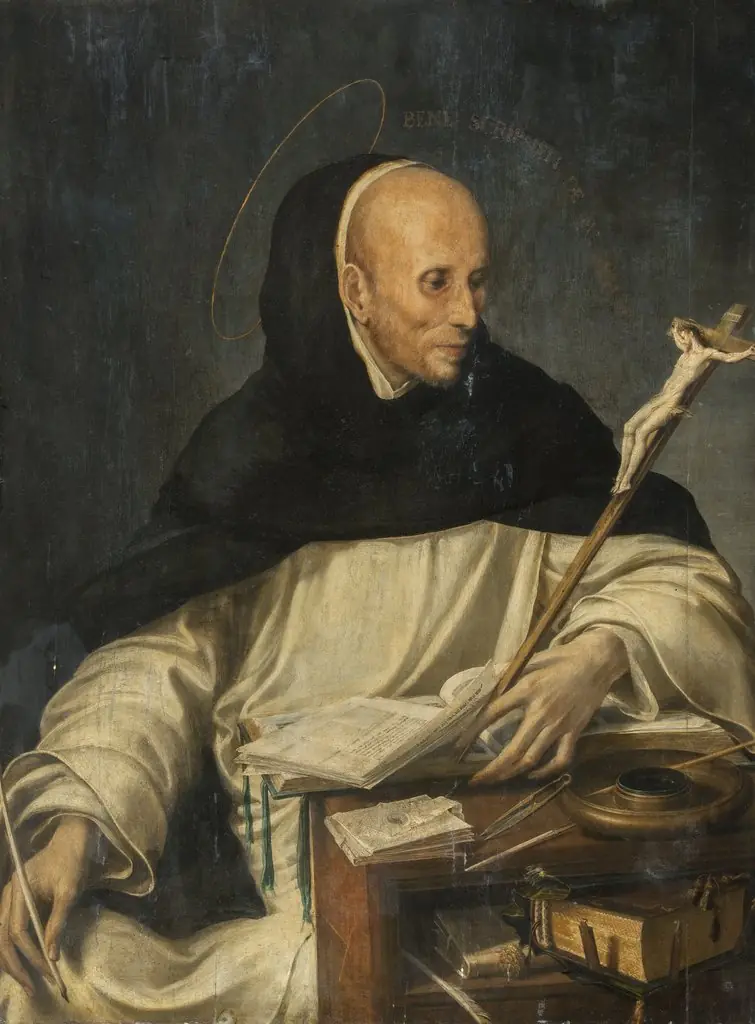 Portrait of friar, possibly Antonio Michele Ghislieri, as st. Thomas
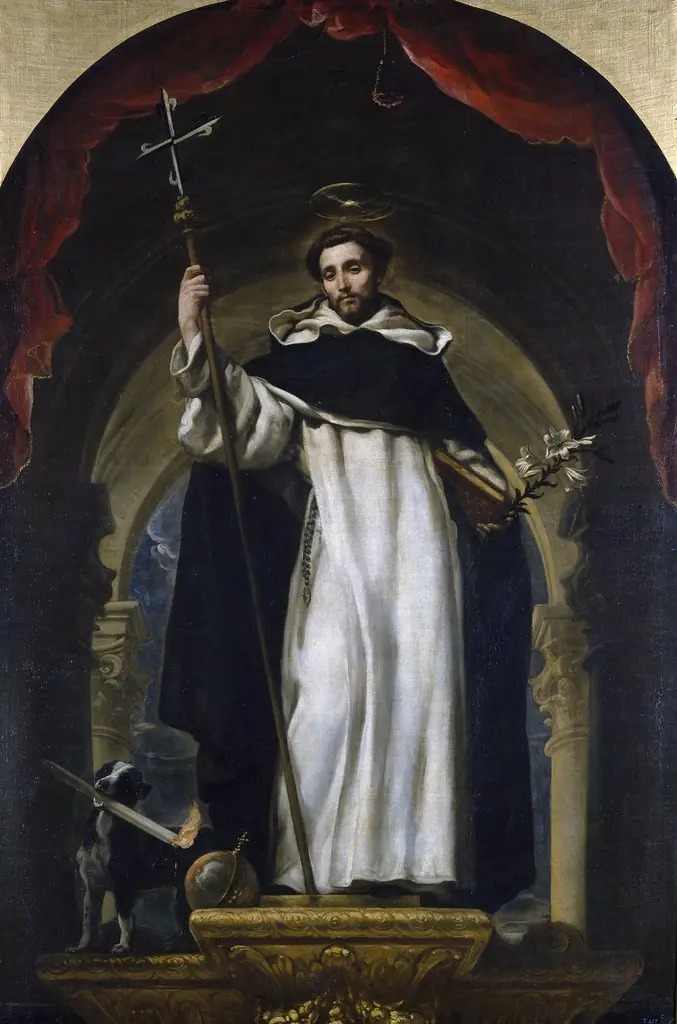 Saint Dominic of Guzmán
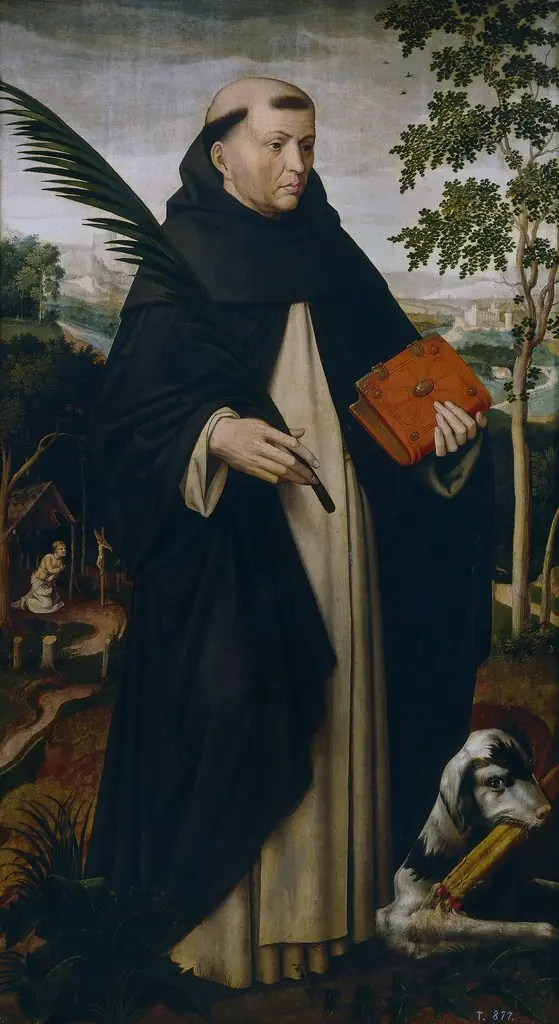 Saint Dominic of Guzmán
 St Dominic
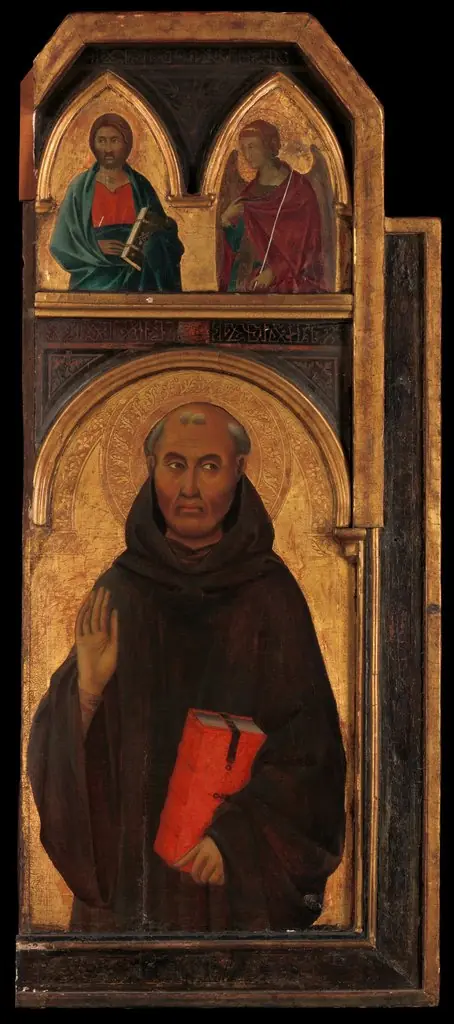 Saint Benedict
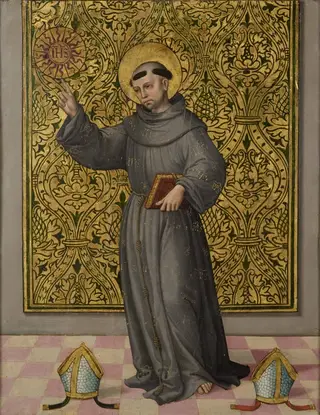 Saint Bernardino of Siena
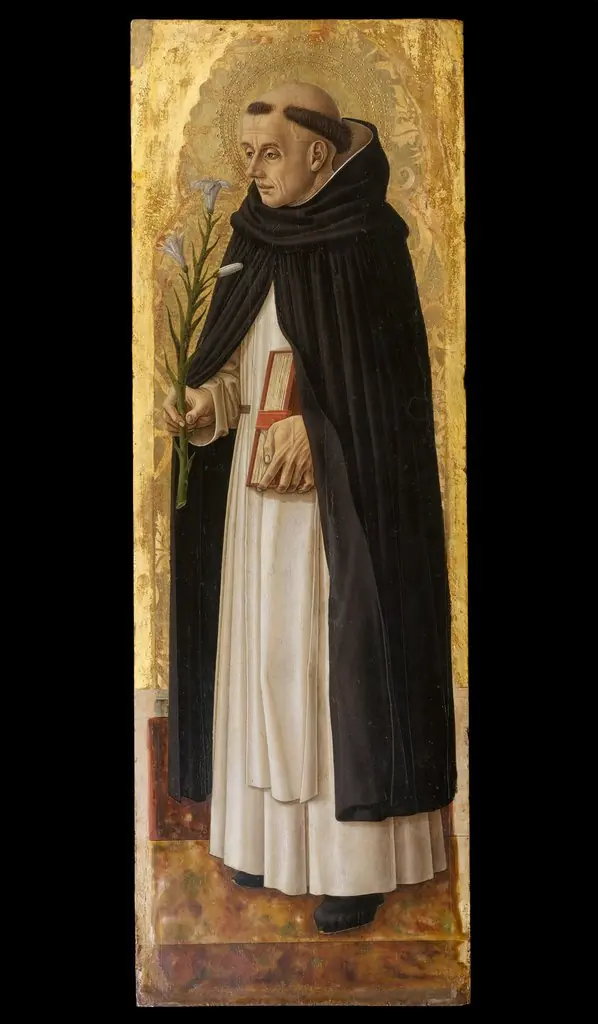 Saint Dominic
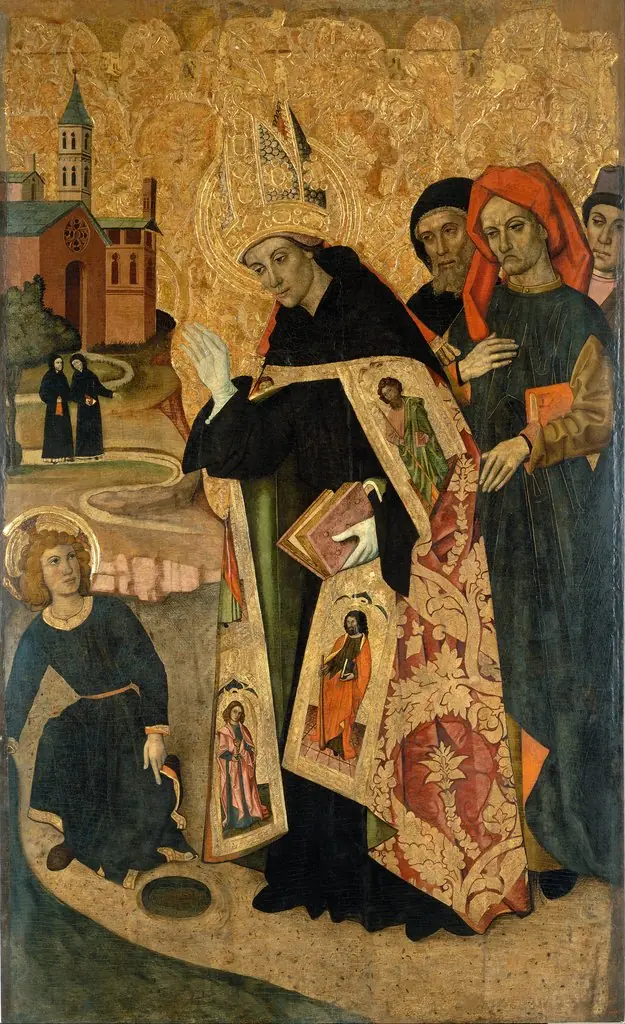 Saint Augustine Meditates on the Trinity when the Child Jesus Appears before him
 Santo Tomás de Aquino
 Saint Vincent Ferrer