Artwork
Saint Dominic resurrects a Boy
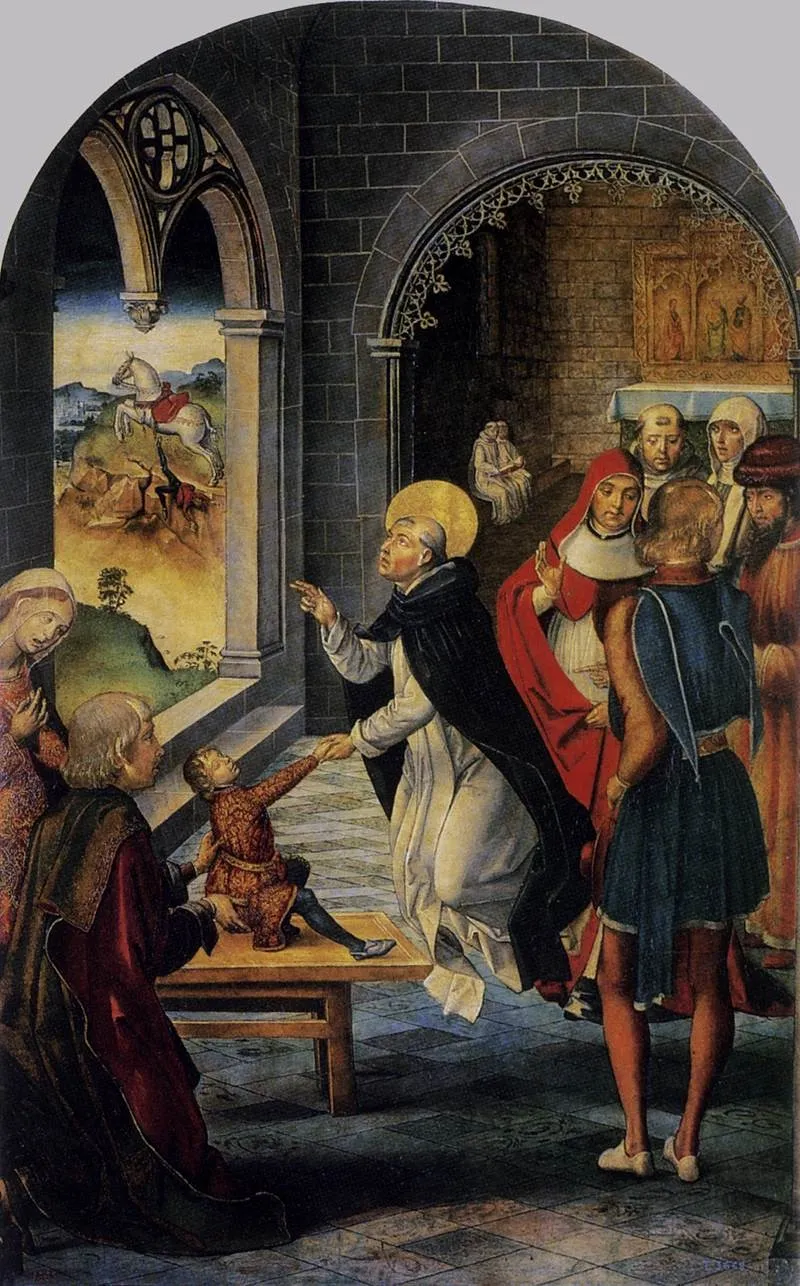
Saint Dominic resurrects a Boy is an oil painting by the Early Renaissance artist Pedro Berruguete. It dates from 1497 and is held in the collection of the Museo del Prado.
About this work
Technique & Style
The piece is currently housed in the Museo del Prado, having originated from the Museo de la Trinidad collection.
Pedro Berruguete executed Saint Dominic resurrects a Boy in 1493 using oil paint applied to a panel support. The work measures 122 cm in height and 83 cm in width. As a religious painting, it adheres to the formal conventions of late 15th-century devotional art, utilizing the durable medium of oil on wood typical of the period.
The piece is currently housed in the Museo del Prado, having originated from the Museo de la Trinidad collection.
History & Provenance
Pedro Berruguete created the oil-on-panel painting Saint Dominic resurrects a Boy in 1493. The work depicts a religious scene featuring Saint Dominic and measures 122 cm in height by 83 cm in width. Historical records link the piece to the Museo de la Trinidad before it entered the collection of the Museo del Prado in Madrid.
The specific commission details and the full chain of ownership prior to its museum holdings are not detailed in the provided sources.
Context
Pedro Berruguete painted Saint Dominic resurrects a Boy in 1493 as an oil work on panel now held in Madrid's Museo del Prado and the Museo de la Trinidad. The subject draws from Dominican hagiography in which the saint restored life to a child killed by a wolf, a narrative that underscores the order's miraculous authority. Art historians view the composition as a synthesis of late medieval devotional imagery and the emerging naturalism of Iberian Renaissance painting, reflecting Berruguete's role as a conduit for Italianate techniques in Castile.
Its inclusion in early inventories of the Dominican convent in Toledo illustrates how such works functioned within devotional spaces, while modern scholarship situates the panel within the artist's broader oeuvre of narrative cycles that blend narrative clarity with emotive realism.
Legacy
The painting has been cited as an early example of Dominican iconography influencing Spanish devotional art, shaping visual narratives of saintly miracles in the late 15th century. Its composition informed subsequent depictions of resurrection themes within Iberian religious workshops, as documented in scholarly analyses of Berruguete’s impact on devotional painting. The work remains part of the Museo del Prado’s collection, continuing to inform studies of Spanish Renaissance spirituality.
Scholars reference its role in establishing a visual precedent for Dominican hagiography, particularly in the portrayal of miraculous interventions by the order’s founder.
Overview
Created in 1497 by the Spanish artist Pedro Berruguete, this oil painting illustrates a miracle attributed to Saint Dominic. The work belongs to the early Renaissance period and is part of the Prado Museum’s collection. Its composition centers on the saint performing a resurrection, framed by a modest architectural setting.
Subject & Meaning
The narrative shows Saint Dominic extending his right hand toward a lifeless boy lying on a table, while the child’s grieving parents kneel nearby. A small crowd observes from the background, emphasizing the saint’s role as intercessor and miracle‑worker within a devotional context.
Artist & collection
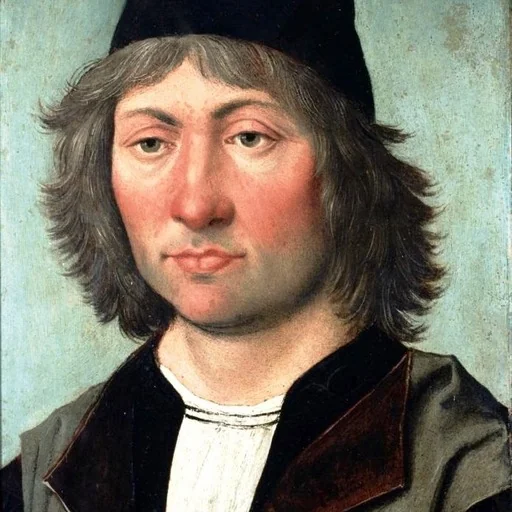
Artist
Pedro Berruguete (c. 1450 – 1504) was a Spanish painter who adopted Flemish techniques and conventions and so is part of the Hispano-Flemish style. Berruguete most famously created paintings of the first few years of…

 Saint Francis raises a child from the dead
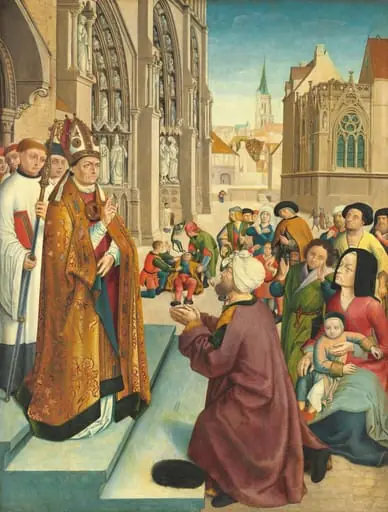 Episodes from the Life of a Bishop Saint
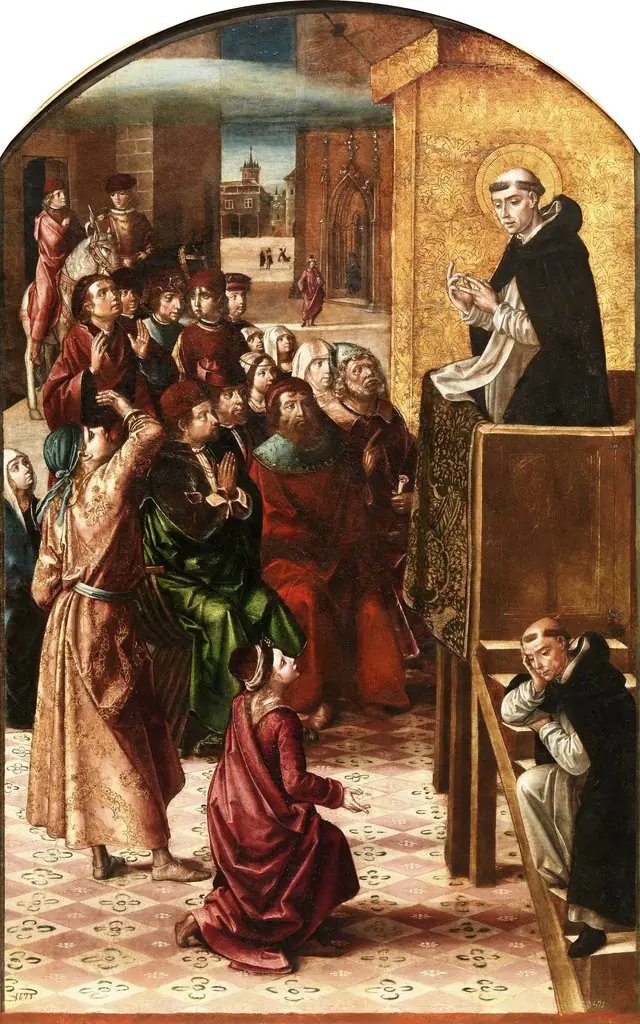 The Miracle of the Cloud
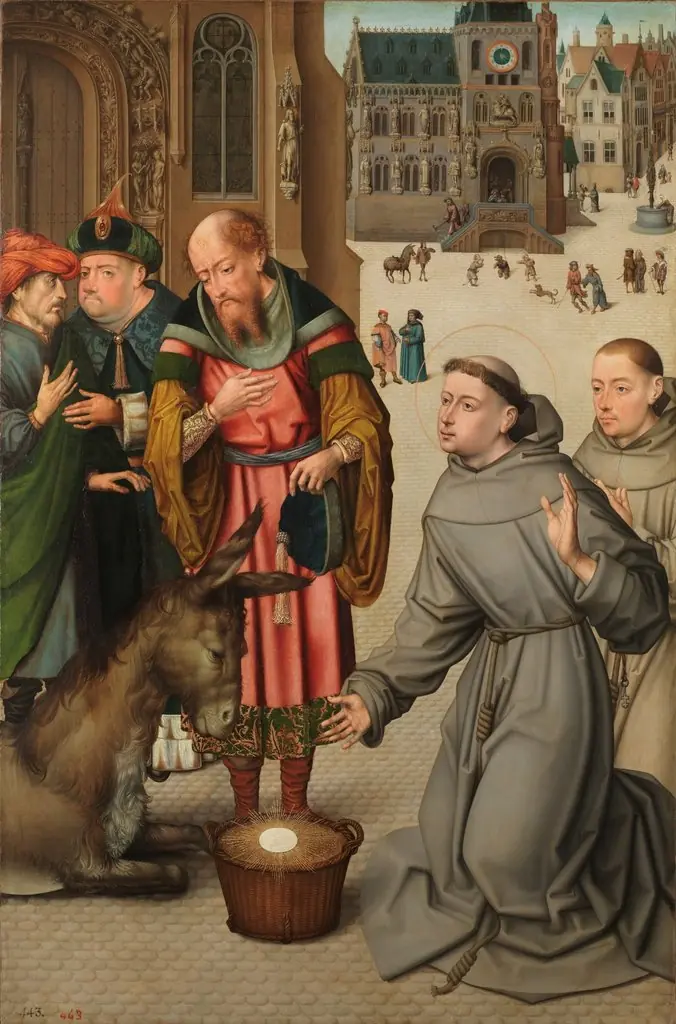 Miracle of Saint Anthony of Padua
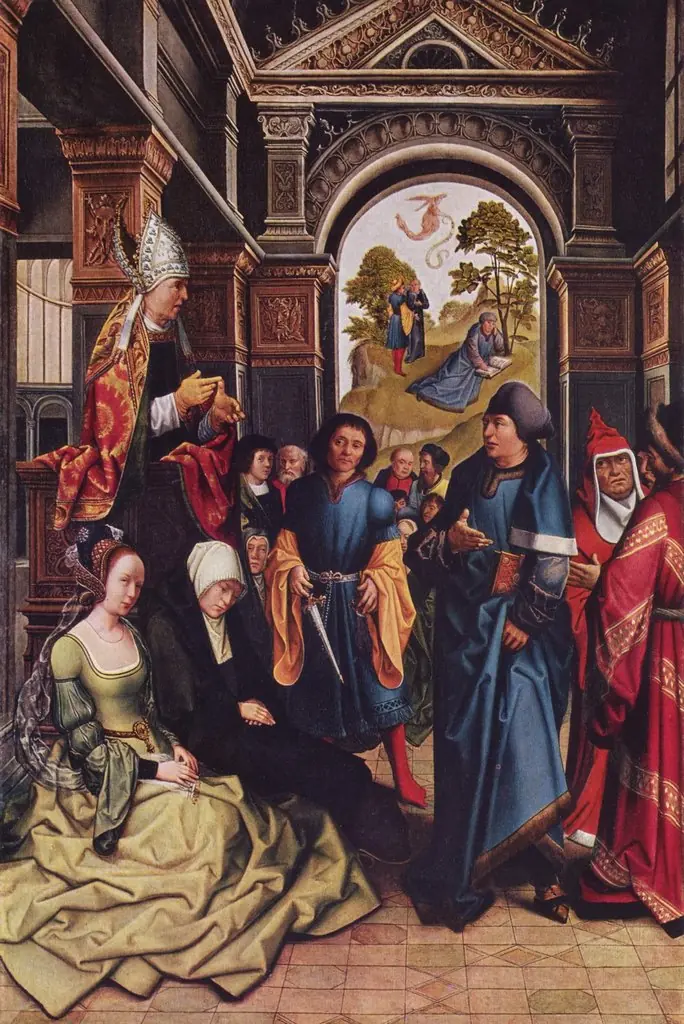 Sermon of St. Ambrose Outside: Two standing holy bishops
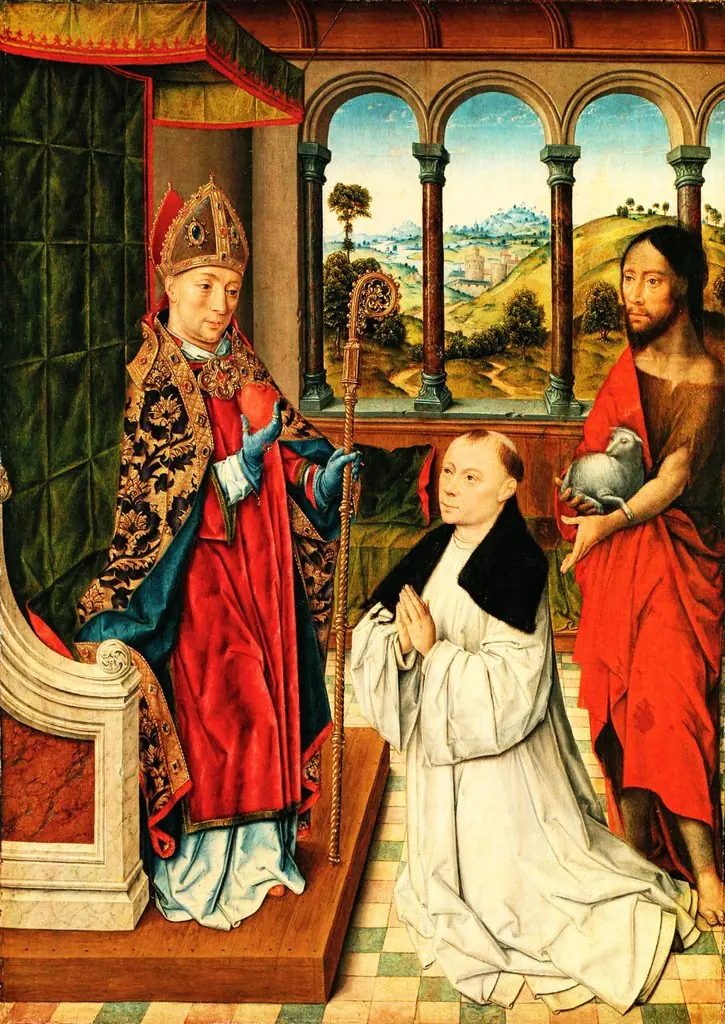 Der Heilige Augustinus und Johannes dem Täufer mit einem Stifter
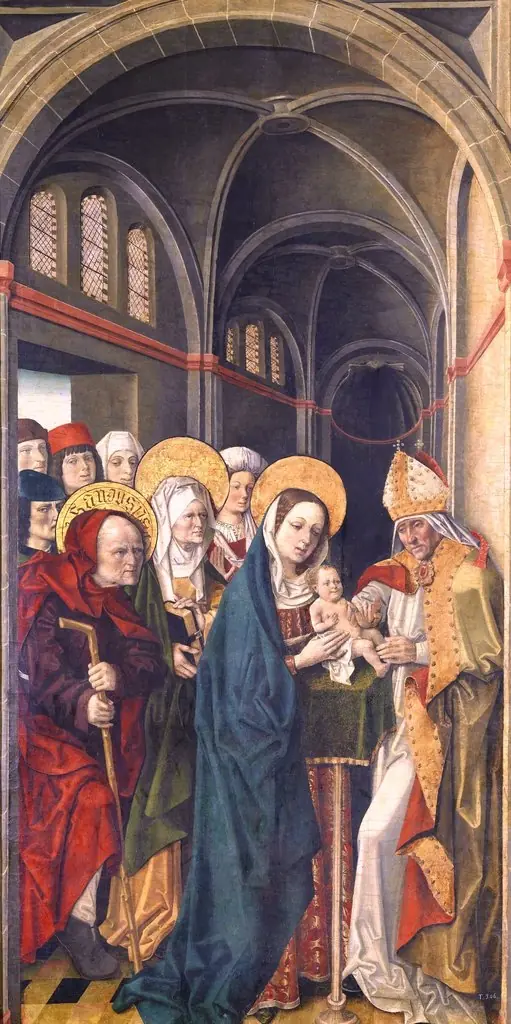 The Circumcision
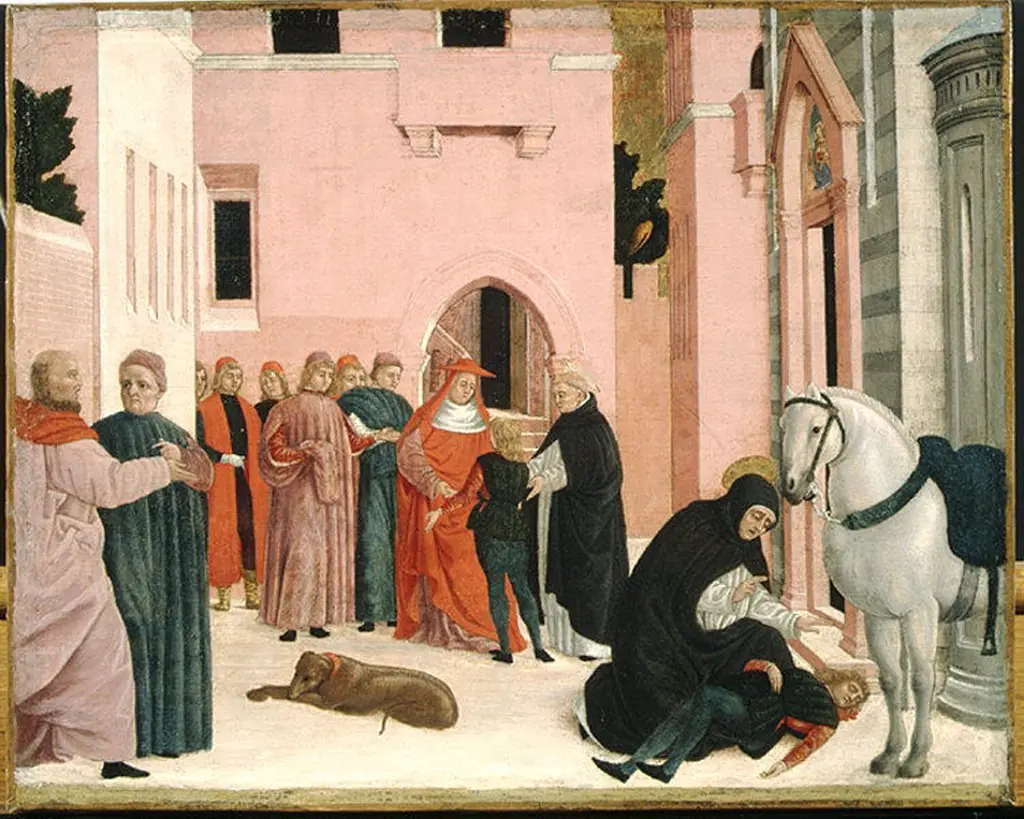
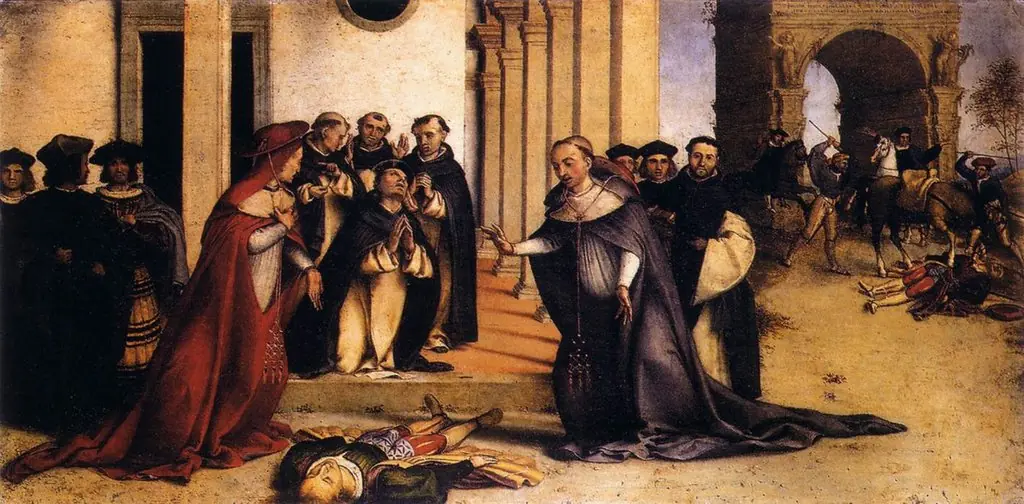 St Dominic Raises Napoleone Orsini
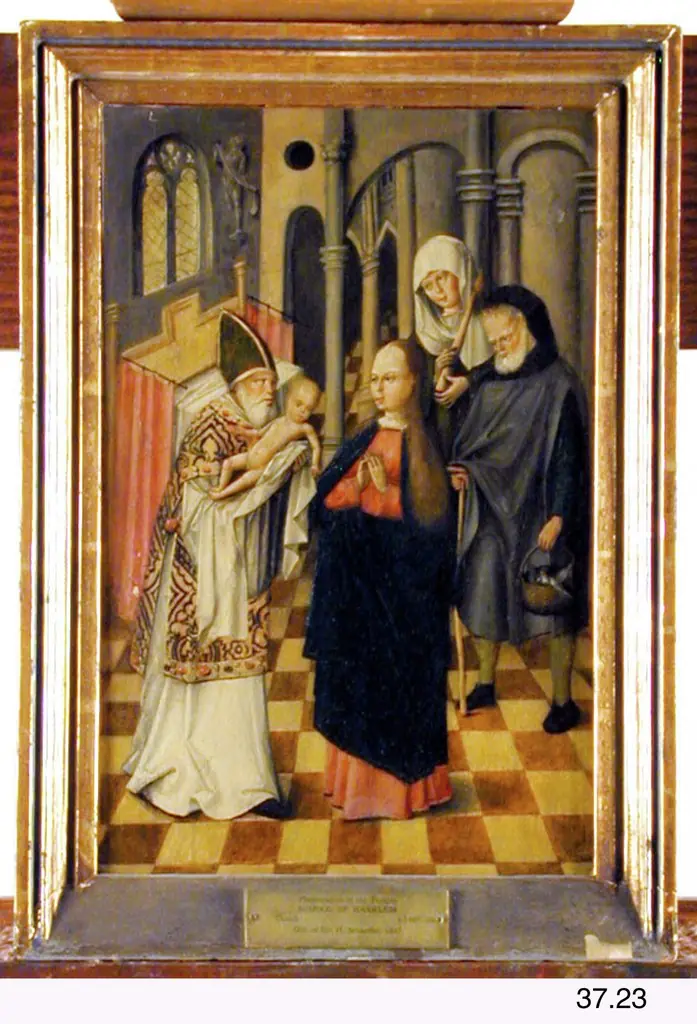 Presentation in the Temple
- Saint Dominic Resuscitating Napoleone Orsini