Artwork
Saint John the Evangelist on Patmos
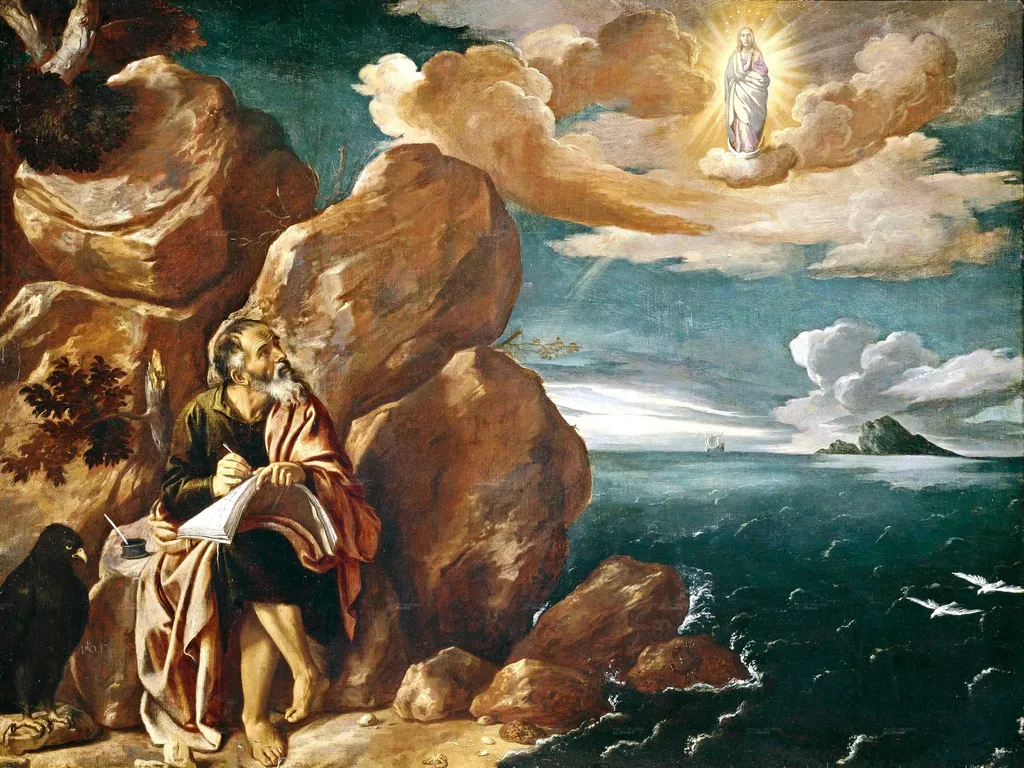
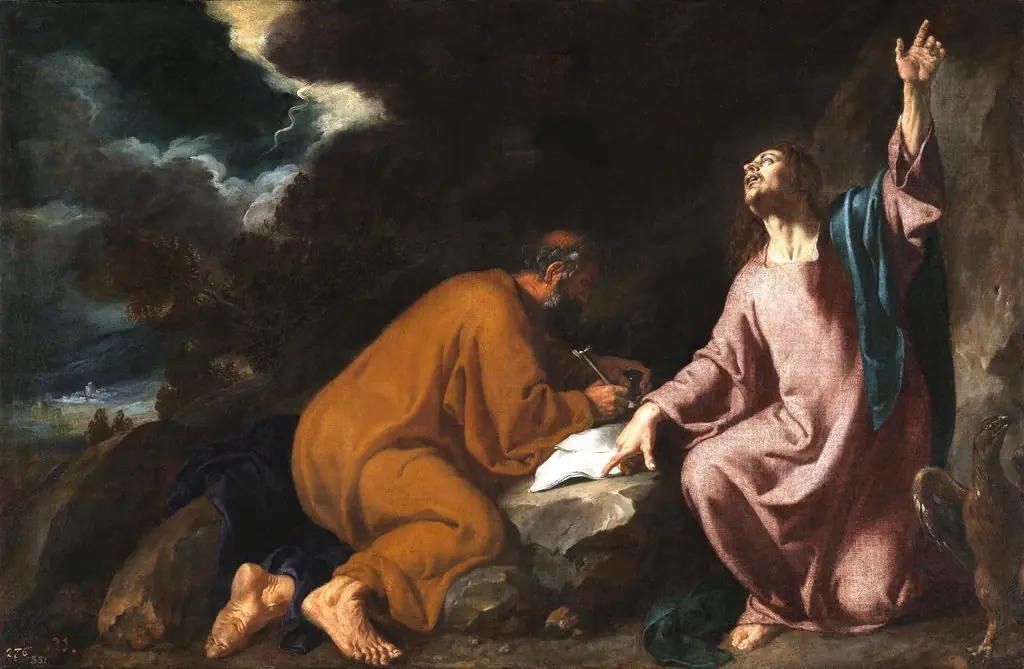
Saint John the Evangelist on Patmos is an oil painting by the Early Baroque Italian artist Pedro Orrente. It dates from 1620 and is held in the collection of the Museo del Prado.
About this work
Subject & Meaning
The eagle perched beside him is a traditional attribute of the Evangelist, referencing both his soaring visionary writings and the endurance of his message.
The painting depicts Saint John the Evangelist seated on the island of Patmos, where he is shown receiving divine revelation. He holds an open book, symbolizing the biblical text of the Apocalypse, while his gaze is directed upward toward a radiant vision of the Virgin Mary and Christ Child surrounded by angels. The eagle perched beside him is a traditional attribute of the Evangelist, referencing both his soaring visionary writings and the endurance of his message.
The rocky island setting evokes the isolation of Patmos, underscoring the contemplative and revelatory nature of the scene.
Technique & Style
Executed in oil paint on canvas, the work measures 99.5 cm in height by 131.5 cm in width. The handling aligns with early seventeenth-century Spanish tenebrism, using strong chiaroscuro to model the seated figure and rocky Patmos landscape. John’s drapery is rendered with thick, opaque passages, while highlights on the book and inkwell are built up in lighter touches to catch the light.
The palette is restrained, dominated by deep browns and blacks contrasted with localized accents of white and warm ochre.
The composition balances verticality of the saint’s body against the horizontal sweep of the island’s terrain, directing the viewer’s eye toward the open book and quill in the foreground. The stylistic qualities reflect Counter-Reformation demands for legible narrative and devotional clarity, with the rugged landscape serving as a backdrop rather than a naturalistic setting.
History & Provenance
Pedro Orrente created the oil-on-canvas painting Saint John the Evangelist on Patmos in 1620. The work depicts the biblical figure on the island of Patmos and measures 99.5 cm in height by 131.5 cm in width. It is currently held in the collection of the Museo del Prado in Madrid, which classifies the piece within Spanish religious art.
The painting's inception is recorded as occurring during the year 1620, aligning with the artist's active period of religious production.
The work is held in the permanent collection of the Museo del Prado, Madrid, where it is inventoried as oil on canvas, measuring 99.5 cm by 131.5 cm. It was painted circa 1620 and has remained in the museum’s holdings since its acquisition.
The painting has been exhibited at the Museo del Prado as part of its Spanish religious art holdings, though specific loan exhibitions are not documented in the cited sources.
Overview
Pedro Orrente’s 1620 oil painting, Saint John the Evangelist on Patles, presents the apostle seated on a rugged cliff beside a dark sea under a cloud‑filled sky. Dressed in a brown robe with a pink shawl, he holds a quill and an open book, while a black bird perches nearby. A luminous figure in white robes, haloed, appears in the heavens above.
Context
Orrente, a pioneer of Naturalism in early‑Baroque Spain, integrated influences from Italian masters while adapting them to local tastes. This work exemplifies his synthesis of dramatic lighting and realistic detail, situating the biblical narrative within a tangible, earthly environment that was characteristic of his broader artistic agenda.
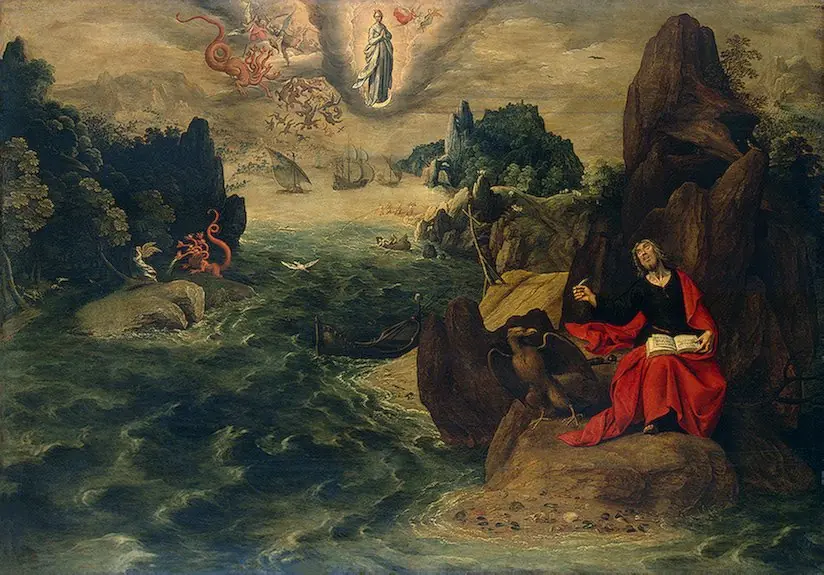
Own this work as a print
Artist & collection
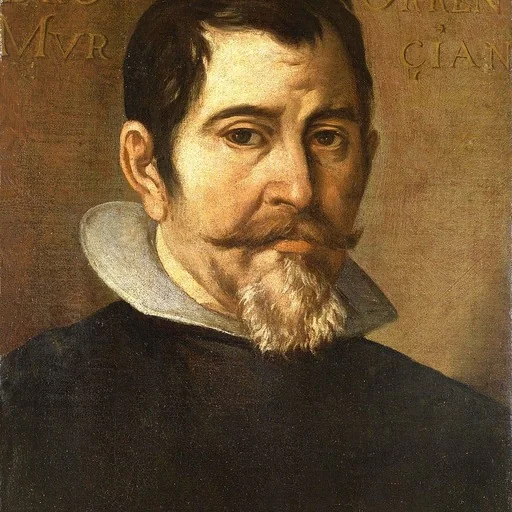
Artist
Pedro de Orrente (April 1580 – 19 January 1645) was a Spanish painter of the early Baroque period. He became one of the first artists in that part of Spain to paint in a Naturalistic style.

 Saint Matthew and Saint John the Evangelist
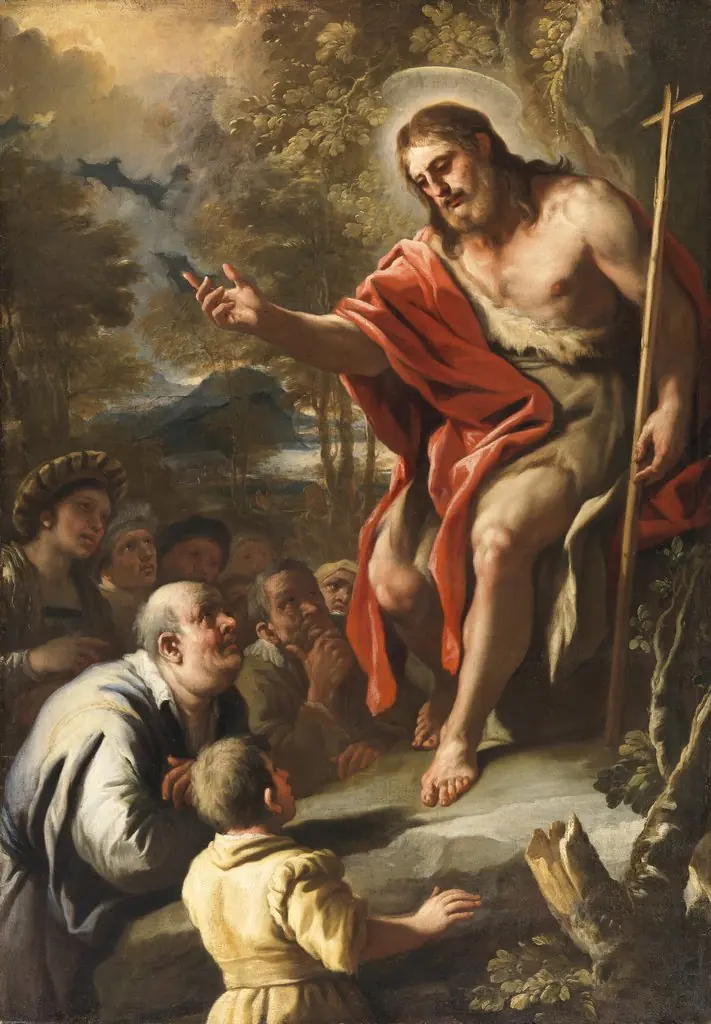 Saint John Preaching in the Wilderness
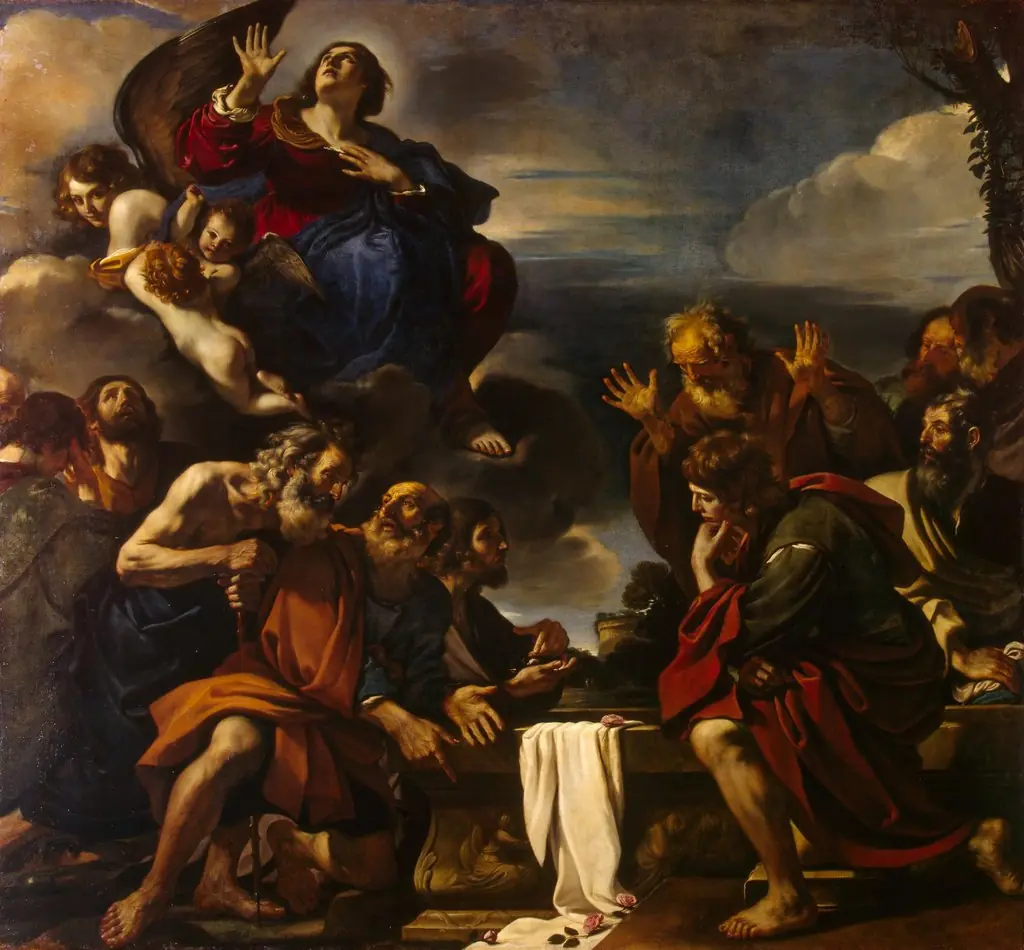 Assumption of the Virgin Mary
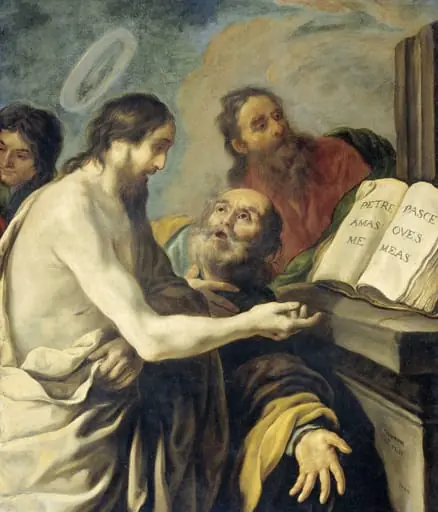 Christ Instructs Peter to Feed My Sheep
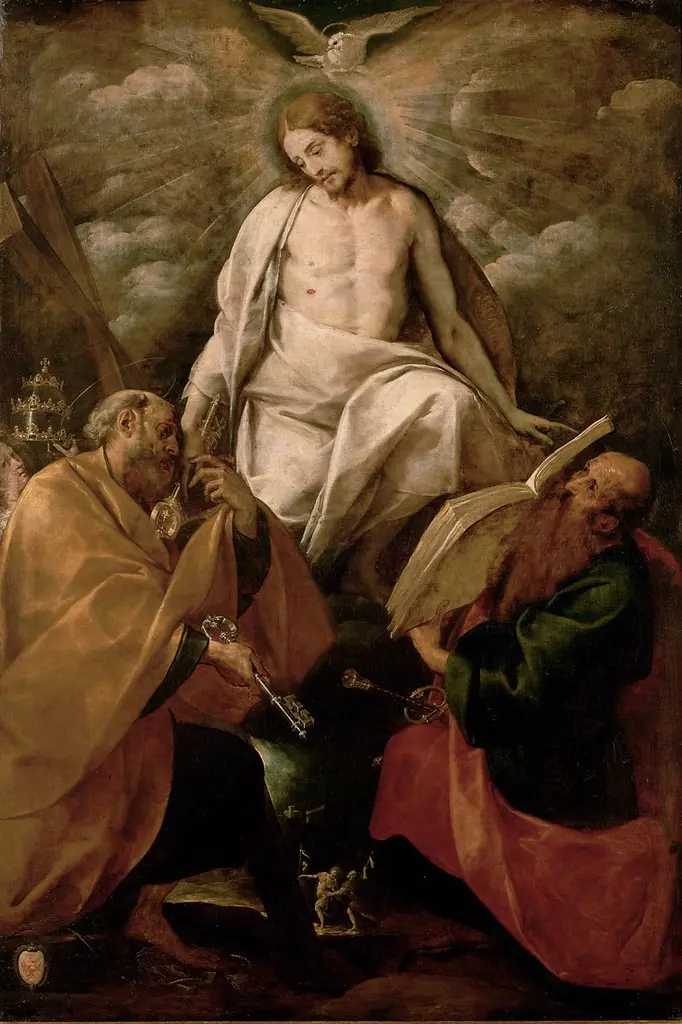 Christ appears to the apostles Peter and Paul
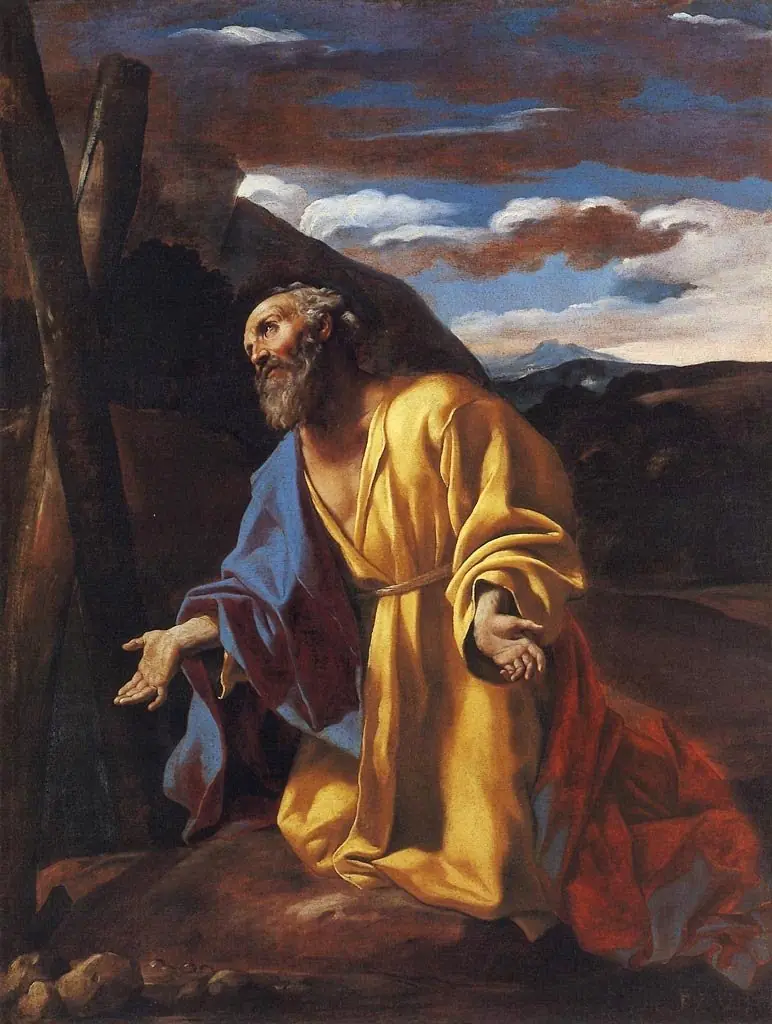 Der Heilige Andreas, vor dem Kreuz kniend
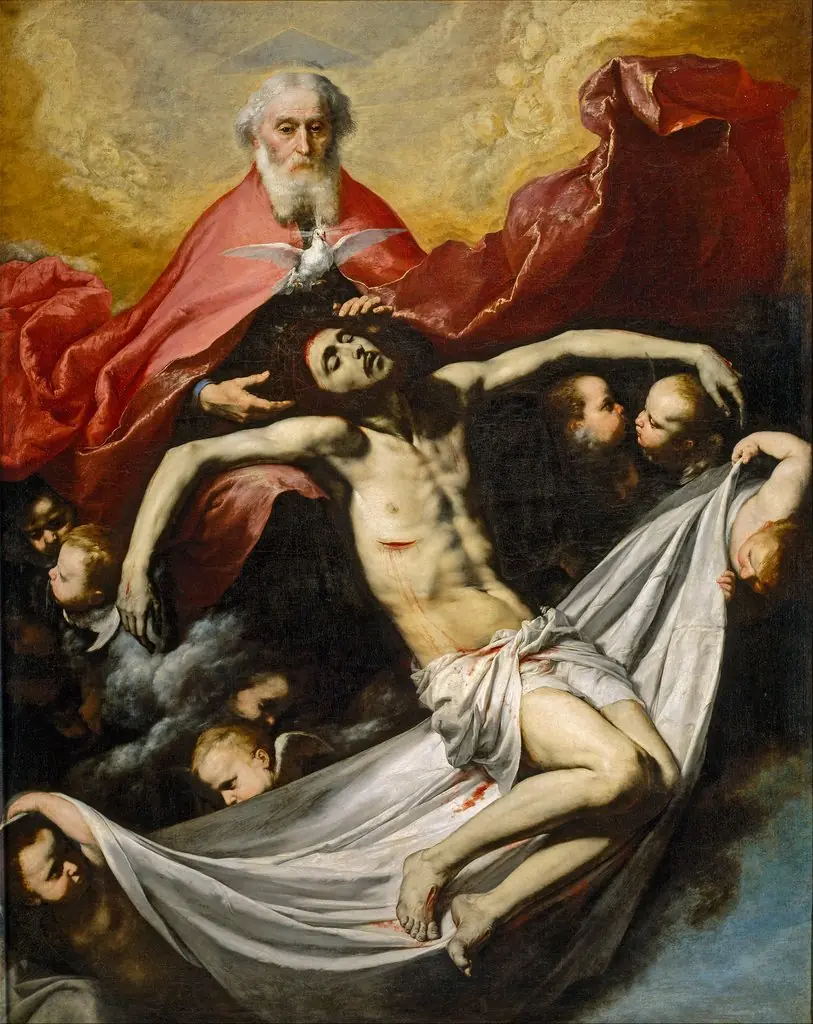 The Trinity
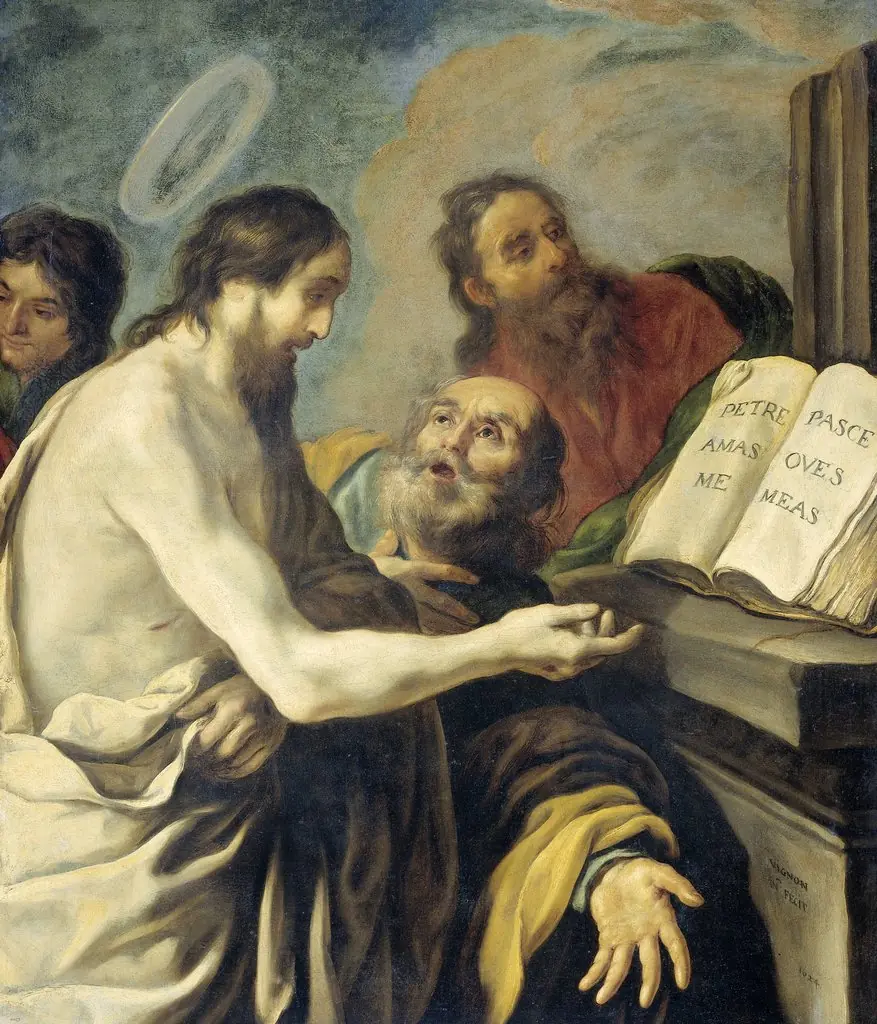 Christ Instructs Peter to Feed My Sheep
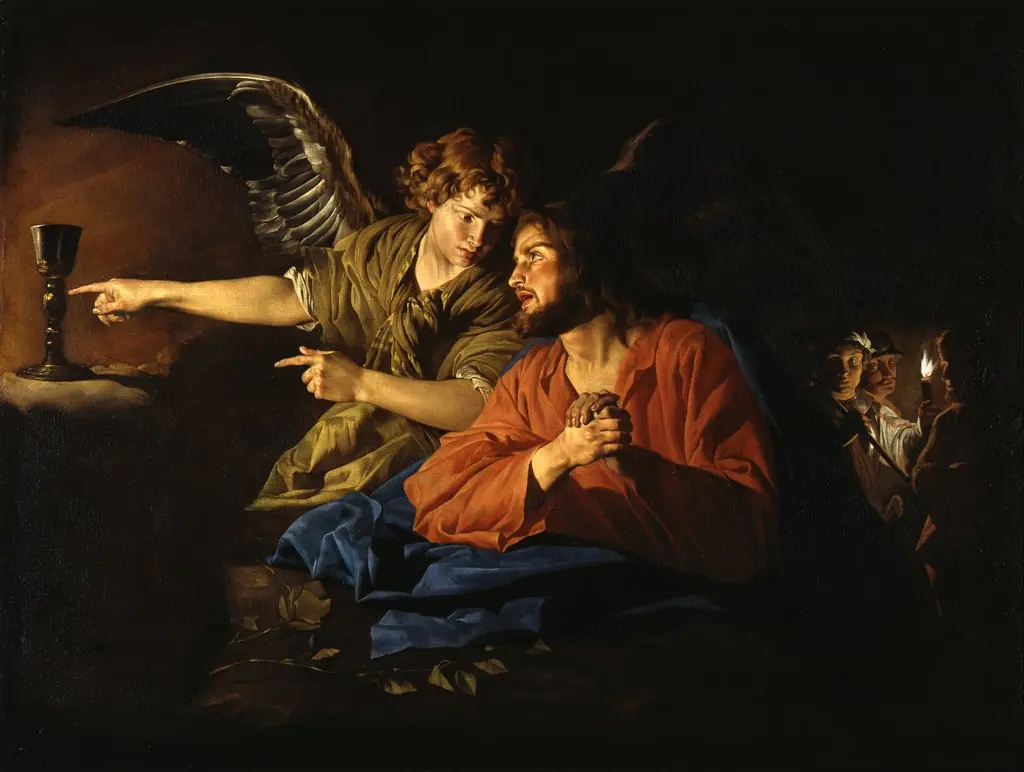 Christ in the garden of olives at Gethsemane