Artwork
Domino-spelend vissers, genaamd 'Dubbel-blank'
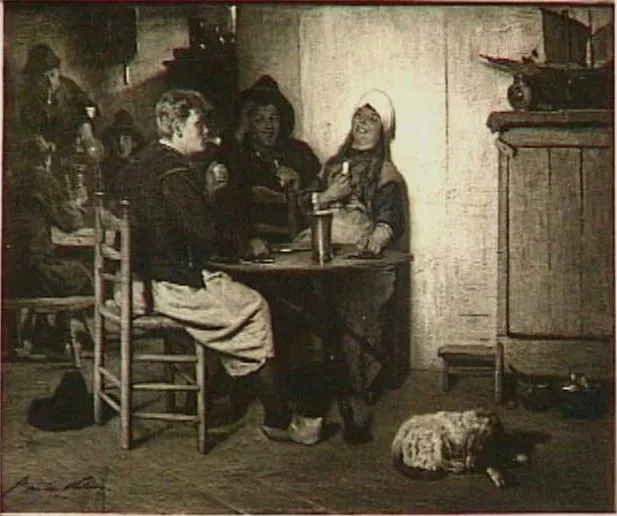
Domino-spelend vissers, genaamd 'Dubbel-blank' is an oil painting by the Realist artist Petrus Van der Velden. It dates from 1890 and is held in the collection of the Rijksmuseum.
About this work
Subject & Meaning
The title, translating to Fishermen Playing Dominoes, Called 'Double Blank', suggests the figures may represent fishermen, a nod to laboring-class life.
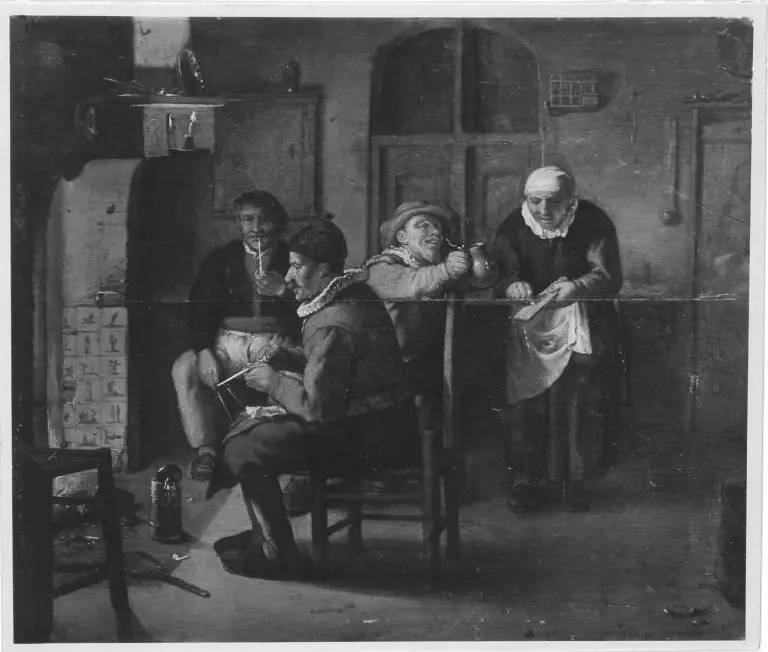
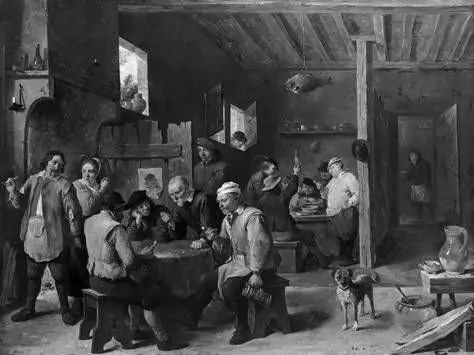
Petrus Van der Velden's Domino-spelend vissers, genaamd 'Dubbel-blank' (1890) depicts a domestic genre scene featuring two figures engaged in a game of dominoes. The subjects wear traditional Dutch clothing, grounding the scene in the cultural context of the Netherlands. A dog is also present, adding a layer of everyday intimacy to the composition.
The title, translating to Fishermen Playing Dominoes, Called 'Double Blank', suggests the figures may represent fishermen, a nod to laboring-class life. The dominoes, particularly the 'double blank' reference, could symbolize chance or fate, themes often explored in genre paintings. The work captures a moment of leisure, emphasizing the quiet, unremarkable rhythms of daily existence while subtly invoking broader ideas of luck and human connection.
Technique & Style
The painting Domino-spelend vissers, known as 'Dubbel-blank', is an oil-on-canvas work executed in 1890. Its support consists of a canvas, and the artist employed oil paint to render the figures of fishermen and a woman engaged in a domino game, accompanied by a dog and traditional Dutch dress. The composition is a genre scene that captures everyday leisure with careful attention to narrative detail and the texture of clothing and accessories.
Measuring roughly 76 × 100 cm, the work is part of the Rijksmuseum collection, reflecting Van der Velden's interest in realistic depictions of Dutch life.
History & Provenance
Petrus van der Velden painted Domino-spelend vissers, genaamd 'Dubbel-blank' in 1890, executed in oil on canvas and measuring roughly 76 by 100 centimeters. The work depicts a genre scene set in a Dutch fishing community. It entered the collection of the Rijksmuseum in Amsterdam, where it remains. No specific commissioning patron or intermediary ownership records are documented in the available sources.
Overview
Petrus Van der Velden's 1890 oil painting, "Domino-spelend vissers, genaamd 'Dubbel-blank'", captures a quiet moment of leisure. This work exemplifies the realism movement, presenting a genre scene of figures engaged in a game of dominoes. The artist, originally from the Netherlands, created this piece before relocating to New Zealand, reflecting a focus on everyday life in his native country. It is presently housed in the Rijksmuseum collection.
Artist & collection
Artist
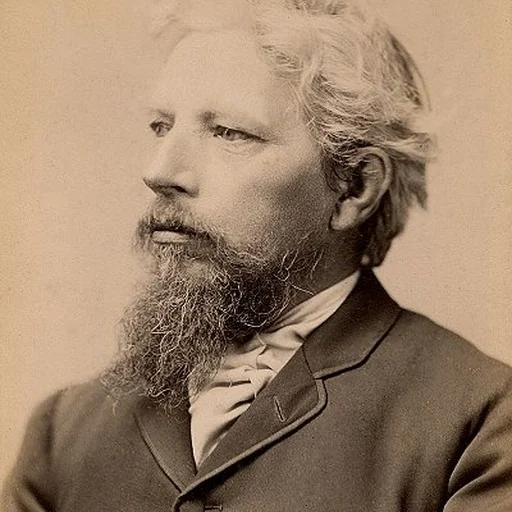
Petrus van der Velden (5 May 1837 – 11 November 1913), who is also known as Paulus van der Velden, was a Dutch artist who spent much of his later career in New Zealand.