Artwork
Portrait of a Lady and her Daughter
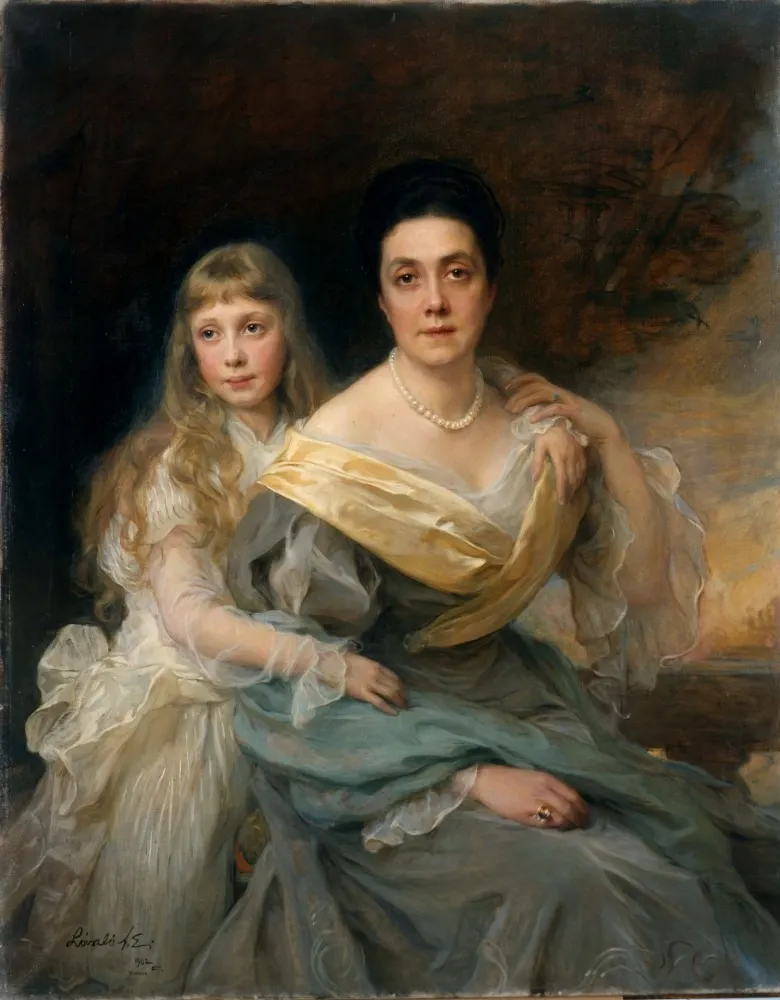
Portrait of a Lady and her Daughter is an oil painting by the Impressionist artist Philip de László. It dates from 1902 and is held in the collection of the Hermitage Museum.
About this work
Subject & Meaning
The painting shows a mother and her daughter in an intimate domestic setting, a common genre in early‑20th‑century portraiture that emphasizes familial bonds.
The painting shows a mother and her daughter in an intimate domestic setting, a common genre in early‑20th‑century portraiture that emphasizes familial bonds. Symbolically, the tender interaction can be read as an affirmation of maternal devotion and the continuity of lineage, reflecting contemporary ideals of family unity. The work is classified as a double portrait and family portrait within the portrait genre, underscoring its dual focus on both individuals and their relational context.
Technique & Style
Executed in 1902 by Philip de László, this double portrait is an oil painting on canvas. The work measures 120 by 95 centimeters and was created in Vienna. Stylistically, the piece functions as a family portrait, specifically depicting a mother and her daughter, Nadejda Alexeievna Stenbock-Fermor and Margarita Petrovna Kapnist. The composition focuses on the intimate dual subject matter, characteristic of the portrait genre.
History & Provenance
Philip de László executed the oil painting Portrait of a Lady and her Daughter in 1902 while working in Vienna. The work depicts Nadejda Alexeievna Stenbock-Fermor alongside her daughter, Margarita Petrovna Kapnist, in a double portrait format. Created on canvas, the piece measures 120 cm in height and 95 cm in width. The painting eventually entered the collection of the Hermitage Museum, where it is currently held.
Legacy
The painting has become a reference point for studies of early 20th‑century portraiture, particularly in analyses of gender dynamics within aristocratic families. Its depiction of a mother and daughter has been cited in art‑historical literature examining the role of maternal subjects in Viennese society, influencing subsequent portrait commissions that emphasized familial intimacy. The work’s presence in the Hermitage Museum has contributed to the institution’s reputation for holding significant examples of de László’s output, reinforcing scholarly interest in his technical innovations and social narratives.
Overview
In 1902, the Hungarian-born artist Philip de László created an oil painting titled Portrait of a Lady and her Daughter. The work presents two figures, a mature woman and a young girl, seated together, rendered with a calm, restrained demeanor. The composition is part of the Hermitage Museum’s collection and reflects de László’s focus on aristocratic portraiture during the early twentieth century.
Artist & collection
Artist
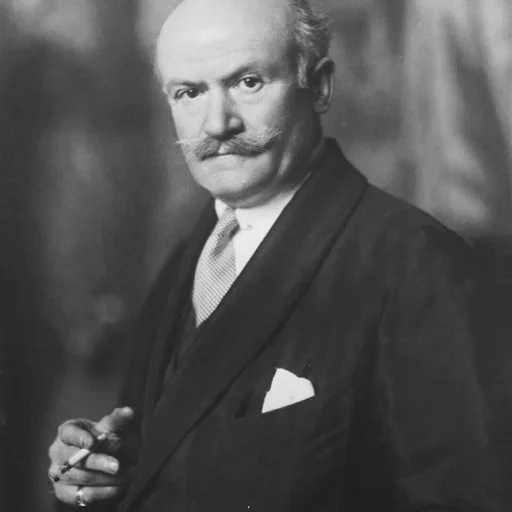
Philip Alexius László de Lombos (born Fülöp Laub; Hungarian: László Fülöp Elek; 30 April 1869 – 22 November 1937), known professionally as Philip de László, was an Anglo-Hungarian painter known particularly for his…

- Portrait of A.V.Balashova (Born Gendrikova) with Her Daughter
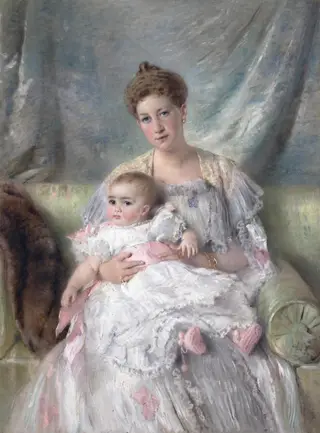 Portrait of Grand Duchess Maria Georgievna with Her Daughter Nina
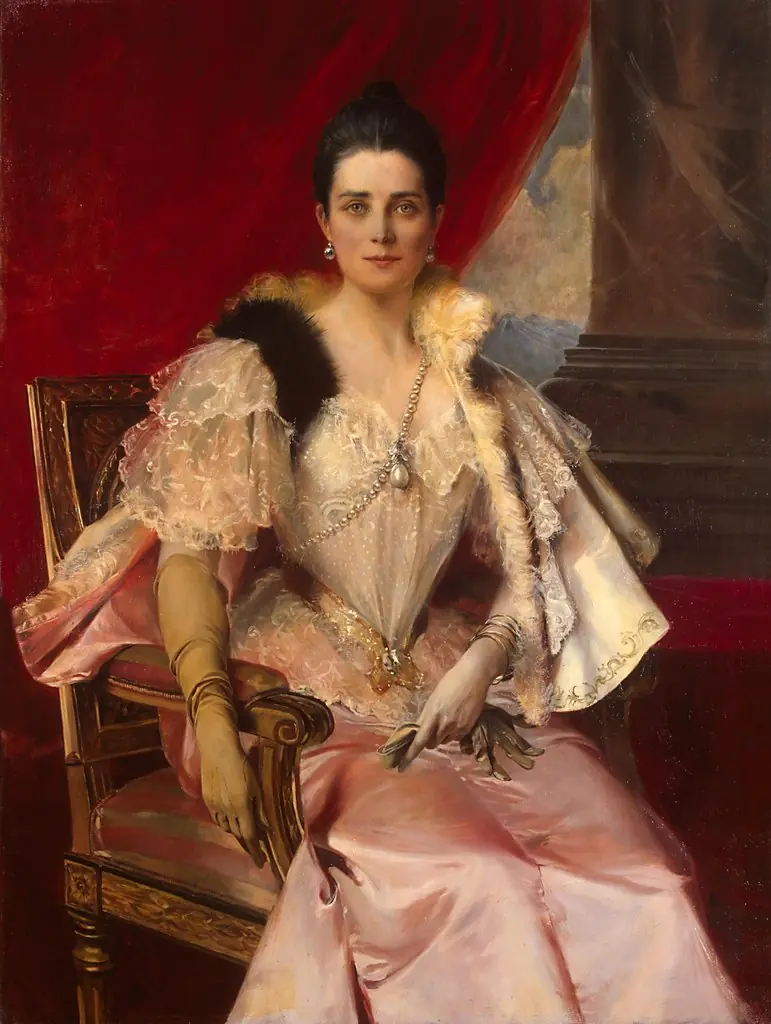 Portrait of Princess Z. N. Yusupova
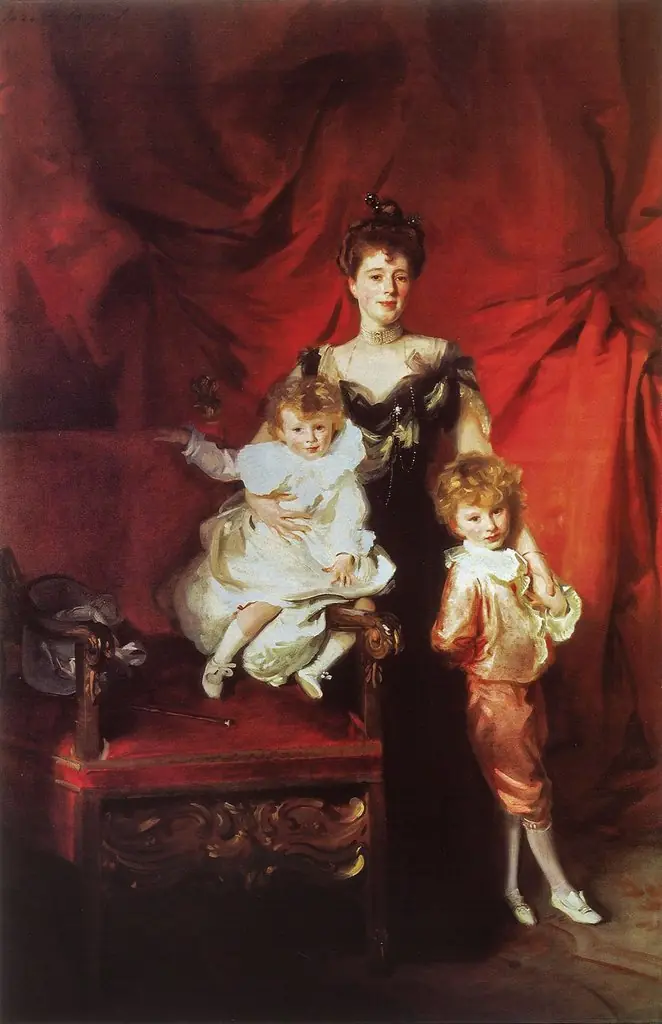 Mrs. Cazalet and Children Edward and Victor
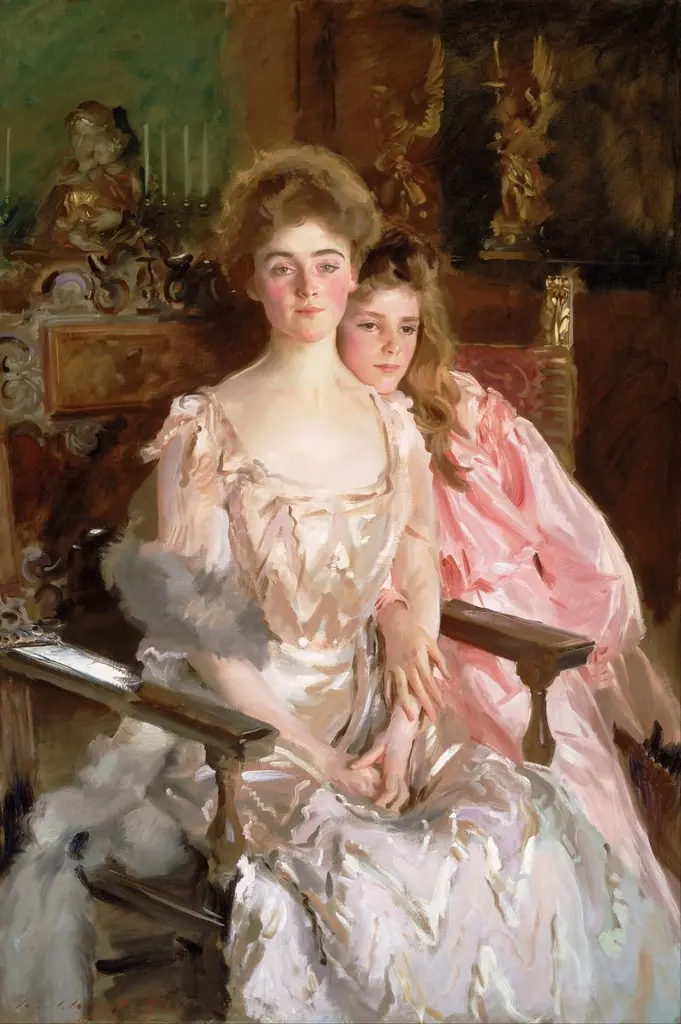 Mrs. Fiske Warren (Gretchen Osgood) and Her Daughter Rachel
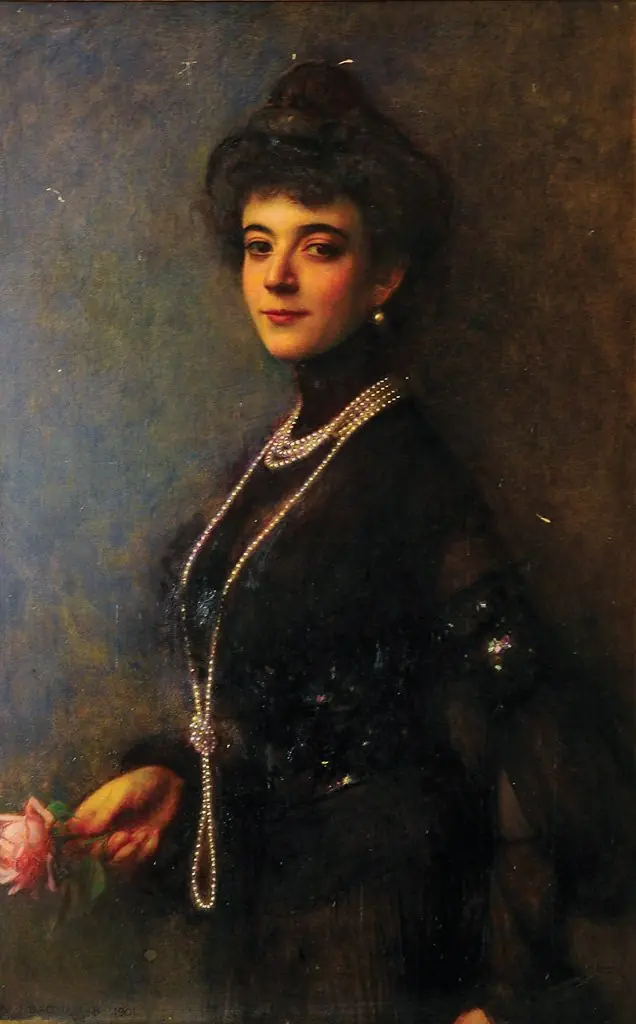 Portrait of a woman
 Portrait of Bice Sullam Pisa
 Ellen Peabody Endicott (Mrs. William Crowninshield Endicott)
 Prințesa Maria
 Portrait of Mrs Chadwyck-Healey and her Daughter
 Portrait of Countess Gogonfelsen (Princess Olga Paley)
 Margaret Stuyvesant Rutherfurd White (Mrs. Henry White)