Subject
Girl
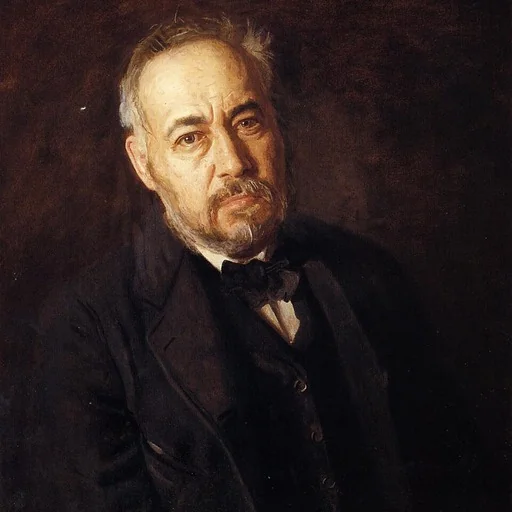
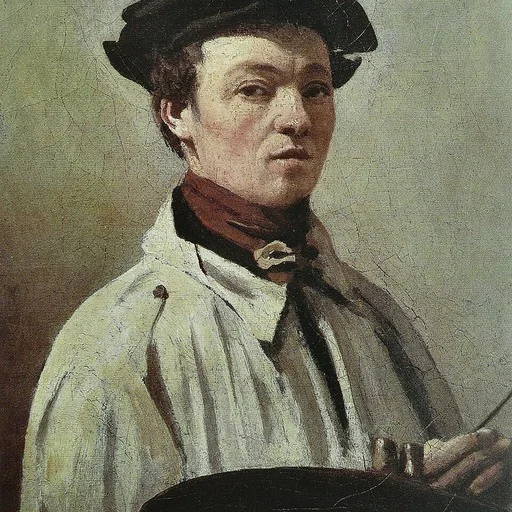
Girl is a subject in art. The gallery holds 200 works in this subject in art, including works by Thomas Eakins, Jean Baptiste Camille Corot and Gustave Courbet.
A girl is a young female human, usually a child or an adolescent. While the term has other meanings—young woman, daughter, or girlfriend regardless of age—it is the child that artists have most often set out to portray, and the history of that effort is more recent than it might appear. Through the medieval and early Renaissance periods, Western painters rarely treated childhood as a state worth recording in itself: girls appeared chiefly as the infant or adolescent attendants of sacred narratives, or, in sixteenth-century portraiture, as miniature adults grouped beside their parents, stiffly dressed and gravely posed. The idea of girlhood as a distinct subject—with its own moods, occupations, and emotional weather—had to be invented.
It crystallised first in the seventeenth-century Dutch Republic, where a booming market for genre and portrait painting made children commercially viable subjects. High infant mortality gave parents urgent reason to commission likenesses, and a tradition arose of finely dressed children holding rattles, fruit, or pets. From this milieu came Johannes Vermeer's *Girl with a Pearl Earring* (c. 1665), strictly a *tronie*—an anonymous head study rather than a true portrait—whose turning glance redefined how intimately a young female face could meet the viewer. In Spain, Velázquez made the five-year-old Infanta Margarita the luminous centre of *Las Meninas* (1656), childishness glowing through court ceremony.
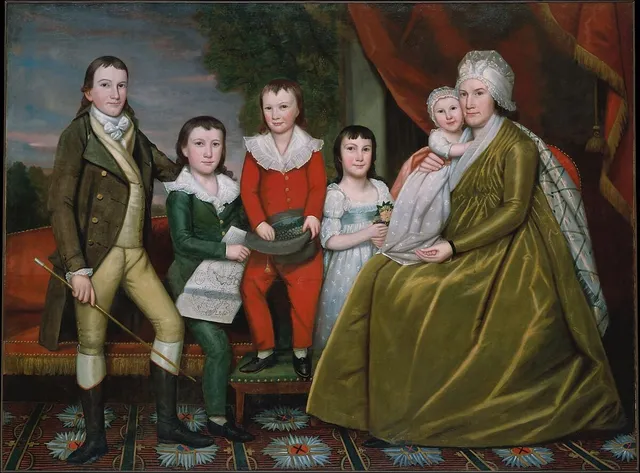
The eighteenth century transformed the theme through philosophy. Jean-Jacques Rousseau's *Émile* (1762) argued that children are born innocent and corrupted only by the world, and painters answered with images of unguarded naturalness. Joshua Reynolds devised "fancy pictures" of idealised rustic children—*The Age of Innocence* being the type—while Reynolds, Gainsborough, and Lawrence drew on Murillo's earlier beggar-children. Fragonard's *Young Girl Reading* (c. 1770) caught this new spontaneity in a single absorbed profile. The same impulse reached colonial and provincial portraiture, seen in our holdings by Ralph Earl (*Mrs. Noah Smith and Her Children*) and Francis Wheatley (*The Saithwaite Family*).
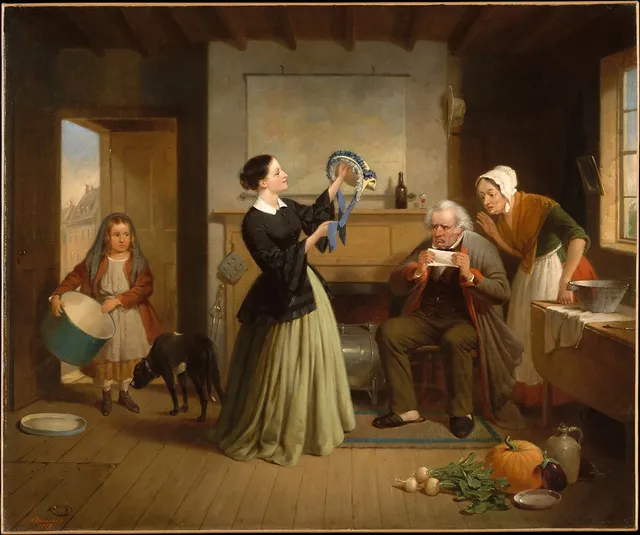
In the nineteenth century girlhood settled into domestic genre—Francis William Edmonds's *The New Bonnet* turns a girl's small vanity into quiet comedy—before the Impressionists, above all Mary Cassatt and Auguste Renoir, made the modern child a study in light and informal feeling. The subject remains a touchstone for how each era imagines innocence, observation, and the inner life of the young.
Key artists
Overview
The girl, defined as a young female human, usually a child or adolescent, stands as one of the most enduring and widely depicted subjects in Western art history. The motif appears in 476 works within this collection alone, spanning portraiture, genre scenes, historical narratives, and allegorical compositions. The term itself entered English between 1250 and 1300 CE from the Anglo-Saxon gerle, and until the late 1400s designated a child of either sex before narrowing to its current female-specific meaning around the late 15th century. In art, the figure of the girl operates at the intersection of social documentation, familial representation, and symbolic meaning, making her a versatile vehicle for artists exploring innocence, education, coming-of-age, and the boundaries between childhood and adult womanhood.
Iconography & meaning
The iconography of the girl in art carries layered significance that shifts with cultural context. In religious and mythological traditions, girls embody purity, virginity, and potential, from the young Virgin Mary at the Annunciation to the ambiguous figure of the nymphet in modern literature. The French literary tradition particularly exploits this duality, with authors such as Proust, Baudelaire, and Nabokov presenting the jeune fille as suspended between angelic innocence and dangerous knowledge. In visual art, attributes of girlhood include books and domestic objects signaling education and proper upbringing, musical instruments, fine dress, and the presence of mothers or governesses as chaperones. The Japanese coming-of-age ritual Shichi-Go-San, in which three- and seven-year-old girls wear traditional kimono for temple blessings, finds parallels in Western portrait conventions that mark developmental stages through costume and setting. The girl also serves as a barometer of social values, her treatment in art reflecting broader attitudes toward female education, inheritance, and autonomy. Where women held higher status, girls appear more frequently as individualized subjects rather than anonymous accessories to adult male narratives.
Legacy
The figure of the girl in art has exerted lasting influence on visual culture and continues to generate critical attention. The subject's persistence across 476 works in this single collection testifies to its institutional and commercial viability. In contemporary discourse, the representation of girls remains contested terrain, with ongoing debates about agency, objectification, and the male gaze that have reshaped how museums present and scholars interpret historical depictions. The linguistic evolution of terms for girl in multiple European languages, from English girl to German Mädchen and Mädel, French fille, and Dutch meisje, reflects broader patterns of social change including the professionalization of domestic service, youth movement politics, and evolving gender norms. The German term Mädel, for instance, was appropriated by the National Socialist Bund Deutscher Mädel and subsequently stigmatized in postwar dictionaries of totalitarian language, demonstrating how the political instrumentalization of girlhood terminology can shadow its artistic representation. Contemporary youth cultures and feminist reclamations from girl power to social media self-representation continue to negotiate the meanings that centuries of visual art have established.
Works
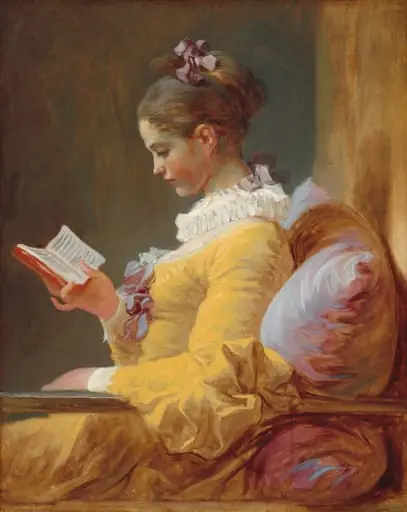 Young Girl Reading
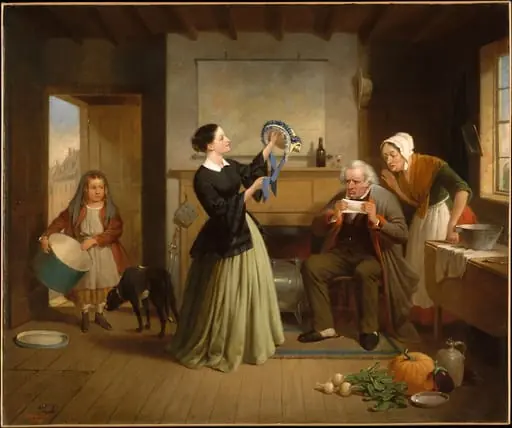 The New Bonnet
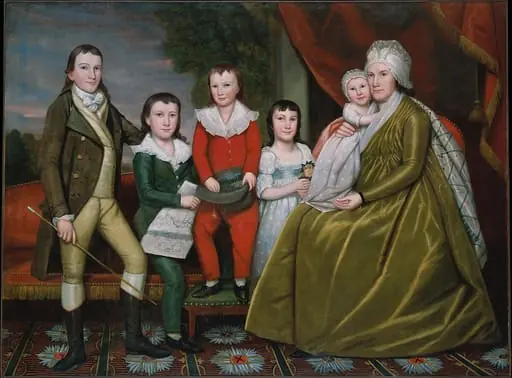 Mrs. Noah Smith and Her Children
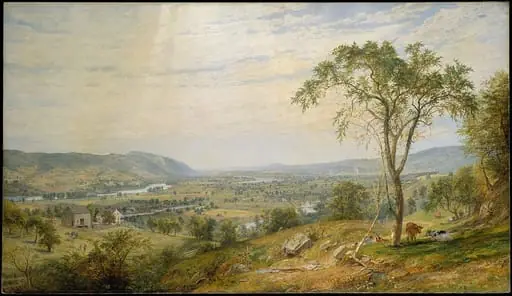 The Valley of Wyoming
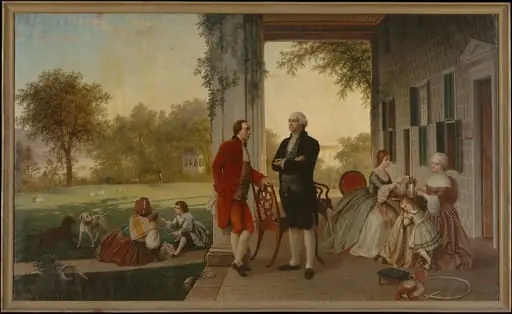 Washington and Lafayette at Mount Vernon, 1784 (The Home of Washington after the War)
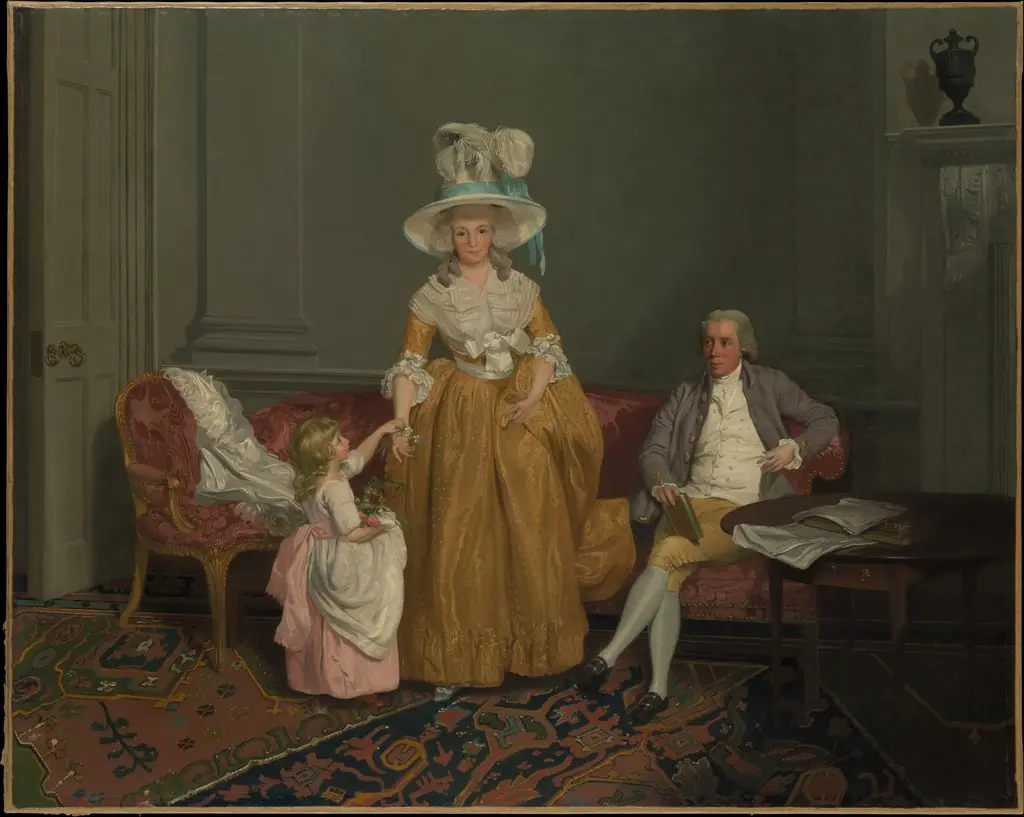 The Saithwaite Family
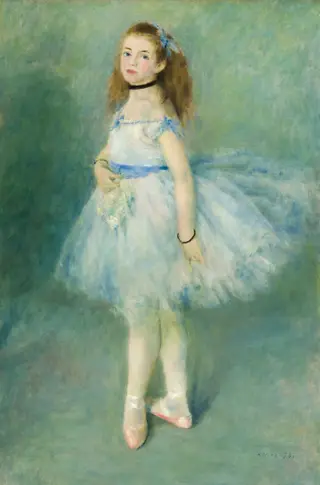 The Dancer
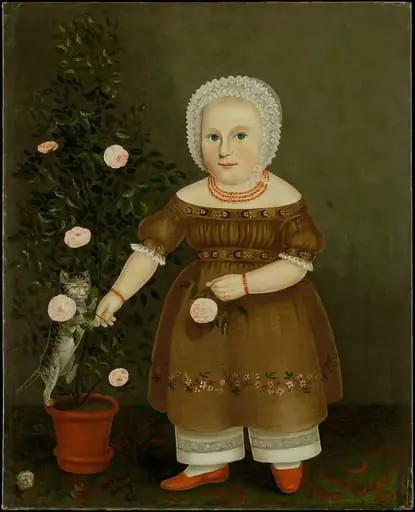 Emma Homan
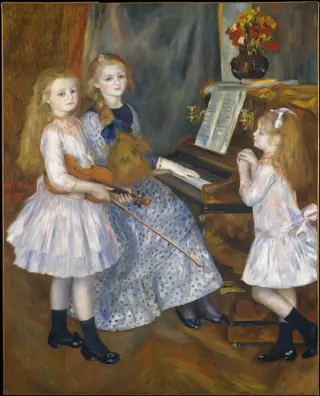 The Daughters of Catulle Mendès
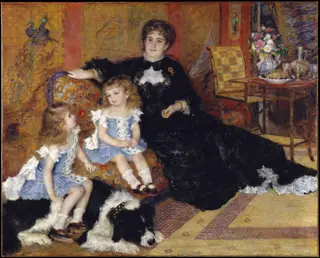 Madame Georges Charpentier and her Children
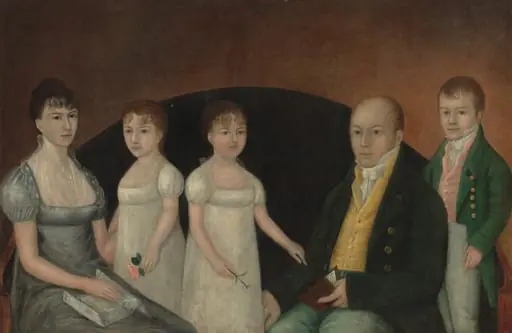 Family Group
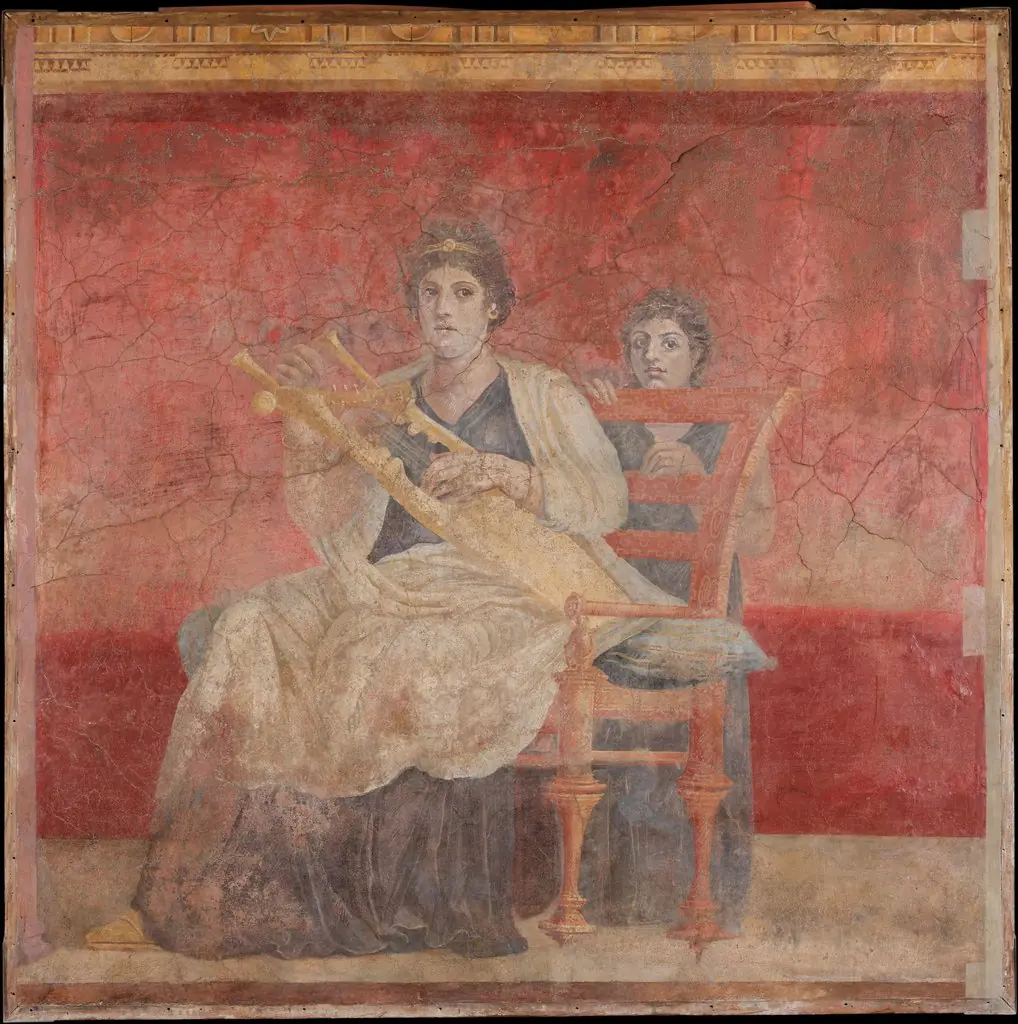 Wall painting from Room H of the Villa of P. Fannius Synistor at Boscoreale
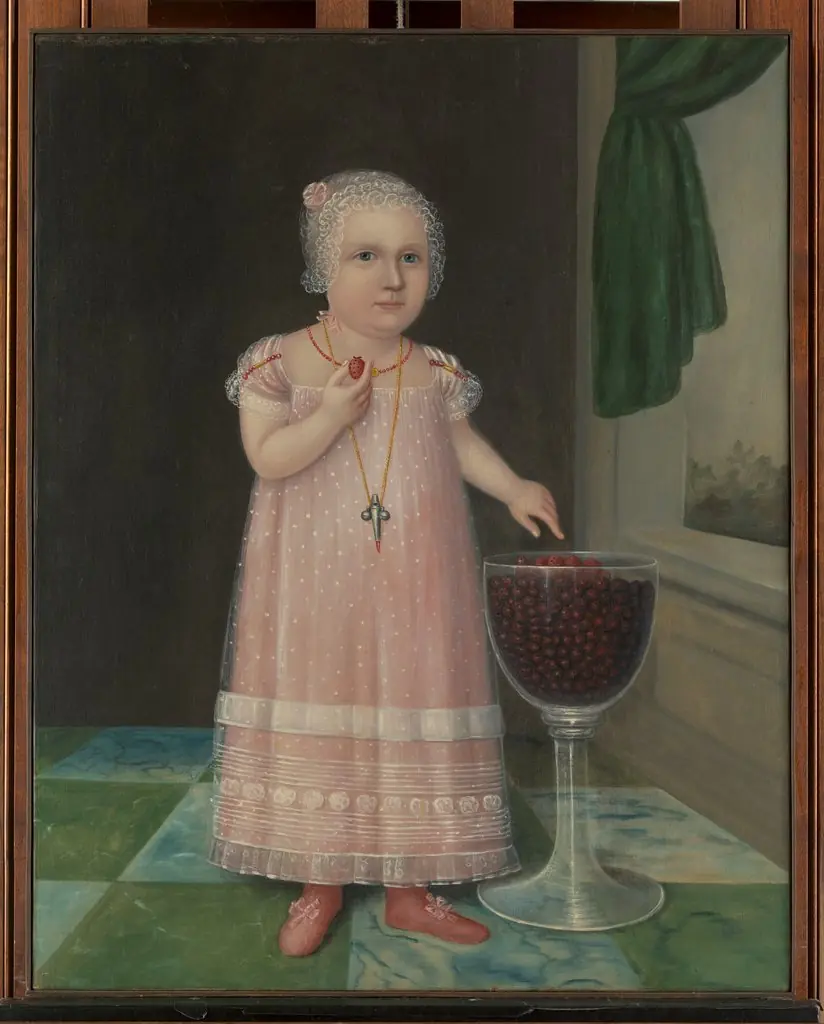 Emma Van Name
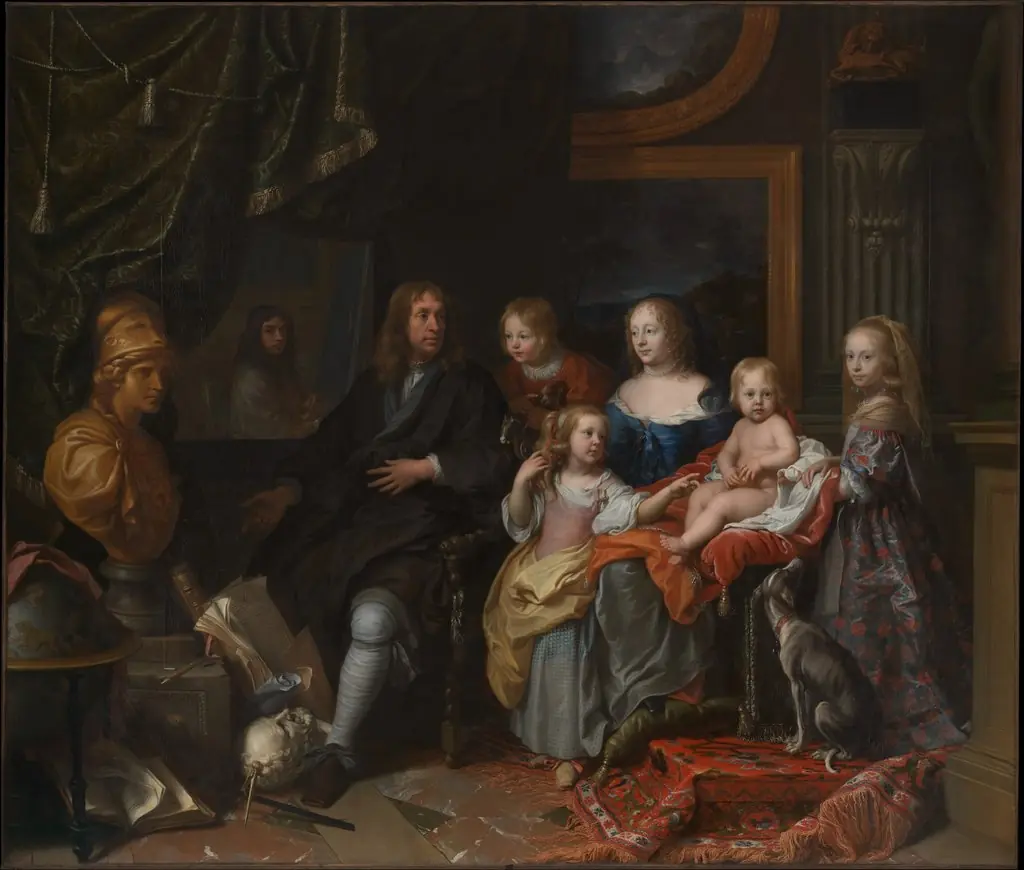 Everhard Jabach (1618–1695) and His Family
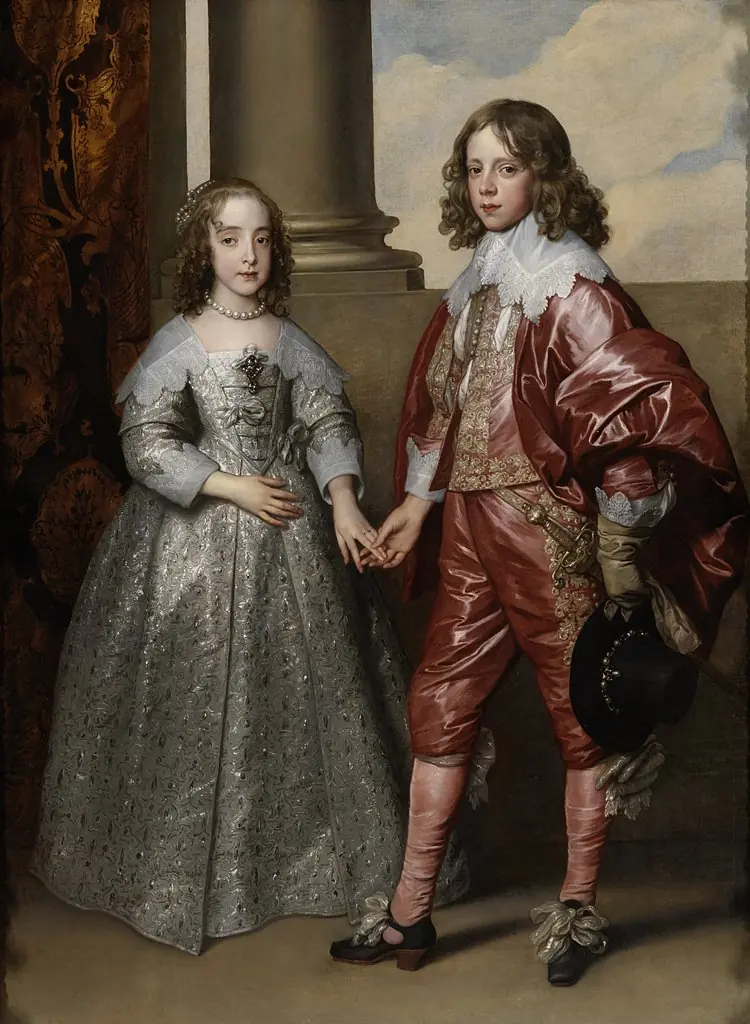 William II, Prince of Orange, and his Bride, Mary Stuart
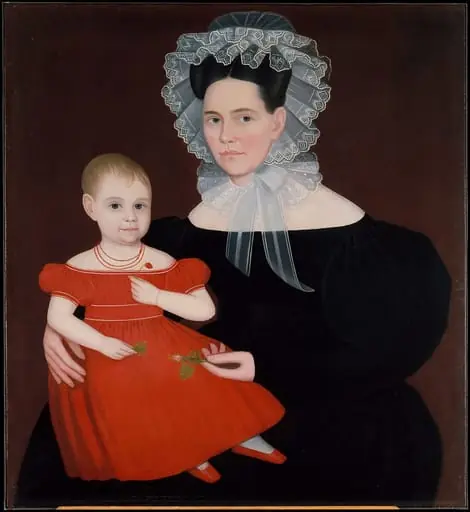 Mrs. Mayer and Daughter
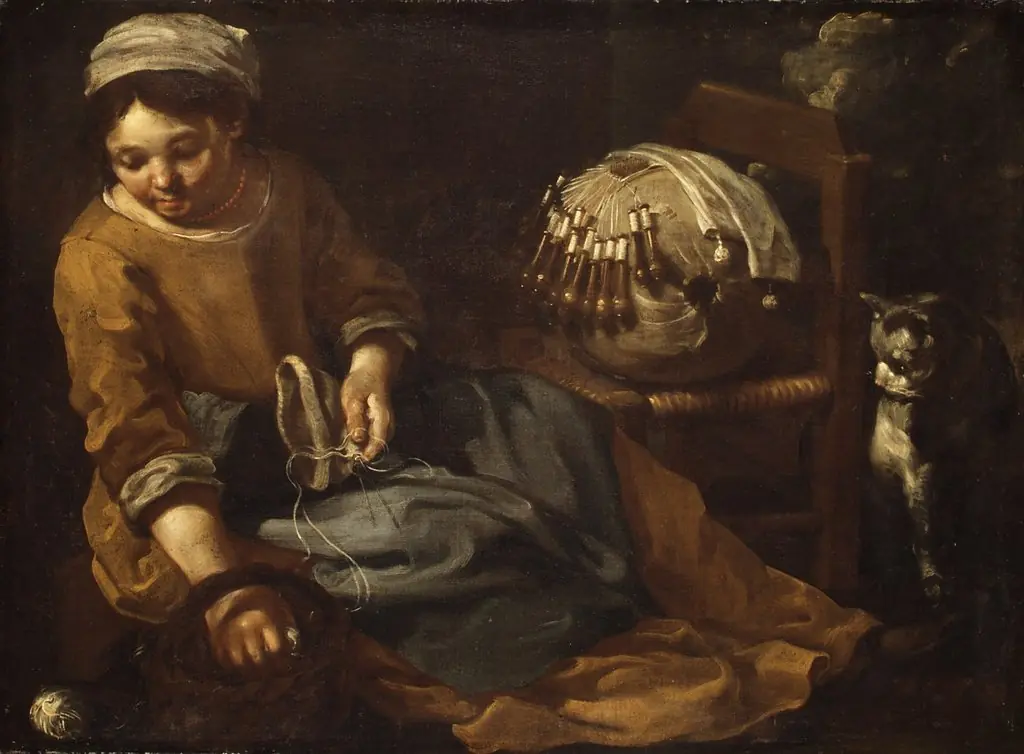 The Lacemaker
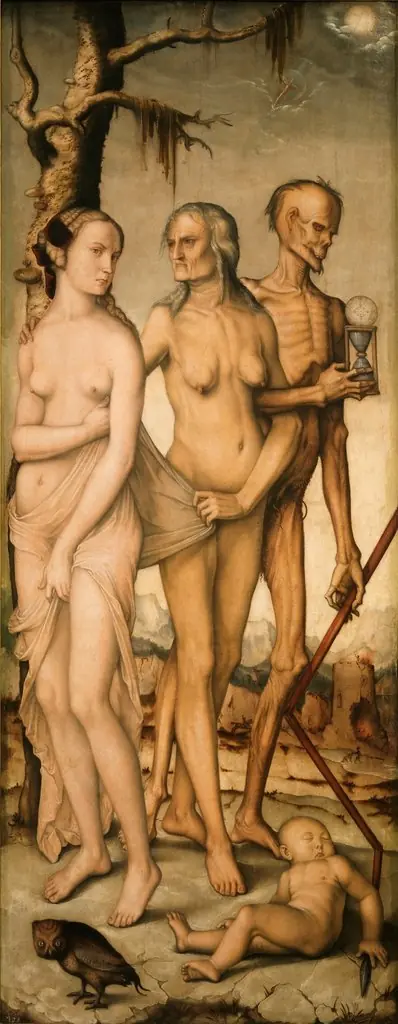 The Ages and Death
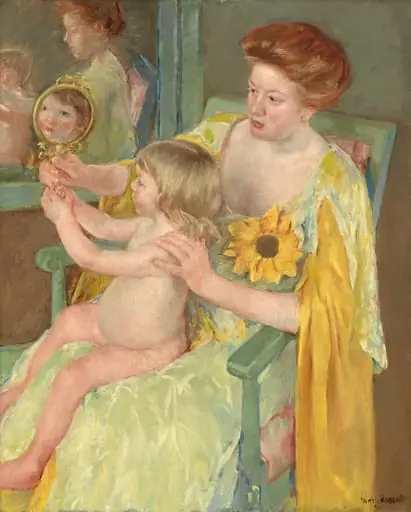 Woman with a Sunflower
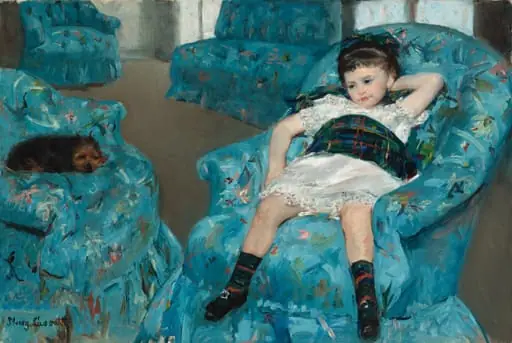 Little Girl in a Blue Armchair
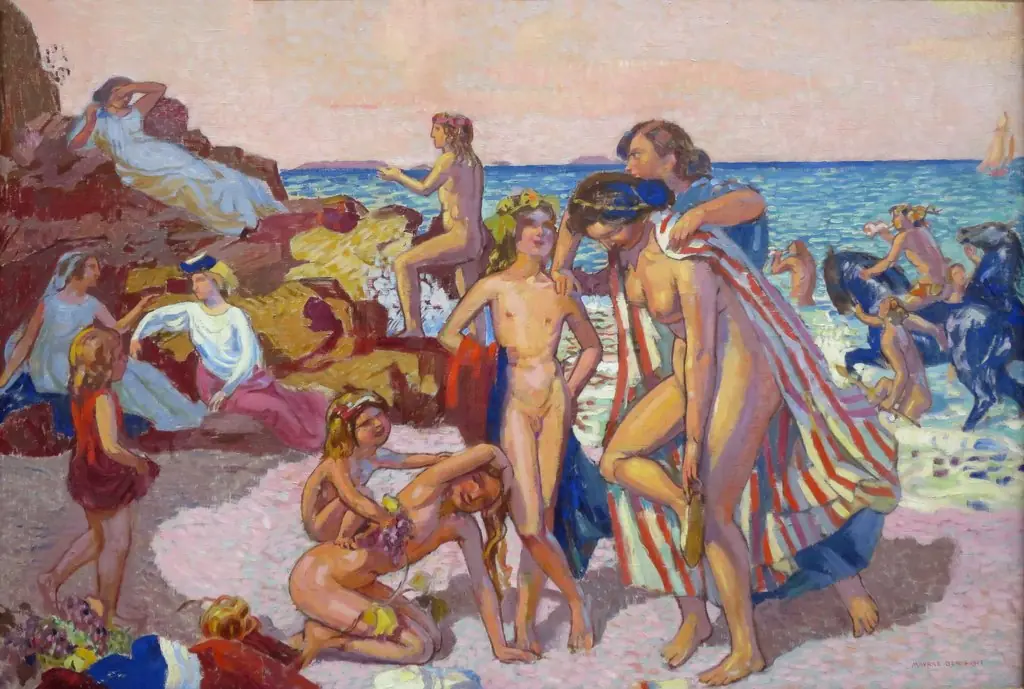 Bacchus and Ariadne
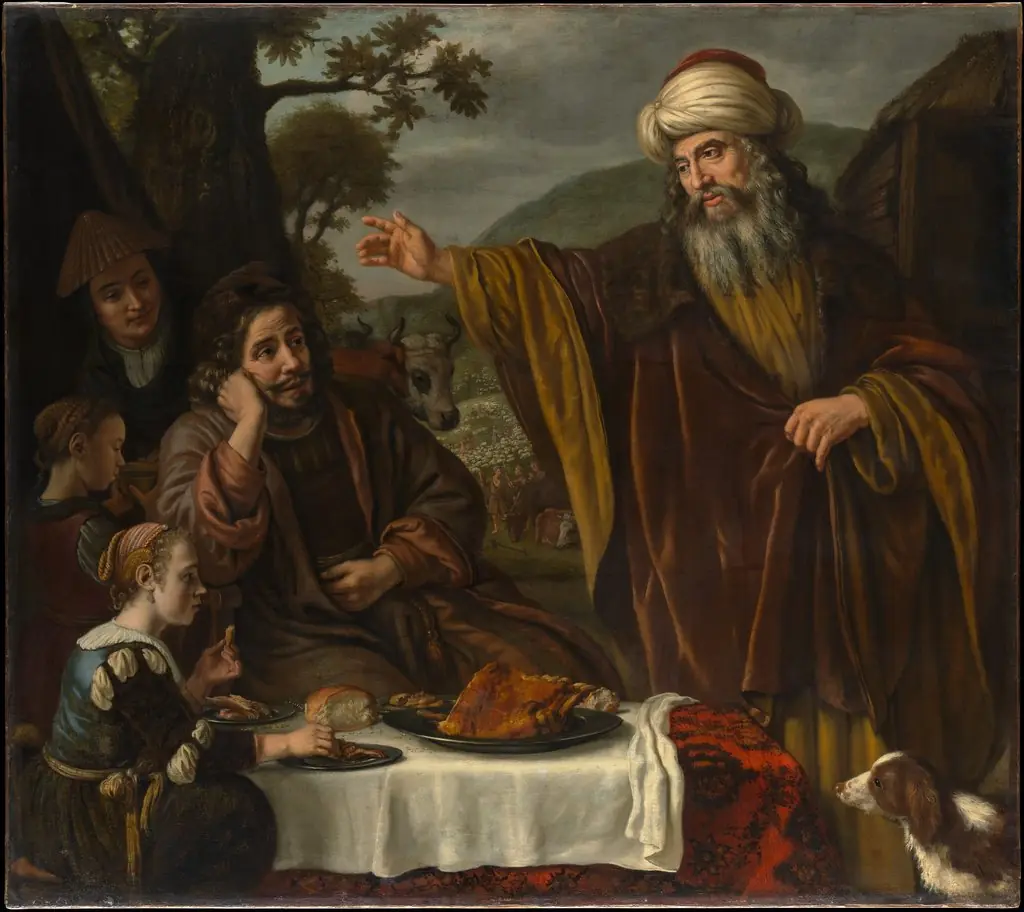 Abraham's Parting from the Family of Lot
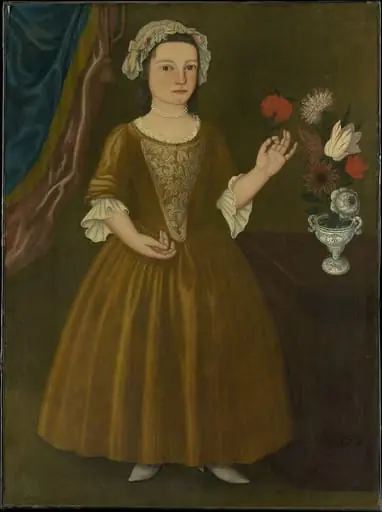 Catherina Elmendorf
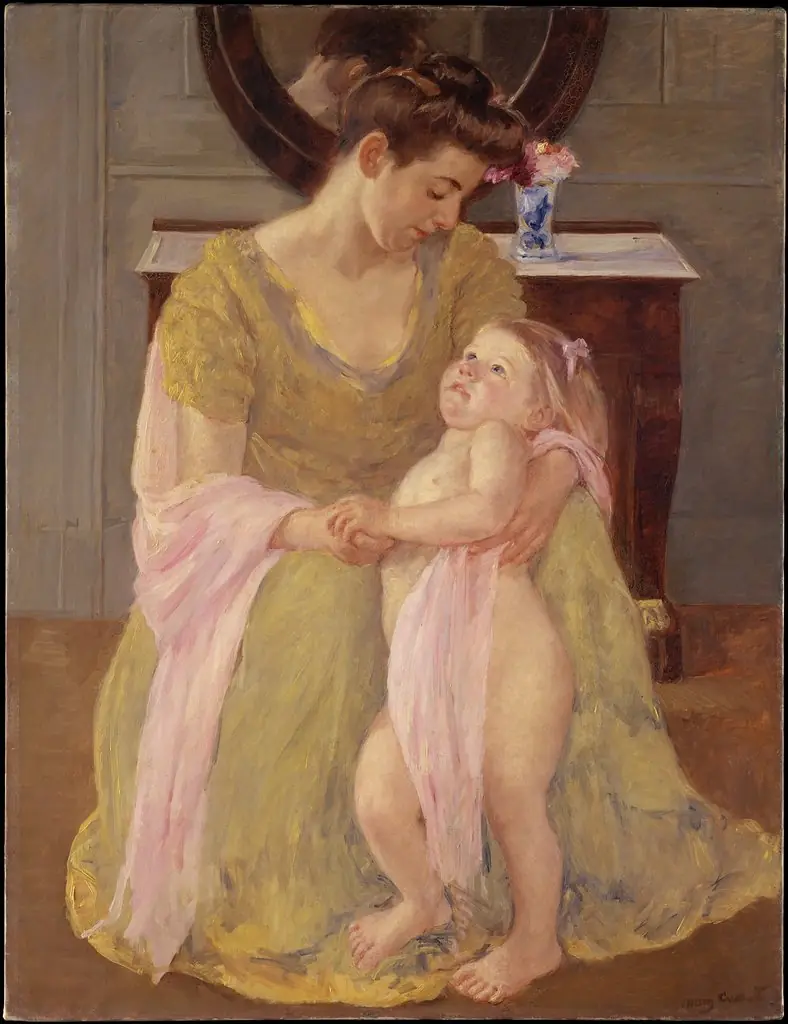 Mother and Child with a Rose Scarf
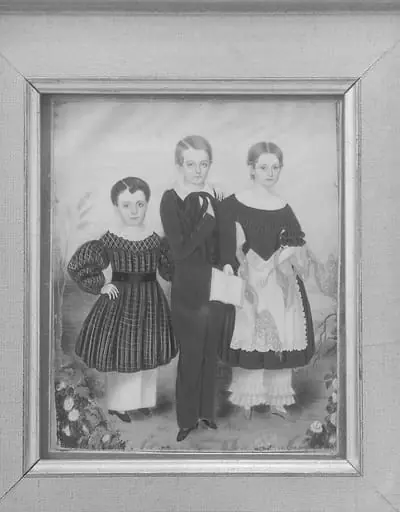 The Starbird Children
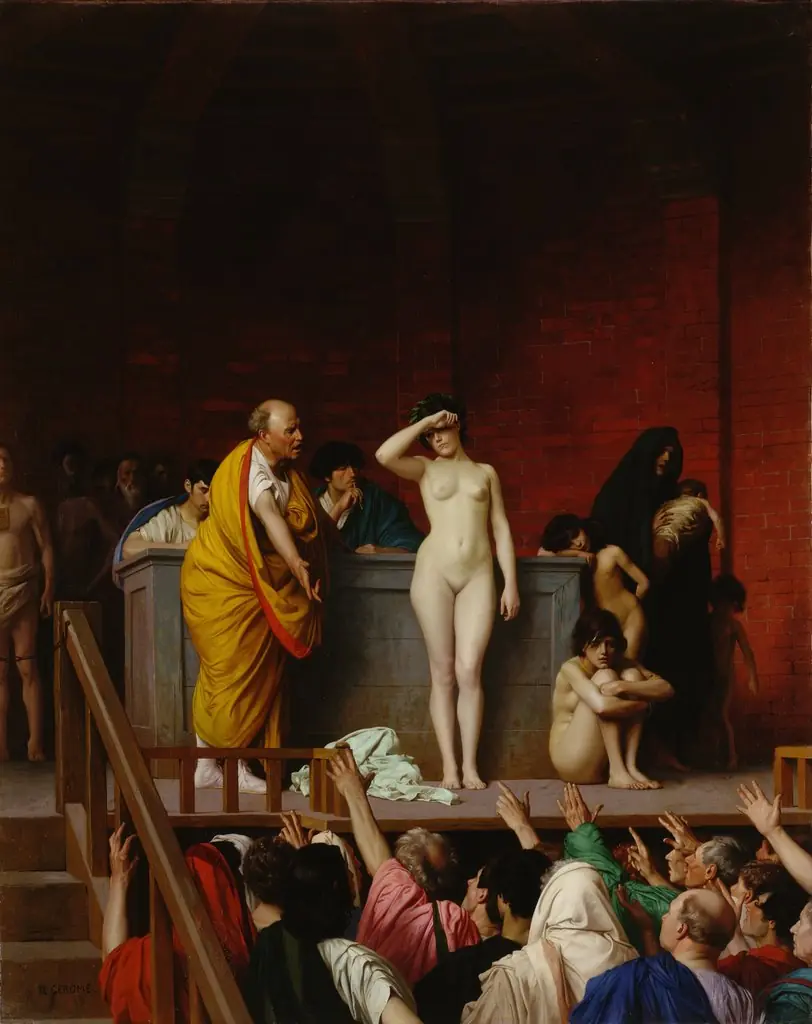 Slave Market in Rome
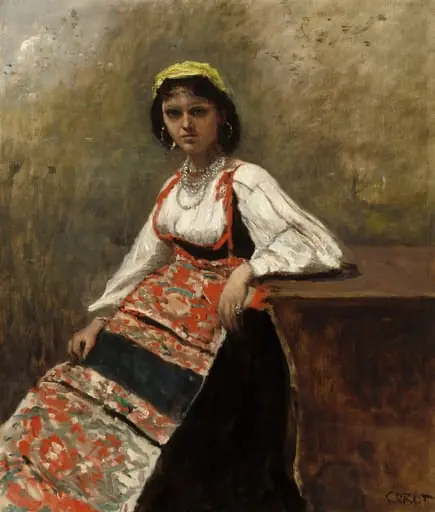 Italian Woman (La Morieri)
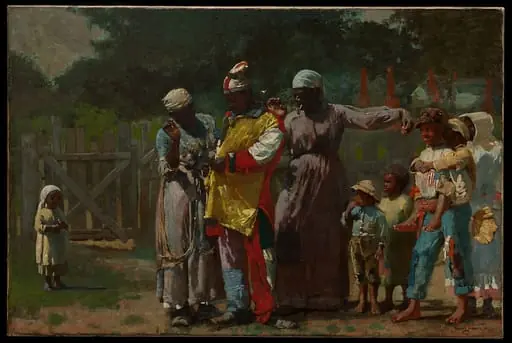 Dressing for the Carnival
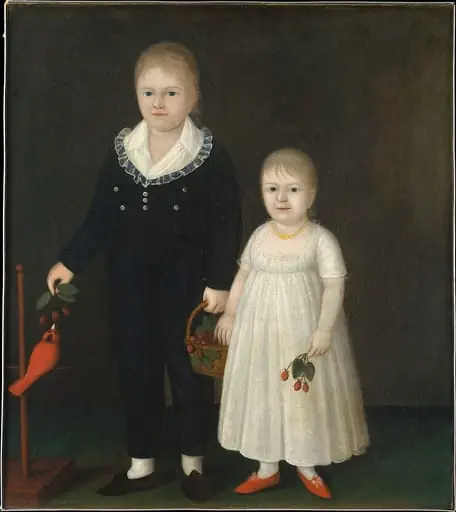 Edward and Sarah Rutter
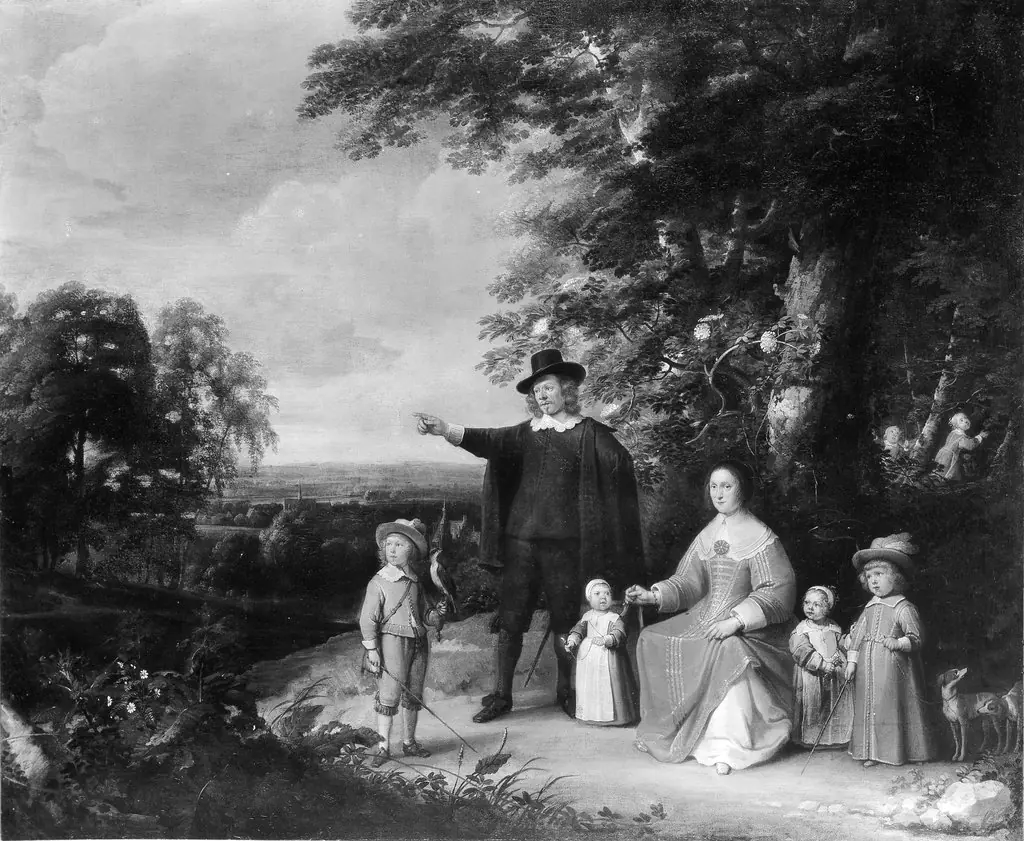 Family Group in a Landscape
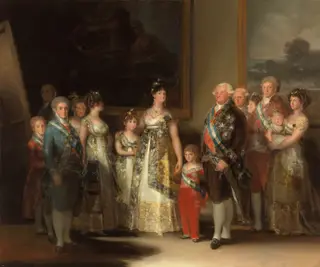 Charles IV of Spain and His Family
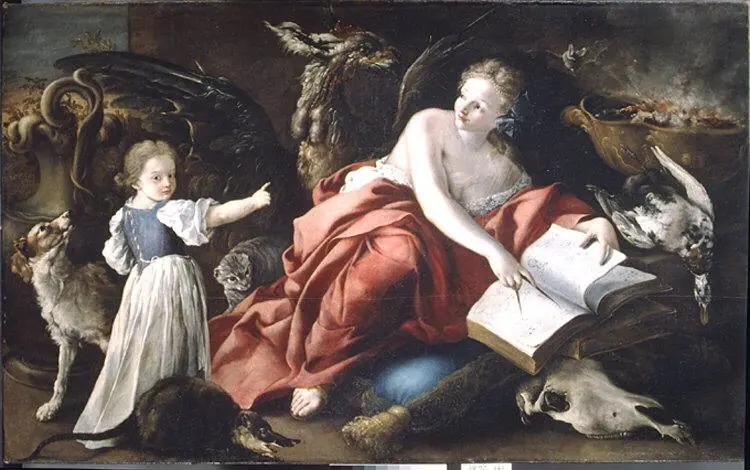 An Allegory
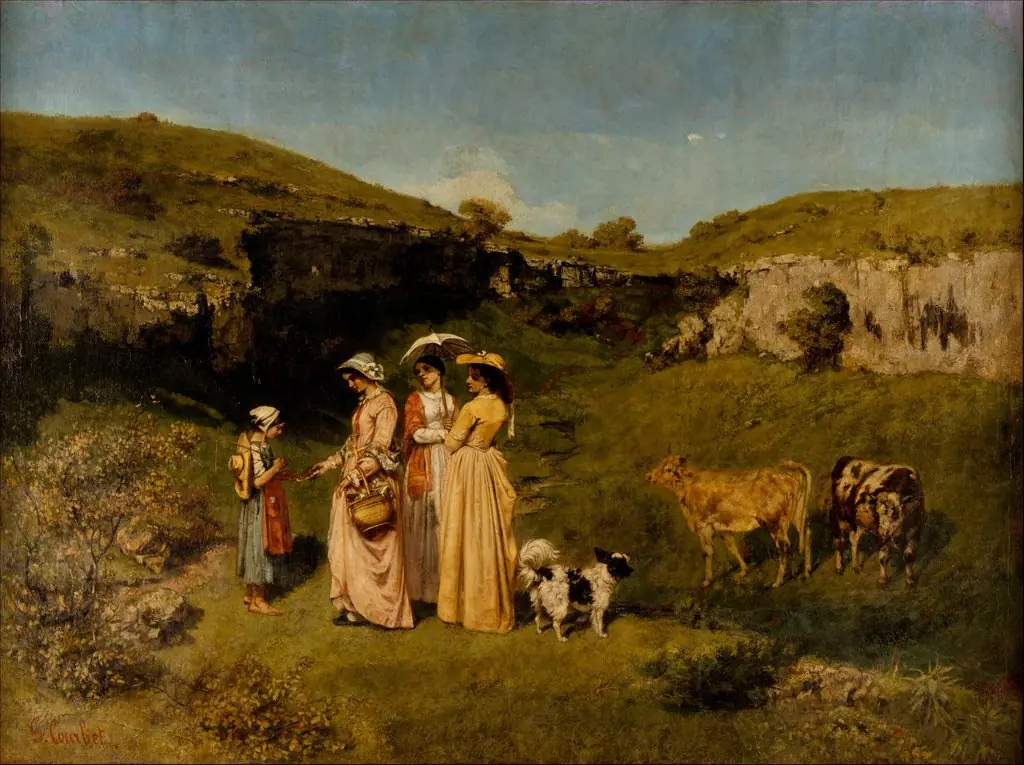 Young Ladies of the Village
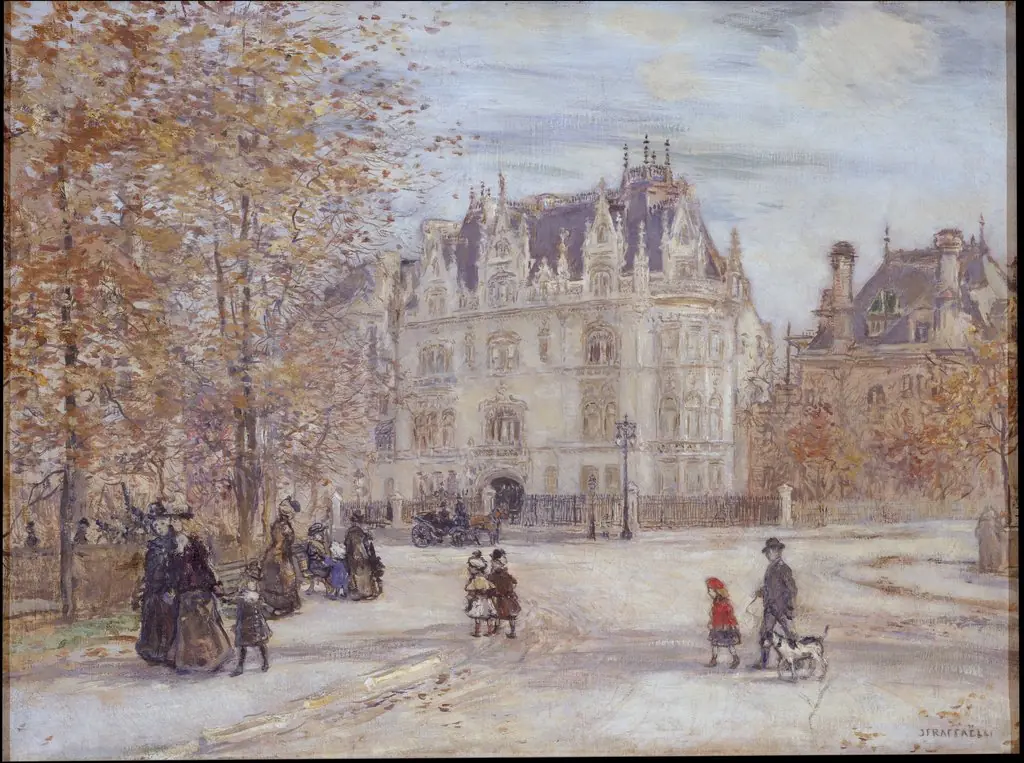 The Fletcher Mansion, New York City
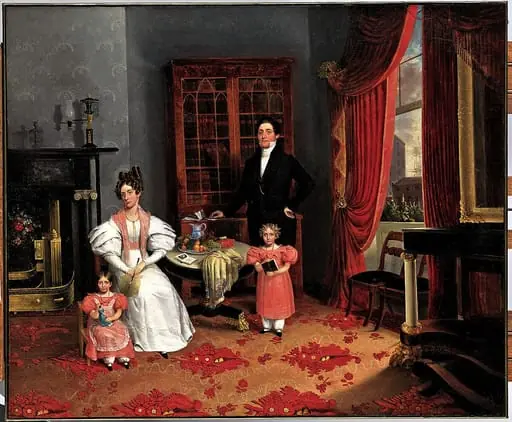 The Family of John Q. Aymar
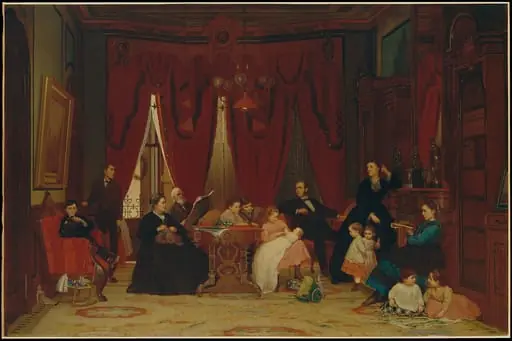 The Hatch Family
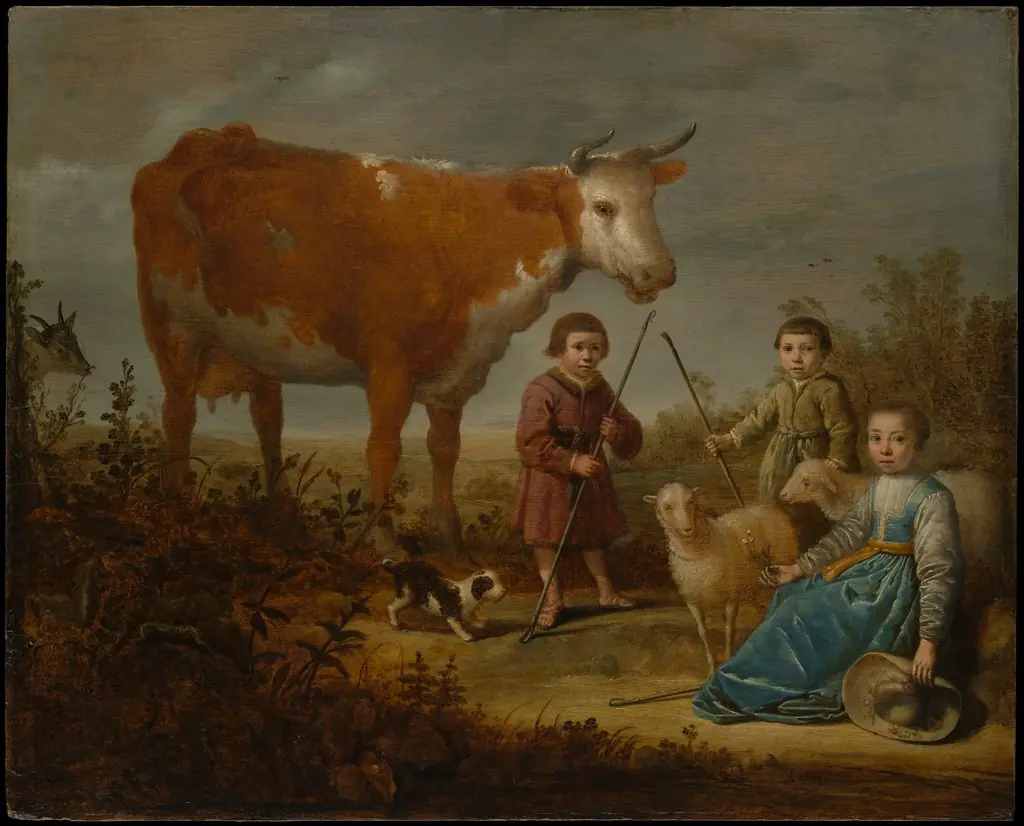 Children and a Cow
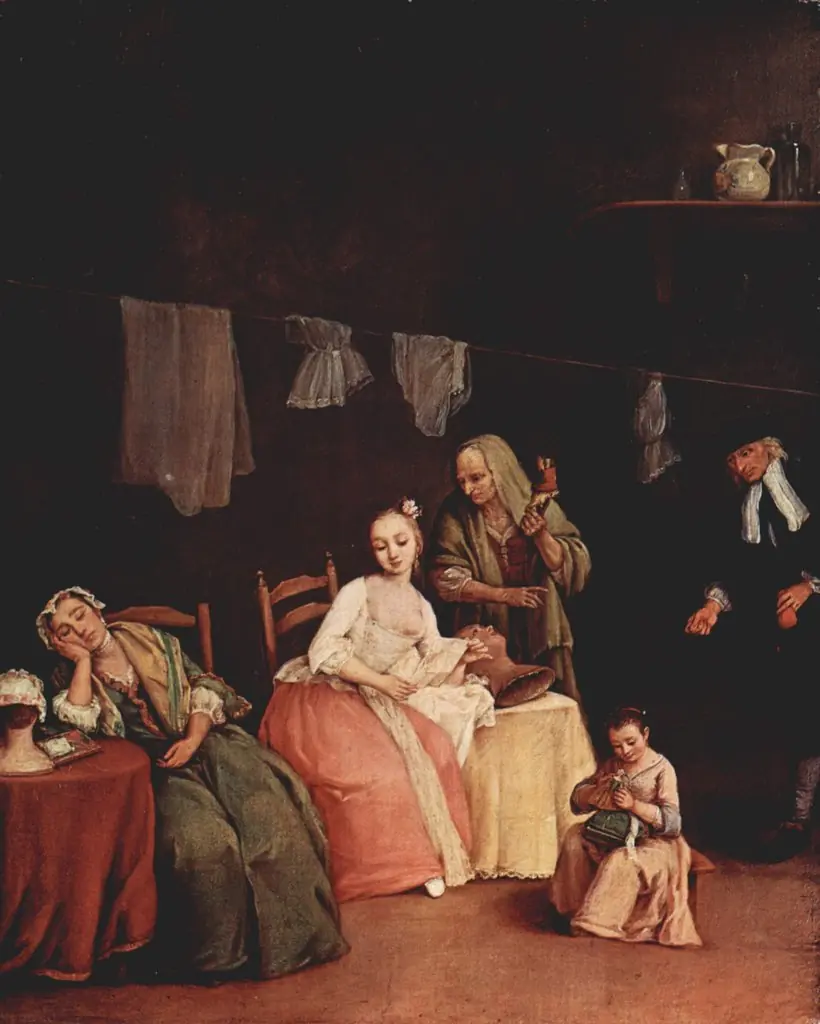 The Letter
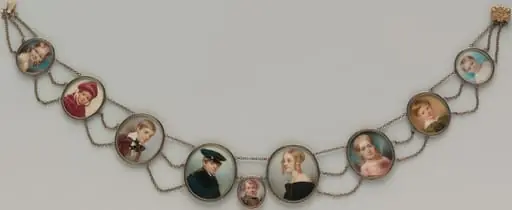 A Mother's Pearls
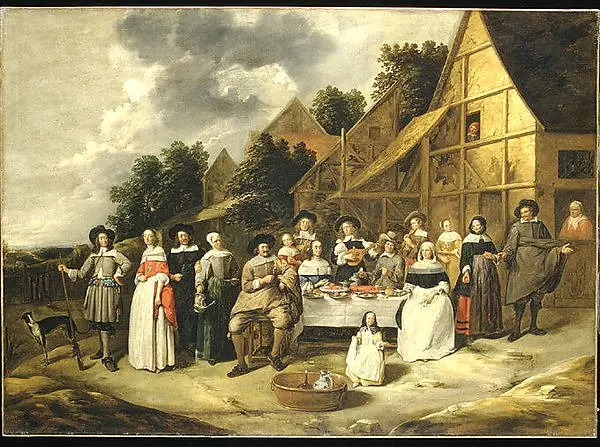 Group Portrait: A Wedding Celebration
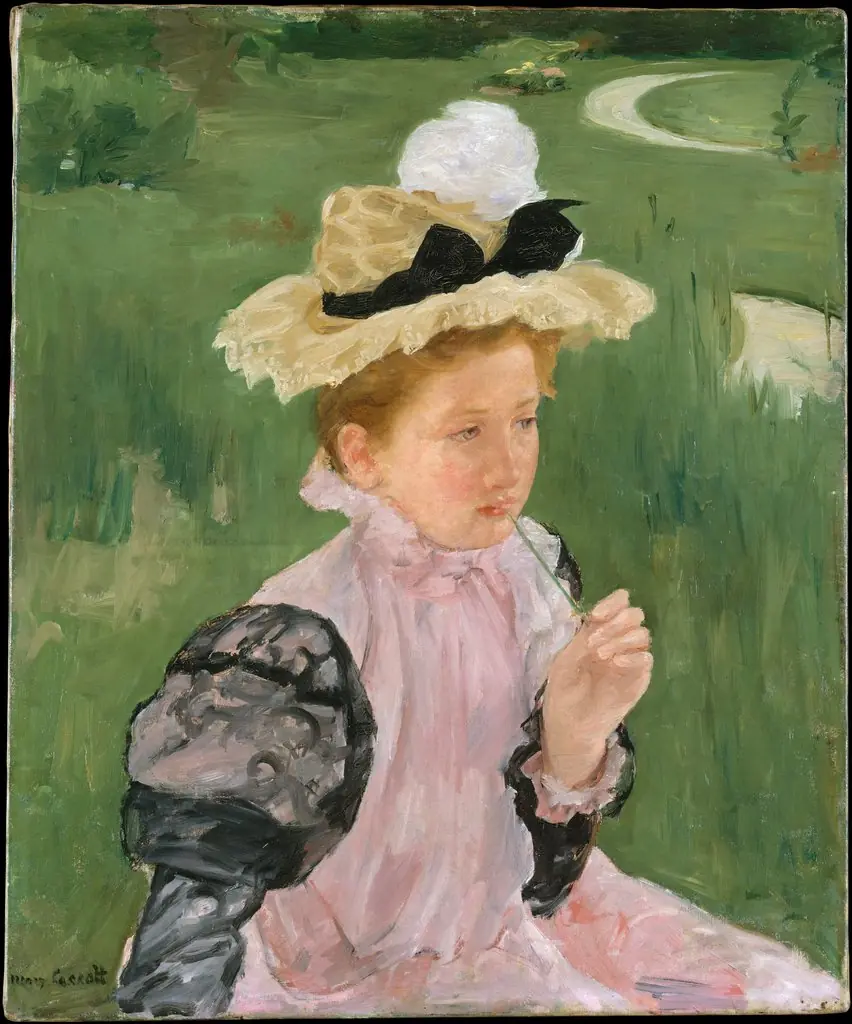 Portrait of a Young Girl
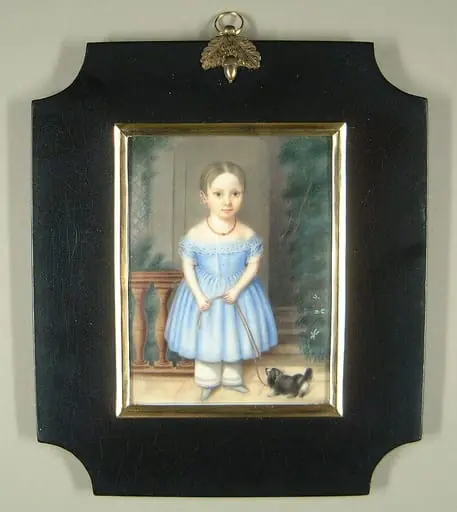 Mary R. Whitlock
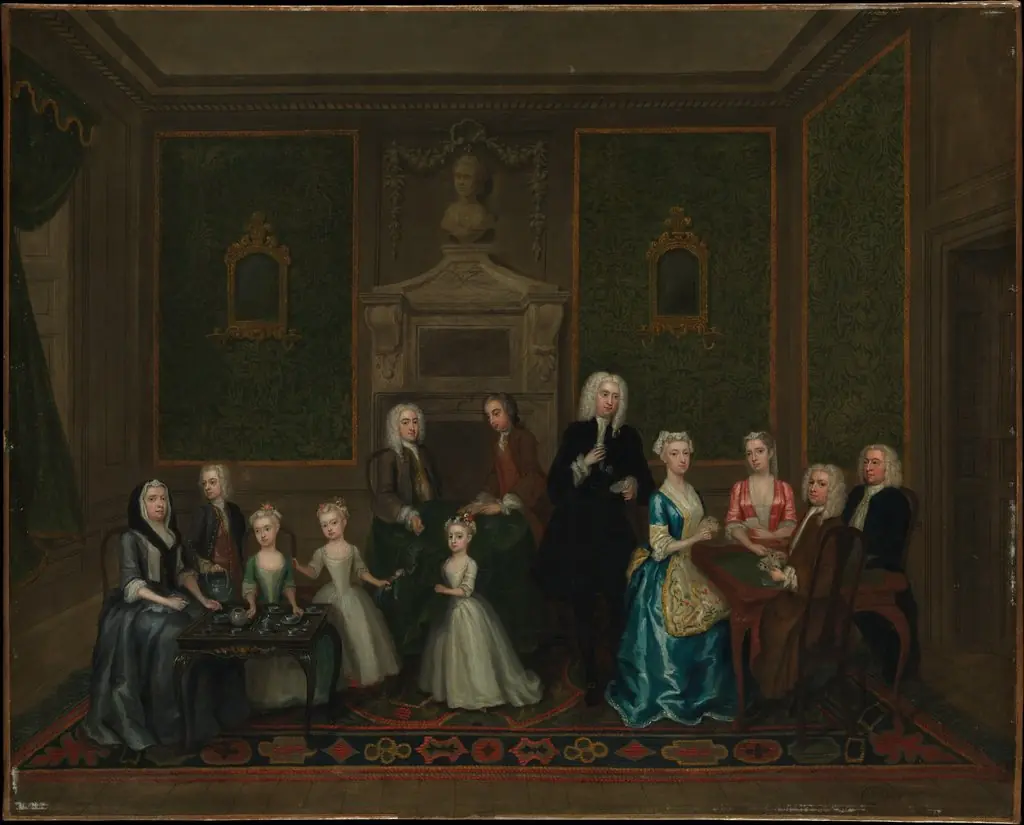 The Strong Family
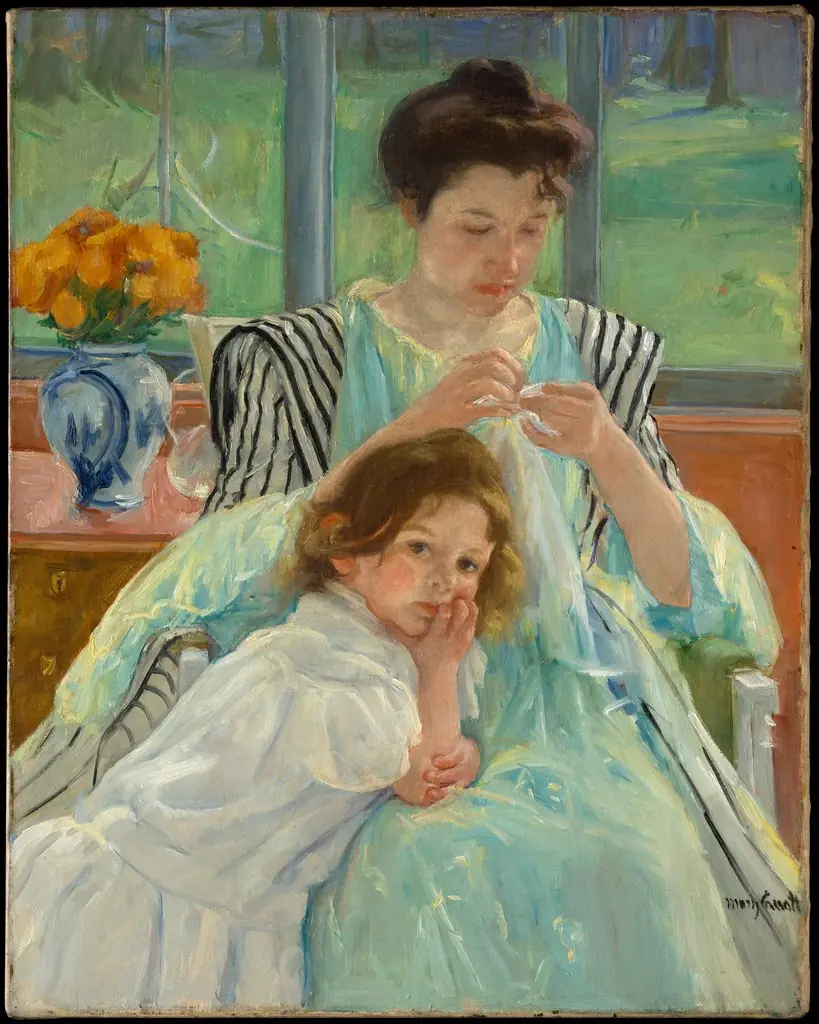 Young Mother Sewing
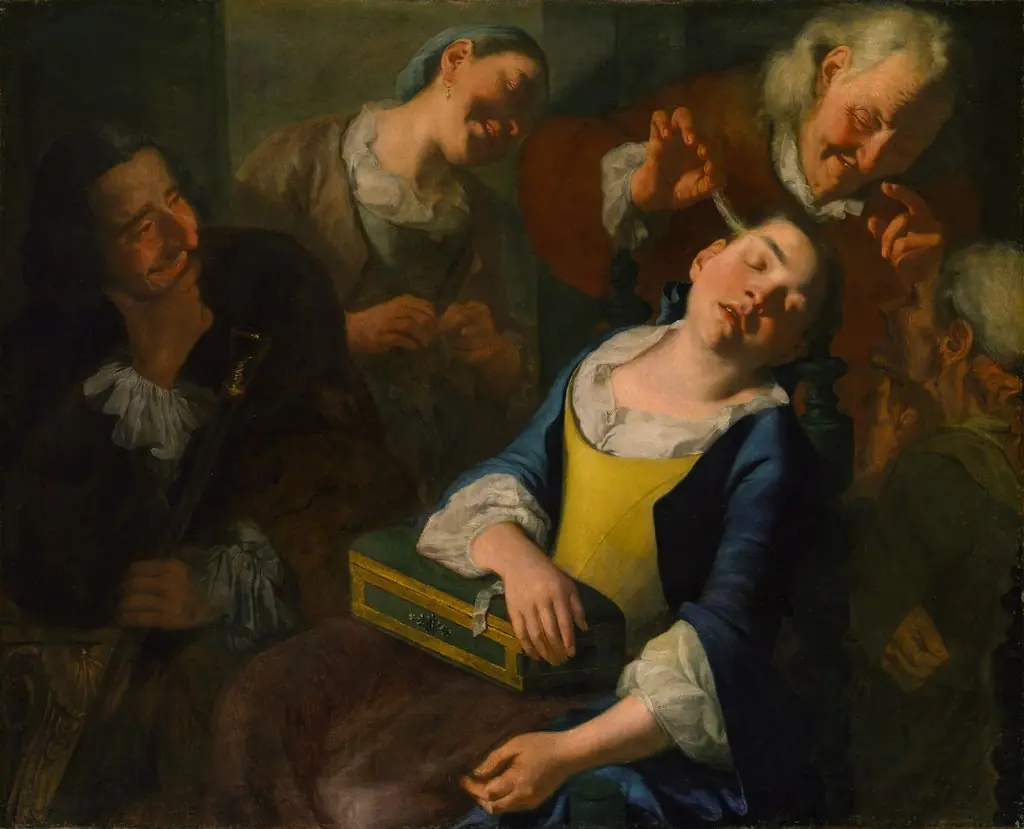 Teasing a Sleeping Girl
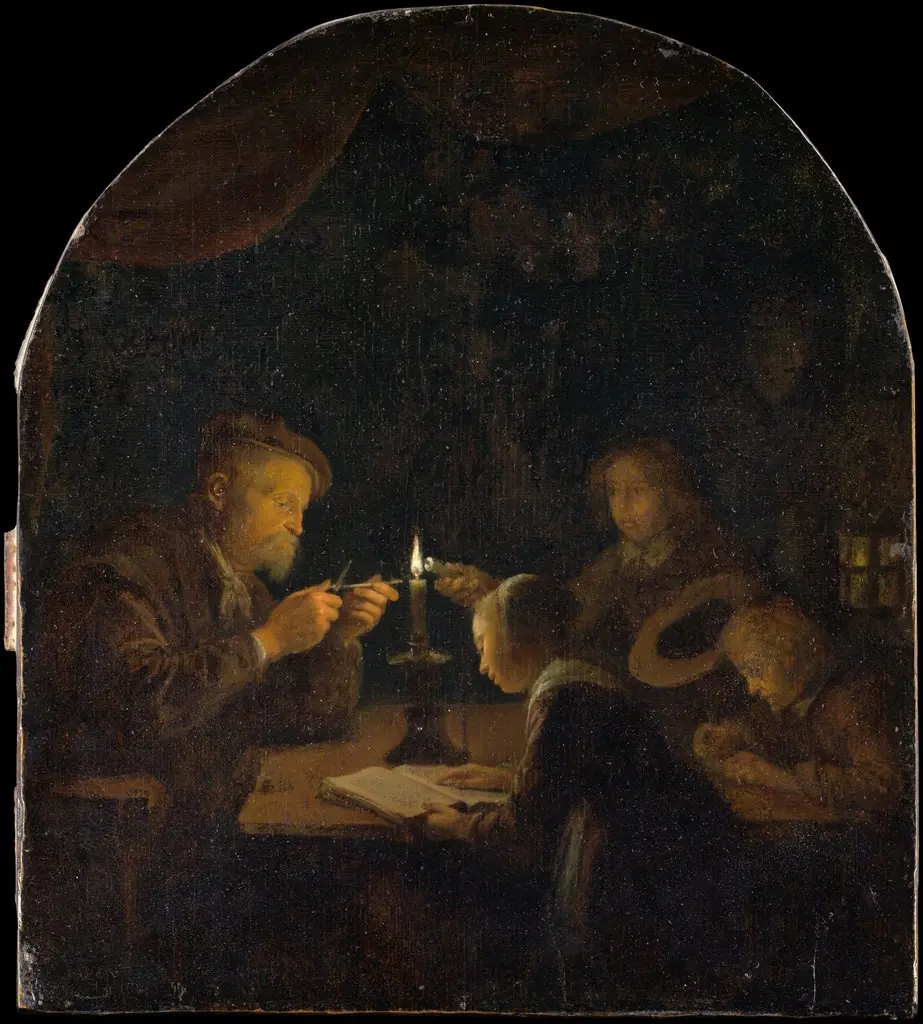 An Evening School
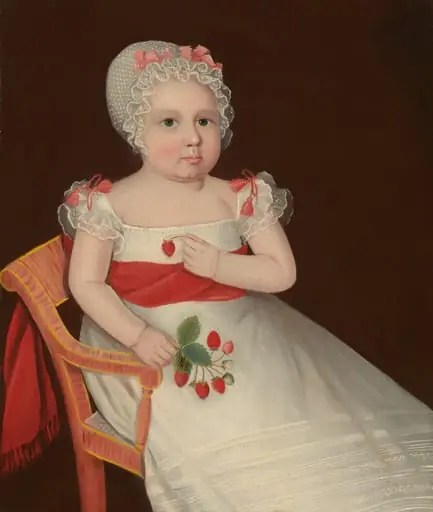 The Strawberry Girl
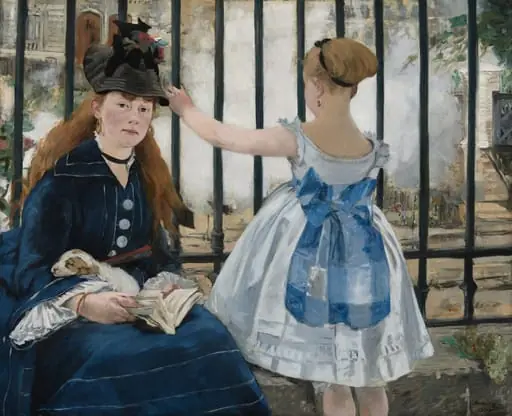 The Railway
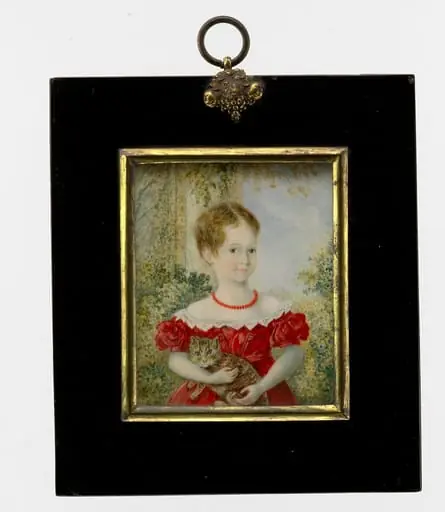 Mrs. Edward Loyd (C. Louisa Foster)
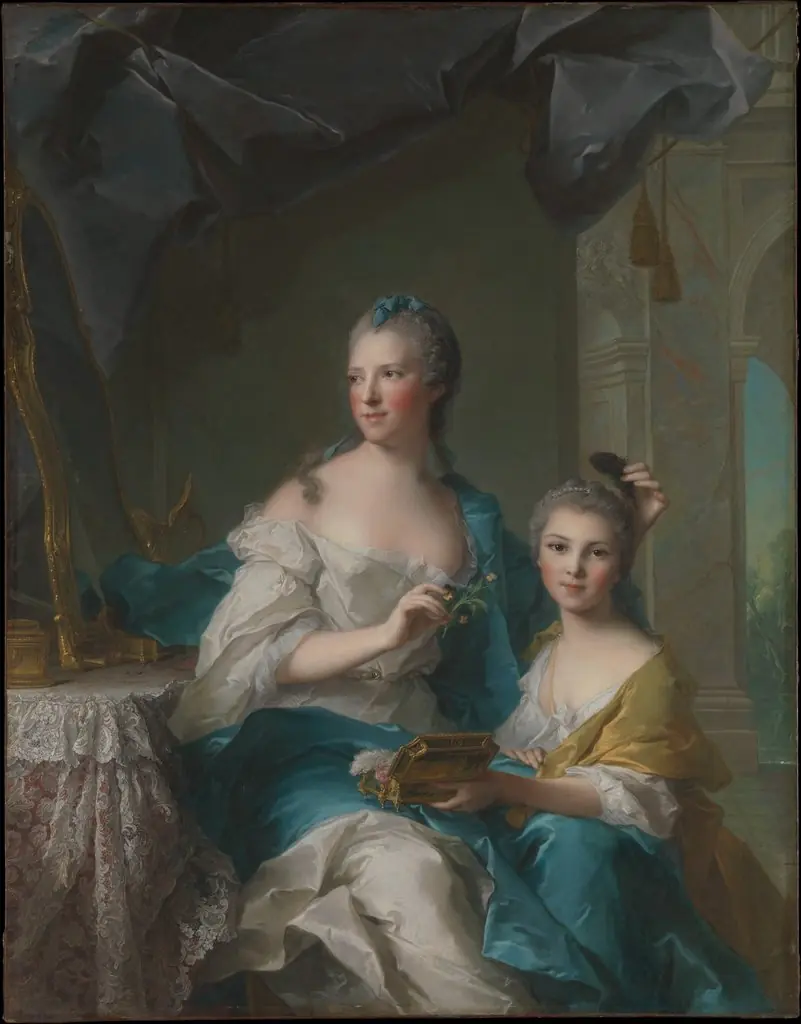 Madame Marsollier and Her Daughter
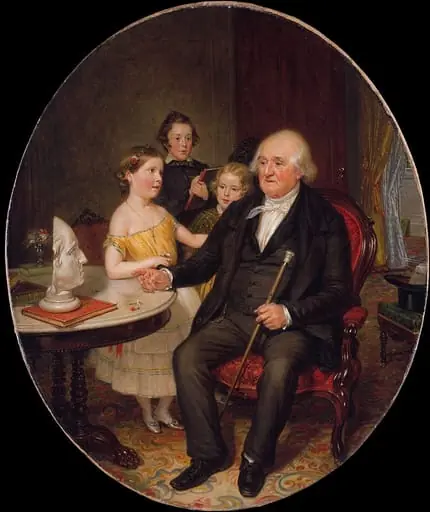 Great-Grand-Father's Tale of the Revolution—A Portrait of Reverend Zachariah Greene
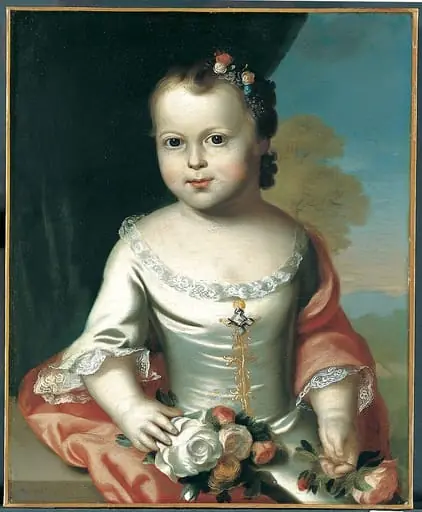 Elizabeth Greenleaf
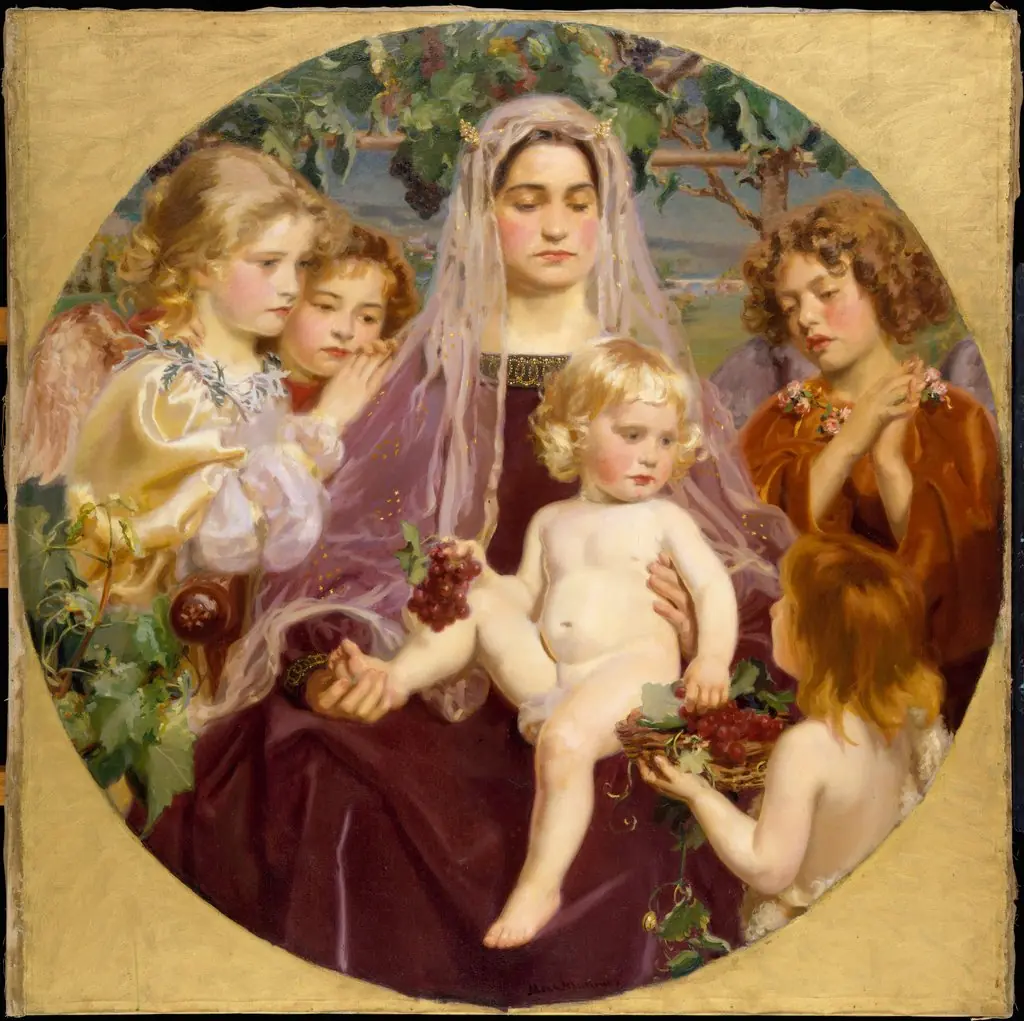 Madonna of Giverny
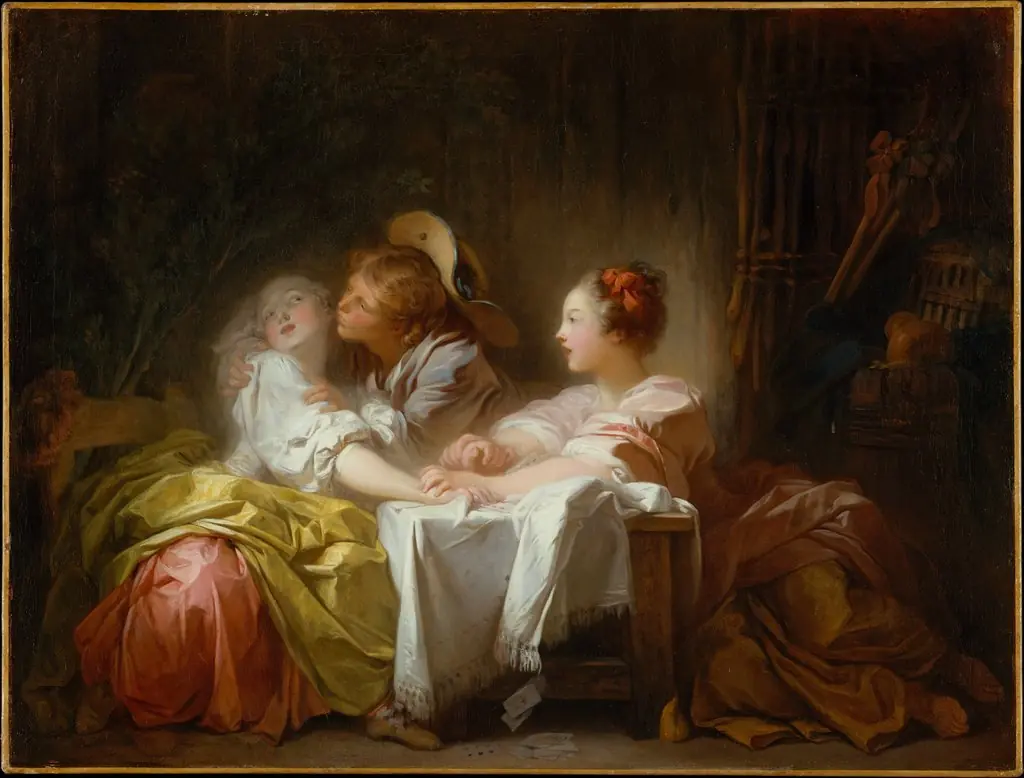 The Stolen Kiss
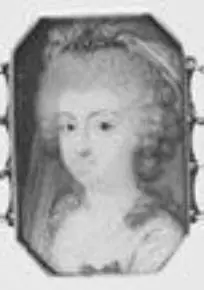 Caroline Maria Therese of Parma (1770–1804)
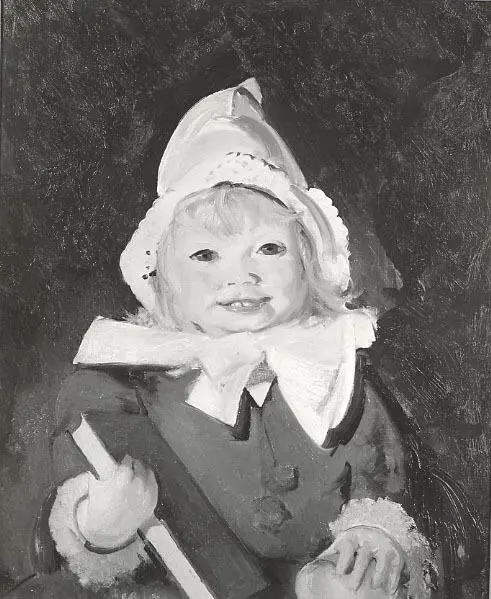 Jean with Blue Book and Apple
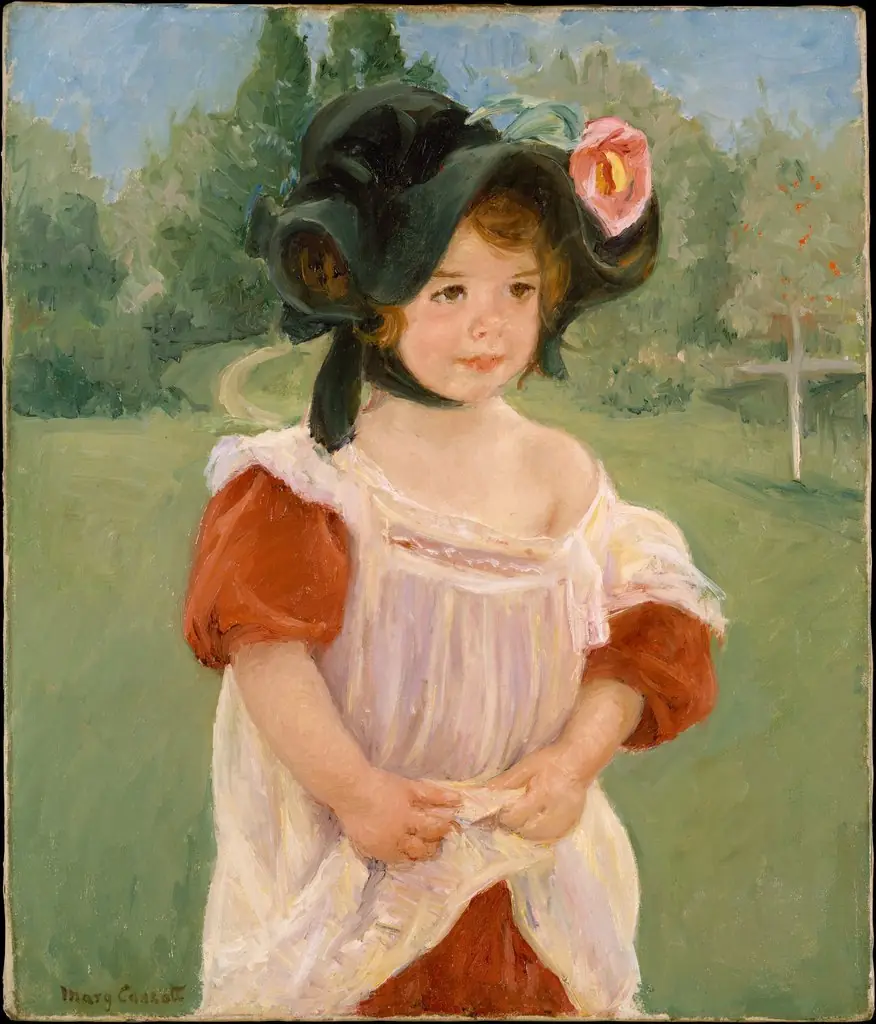 Spring: Margot Standing in a Garden (Fillette dans un jardin)
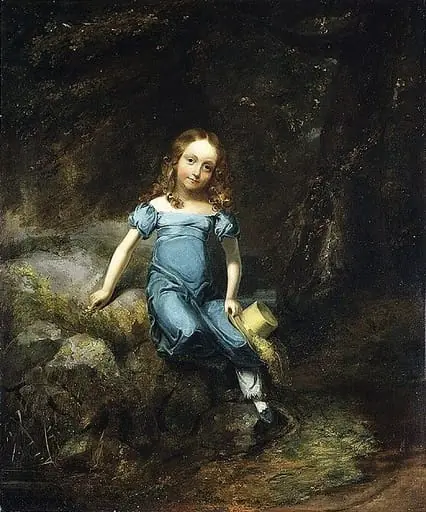 Janet Halleck Drake
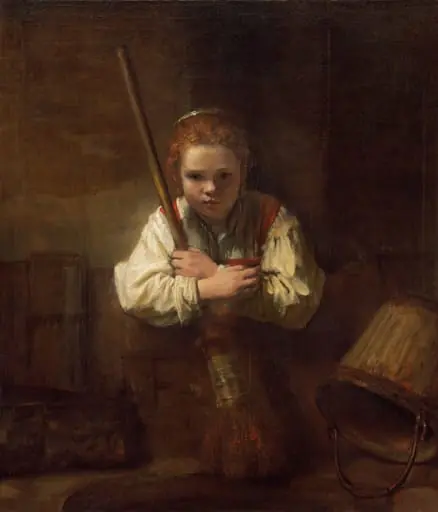 A Girl with a Broom
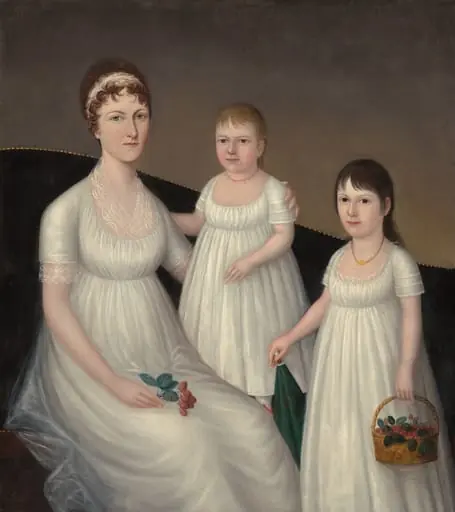 Grace Allison McCurdy (Mrs. Hugh McCurdy) and Her Daughters, Mary Jane and Letitia Grace
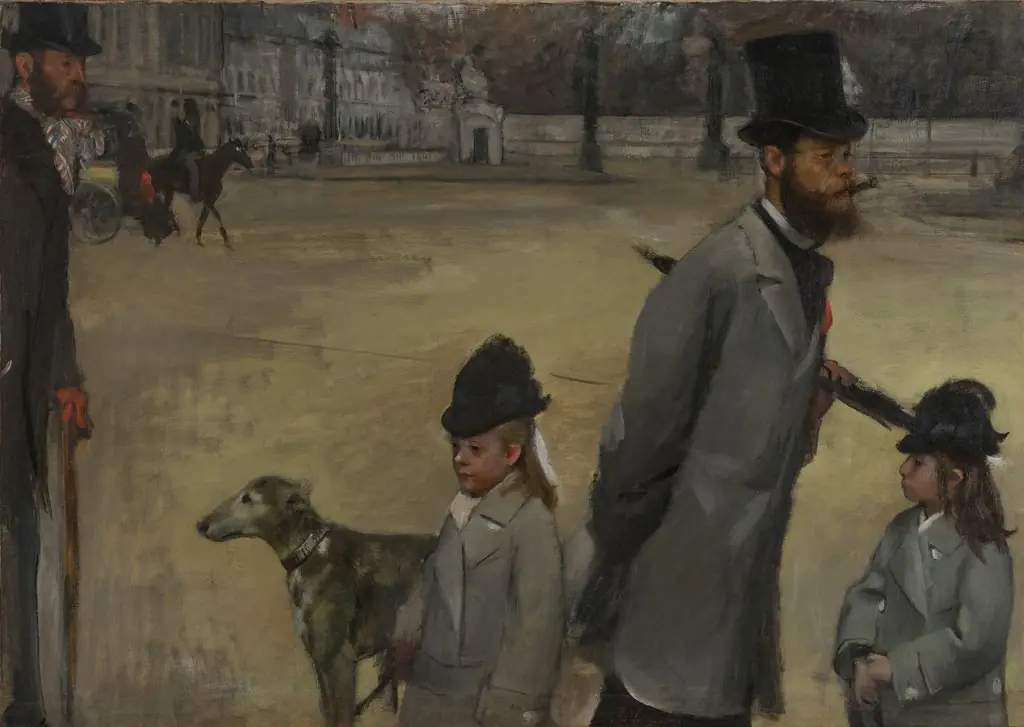 Place de la Concorde
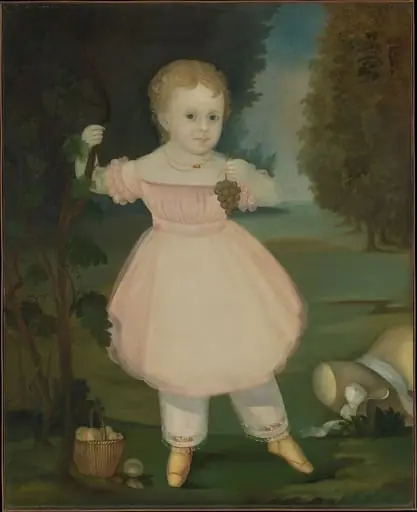 Portrait of a Little Girl Picking Grapes
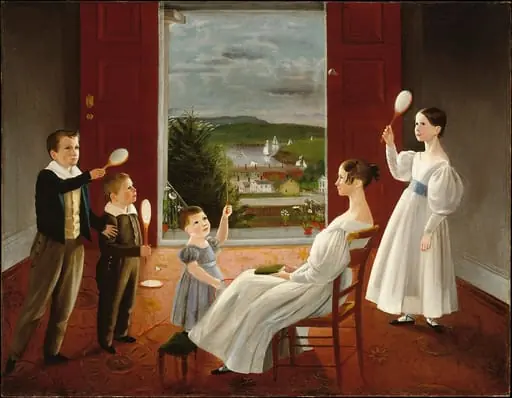 The Children of Nathan Starr
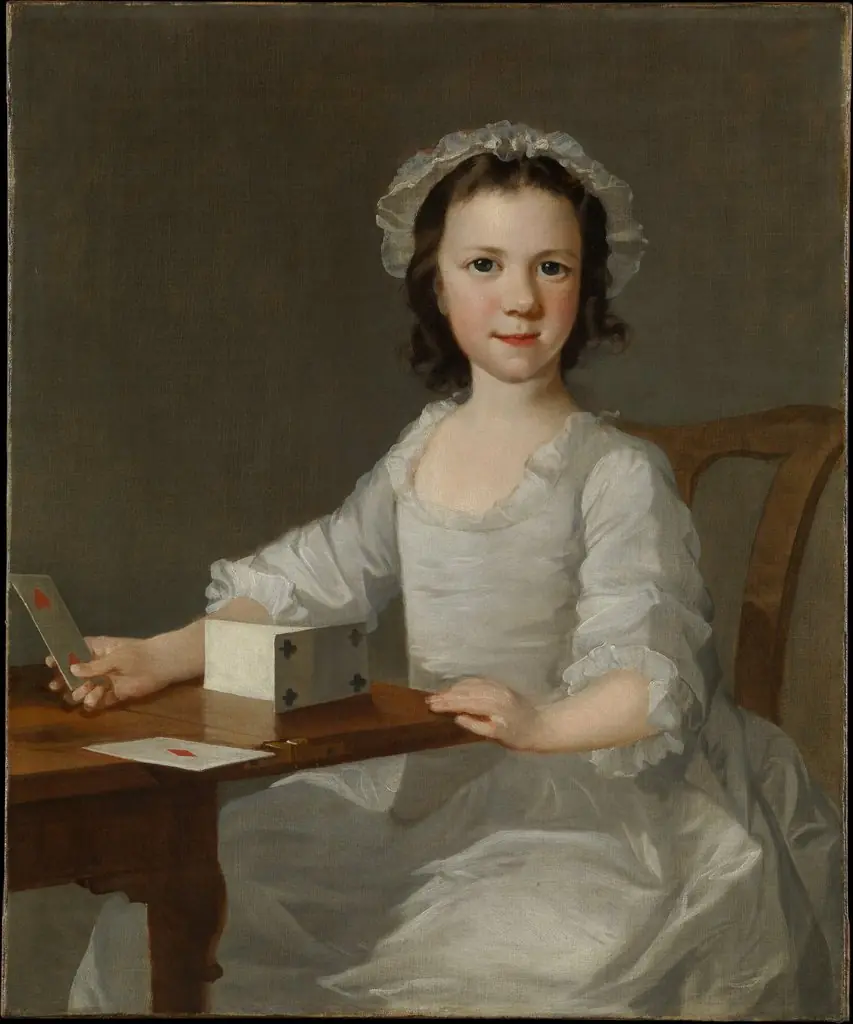 Girl Building a House of Cards
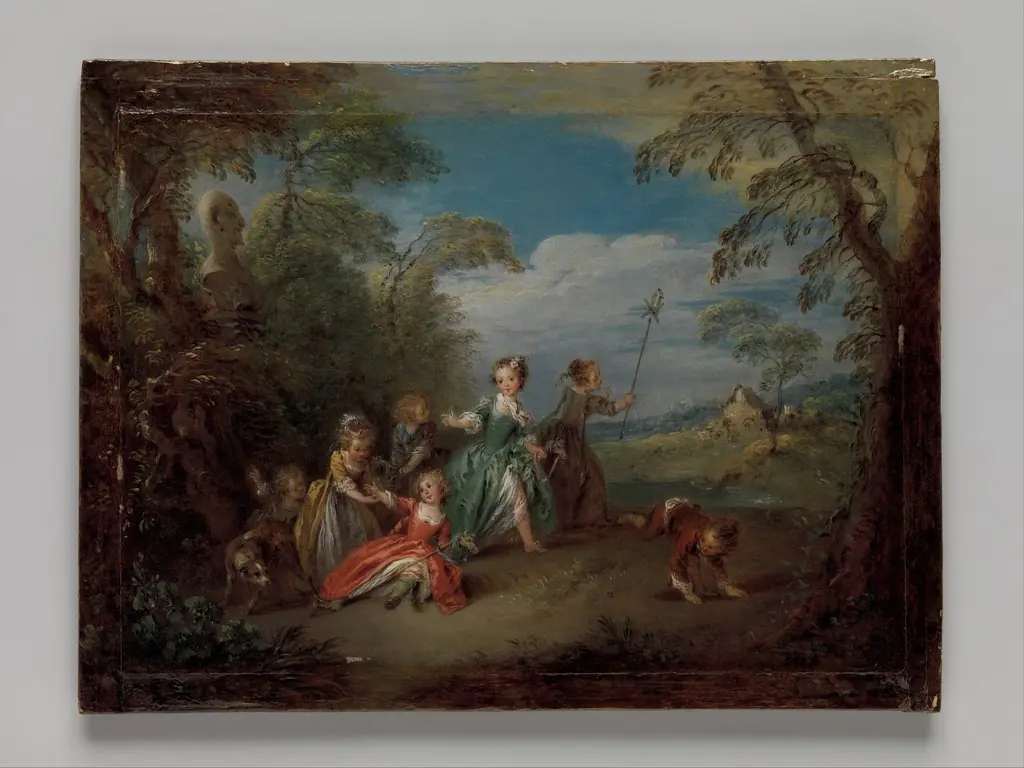 The Golden Age
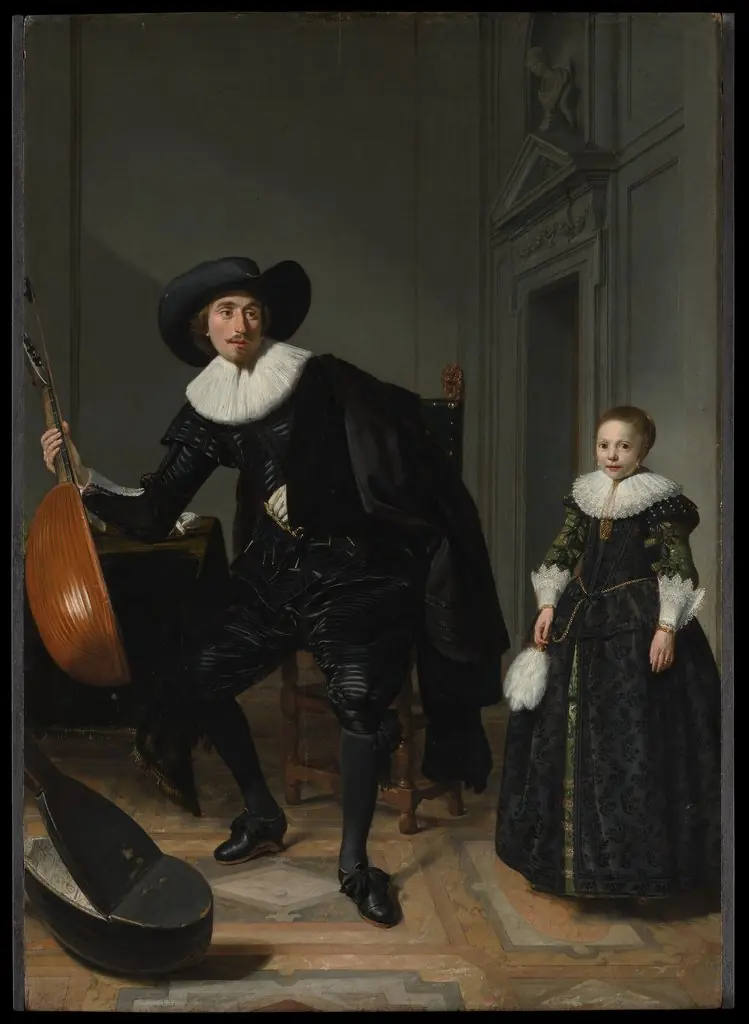 A Musician and His Daughter
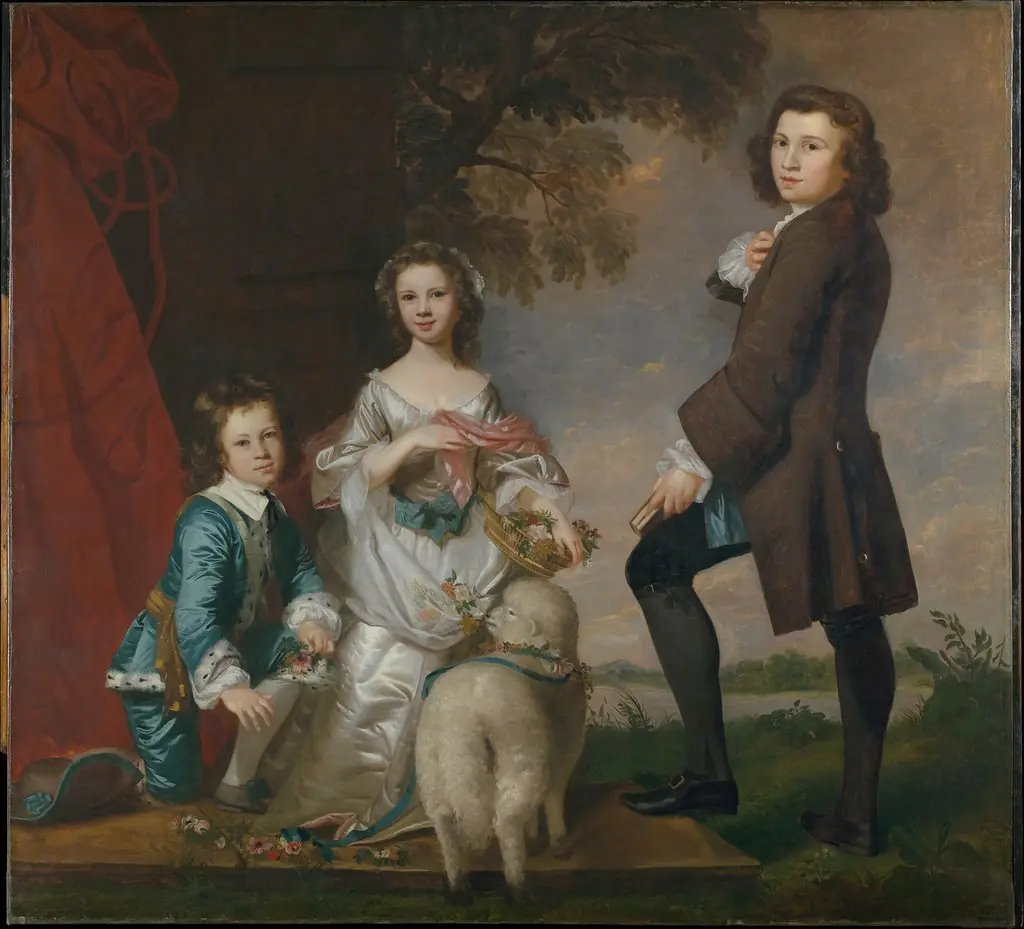 Thomas (1740–1825) and Martha Neate (1741–after 1795) with His Tutor, Thomas Needham
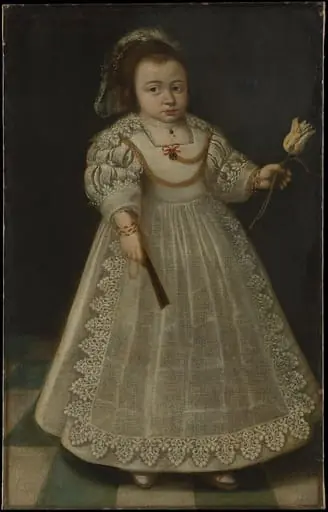 Sarra de Peyster
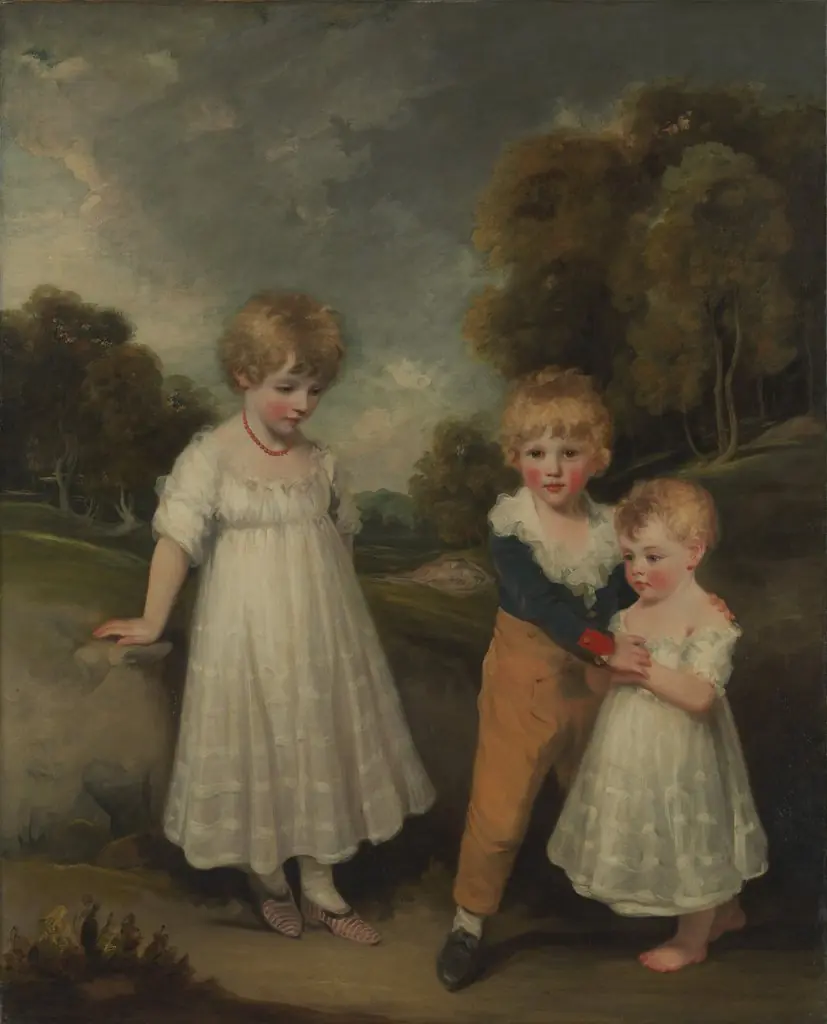 The Sackville Children
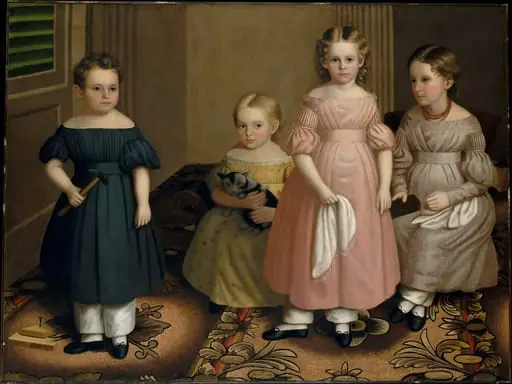 The Alling Children
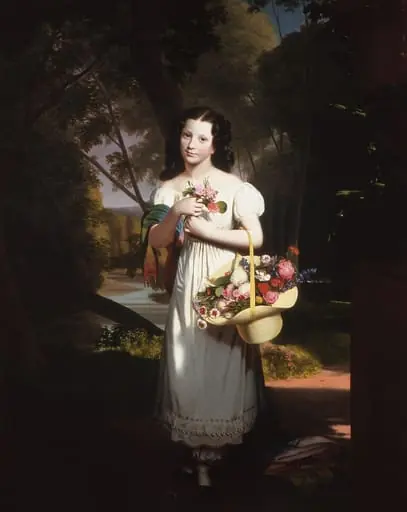 Little Girl with Flowers (Amelia Palmer)
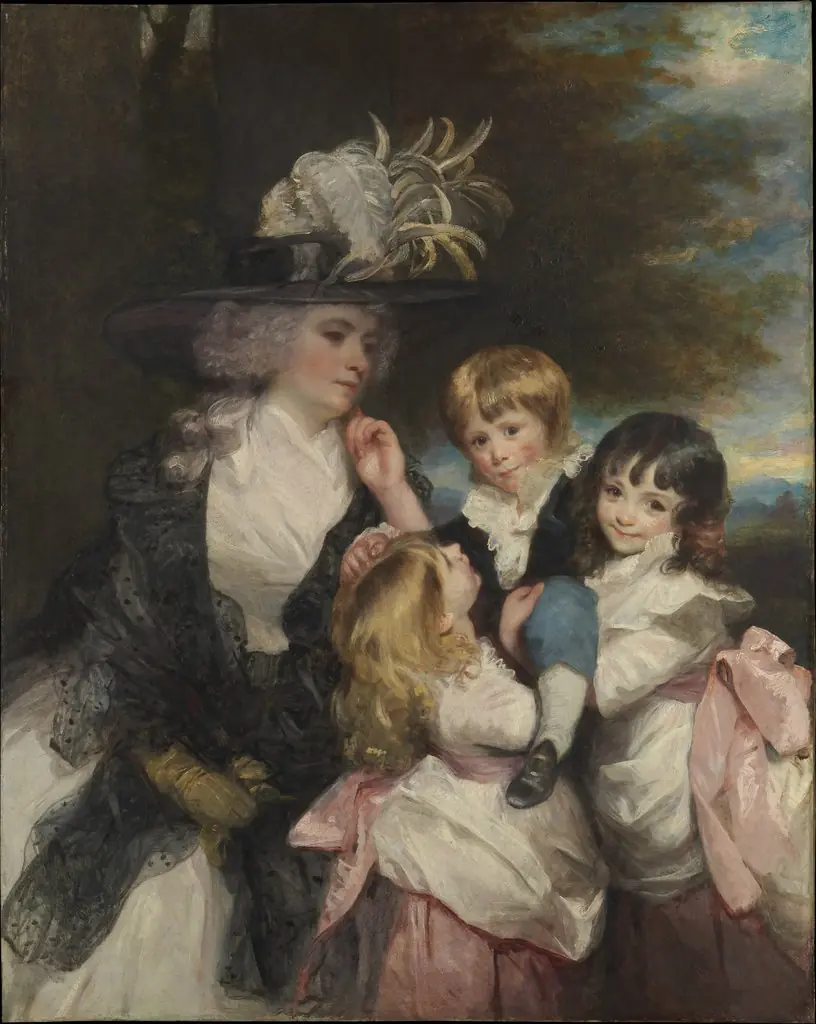 Lady Smith (Charlotte Delaval) and Her Children (George Henry, Louisa, and Charlotte)
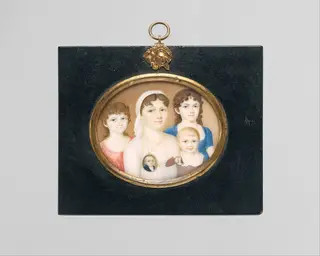 The Artist's Family
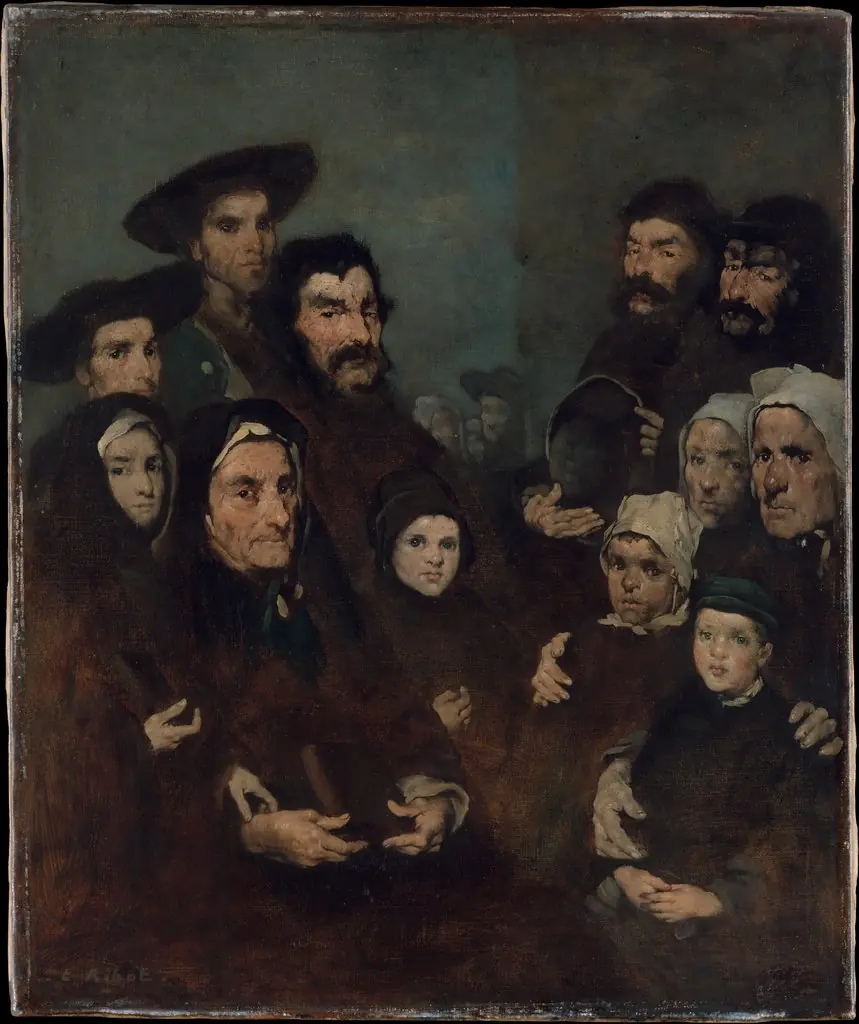 Breton Fishermen and Their Families
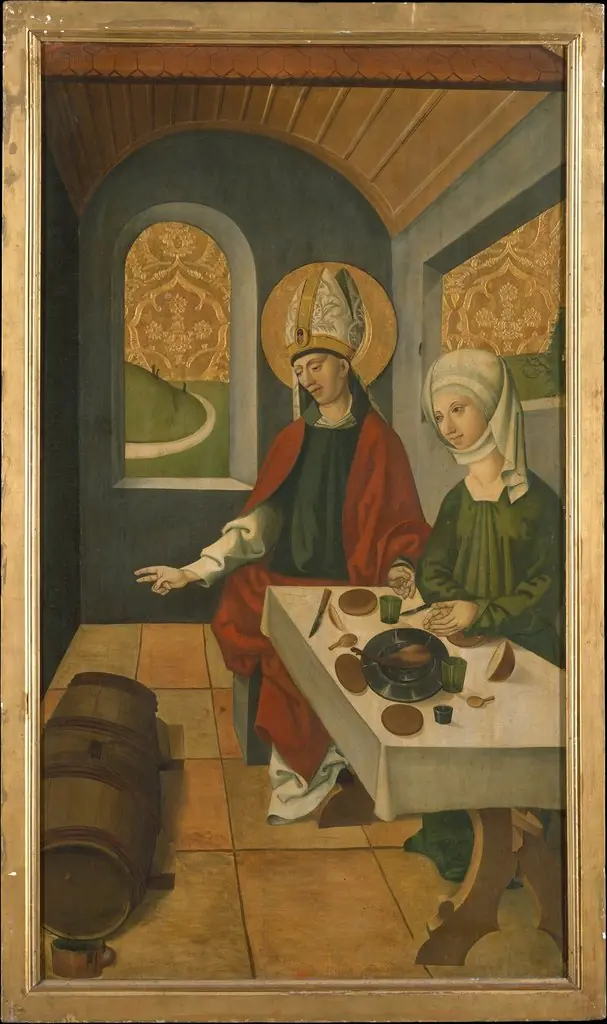 Saint Remigius Replenishing the Barrel of Wine; (interior) Saint Remigius and the Burning Wheat
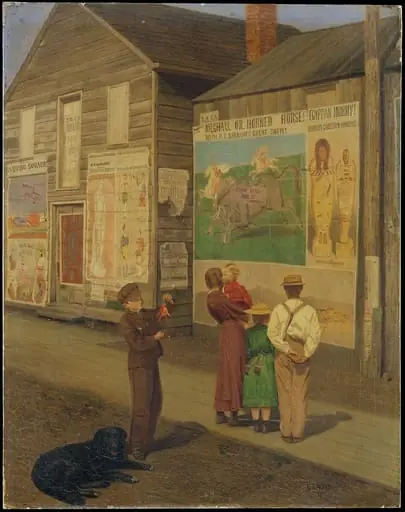 Coming Events Cast Their Shadows Before
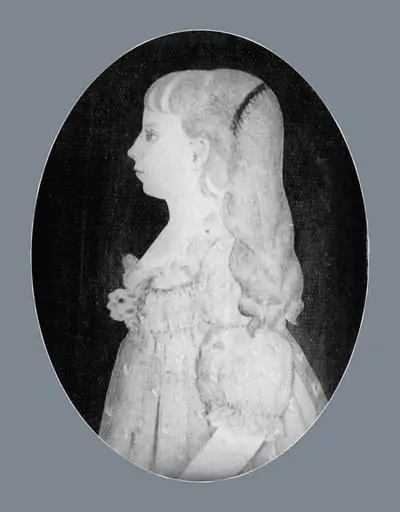 Mary House
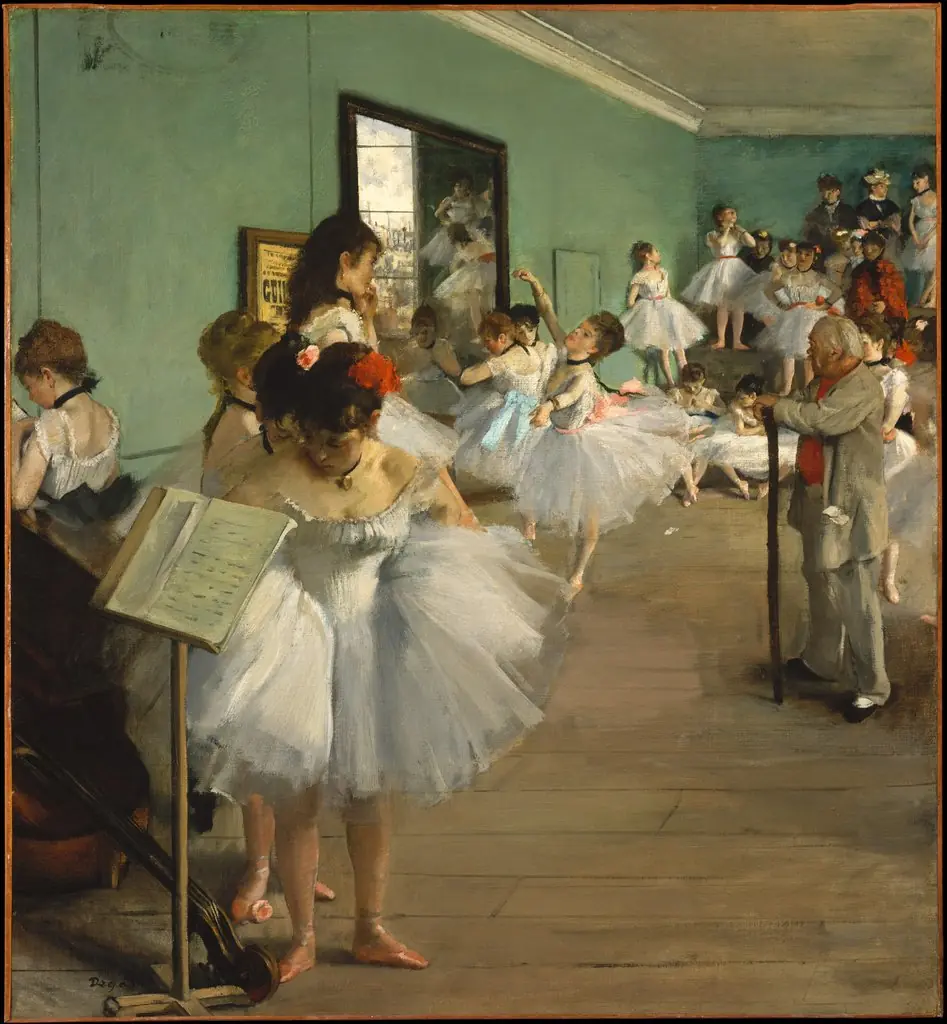 The Dance Class
 Portrait of a Man
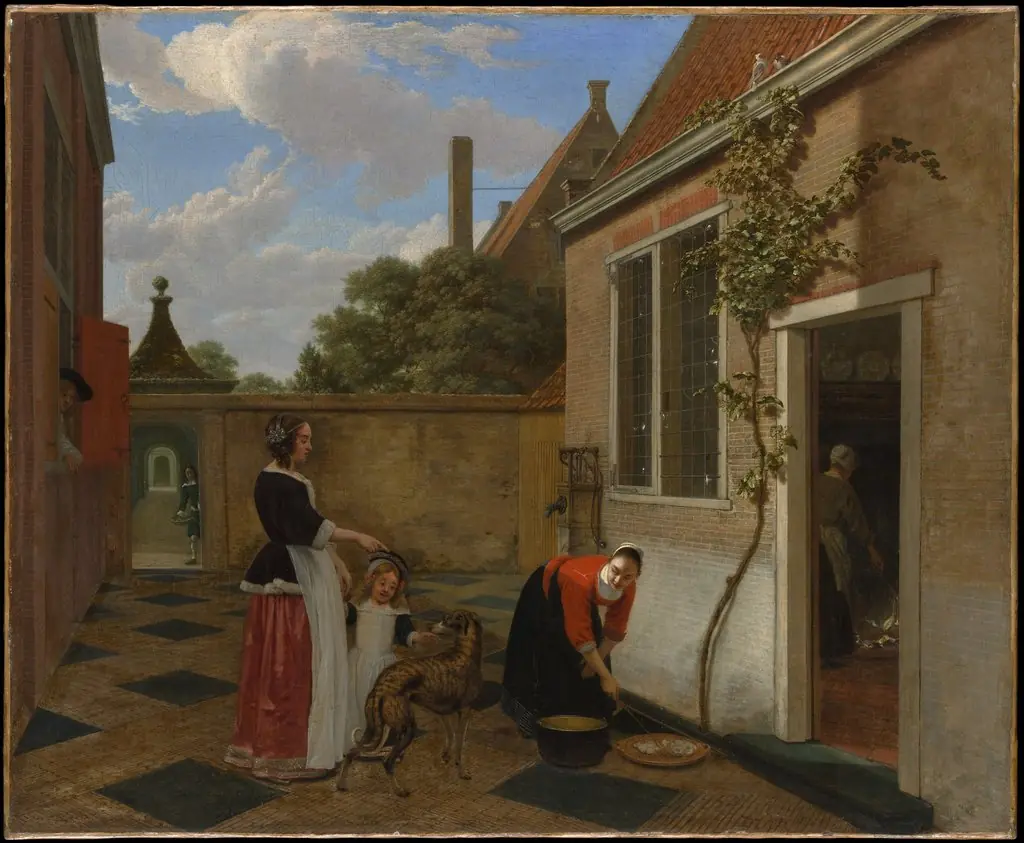 Scene in a Courtyard
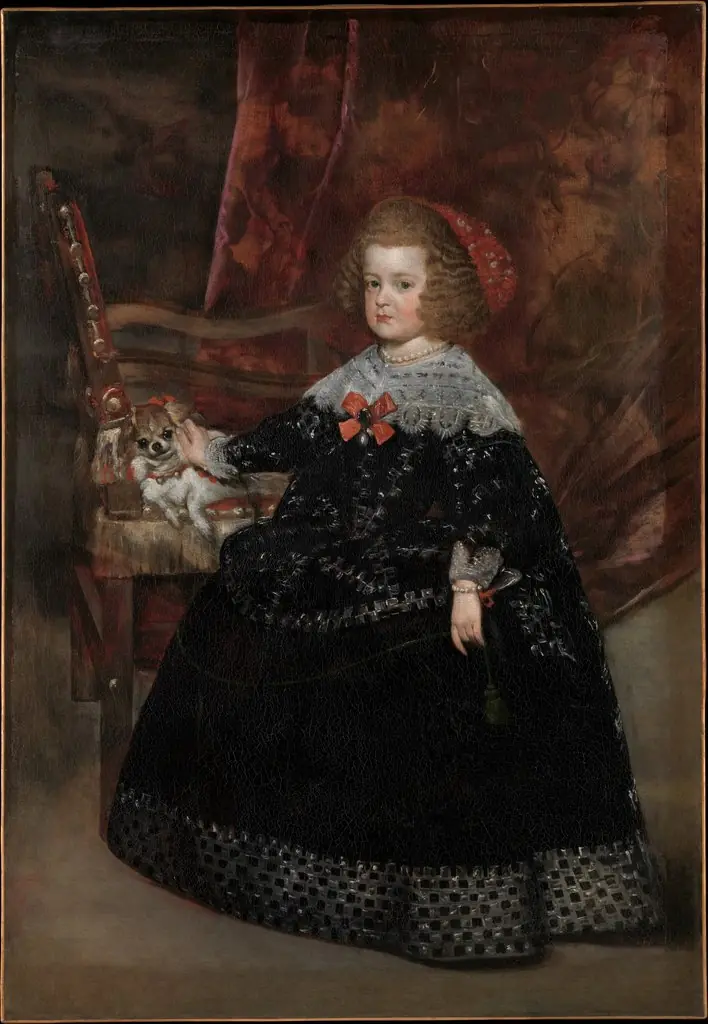 María Teresa (1638–1683), Infanta of Spain
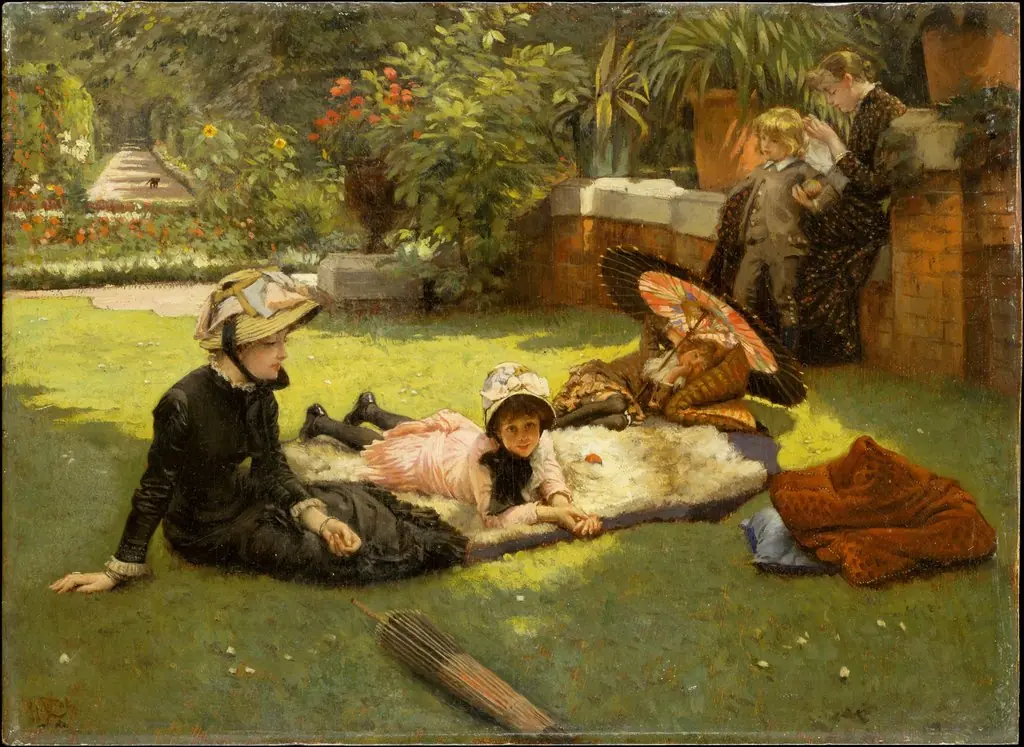 In Full Sunlight (En plein soleil)
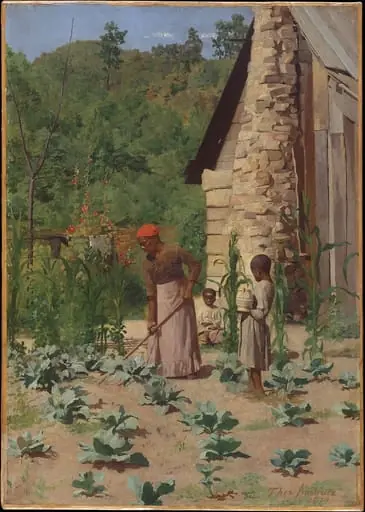 The Way They Live
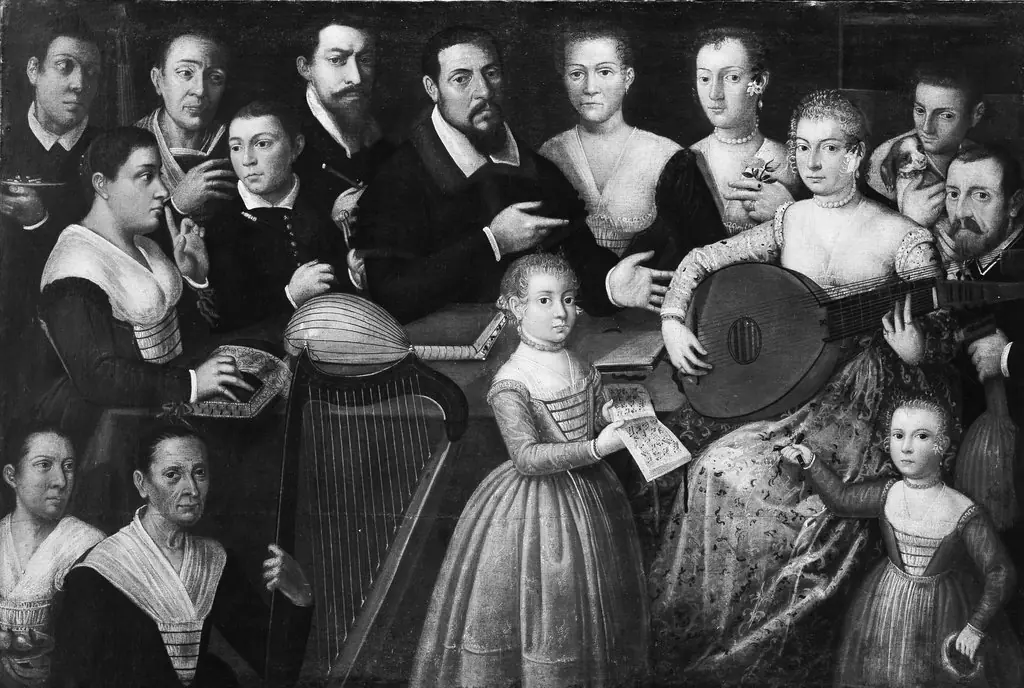 Portrait of a Family
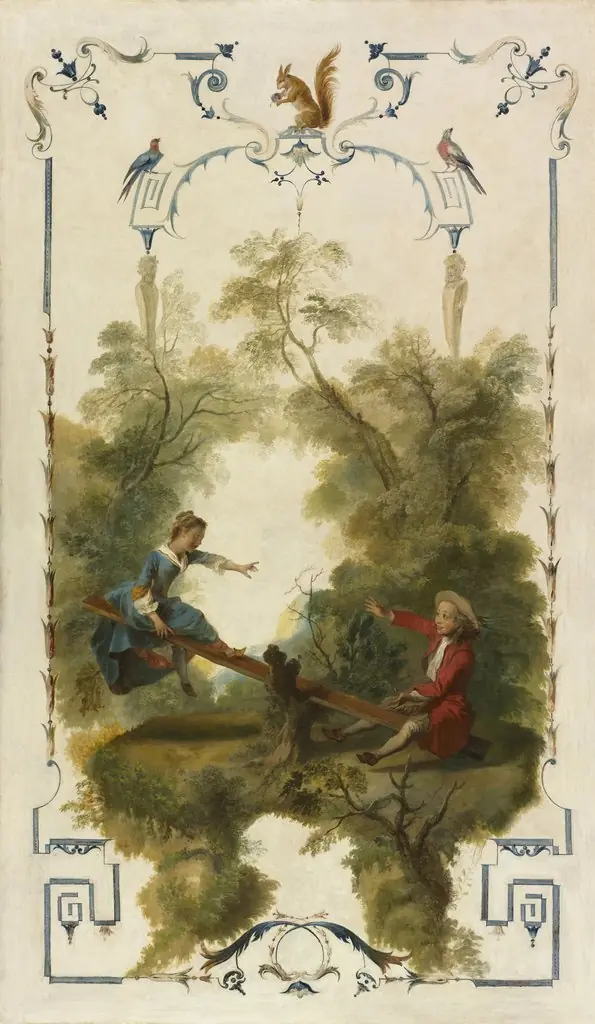 The See-Saw
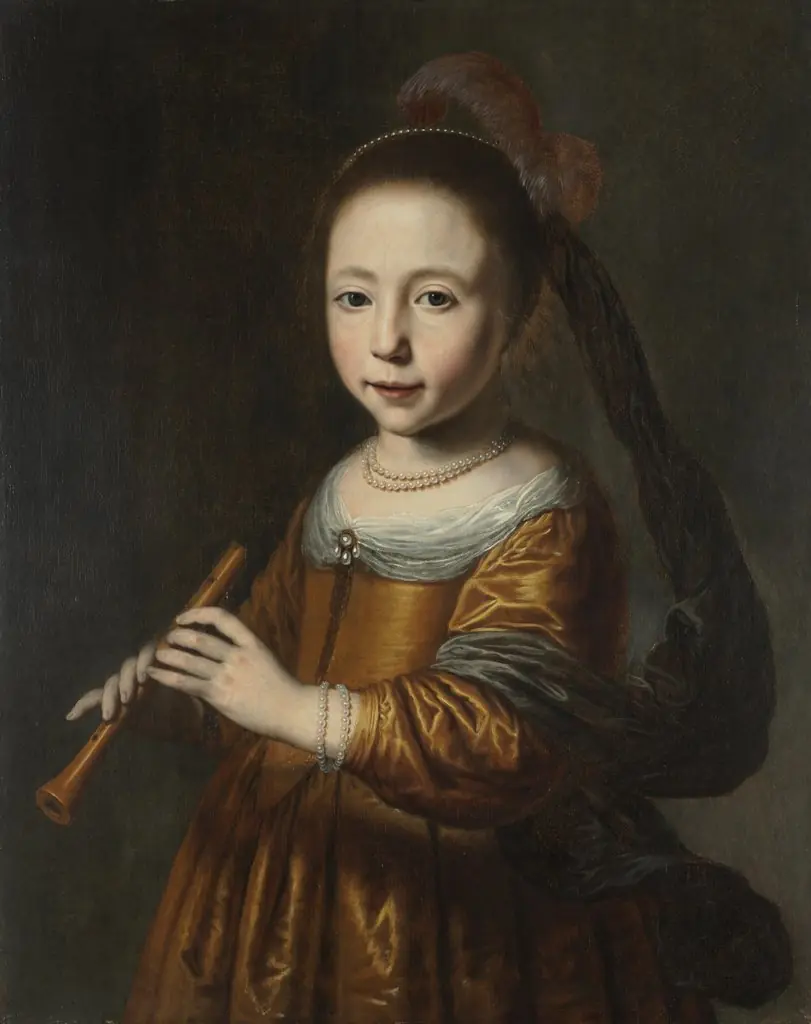 Portrait of Elizabeth Spiegel
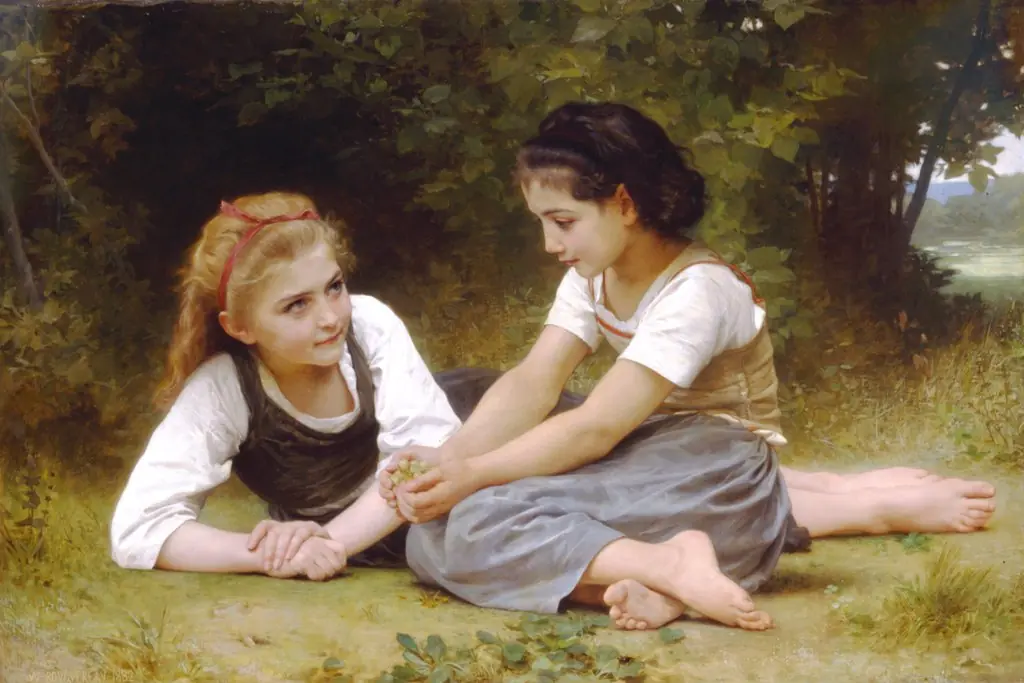 The Nut Gatherers
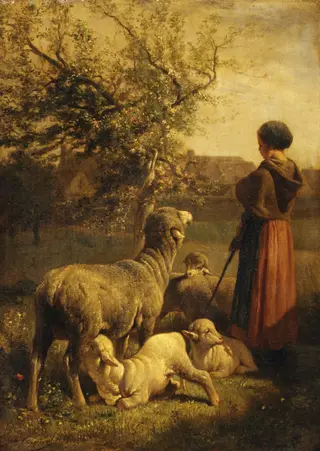 Springtime
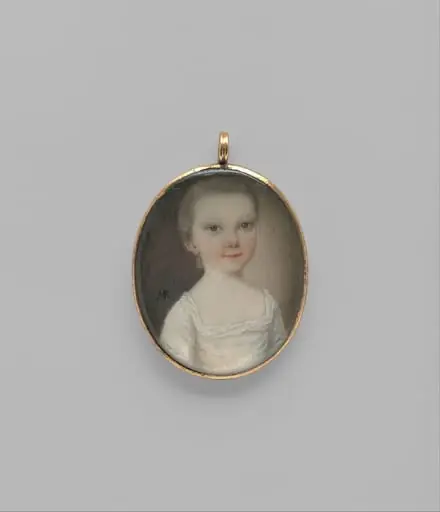 Hester Middleton
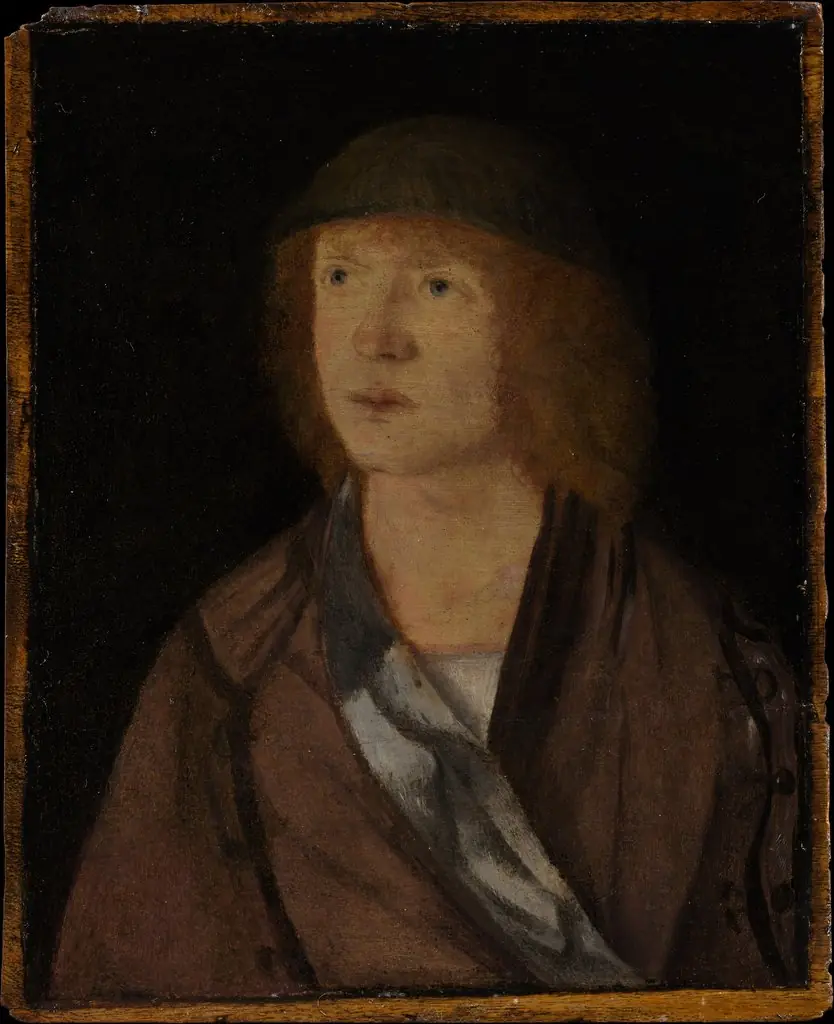 Portrait of a Young Man; (reverse) Girl Making a Garland
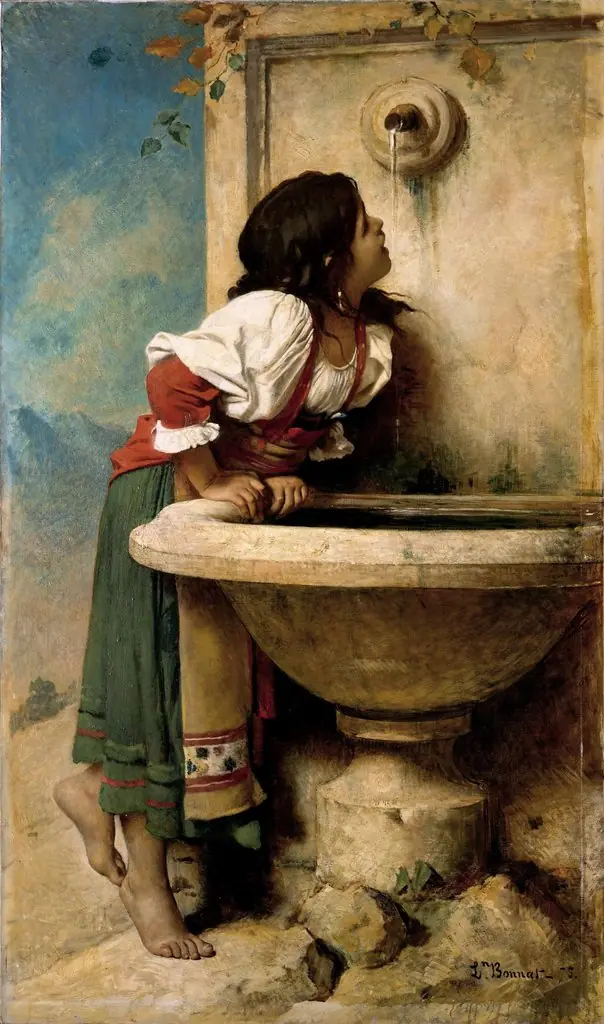 Roman Girl at a Fountain
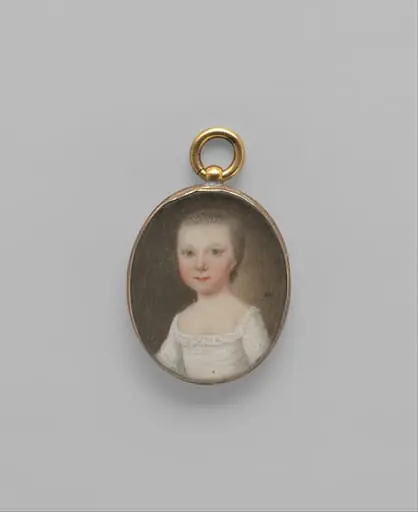 Henrietta Middleton
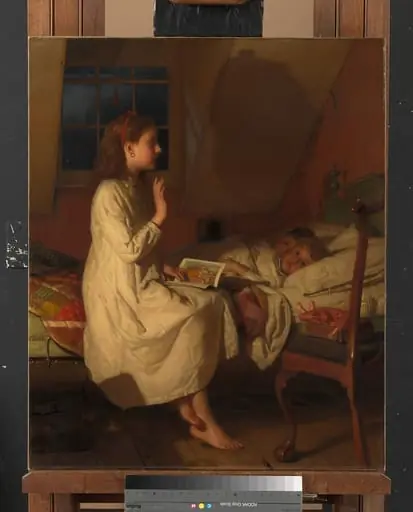 Story of Golden Locks
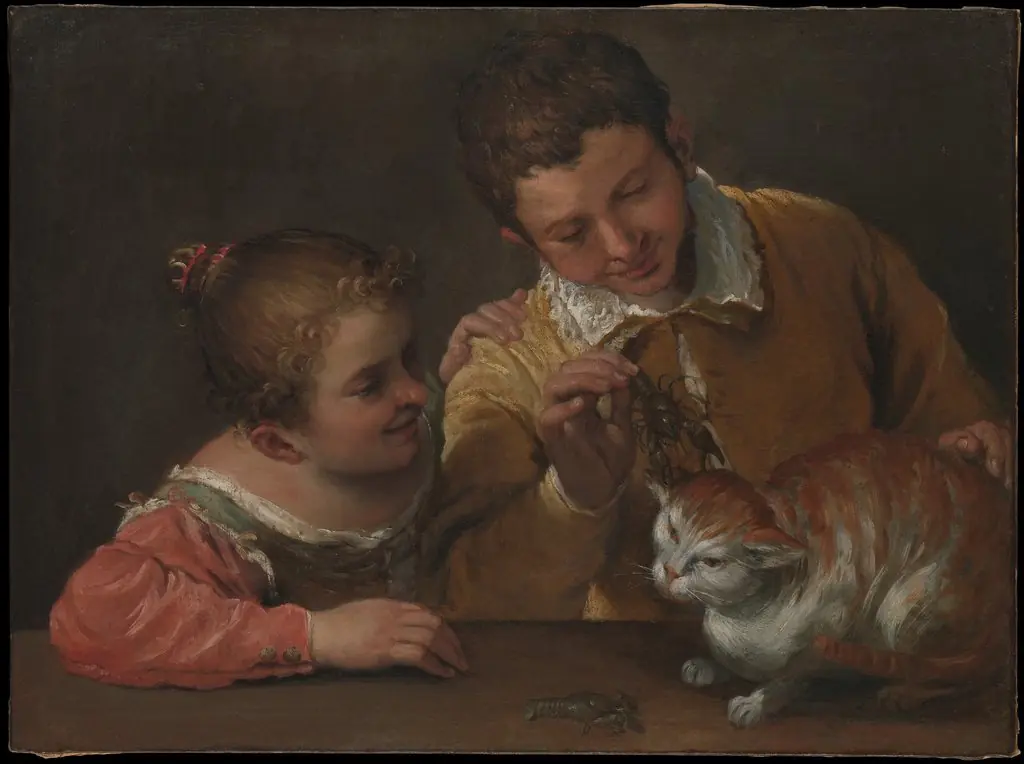 Two children teasing a cat
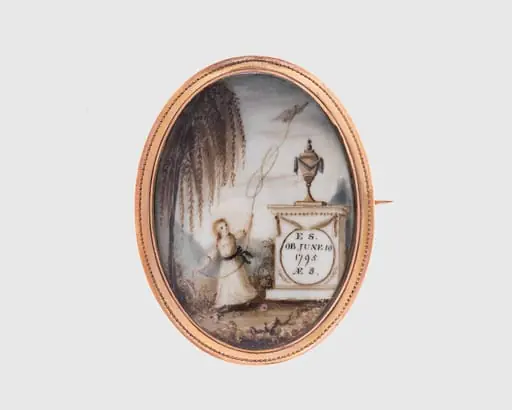 Memorial Brooch
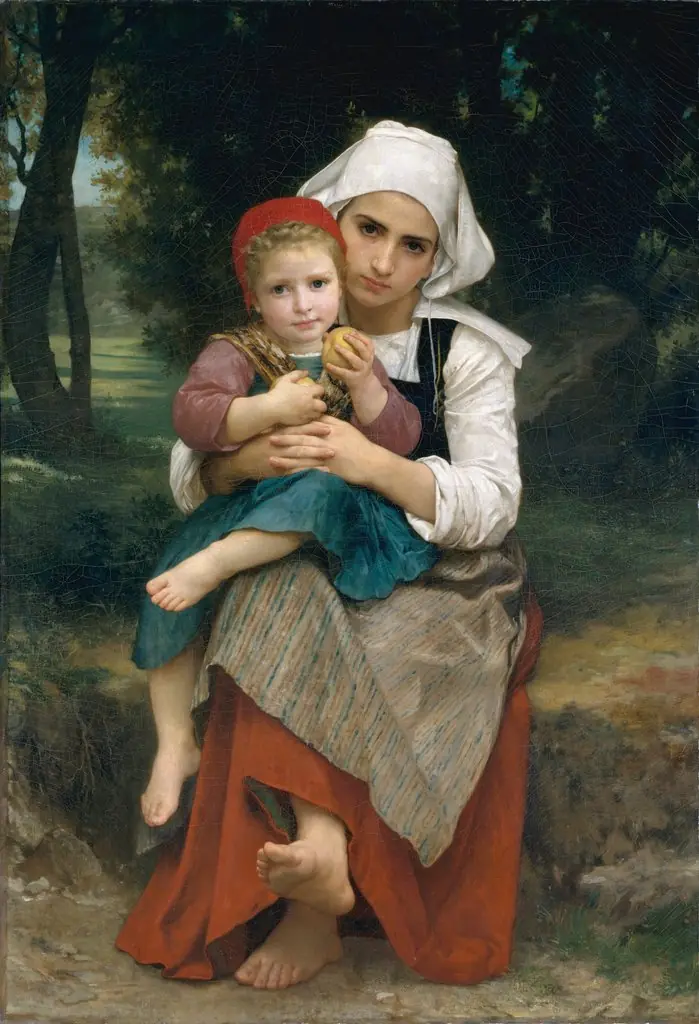 Breton Brother and Sister
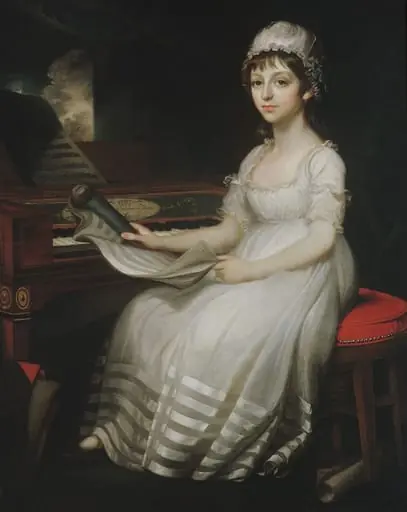 Portrait of a Young Woman
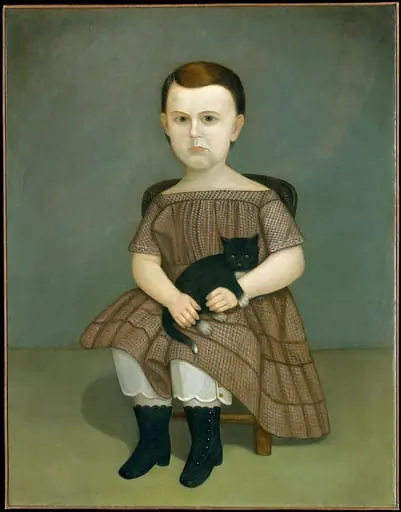 Martha Bartlett with Kitten
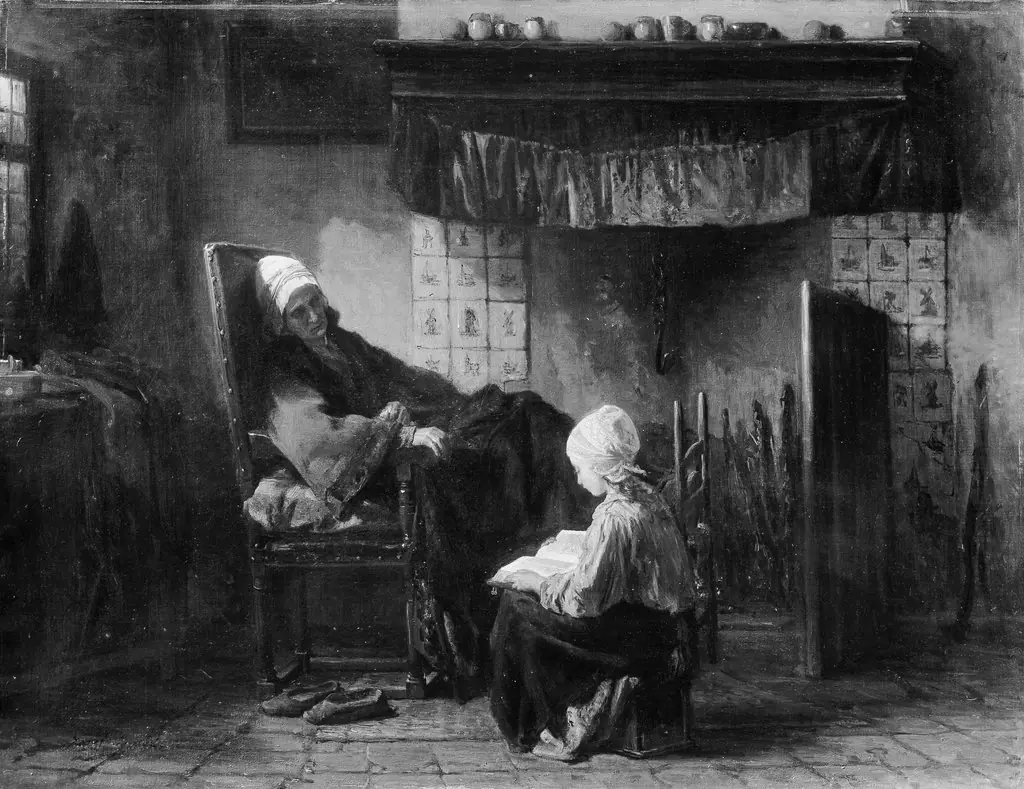 Grandmother's Treasure
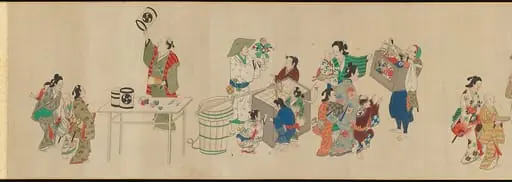 Untitled
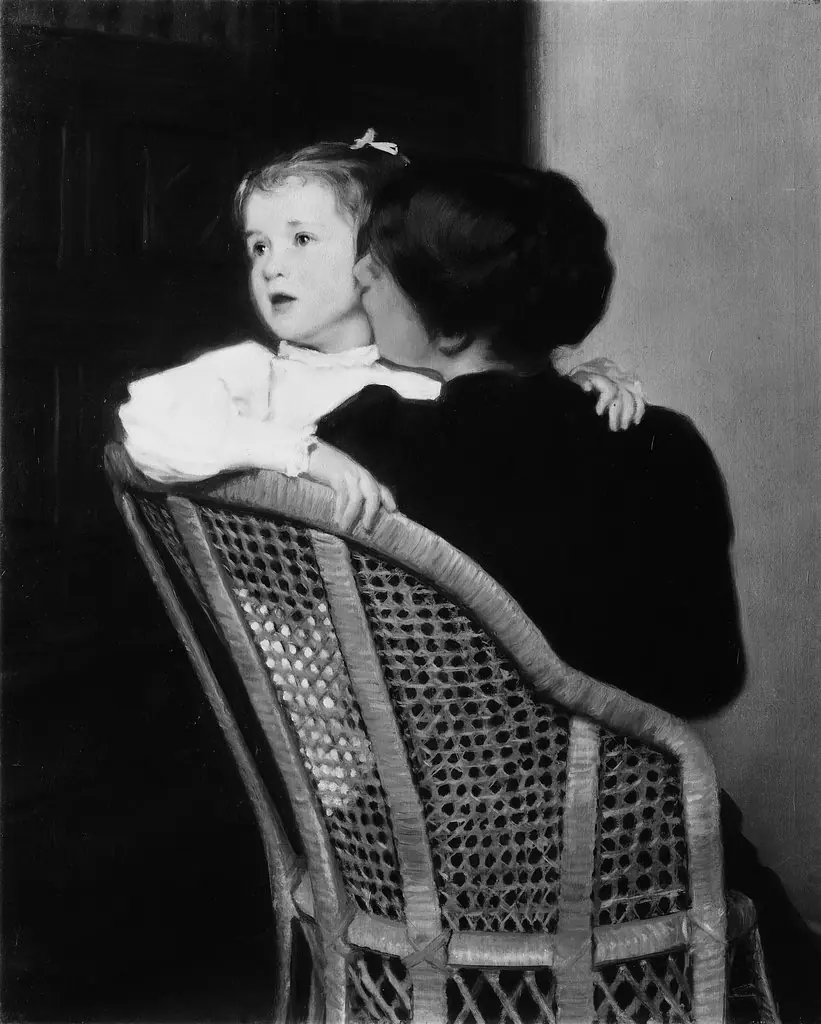 The Seer
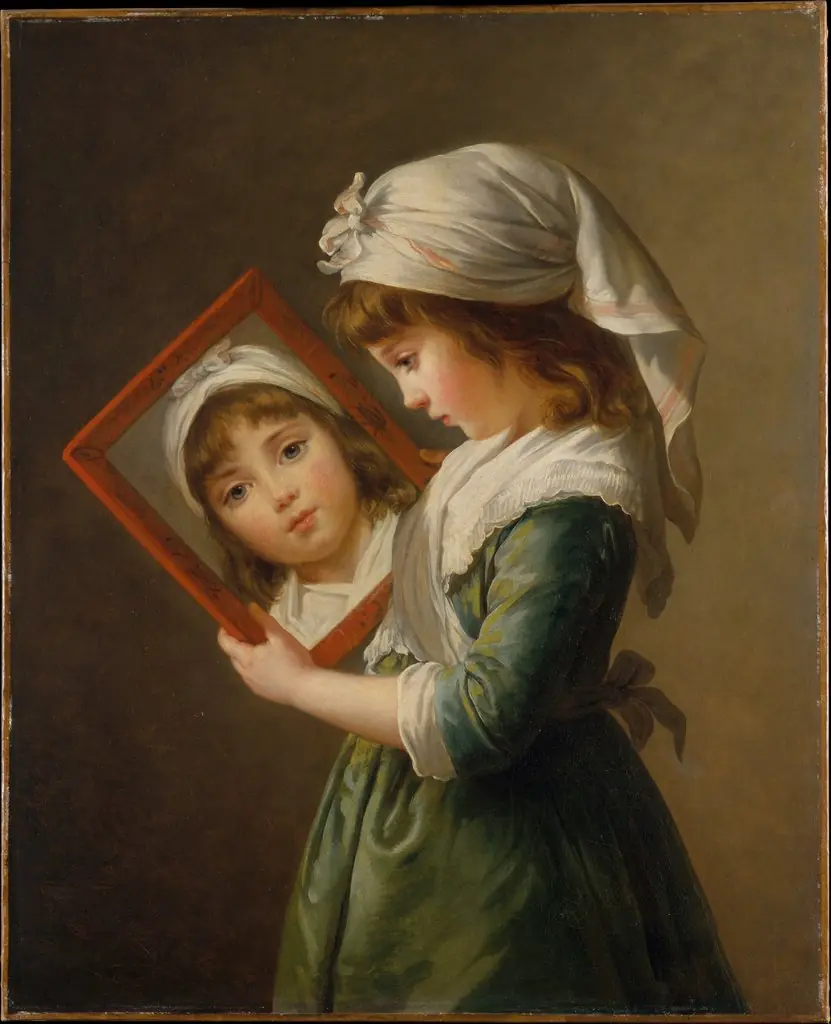 Julie Le Brun (1780–1819) Looking in a Mirror
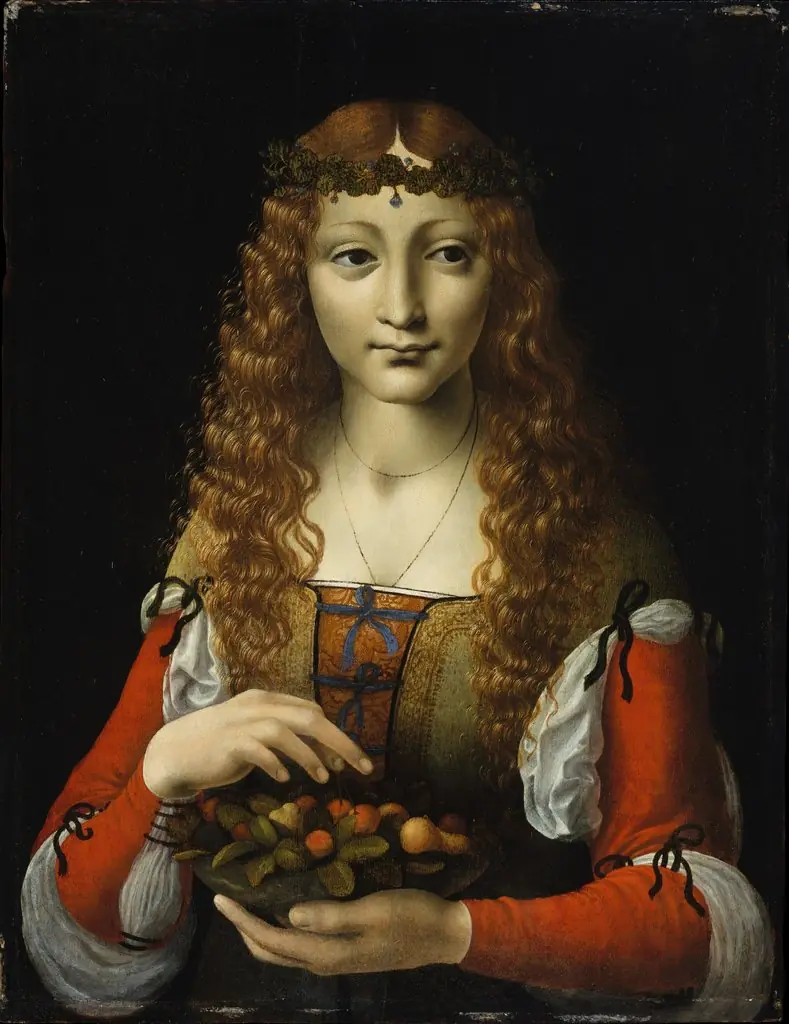 Girl with Cherries
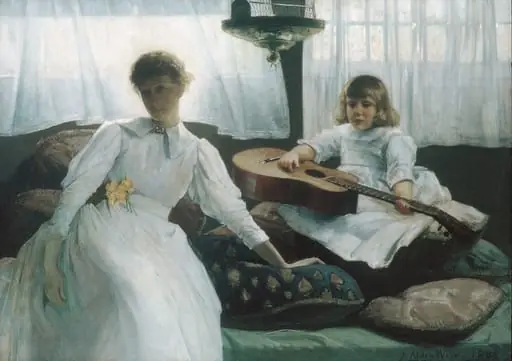 Idle Hours
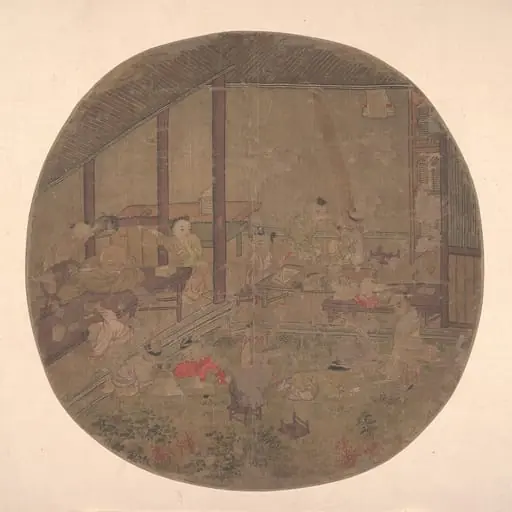 Untitled
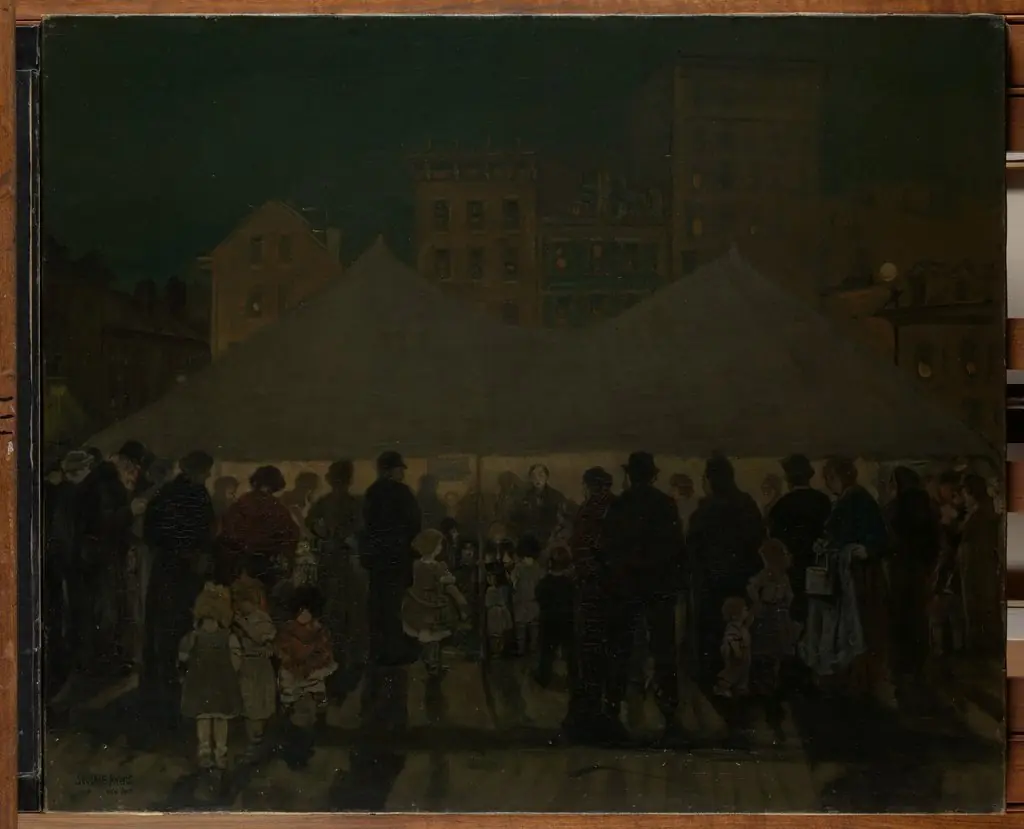 The Mission Tent
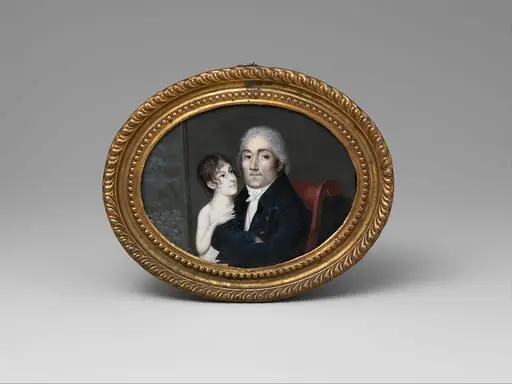 Portrait of a Gentleman and His Daughter
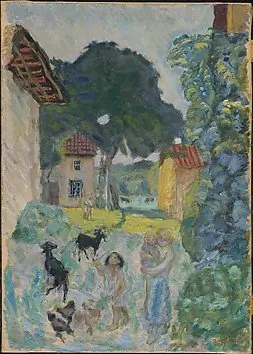 Village Scene, Grasse
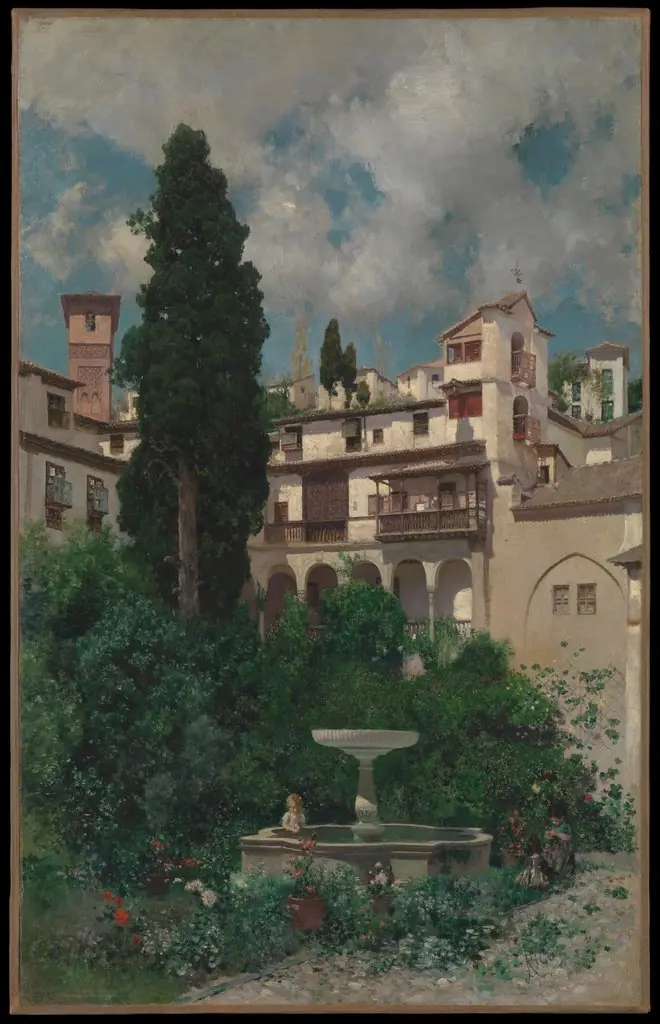 A Spanish Garden
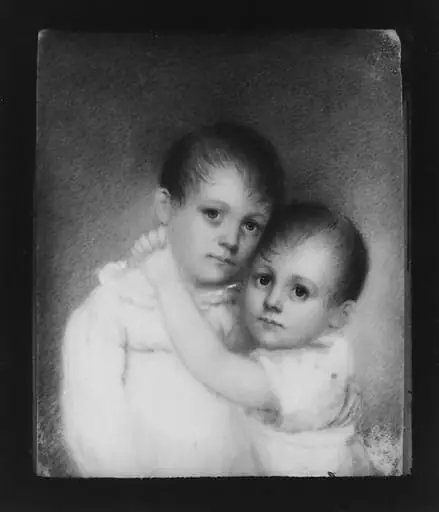 Anne Catherine Ward and John Ward
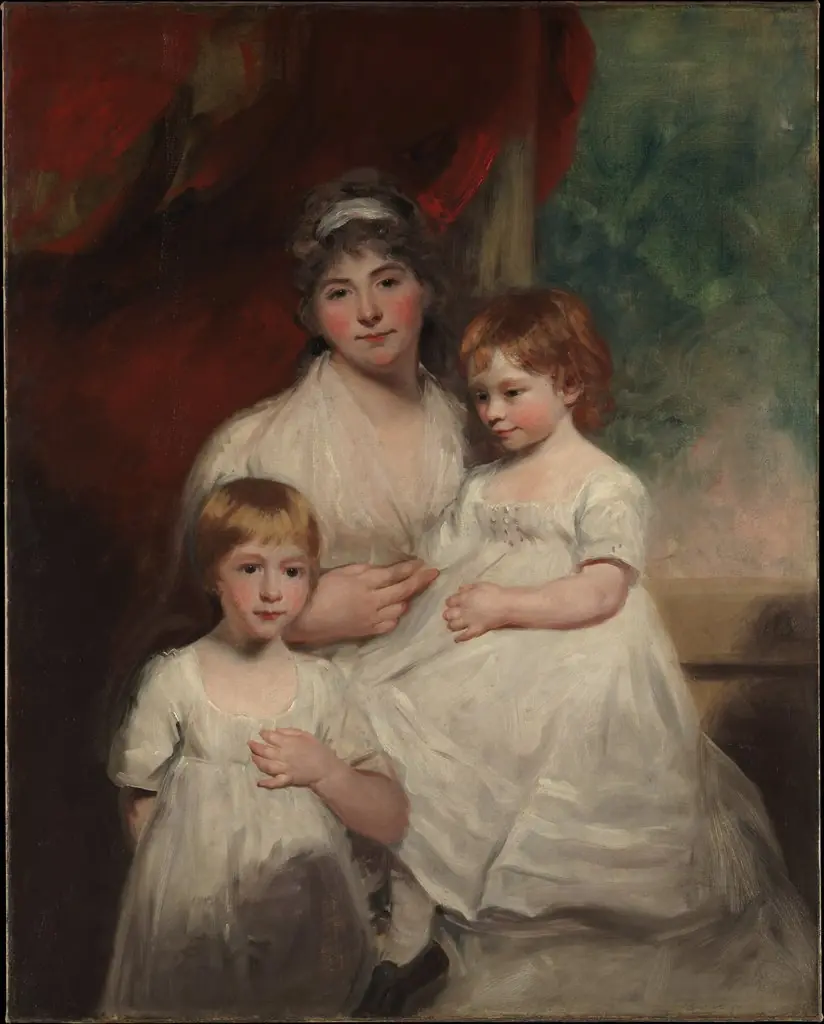 Mrs. John Garden (Ann Garden, 1769–1842) and Her Children, John (1796–1854) and Ann Margaret (born 1793)
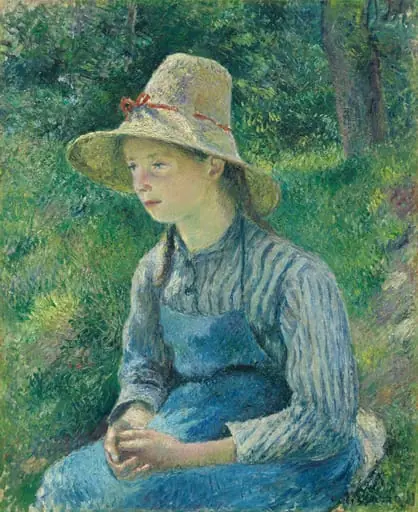 Peasant Girl with a Straw Hat
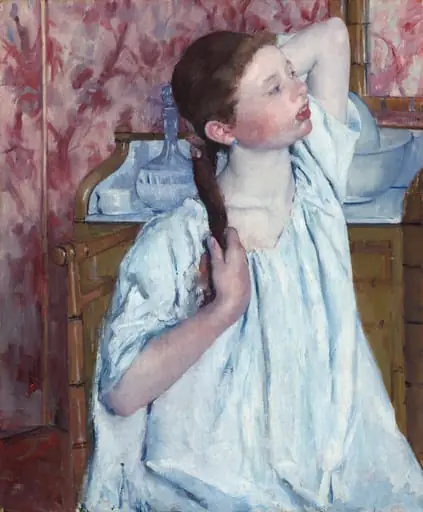 Girl Arranging Her Hair
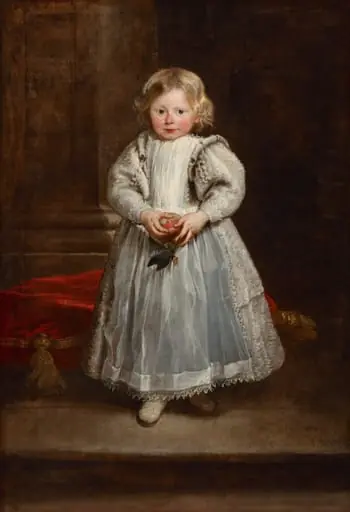 Maddalena Cattaneo
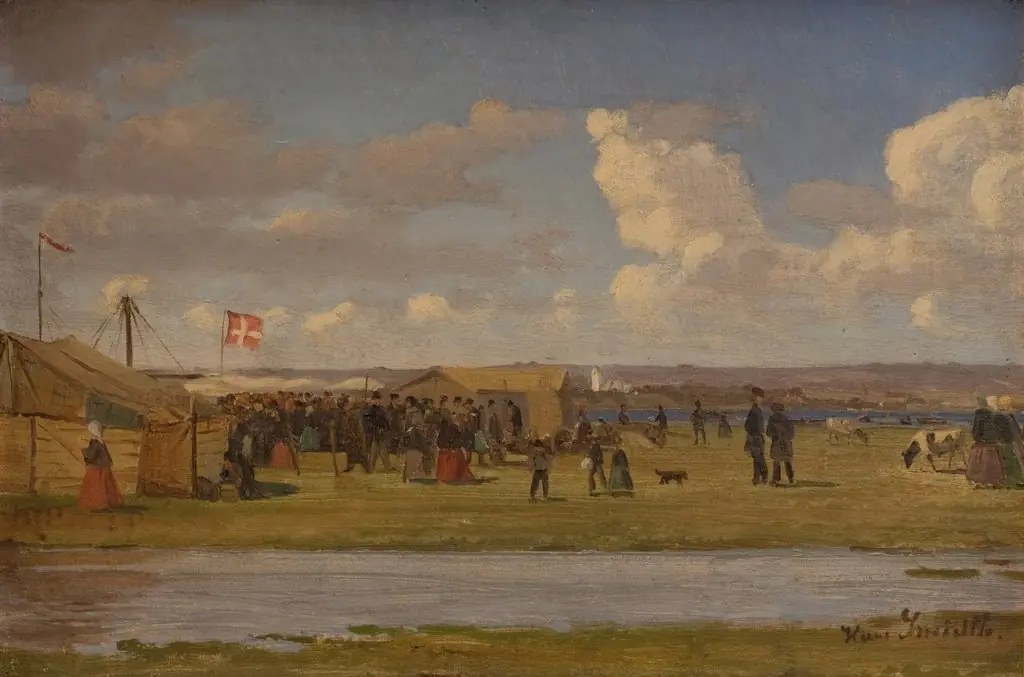 Fur marked
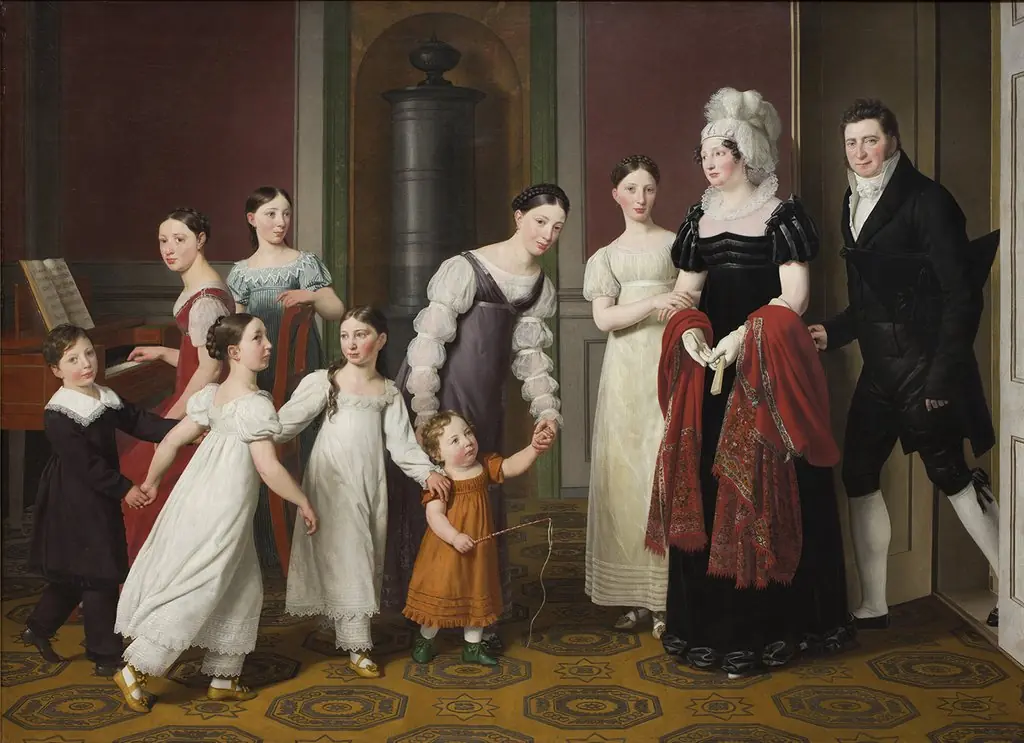 Familien Nathanson
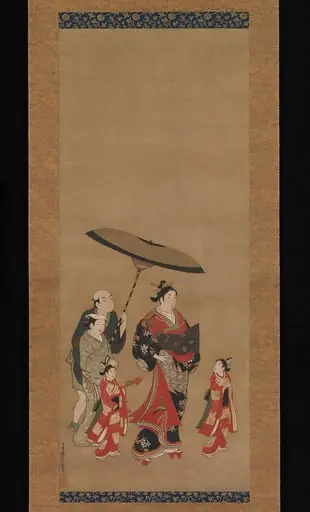 Untitled
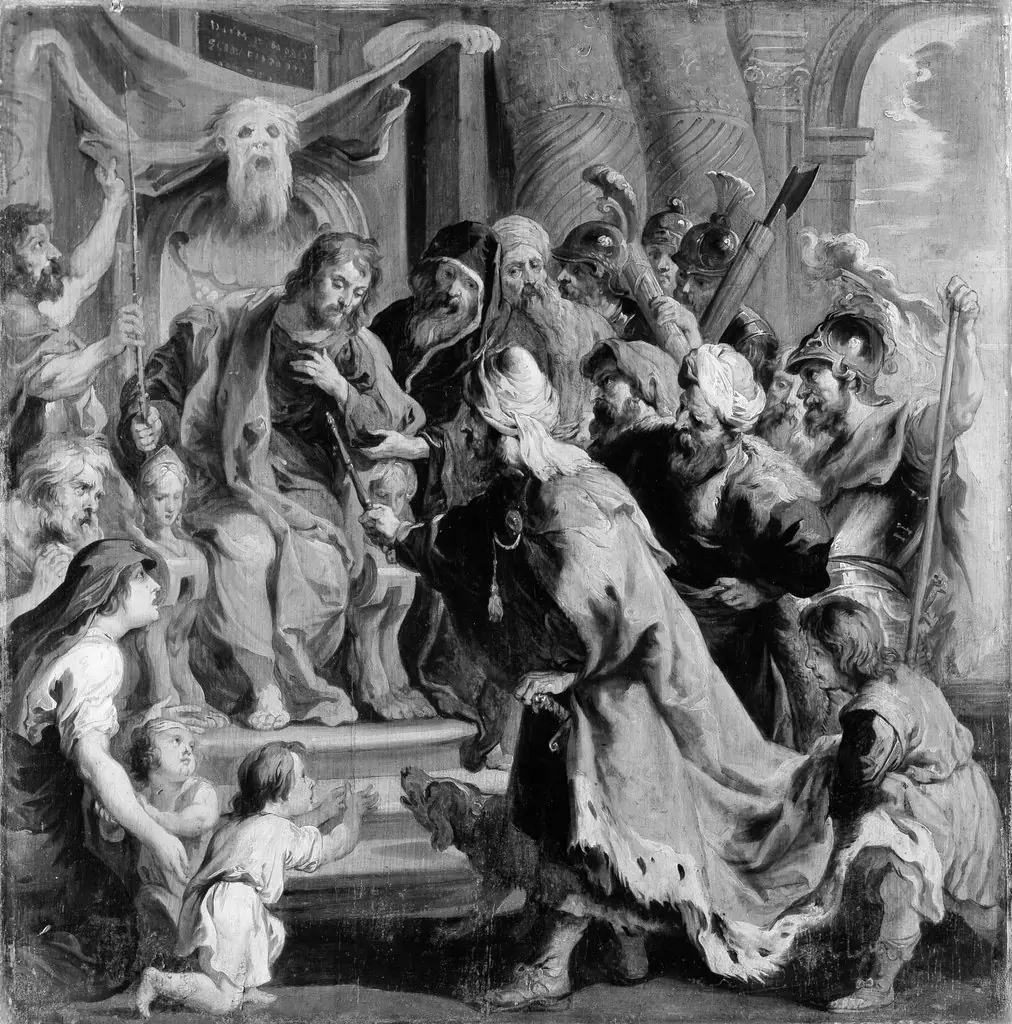 Cambyses Appointing Otanes Judge
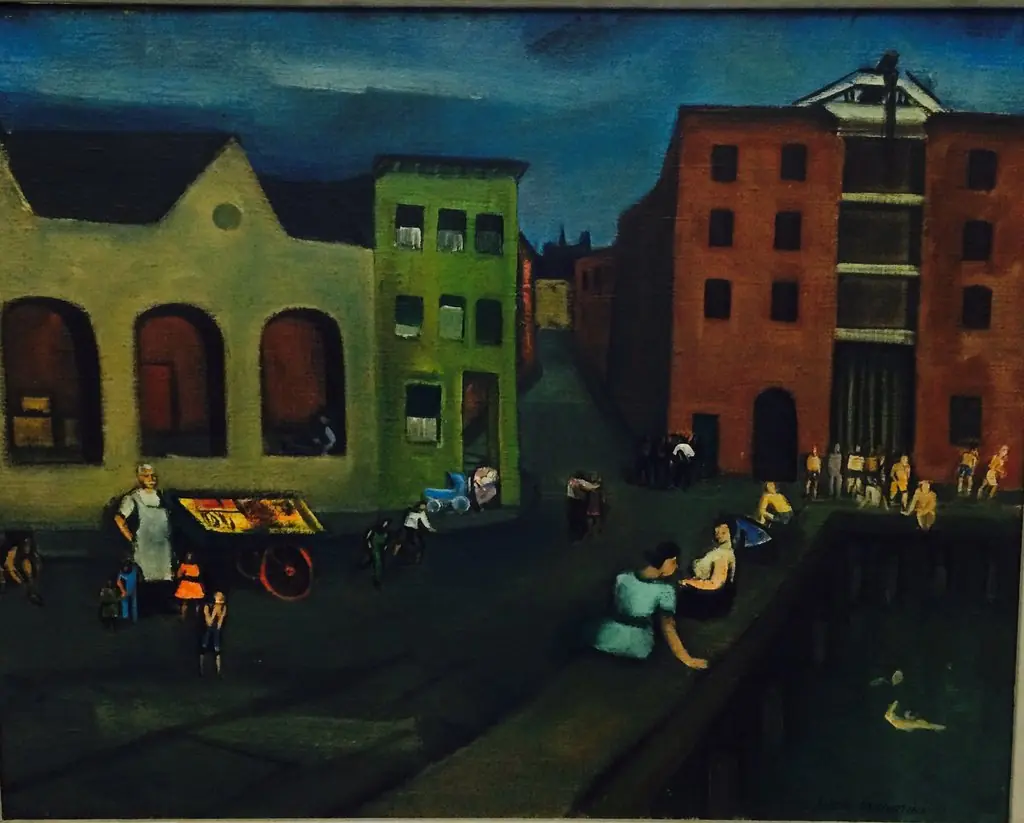 Docks on Sunday
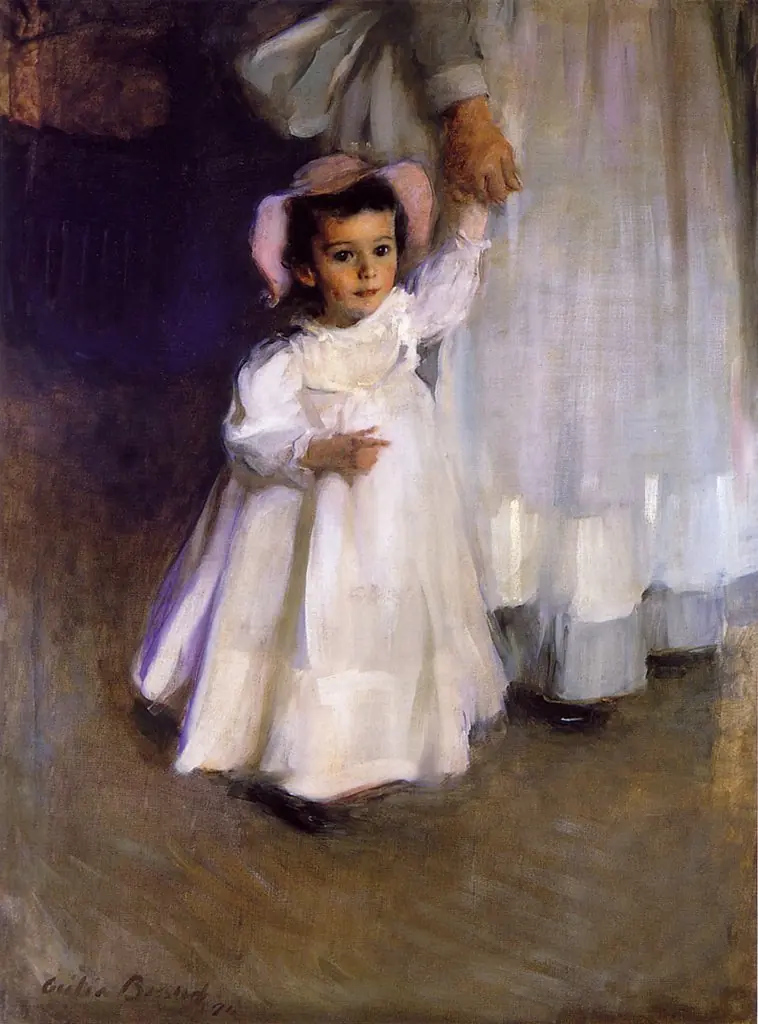 Ernesta (Child with Nurse)
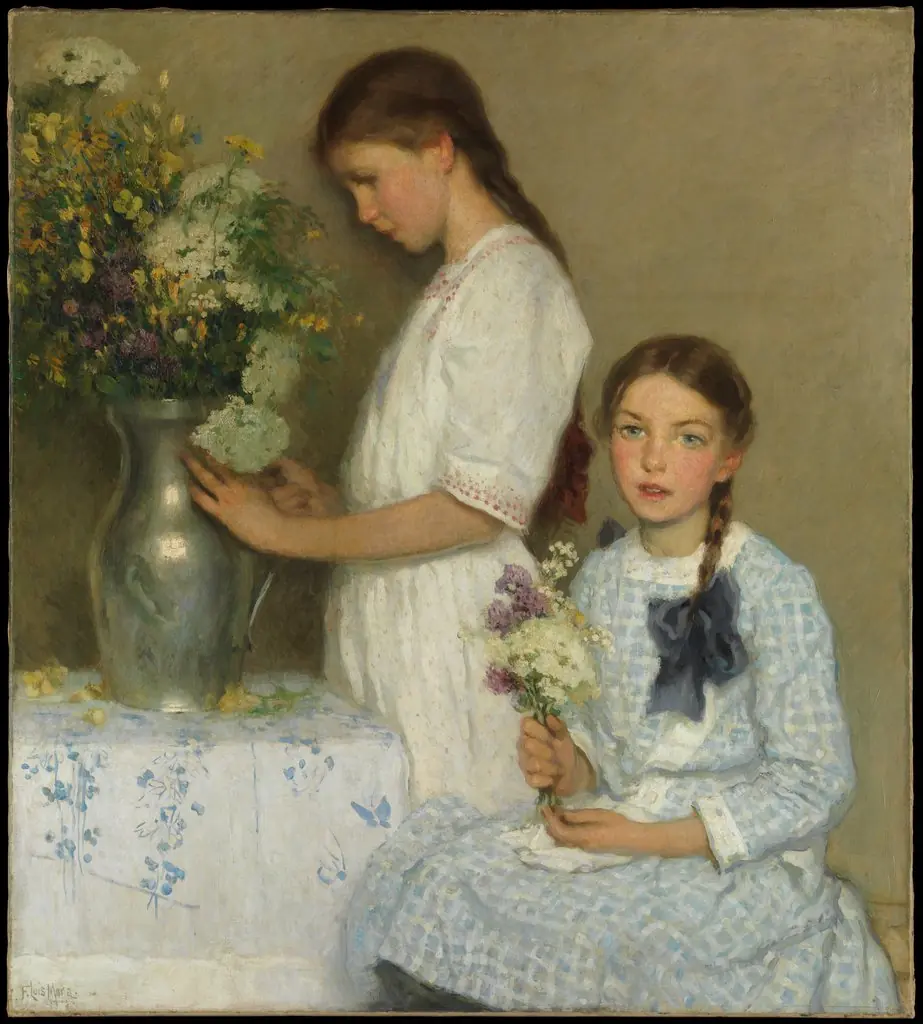 Flowers of the Field
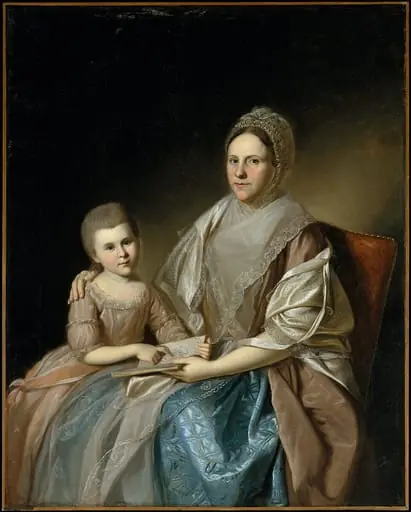 Mrs. Samuel Mifflin and Her Granddaughter Rebecca Mifflin Francis
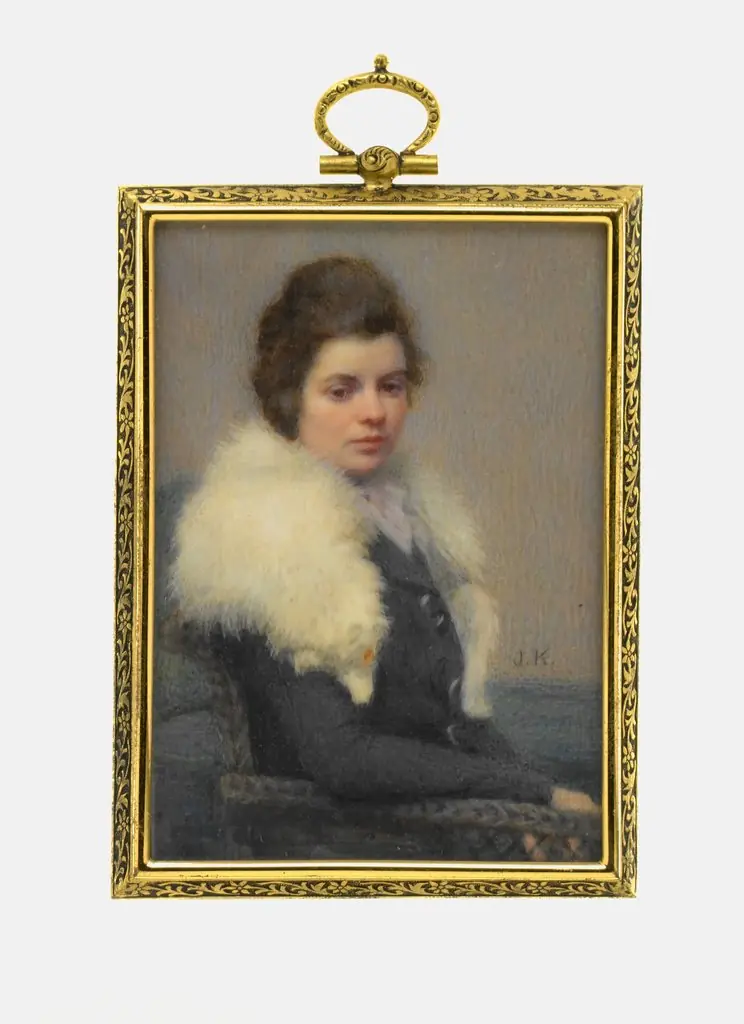 The Girl with White Fur
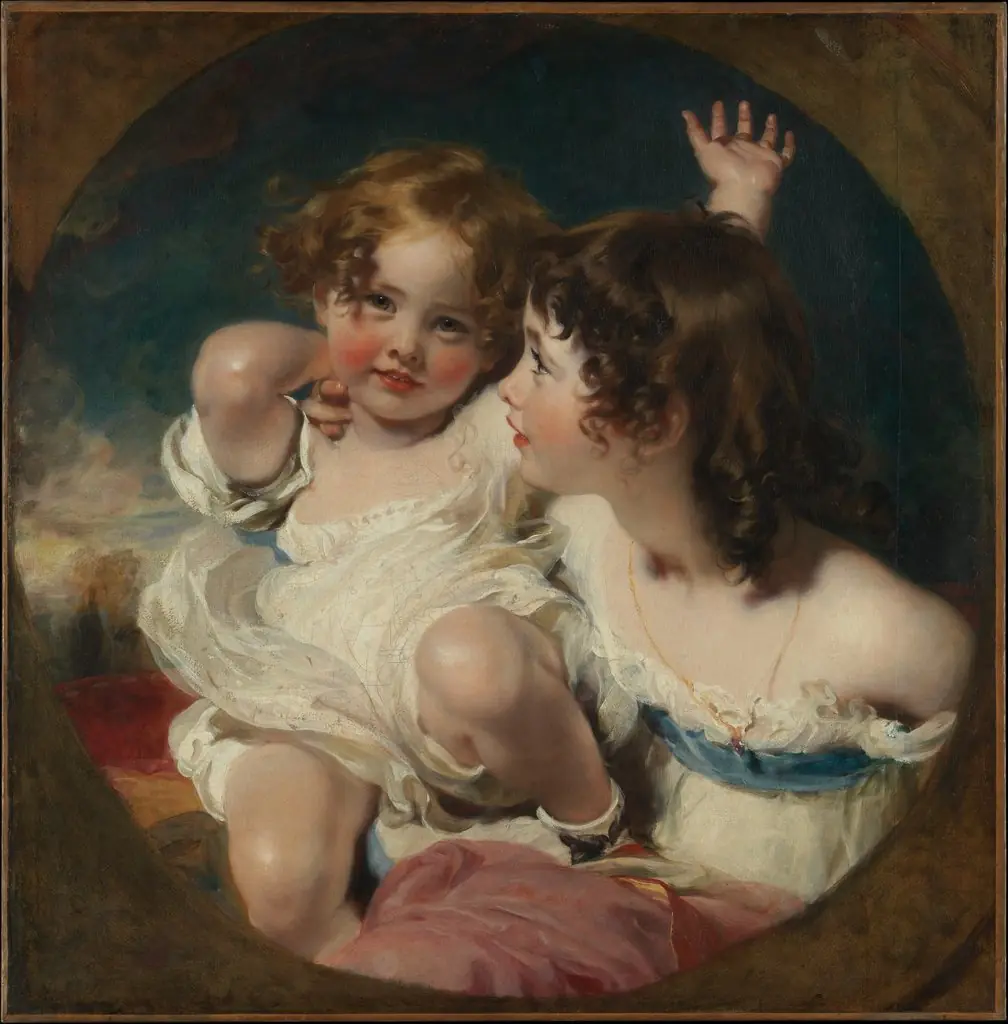 The Calmady Children (Emily, 1818–?1906, and Laura Anne, 1820–1894)
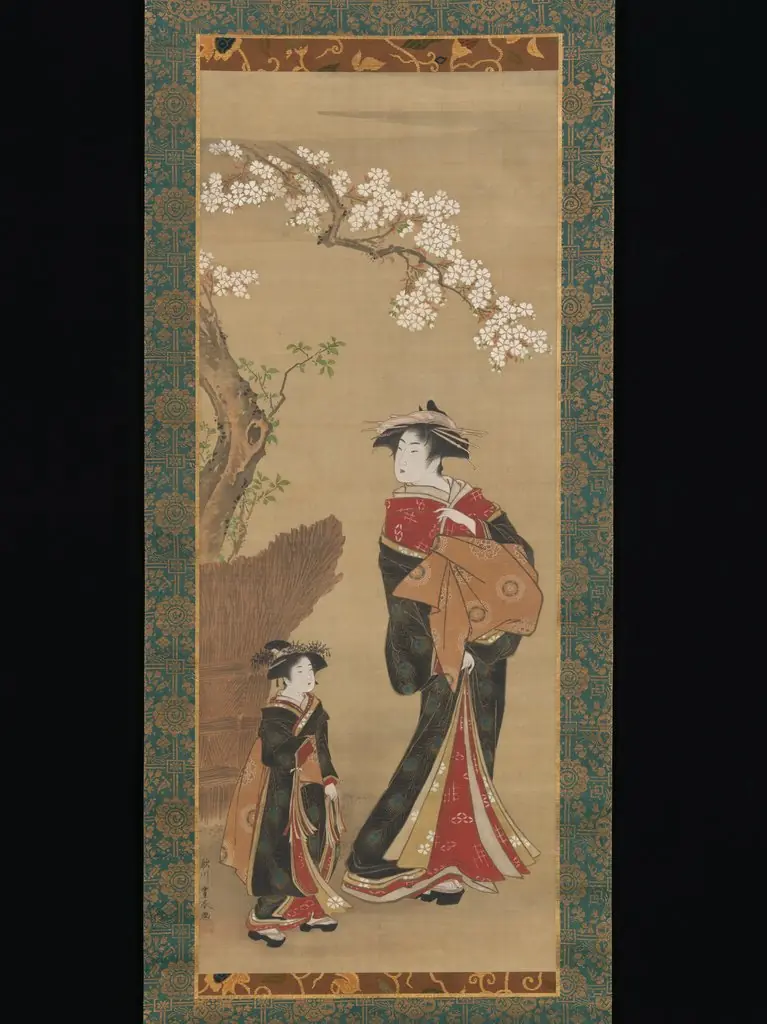 Courtesan and her Attendant under a Cherry Tree
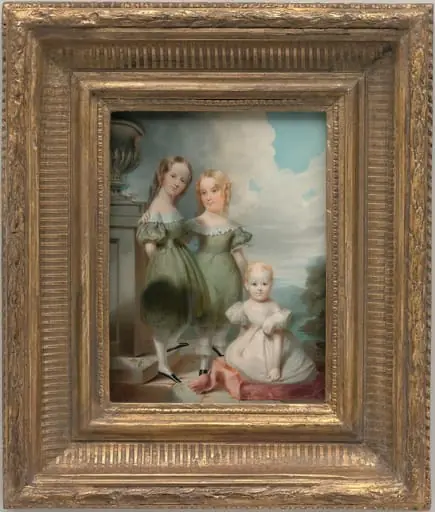 The Children of Homer Ramsdell, Esq.
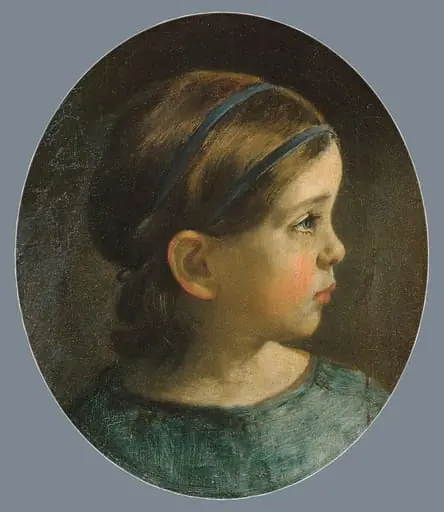 Daughter of William Page (Probably Mary Page)
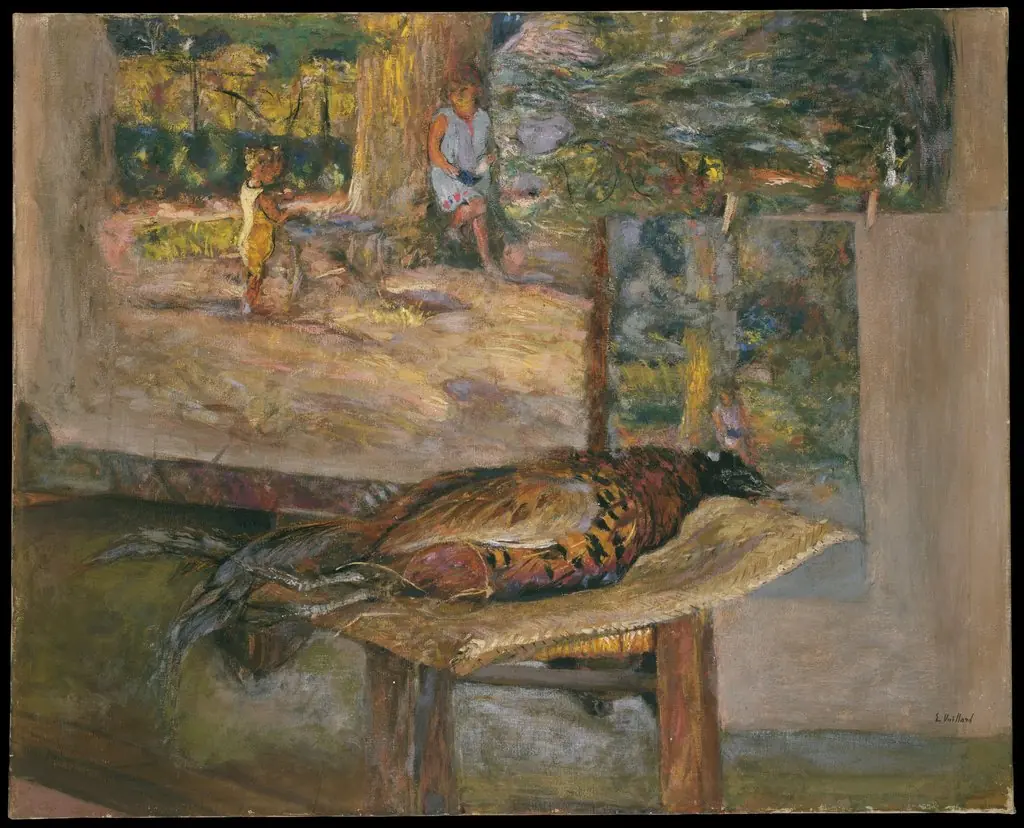 Interior with Paintings and a Pheasant
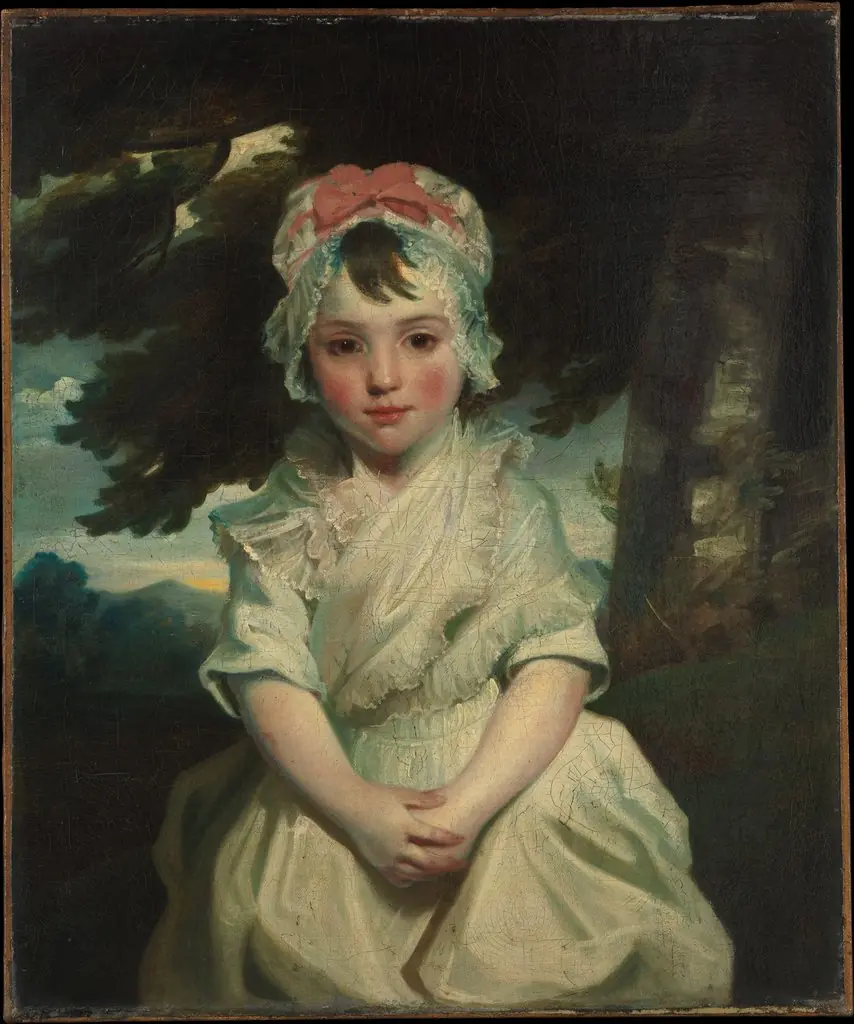 Georgiana Augusta Frederica Elliott (1782–1813), Later Lady Charles Bentinck
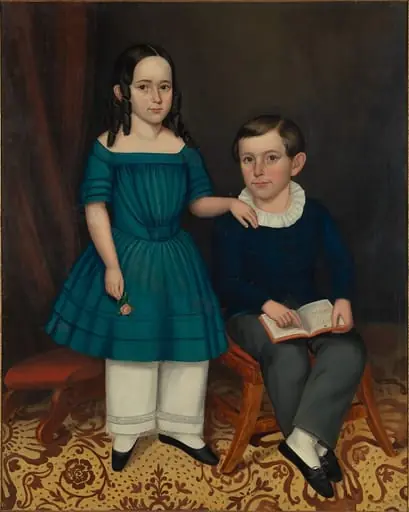 John and Louisa Stock
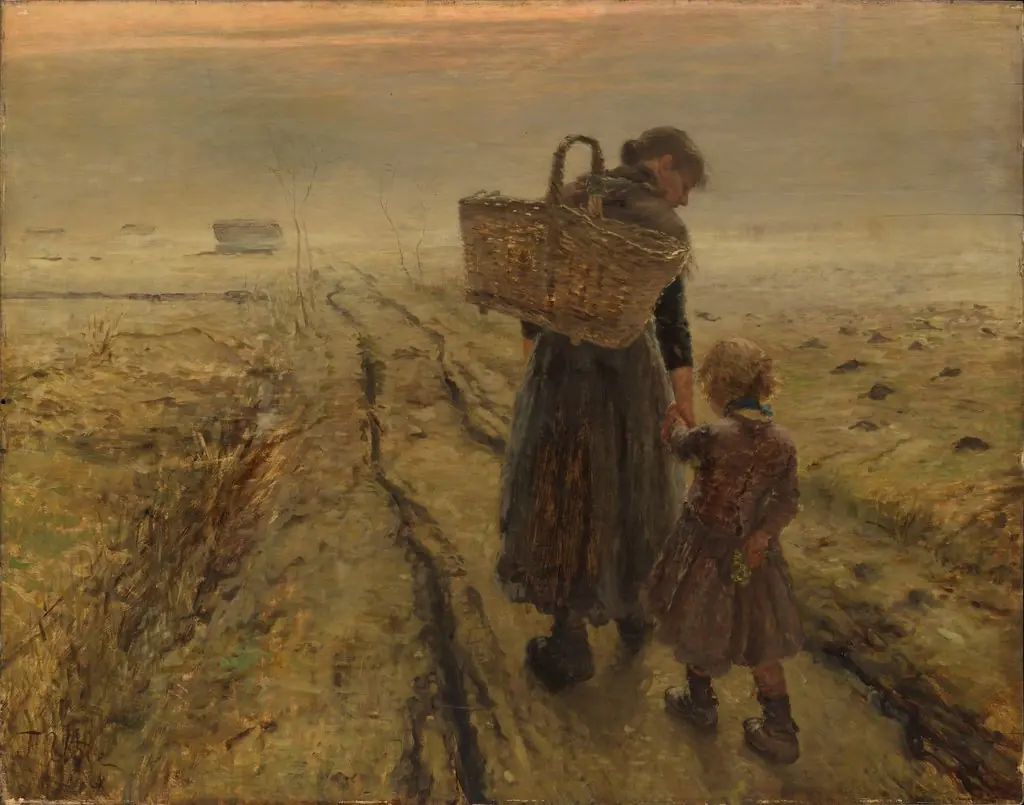 Going Home
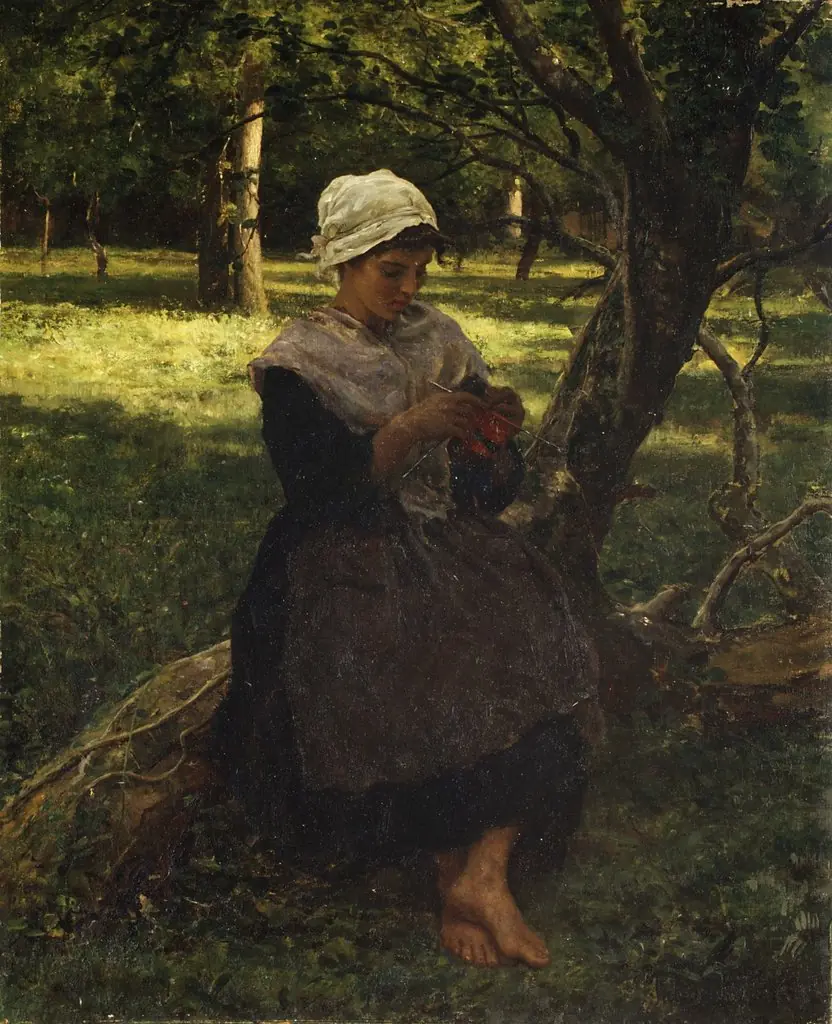 A Peasant Girl Knitting
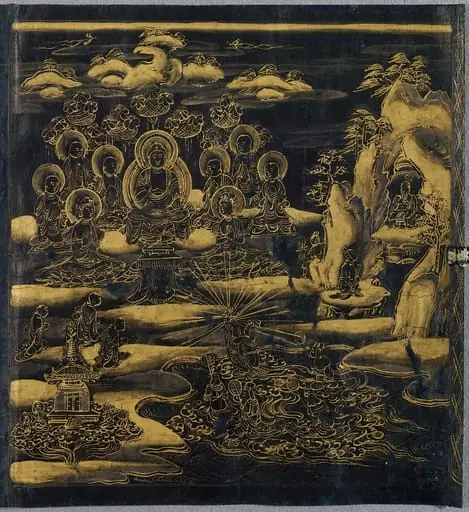 『妙法蓮華経』 「提婆達多品第十二」|“Devadatta,” Chapter 12 of the Lotus Sutra (Hoke-kyō, Daibadatta-bon)
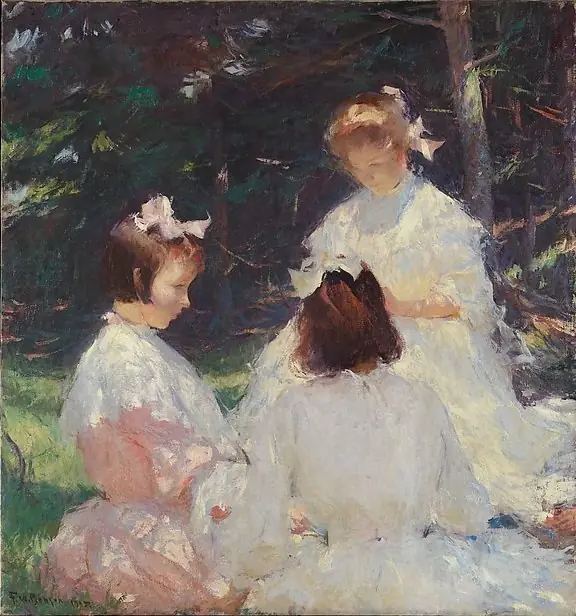 Children in Woods
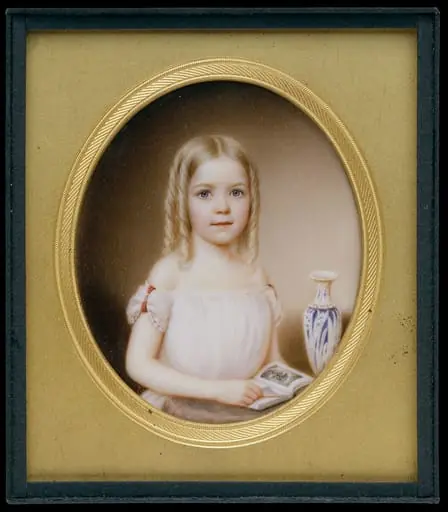 Kate Roselie Dodge
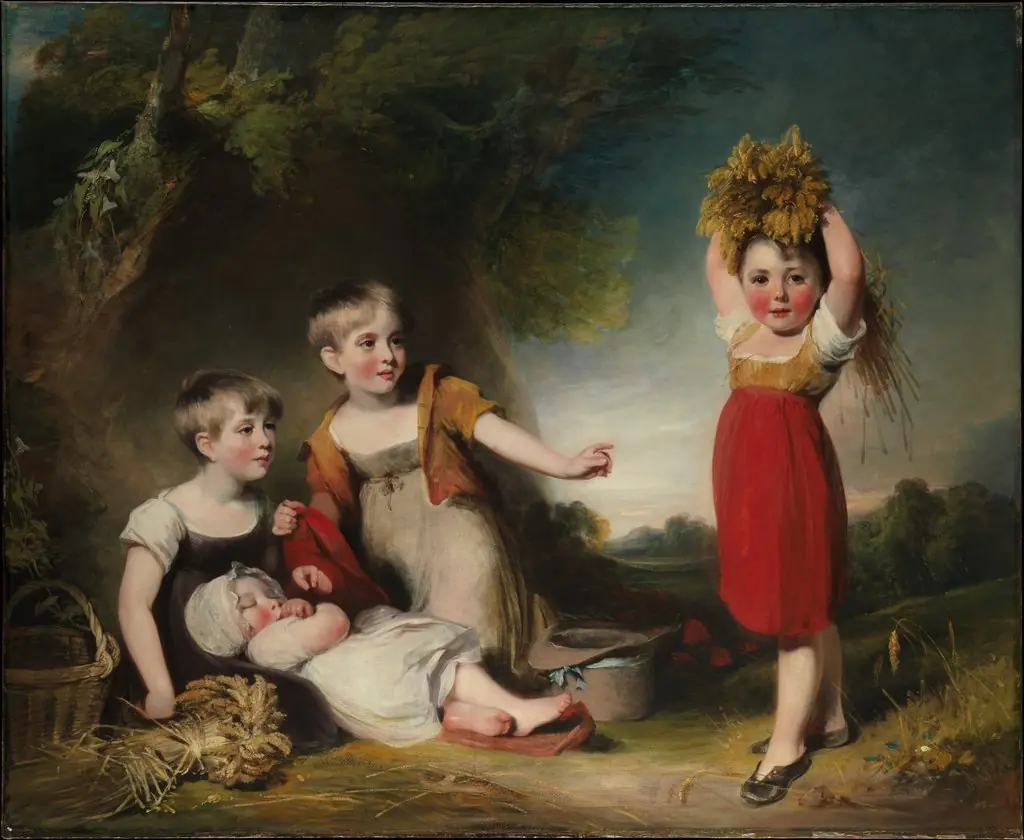 The Grandchildren of Sir William Heathcote, 3rd Baronet
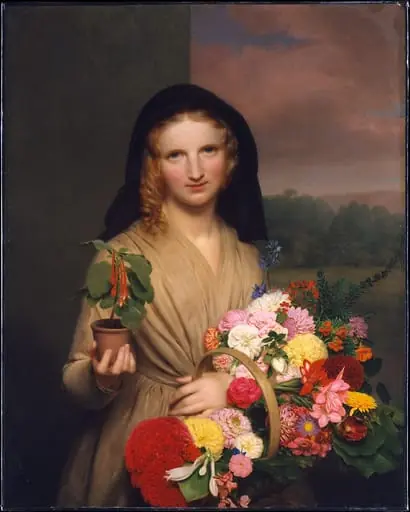 The Flower Girl
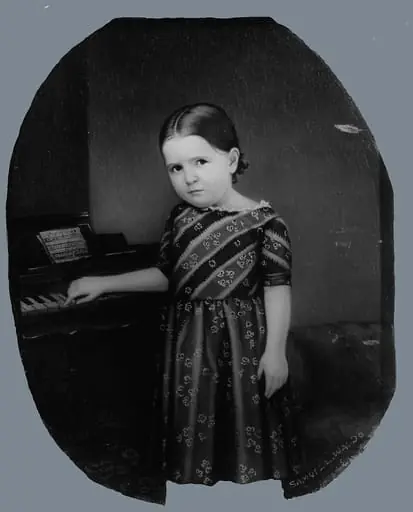 Portrait of a Girl
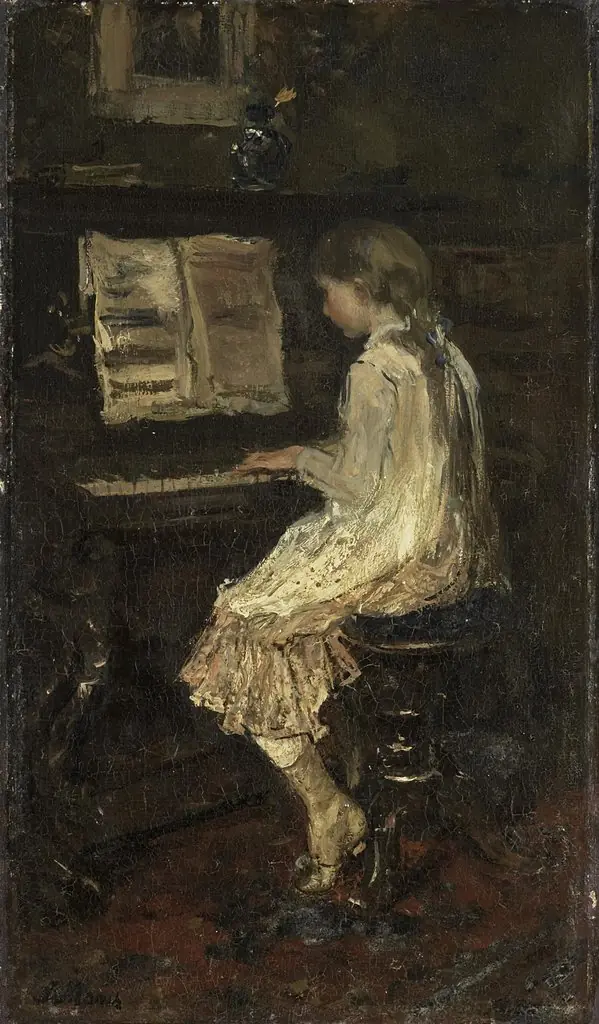 Girl at the Piano
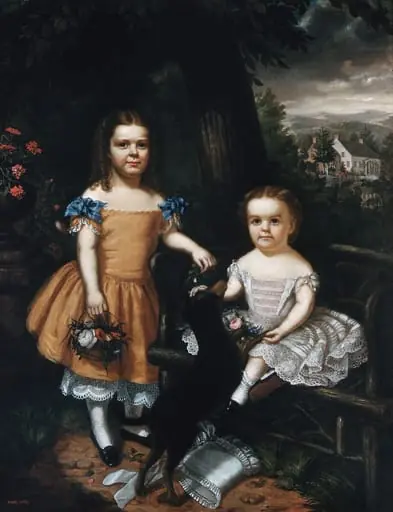 The Daughters of Daniel T. MacFarlan
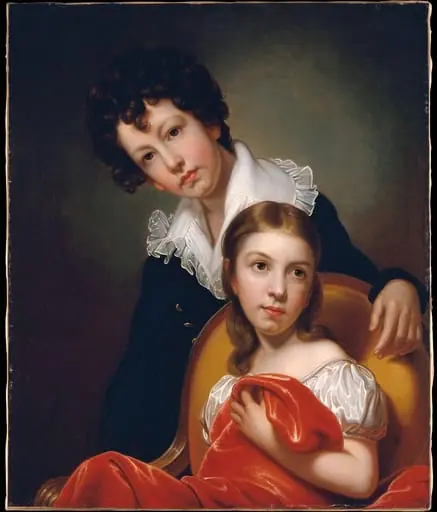 Michael Angelo and Emma Clara Peale
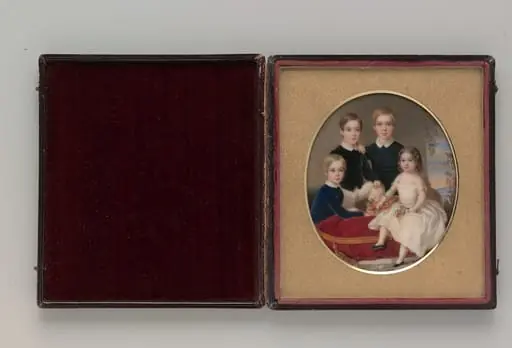 The Thompson Children
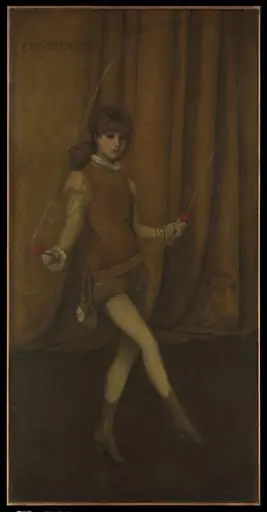 Harmony in Yellow and Gold: The Gold Girl—Connie Gilchrist
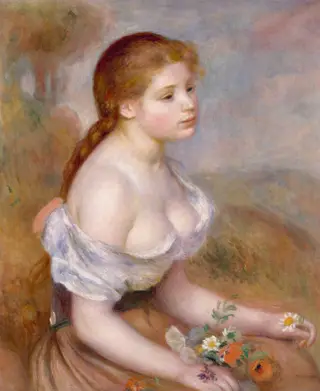 A Young Girl with Daisies
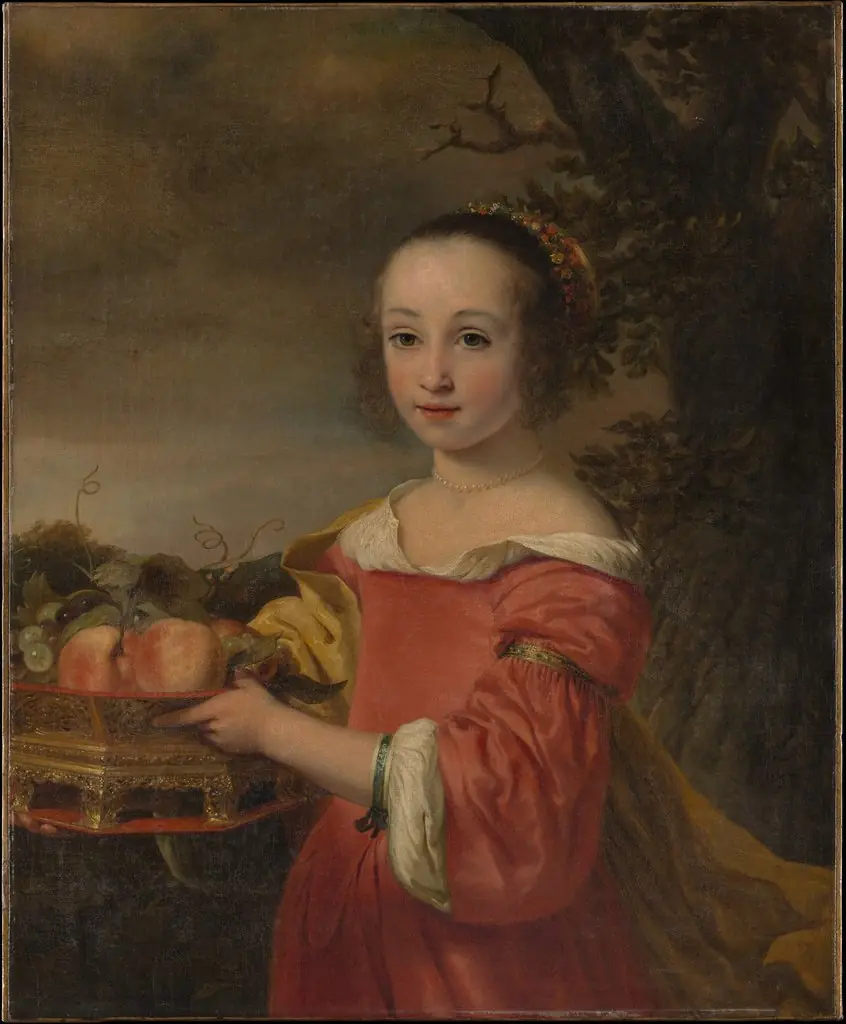 Petronella Elias (1648–1667) with a Basket of Fruit
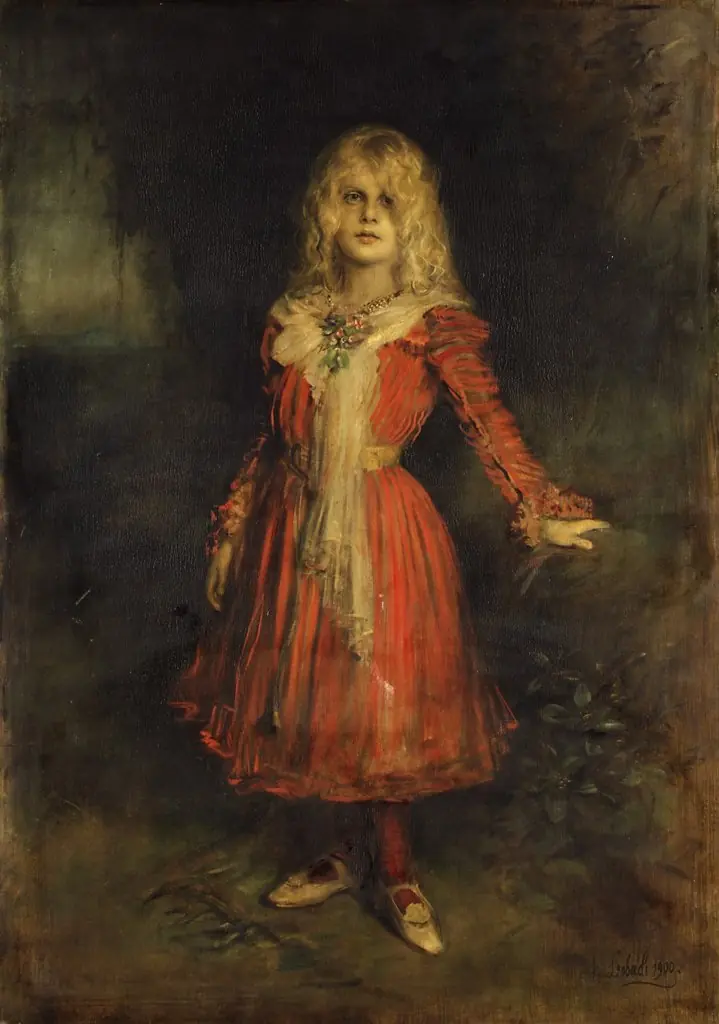 Marion Lenbach (1892–1947), the Artist's Daughter
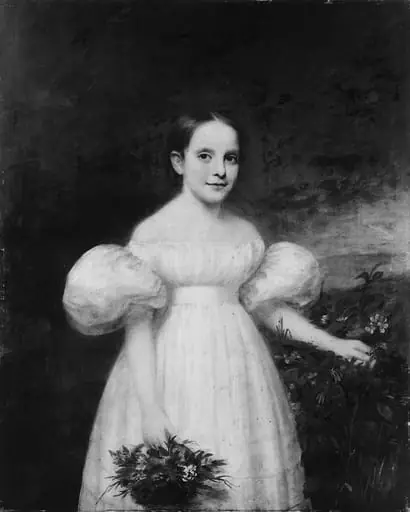 Portrait of a Girl with Flowers
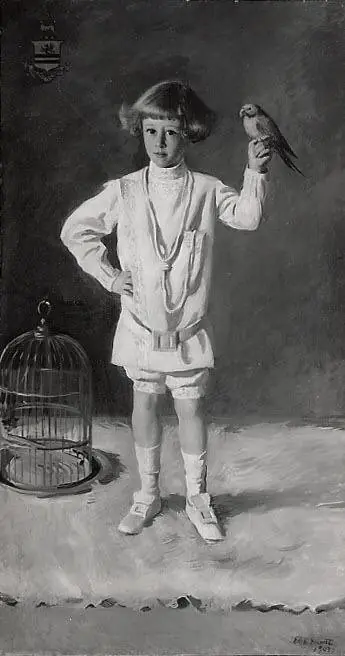 Amory S. Carhart, Jr.
 Portrait of a Man
 Portrait of a Child
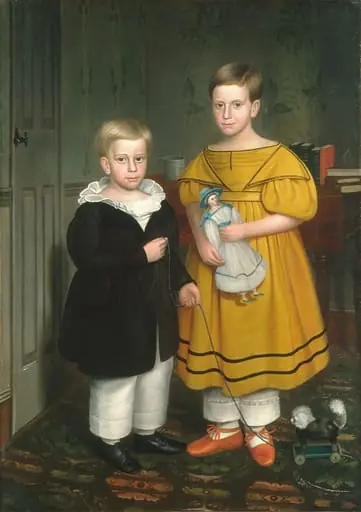 The Raymond Children
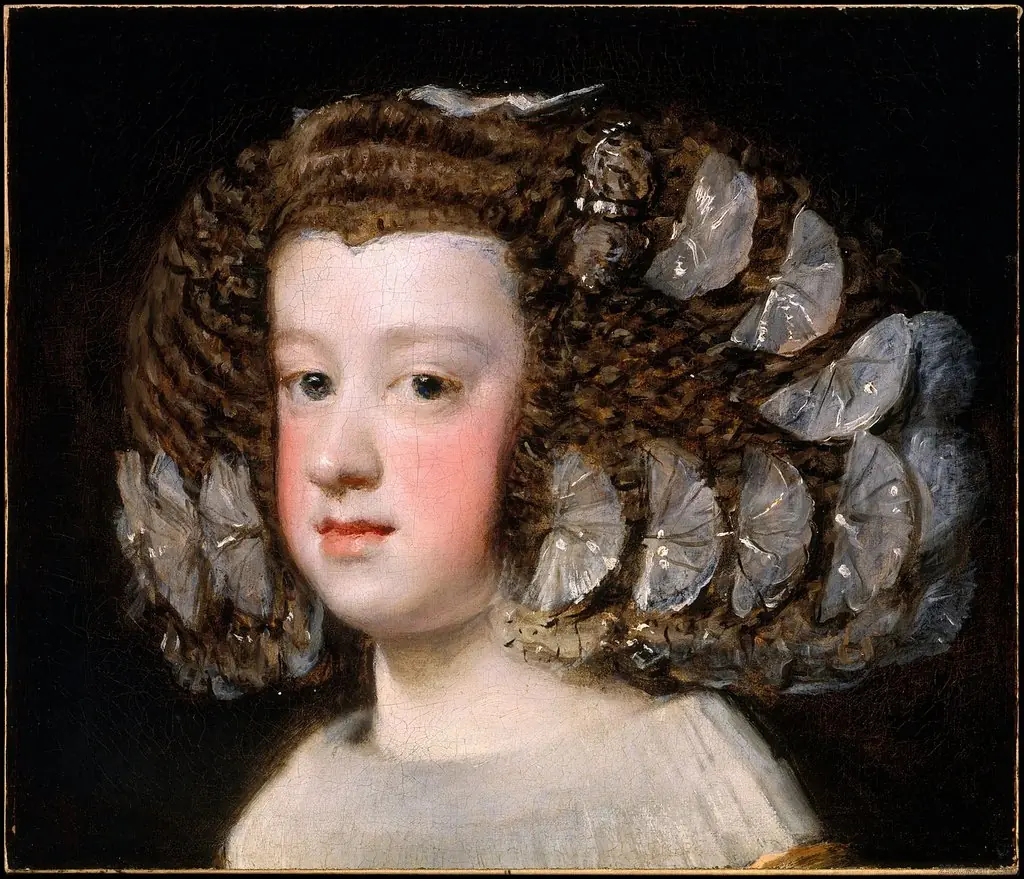 María Teresa (1638–1683), Infanta of Spain
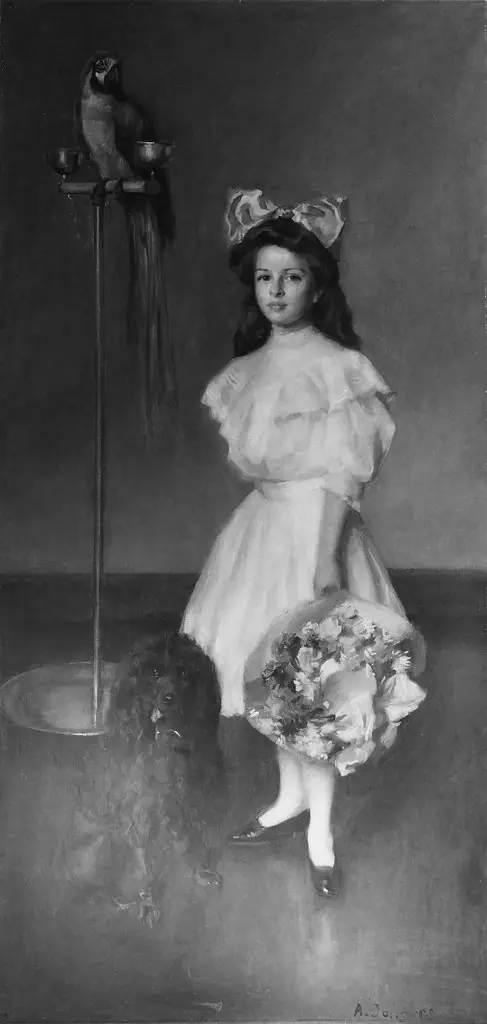 Louise
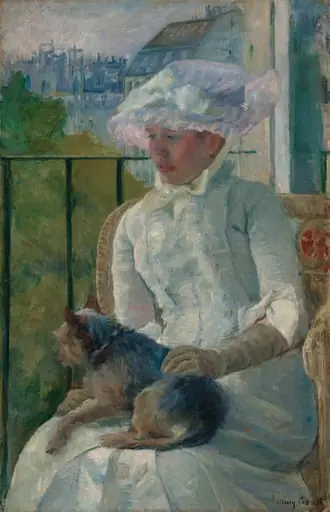 Young Girl at a Window
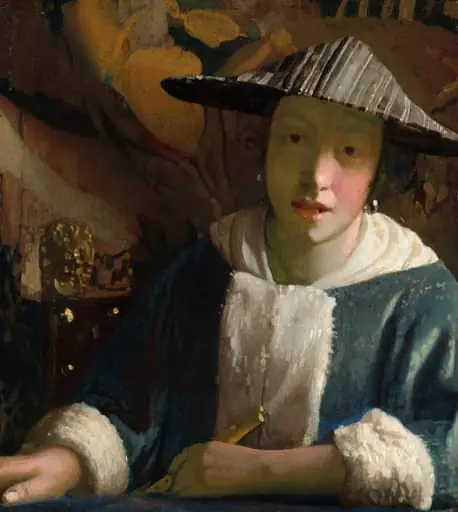 Girl with a Flute
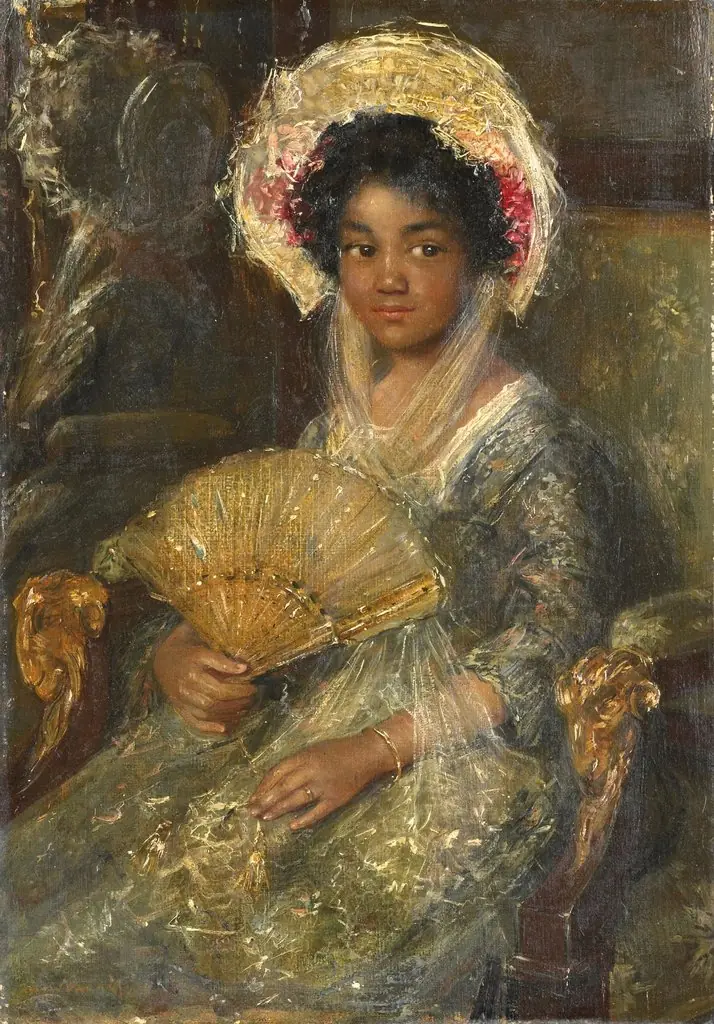 Isabella
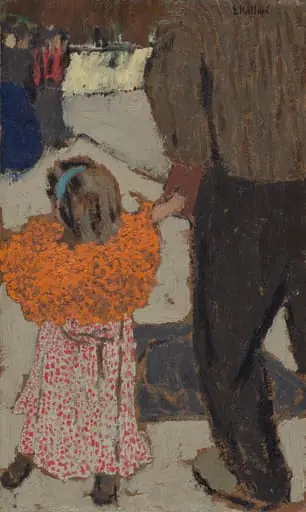 Child Wearing a Red Scarf
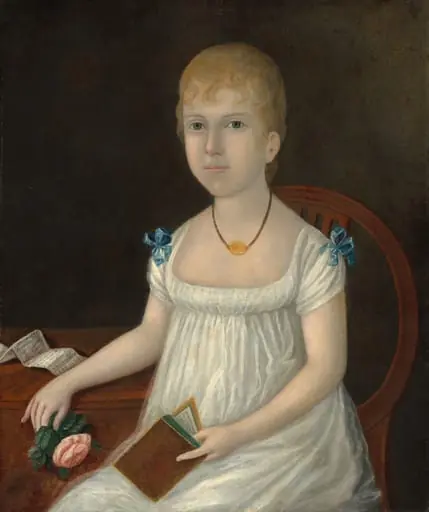 Adelina Morton
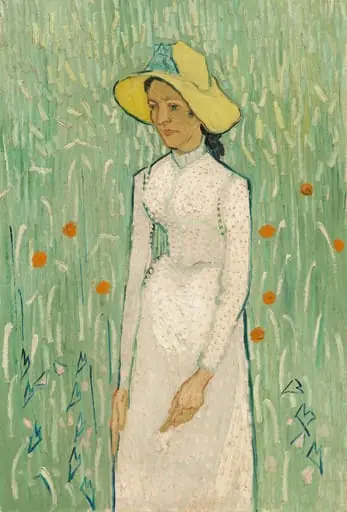 Girl in White
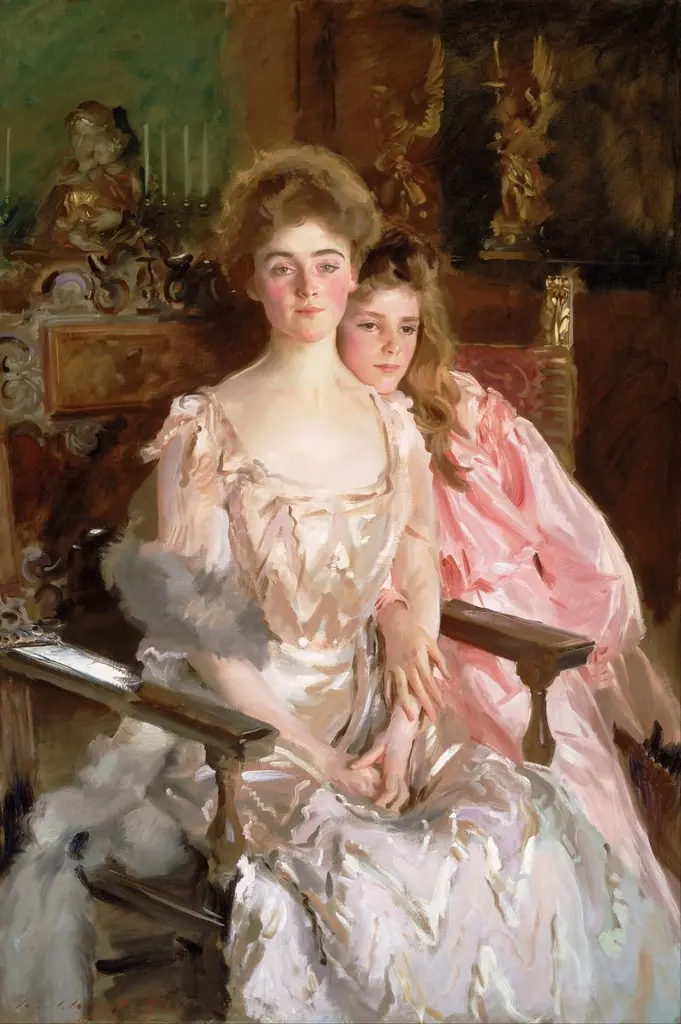 Mrs. Fiske Warren (Gretchen Osgood) and Her Daughter Rachel
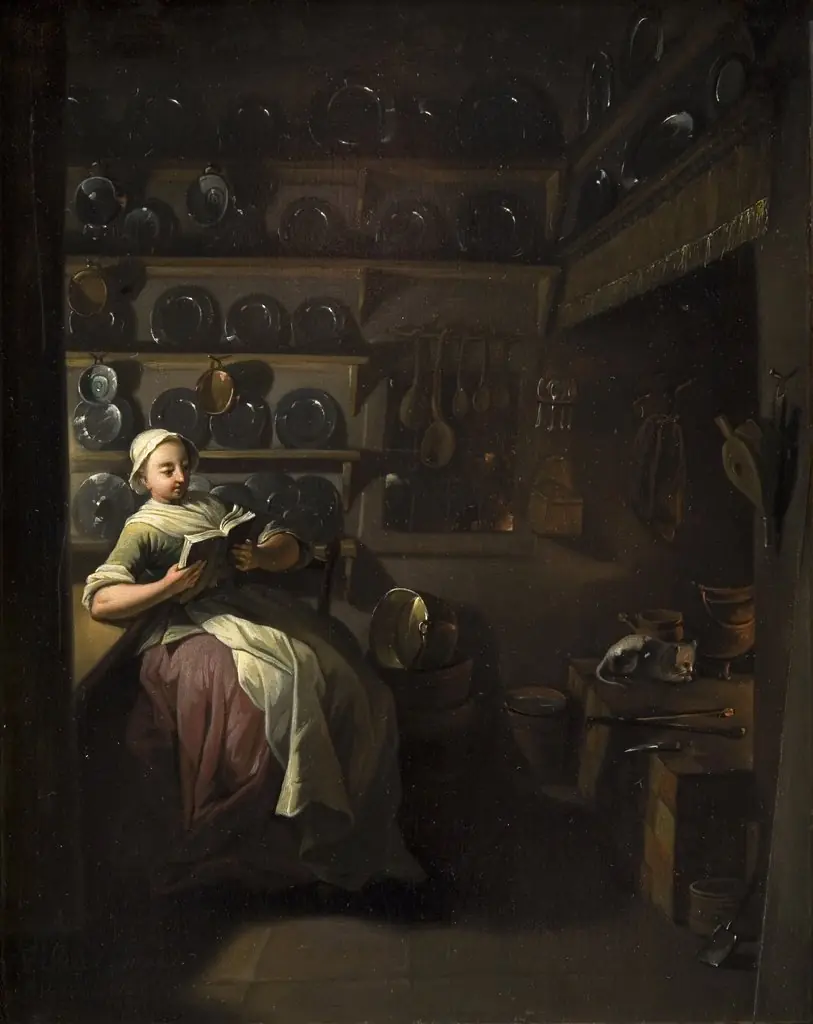 Kitchen Interior with a Girl Reading
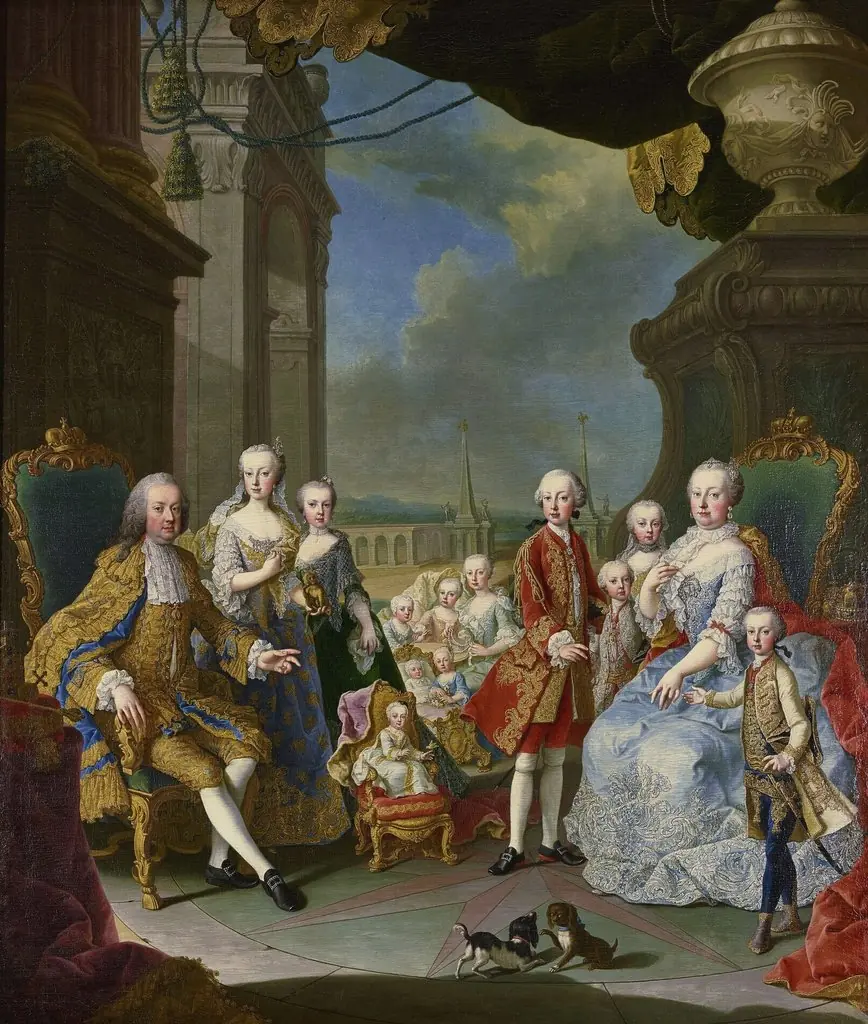 The Imperial family in 1756
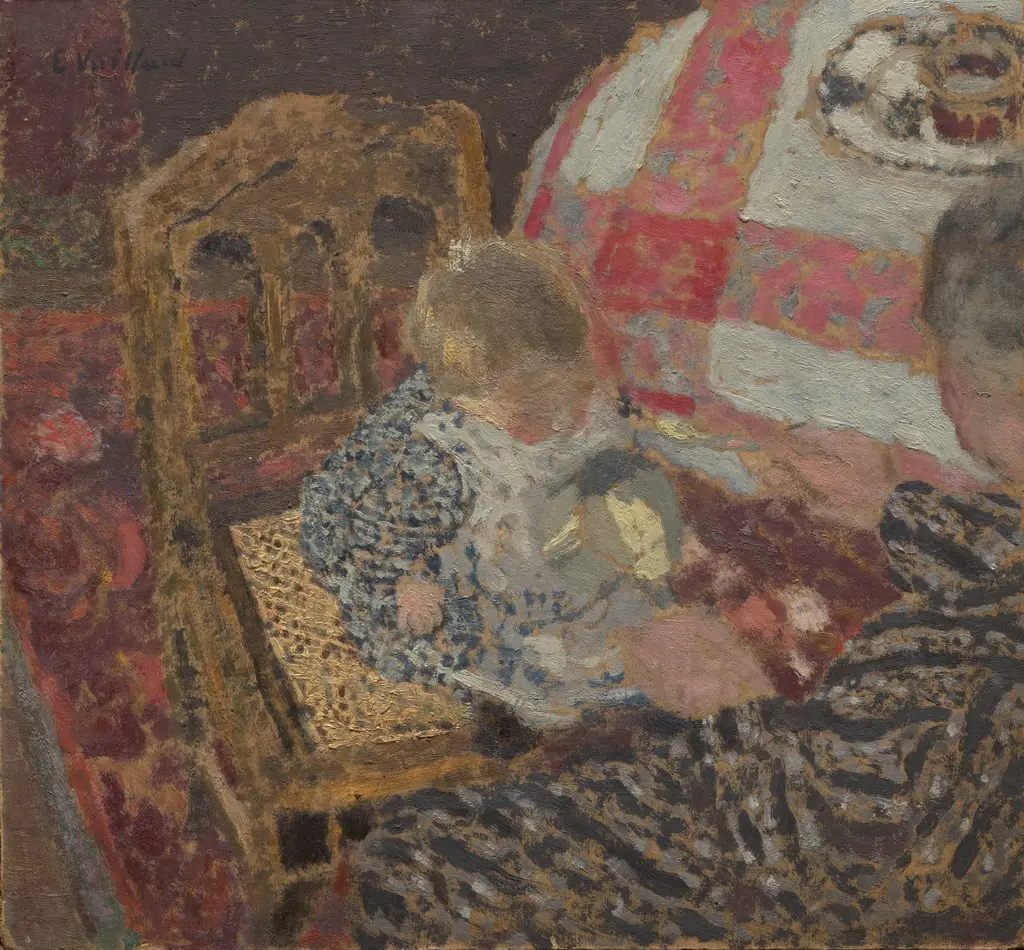 Luncheon (Annette and Her Grandmother)
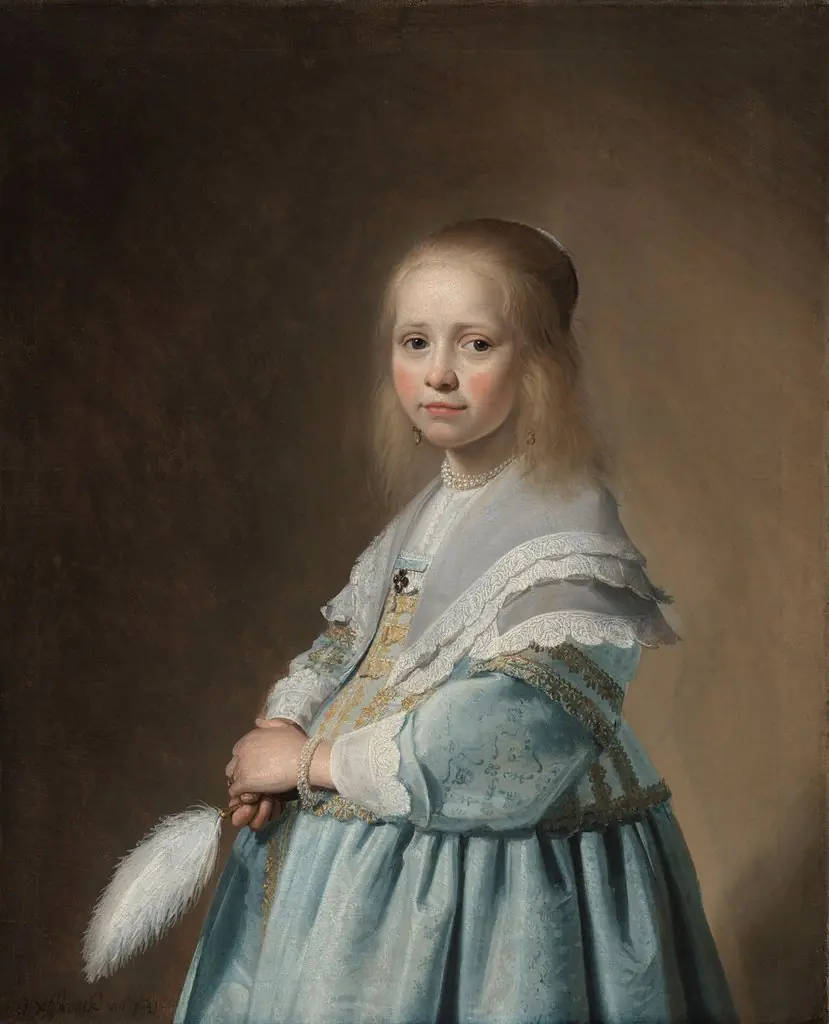 Portrait of a Girl Dressed in Blue
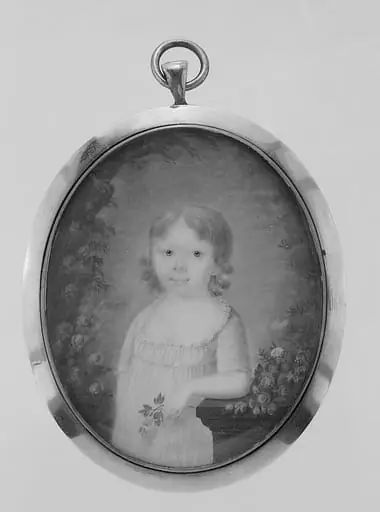 Portrait of a Girl
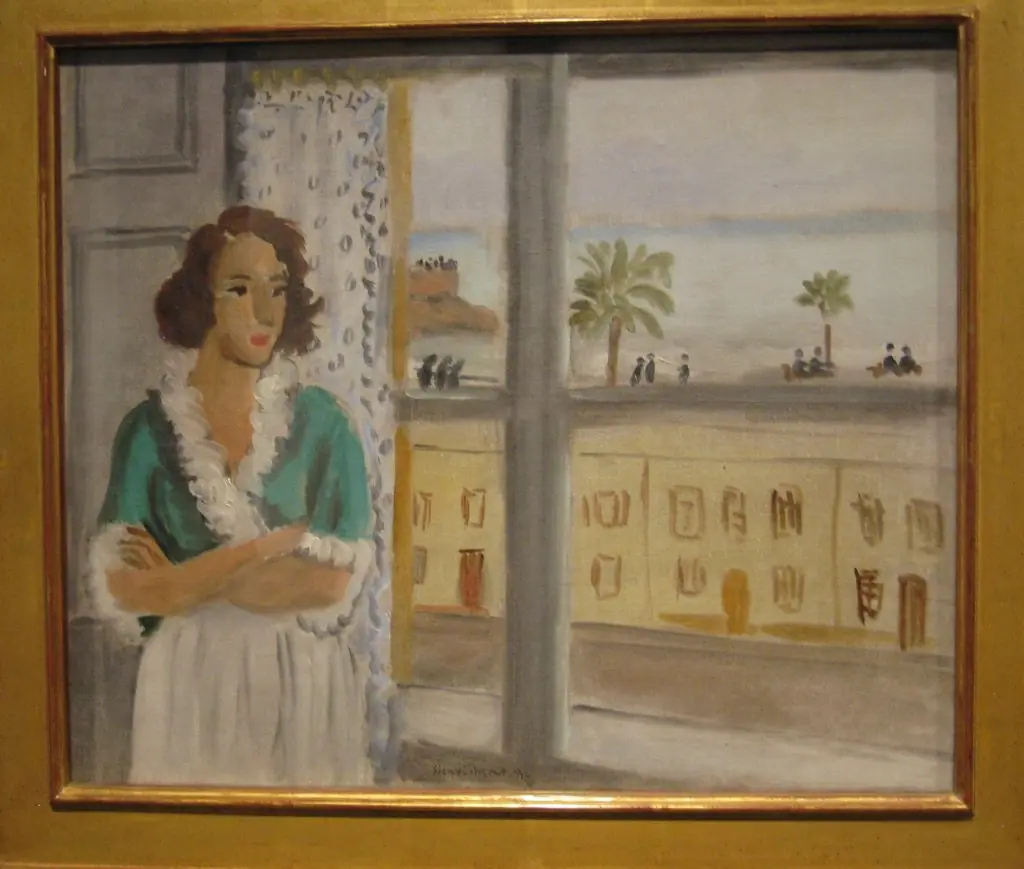 Girl by a Window
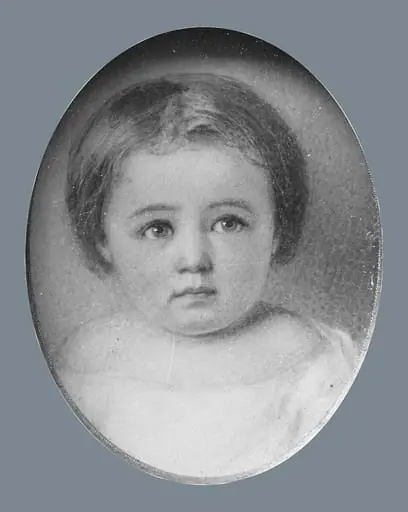 Alice Cushman
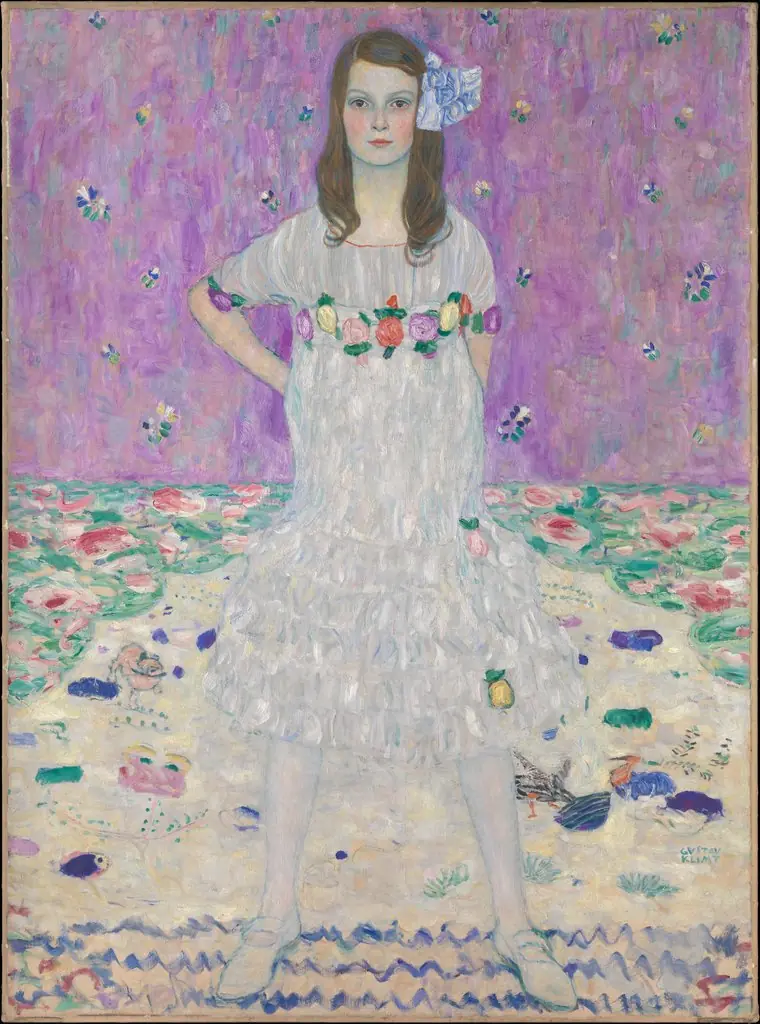 Mäda Primavesi (1903–2000)
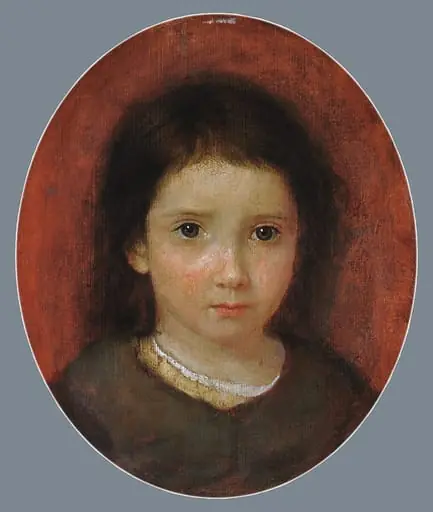 Daughter of William Page (Possibly Anne Page)
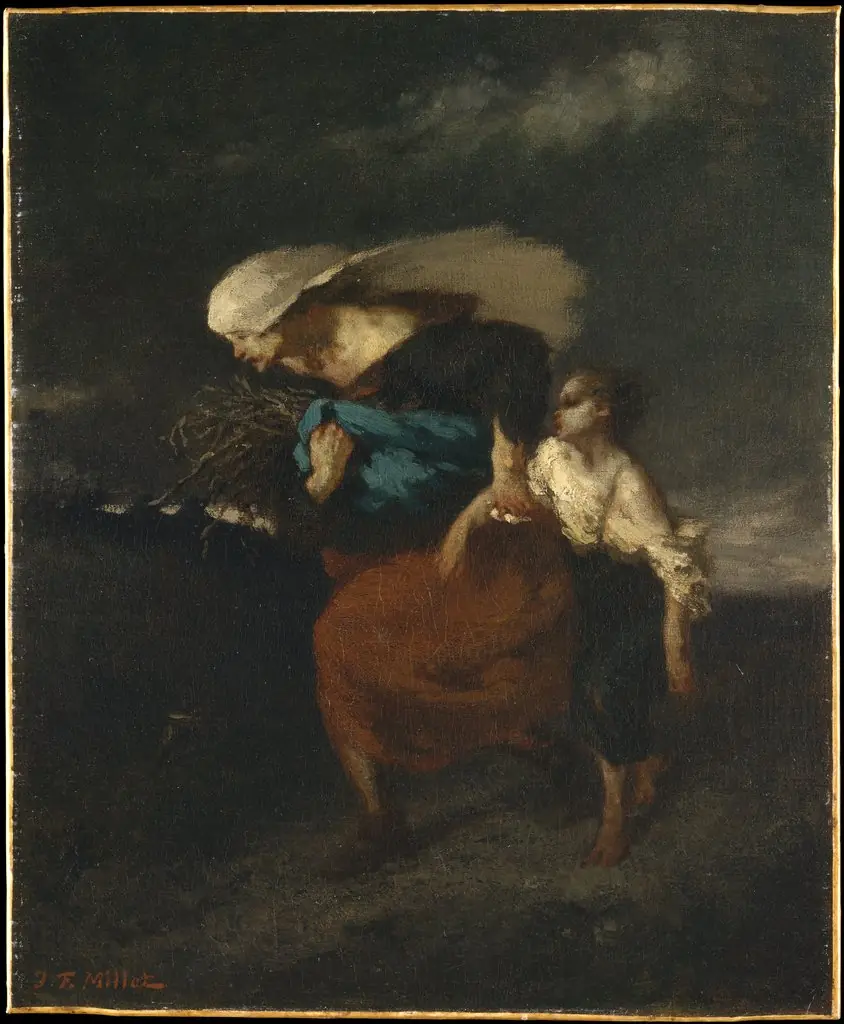 Retreat from the Storm
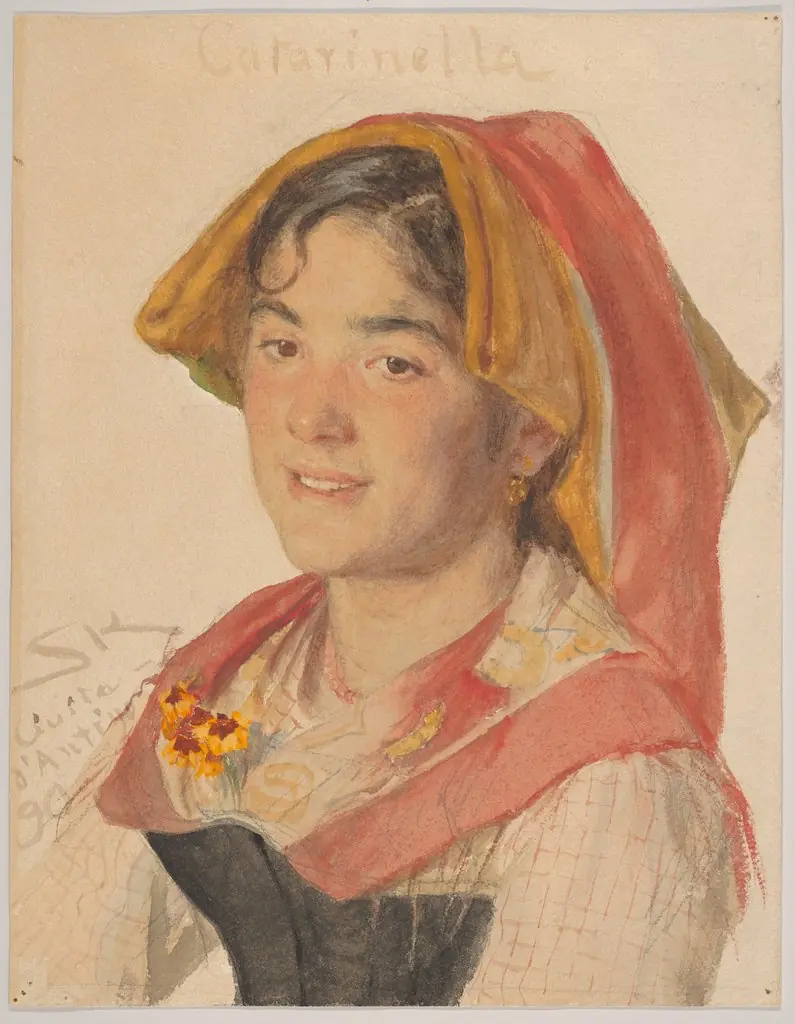 Head of an Girl from Civita d'Antino in Regional Dress (Catarinella")"
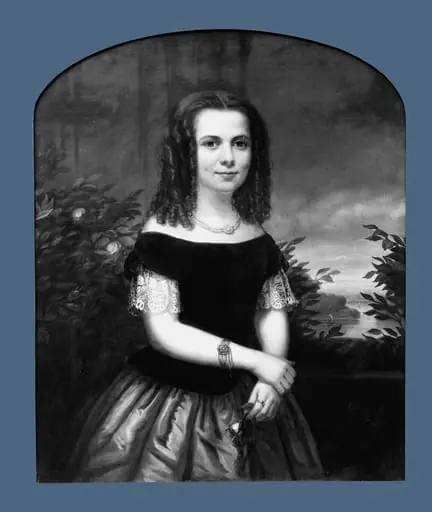 Kate Lyon Cornell
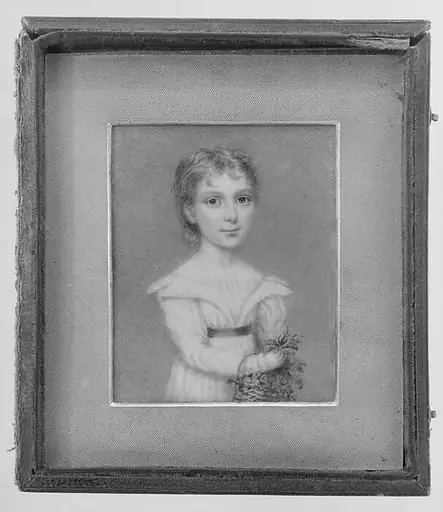 Portrait of a Girl
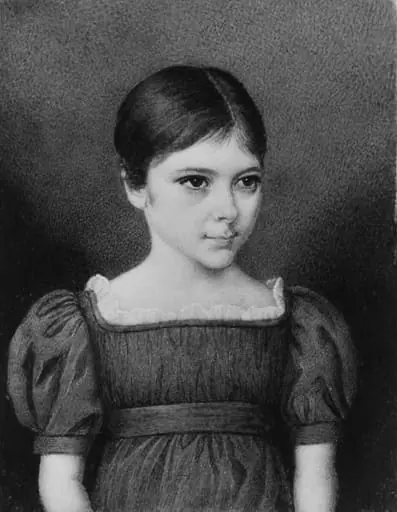 Portrait of a Girl
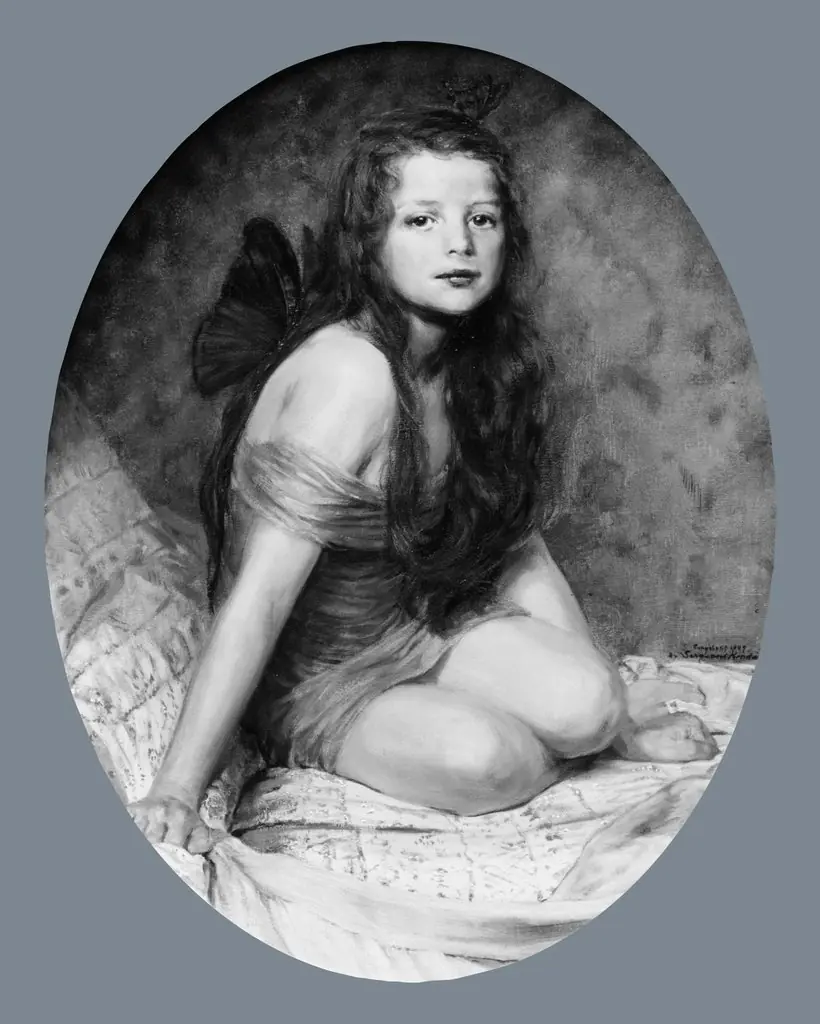 Psyche
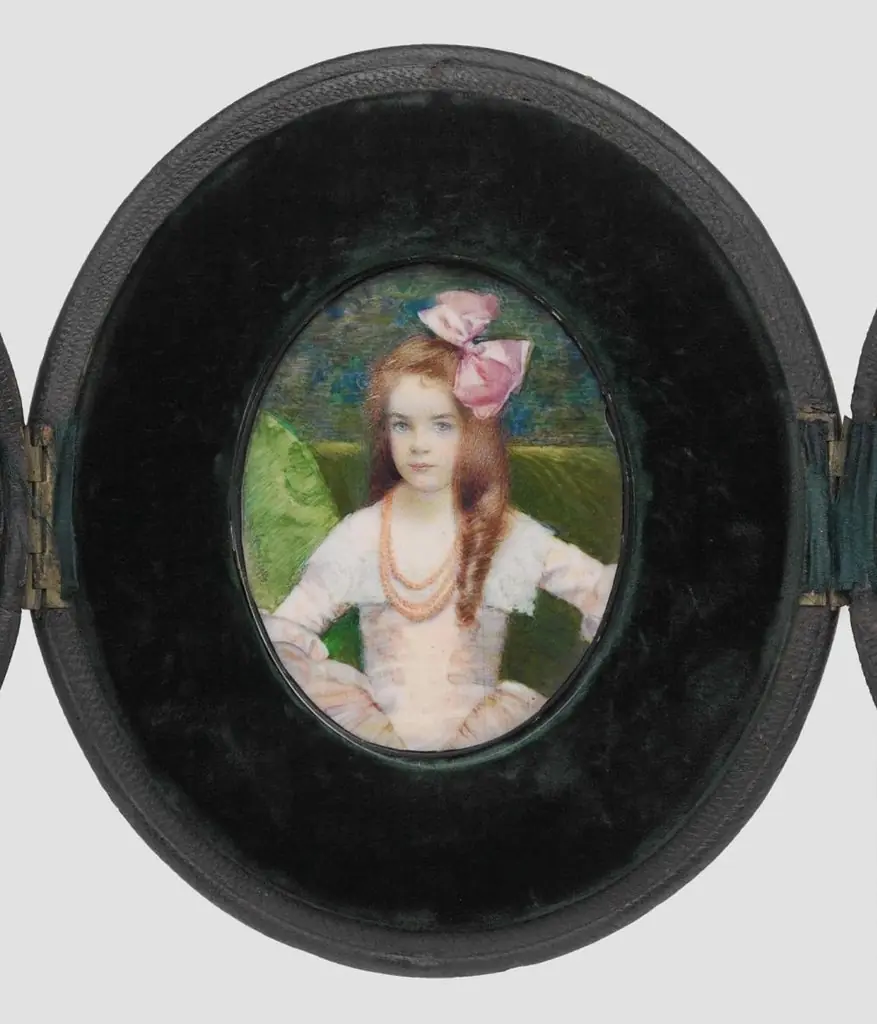 Persis Blair
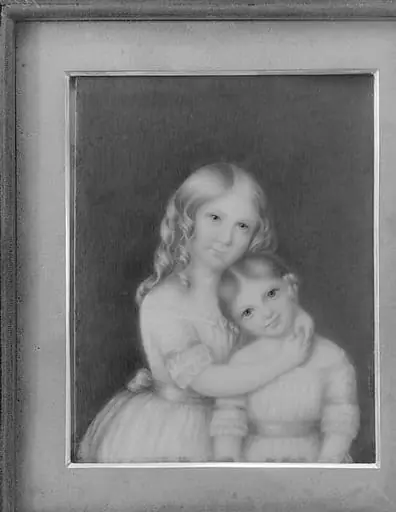 Portrait of Two Girls
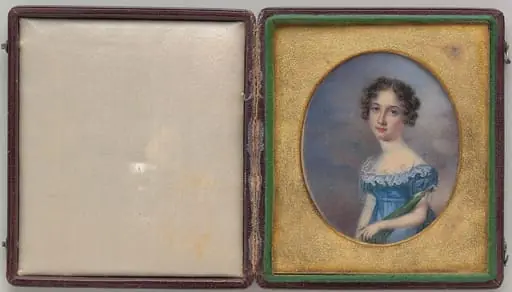 Sarah Ann Beck
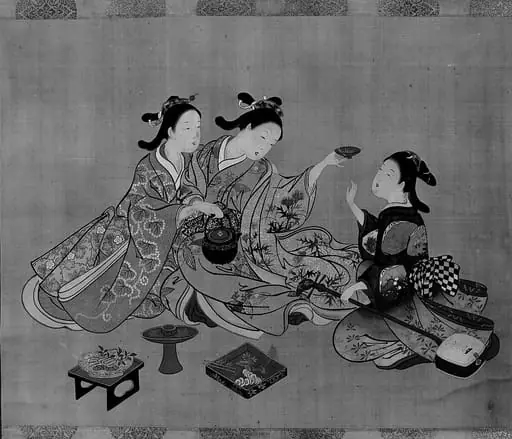 Untitled
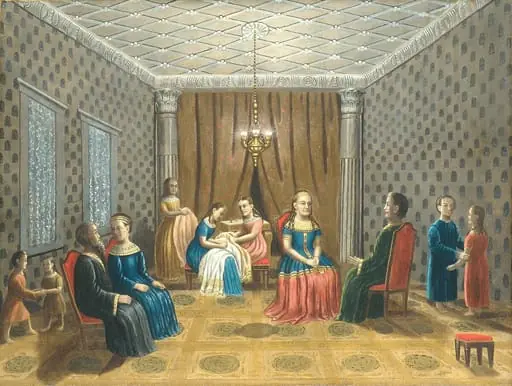 Egyptian Scene (possibly Moses and Zipporah)
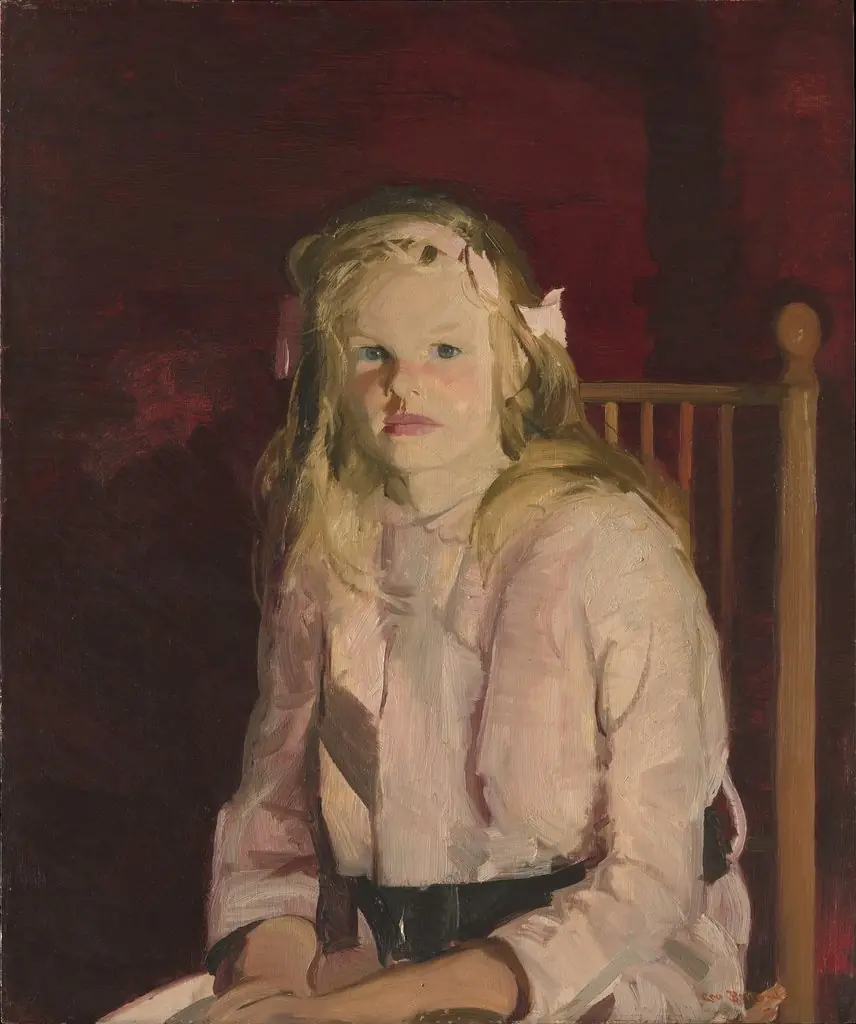 Julie Hudson
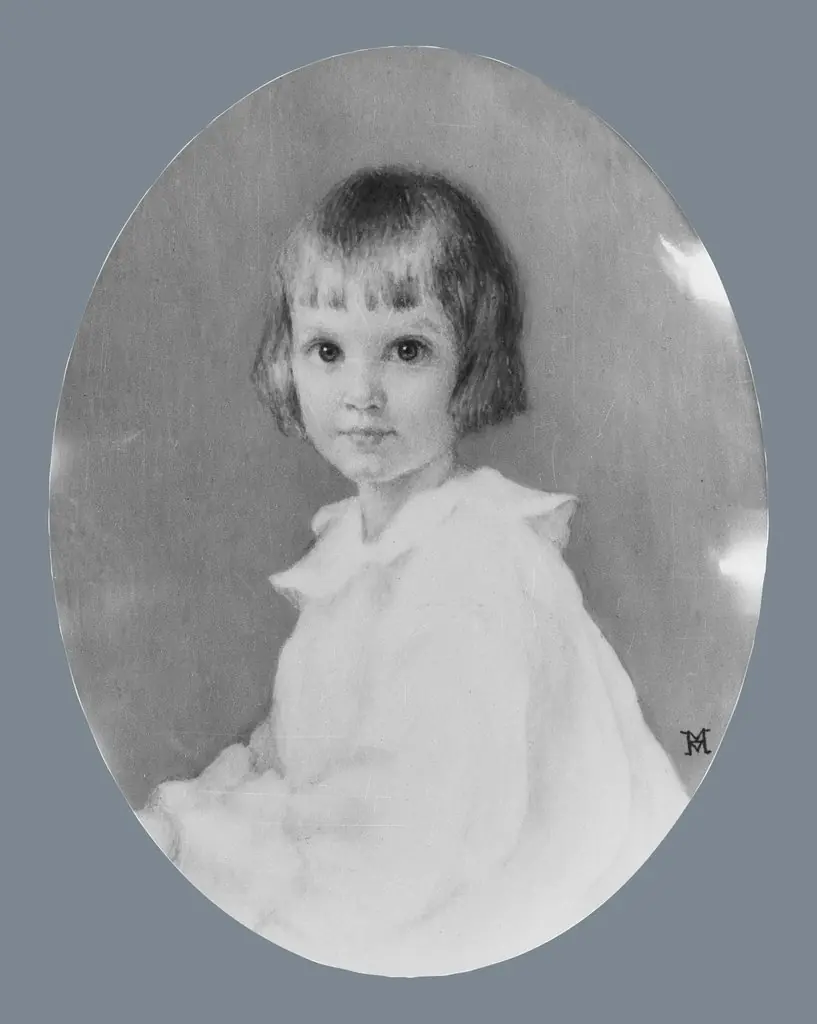 Pixie
Pixie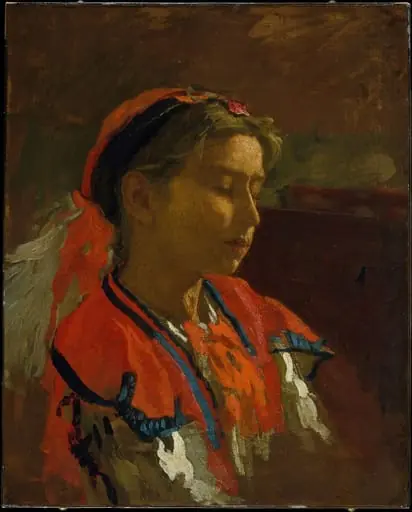 Carmelita Requena
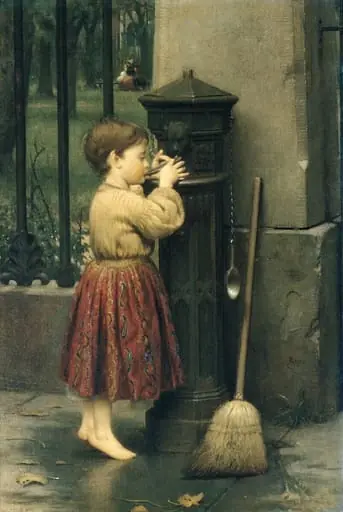 The Crossing Sweeper
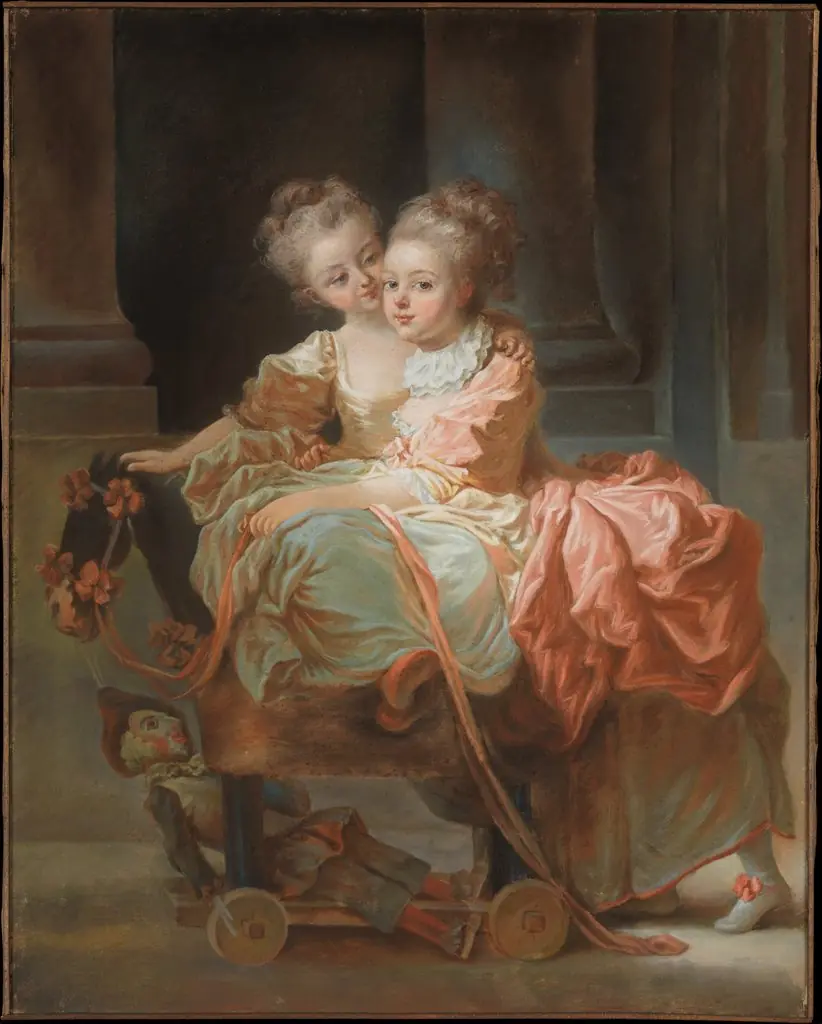 The Two Sisters
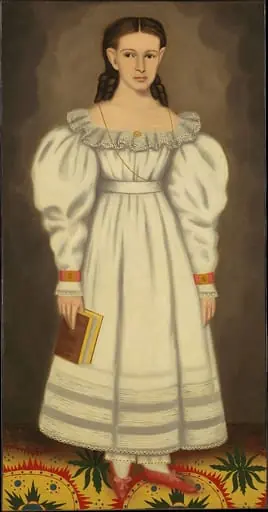 Girl of the Bangs-Phelps Family
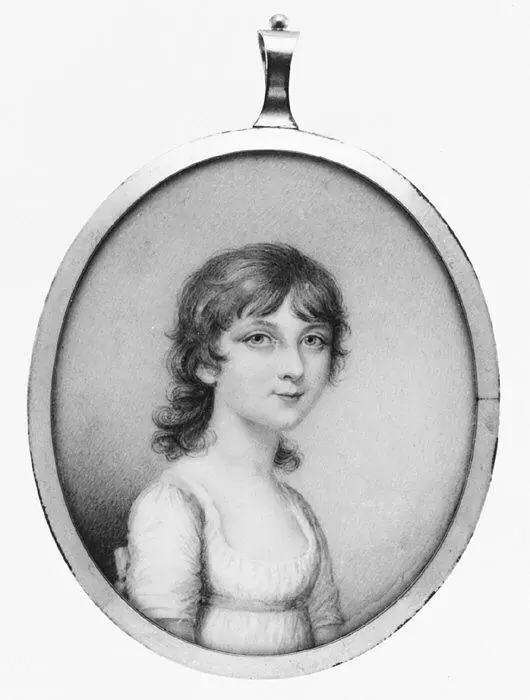 Portrait of a Girl
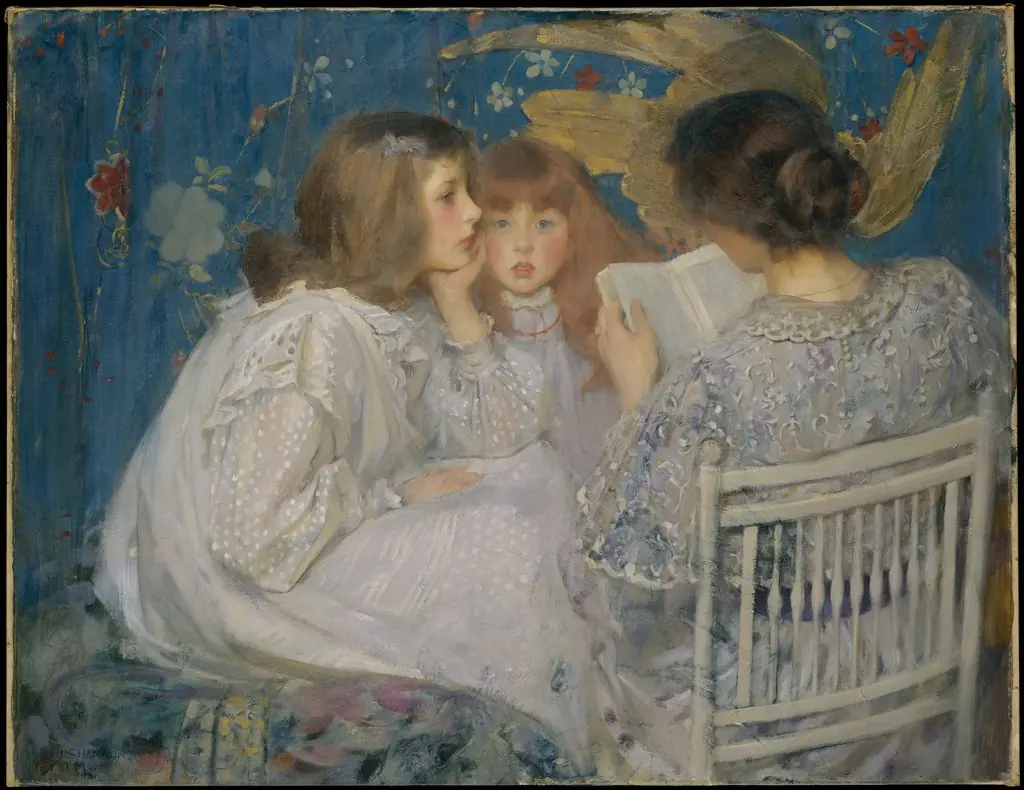 Jungle Tales (Contes de la Jungle)
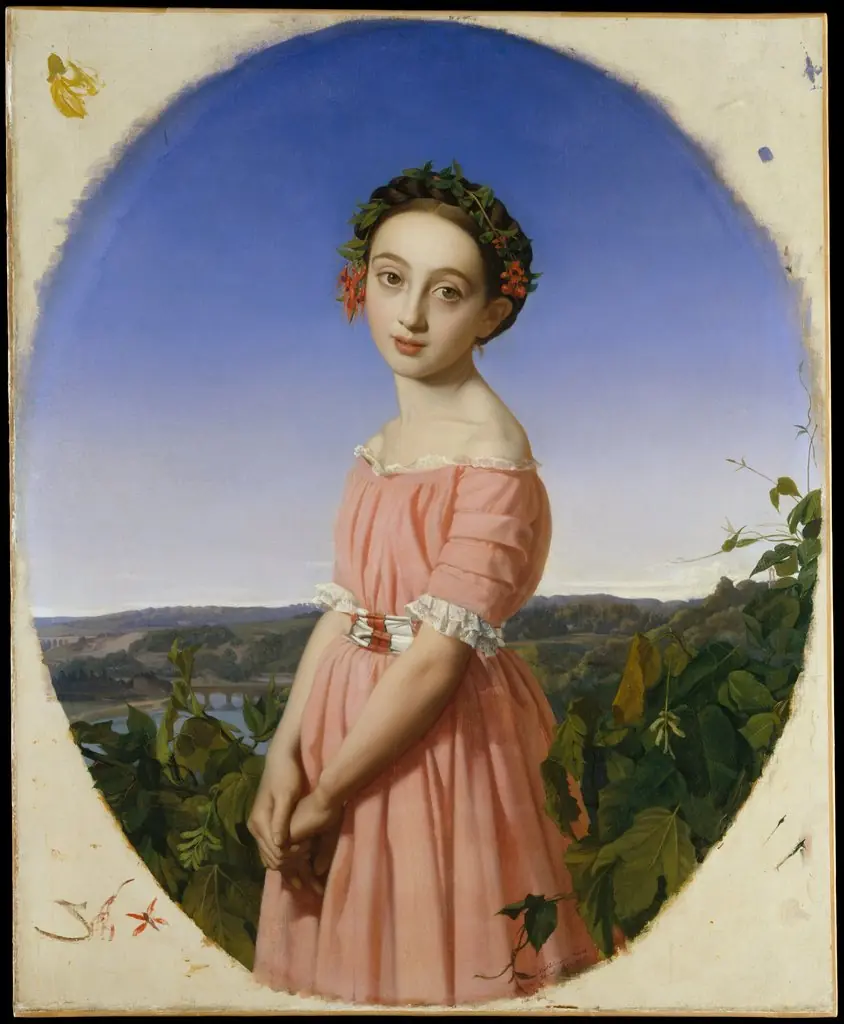 Faustine Léo (1832–1865)
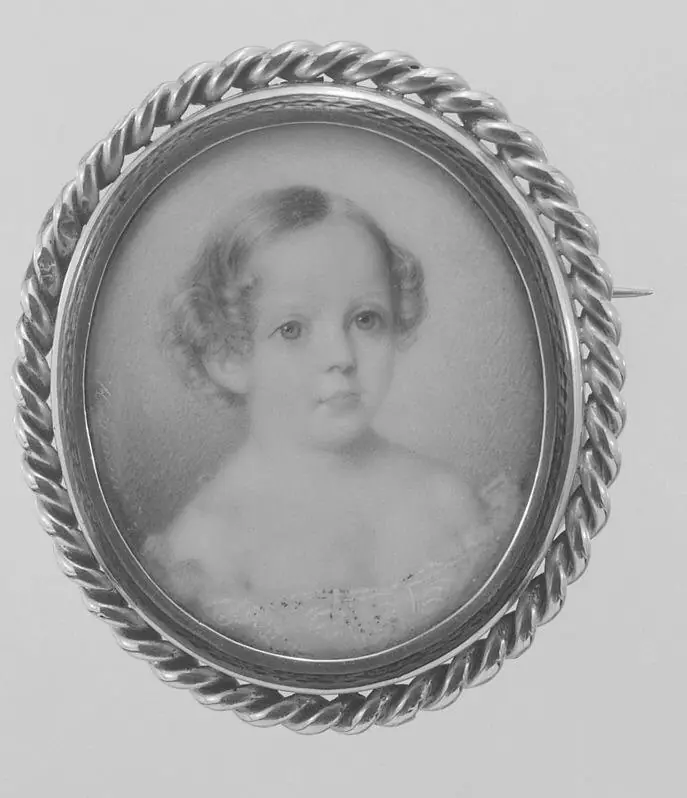 Portrait of a Girl
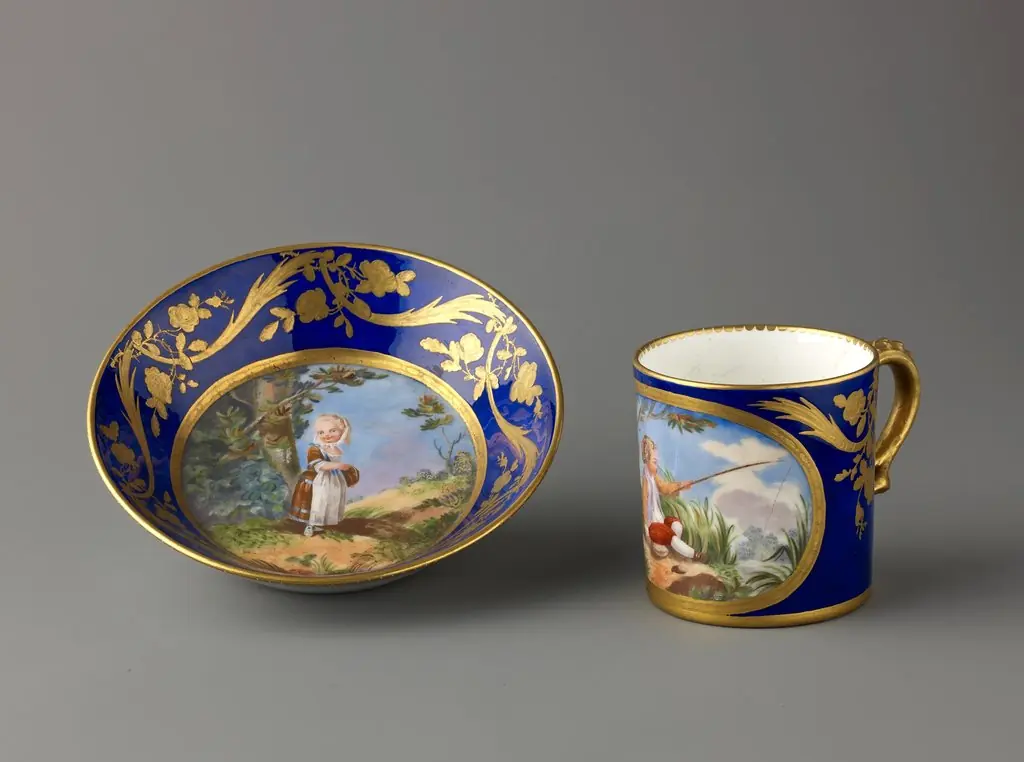 Cup and saucer
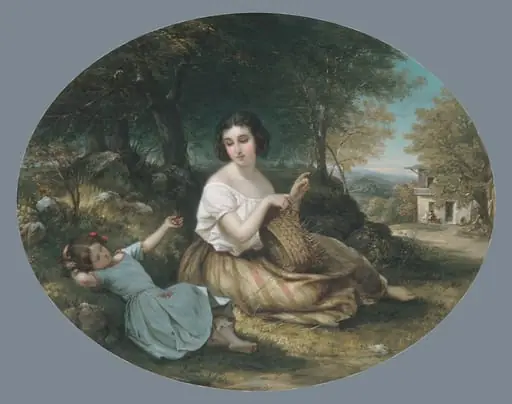 The Basket Maker
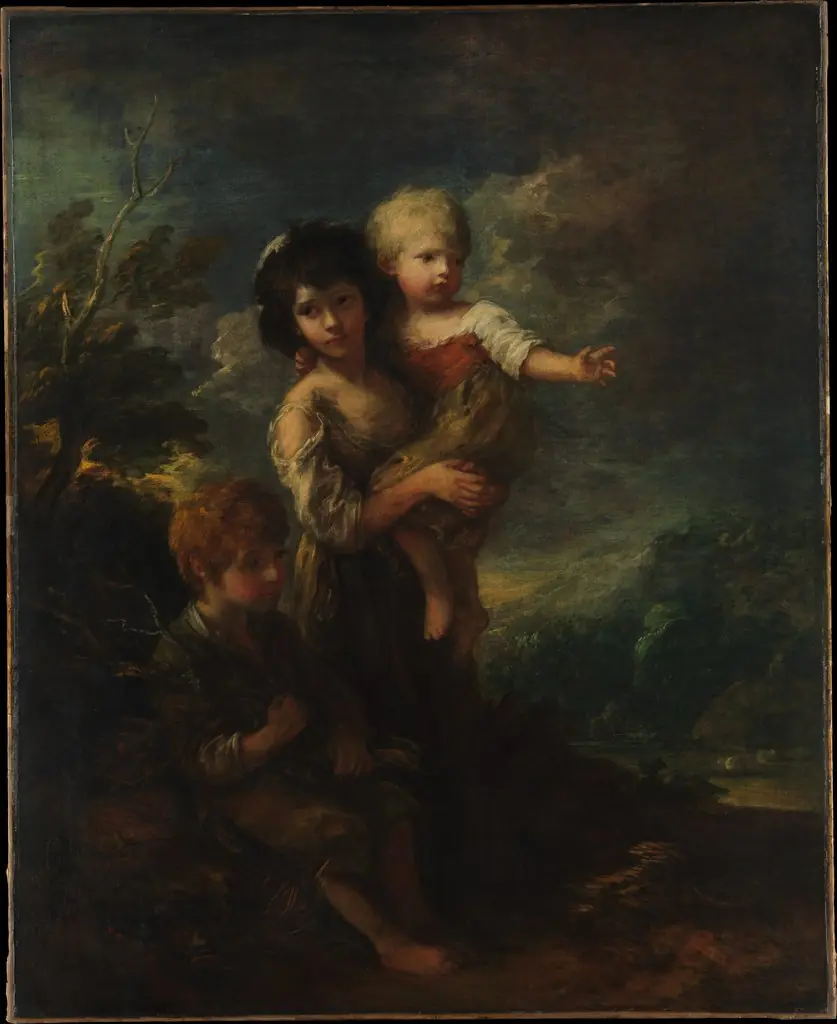 Cottage Children (The Wood Gatherers)
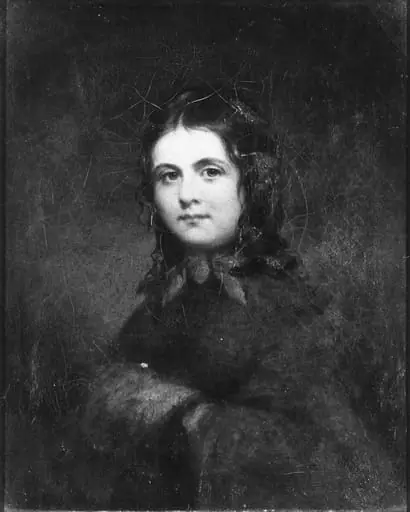 Woman with a Muff
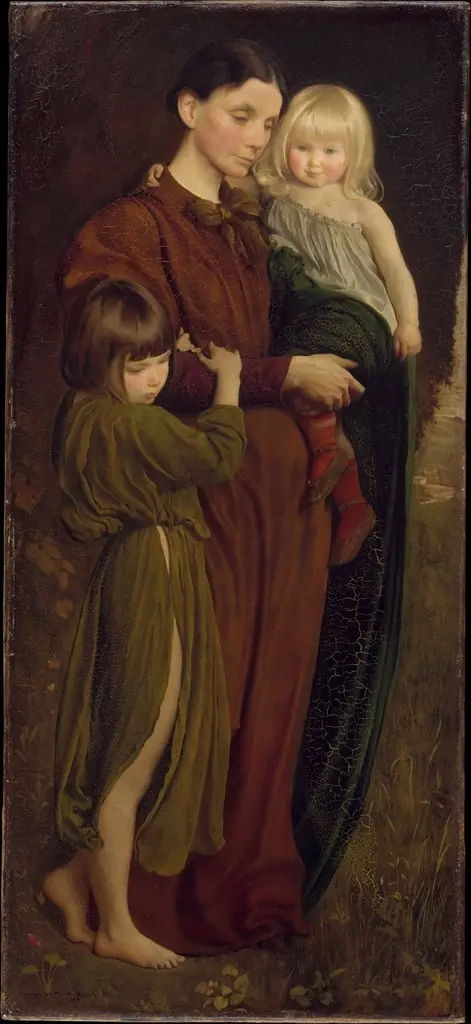 In the Garden
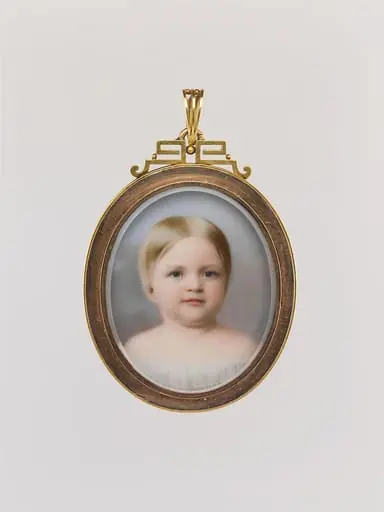 Ada Brown
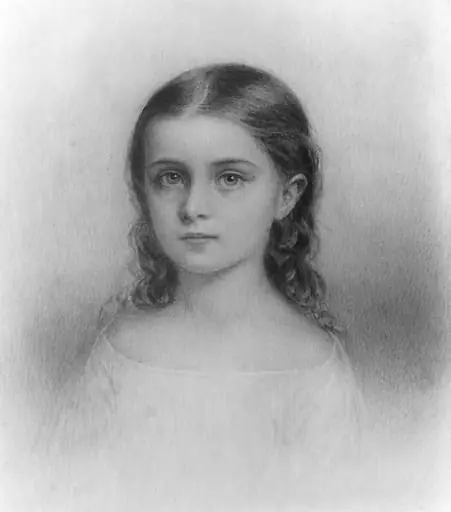 Ida Cushman
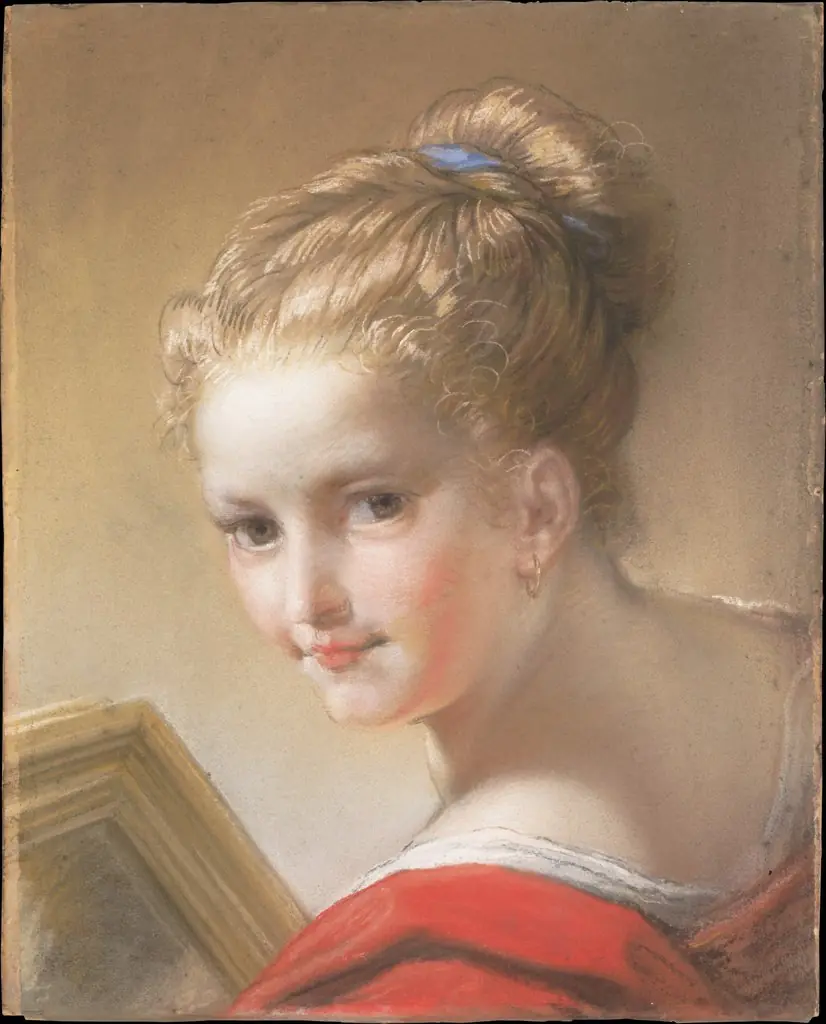 Study of a Girl in Red
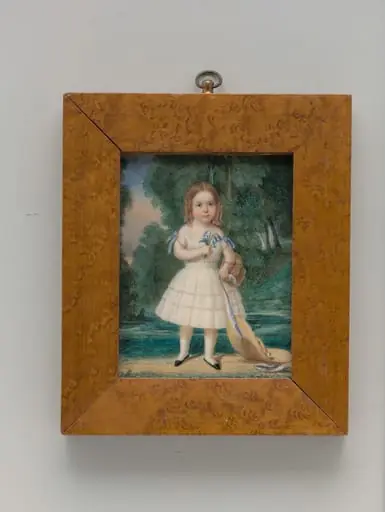 Florine Turner
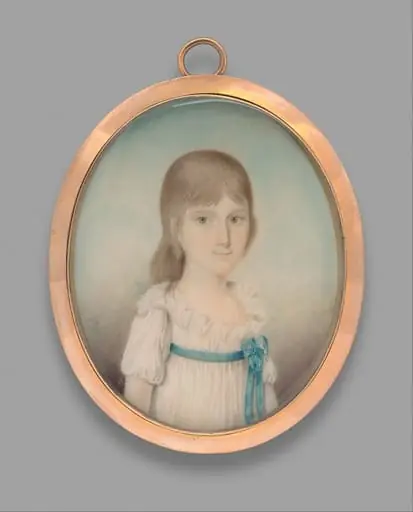 Miss Annis
Frequently asked questions
What is Girl?
Girl is a subject in art. A girl is a young female human, usually a child or an adolescent.
How many Girl works does Artifact World Gallery have?
Artifact World Gallery holds 200 public-domain Girl works, all free to view and download.
Who are the key Girl artists?
Key Girl artists in the collection include Thomas Eakins, Jean Baptiste Camille Corot and Gustave Courbet.
Where can I see Girl works?
Girl works in the collection are held by Metropolitan Museum of Art, Rijksmuseum and Statens Museum for Kunst.