Artwork
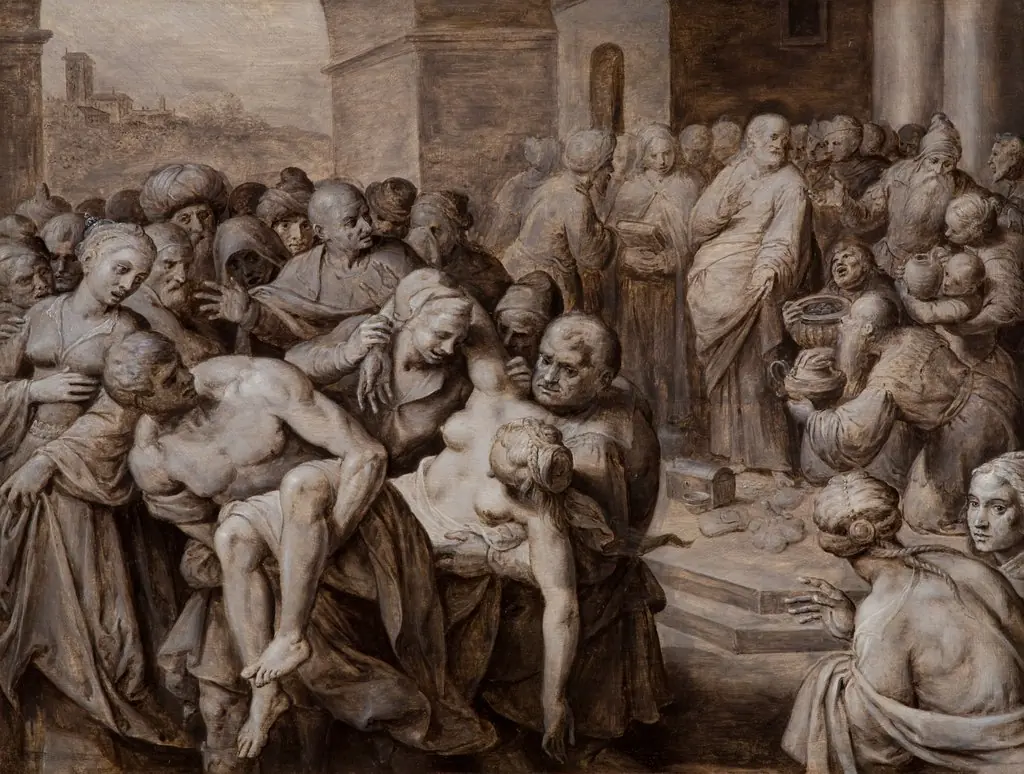
L'Invention des reliques de saint Gervais et saint Protais
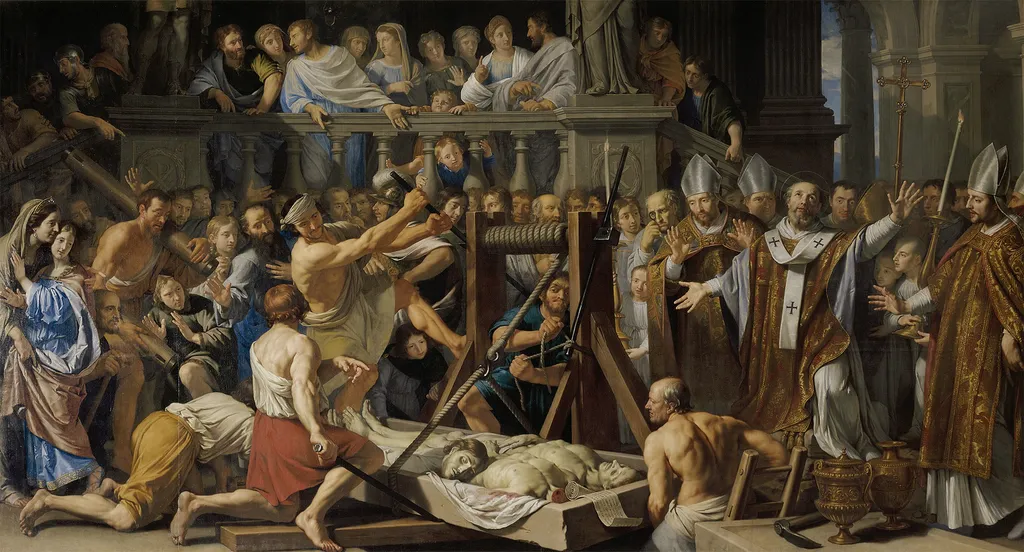
L'Invention des reliques de saint Gervais et saint Protais is an unspecified painting by the French Classical Baroque artist Philippe de Champaigne. It dates from 1650 and is held in the collection of the Museum of Fine Arts of Lyon.
About this work
Overview
L'Invention des reliques de saint Gervais et saint Protais is a canvas painting created by Philippe de Champaigne around 1650. It is held in the Museum of Fine Arts of Lyon.
Subject & Meaning
The painting depicts the martyrdom of saints Gervais and Protais, showing a chaotic scene with a central figure being tortured on a wooden platform. The surrounding crowd displays a range of emotions, from distress to horror.
Technique & Style
The work exemplifies the French Classical Baroque style, characterized by the use of chiaroscuro to create a dramatic contrast between light and dark, drawing attention to the central figure.
History & Provenance
Philippe de Champaigne, a Brabant-born painter and founding member of the Académie royale de peinture et de sculpture, was a prominent court painter of religious subjects in 17th-century France.
Own this work as a print
Artist & collection
Artist
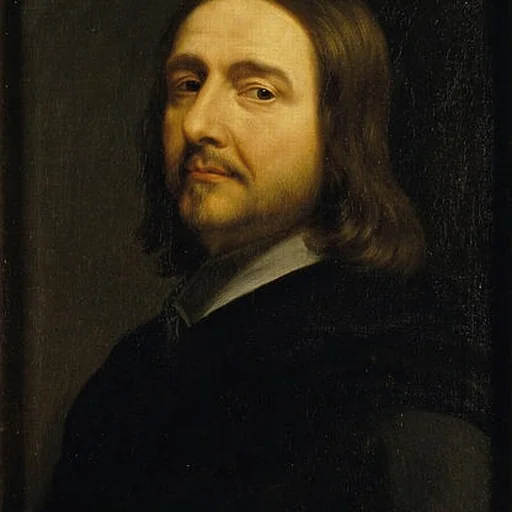
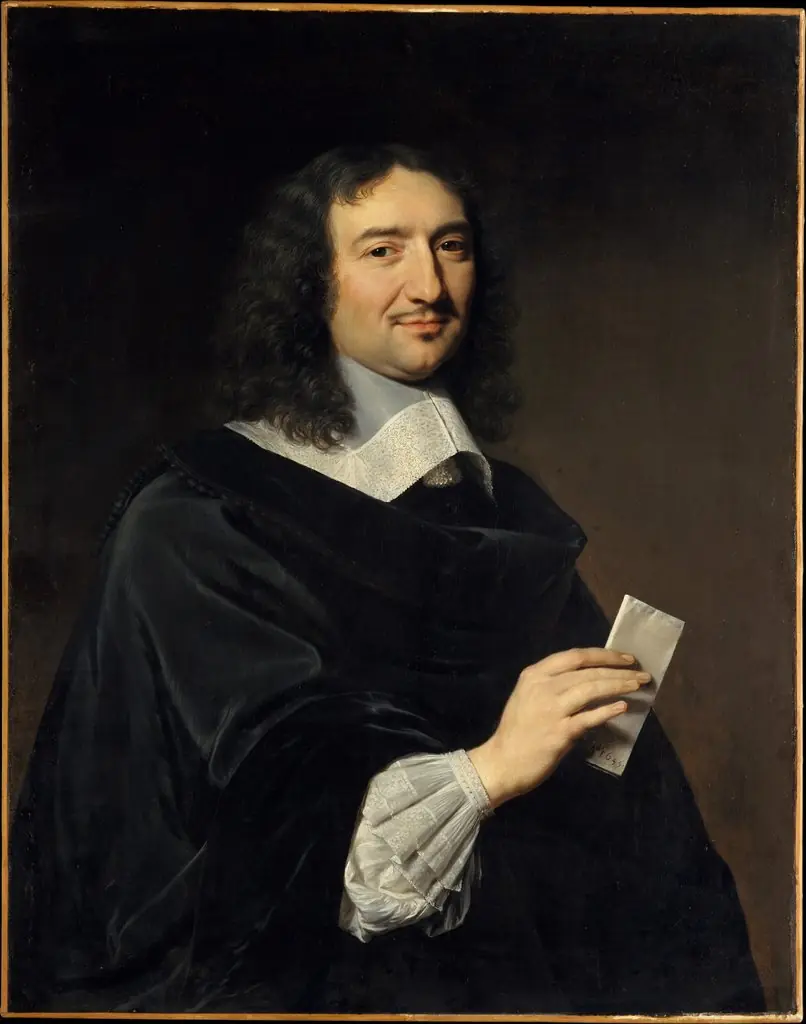
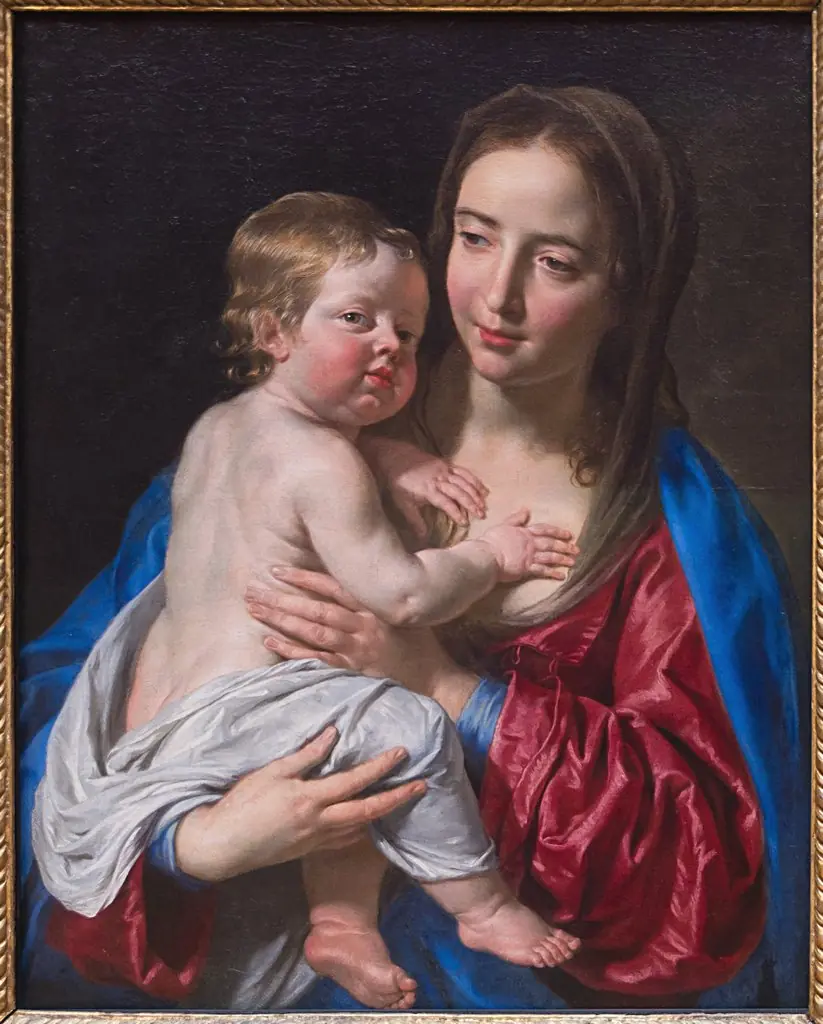
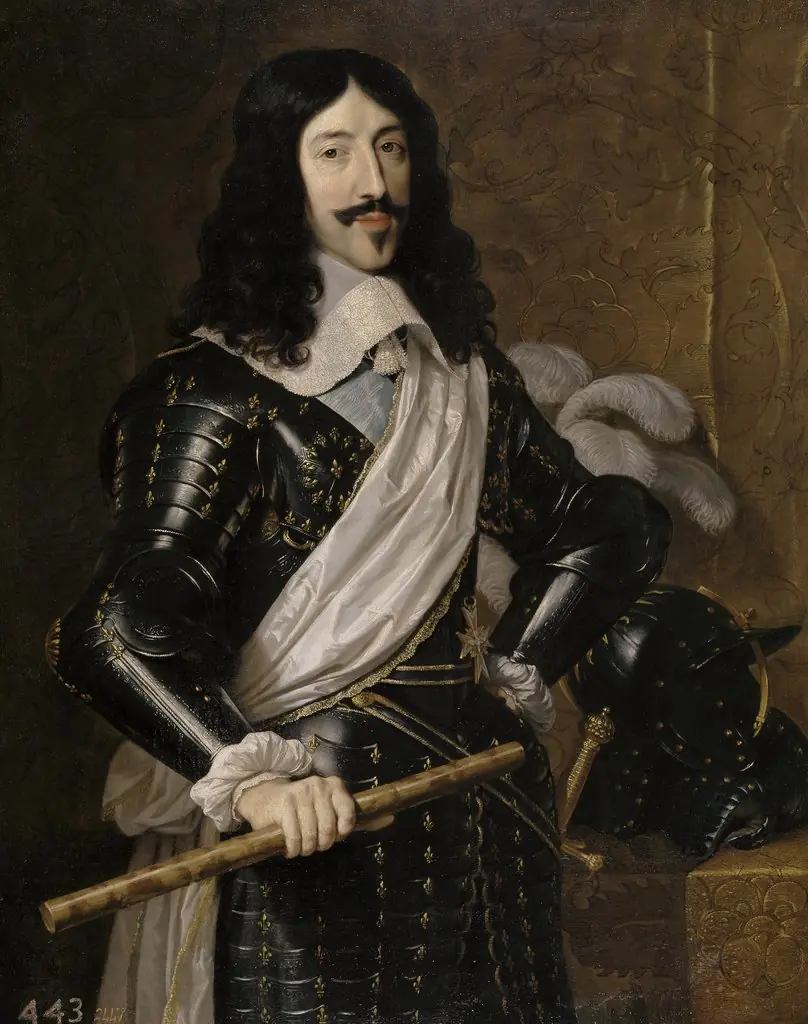
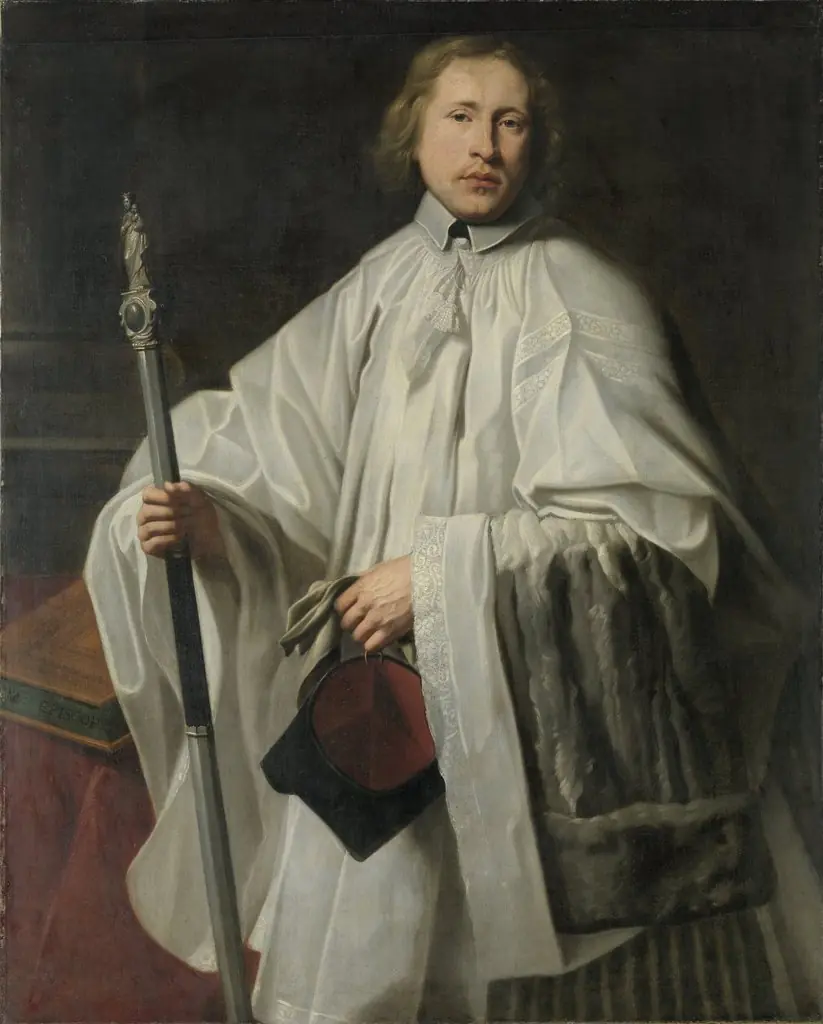
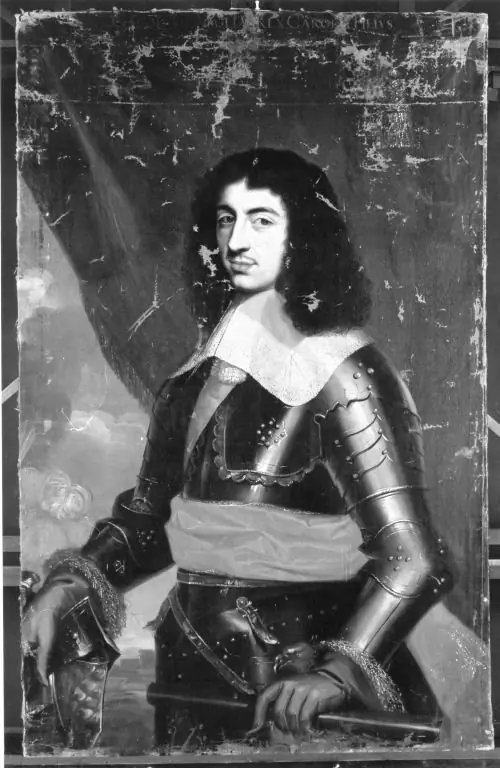
Philippe de Champaigne (French pronunciation: ; 26 May 1602 – 12 August 1674) was a Brabant-born French Baroque era painter, a major exponent of French Baroque painting.


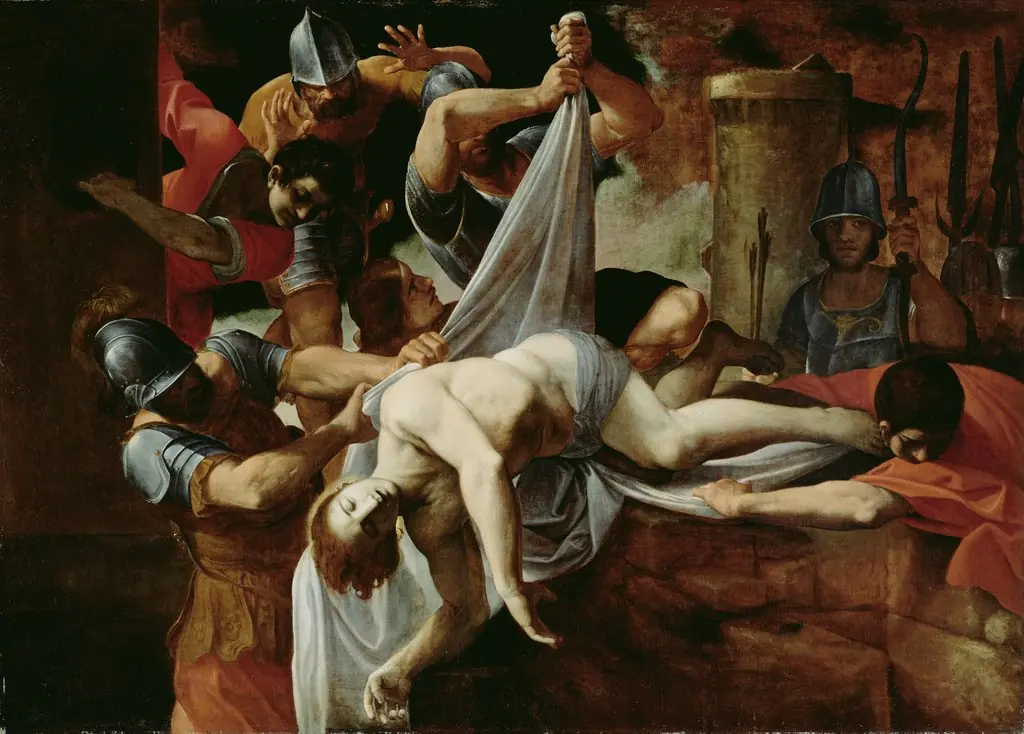 St. Sebastian Thrown into the Cloaca Maxima
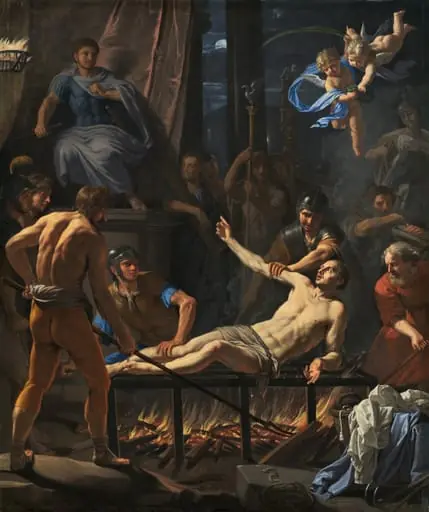 The Martyrdom of Saint Lawrence
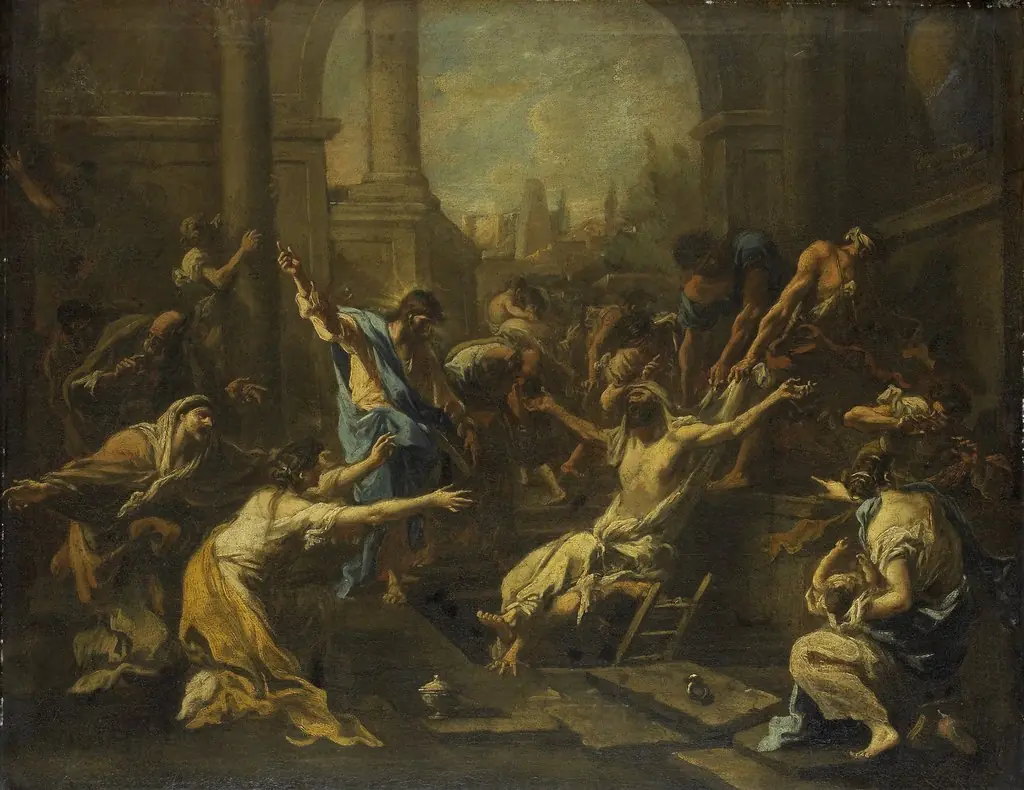 The Raising of Lazarus
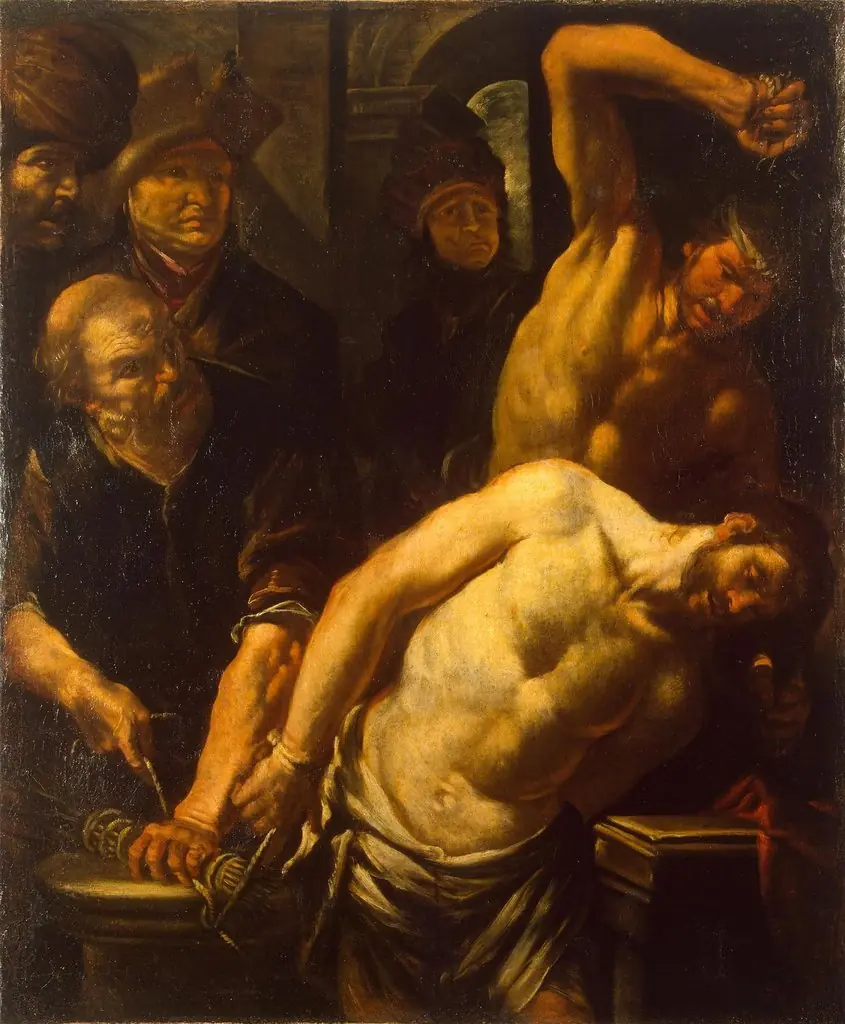 Mocking of Christ
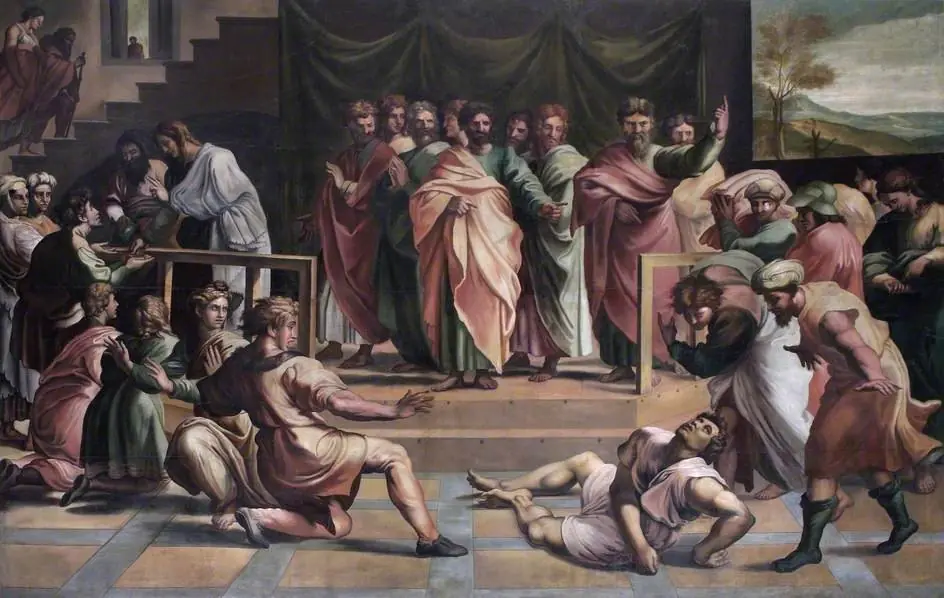 The Death of Ananias
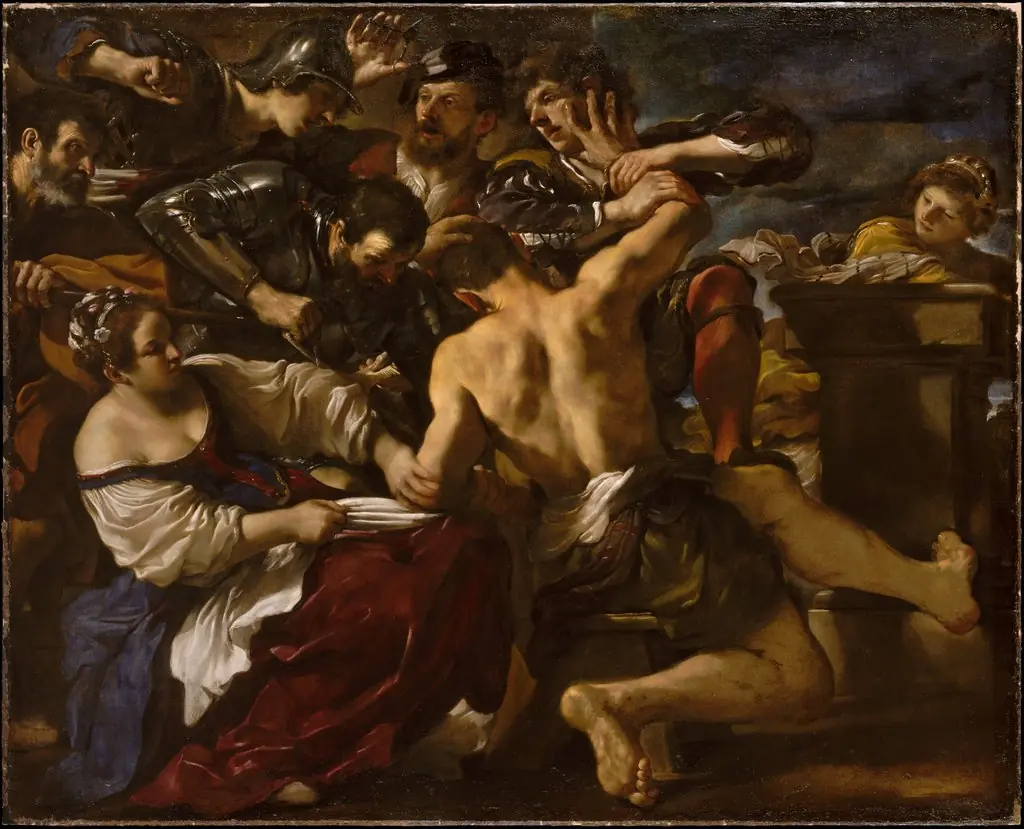 Samson Captured by the Philistines
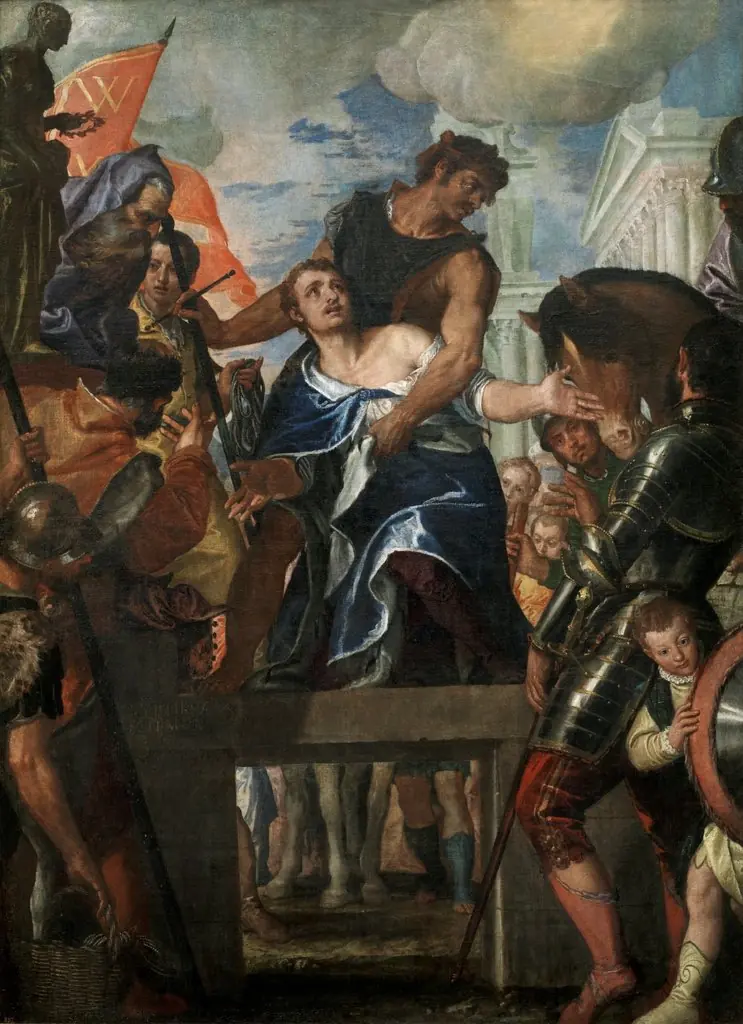 The Martyrdom of Saint Mennas
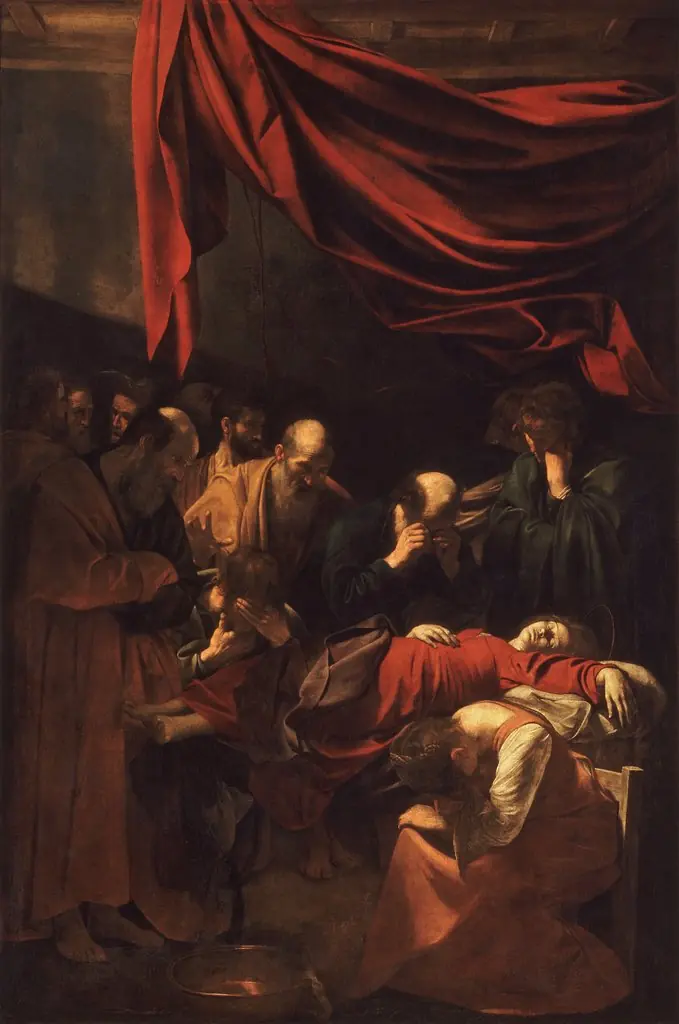 Death of the Virgin
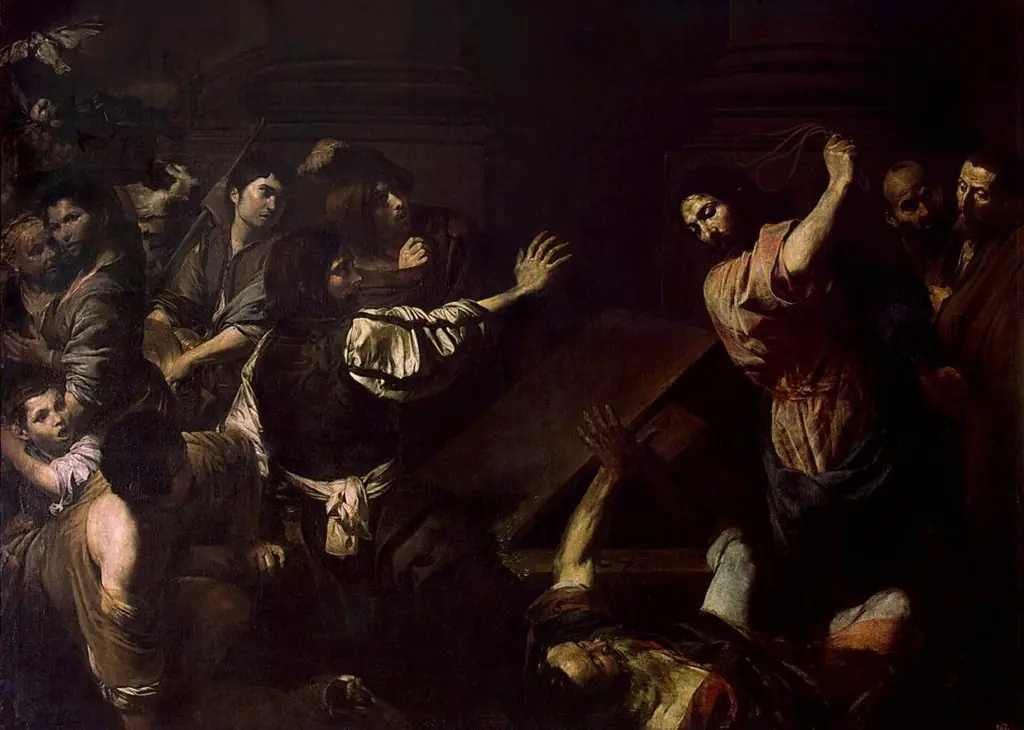 Expulsion of the Money-Changers from the Temple
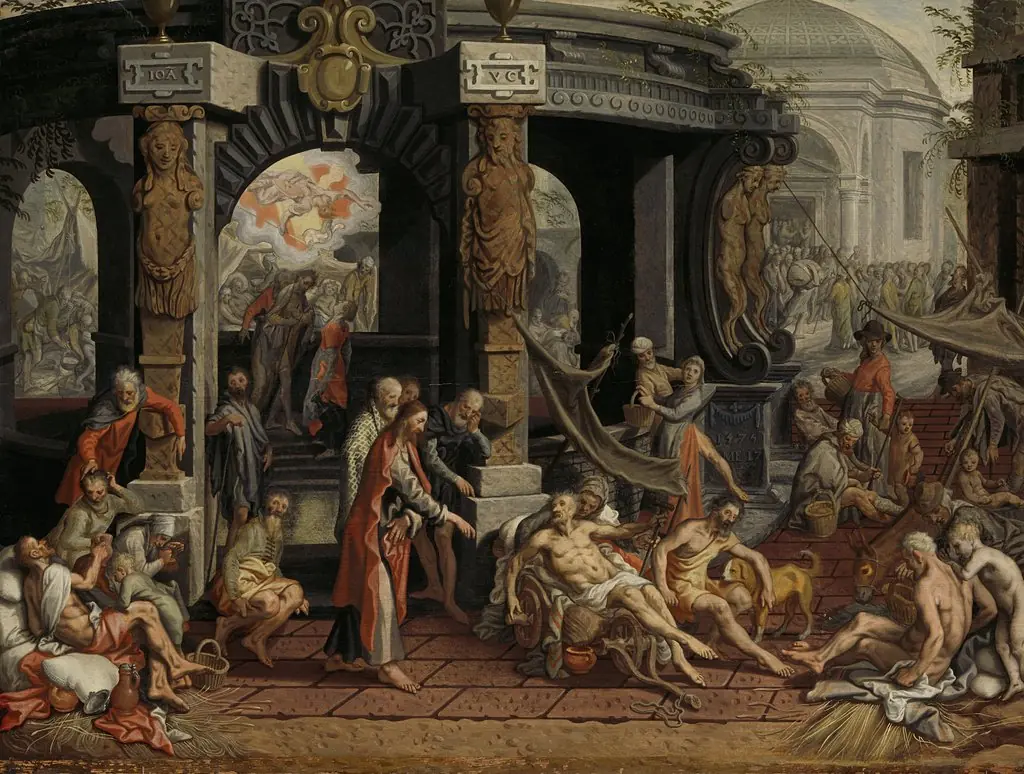 The Healing of the cripple of Bethesda
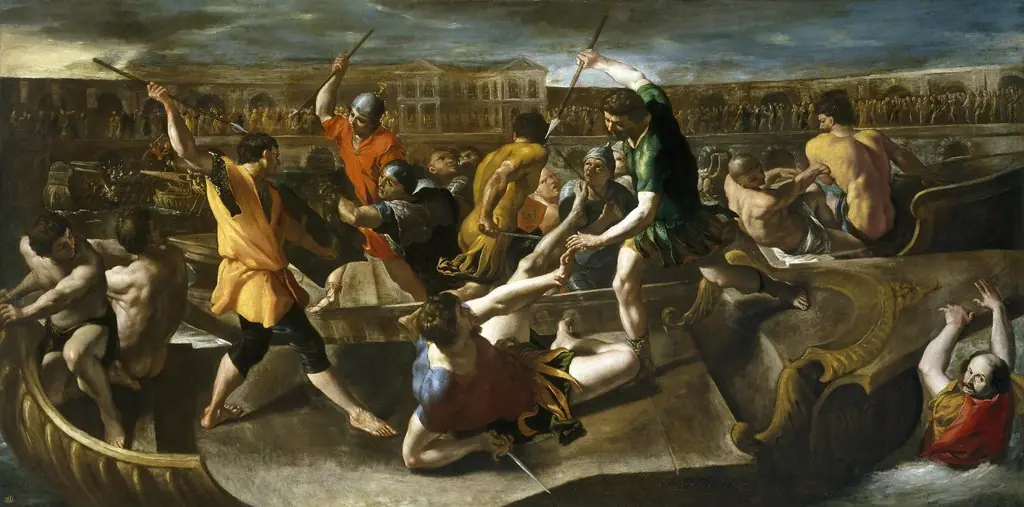 Naumaquia romana
 Death of Sapphira