Artwork
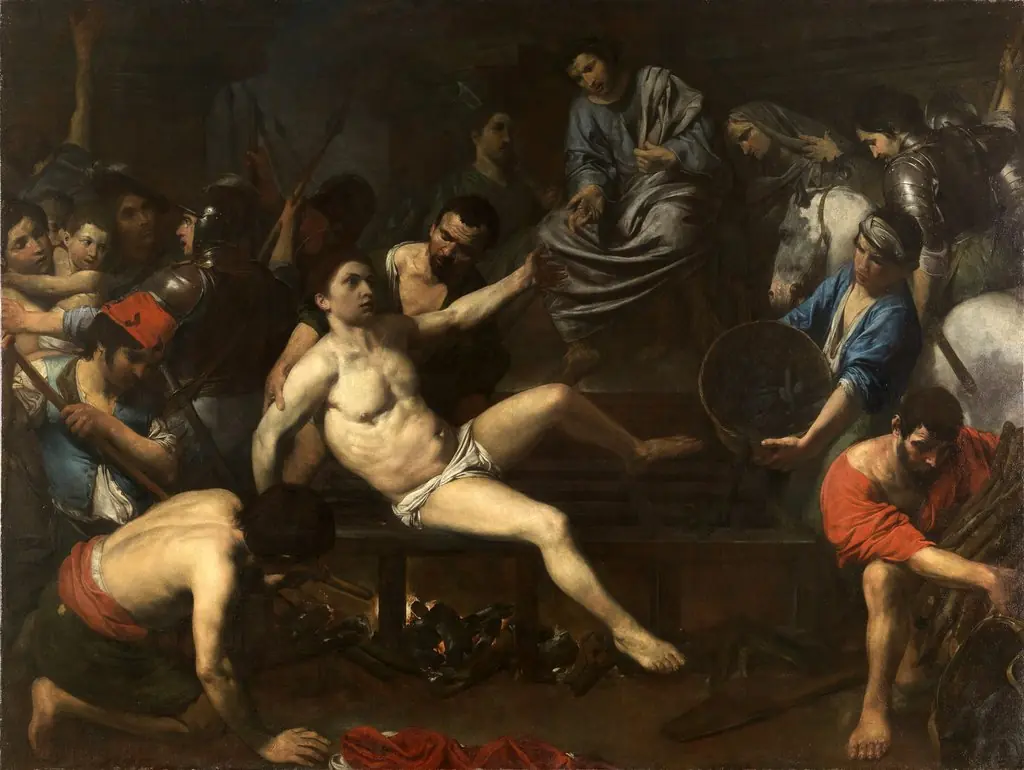
The Martyrdom of Saint Lawrence
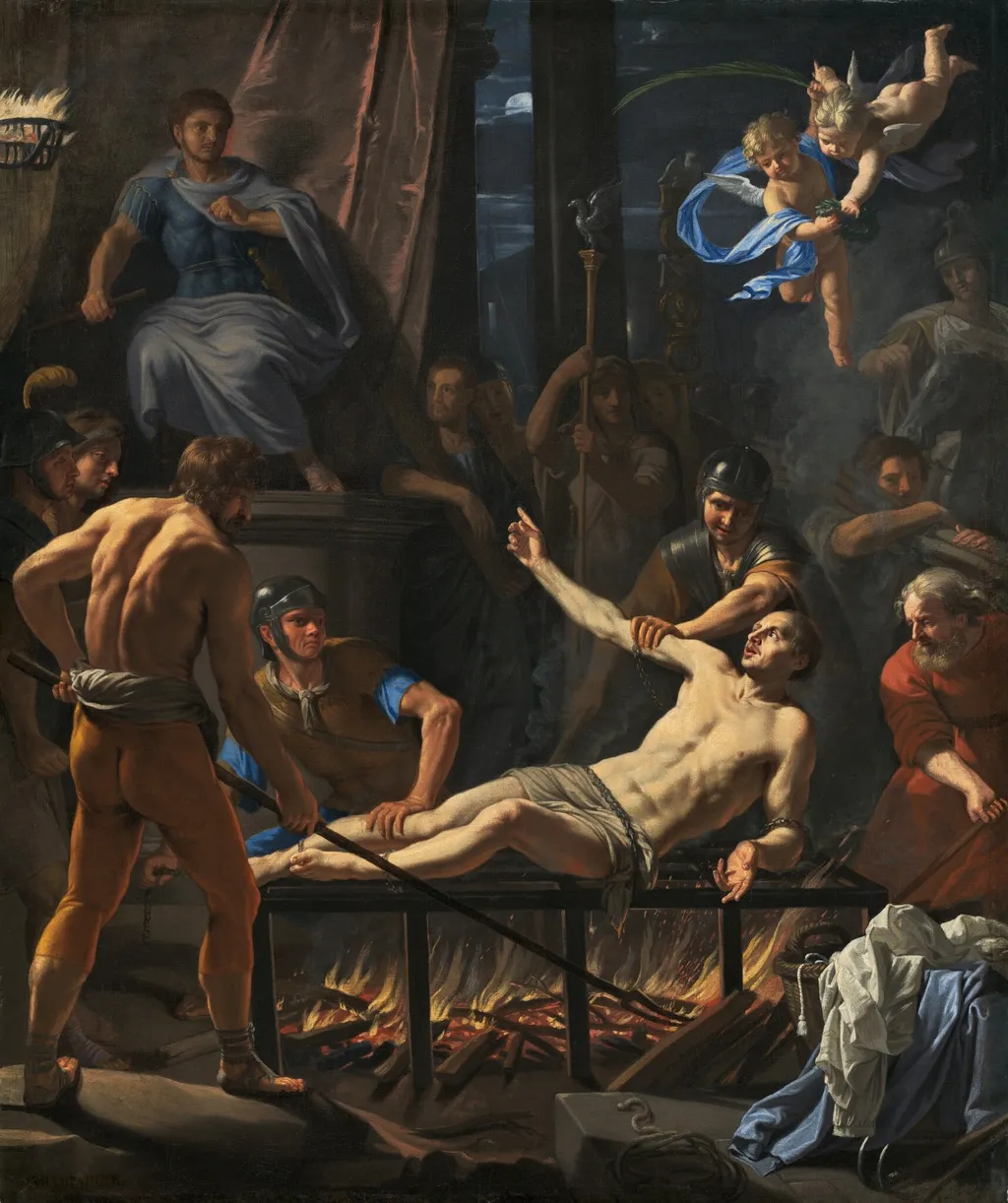
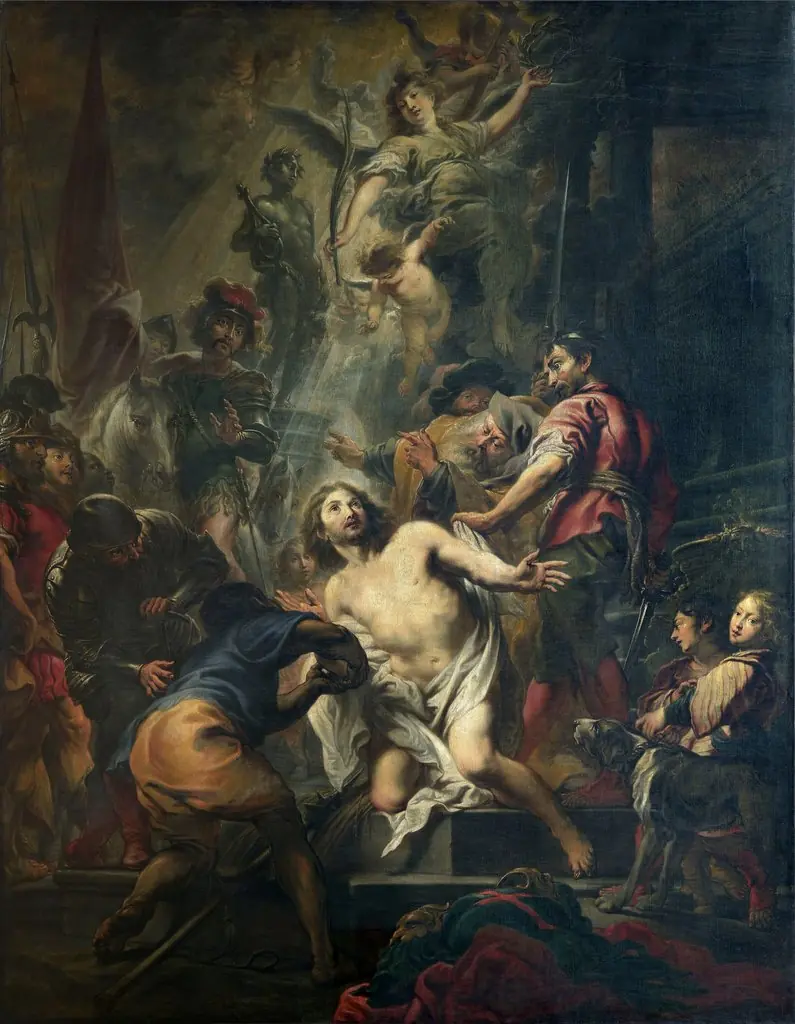
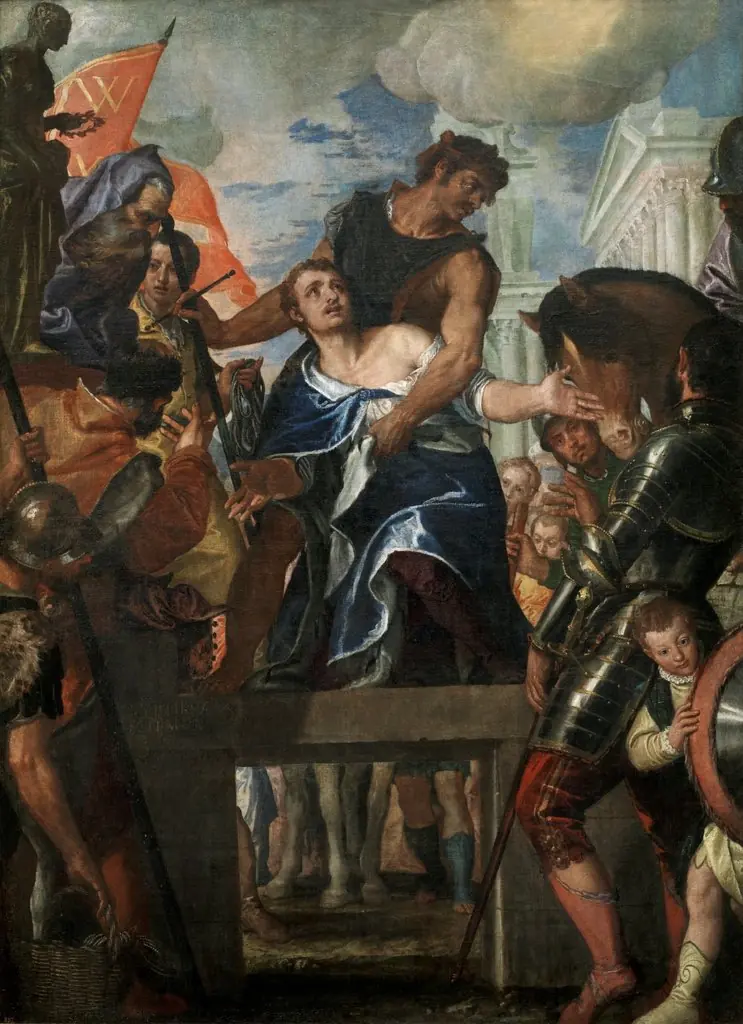
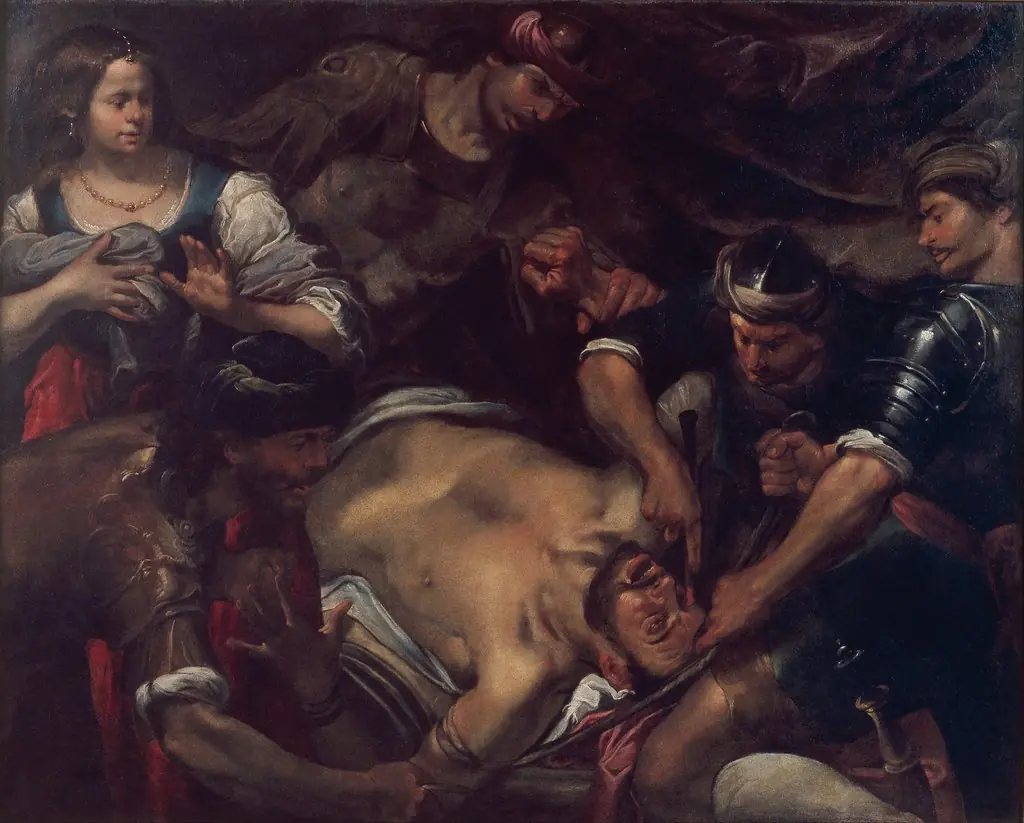
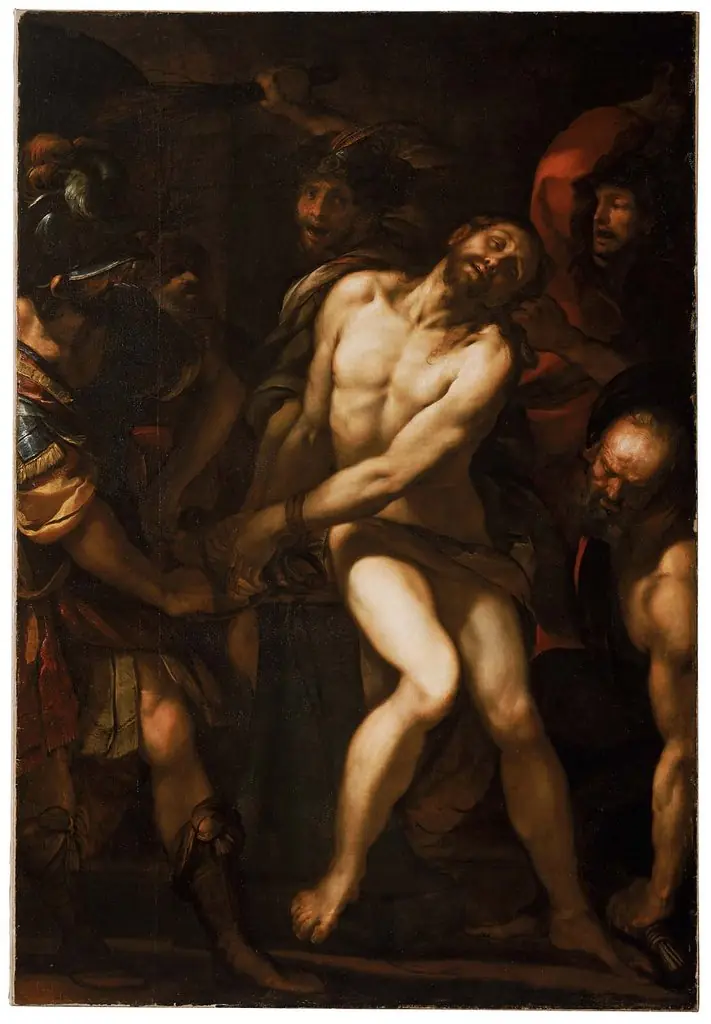
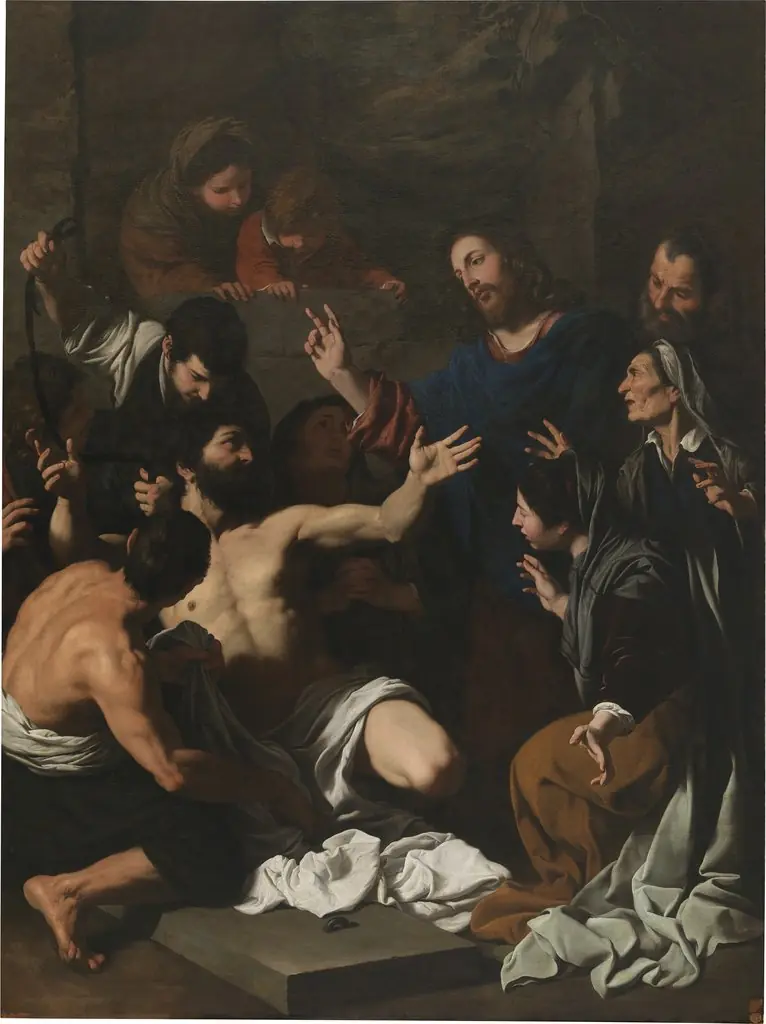
The Martyrdom of Saint Lawrence is an oil painting by the Baroque artist Jean Baptiste de Champaigne. It dates from 1660 and is held in the collection of the National Gallery of Art.
- Inscription
- Inscribed:lower left: P DE CHAMPAIGNE
About this work
Technique & Style
The Martyrdom of Saint Lawrence is executed in oil on canvas, a standard support and medium for mid-seventeenth-century French religious painting.
The Martyrdom of Saint Lawrence is executed in oil on canvas, a standard support and medium for mid-seventeenth-century French religious painting. The work measures 81.7 cm in height by 68.5 cm in width, a relatively modest scale suited to a private devotional setting.
According to the National Gallery of Art provenance records, the painting was acquired in 1998 through the London dealer Simon C. Dickinson Ltd., having previously passed through a Saint-Germain-en-Laye sale in 1997 and a Swiss private collection. A curatorial note in the NGA files, drawn from Bernard Dorival's 1976 catalogue raisonné of Philippe de Champaigne, identifies the picture as the pendant to a lost Martyrdom of Saint Lawrence, with the pair historically attributed to Philippe de Champaigne in eighteenth- and nineteenth-century sale catalogues.
No specific information on the painting's condition, handling, or stylistic qualities is provided in the available sources.
History & Provenance
The painting was created in 1660 by Jean Baptiste de Champaigne. Its provenance traces from a private collection through a sale at Loiseau, Schmitz, and Digard in Saint-Germain-en-Laye on 22 June 1997, then to a private collection in Switzerland, and subsequently to the London dealer Simon C. Dickinson Ltd. The National Gallery of Art acquired the work on 3 June 1998.
Scholar Bernard Dorival identified this painting in 1997 as the pendant to a lost Martyrdom of Saint Lawrence, a pair historically attributed in 18th- and 19th-century sale catalogues to Philippe de Champaigne.
The work is held by the National Gallery of Art, Washington, D.C., as accession NGA 1998.34.1. It entered the collection in 1998 after purchase from Simon C. Dickinson Ltd., London.
Its exhibition history prior to 1998 is not documented in the sources. The painting has not been recorded in major public exhibitions according to available provenance records.
Overview
Jean Baptiste de Champaigne, a painter active in the French Baroque period, created The Martyrdom of Saint Lawrence around 1660. This oil on canvas work belongs to the religious genre, characteristic of the French Classical Baroque movement. The painting vividly portrays the execution of Saint Lawrence, a Christian deacon, at the hands of Roman authorities, capturing a moment of intense drama and suffering.
Subject & Meaning
The painting illustrates the final moments of Saint Lawrence, a Christian deacon sentenced to death by Roman officials. The central figure, bound and visibly distressed, lies upon a metal grate positioned over a fire, his arm raised in agony. The chaotic scene unfolds with soldiers, onlookers, and possibly angelic figures surrounding him, while a lone woman observes from the background. This depiction emphasizes the saint's suffering and steadfast faith.
Context
Jean Baptiste de Champaigne, a Flemish-born artist who became a prominent figure in French painting, was known for his contributions to the Baroque style. As a painter and teacher, he worked within the established religious genre, aligning with the prevailing artistic trends of the mid-17th century. The Martyrdom of Saint Lawrence reflects his engagement with historical and devotional subjects, typical of the era's grand narratives.
Own this work as a print
Artist & collection

Artist
Jean Baptiste de Champaigne (10 December 1631 – 27 October 1681), was a Flemish-born French Baroque painter and teacher.