Artwork
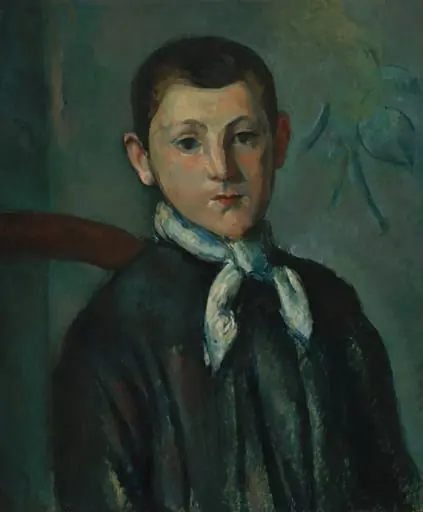
Léon Goujon in Sailor-Suit
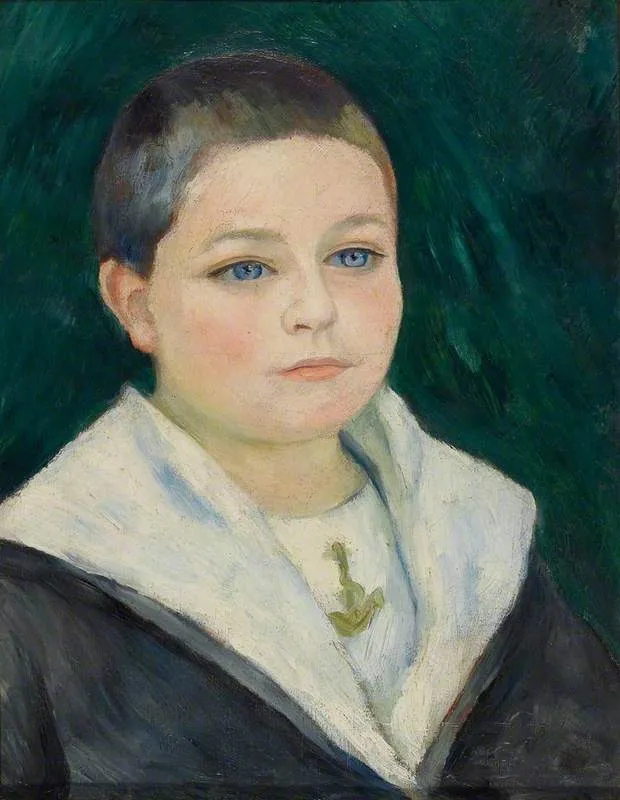
Léon Goujon in Sailor-Suit is an oil painting by the Impressionist artist Pierre-Auguste Renoir. It dates from 1893 and is held in the collection of the Fitzwilliam Museum.
About this work
Overview
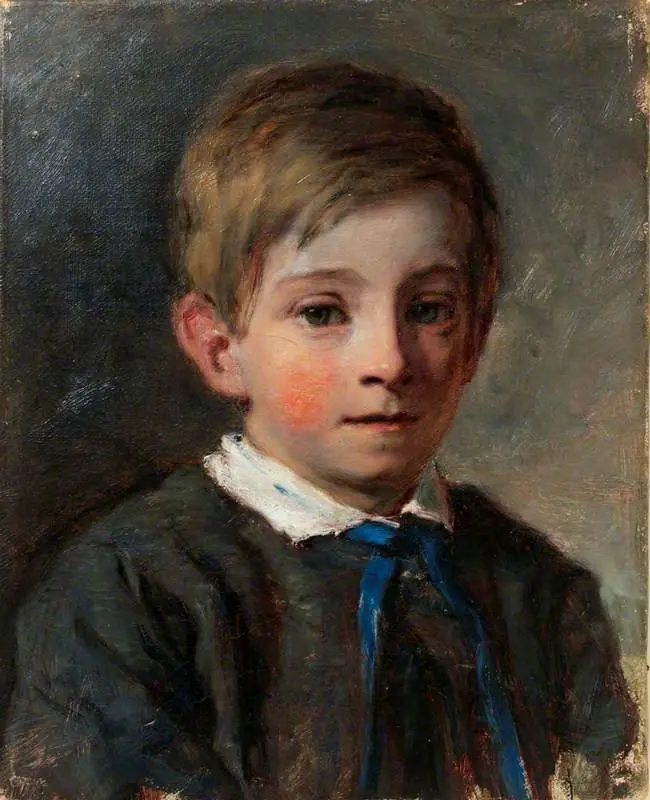
Renoir renders the subject with short dark hair and blue eyes, dressed in a traditional sailor suit featuring a distinct anchor emblem on the chest.
Léon Goujon in Sailor-Suit is an 1893 oil painting by Pierre-Auguste Renoir depicting the young son of the artist's patron, Alfred Goujon. The portrait captures the boy from the waist up against a dark green background, which isolates the figure and emphasizes the crisp white of his collar and the deep blue of his jacket. Renoir renders the subject with short dark hair and blue eyes, dressed in a traditional sailor suit featuring a distinct anchor emblem on the chest.
The composition reflects the artist's mature style, moving away from the fragmented brushwork of his earlier Impressionist phase toward a more solid, sculptural modeling of form. The soft, diffused light and the gentle, direct gaze of the child convey a sense of quiet dignity and innocence. Painted during a period when Renoir was increasingly focused on portraiture and the human figure, the work exemplifies his ability to blend the immediacy of observation with a classical sense of structure.
The choice of the sailor suit, a popular fashion for young boys in late 19th-century France, situates the work within the social context of the era while showcasing Renoir's skill in rendering textiles and the subtle interplay of light on fabric.
Subject & Meaning
The portrait depicts a child named Léon Goujon, identifiable by his short dark hair, blue eyes, and the sailor uniform he wears, complete with a white collared shirt, dark jacket and an anchor motif. The attire suggests a maritime theme, perhaps reflecting contemporary fashions or the boy’s family connections to the sea, while the gentle expression conveys youthful innocence.
Technique & Style
Renoir employs a restrained palette, allowing the dark green background to set off the lighter tones of the boy’s clothing. Brushwork is fluid yet controlled, giving the fabric a tactile sense without excessive detail. The handling of light on the face and hands demonstrates the artist’s mature ability to model form through subtle tonal shifts.
History & Provenance
Created in the early 1890s, the painting entered the Fitzwilliam Museum’s holdings through acquisition, though the precise path from Renoir’s studio to the museum is not extensively documented. Its presence in a major British institution reflects the broader European interest in Renoir’s portraiture during the late nineteenth and early twentieth centuries.
Artist & collection
Artist
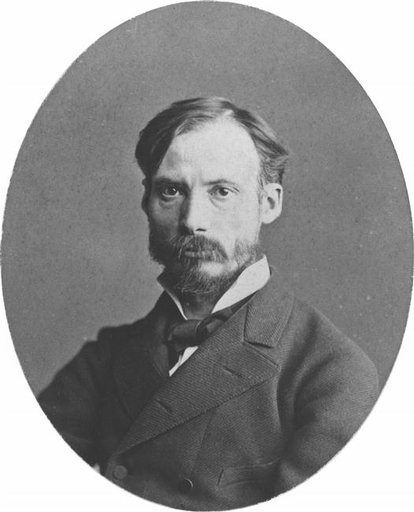
Pierre-Auguste Renoir was a French artist who was a leading painter in the development of the Impressionist style.