Artwork
Portrait of Madame Renoir
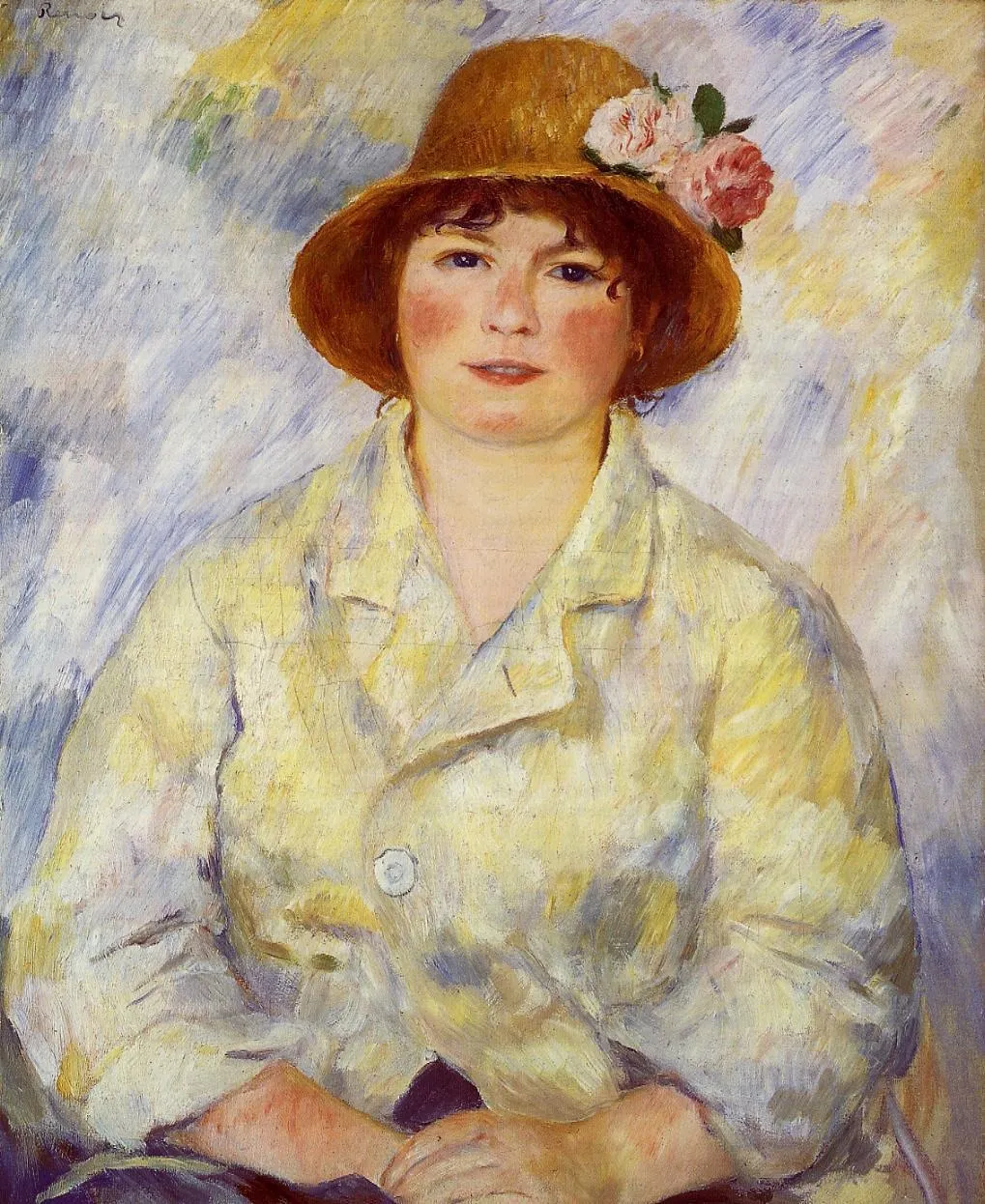
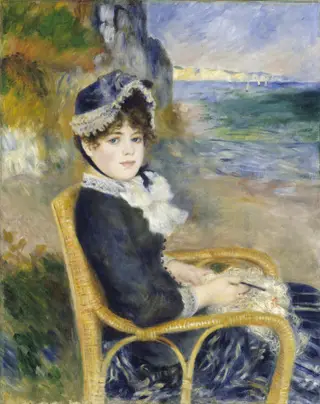
Portrait of Madame Renoir is an oil painting by the Impressionist artist Pierre-Auguste Renoir. It dates from 1893 and is held in the collection of the Philadelphia Museum of Art.
About this work
Overview
4 cm in height and 54 cm in width, is a half-length portrait of Aline Charigot, who served as Renoir's model before becoming his wife.
Portrait of Madame Renoir is an 1885 oil on canvas painting by the French Impressionist Pierre-Auguste Renoir. The artwork, measuring 65.4 cm in height and 54 cm in width, is a half-length portrait of Aline Charigot, who served as Renoir's model before becoming his wife. Created in Essoyes, the painting remained in the artist's personal collection until his death in 1919. It subsequently passed to their son Pierre and was acquired by the Philadelphia Museum of Art in 1957, where it is currently held under the accession number W1957-1-1.
Subject & Meaning
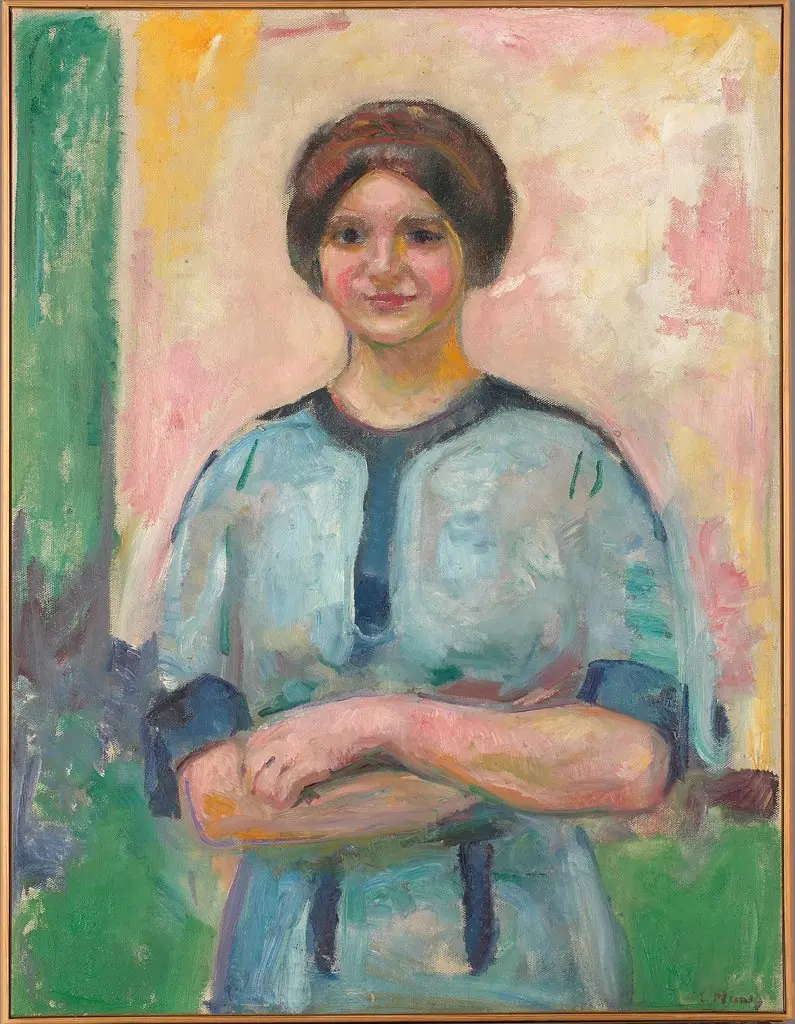
The painting depicts Aline Charigot seated and facing the observer directly, her hands clasped together in her lap. She wears a wide-brimmed straw hat decorated with two pink roses and green leaves, paired with a pale yellow jacket or white blouse that reflects yellow and green tones. Her expression is neutral with slightly parted lips. The portrait carries intimate significance, as Charigot had recently given birth to their first son, Pierre, and would later marry the artist in 1890. Unlike conventional aristocratic portraiture of the era, the work emphasizes everyday domestic beauty and grounded authenticity, reflecting Renoir's personal connection to his subject.
Technique & Style
Executed in the Impressionist style, the portrait features loose, visible, and feathery brushstrokes across the entire surface, lending a textured, slightly sketchy quality. The background consists of diagonal strokes in lavender, pale blue, yellow, and white, creating an atmospheric, indistinct setting that dissolves into the tones of her clothing. Renoir employed a soft, pastel-dominated palette with warm pinks in the sitter's cheeks contrasted by cool surrounding tones. Light is diffused throughout the composition, avoiding harsh shadows. The paint application varies, remaining thin in some areas, such as the jacket, where subtle cracking is now visible. The work is signed in the upper left corner.
History & Provenance
Renoir first met Aline Charigot in late 1879, and she likely posed for this portrait around 1885 while the family was in the countryside of eastern France, shortly after the birth of their son. The painting remained in Renoir's possession throughout his life, underscoring its personal value. Upon his death in 1919, the canvas passed to his son Pierre. The Philadelphia Museum of Art acquired the work in 1957, preserving it as a key example of the artist's intimate portraiture.
Context
The portrait was created during a pivotal period in Renoir's career when he shifted from broader social scenes to more intimate, familial subjects. Charigot was his primary model in the 1880s, a time when the artist broke away from pure Impressionism and returned to the old masters in what became known as his Ingresque period. This evolution blended Impressionist spontaneity with a renewed interest in classical form and softer modeling. The portrait reflects this transition, merging the loose brushwork and luminous color of Impressionism with a structured, direct composition that captures the sitter's grounded, everyday beauty.
Legacy
The Portrait of Madame Renoir holds a distinct place in art history for its authentic and dignified representation of a female subject, challenging the idealized or objectified conventions of the era. By elevating an ordinary individual to an artistic subject, the work aligns with Impressionism's focus on modern life while adding emotional resonance. Charigot's likeness in this and other portraits has become an icon of tenderness within the Impressionist canon. The painting remains a celebrated piece within the Philadelphia Museum of Art's collection, offering insight into Renoir's domestic world and his mastery of human expression.
Artist & collection
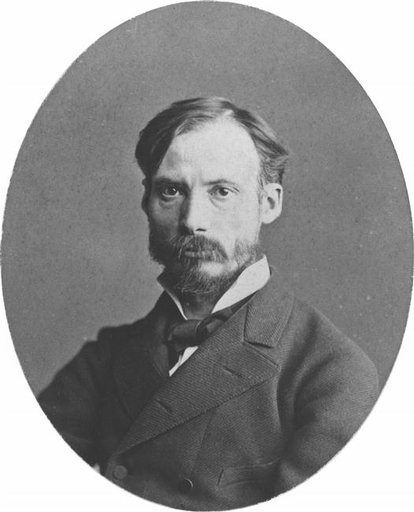
Artist
Pierre-Auguste Renoir was a French artist who was a leading painter in the development of the Impressionist style.