Artwork
Still Life
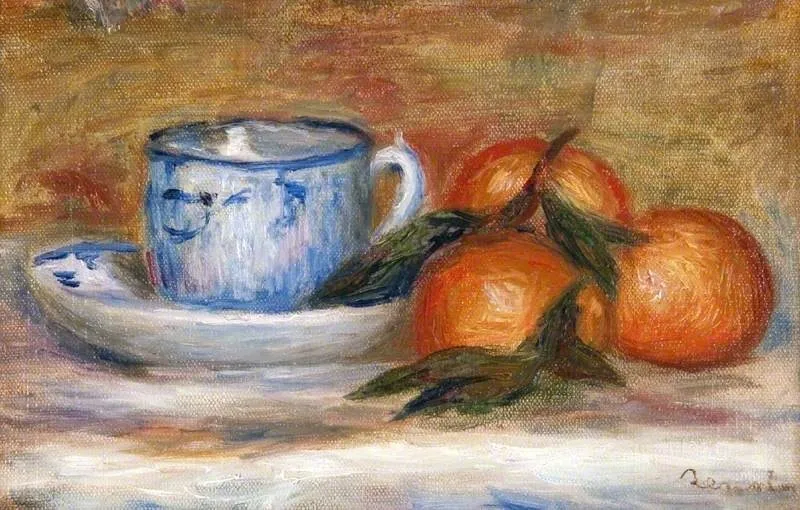
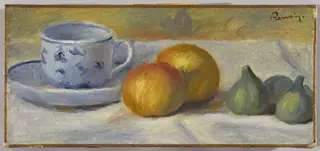
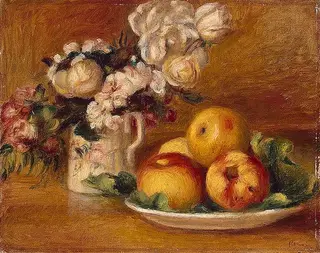
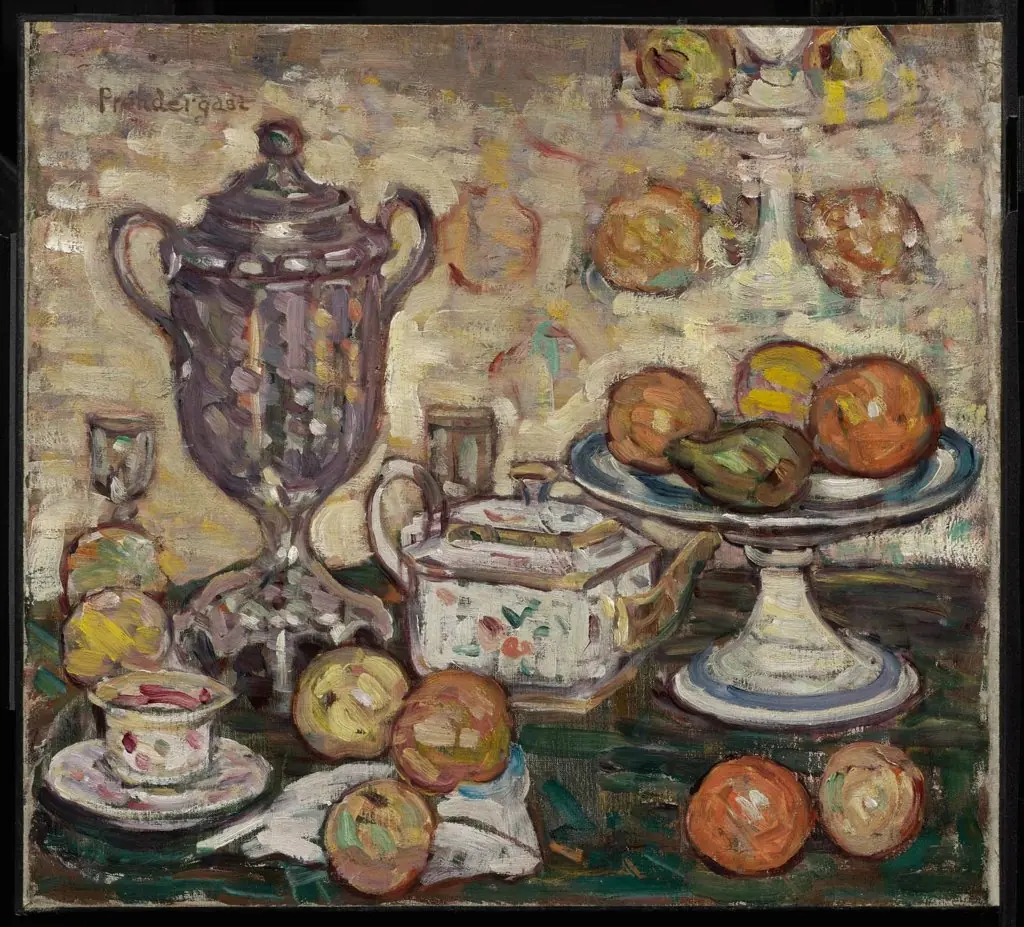
Still Life is an oil painting by the Impressionist artist Pierre-Auguste Renoir. It dates from 1908 and is held in the collection of the Kelvingrove Art Gallery and Museum.
About this work
Overview
It resides in the Kelvingrove Art Gallery and Museum in Glasgow, part of a late series where Renoir turned increasingly to intimate, contemplative subjects.
Painted in 1908, this oil still life by Pierre-Auguste Renoir presents a modest arrangement of household objects: a teacup and saucer, three oranges, and a few leaves. Rendered with gentle brushwork and a restrained palette, the composition avoids theatricality, focusing instead on the quiet presence of ordinary items. It resides in the Kelvingrove Art Gallery and Museum in Glasgow, part of a late series where Renoir turned increasingly to intimate, contemplative subjects.
Subject & Meaning
The painting’s subject, tea ware and fruit, reflects the domestic rhythm of daily life. The teacup, slightly blurred, suggests recent use, while the oranges, crisp and grounded, imply freshness. Together, they evoke a moment of pause, not celebration.
Renoir’s choice of humble items, devoid of symbolism or narrative, emphasizes the dignity found in routine, aligning with his later interest in timeless, sensory experiences over storytelling.
Technique & Style
Renoir employs soft, blended strokes for the teacup and saucer, creating a hazy, atmospheric quality that contrasts with the sharper contours of the oranges and leaves. Warm browns and tans dominate the background, allowing the muted blues and oranges to emerge subtly. The brushwork remains loose yet deliberate, balancing Impressionist looseness with a newfound solidity, reflecting his evolving style after years of experimentation with form and texture.
History & Provenance
Created during Renoir’s final years, the painting was likely made in his studio in Cagnes-sur-Mer, where he lived with declining health. It entered the Kelvingrove collection in the 20th century through a private donation, though its exact path from artist to museum remains undocumented. Its presence in Glasgow reflects broader early 20th-century interest in French modernism among British public collections.
Context
By 1908, Renoir had moved beyond the radical light studies of his Impressionist youth, embracing a more structured approach influenced by Renaissance and classical art. This still life aligns with his late-period focus on enduring forms and tactile surfaces. While contemporaries explored abstraction or expressionism, Renoir returned to quiet, sensory observation, offering a counterpoint to the era’s accelerating modernity.
Legacy
This painting exemplifies Renoir’s enduring commitment to beauty in the everyday, even as his physical condition worsened. It stands as a quiet testament to his lifelong fascination with texture, light, and domestic intimacy. Though not widely exhibited, it contributes to the understanding of his late style, a synthesis of observation, warmth, and restraint that influenced later realist and modernist still life traditions.
Artist & collection
Artist
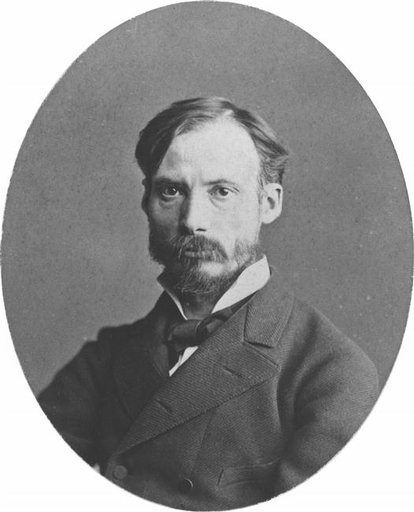
Pierre-Auguste Renoir was a French artist who was a leading painter in the development of the Impressionist style.