Artwork
Woman in Black
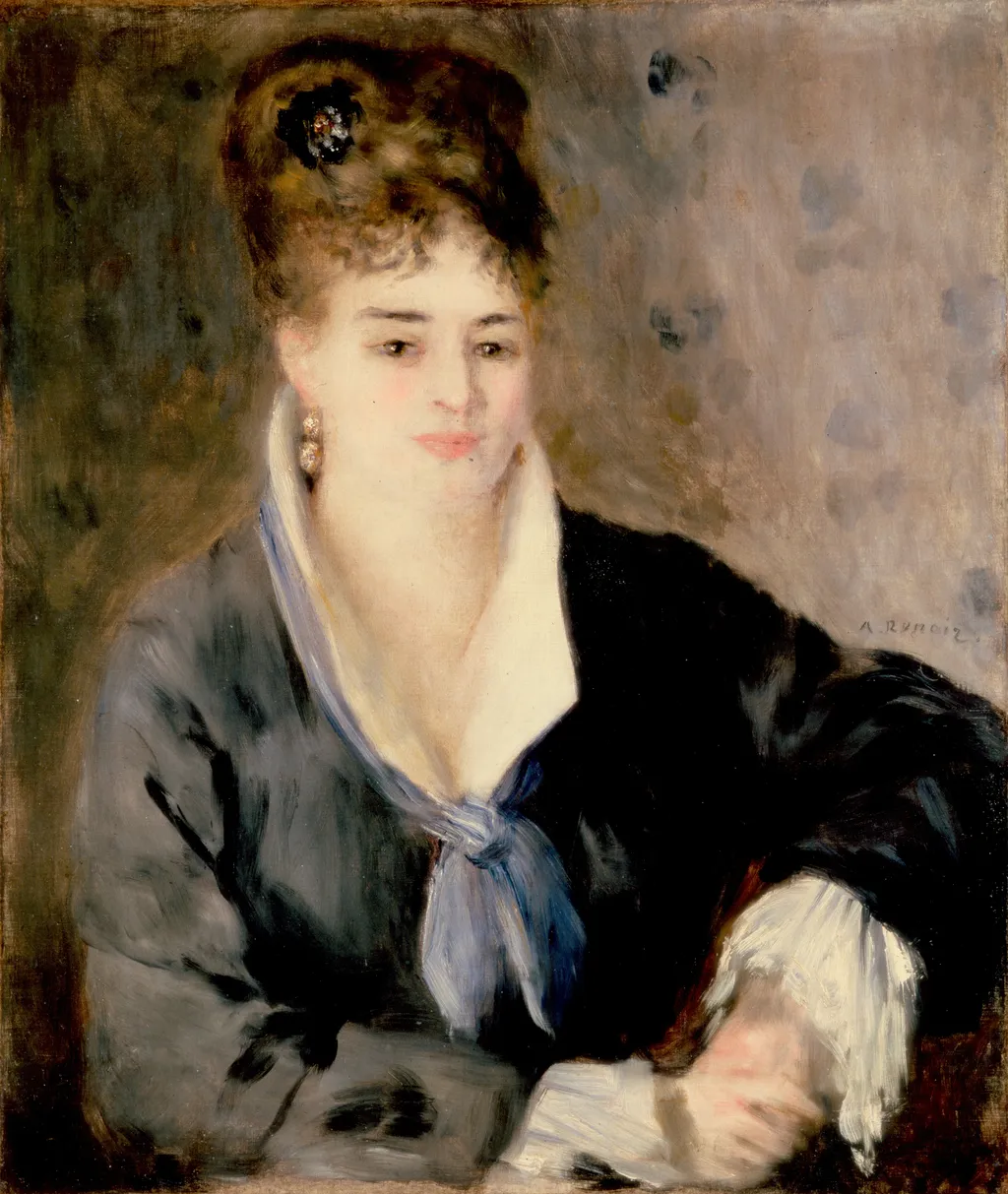
Woman in Black is an oil painting by the Impressionist artist Pierre-Auguste Renoir. It dates from 1888 and is held in the collection of the Hermitage Museum. Created in 1888, this oil painting by Pierre‑Auguste Renoir portrays a seated woman dressed in dark attire with a crisp white collar.
About this work
Subject & Meaning
She is accessorized with small earrings, a brooch in her chignon, and discreet makeup, indicating contemporary ideals of feminine elegance and coquetry.
The subject is a young woman named Anna, depicted in half-length portrait and frontal view, wearing a black dress with a dark-blue ribbon at the neck and white blouse with lace cuffs. She is accessorized with small earrings, a brooch in her chignon, and discreet makeup, indicating contemporary ideals of feminine elegance and coquetry.
Renoir’s handling emphasizes the sitter’s pale, luminous complexion through flat, summary treatment of the face, while more animated brushwork animates the blue ribbon and white sleeves. The neutral, luminous grey background and the pink accents of her lips create a restrained, harmonious palette. The focused gaze and refined attire suggest a portrait of social presence rather than narrative, capturing an Impressionist interest in light and surface over psychological depth.
Technique & Style
Renoir executed Woman in Black in oil on canvas, measuring 65.5 × 55.5 cm. The artist employed a highly differentiated paint handling: the face is modeled with careful, flat brushwork that gives the pale, luminous complexion a porcelain-like delicacy, while the costume, the black dress, dark blue ribbon at the collar, and lace-trimmed sleeves, is rendered with quick, confident strokes. Areas of particular interest to Renoir, notably the eyes, earrings, and full lips, receive meticulous attention, drawing the viewer's gaze, whereas other passages are suggested with allusive, preparatory-free brushwork. The neutral, luminous gray background harmonizes with the pink tones of the lips and reprises the flesh and blue of the ribbon, creating a restrained but spicy coloristic accord.
This varied technical approach, precise in the face, summary and expressive in the attire, exemplifies Renoir's characteristic joy in the act of painting within an Impressionist portrait idiom.
History & Provenance
Pierre-Auguste Renoir painted Woman in Black in Paris in 1876. The work depicts a model named Anna, whom the artist met in Montmartre and who also posed for Édouard Manet. Renoir executed the oil on canvas portrait during this period, signing it A. Renoir.
The painting was formerly owned by Sergei Shchukin before entering the collection of the Hermitage Museum in Saint Petersburg, where it is currently housed in the Winter Palace. The composition features Anna in a half-length bust view, characterized by her black dress and dark blue ribbon.
The painting is held by the Hermitage Museum in Saint Petersburg, where it is installed at the Winter Palace. Earlier in its provenance, the canvas was owned by the collector Sergei Shchukin before entering the museum's holdings. The work is catalogued as part of the Hermitage's collection of French Impressionist paintings.
No specific exhibition history, loan record, or accession number is documented in the available sources.
Legacy
The painting is recognized as an early example of Renoir's exploration of psychological nuance within portraiture, influencing later artists' approaches to depicting female subjects in contemporary attire. Its presence in the Hermitage Museum's collection, particularly within the context of 19th-century Russian and French artistic exchange, has contributed to its scholarly attention as a representative work of Impressionist portraiture. The work's technical handling of light on fabric and the subtle rendering of facial expression have been cited in art historical literature as exemplifying Renoir's transitional style between academic tradition and Impressionist innovation.
The painting's attribution and dating have been subject to scholarly discussion, with its creation circa 1876 firmly linked to Renoir's Parisian period and his engagement with models such as Anna, who also posed for other contemporary artists.
Overview
Created in 1888, this oil painting by Pierre‑Auguste Renoir portrays a seated woman dressed in dark attire with a crisp white collar. The composition is softened by an indistinct background, allowing the figure’s subtle smile and delicate hand gesture with a white fan to dominate the visual field. The work exemplifies Renoir’s late‑period approach within the broader Impressionist tradition.
Context
Painted during a period when Renoir was revisiting more classical forms after his earlier, brighter Impressionist works, the piece reflects a shift toward richer palettes and greater emphasis on volume. It aligns with contemporaneous French portraiture that balanced modern brushwork with traditional compositional stability.
Own this work as a print
Artist & collection
Artist
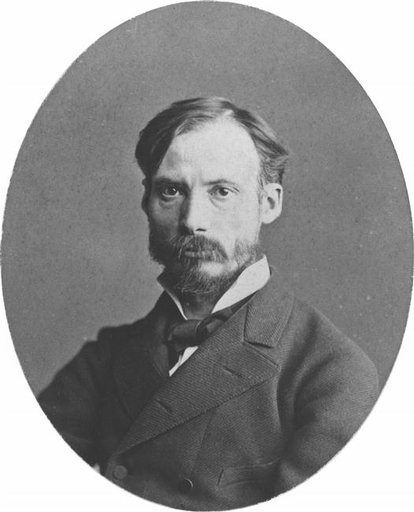
Pierre-Auguste Renoir was a French artist who was a leading painter in the development of the Impressionist style.

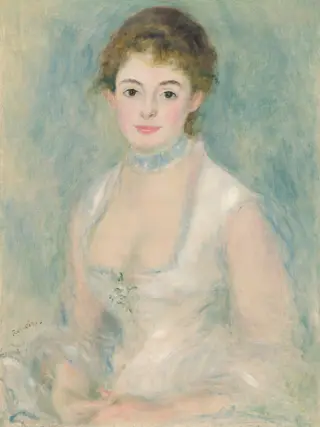 Madame Henriot
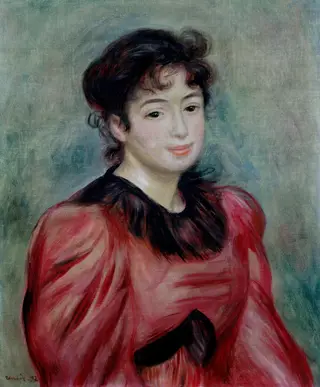 Portrait de Mademoiselle Victorine de Bellio
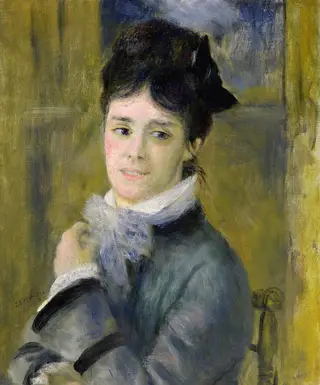 Portrait de madame Claude Monet
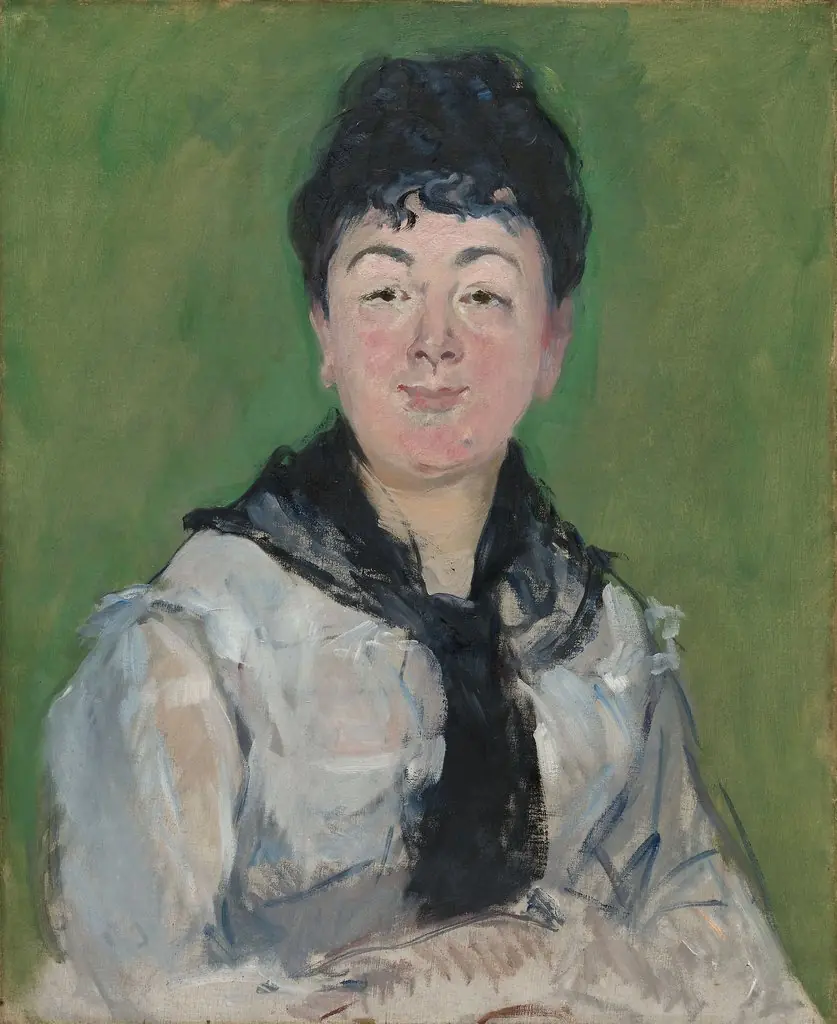 Portrait of a Woman with a Black Fichu
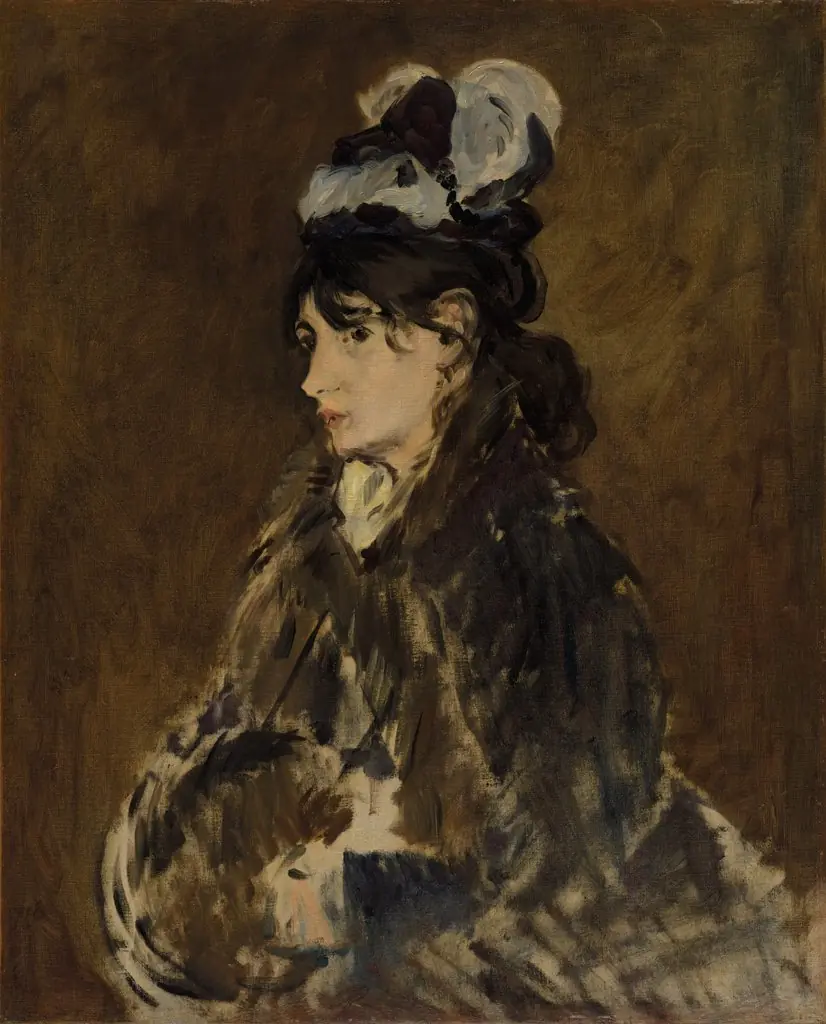 Berthe Morisot
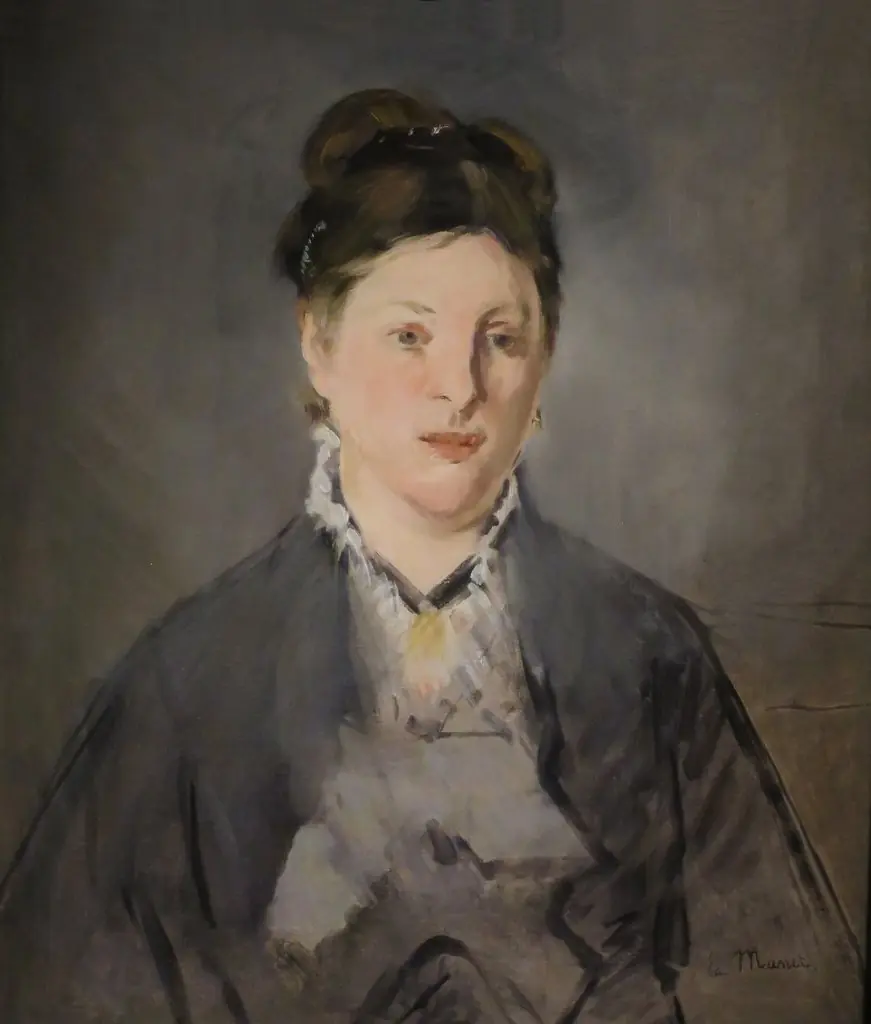 Portrait de Madame Manet
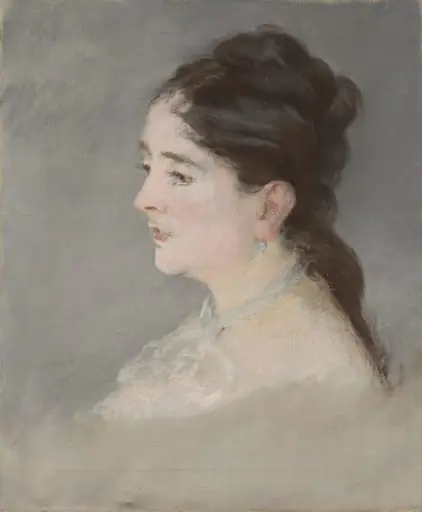 Claire Campbell
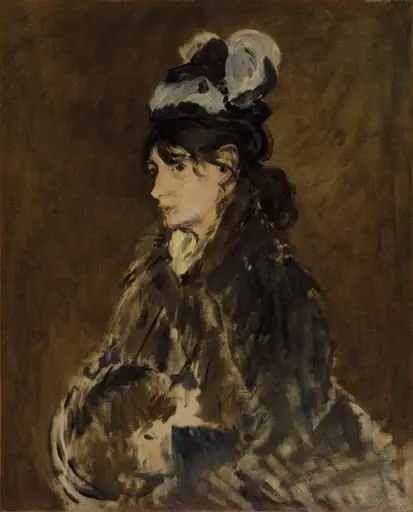 Berthe Morisot with a Muff
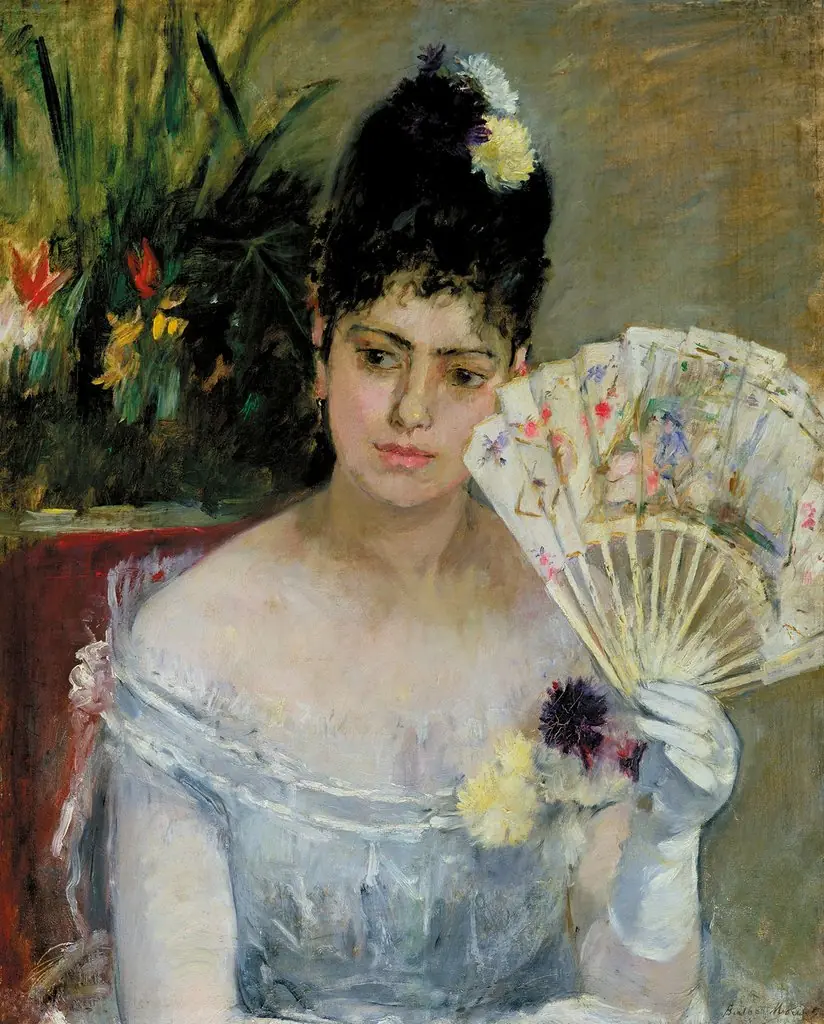 Au bal
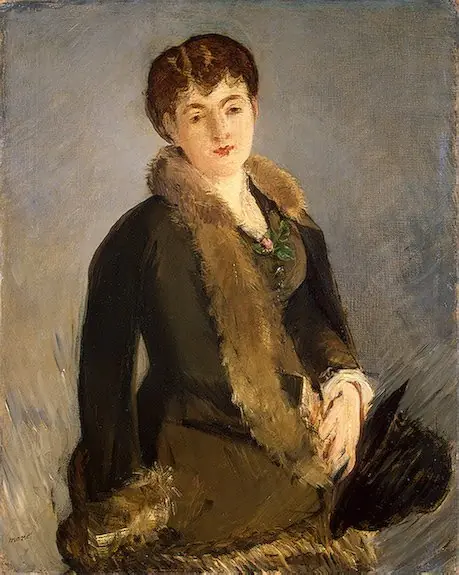 Portrait of Mademoiselle Isabelle Lemonnier
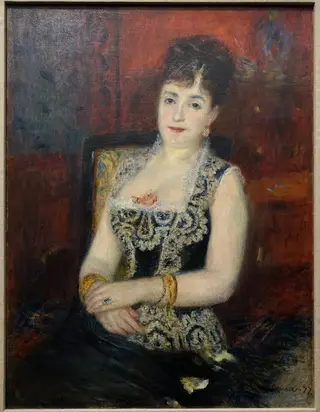 Retrato da condessa de Pourtalès
- Young Woman in Black