Artwork
Berthe Morisot
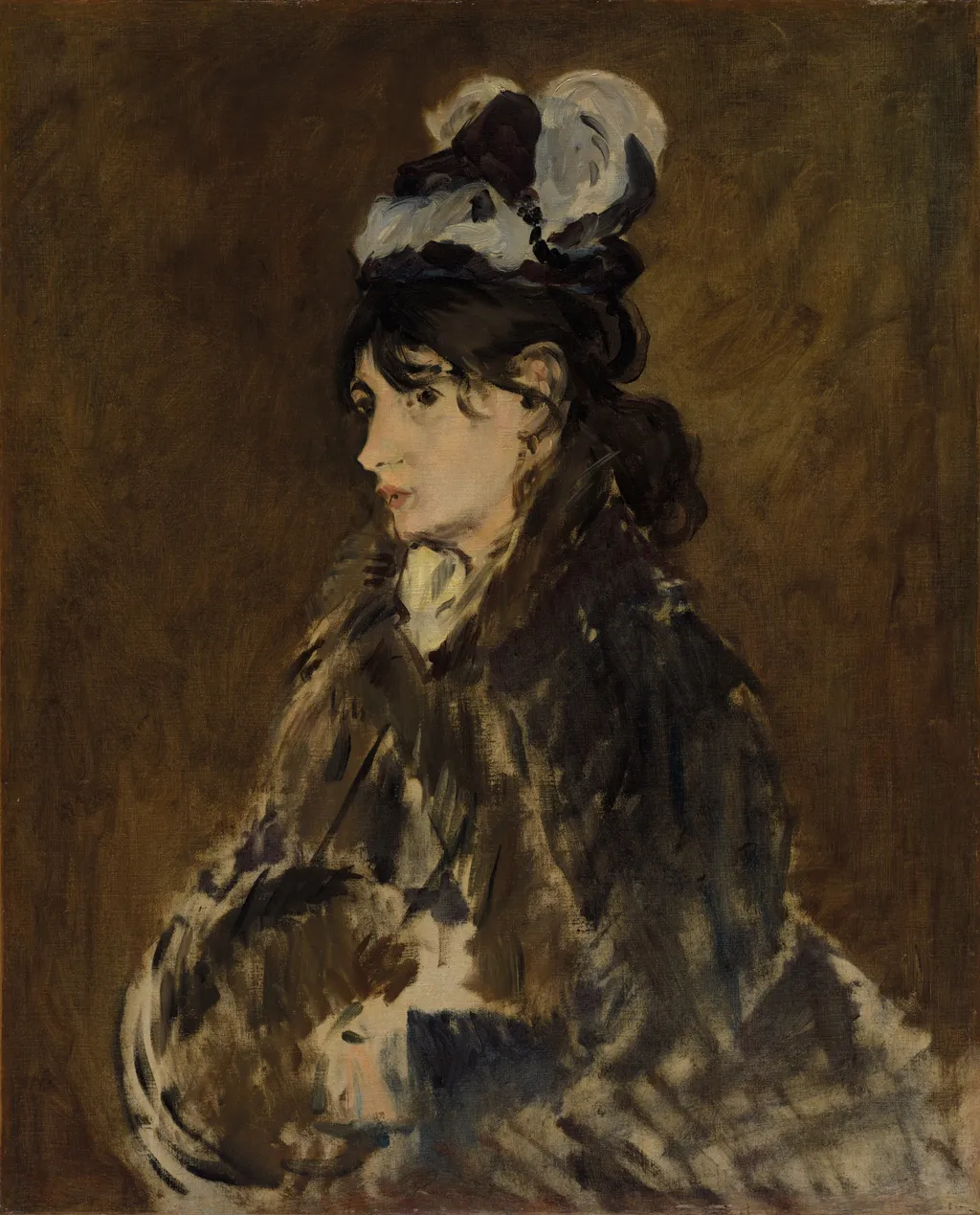
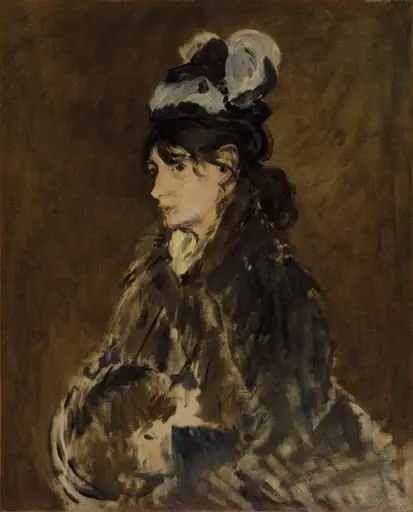
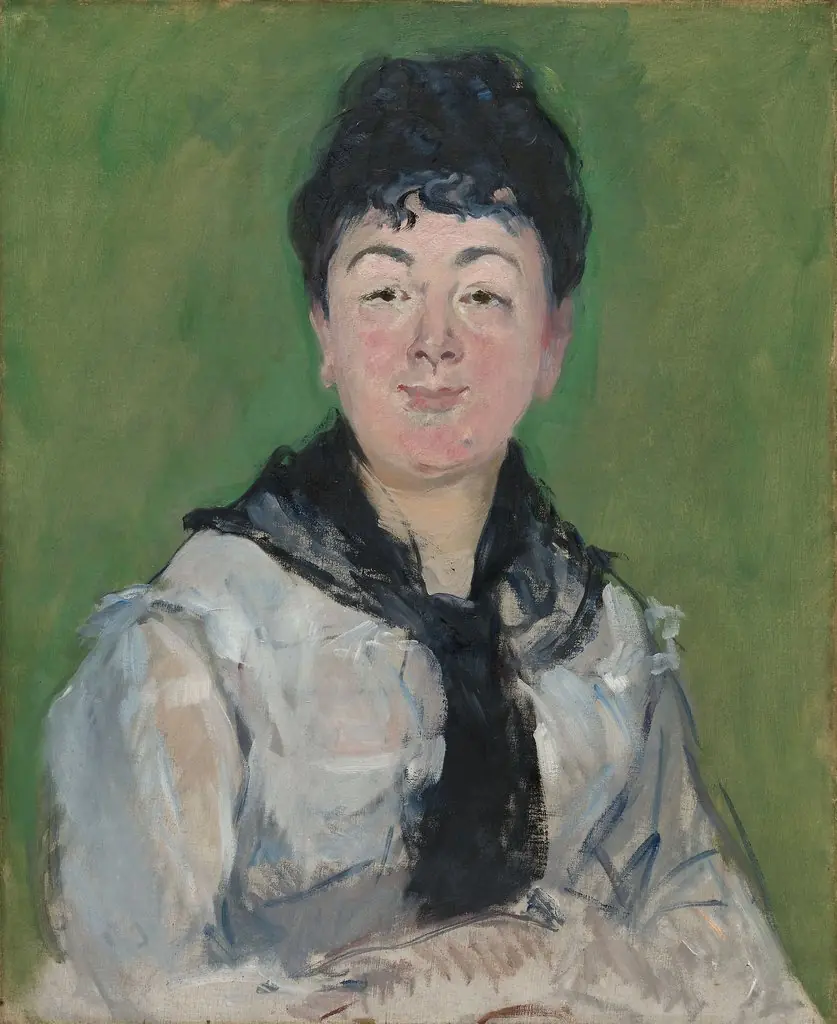
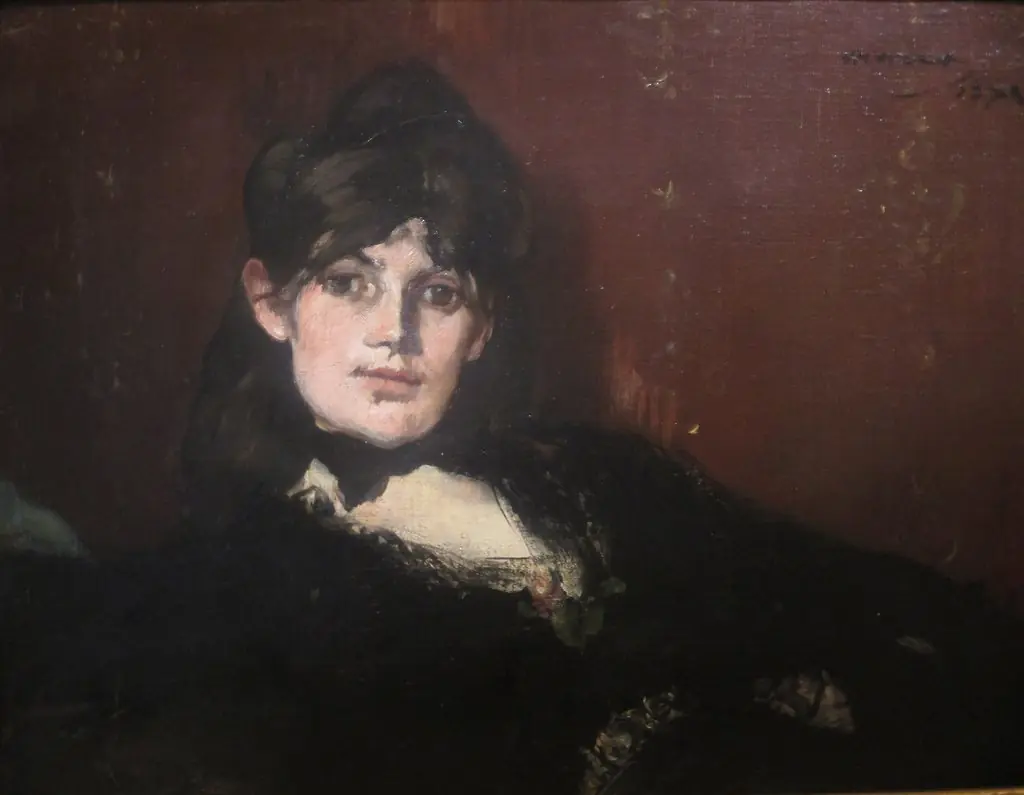
Berthe Morisot is an unspecified painting by the Impressionist artist Édouard Manet. It dates from 1869 and is held in the collection of the Cleveland Museum of Art.
About this work
Subject & Meaning
The painting portrays Berthe Morisot, a close associate of the artist, rendered in a domestic interior that emphasizes intimacy and modern femininity.
The painting portrays Berthe Morisot, a close associate of the artist, rendered in a domestic interior that emphasizes intimacy and modern femininity. Its iconography centers on the sitter’s poised presence within a bourgeois setting, symbolizing both personal identity and the evolving role of women in 19th‑century French society. The work is interpreted as a commentary on contemporary gender expectations, merging personal portraiture with broader social commentary.
Measured at 74 cm by 60 cm, the canvas was created in France in 1869 and is housed in the Cleveland Museum of Art.
History & Provenance
The painting was created in France in 1869. It entered the collection of the Cleveland Museum of Art, where it remains on view.
The work was acquired directly by the museum.
The canvas measures 74.0 cm in height and 60.0 cm in width.
Overview
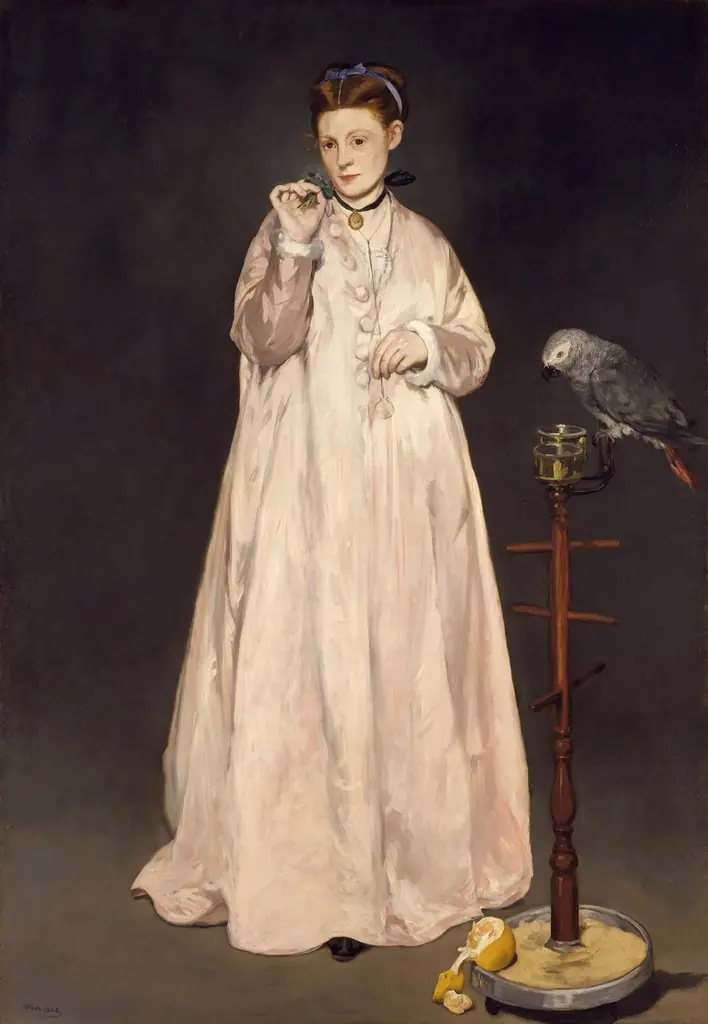
Édouard Manet’s 1869 oil painting titled Berthe Morisot is part of the collection at the Cleveland Museum of Art. The work presents a single figure rendered against a dark, unadorned backdrop, drawing immediate attention to her attire and expression. Manet’s composition emphasizes the sitter’s presence through a restrained palette and focused lighting.
Technique & Style
Manet employs rapid, loose brushwork that gives the surface a sketch‑like quality. Details are suggested rather than meticulously rendered, with visible strokes that convey texture and movement. This approach creates a sense of immediacy, as if the artist captured a fleeting impression of the sitter rather than a polished finish.
Own this work as a print
Artist & collection
Artist
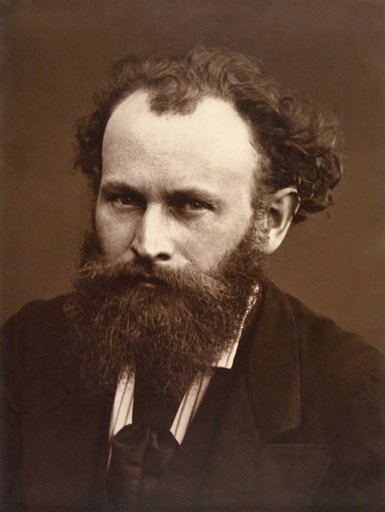
Édouard Manet was a French modernist painter. He was one of the first 19th-century artists to paint modern life, as well as a pivotal figure in the transition from Realism to Impressionism.