Artwork
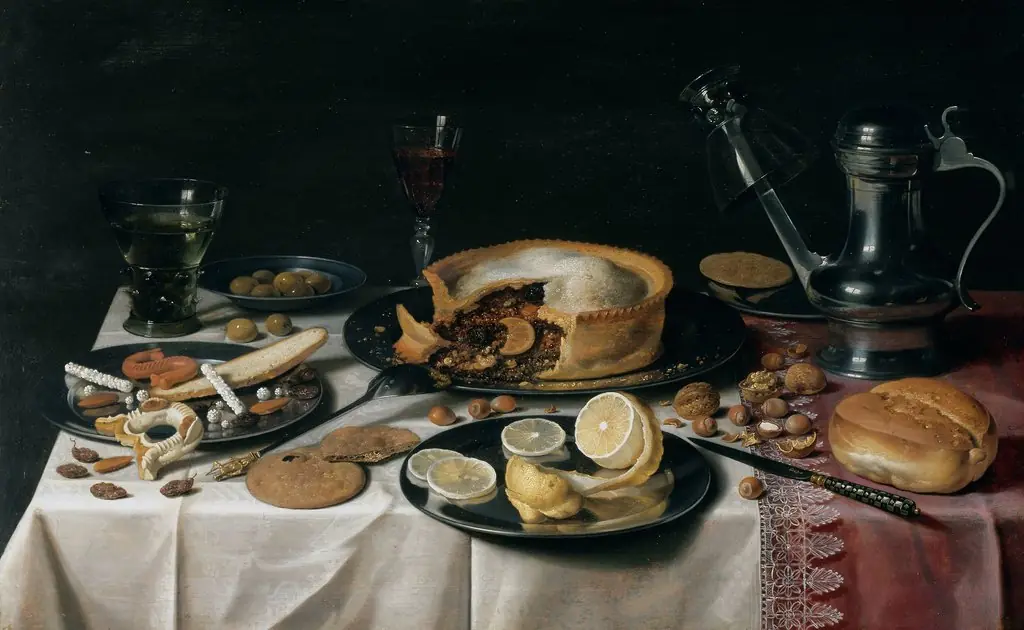
Still Life with a Turkey Pie
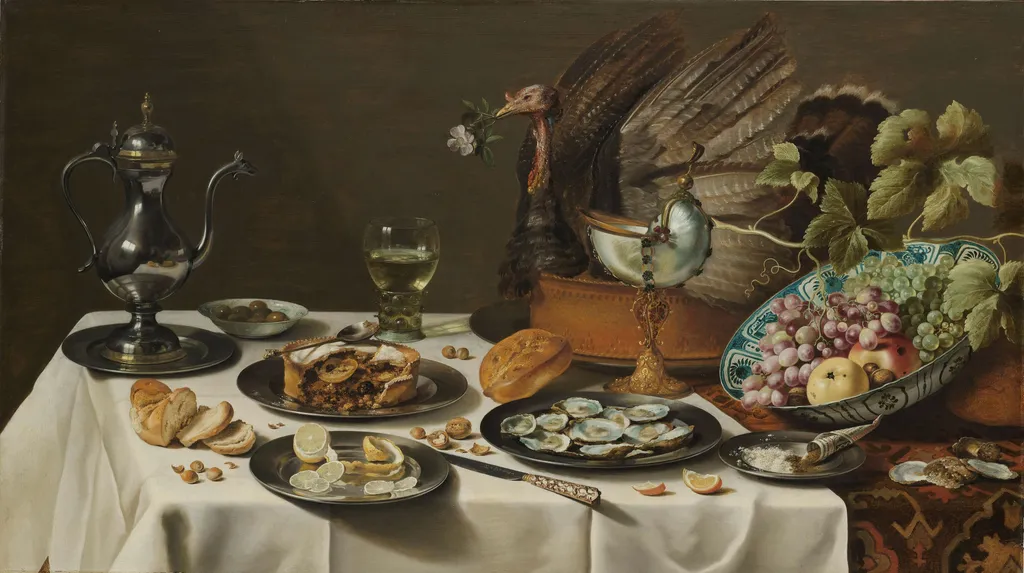
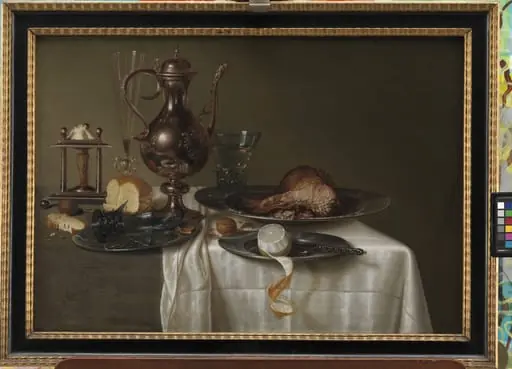
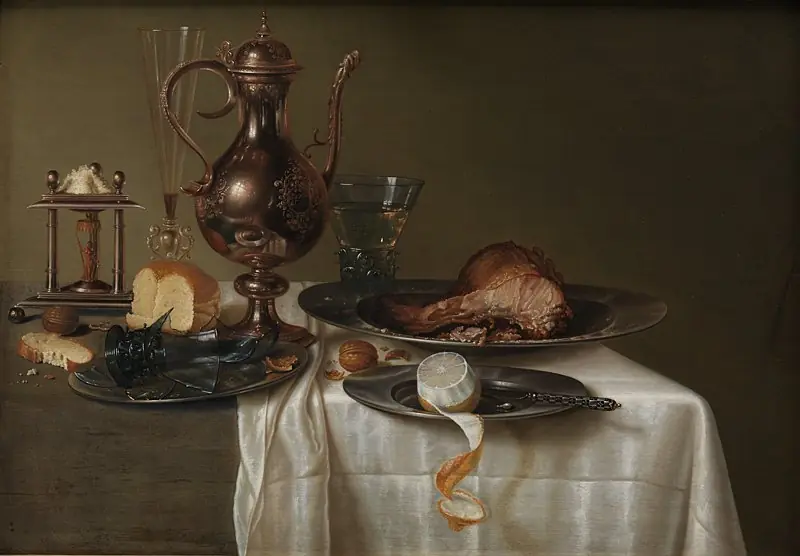
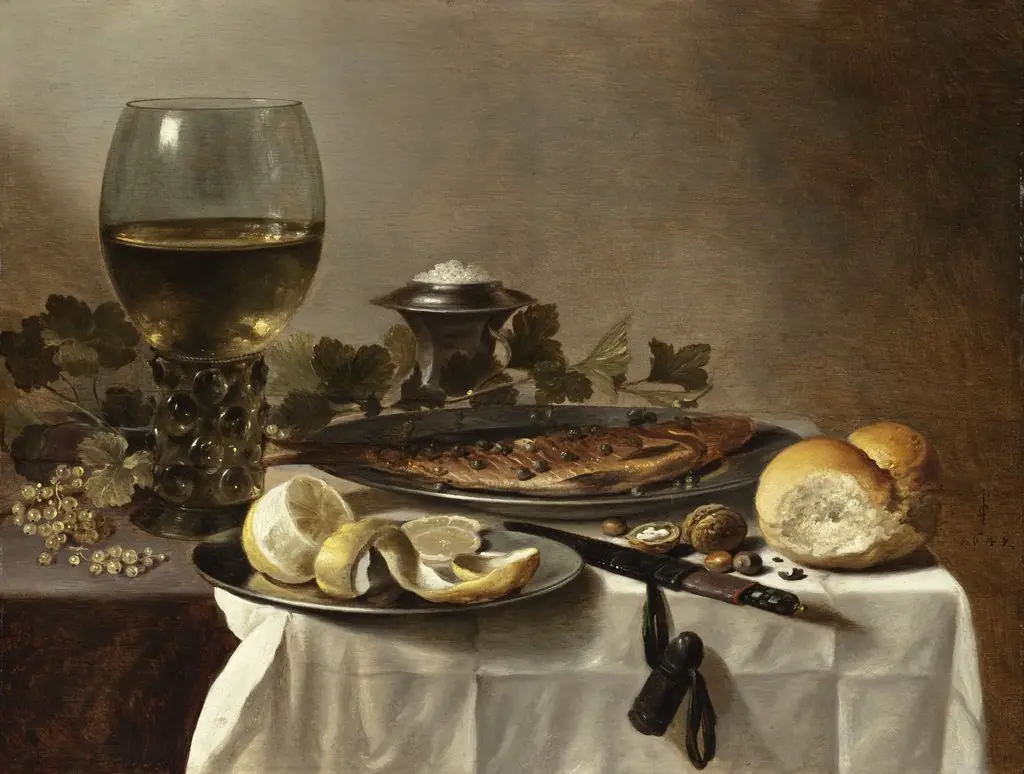
Still Life with a Turkey Pie is an oil painting by the Dutch Golden Age artist Pieter Claesz. It dates from 1627 and is held in the collection of the Rijksmuseum.
About this work
Subject & Meaning
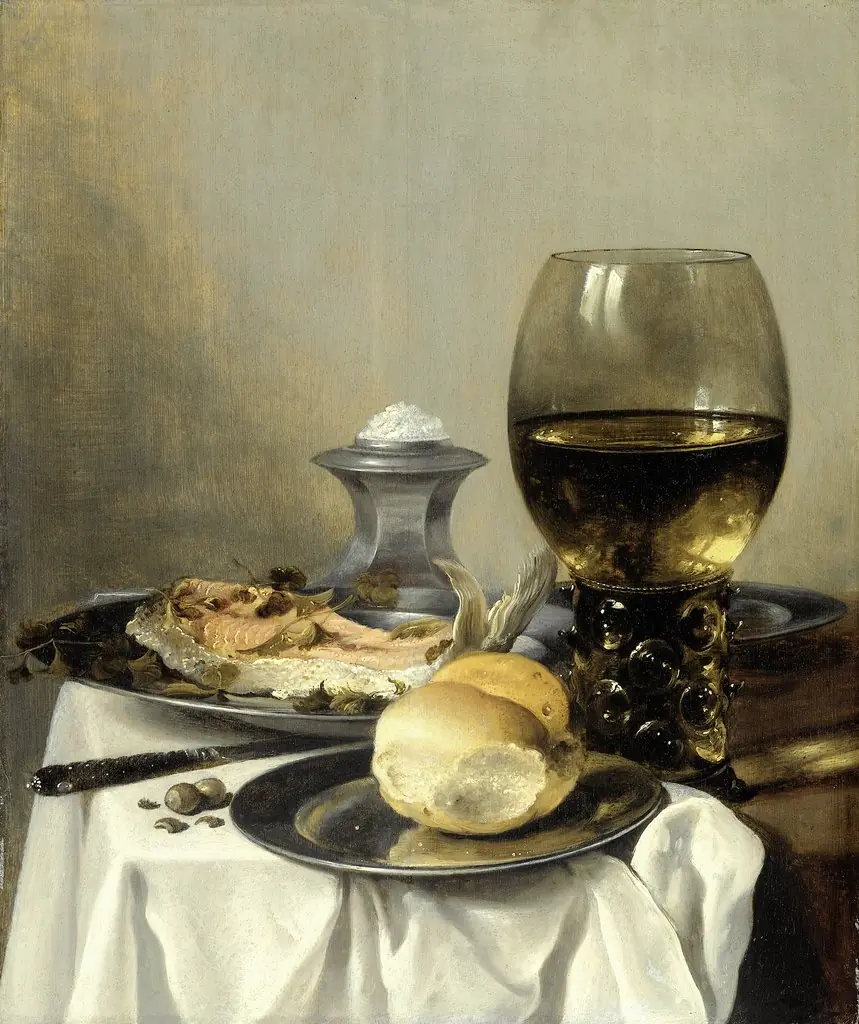
The painting depicts a domesticated turkey and an oyster arranged within a still life composition.
The painting depicts a domesticated turkey and an oyster arranged within a still life composition. Created in 1627 by Pieter Claesz, the work belongs to the Dutch Golden Age genre of still life. While the specific symbolic meaning or allegorical intent behind the inclusion of the turkey and oyster is not detailed in the provided records, the selection of these items establishes the subject matter as a representation of domestic abundance and culinary luxury typical of the period. The work is currently held in the Rijksmuseum in Amsterdam.
Technique & Style
Created in 1627, Still Life with a Turkey Pie is an oil painting executed on a panel support. The work measures 75 cm in height and 132 cm in width. As a product of the Dutch Golden Age, the piece falls within the still life genre and depicts domesticated subjects, including a turkey and an oyster.
The painting is attributed to Pieter Claesz. While the specific brushwork handling is not detailed in the available records, the medium and support are consistent with the artist's known practices in Haarlem during this period.
History & Provenance
Created by Pieter Claesz in 1627, Still Life with a Turkey Pie is an oil-on-panel work produced in Haarlem. The painting remained in the collection of Baroness Cecilia-Maria van Pallandt at Keukenhof Castle starting in 1881. It was subsequently sold by her descendants to the Hague art dealer S. Neistad in 1974 for 300,000 guilders.
Neistad resold the work later that same year to its current owner, the Rijksmuseum in Amsterdam, for 832,000 guilders.
Overview
Created in 1627, this oil painting by Dutch artist Pieter Claesz depicts a domestic banquet scene. Central to the composition is a sizeable turkey pie, surrounded by modest accompaniments such as bread, cheese and a small knife. The work exemplifies the Dutch still‑life tradition of rendering everyday objects with careful attention to texture and light, and it now belongs to the collection of the Rijksmuseum in Amsterdam.
Context
Produced during the Dutch Golden Age, the work aligns with a broader trend of depicting domestic interiors and culinary fare as symbols of prosperity and civic virtue. Claesz, known for his refined banquet scenes, contributed to a visual language that celebrated both the material wealth and the modest daily rituals of 17th‑century Holland.
Artist & collection