Artwork
The Adoration of the Magi
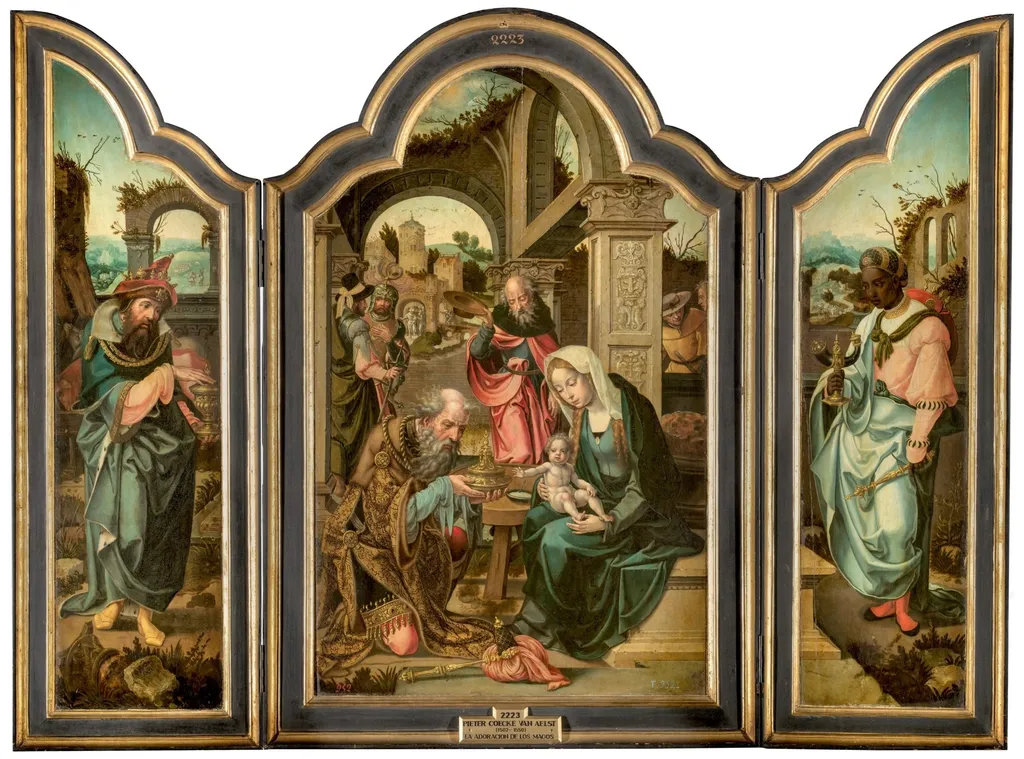
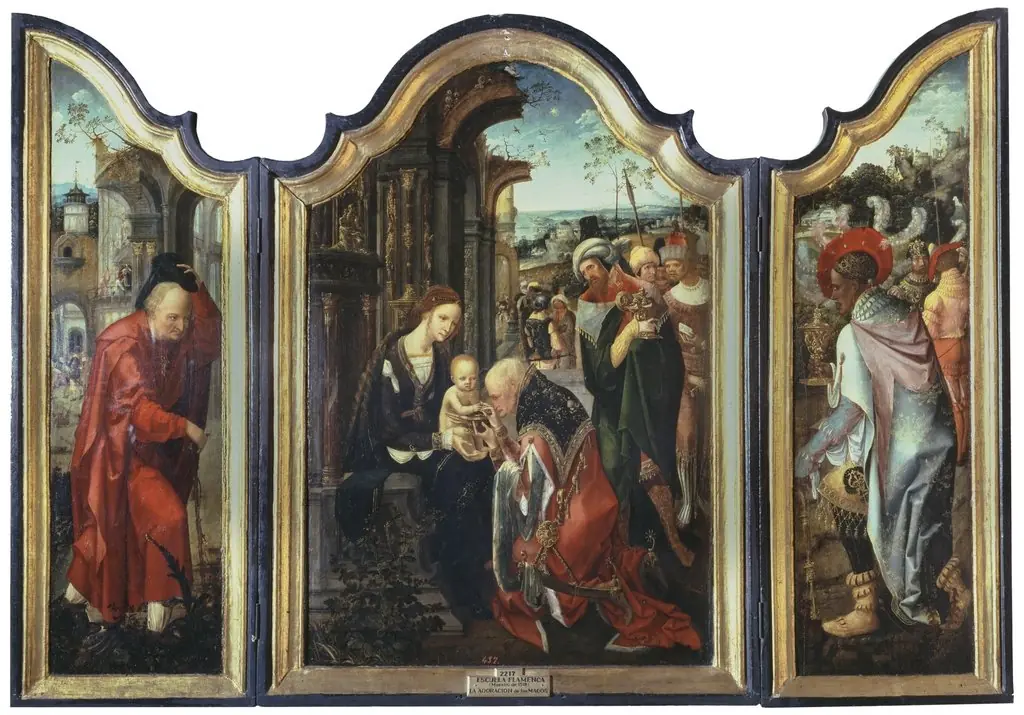
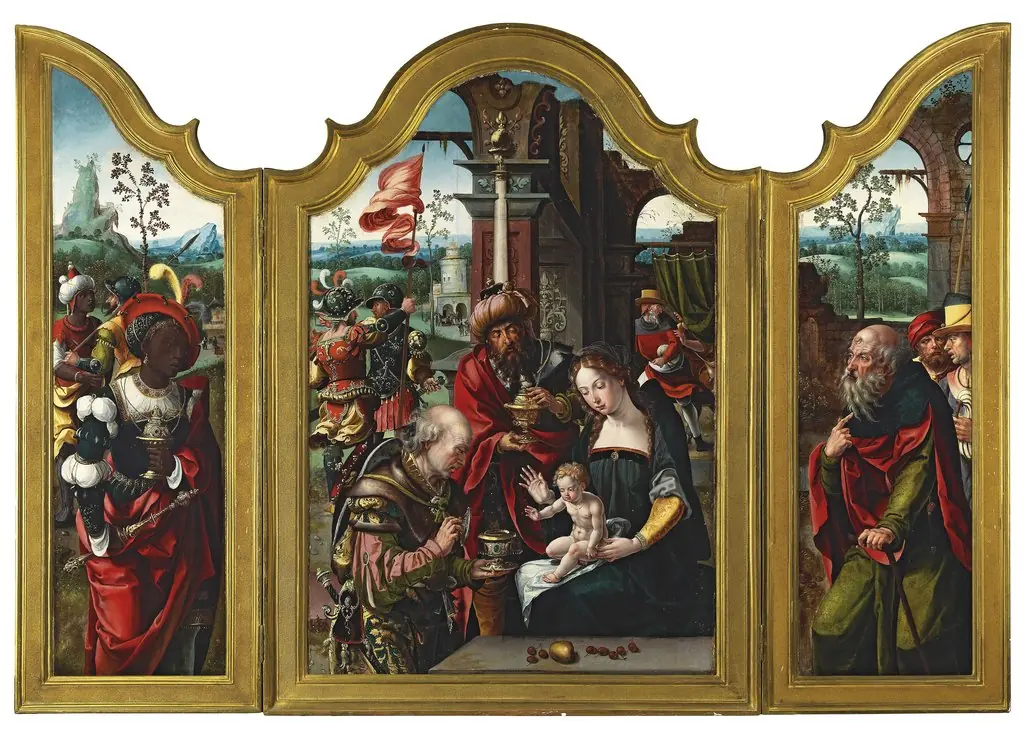
The Adoration of the Magi is an oil painting by the Northern Renaissance artist Pieter Coecke van Aelst. It dates from 1530 and is held in the collection of the Museo del Prado. Created around 1530, this oil‑on‑panel triptych depicts the biblical episode of the Magi’s visit to the infant Jesus.
About this work
Subject & Meaning
This specific arrangement of the monarchs holding their symbolic offerings creates a continuous, idealized depiction of the adoration event.
This work illustrates the biblical narrative from the Gospel of Matthew in which wise men, or Magi, travel from the east guided by a star to worship the newborn Jesus. The scene captures the moment the visitors bow before the Christ Child in a manger, presenting gifts of gold, frankincense, and myrrh. While the scripture does not specify their number or origins, Western Christian tradition interpreted these gifts to signify three kings representing the continents of Asia, Europe, and Africa, eventually assigning them the names Caspar, Melchior, and Balthazar.
The composition arranges these figures across three panels: Caspar stands on the left wing, Melchior kneels in the central panel, and Balthazar appears on the right. This specific arrangement of the monarchs holding their symbolic offerings creates a continuous, idealized depiction of the adoration event.
Technique & Style
Created circa 1530 by Pieter Coecke van Aelst, this work is an oil painting executed on a wooden panel support. The piece functions as a triptych, presenting a continuous, idealized manger scene across its three distinct panels. Stylistically, the composition arranges the three Magi specifically: Caspar stands in the left wing, Melchior kneels in the central section, and Balthazar stands in the right wing.
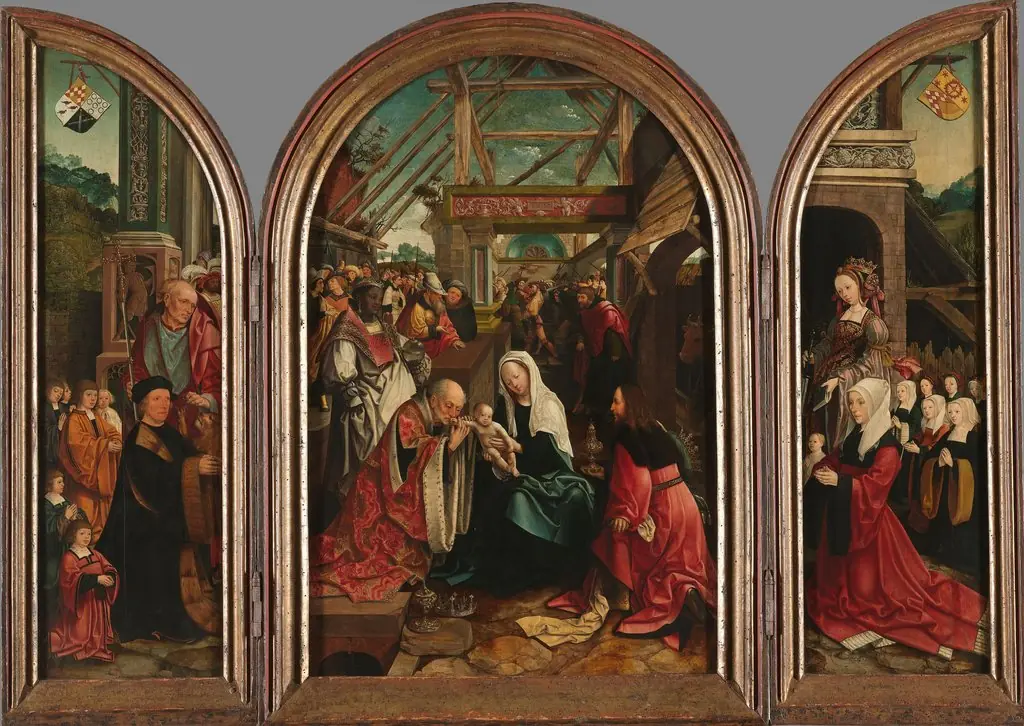
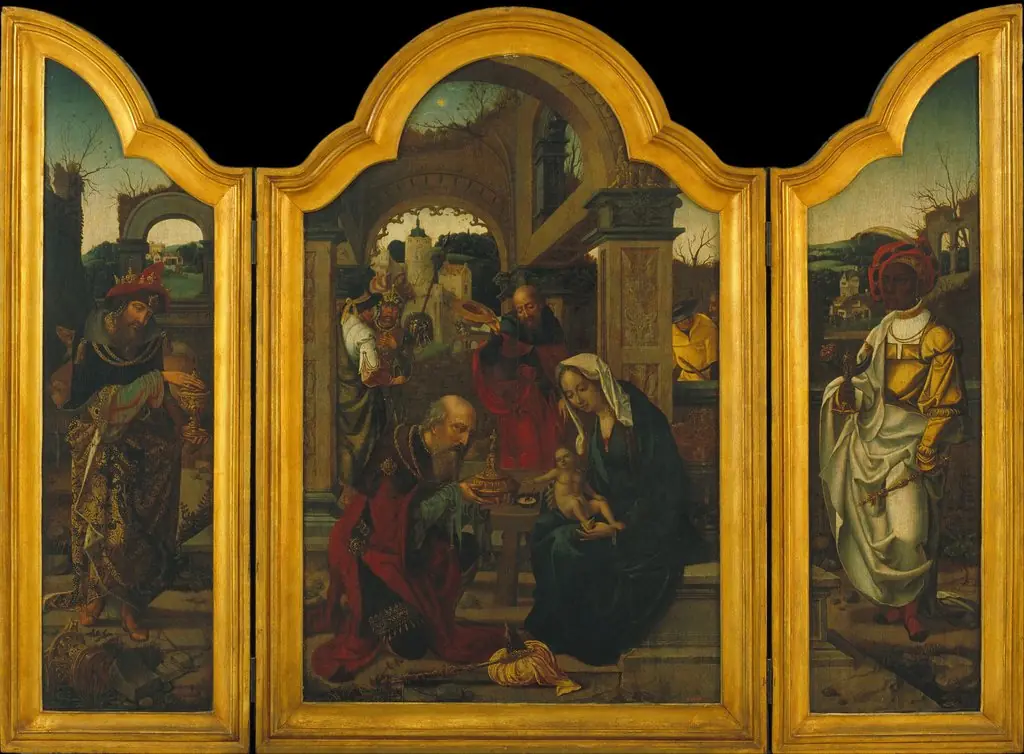
This specific configuration shares compositional similarities with a workshop version of the same subject held in Amsterdam, though the arrangement of figures differs slightly between the two. The artwork depicts the biblical narrative of the Magi presenting gifts of gold, frankincense, and myrrh to the Christ Child.
History & Provenance
The Adoration of the Magi is a c. 1530 oil on panel triptych by Pieter Coecke van Aelst, originally catalogued in 1865 as belonging to the Museo de la Trinidad in Madrid before entering the collection of the Museo del Prado, where it remains today. The work has been identified in institutional records as originating from the earlier collection of Museo de la Trinidad, confirming its early provenance within Spain. Its creation history is tied to the artistic practice of Coecke van Aelst, a Flemish Renaissance artist active in the early 16th century, and it reflects the devotional tradition of depicting the Magi's adoration as recounted in the Gospel of Matthew.
The Adoration of the Magi is held by the Museo del Prado in Madrid. It was previously in the collection of the Museo de la Trinidad in Madrid, where in 1865 it was catalogued as a work by Lucas van Leyden. The painting is an oil on panel triptych dated to circa 1530 by Pieter Coecke van Aelst.
No specific inventory or accession number is recorded in the available sources, and no exhibition history beyond the documented provenance through the Museo de la Trinidad and the Museo del Prado is noted.
Context
Pieter Coecke van Aelst's c. 1530 triptych represents a specific iteration of the Adoration of the Magi within the broader context of Flemish religious art. The work's composition, featuring a continuous idealized manger scene across three panels, aligns with arrangements produced by Coecke's workshop and contemporaries such as Joos van Cleve, the Master of Hoogstraeten, Jan van Dornicke, and the Master of 1518. This stylistic kinship is evident when comparing the Madrid panel to a workshop version held in the Rijksmuseum, which shares similar figural positioning despite variations in panel distribution.
The painting's scholarly history includes a notable misattribution; while housed in the Museo de la Trinidad in 1865, it was catalogued as a work by Lucas van Leyden. This earlier classification underscores the evolving understanding of Coecke's oeuvre before its current recognition and residence in the Museo del Prado.
Overview
Created around 1530, this oil‑on‑panel triptych depicts the biblical episode of the Magi’s visit to the infant Jesus. Executed by the Flemish painter Pieter Coecke van Aelst, the work is part of the permanent collection of the Museo del Prado in Madrid. Its three‑panel format presents a central Nativity scene flanked by complementary figures, forming a cohesive narrative composition.
Own this work as a print
Artist & collection
Artist
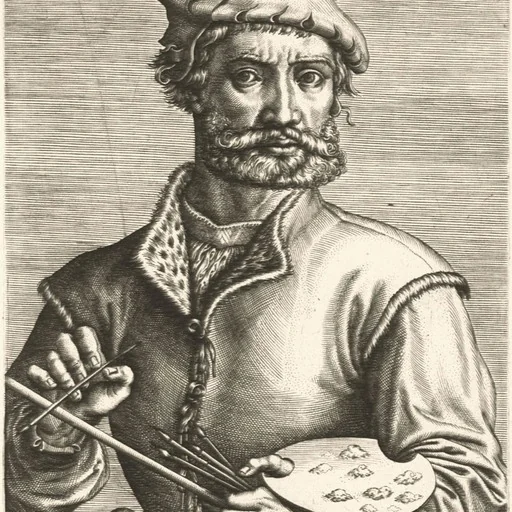
Pieter Coecke van Aelst or Pieter Coecke van Aelst the Elder was a Flemish painter, sculptor, architect, author and designer of woodcuts, goldsmith's work, stained glass and tapestries.

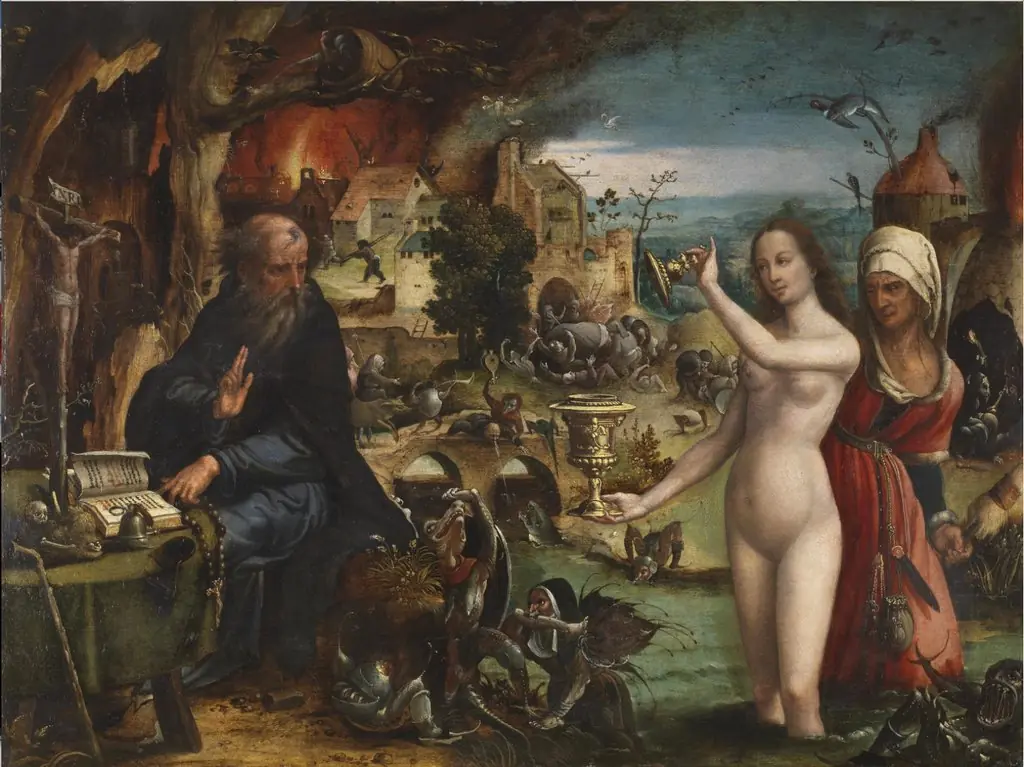
- The Adoration of the Magi
 Adoration of the Magi
 Adoration of the Magi
 The Birth of Christ
 Flügelaltar; Mittelbild: Anbetung der Könige; linker Flügel: Anbetung der Hirten; rechter Flügel: Ruhe auf der Flucht nach Ägypten
 Triptych with the Epiphany
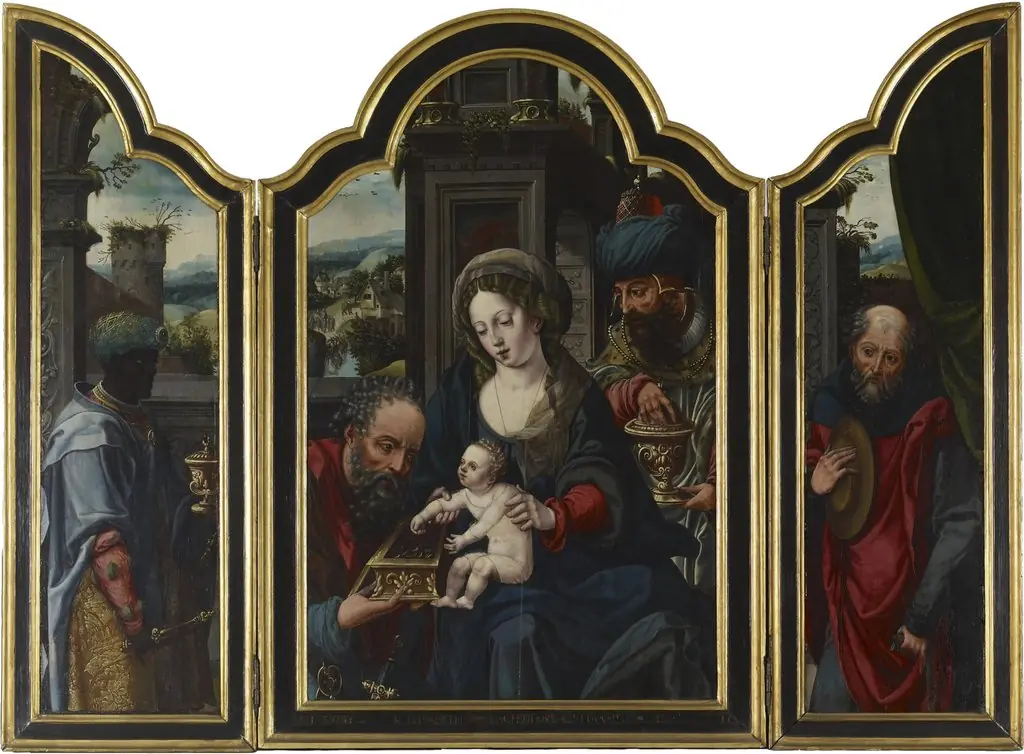 Adoration of the Magi
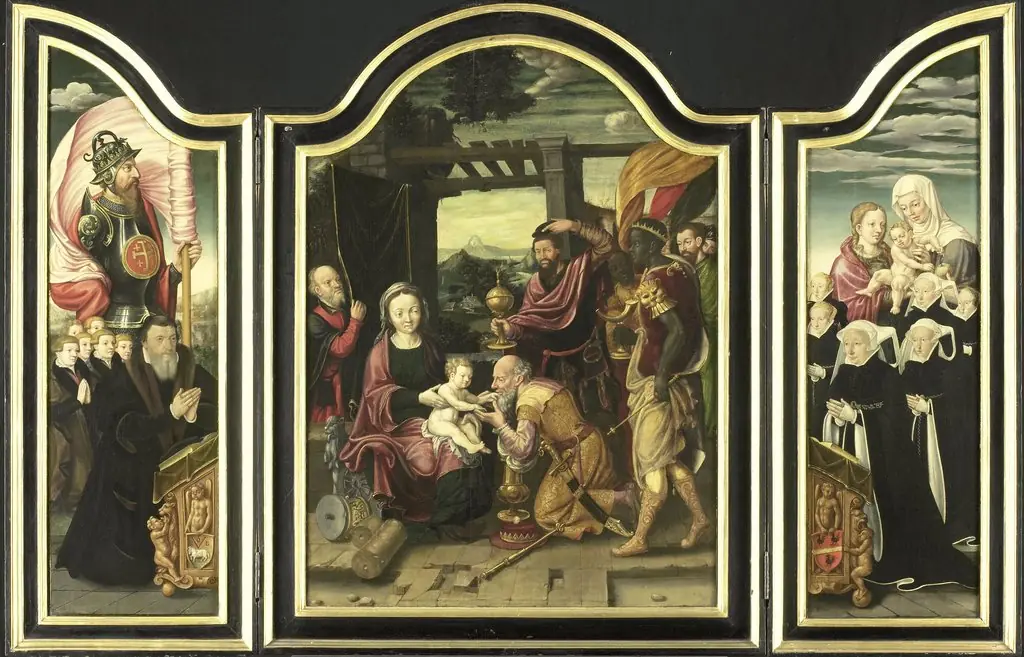 Triptych with the Adoration of the Magi
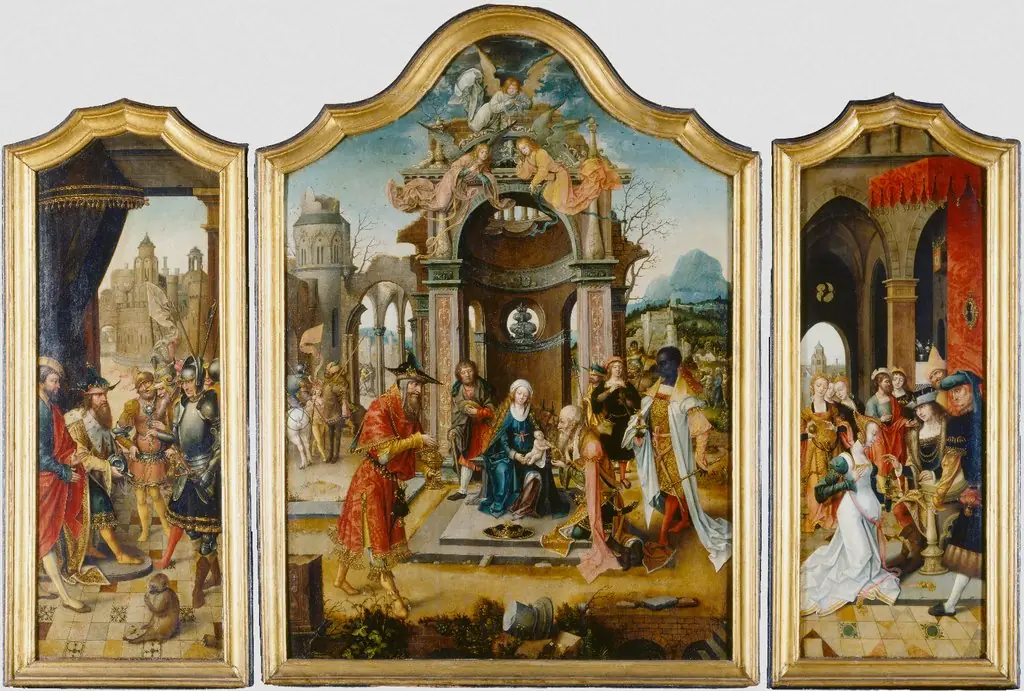 Triptych of the Adoration of the Magi
 Triptych. Central panel: The Adoration of the Magi; left wing: The Nativity; right wing: The Circumcision
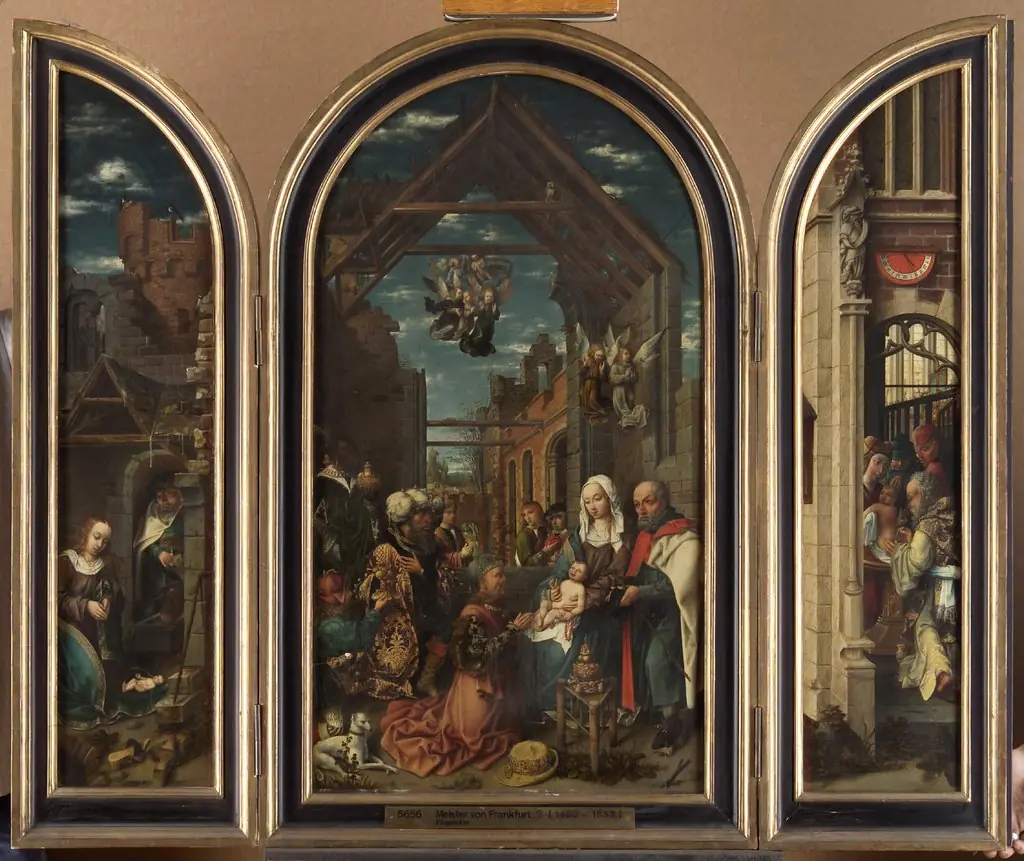 Triptych of the adoration of the magi
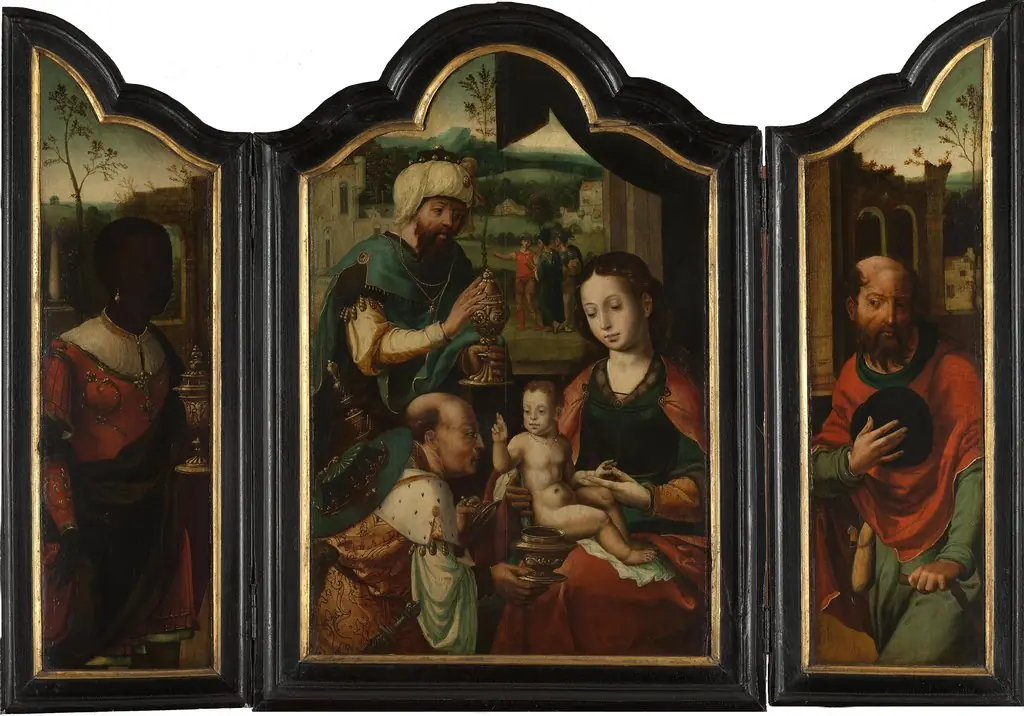 Triptych with Adoration of the Magi