Artwork
Turkish sultans, sultanas and other historical figures
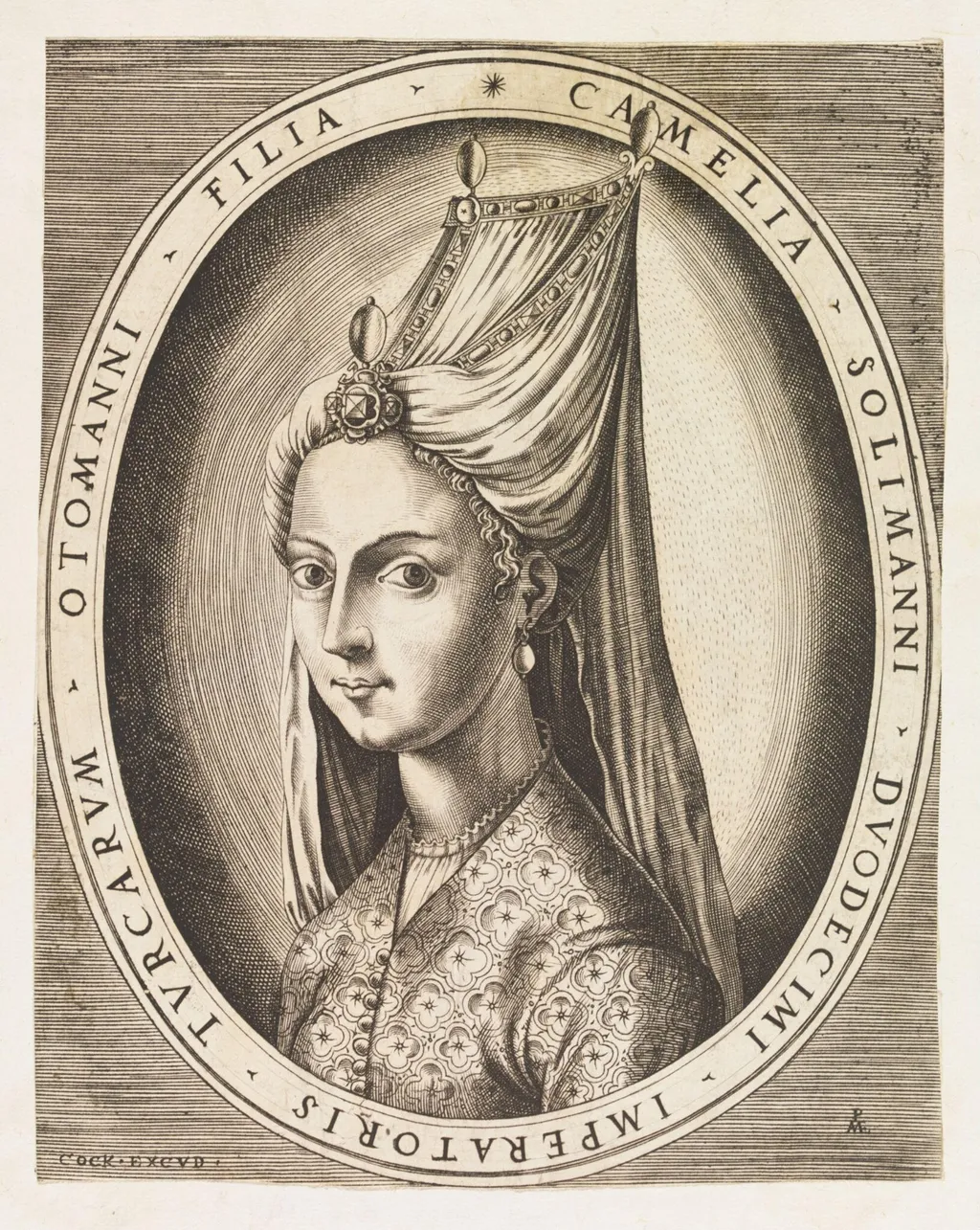
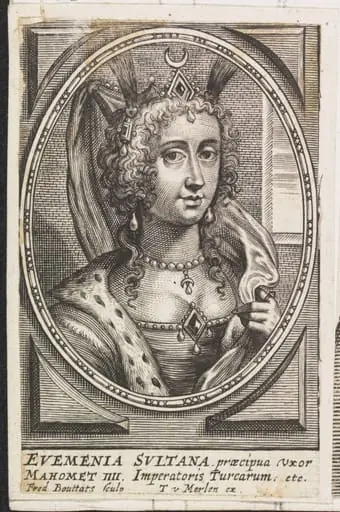
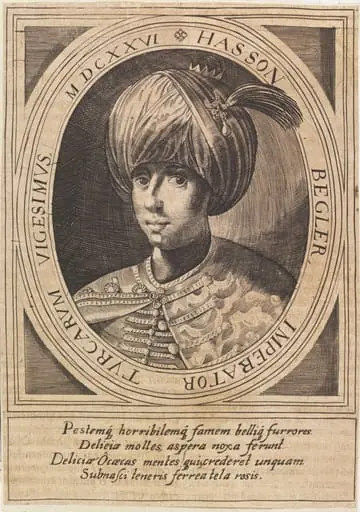
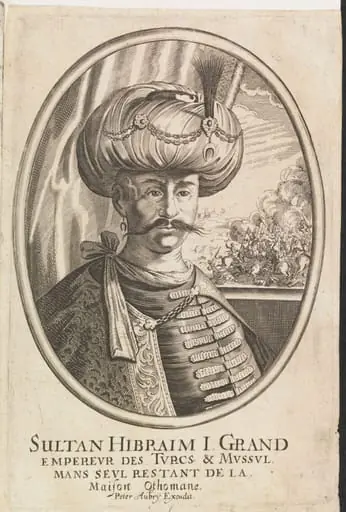
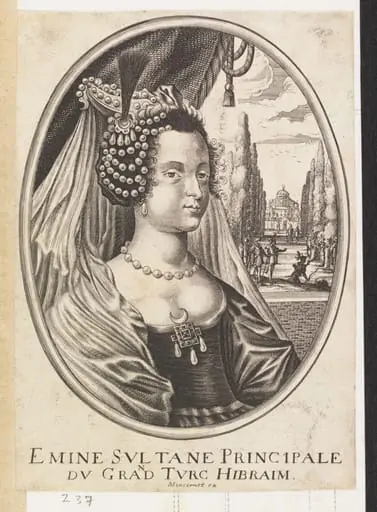
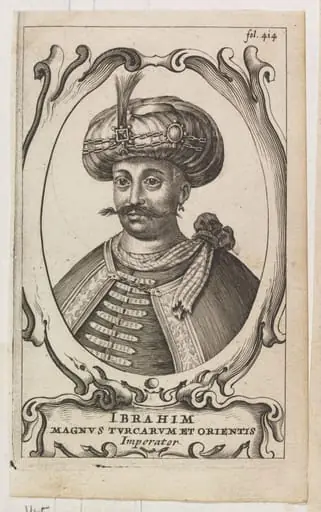
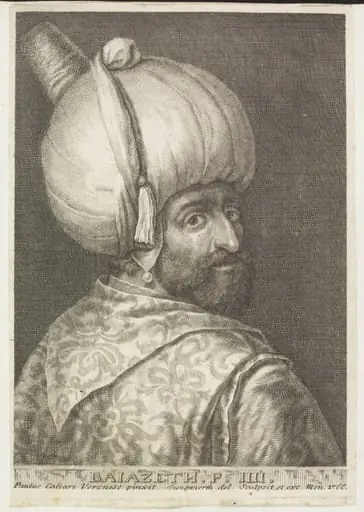
Turkish sultans, sultanas and other historical figures is a print by the Renaissance artist Pieter Coecke van Aelst. It dates from 1534 and is held in the collection of the Victoria and Albert Museum.
About this work
Overview
Though not a direct observation, it synthesizes contemporary accounts and imagined regalia to construct an idealized image of Ottoman royalty.
This 1534 print by Pieter Coecke van Aelst presents a stylized portrait of an Ottoman noblewoman, likely a sultana, alongside other figures from the Ottoman court. Created in the Low Countries, the work reflects European interest in Eastern courts during the early 16th century. Though not a direct observation, it synthesizes contemporary accounts and imagined regalia to construct an idealized image of Ottoman royalty.
Subject & Meaning
The central figure is portrayed as a woman of high status, adorned with a patterned robe and a crown-like headdress, her headscarf neatly draped. Her downcast gaze and faint smile suggest composure and introspection, aligning with European ideals of noble femininity. The inclusion of other figures implies a courtly setting, though their identities are not historically verifiable. The image functions more as a symbolic representation than a documented likeness.
Technique & Style
Executed as a woodcut or engraving, the print employs fine linear detail to render textile patterns and architectural elements. The figure’s form is elongated and stylized, with flattened perspective and decorative emphasis on fabric and ornamentation. These characteristics reflect Northern Renaissance conventions, adapted to interpret unfamiliar Eastern dress and courtly customs through a European aesthetic lens.
History & Provenance
Created in Antwerp by Pieter Coecke van Aelst, a Flemish artist and translator with access to Ottoman travel accounts, the print was likely part of a series illustrating foreign rulers. It circulated among European elites interested in the Ottoman Empire, particularly during periods of political tension. Its survival suggests it was valued as a curiosity or educational object rather than a religious or political statement.
Context
In the early 1500s, the Ottoman Empire’s expansion into Europe heightened Western fascination and anxiety. Artists like Coecke compiled visual records from travelers’ descriptions, blending fact with speculation. This print emerges from a broader trend of European portraiture that sought to categorize and comprehend non-Christian rulers, often prioritizing symbolic clarity over ethnographic accuracy.
Legacy
The print contributed to enduring European visual stereotypes of Ottoman women as enigmatic and ornate. While historically inaccurate, it influenced later depictions in prints and paintings across the continent. Today, it serves as a document of cross-cultural perception, revealing how Renaissance Europe constructed images of the 'Other' through limited knowledge and artistic convention.
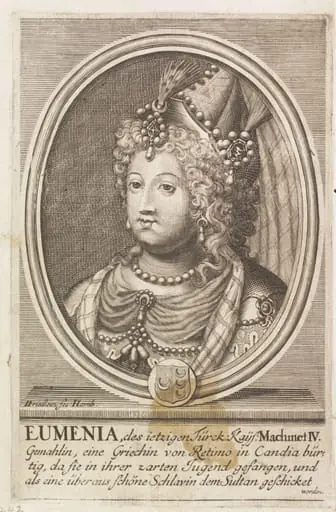
Own this work as a print
Artist & collection
Artist
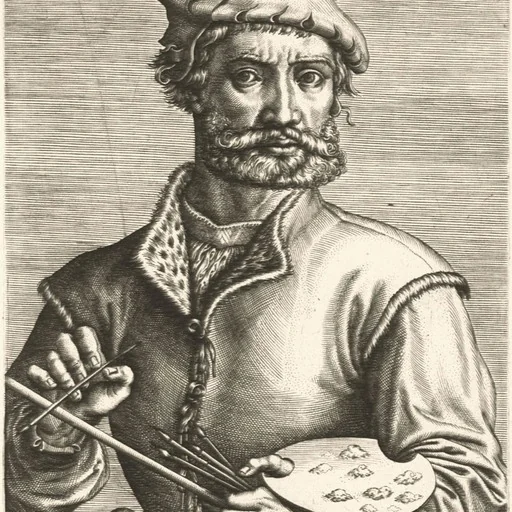
Pieter Coecke van Aelst or Pieter Coecke van Aelst the Elder was a Flemish painter, sculptor, architect, author and designer of woodcuts, goldsmith's work, stained glass and tapestries.

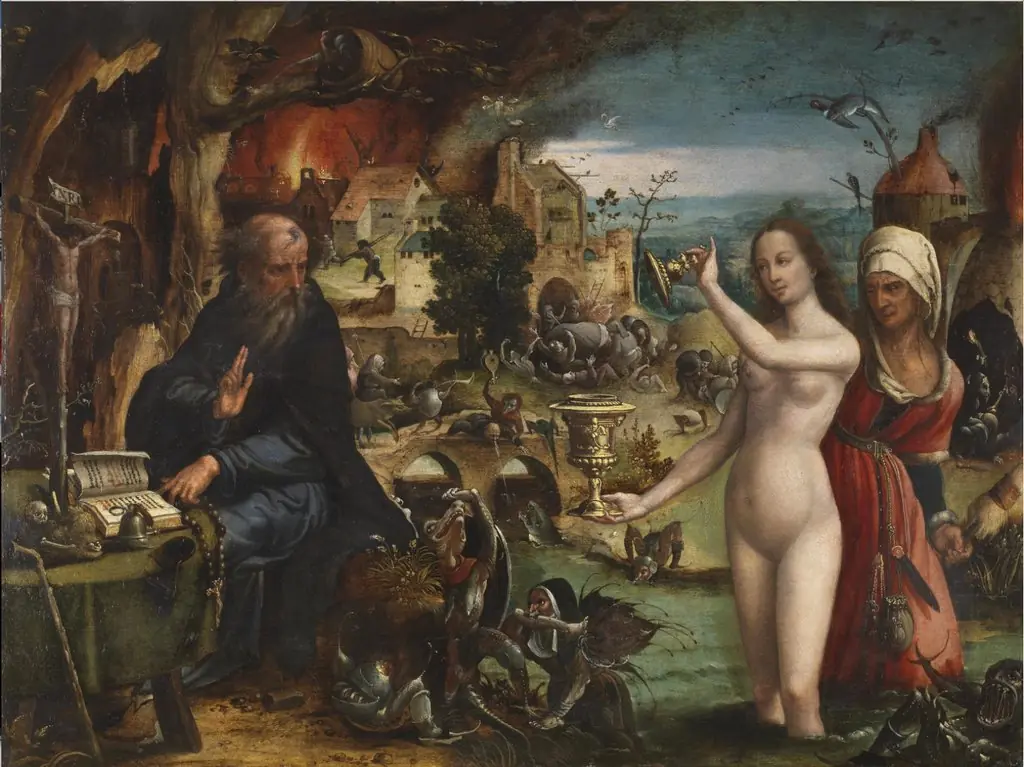 The Temptations of Saint Anthony Abbot
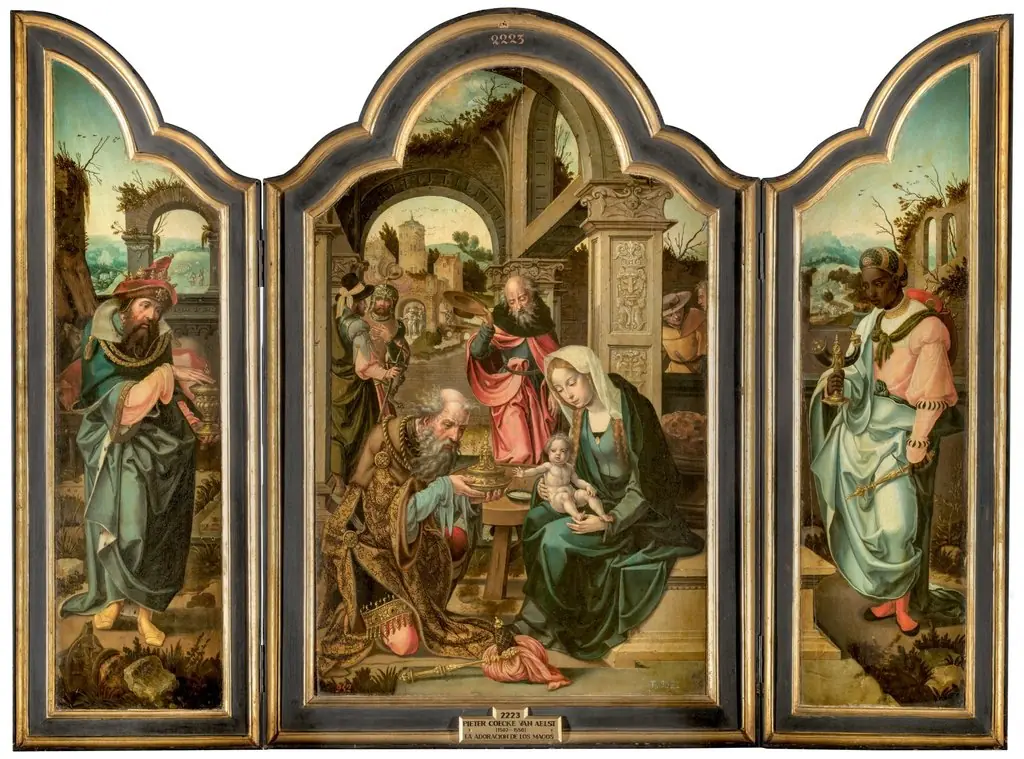 The Adoration of the Magi
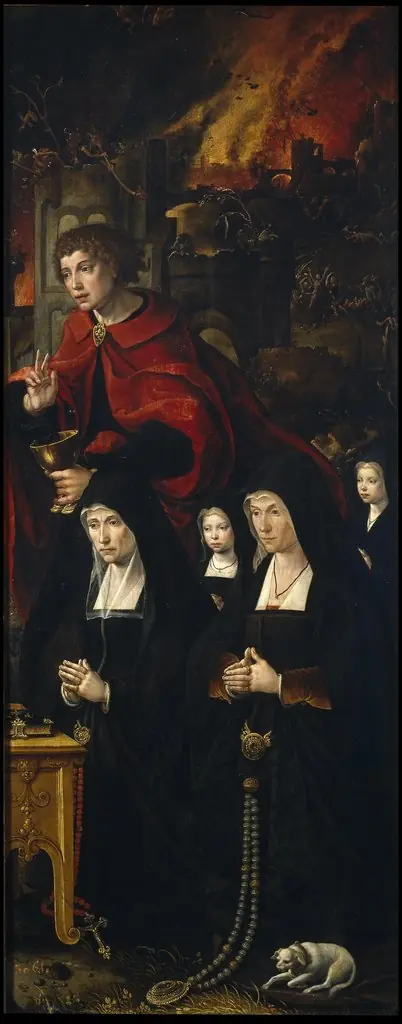 Saint John the Evangelist with Two Ladies and Two Girls (front). Saint Hadrian (reverse)
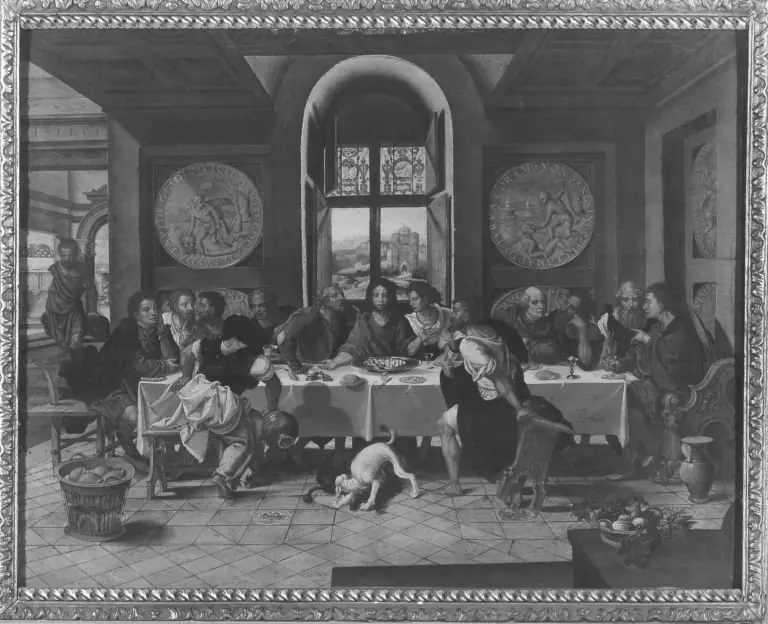 The Last Supper
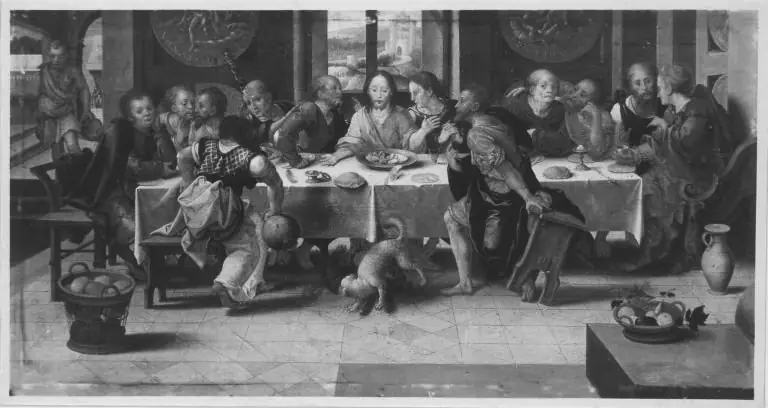 Last Supper
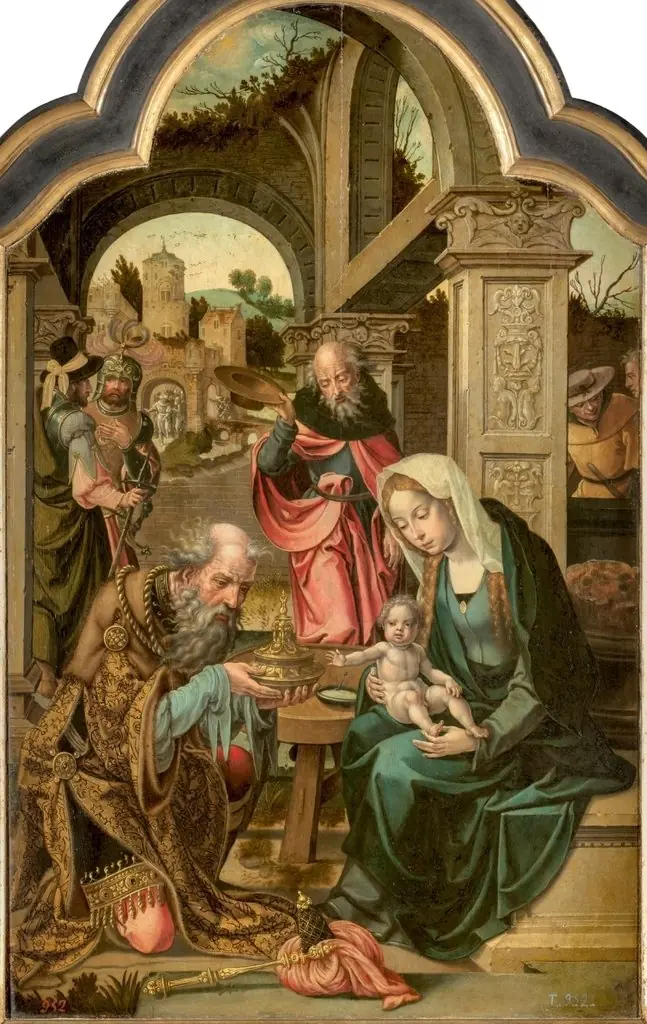 Adoration of the Magi
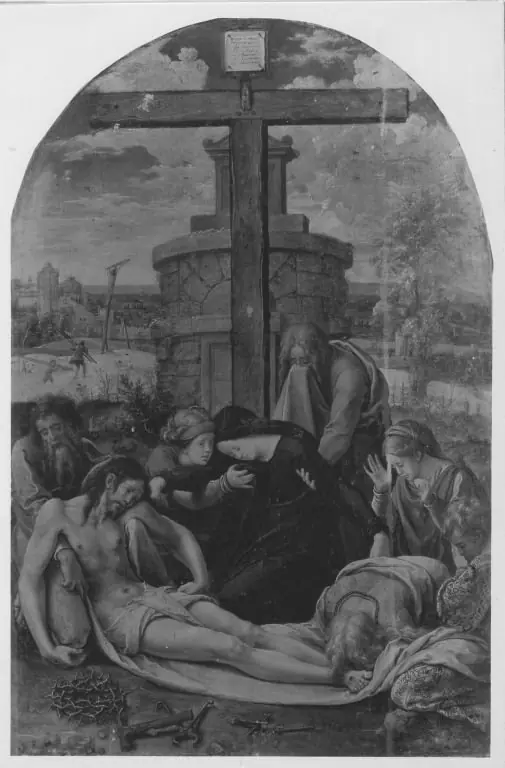 Lamentation of Christ (after Raphael)
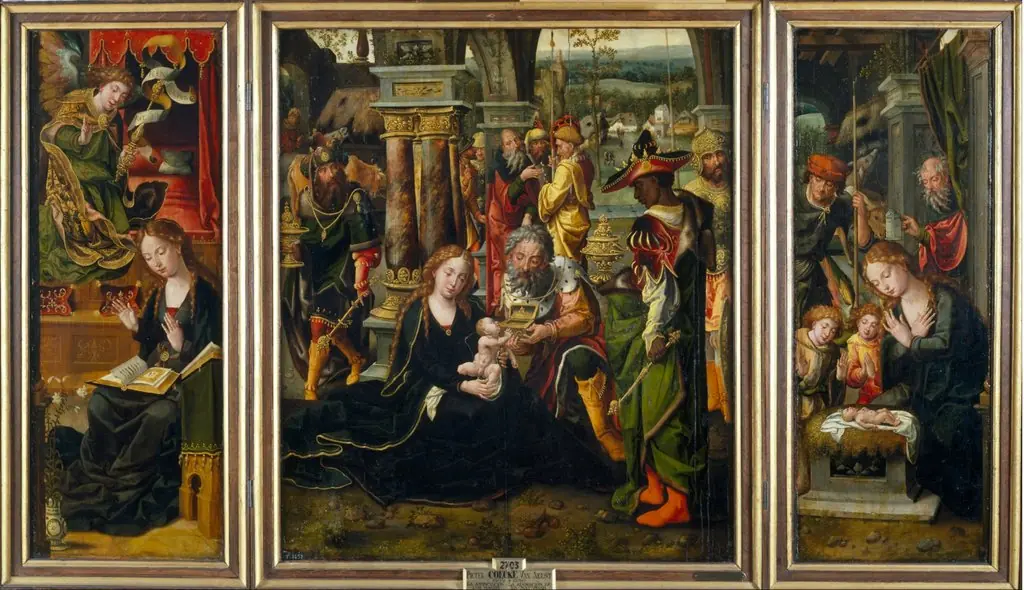 Triptych with the Annunciation, the Adoration of the Magi and the Nativity with Angels and Shepherds
- Turkish sultans, sultanas and other historical figures
 Turkish sultans, sultanas and other historical figures
 Turkish sultans, sultanas and other historical figures
 Turkish sultans, sultanas and other historical figures
 Turkish sultans, sultanas and other historical figures
 Turkish sultans, sultanas and other historical figures
 Turkish sultans, sultanas and other historical figures