Artwork
Portrait of Jan Lopez Gallo and his three sons
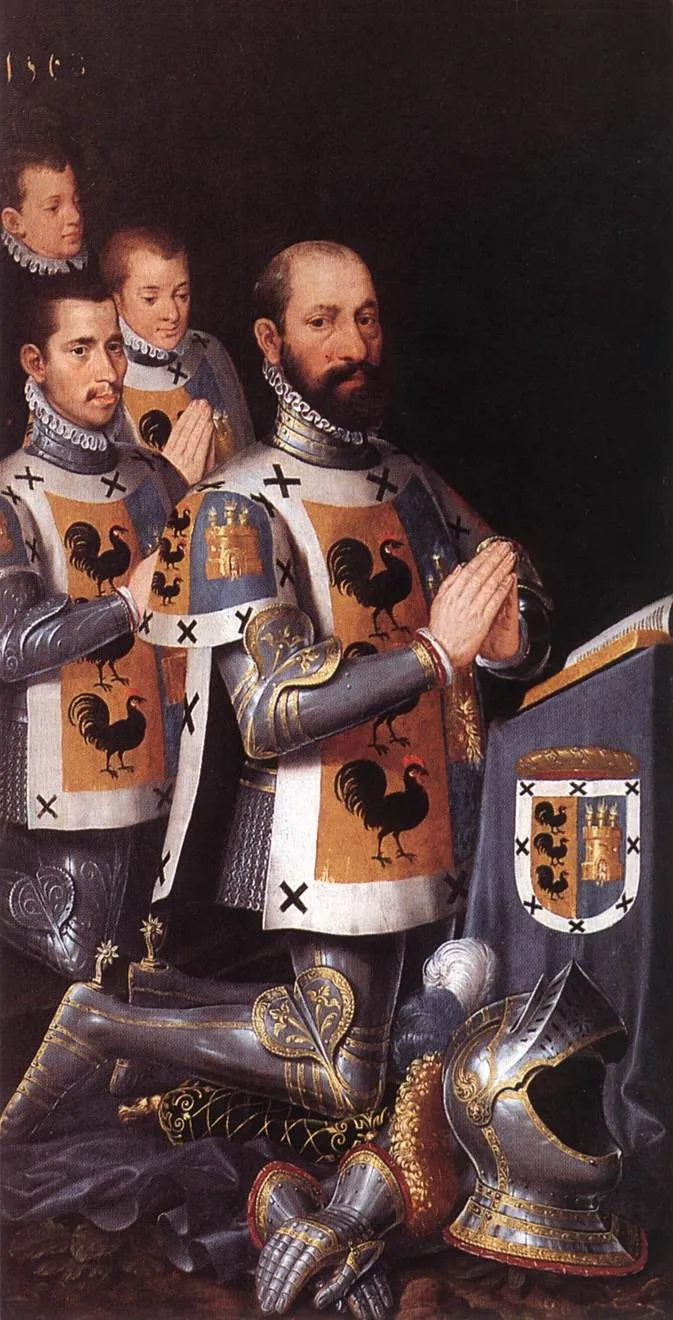
Portrait of Jan Lopez Gallo and his three sons is an oil painting by the Northern Renaissance artist Pieter Pourbus. It dates from 1568 and is held in the collection of the Groeningemuseum.
About this work
Overview
Painted in 1568 by Pieter Pourbus, this oil portrait captures Jan Lopez Gallo and his three sons in formal attire. Executed in the Northern Renaissance style, the work reflects the Flemish tradition of detailed portraiture. It is currently housed in the Groeningemuseum in Bruges, where it remains a key example of 16th-century civic portraiture from the region.
Subject & Meaning
The central figure, Jan Lopez Gallo, is shown in prayer, his hands clasped, suggesting piety and moral authority.
The central figure, Jan Lopez Gallo, is shown in prayer, his hands clasped, suggesting piety and moral authority. His three sons, dressed similarly, stand behind him, their posture indicating familial unity and continuity. The repeated motif of roosters on their armor and shield likely signifies family identity, possibly referencing a heraldic emblem or personal symbol tied to their lineage or status.
Technique & Style
Pourbus employed fine brushwork to render the metallic surfaces of armor and the textures of fabric with precision. The dark, unadorned background isolates the figures, enhancing the luminosity of gold embellishments and rich colors. The composition is formal and balanced, characteristic of Northern Renaissance portraiture, with attention to individualized facial features and symbolic detail.
History & Provenance
Commissioned in 1568, the painting remained within the Gallo family’s possession before entering the Groeningemuseum’s collection. Its preservation reflects the family’s social standing and the museum’s long-standing commitment to safeguarding Bruges’ artistic heritage. No significant alterations or restorations are documented, preserving its original condition.
Context
During the mid-16th century, Bruges was a center of artistic production despite economic decline. Portraits like this one served to affirm the status of merchant and noble families through visual displays of wealth, faith, and lineage. The inclusion of armor, though not necessarily battlefield gear, conveyed martial virtue and civic responsibility in a time of political instability.
Legacy
The portrait exemplifies Pourbus’s skill in merging individual likeness with symbolic narrative. Its consistent display in the Groeningemuseum has made it a reference point for studying Flemish portraiture and the use of heraldic motifs in secular art. Scholars continue to analyze the rooster emblem as a potential link to broader regional identity or familial pride.
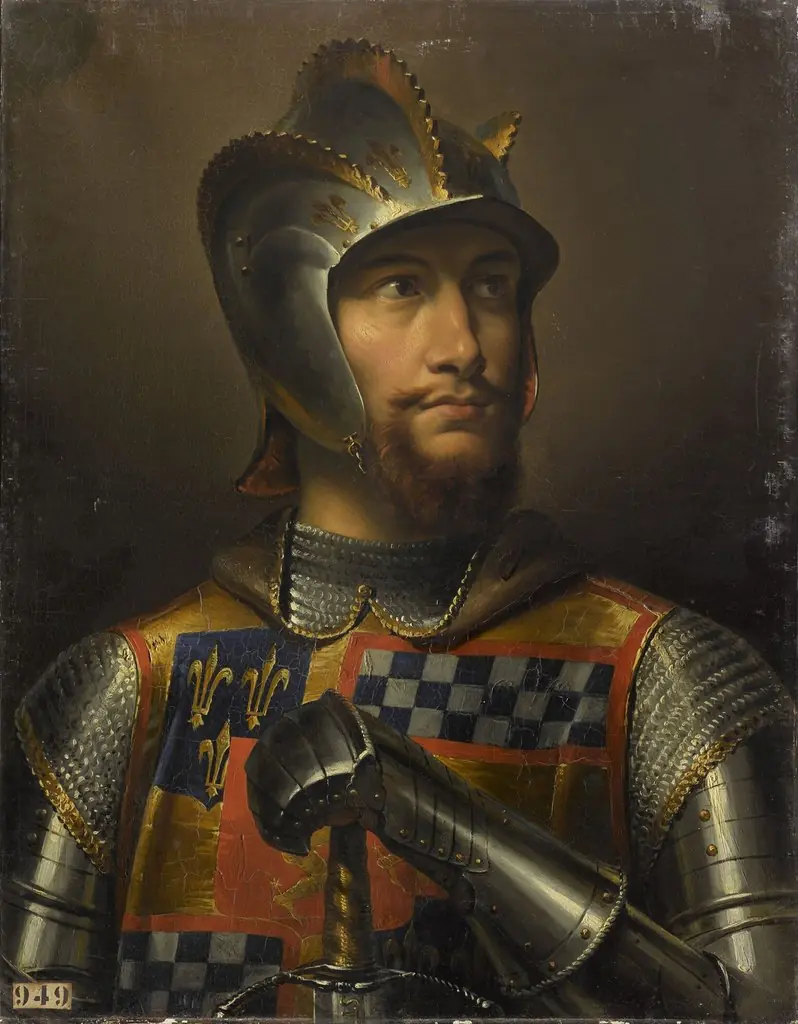
Artist & collection
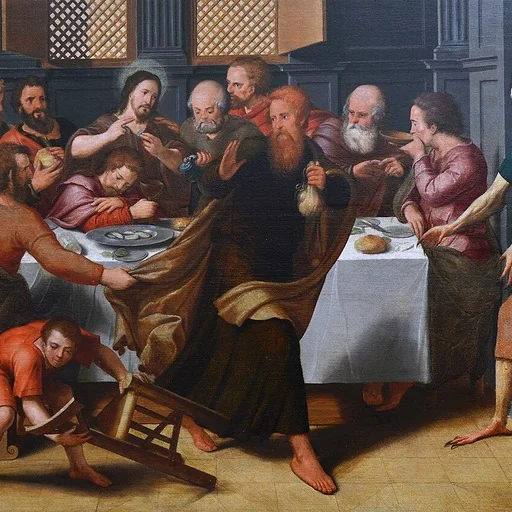
Artist
Pieter Jansz. Pourbus (c. 1523–1584) was a Flemish Renaissance painter, draftsman, engineer and cartographer who was active in Bruges during the 16th century. He is known primarily for his religious and portrait paintings.

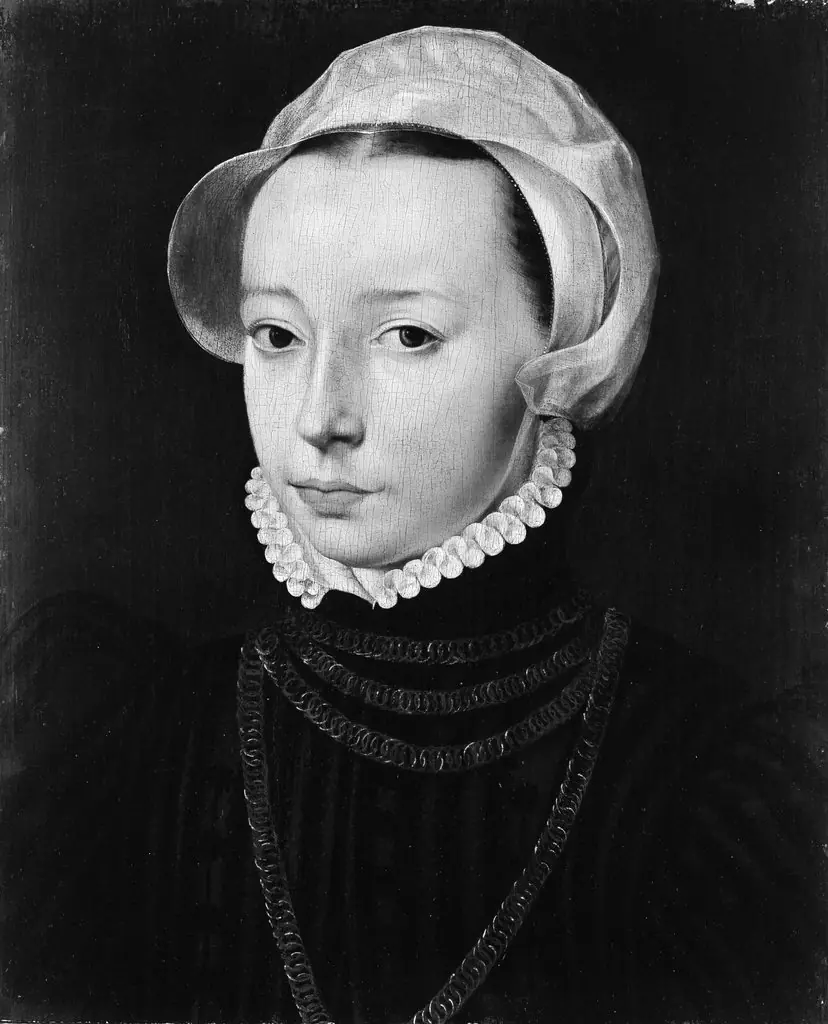
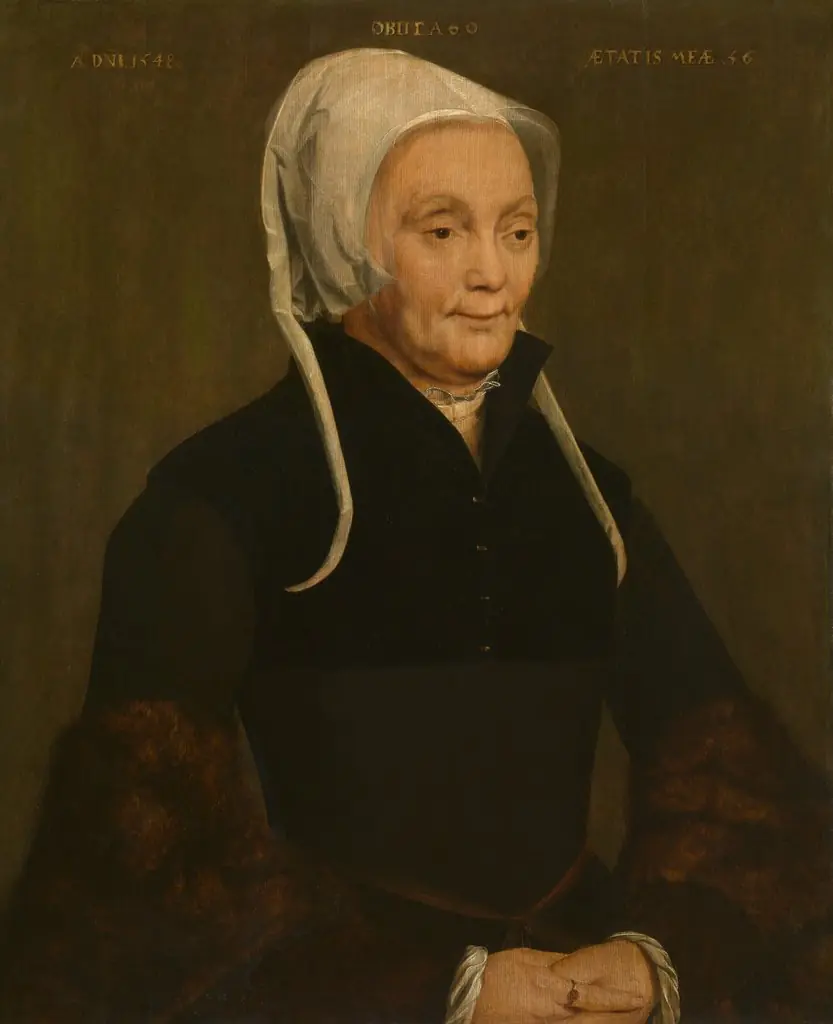
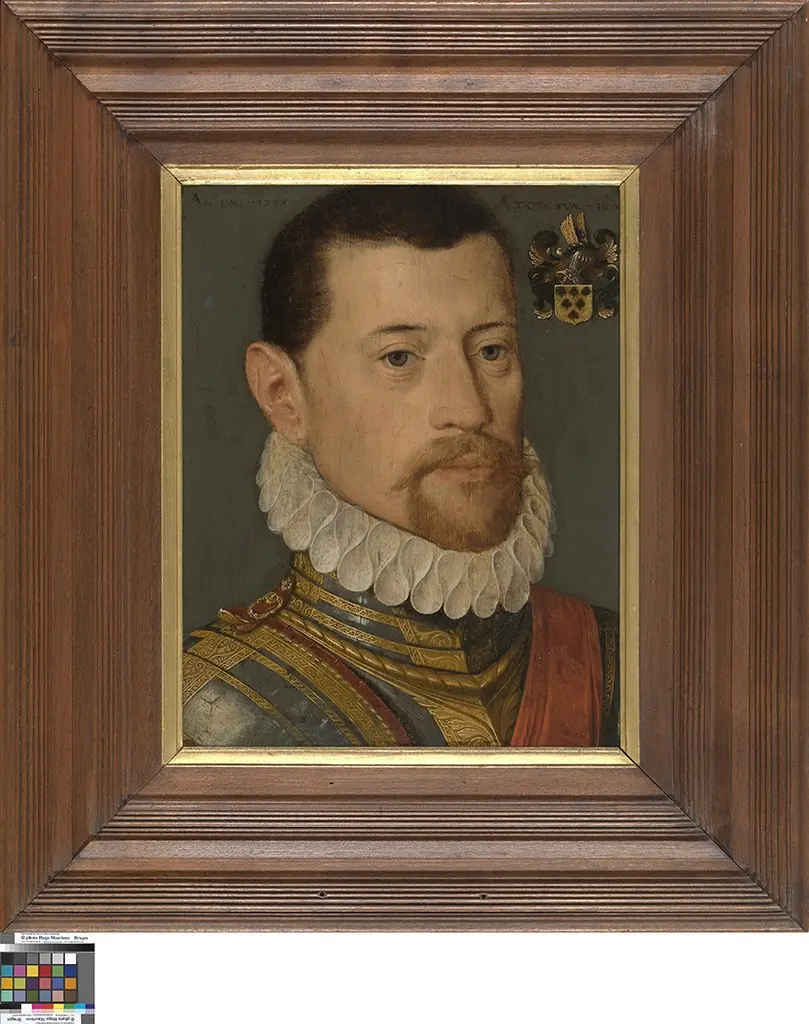
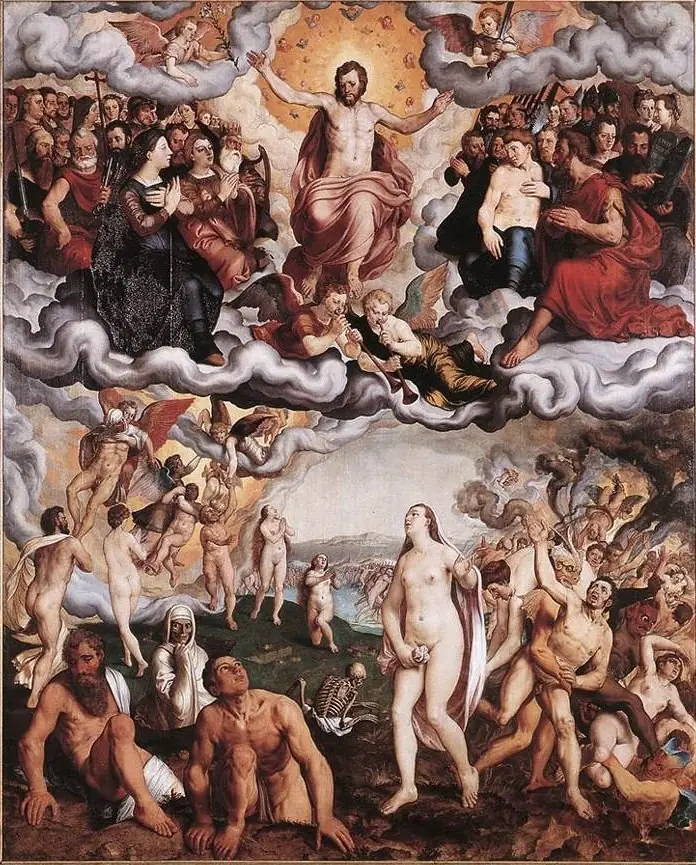
- Jean II Stuart, connétable de Buchan (+ 1424)
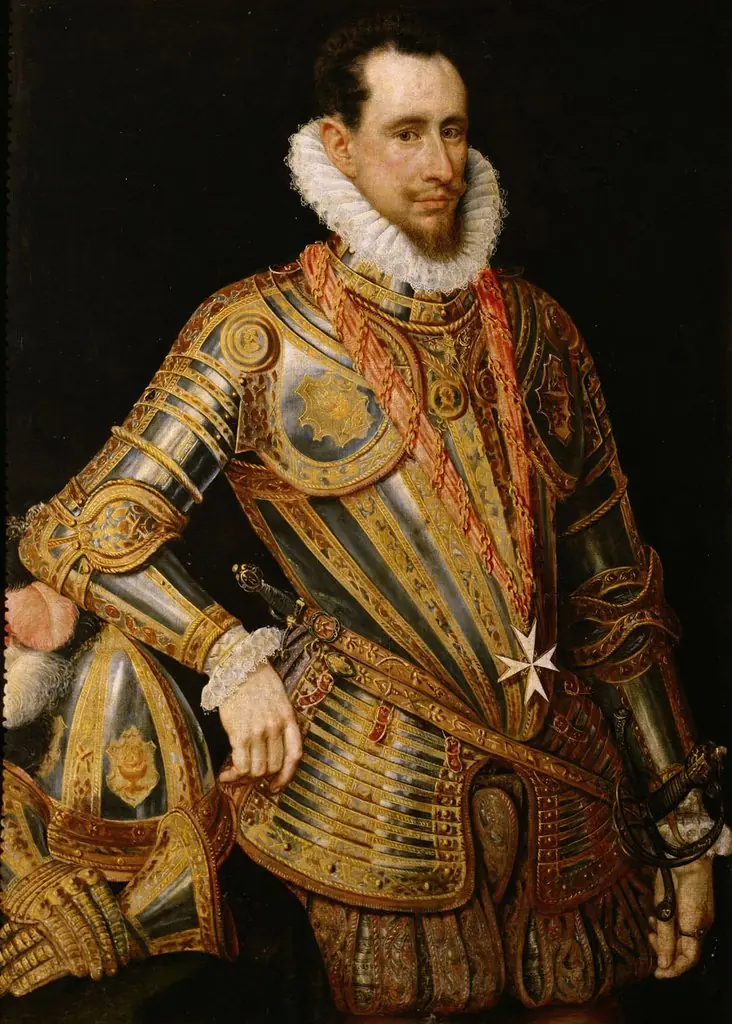 Bildnis eines Malteserritters
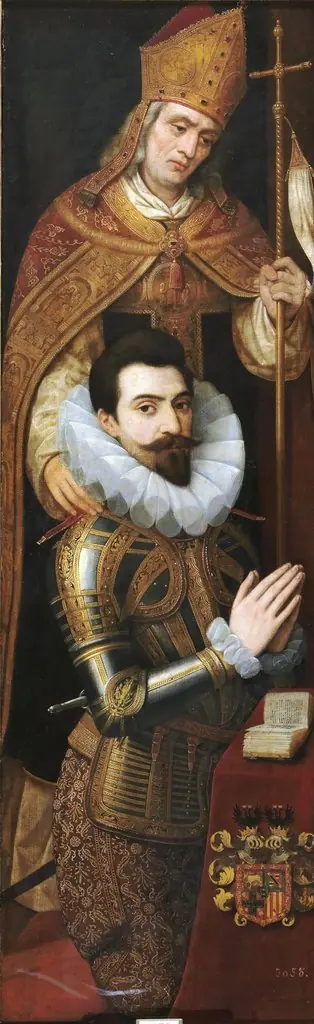 Alonso de Idiáquez duque de Ciudad Real (Cittá-Reale en Nápoles)
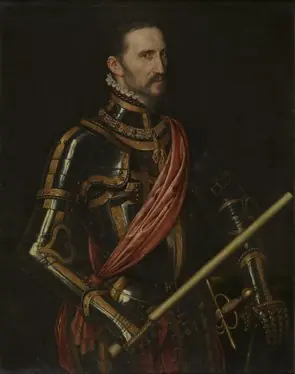 Portrait of Fernando Alvarez de Toledo, duke of Alva
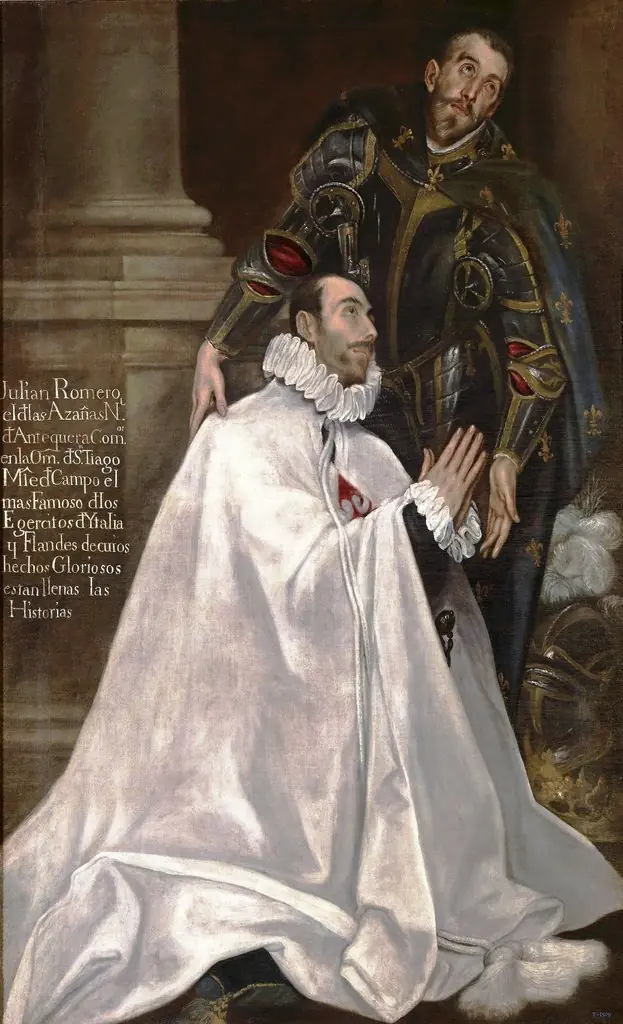 Julian Romero de las Azanas and his patron St. Julian
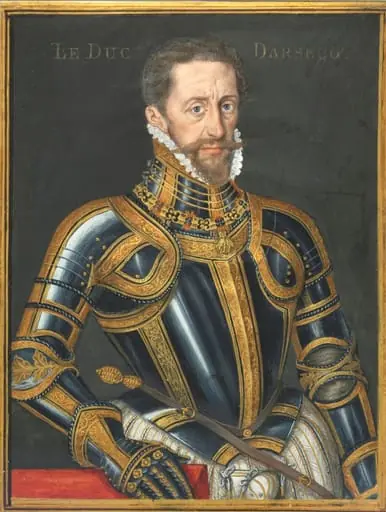 Portrait of Philippe de Croy, Duke of Aerschot
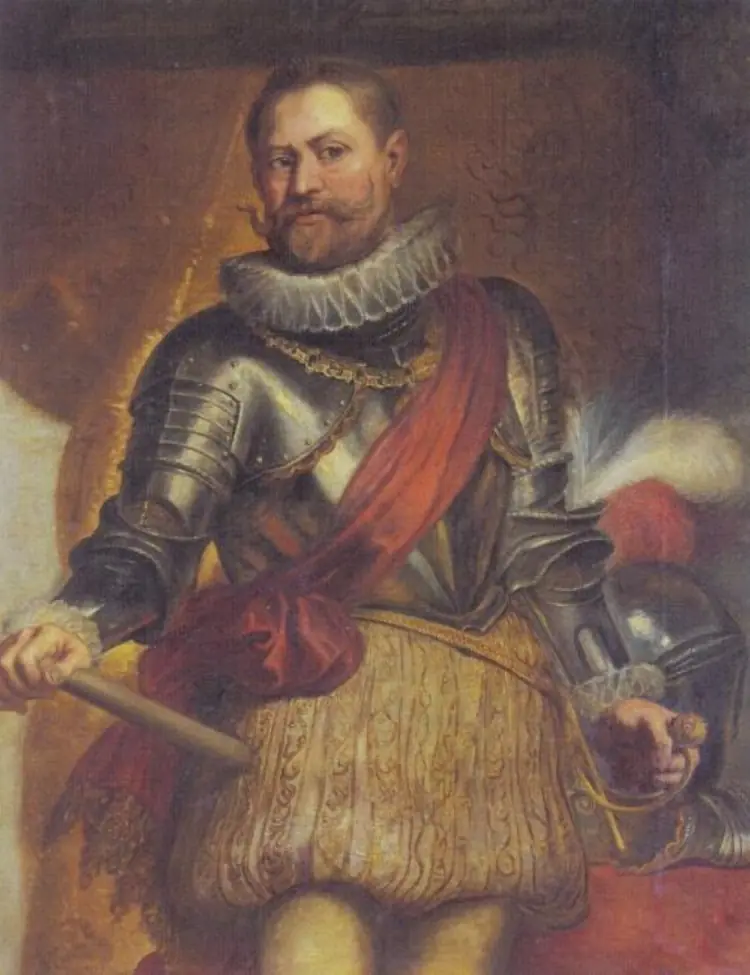 Portrait of Ernest, Archduke of Austria (1553-1595)
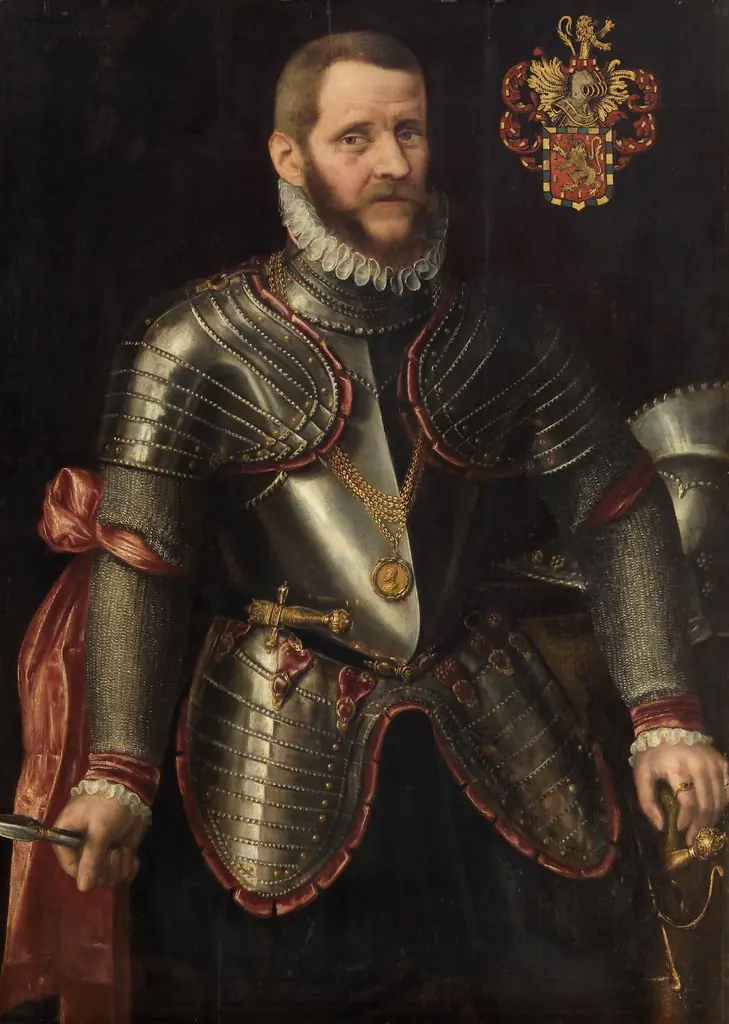 Offizier der spanischen Truppen in den Niederlanden
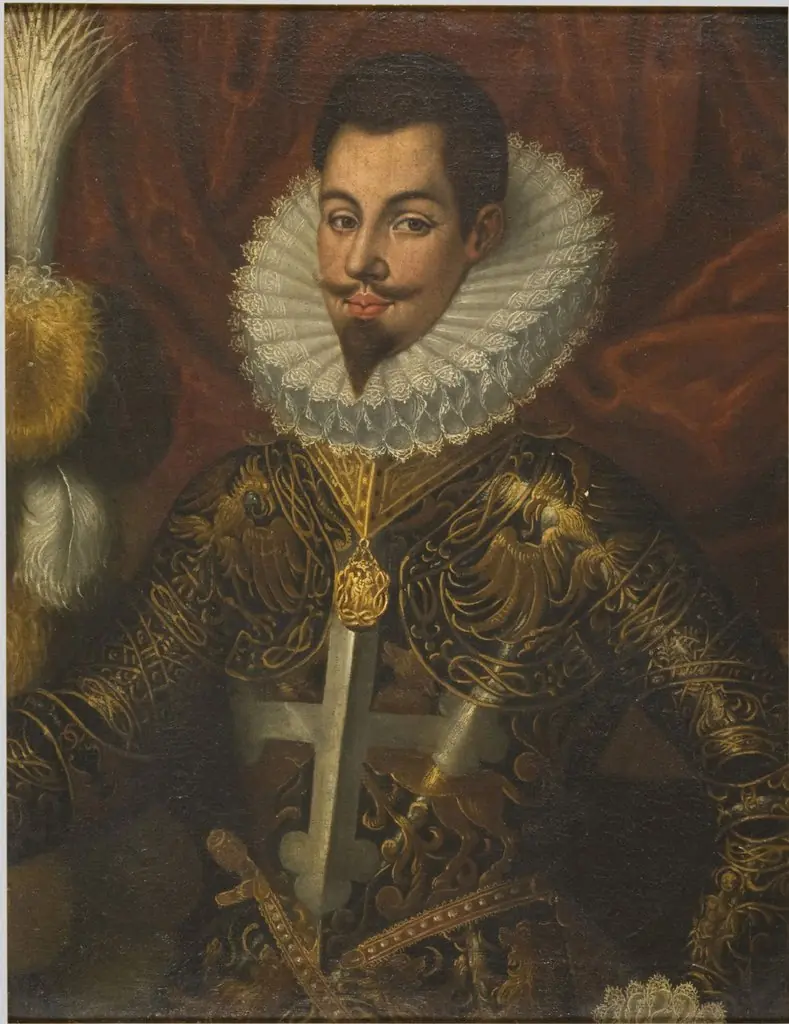 Portrait of a Man in Armor
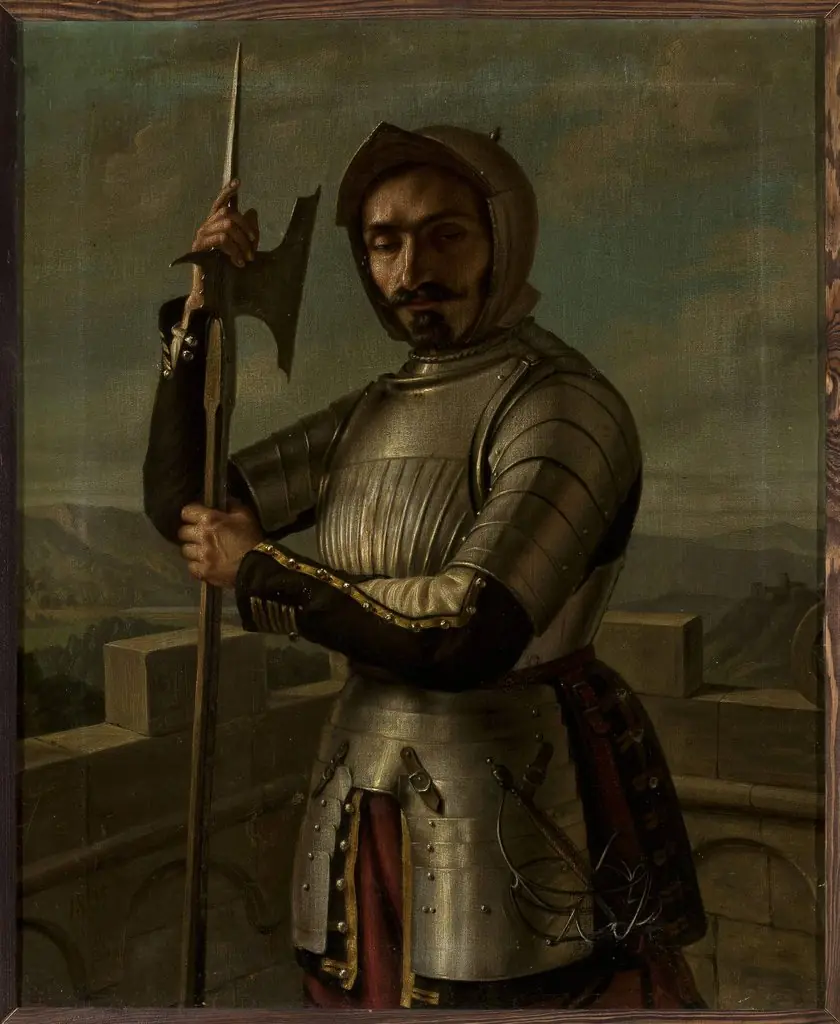 Knight in armour
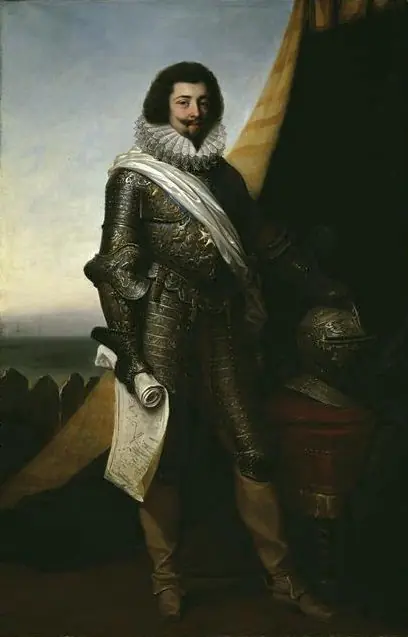 François de Bassompierre, maréchal de France en 1622 (1579-1646)
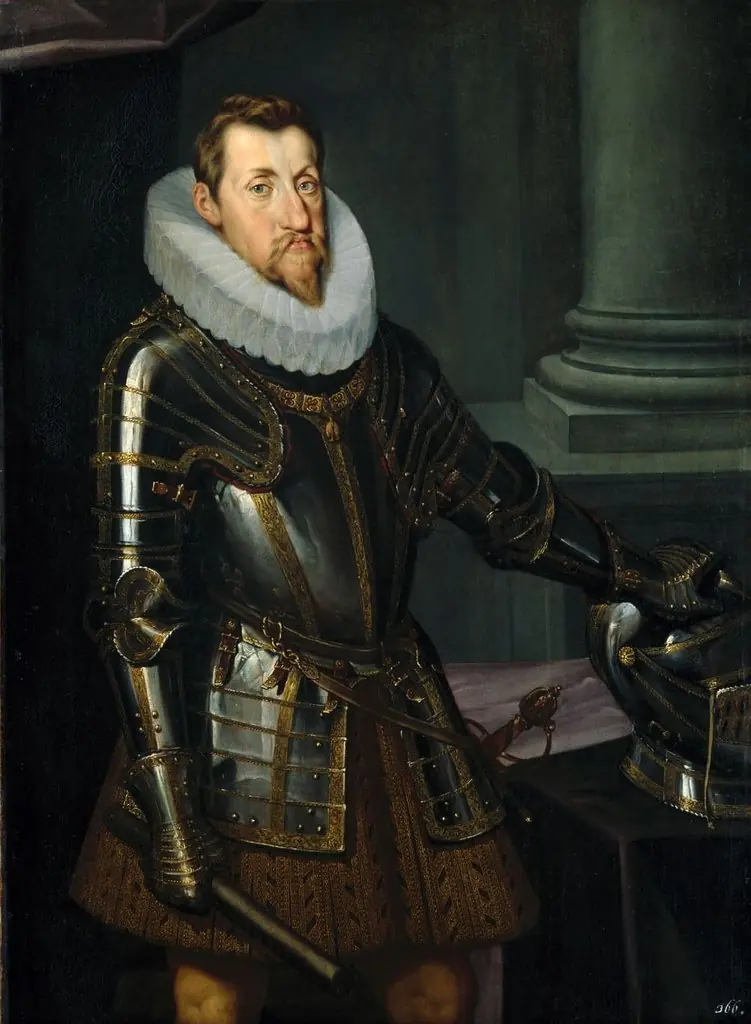 Portrait of Ferdinand II, Holy Roman Emperor (1578-1637)