Artwork
Julian Romero de las Azanas and his patron St. Julian
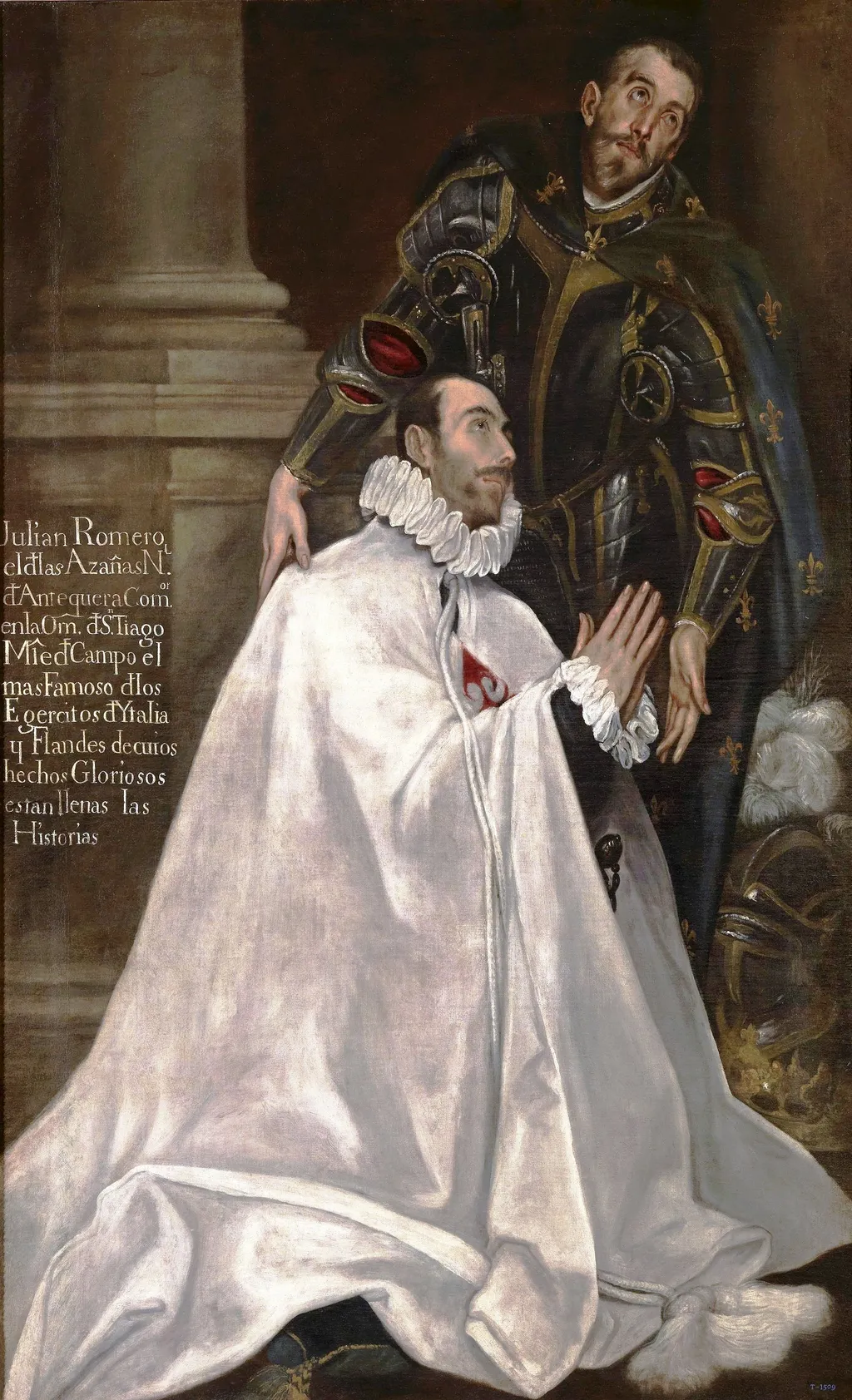
Julian Romero de las Azanas and his patron St. Julian is an oil painting by the Mannerist artist El Greco. It dates from 1612 and is held in the collection of the Museo del Prado. Julian Romero de las Azanas and his patron St.
About this work
This painting is titled Julian Romero de las Azanas and his patron St. Julian. It's a work by El Greco.
The painting was created between 1603 and 1614, with a specific date of 1612. It's an oil paint work, which was a common medium at the time.
To learn more about the style and methods used in this painting, look up the technique of glazing.
Overview
Julian Romero de las Azanas and his patron St. Julian is an oil painting created by El Greco between 1603 and 1614, specifically dated to 1612. The work is housed in the Museo del Prado in Madrid.
Subject & Meaning
The painting depicts Julián Romero, a renowned Spanish military leader, kneeling in prayer alongside his namesake patron saint, Julian the Hospitaller. Romero is identified by a later-added inscription highlighting his military titles and legendary deeds, despite inaccuracies in his birthplace.
Technique & Style
Executed in oil paint, a prevalent medium of the time, the painting showcases El Greco's mastery of techniques such as glazing, which contributed to the work's visual depth and luminosity.
History & Provenance
Julián Romero passed away in 1577, over three decades before the painting's creation (1612). The work's provenance leads to the Museo del Prado in Madrid, where it is currently exhibited.
Context
Commissioned in the early 17th century, the painting reflects the era's veneration of military heroes and the Catholic tradition of patron saints. El Greco's style, influenced by his Greek origins and Spanish adoption, blends Byzantine and Western European artistic elements.
Legacy
As a portrait of a celebrated military figure alongside his saintly patron, the painting offers insights into 17th-century Spanish societal values and El Greco's enduring contribution to the country's artistic heritage.
Artist & collection
Artist
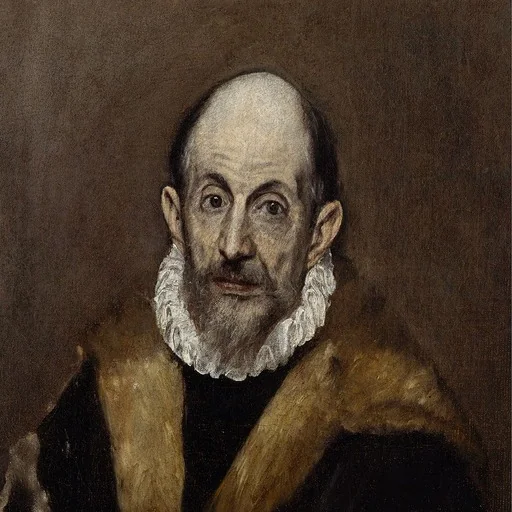
Doménikos Theotokópoulos was born in 1541 in Candia (modern Heraklion), the capital of Venetian-ruled Crete, where he was trained in the post-Byzantine tradition of icon painting.

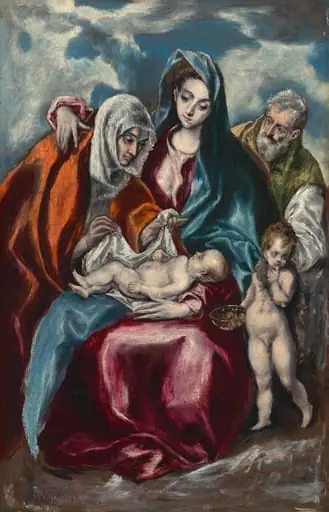
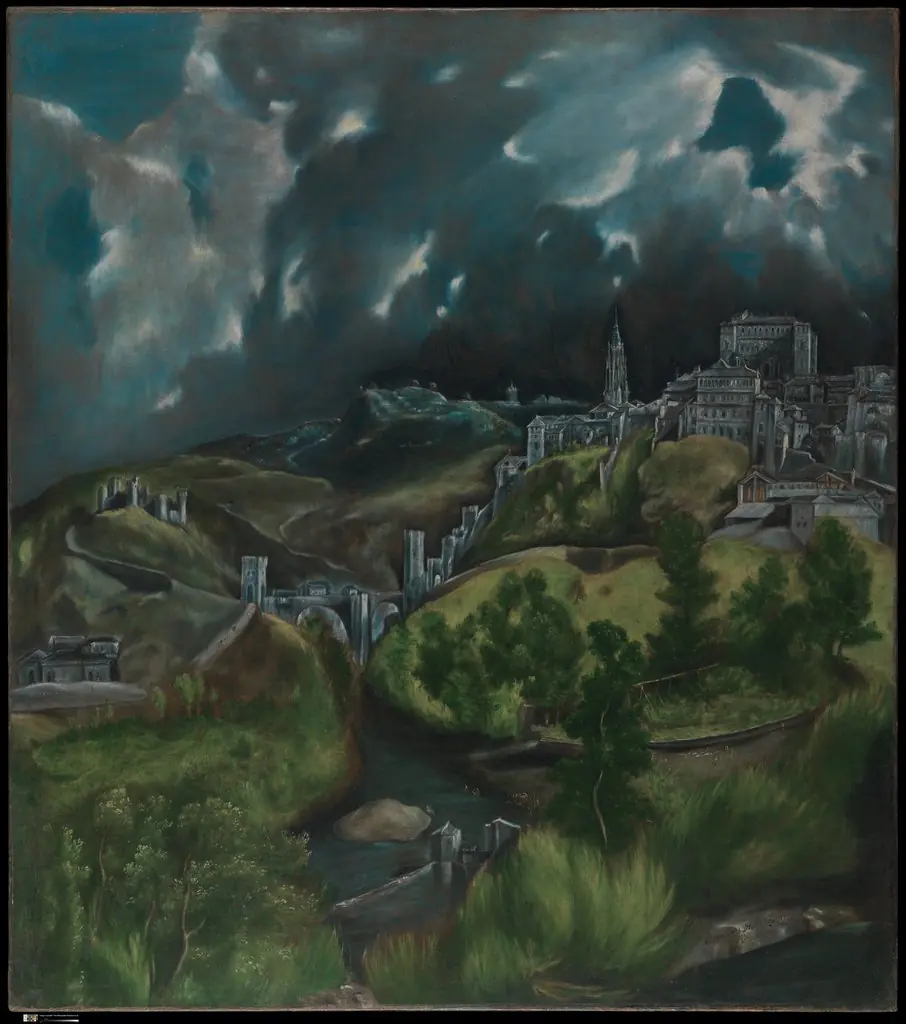
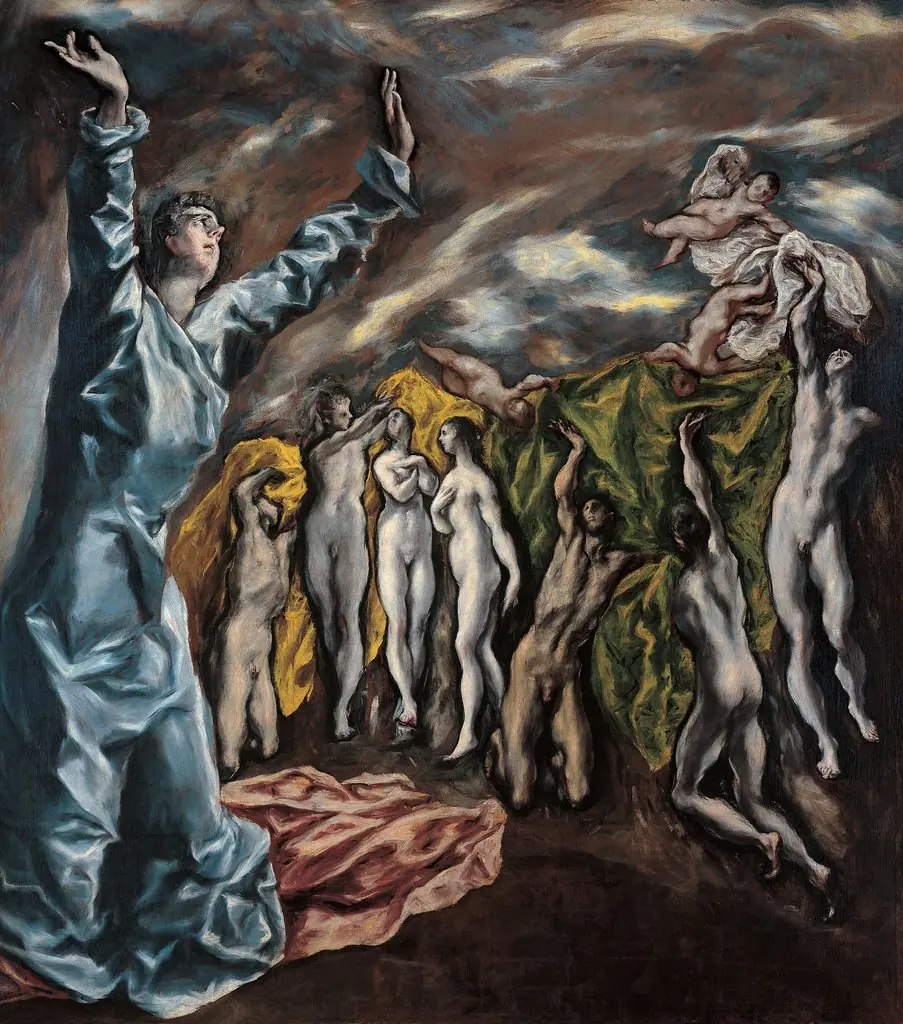
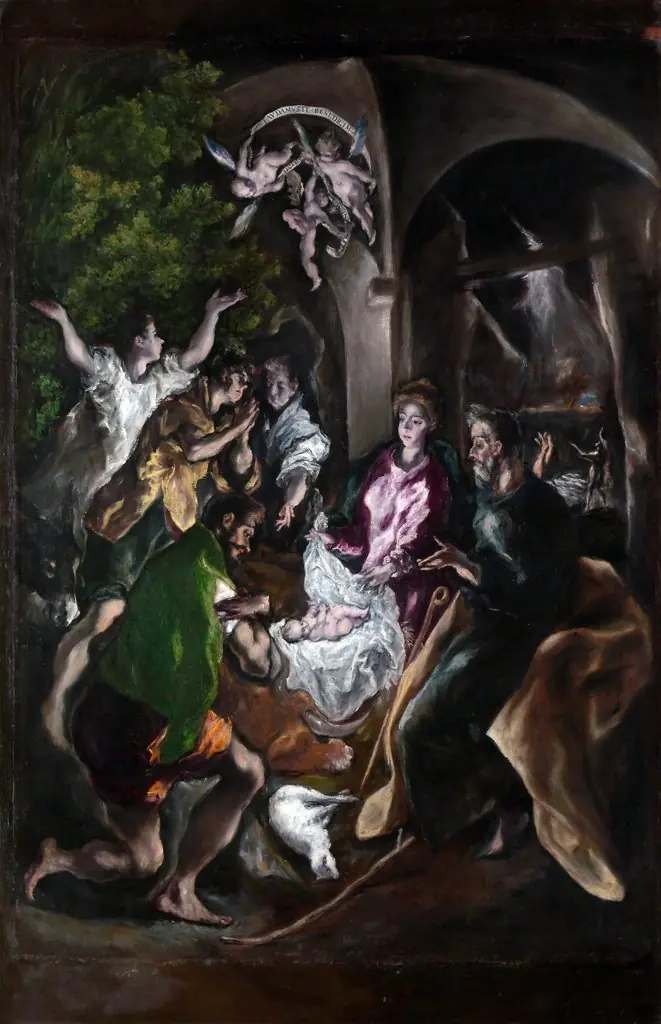
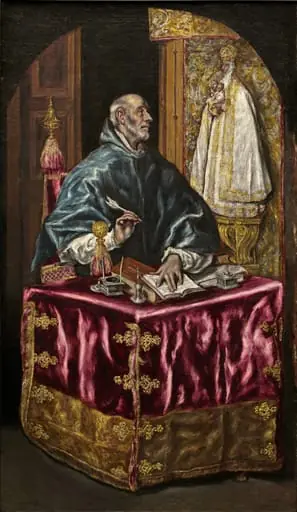
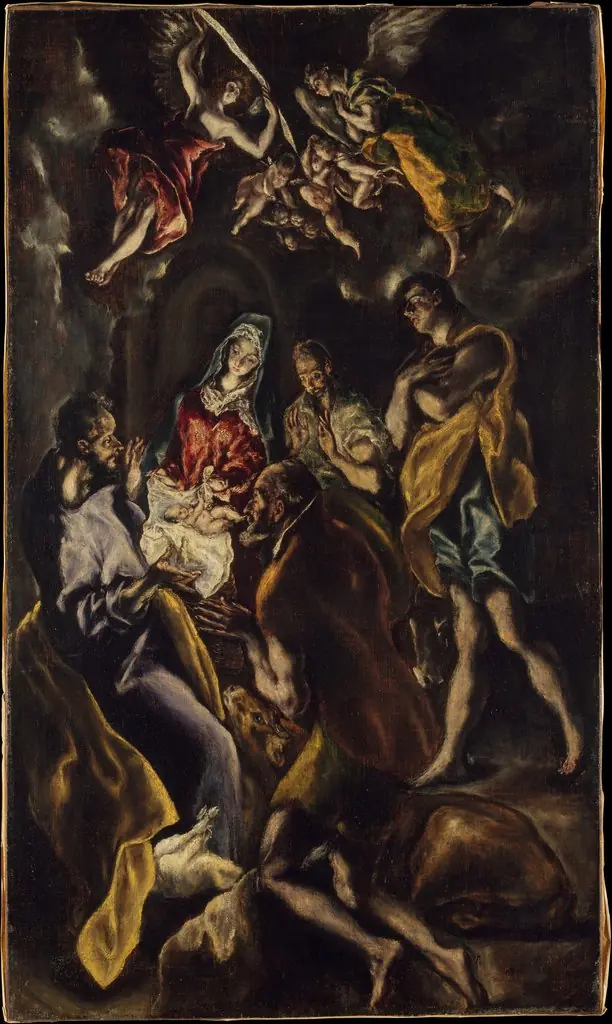
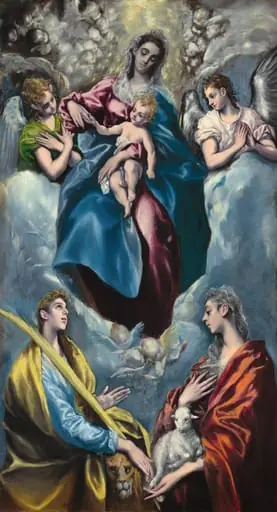
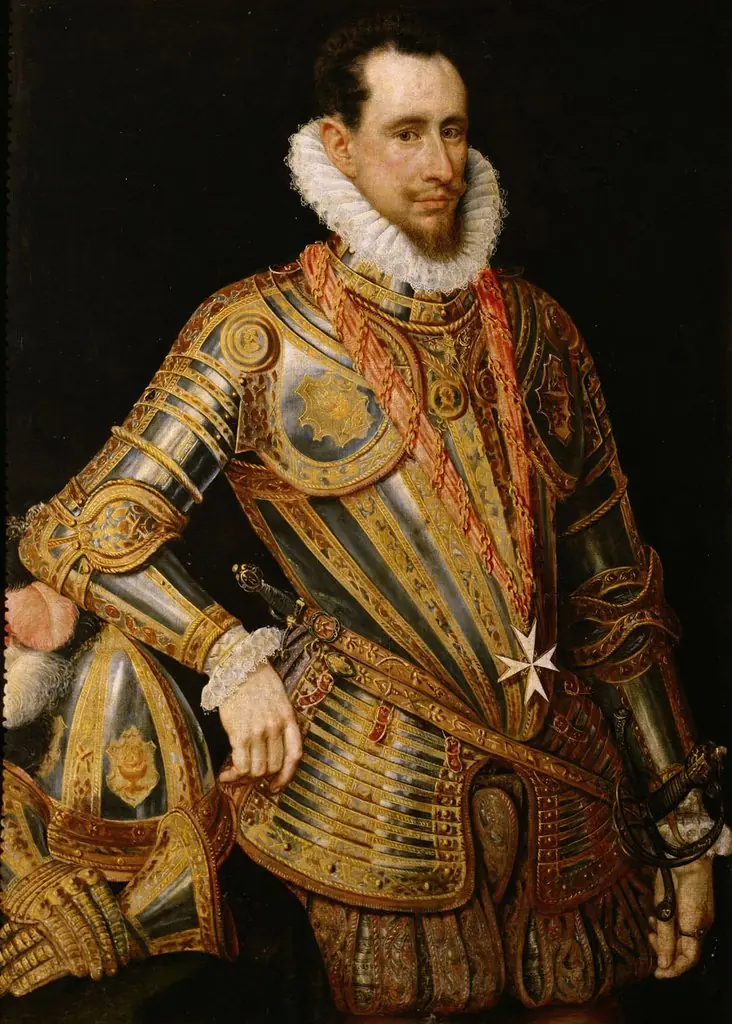
- Bildnis eines Malteserritters
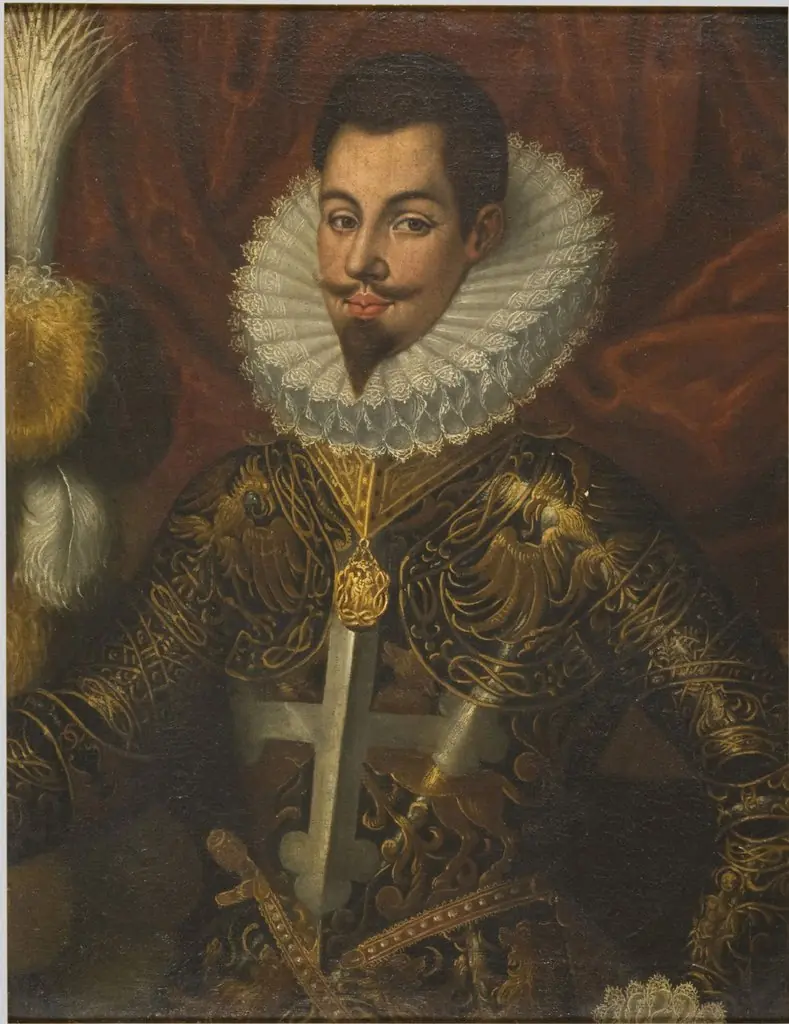 Portrait of a Man in Armor
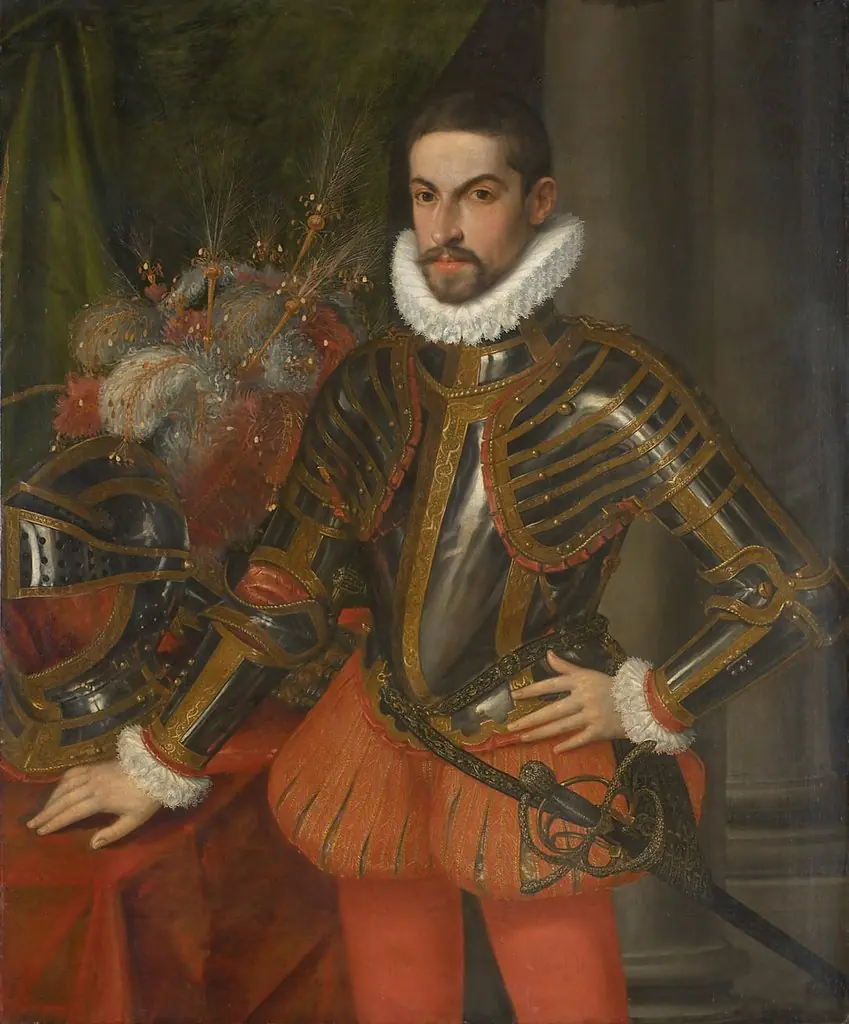 Erzherzog Maximilian III. (1558-1618) im Harnisch, Kniestück
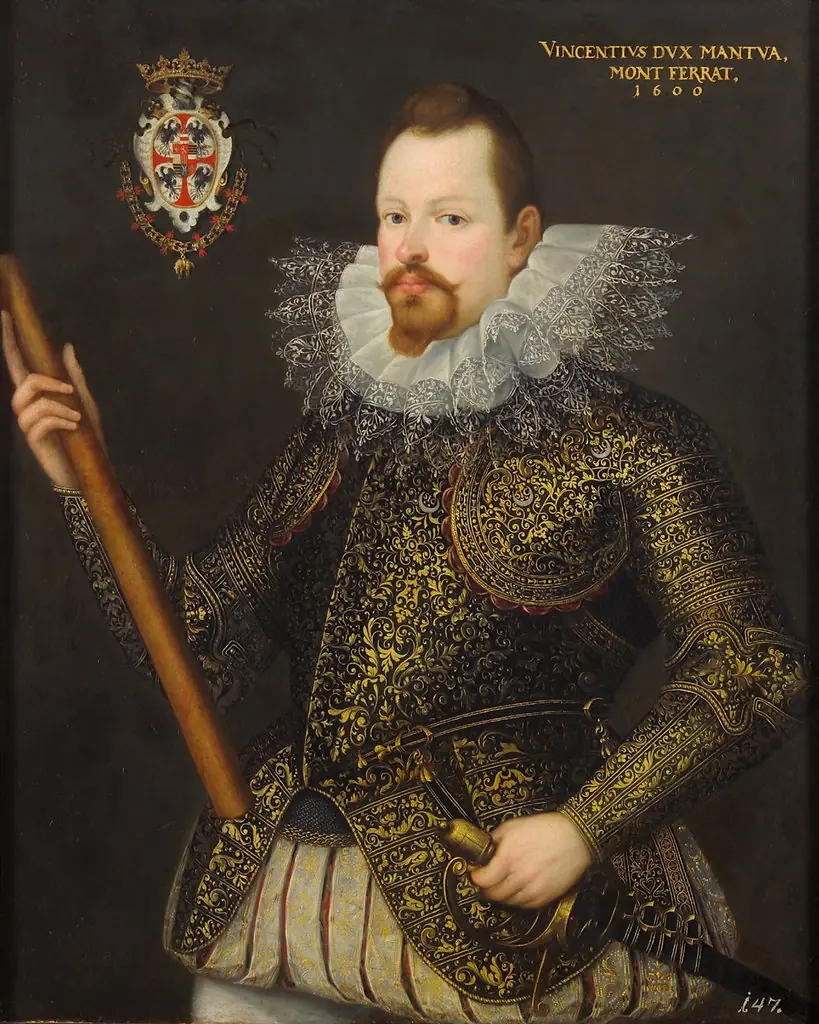 Portrait of Vicenzo Gonzaga, Duke of Mantua
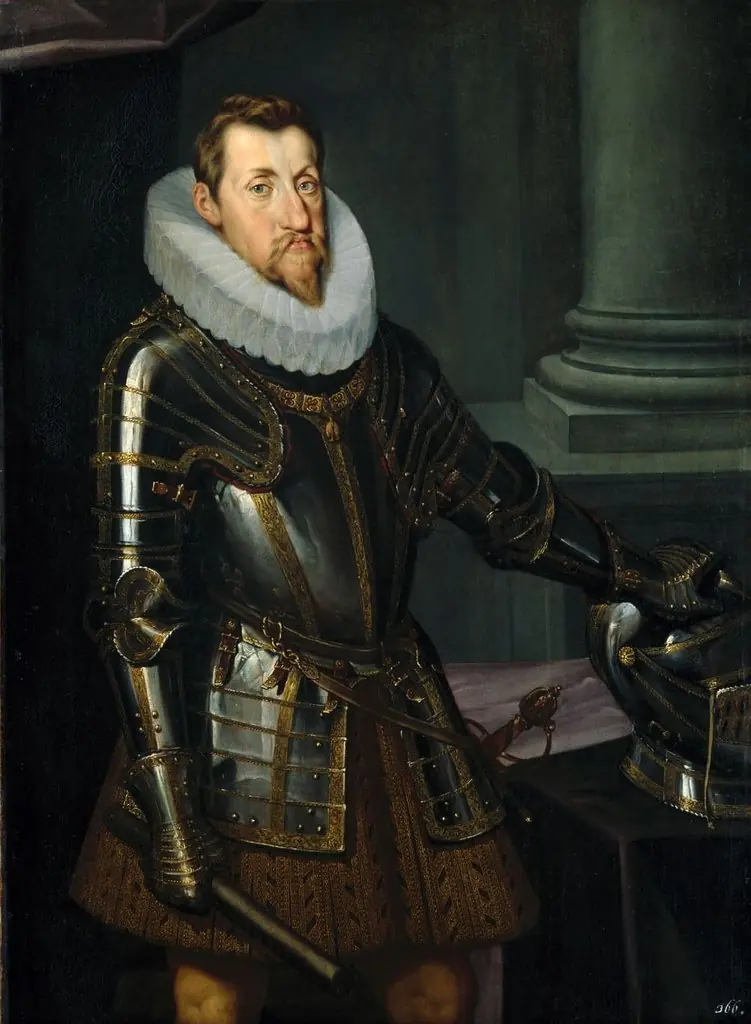 Portrait of Ferdinand II, Holy Roman Emperor (1578-1637)
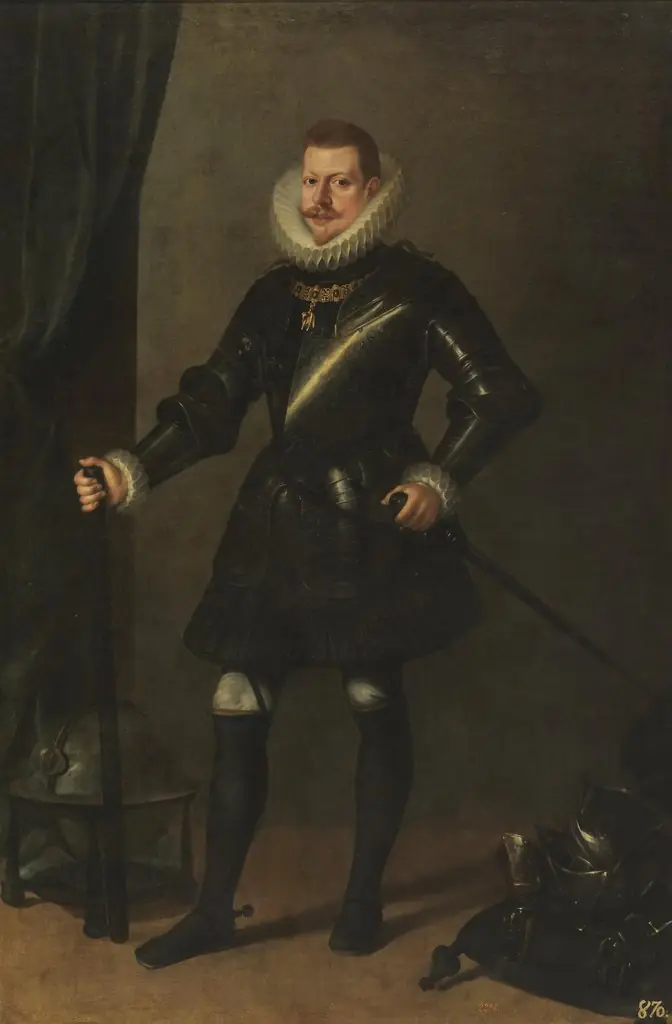 Philip III in Armour
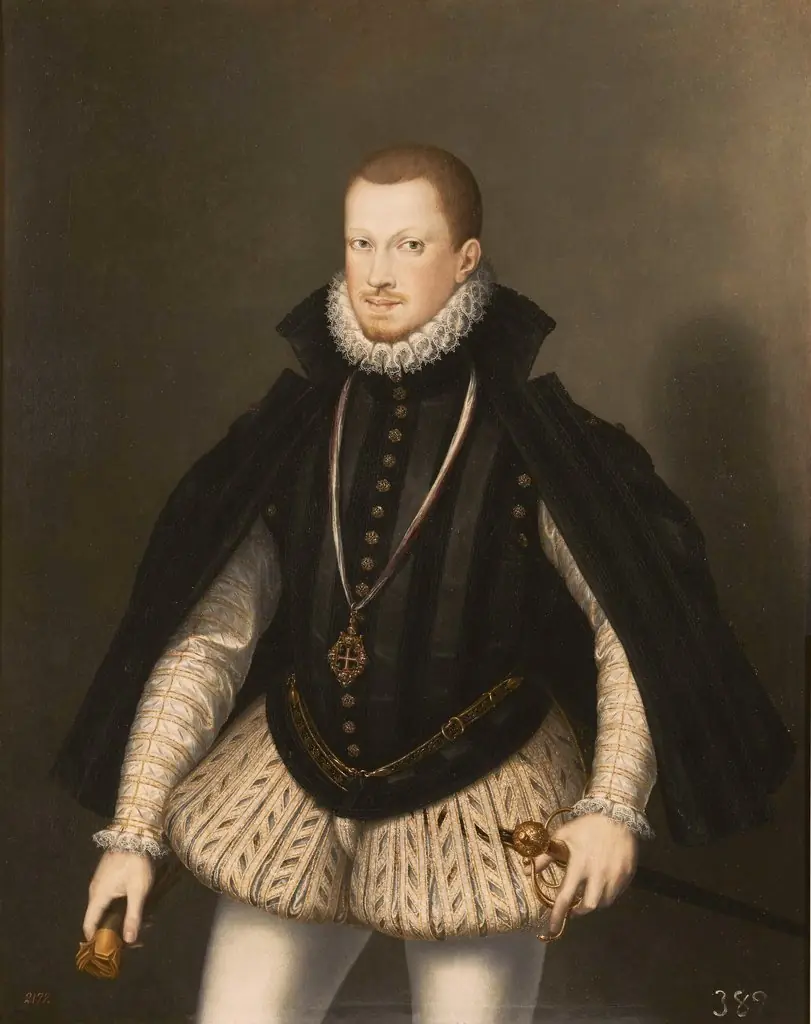 Don Sebastián rey de Portugal
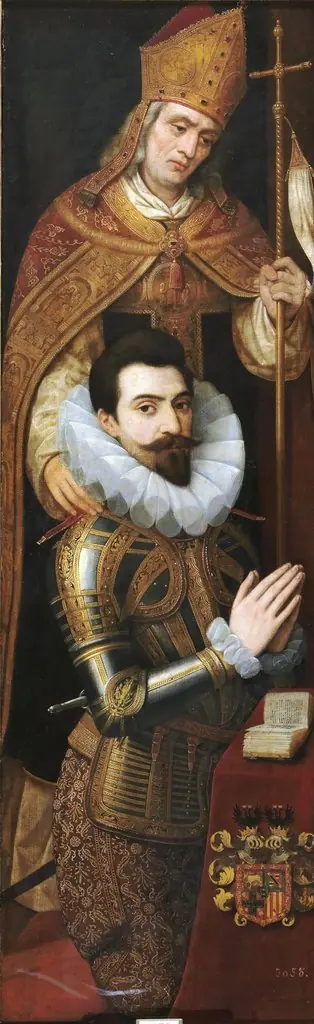 Alonso de Idiáquez duque de Ciudad Real (Cittá-Reale en Nápoles)
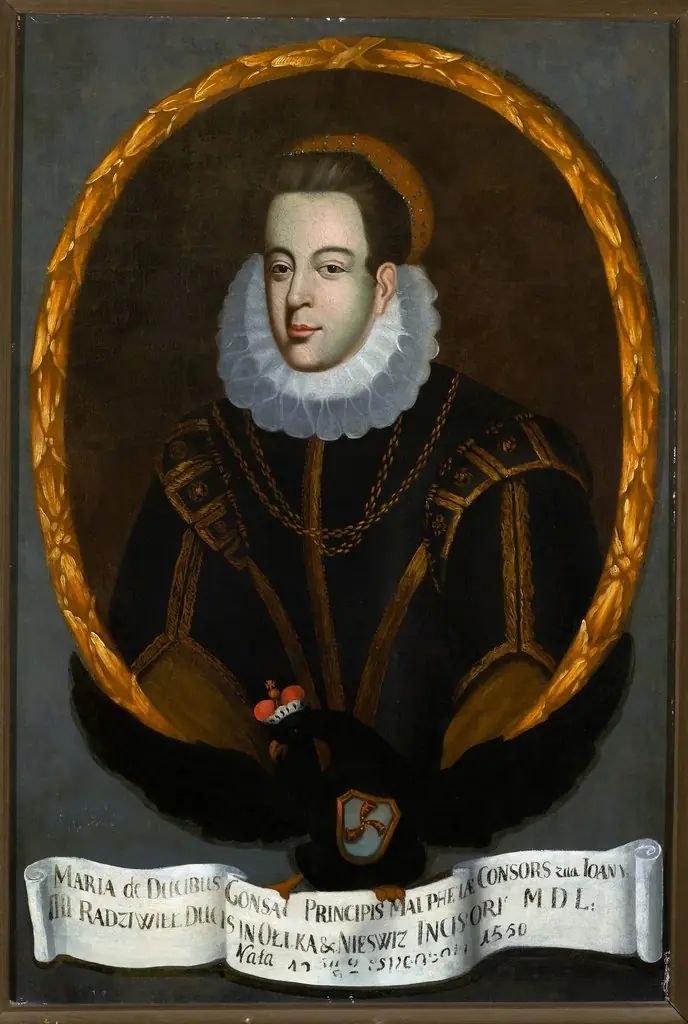 Portrait of Maria Hippolita née Gonzaga (1534–?) Radziwiłł ?
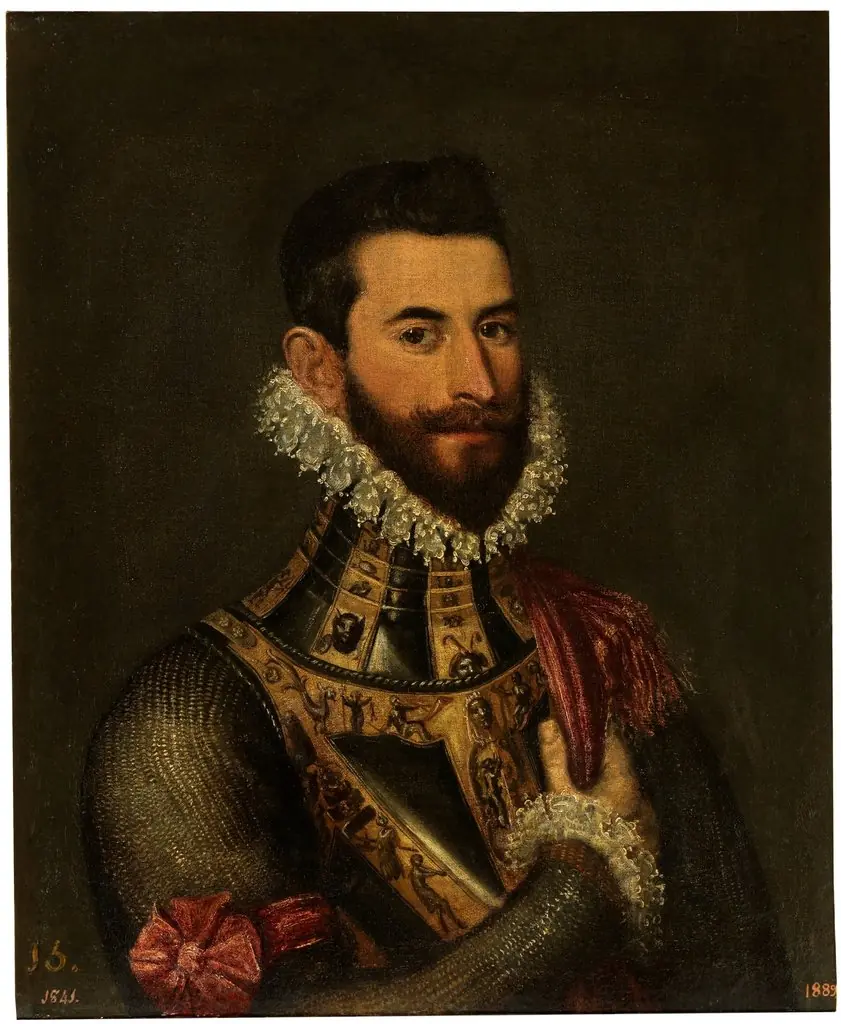 Pietro de Medici (?)
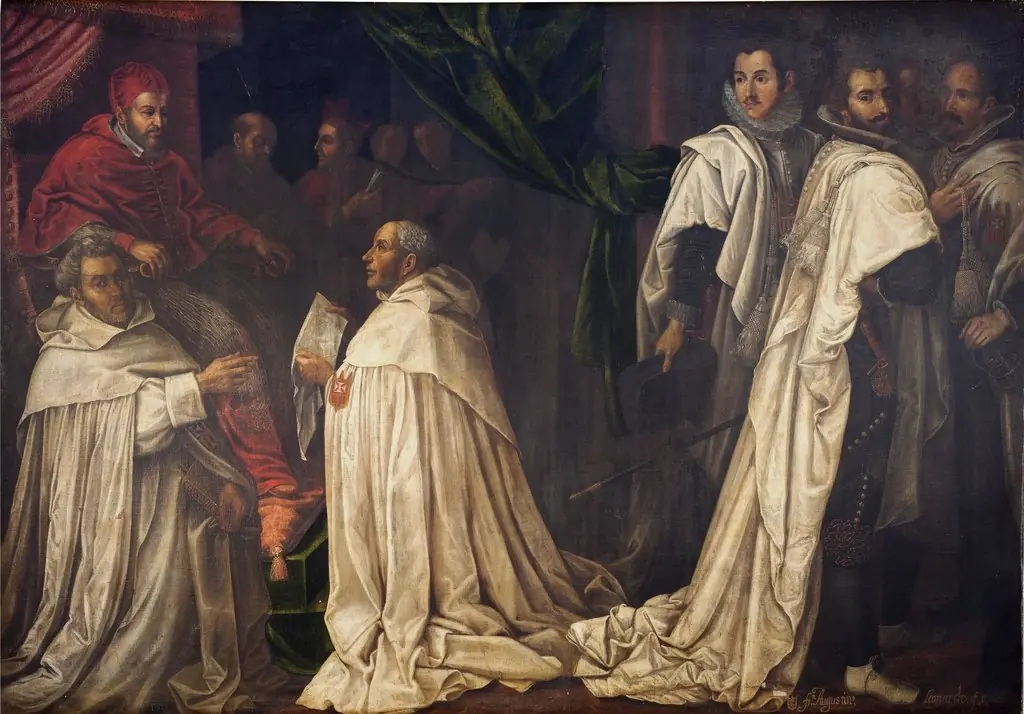 Decisión del pleito entre religiosos y caballeros
 William of Nassau, Prince of Orange