Artwork
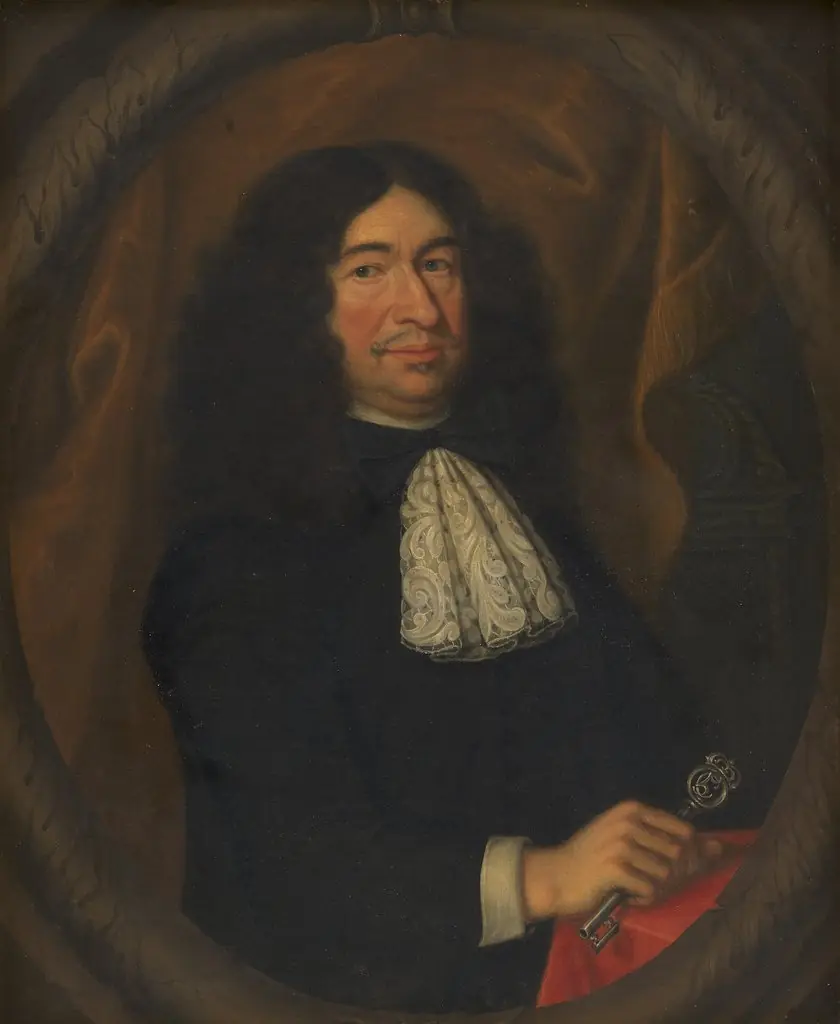
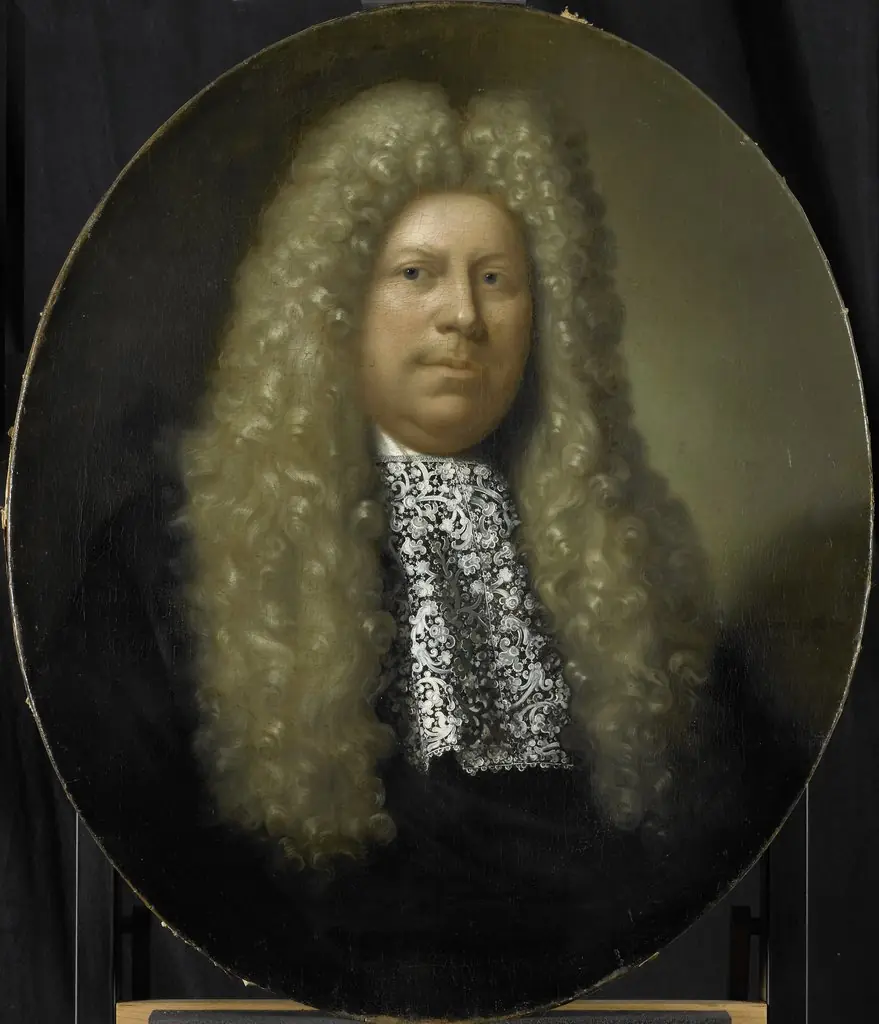
Portrait of Cornelis van Couwenhove, Director of the Rotterdam Chamber of the Dutch East India Company, elected 1667
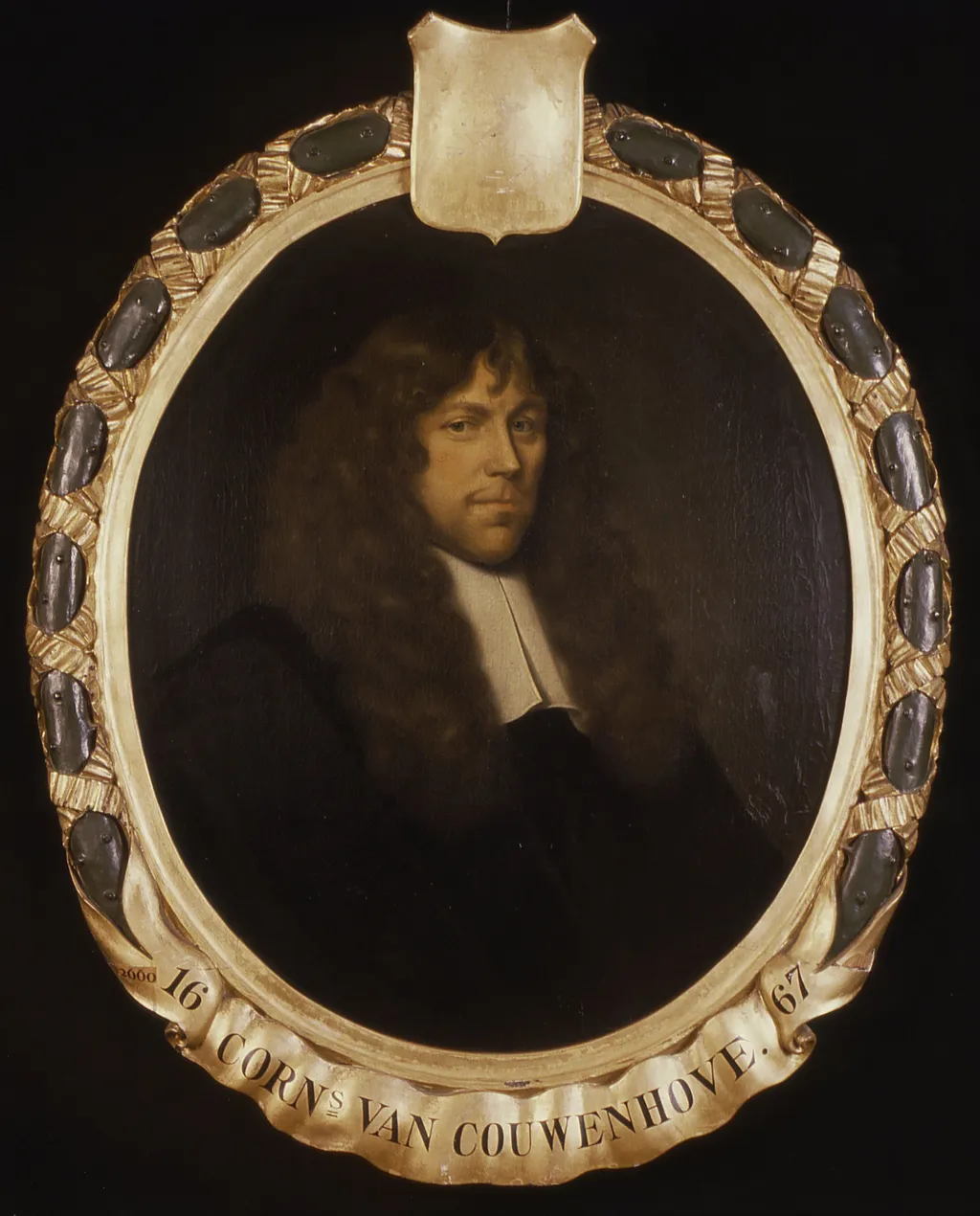
Portrait of Cornelis van Couwenhove, Director of the Rotterdam Chamber of the Dutch East India Company, elected 1667 is an oil painting by the Rococo painting artist Pieter van der Werff. It dates from 1708 and is held in the collection of the Rijksmuseum. This 1708 oil portrait, executed in the rococo style, depicts Cornelis van Couwenhove, a prominent figure in the Dutch East India Company.
About this work
Technique & Style
The restrained palette and controlled brushwork align with late seventeenth-century Dutch portrait conventions, conveying dignity and reserve.
The painting is executed in oil on canvas, a standard support for Dutch portraiture of the period. Handling is characterized by smooth, blended transitions in the face and hands, while the costume and lace collar are rendered with precise, linear detailing that captures fine textures and emphasizes the sitter’s status. The figure is positioned in three-quarter view against a neutral background, focusing attention on the facial features and attire. The restrained palette and controlled brushwork align with late seventeenth-century Dutch portrait conventions, conveying dignity and reserve.
History & Provenance
The portrait of Cornelis van Couwenhove, who was elected Director of the Rotterdam Chamber of the Dutch East India Company in 1667, was created by Pieter van der Werff. The work was executed in 1708, several decades after the sitter's election to his directorship. It is an oil painting on canvas, measuring 82 cm in height and 68 cm in width.
The piece is currently held in the collection of the Rijksmuseum, having been associated with the East India Company's Rotterdam Chamber and the Nederlandsch Museum voor Geschiedenis en Kunst prior to its current location.
Overview
This 1708 oil portrait, executed in the rococo style, depicts Cornelis van Couwenhove, a prominent figure in the Dutch East India Company. Painted by Pieter van der Werff, the work is characterized by its formal composition and expressive use of light.
Subject & Meaning
The subject, Cornelis van Couwenhove, is portrayed in a dignified manner, reflecting his position as Director of the Rotterdam Chamber of the Dutch East India Company, a role he held from 1667. His serious expression and attire underscore his authority.
Context
The portrait reflects the wealth and influence of the Dutch East India Company during the Dutch Golden Age. The choice of Pieter van der Werff, though not as renowned as his brother, suggests a deliberate selection for capturing the subject's official persona.
Legacy
While specific lasting impacts of this portrait on art history are not prominently documented, it remains a valuable example of late Dutch Golden Age portraiture and the enduring legacy of the Dutch East India Company's elite.
Own this work as a print
Artist & collection
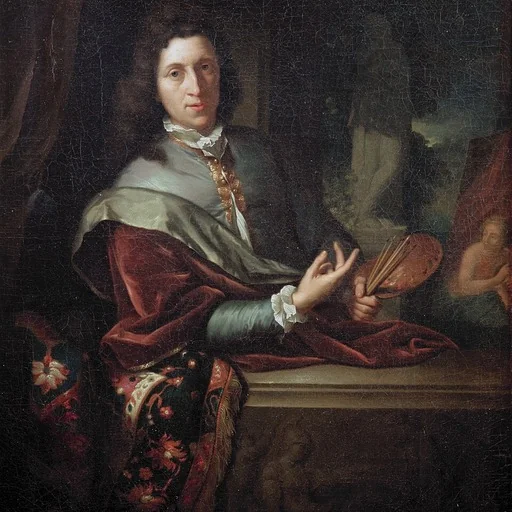
Artist
Pieter van der Werff (1665 – 26 September 1722) was a Dutch Golden Age painter. He assisted his older brother, Adriaen van der Werff.

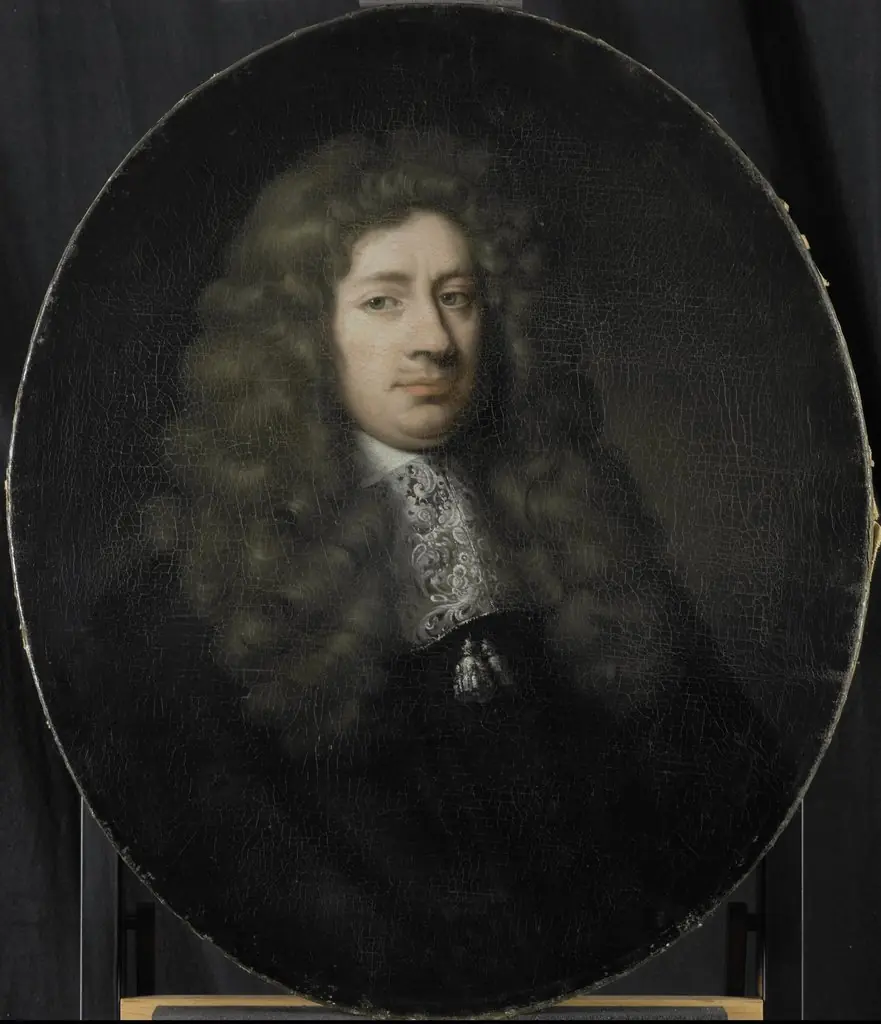 Portrait of Dominicus Rosmale, Director of the Rotterdam Chamber of the Dutch East India Company, elected 1677
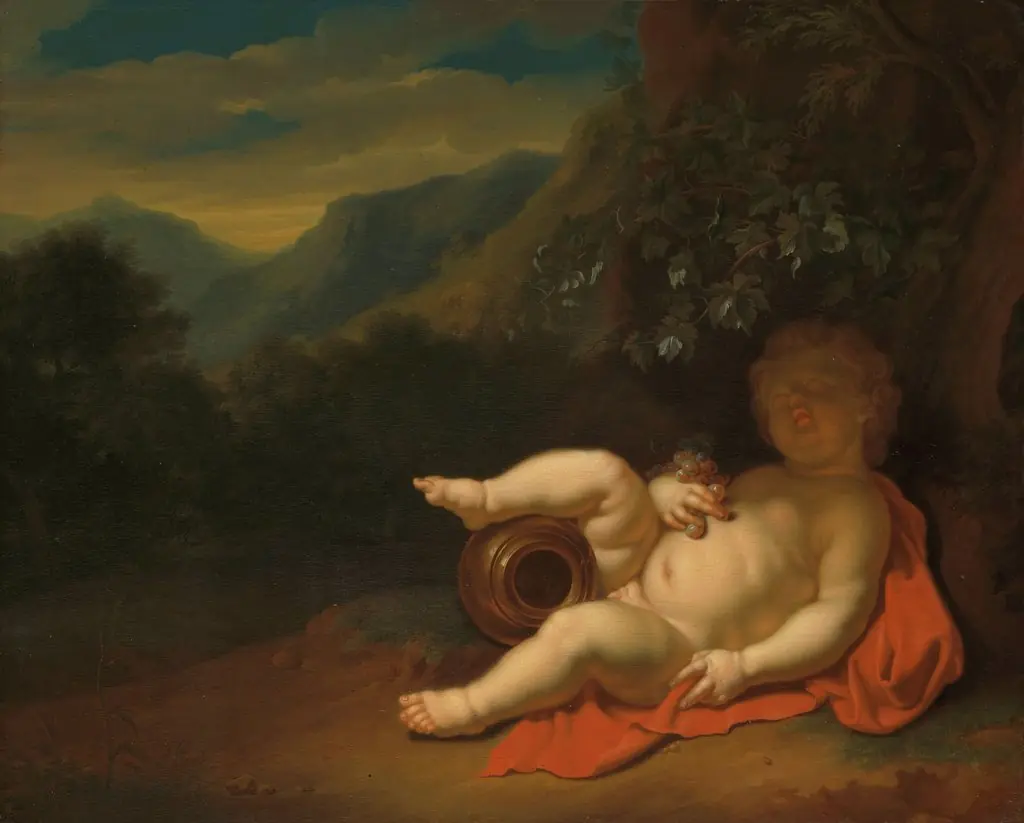 The Infant Bacchus
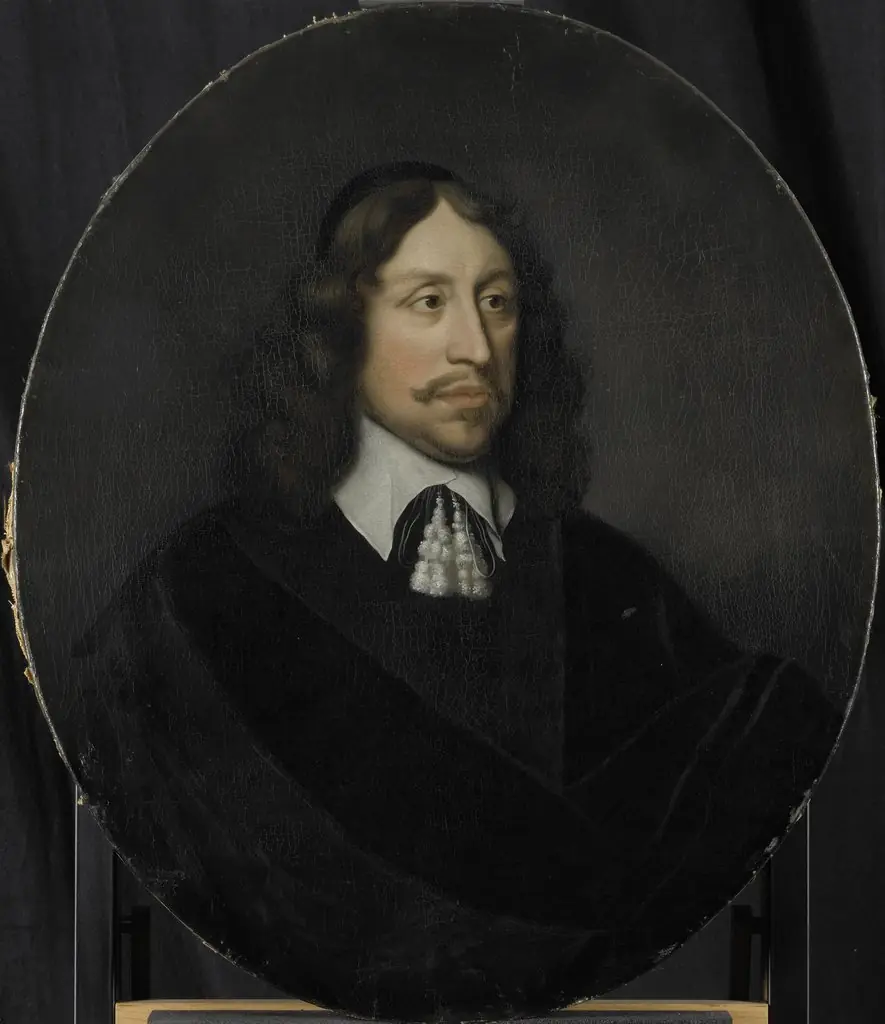 Portrait of Johan de Vries, Director of the Rotterdam Chamber of the Dutch East India Company, elected 1667
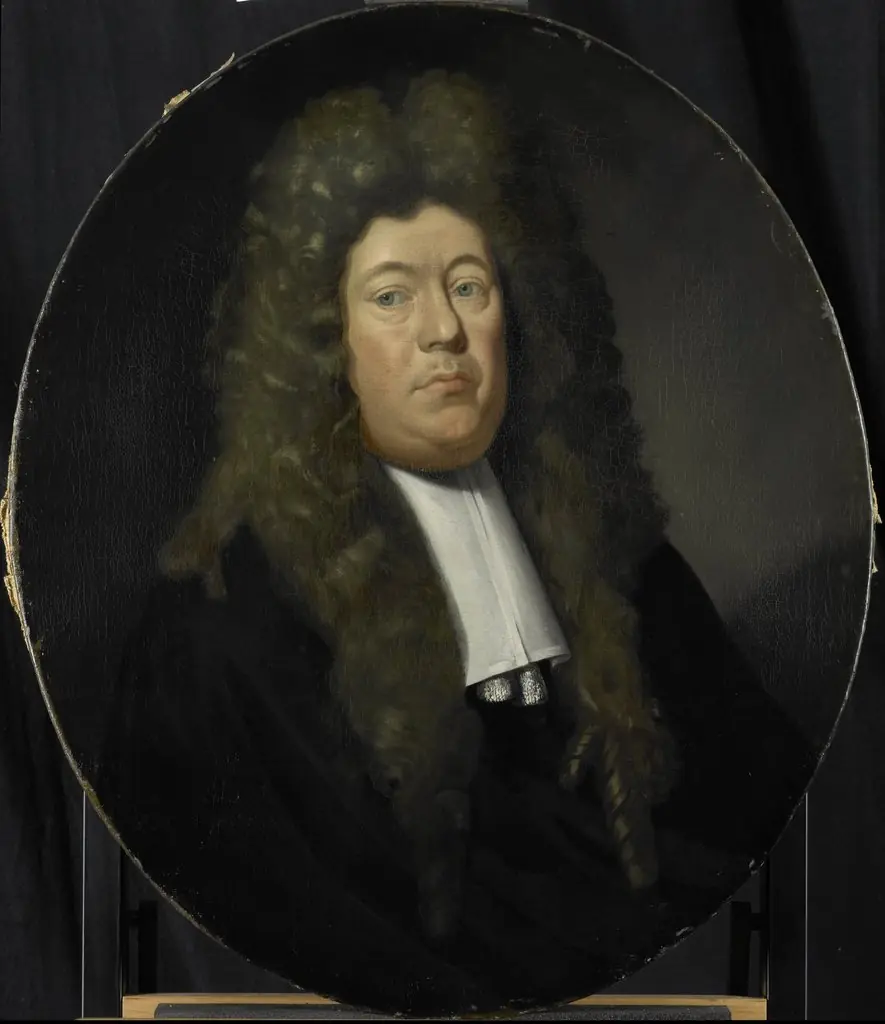 Portrait of Adriaen Paets, Director of the Rotterdam Chamber of the Dutch East India Company, elected 1668
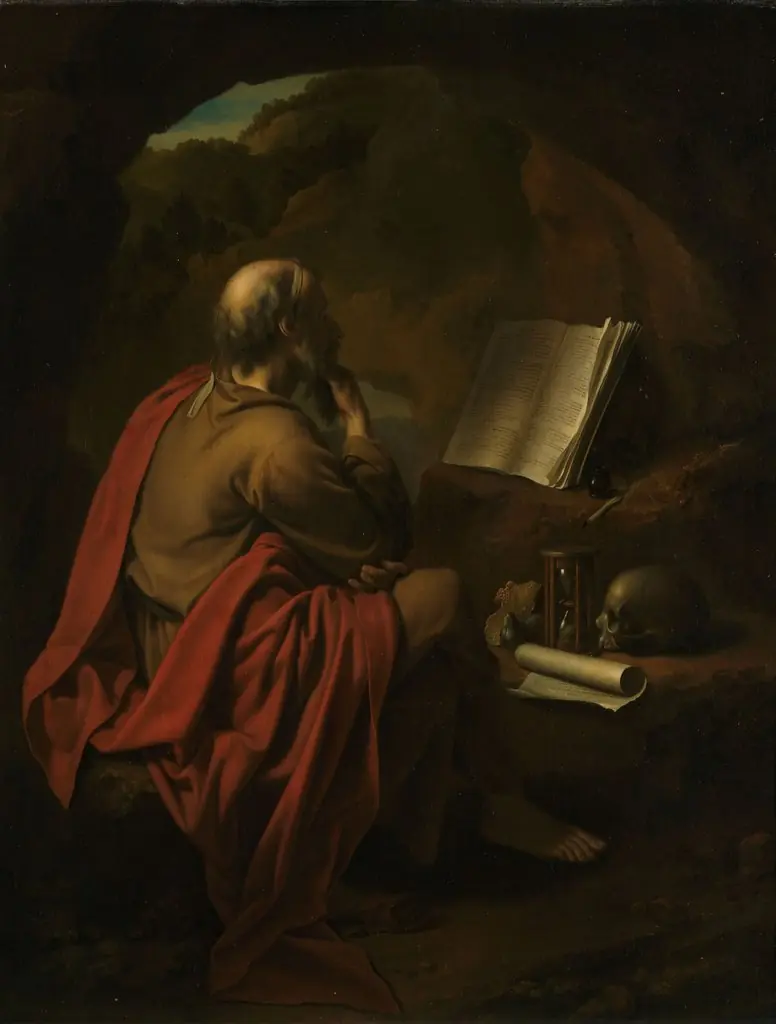 Saint Jerome
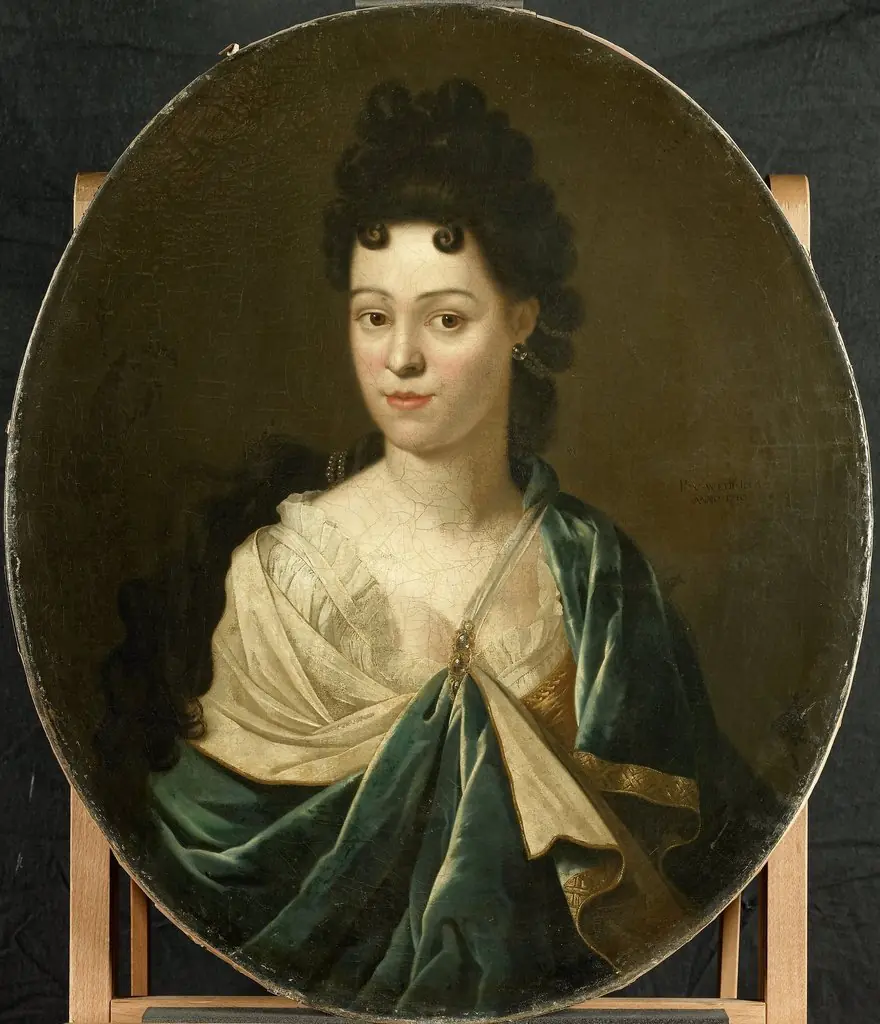 Portrait of Mrs. Brust-Batailhy
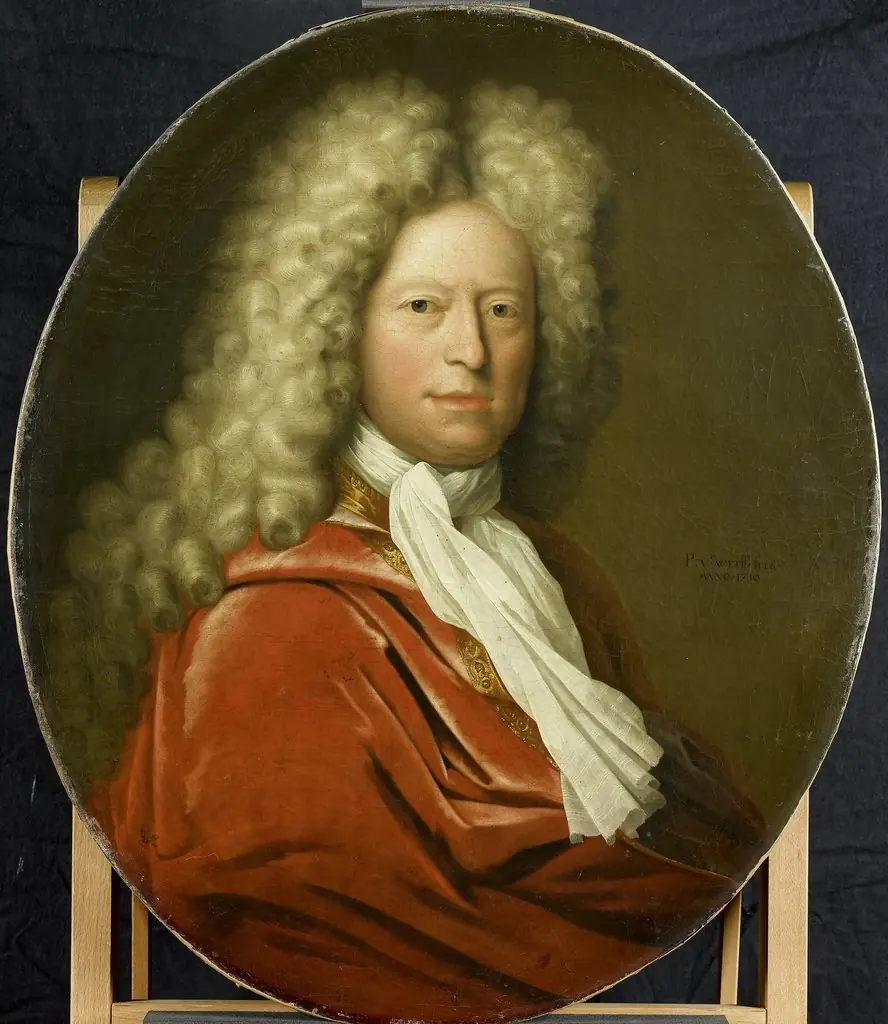 Portrait of Mr. Brust
 Portrait of Jacob Dane, Director of the Rotterdam Chamber of the Dutch East India Company, elected 1689