Artwork
The Judgment of Midas
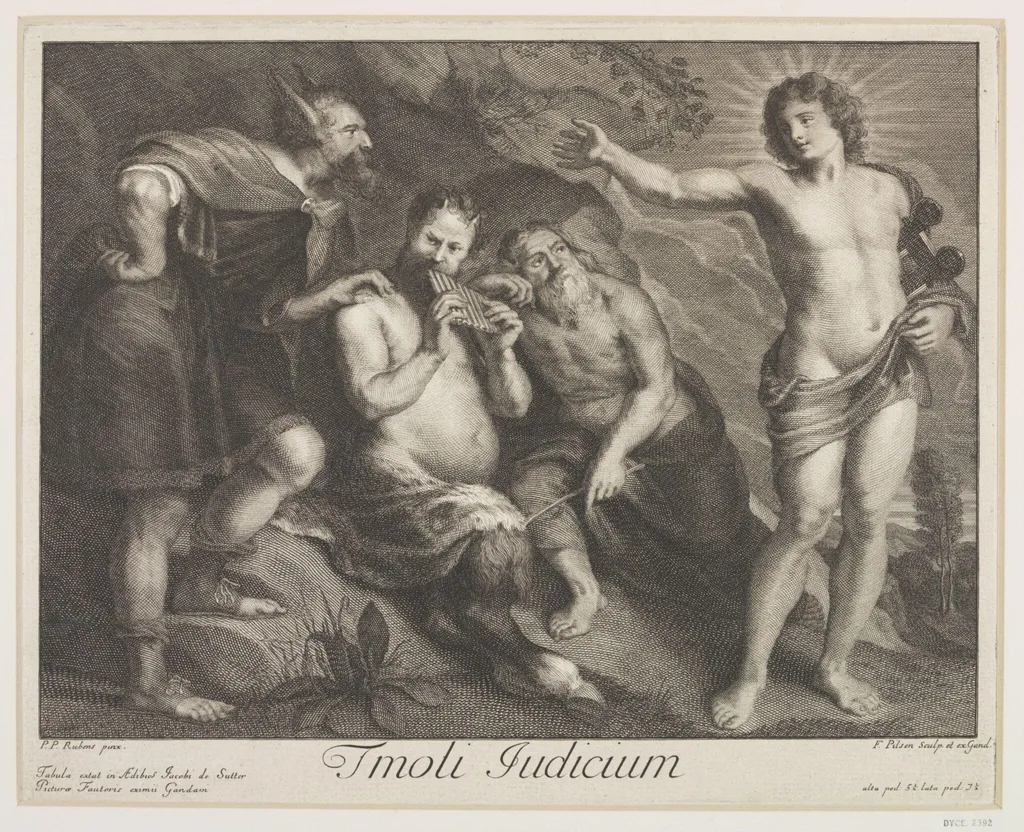
The Judgment of Midas is a print by Frans Pilsen. It dates from 1750 and is held in the collection of the Victoria and Albert Museum.
About this work
Overview
The image presents a compact, dramatic tableau set in a rugged terrain, populated by five figures whose gestures convey a moment of decisive testing.
Frans Pilsen’s print titled The Judgment of Midas is a paper impression that copies a composition first devised by Peter Paul Rubens. The image presents a compact, dramatic tableau set in a rugged terrain, populated by five figures whose gestures convey a moment of decisive testing. The work reflects the collaborative practice of 17th‑century printmaking, where artists reproduced celebrated paintings for wider distribution.
Subject & Meaning
The scene illustrates the mythic episode in which King Midas judges the truth of a claim. A nude man grasps a staff, while an older figure kneels, clutching a small object, perhaps a golden touch or a token of judgment. A child reaches toward them, and a bearded onlooker leans in, suggesting witnesses to the king’s verdict. The composition emphasizes moral evaluation and the tension inherent in discerning honesty.
Technique & Style
Executed in black‑and‑white on paper, the print employs strong chiaroscuro, creating a stark contrast between illuminated forms and deep shadows that model the rocky backdrop. The lines are crisp, defining the muscular bodies and the craggy environment, while the textured background suggests distant trees and a cavernous opening. Pilsen’s handling of light and shade mirrors Rubens’s baroque dynamism, translating painterly vigor into the graphic medium.
History & Provenance
Created by the Flemish engraver Frans Pilsen, the print serves as a reproductive work after Rubens’s original oil painting, a common practice for disseminating the master’s compositions in the early modern period. It was likely produced for the market of collectors and connoisseurs seeking affordable copies of Rubens’s celebrated mythological scenes. The print’s survival in museum collections attests to its role in the diffusion of Rubens’s visual language.
Own this work as a print
Artist & collection
Artist
Frans Pilsen made 18th-century prints that retold classical myths in crisp lines you could hang on a wall.

 Hagar in the Desert Consoled by an Angel
 The Creation of Eve
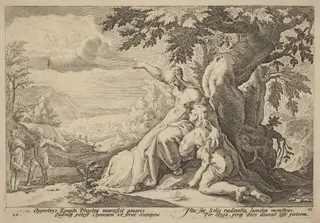 Clymene Urging Phaeton to Find Helios
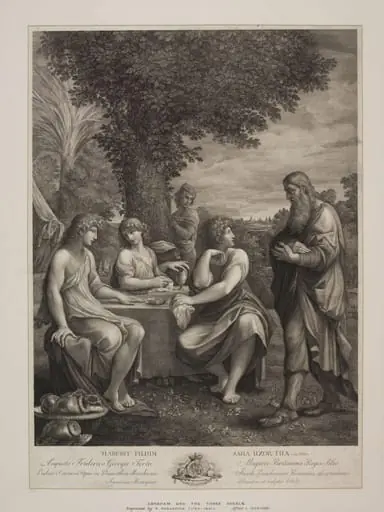 Untitled
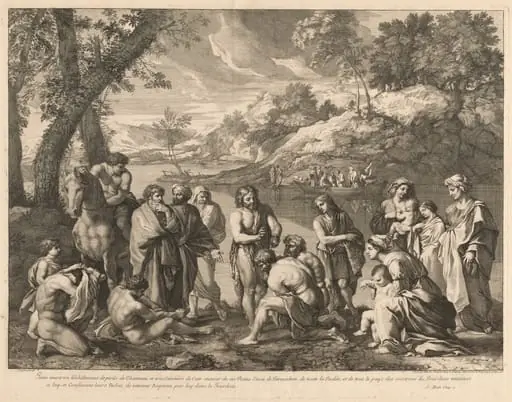 Saint John the Baptist in the River Jordan
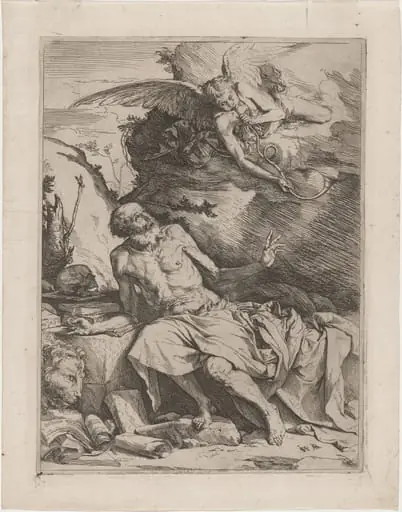 Saint Jerome Hearing the Trumpet of the Last Judgment
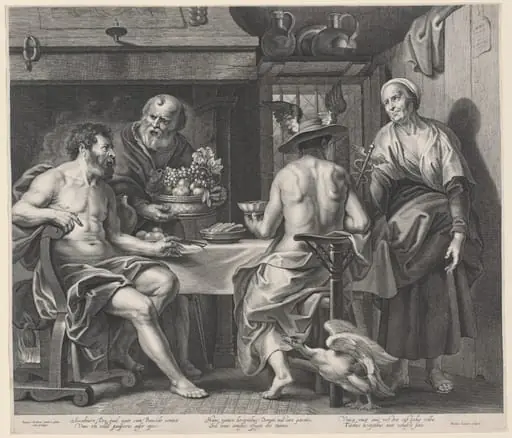 Jupiter and Mercury Entertained by Philemon and Baucis
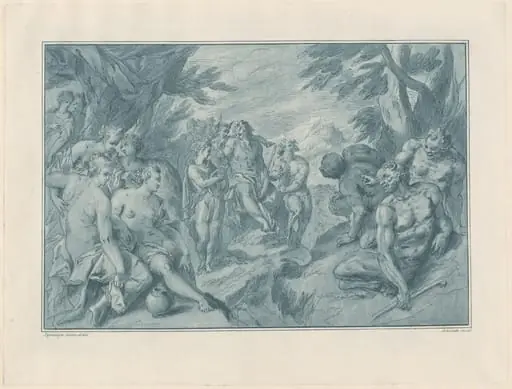 The Musical Contest Between Apollo and Pan
 Jupiter and the Gods Asking Helios to Resume Control of the Chariot
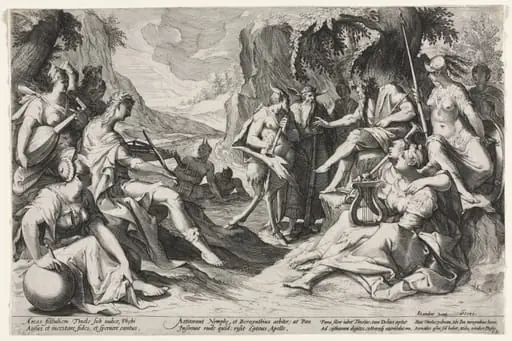 The Judgment of Midas