Artwork
Horticulturist
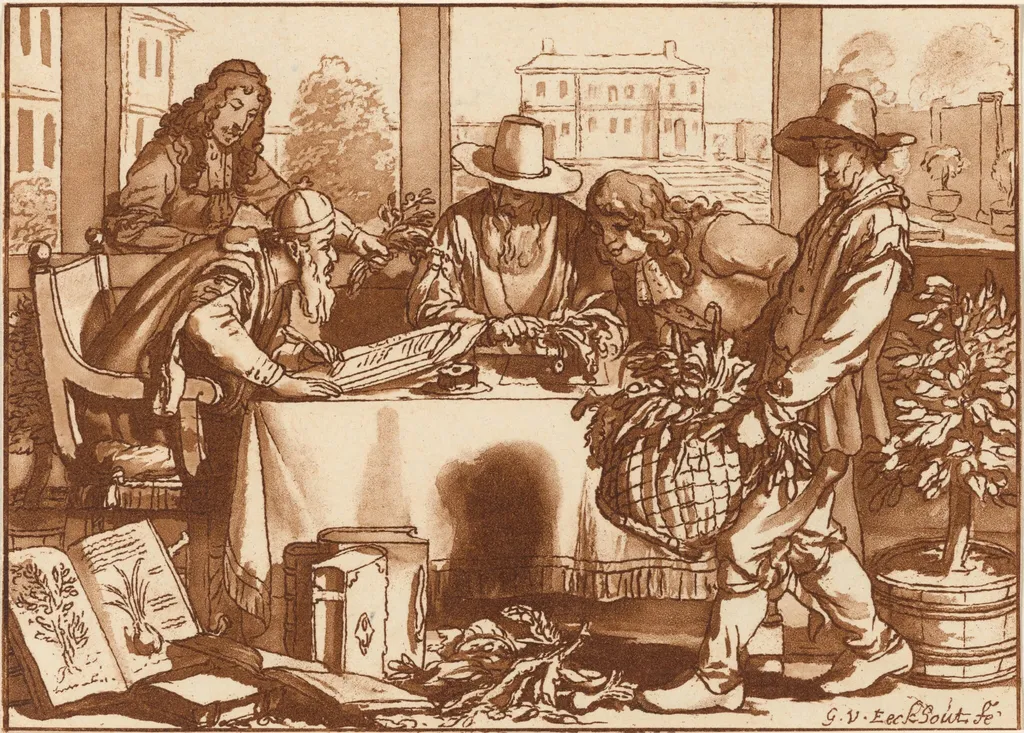
Horticulturist is an ink print by the Romanticist artist Cornelis Ploos van Amstel. It dates from 1780 and is held in the collection of the National Gallery of Art.
- Inscription
- Inscribed:lower right in image: G.V.Eeckhour fe; verso at top in brown ink: Geoffererd aan myne Vriend ! / den Kunst... Heer / Jos. Lublenk dj / PvAmstel / JC / 18 February; verso along bottom in brown ink: Gerbrand...Eekhout del / PLoos van Amstel JC Fecit 1780
- Markings
- Marked:verso: artist's mark (Eusman 8)
About this work
Overview
Created in 1780 by Cornelis Ploos van Amstel, the work titled Horticulturist is a brown‑toned etching and aquatint executed on laid paper. The print presents a modestly sized gathering of figures engaged in botanical activity, rendered with a warm, monochromatic palette that emphasizes texture and spatial relationships.
Subject & Meaning
A man in a wide‑brimmed hat holds a bundle of leaves, another points attentively at an object, while a woman with a fruit basket watches.
Six individuals are arranged around a table laden with plants, seeds, and gardening implements. A man in a wide‑brimmed hat holds a bundle of leaves, another points attentively at an object, while a woman with a fruit basket watches. The composition suggests a collaborative study of horticulture, highlighting the exchange of knowledge between male and female participants within an orderly, scholarly setting.
Technique & Style
Ploos van Amstel combines precise line etching with aquatint shading to achieve depth and tonal variation. Fine cross‑hatching defines the foliage and fabric folds, while broader aquatint washes produce soft, brown tones that model the figures and background architecture. The use of laid paper adds a subtle texture that enhances the impression of a lived, tactile environment.
History & Provenance
The print originates from the late eighteenth‑century Dutch printmaking tradition, a period when Ploos van Amstel was active as both painter and engraver. While specific ownership records are not documented here, the work reflects the artist’s interest in scientific illustration and the broader Enlightenment fascination with natural history.
Own this work as a print
Artist & collection

 Portrait of Cornelis Ploos van Amstel
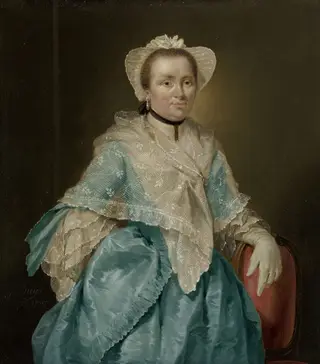 Portrait of Elisabeth Troost (1730-1790)
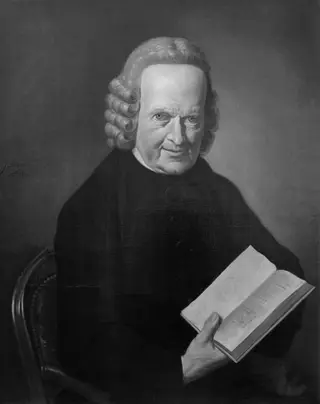 Johannes Monnikhoff (1707-1787)
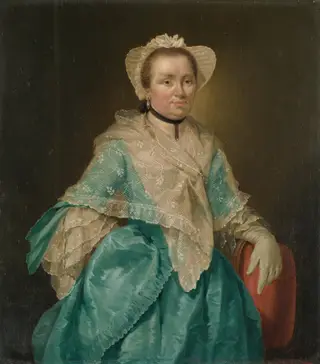 Portrait of Elisabeth Troost (1730-1790)
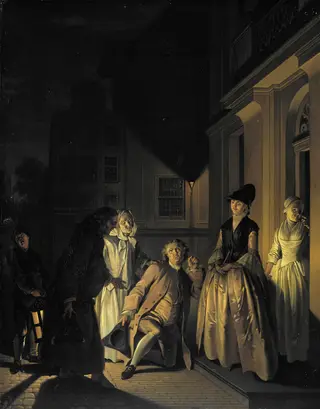 Scene from the Play 'Lubbert Lubbertse of de geadelde boer' by M. van Breda
 Portrait of Cornelis Ploos van Amstel
 Cavalier and Lady with a Page
 Pancake Woman
- The Four Markets: The Vegetable Market
 The Dozing Fishmonger (Le marchand de poissons endormie)
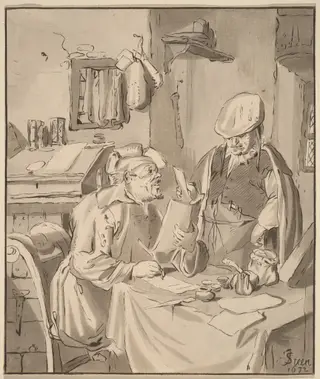 The Collector
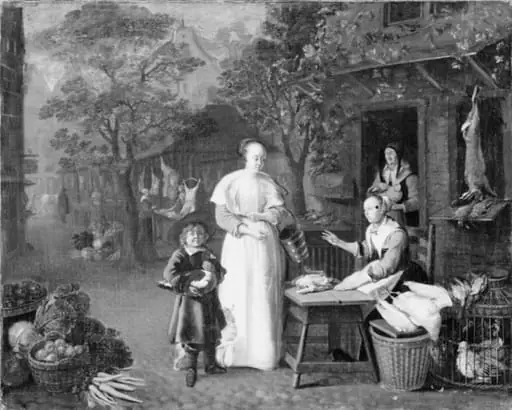 A Market Scene
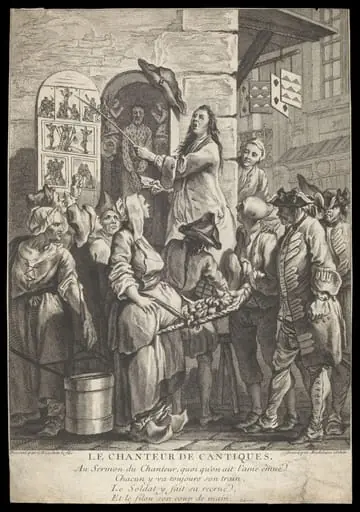 H Beard Print Collection
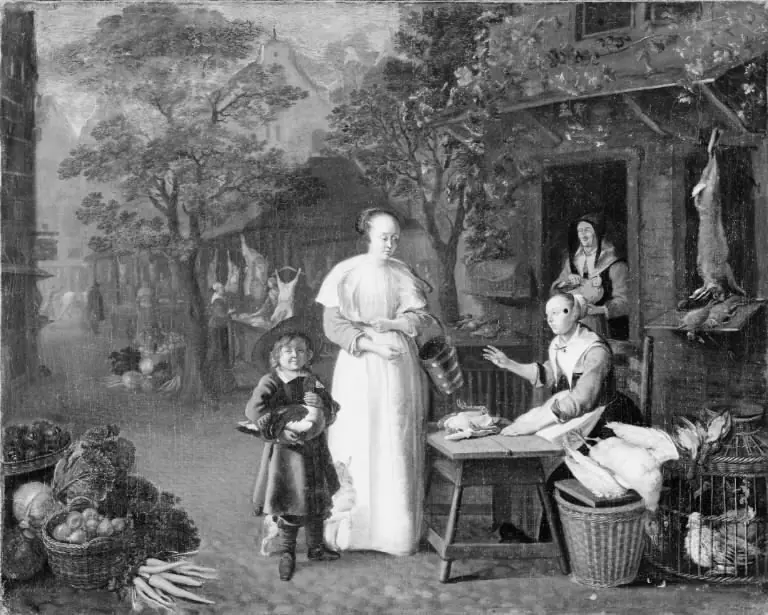 A Market Scene
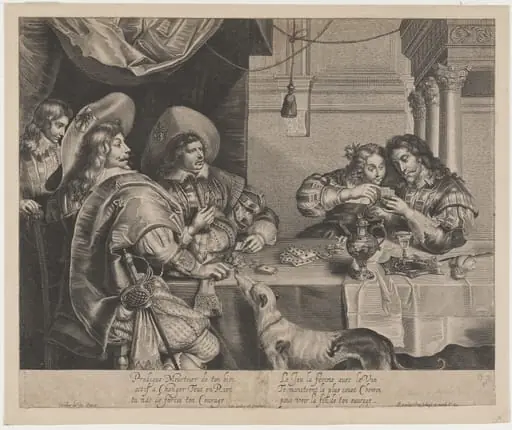 The Card Players
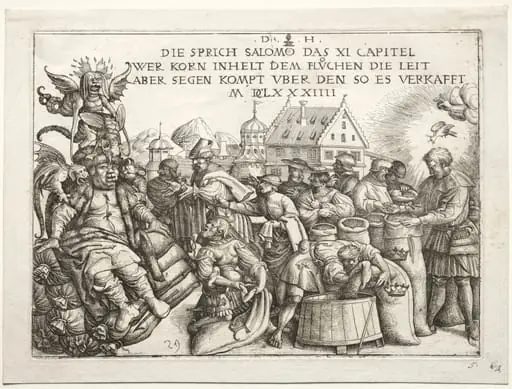 Illustration to proverbs XI (The Hoarders of Grain)
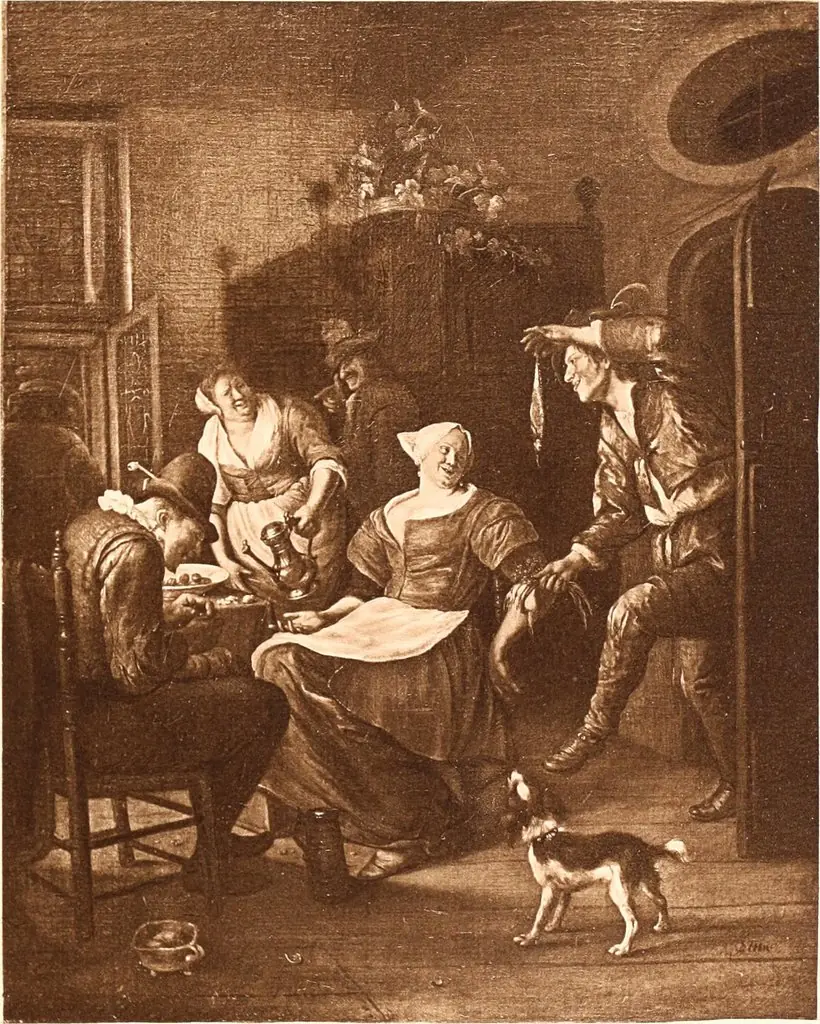 The Gallant Offer
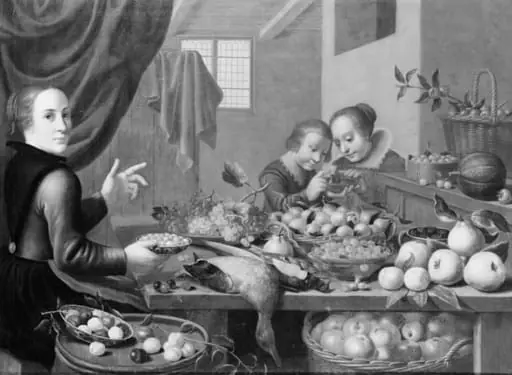 Kitchen Scene
 Gadescene i København ved år 1800. En pige gør indkøb af grøntsager hos Amagerkonen
 Țărani jucând cărți