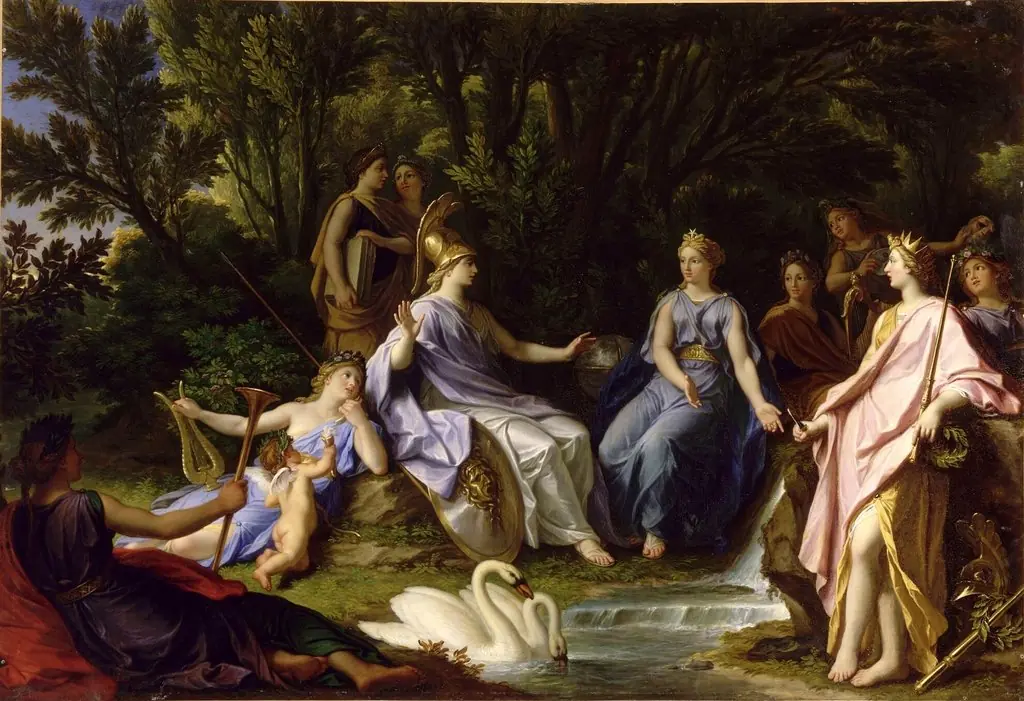
Artwork
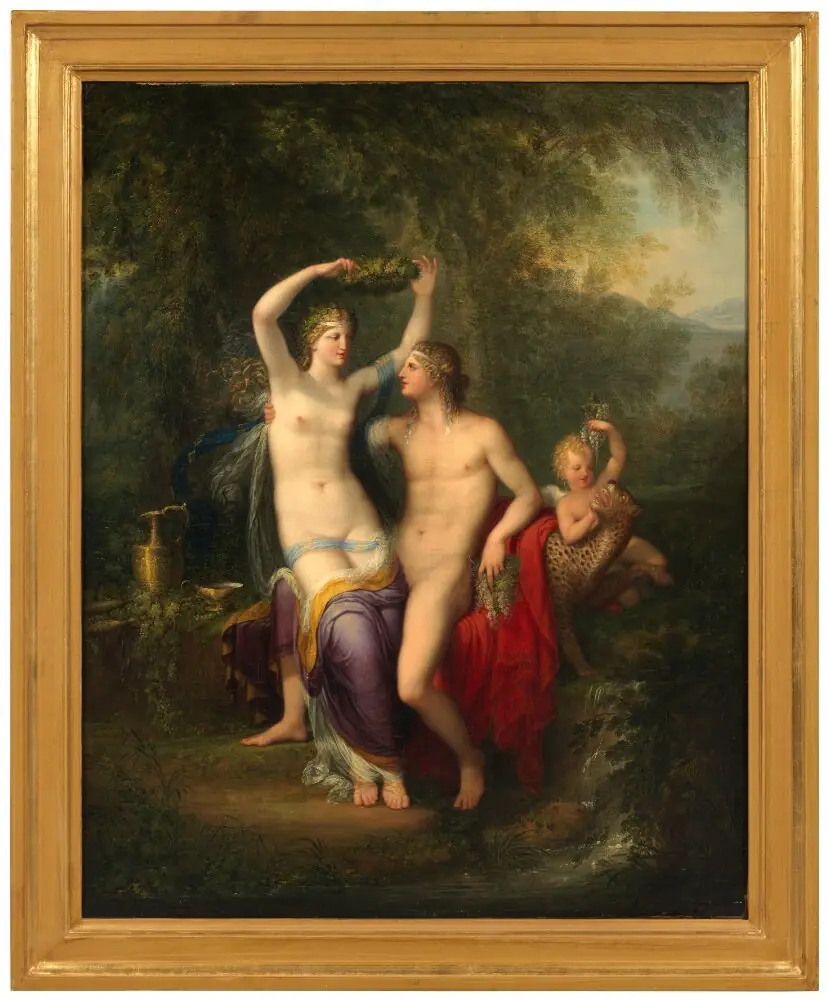
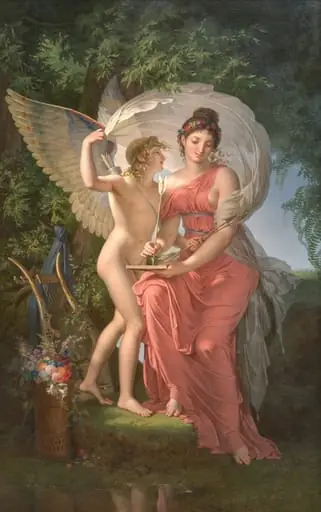
Polyhymnia, Muse of Eloquence; Erato, Muse of Lyrical Poetry; Apollo, God of Light, Eloquence, Poetry and the Fine Arts with Urania, Muse of Astronomy; Calliope, Muse of Epic Poetry; Clio, Muse of History
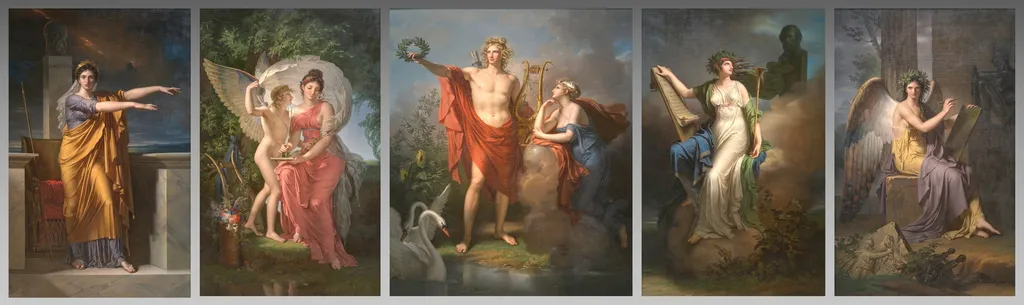
Polyhymnia, Muse of Eloquence; Erato, Muse of Lyrical Poetry; Apollo, God of Light, Eloquence, Poetry and the Fine Arts with Urania, Muse of Astronomy; Calliope, Muse of Epic Poetry; Clio, Muse of History is an unspecified painting by the Neoclassicist artist Charles Meynier. It dates from 1800 and is held in the collection of the Cleveland Museum of Art.
- Accession no.
- 2003.6
- Credit line
- Severance and Greta Millikin Purchase Fund
About this work
Overview
This 1800 painting by Charles Meynier depicts six figures from Greek mythology, including Apollo and five Muses. It is a representative work of the Neoclassical movement and is held in The Cleveland Museum of Art.
Subject & Meaning
The painting shows Apollo, god of poetry and the arts, surrounded by five Muses: Polyhymnia, Erato, Urania, Calliope, and Clio. Each figure is associated with a particular art or science, such as epic poetry, history, or astronomy.
Technique & Style
Meynier's use of chiaroscuro creates a sense of depth and volume, with the figures standing out against a darker background. The soft lighting and classical poses of the figures evoke a sense of timelessness and connection to ancient Greek culture.
History & Provenance
The painting was created by Charles Meynier, a French artist known for his historical and mythological subjects, in 1800. Meynier was a contemporary of other prominent Neoclassical artists, including Antoine-Jean Gros and Jacques-Louis David.
Artist & collection
Artist
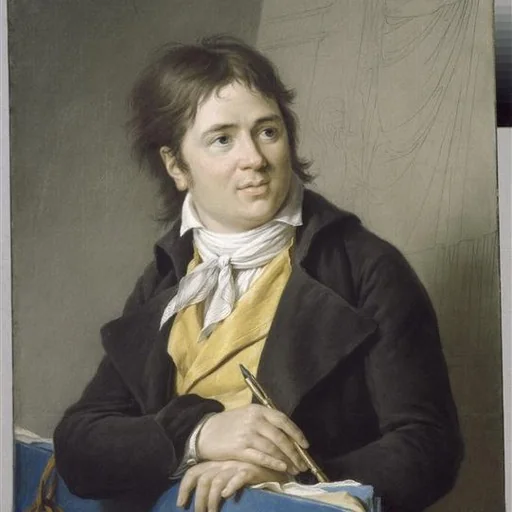
Charles Meynier (1763 or 1768, Paris – 1832, Paris) was a French painter of historical subjects in the late 18th and early 19th century. He was a contemporary of Antoine-Jean Gros and Jacques-Louis David.

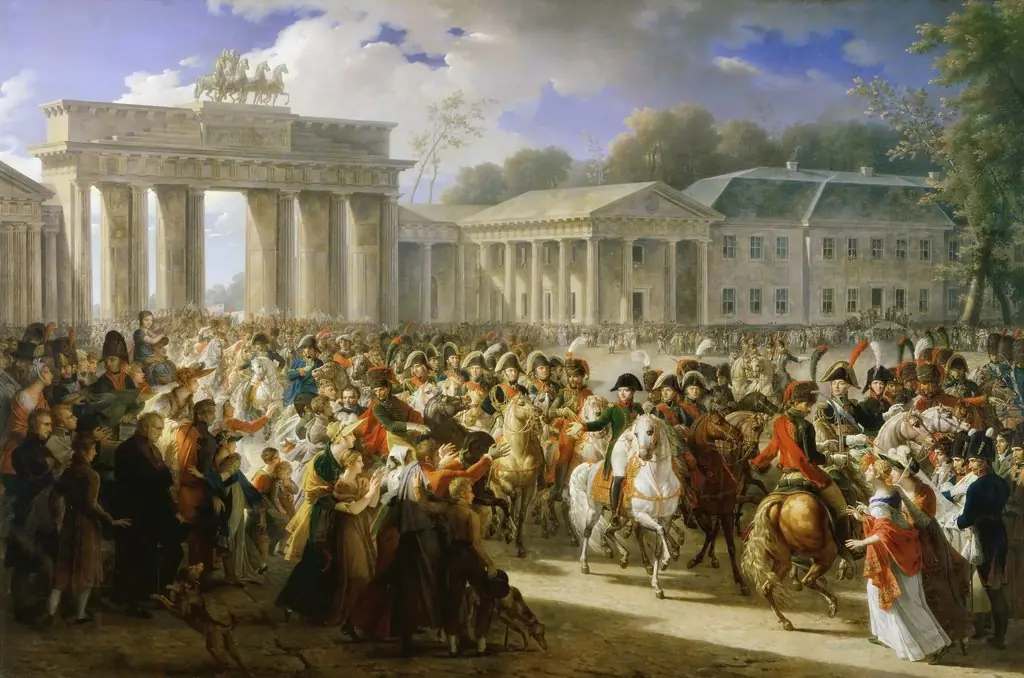 Entry of Napoleon I into Berlin, 27th October 1806
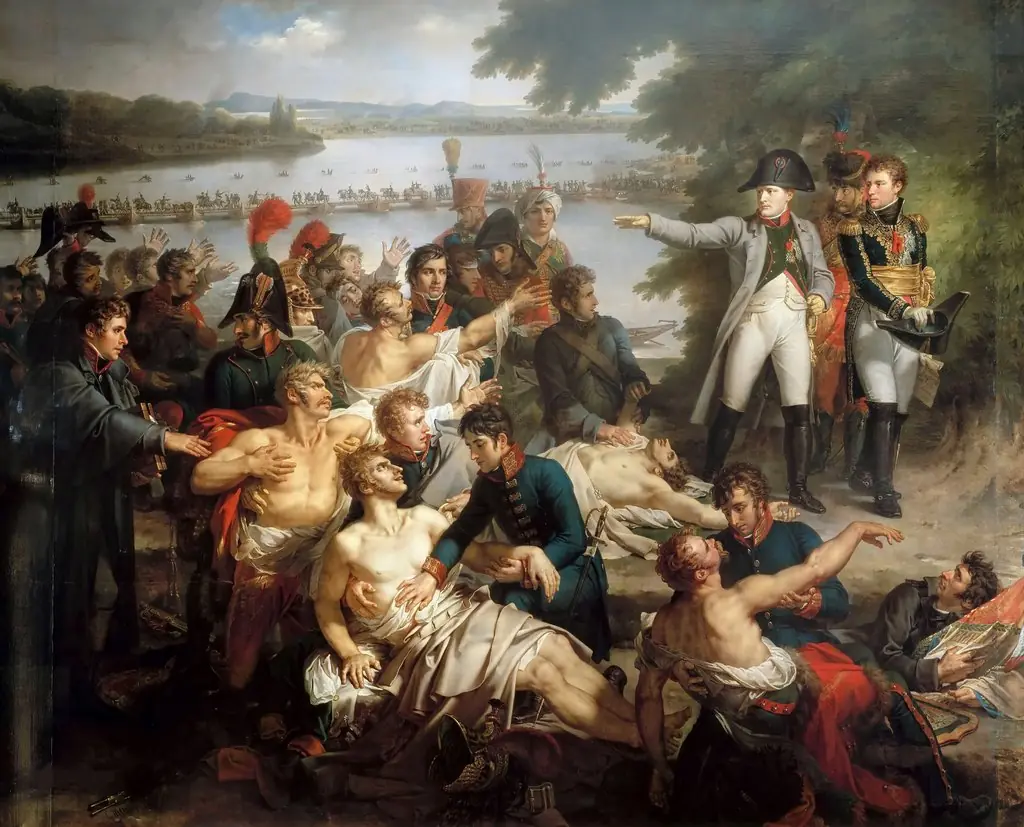 Napoleon's Return to the Island of Lobau After the Battle of Essling
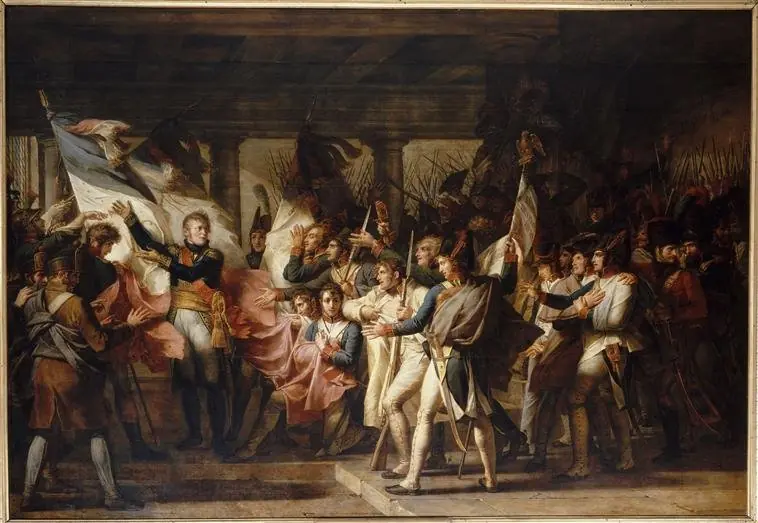 Marshal Ney hands over their flags to the soldiers of the 76th Line Regiment, November 7, 1805
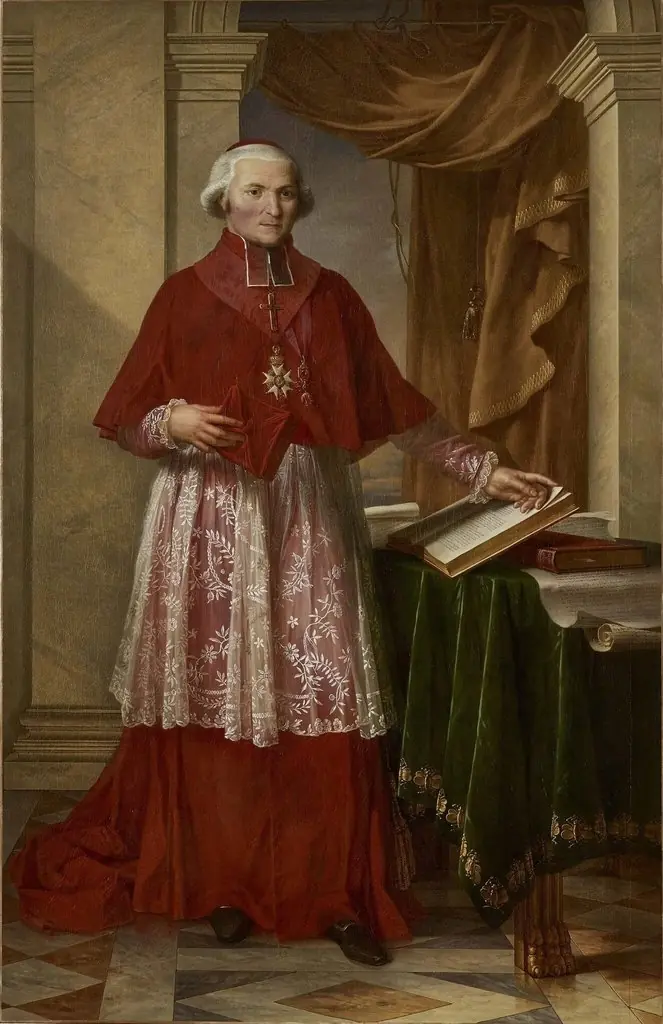 Portrait of Joseph Fesch
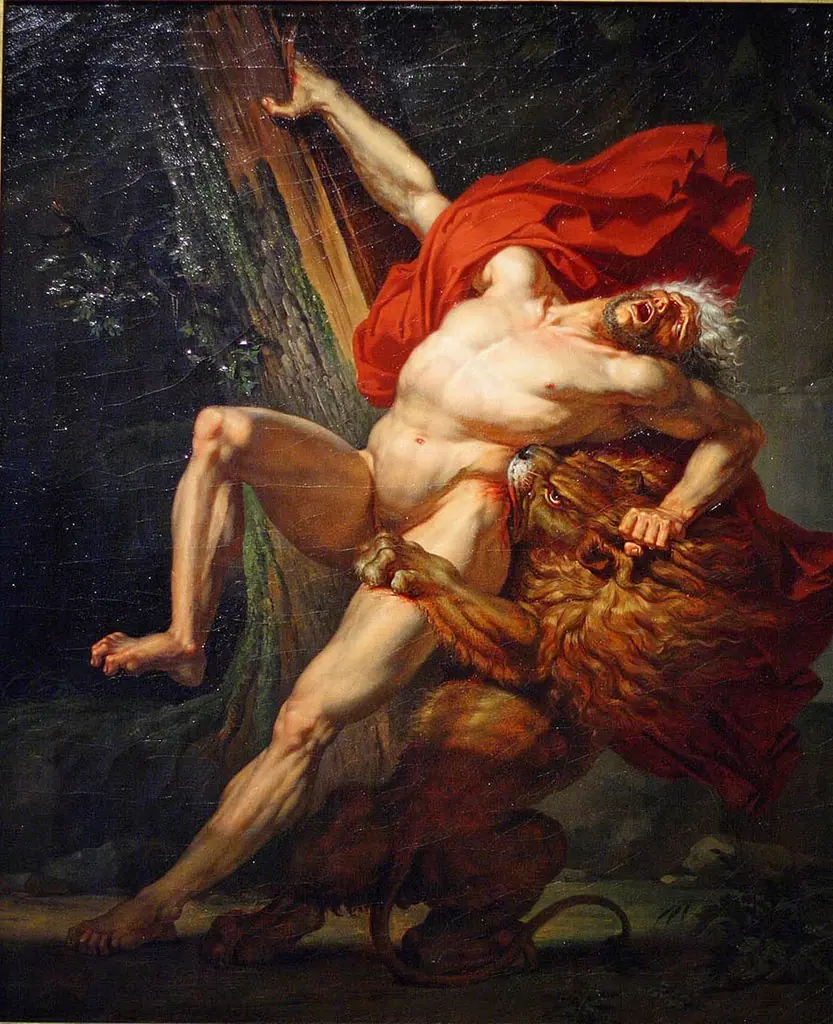 Milo of Croton, Attempting to Test His Strength, Is Caught and Devoured by a Lion
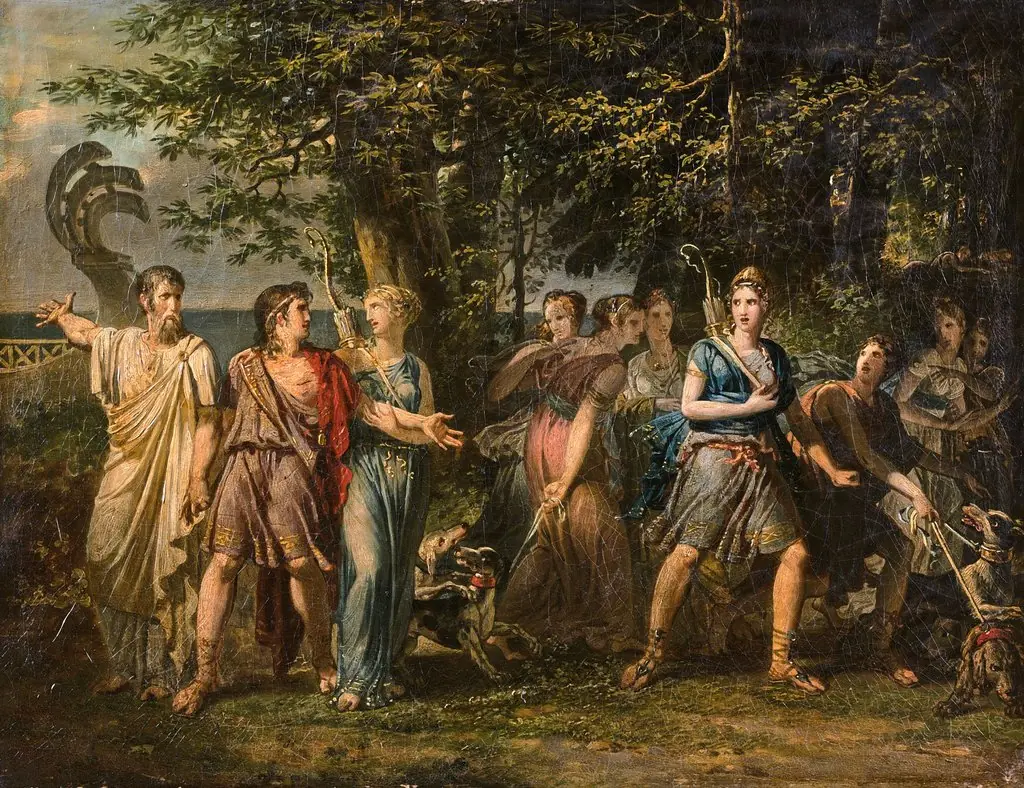 Telemachus, Urged by Mentor, Leaving the Island of Calypso
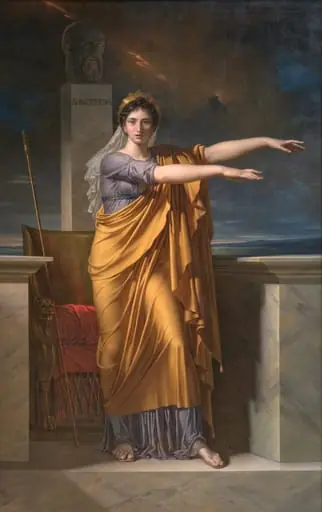 Polyhymnia, Muse of Eloquence
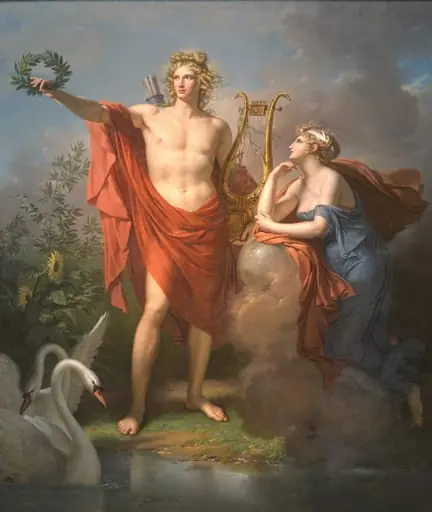 Apollo, God of Light, Eloquence, Poetry, and the Fine Arts with Urania, Muse of Astronomy