Artwork
Unseemly Love, perhaps a scene of the Widower Joost with Lucia, 2nd scene from the play "De wanhebbelijke liefde" by CJ van der Lijn
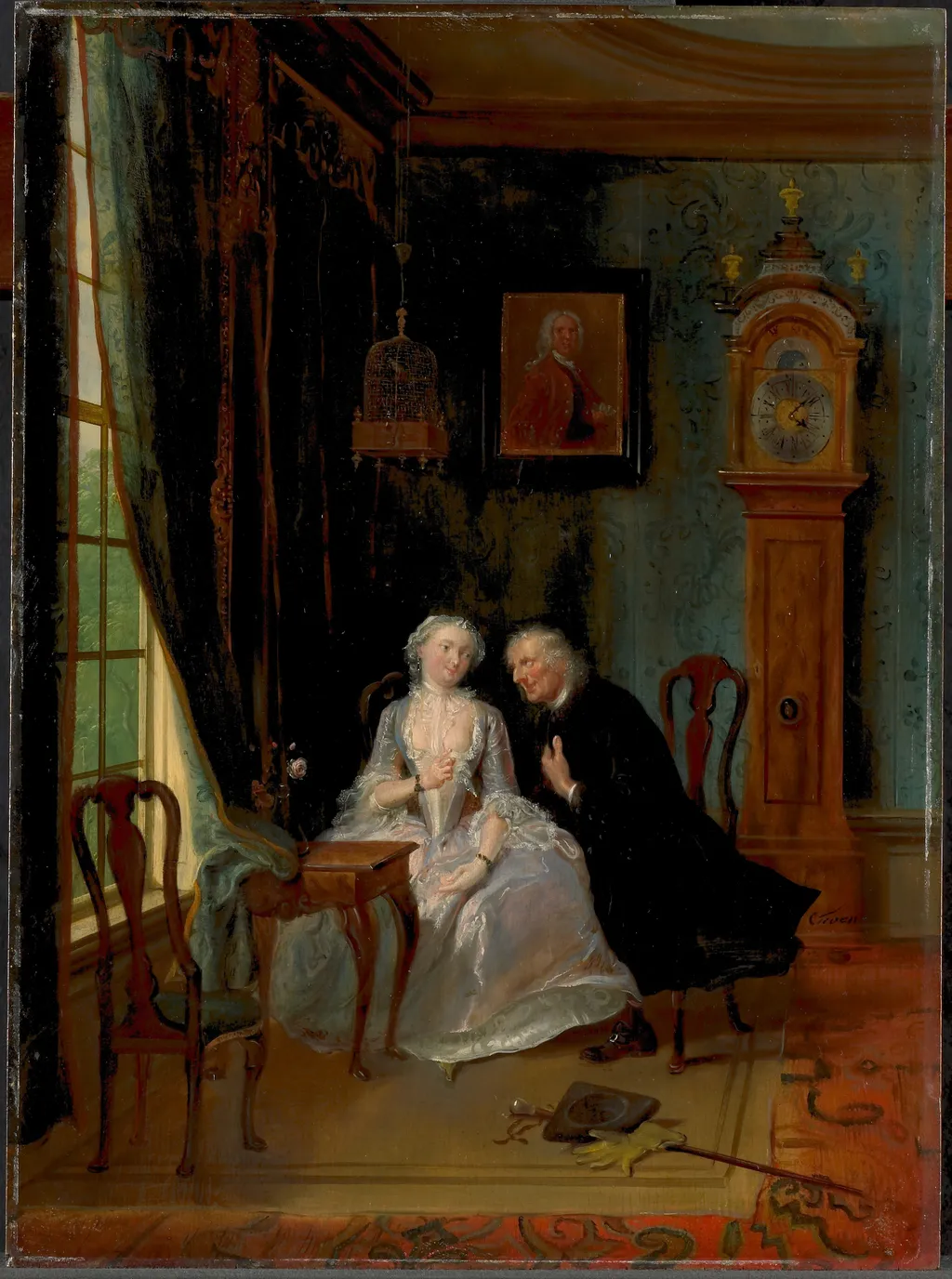
Unseemly Love, perhaps a scene of the Widower Joost with Lucia, 2nd scene from the play "De wanhebbelijke liefde" by CJ van der Lijn is an oil painting by the Rococo painting artist Cornelis Troost. It dates from 1750 and is held in the collection of the Rijksmuseum.
About this work
Subject & Meaning
As suggested by the title "Unseemly Love," the work visualizes the play's central theme of inappropriate or morally questionable romantic attachment.
The painting depicts a scene from the second act of the play "De wanhebbelijke liefde" by C.J. van der Lijn, specifically illustrating the interaction between the widower Joost and the character Lucia. As suggested by the title "Unseemly Love," the work visualizes the play's central theme of inappropriate or morally questionable romantic attachment. The composition includes a depiction of a flower, which may serve as a symbolic element within the narrative context of the scene.
Created in 1750, the work translates the theatrical drama of van der Lijn's script into a static visual moment characteristic of the Rococo style.
Technique & Style
Executed in 1750, this work is an oil painting applied on a panel support. The piece is stylistically aligned with the Rococo movement. Physically, the composition measures 45.4 cm in height and 33.6 cm in width.
While the subject matter is identified as a theatrical scene potentially featuring the characters Joost and Lucia, the visual content also includes floral elements. The handling of the medium reflects the artistic practices of Cornelis Troost during the mid-18th century.
History & Provenance
Unseemly Love, perhaps a scene of the Widower Joost with Lucia, the second scene from the play De wanhebbelijke liefde by CJ van der Lijn, was painted by Cornelis Troost in 1750. Executed in oil on panel, the work measures 45.4 cm in height and 33.6 cm in width and belongs to the Rococo movement. It is part of the collection of the Rijksmuseum and Rijksmuseum Twenthe.
The painting was likely commissioned as a stage illustration for the play, reflecting Troost’s role in visualising Dutch theatrical scenes during the mid‑18th century.
The painting is held in the collection of the Rijksmuseum and also in the collection of Rijksmuseum Twenthe. It was created in 1750 as an oil paint on panel, measuring 45.4 cm in height and 33.6 cm in width. The work has been exhibited at the Rijksmuseum, where it is part of the permanent display of Dutch Golden Age paintings.
Legacy
The painting influenced later Dutch genre scenes by reinforcing Rococo's decorative appeal and emotional nuance, a trajectory documented in art historical surveys of 18th-century Dutch art. Its presence in major museum collections has kept scholarly attention on Troost's role in shaping Rococo aesthetics within Dutch painting.
Legacy assessments note its inclusion in exhibitions that trace Rococo's evolution in the Netherlands, underscoring its continued relevance in understanding the period's artistic discourse.
Overview
Cornelis Troost’s oil on canvas, dated around 1750, portrays a domestic interior that likely illustrates the second scene of the Dutch play “De wanhebbelijke liefde” by C.J. van der Lijn. The composition centers on a well‑dressed woman seated on a chair, a kneeling man nearby, and assorted furnishings that suggest a modest, lived‑in space. The work belongs to the Rococo period and is part of the Rijksmuseum’s collection.
Context
During the 1750s, Dutch painters often turned to contemporary literature and theater for inspiration, integrating narrative content into genre scenes. Troost, known for his theatrical subjects, frequently depicted moments from popular plays, situating his work within a broader trend of visualizing stage drama for a museum audience.
Own this work as a print
Artist & collection
Artist
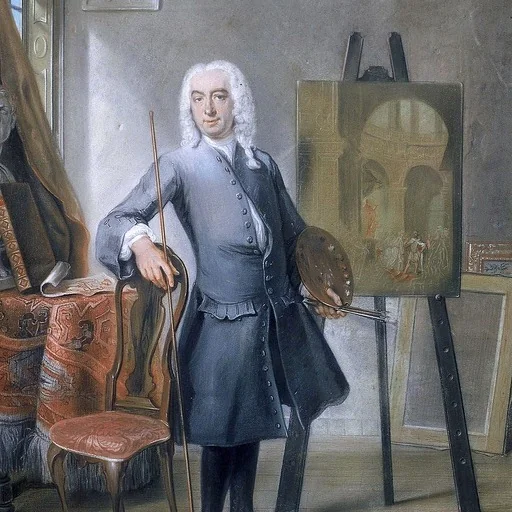
Cornelis Troost (8 October 1696 – 7 March 1750) was a Dutch actor and painter from Amsterdam.

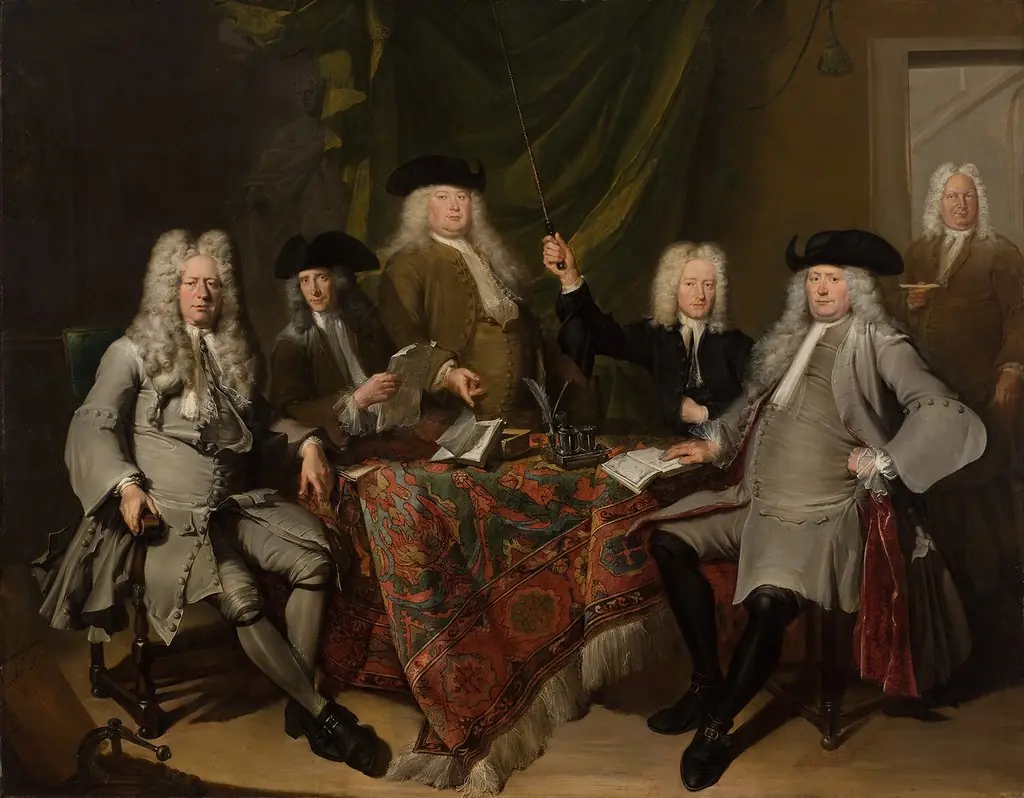 Portrait of the Inspectors of the Collegium Medicum
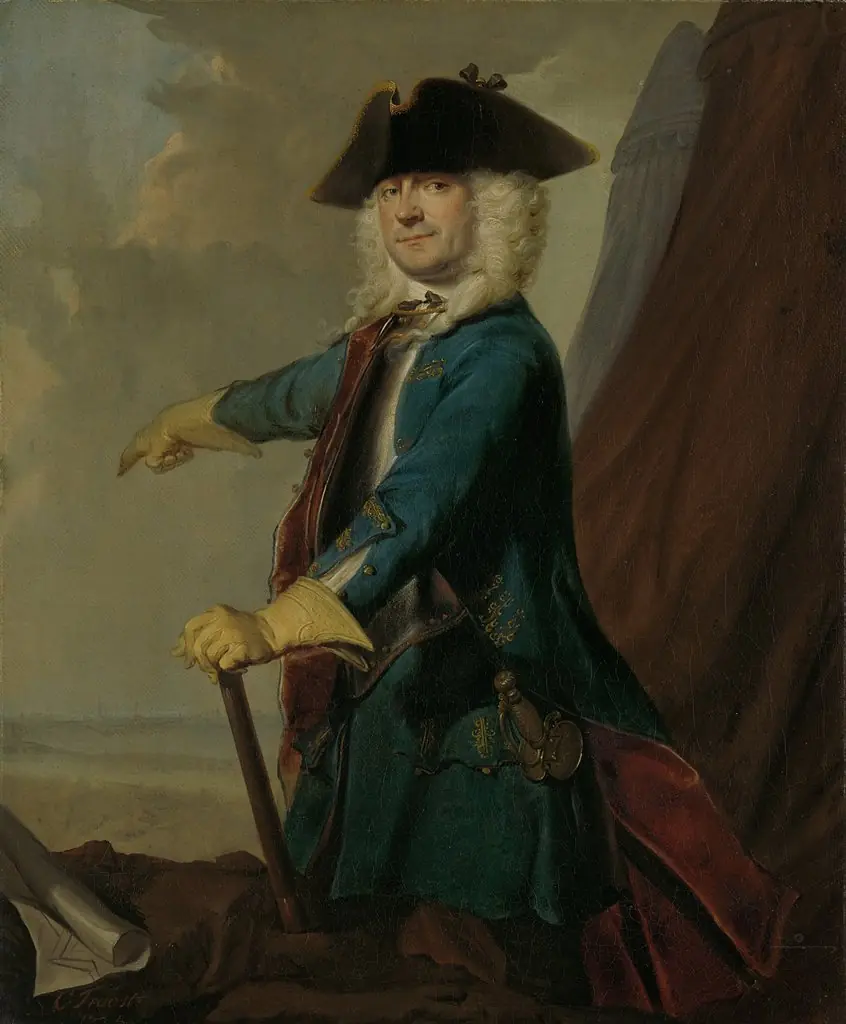 Gerrit Sichterman (1688-1730). Quartermaster-General of the Cavalry, Colonel of the Oranje-Groningen Infantry Regiment, Commandant of Grave
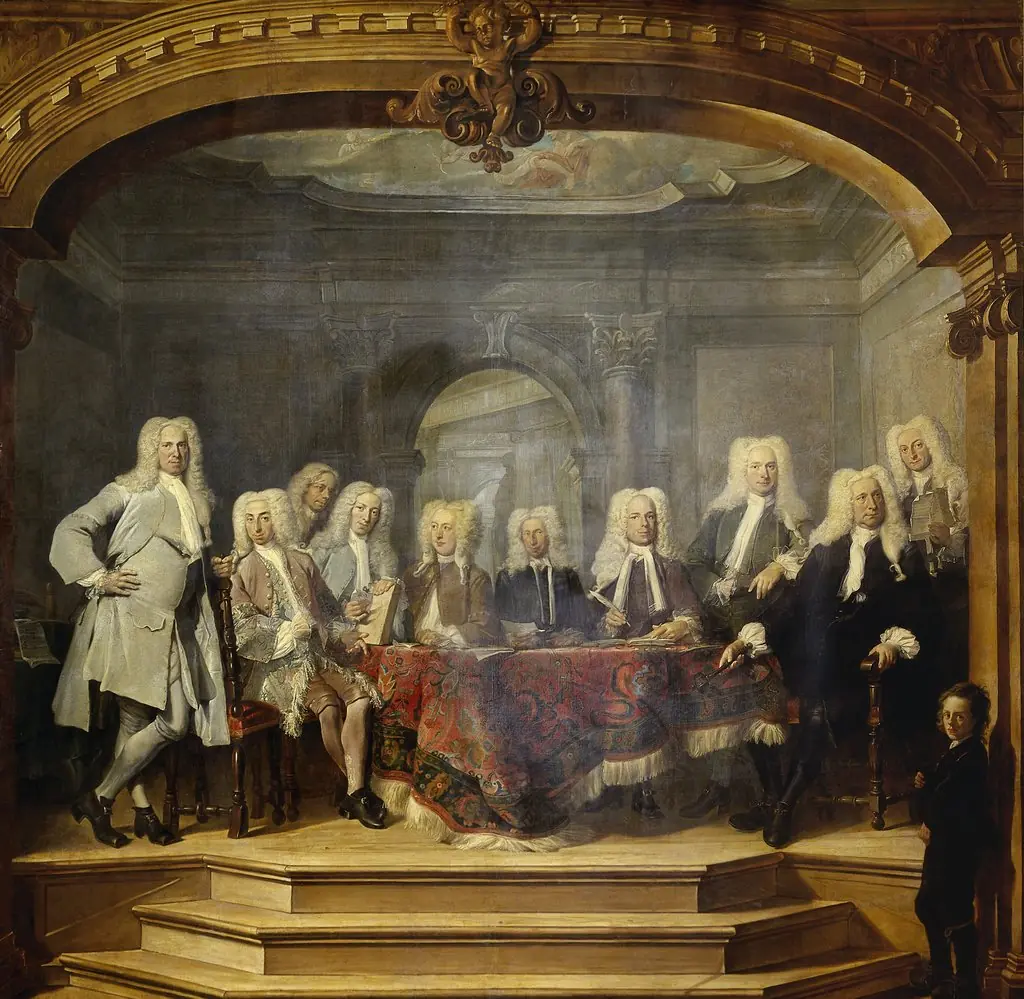 Regents of the Almshouse in 1729
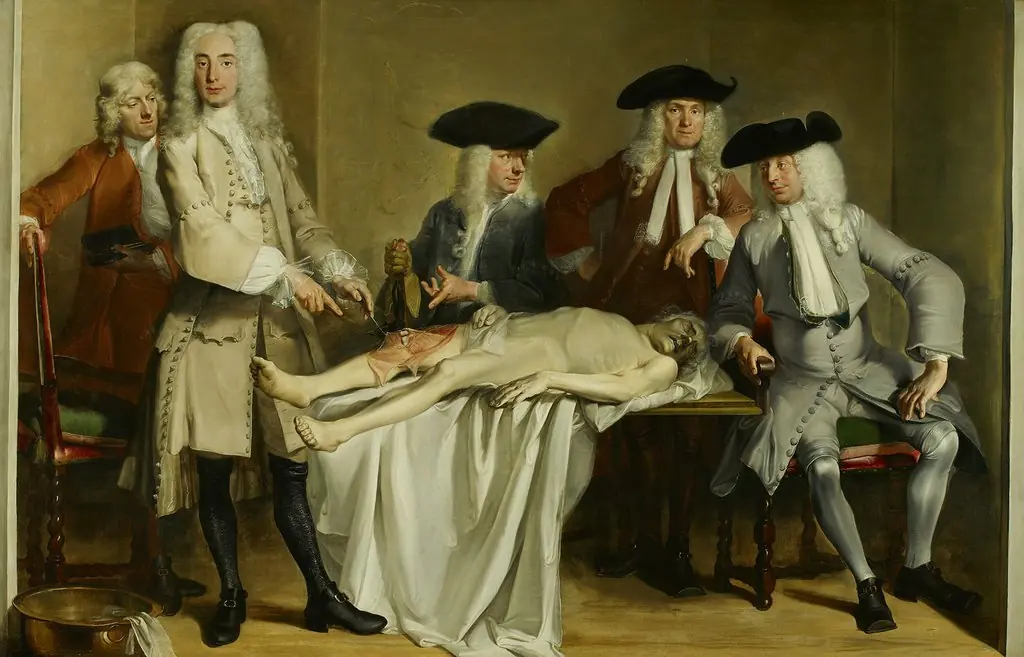 Anatomy lesson of Dr Willem Röell.
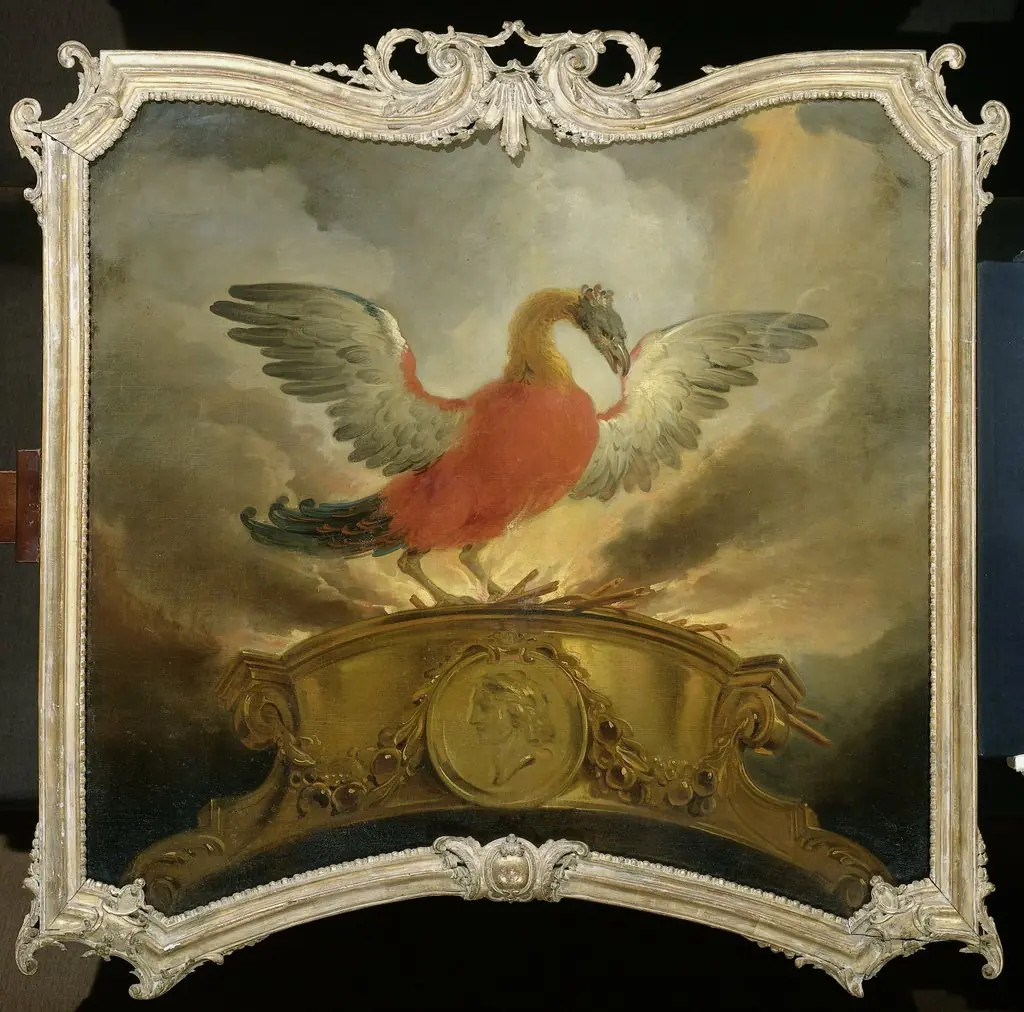 The Phoenix
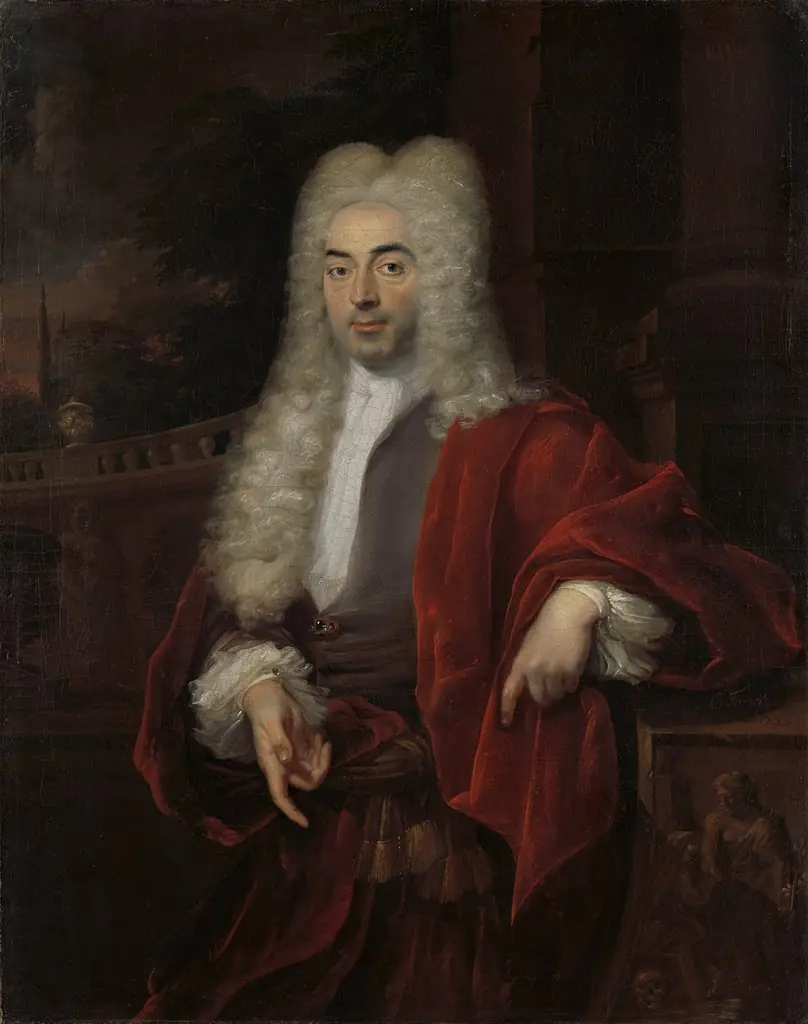 Portrait of a Man
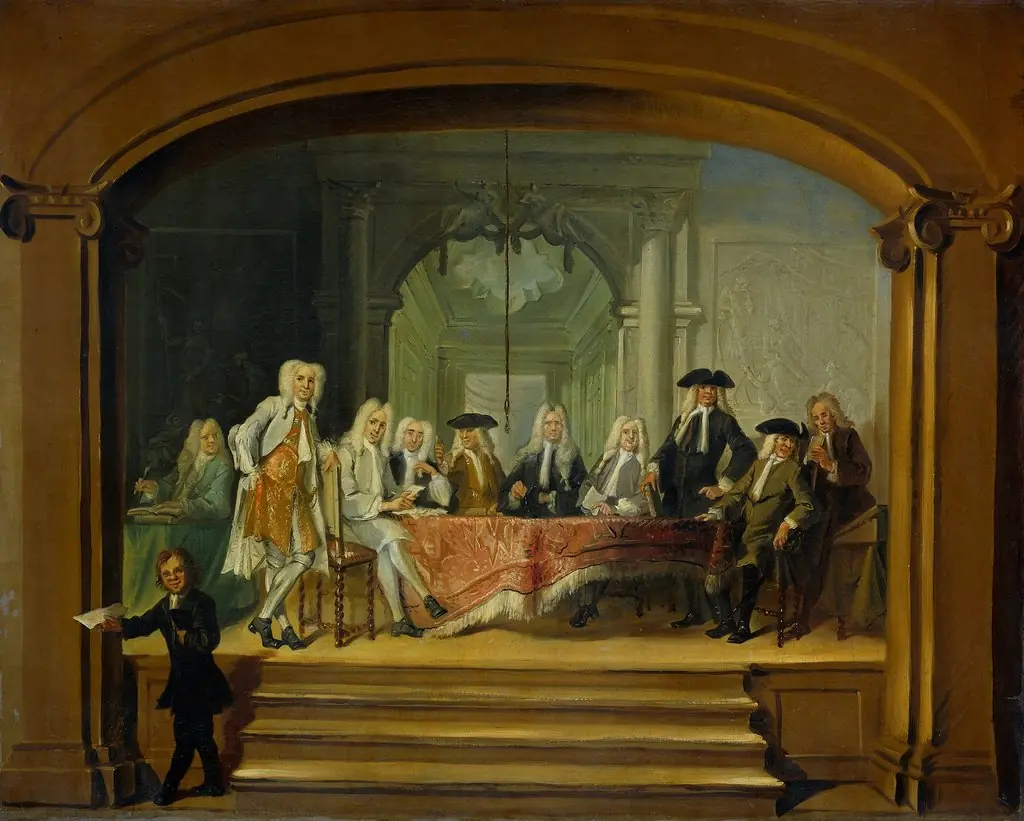 Regents of the Almshouse, 1729
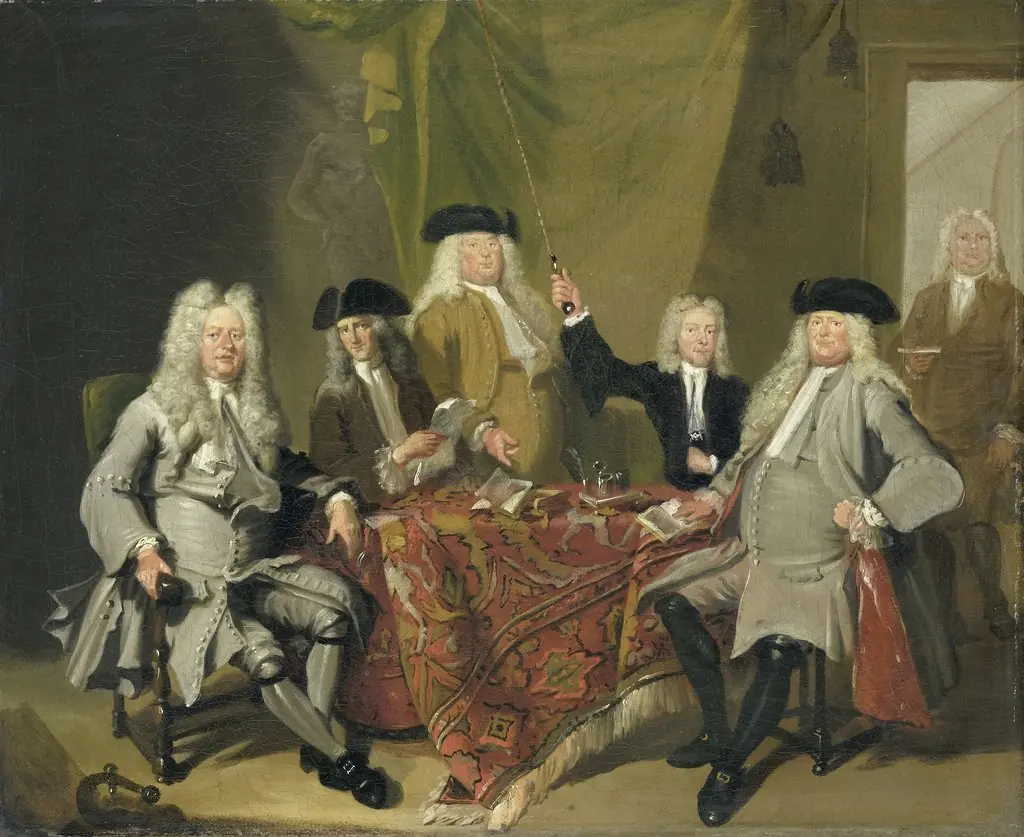 Inspectors of the Collegium Medicum in Amsterdam, 1724
- Self-Portrait with his first Wife at the Clavichord
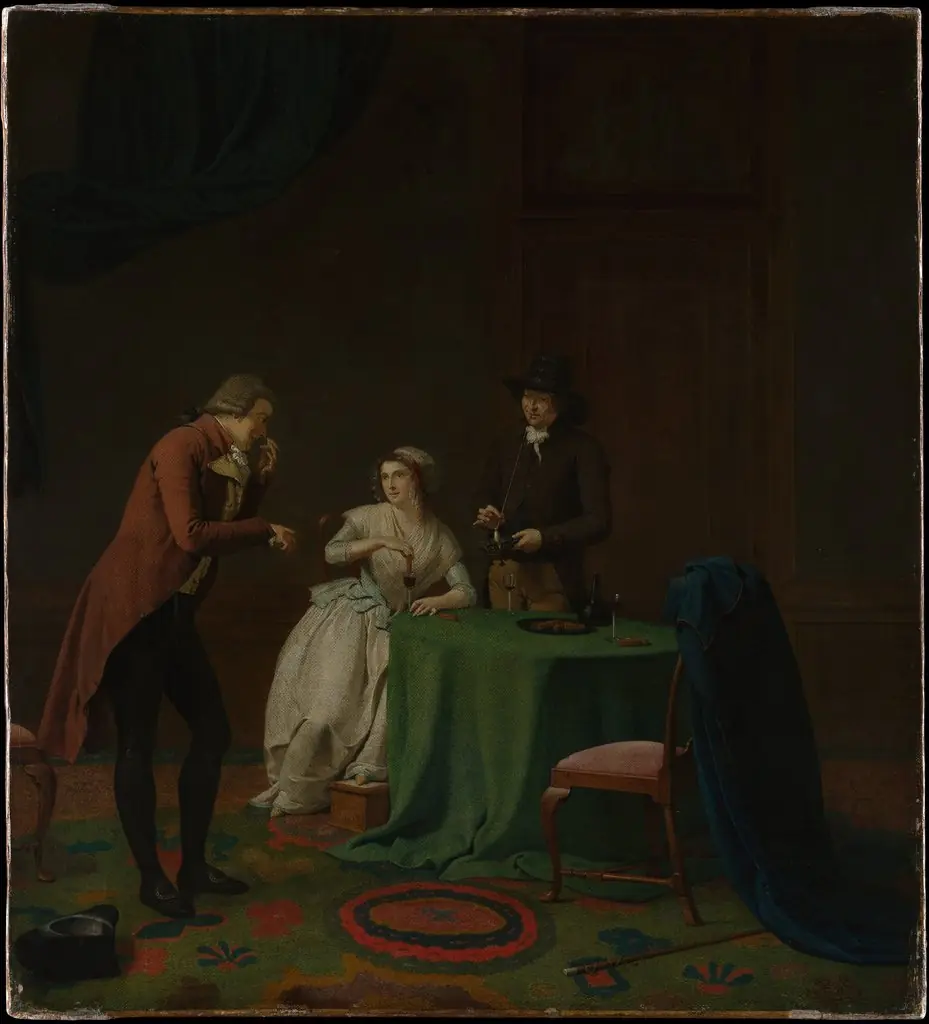 Conversation Piece (The Sense of Smell)
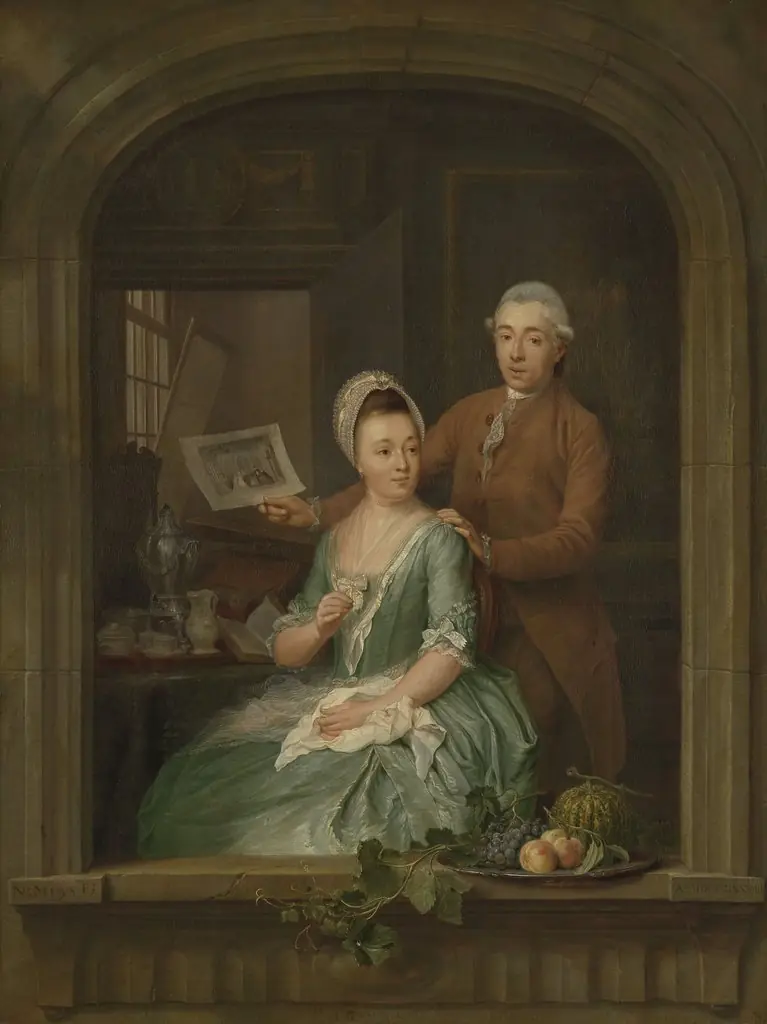 Portrait of Robert Muys and his Wife Maria Nozeman
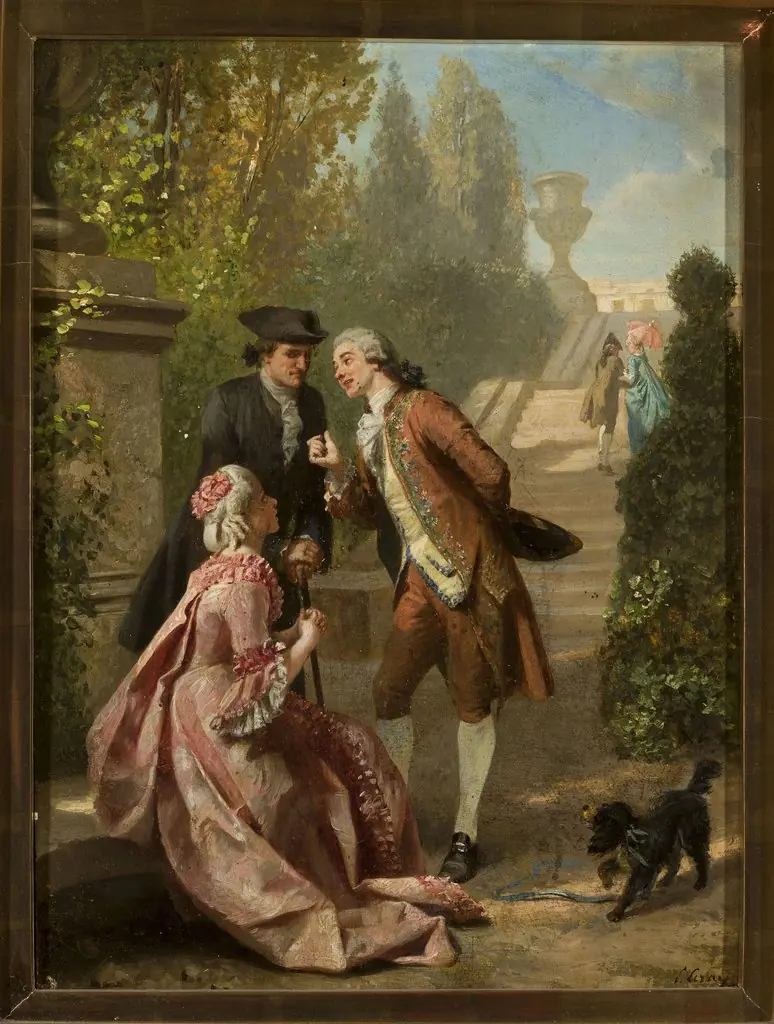 Scene in a park
 Les offres seduisantes
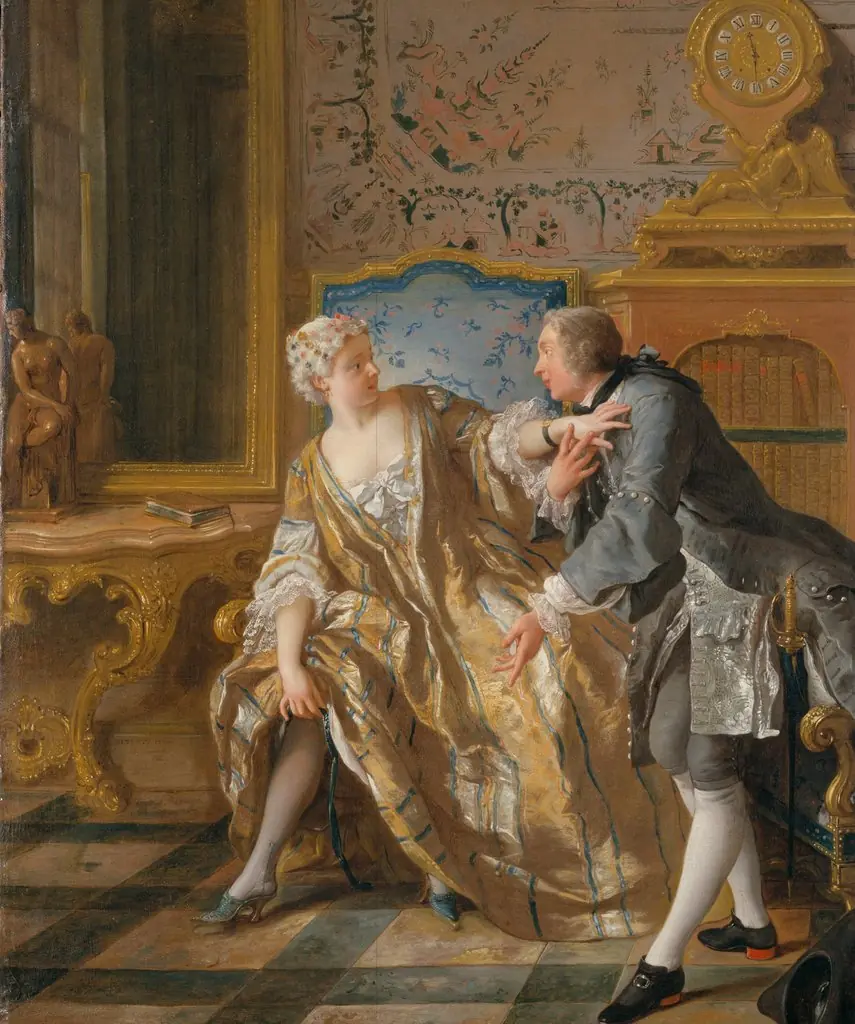 The Garter
 Domestic Scene
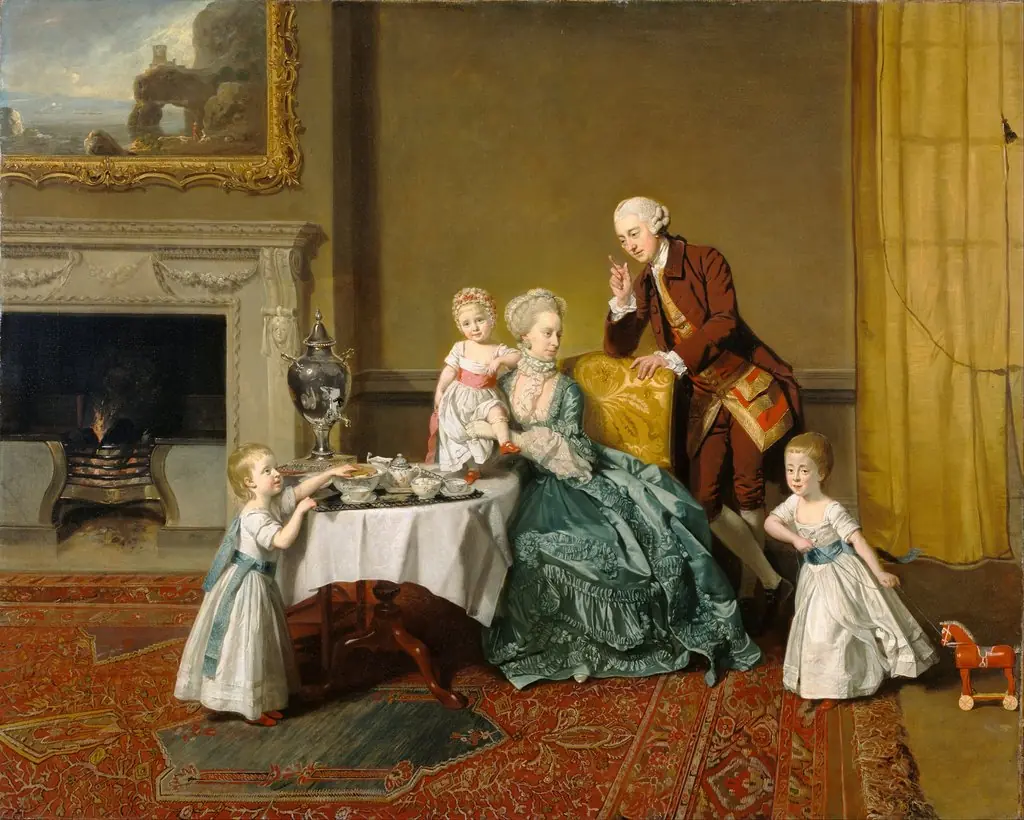 John, Fourteenth Lord Willoughby de Broke, and his Family
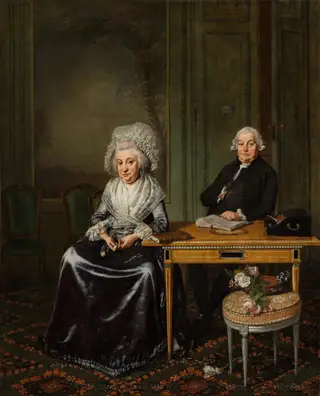 Portrait of Jacob Feitama (1726-1797) and his Wife, Elisabeth de Haan (1735-1800)
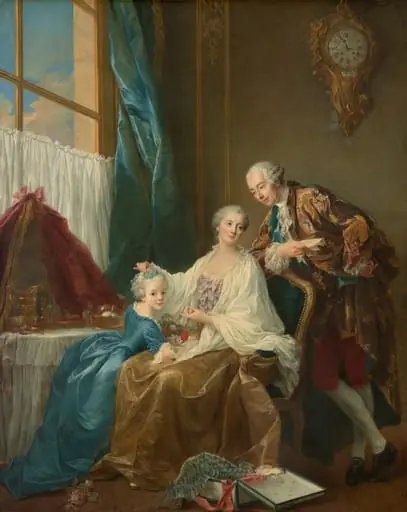 Family Portrait
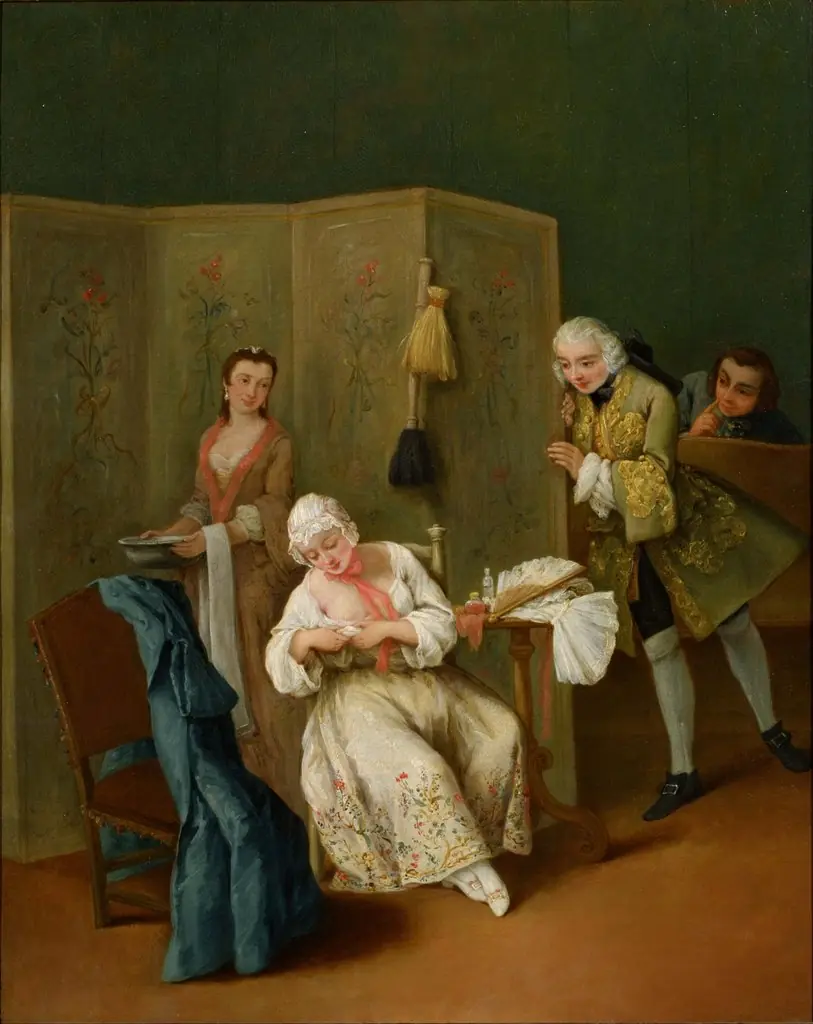 The Indiscreet Gentleman
 The Artist and his Wife Rosine, née Dørschel