Artwork
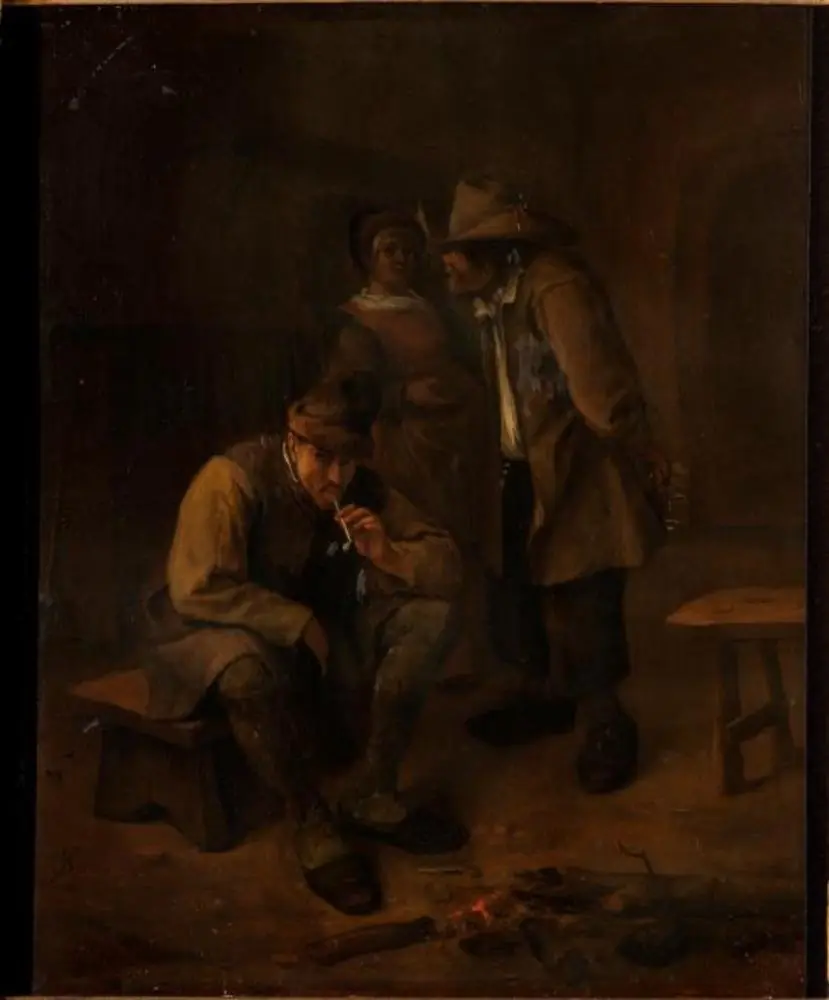
The Smoker
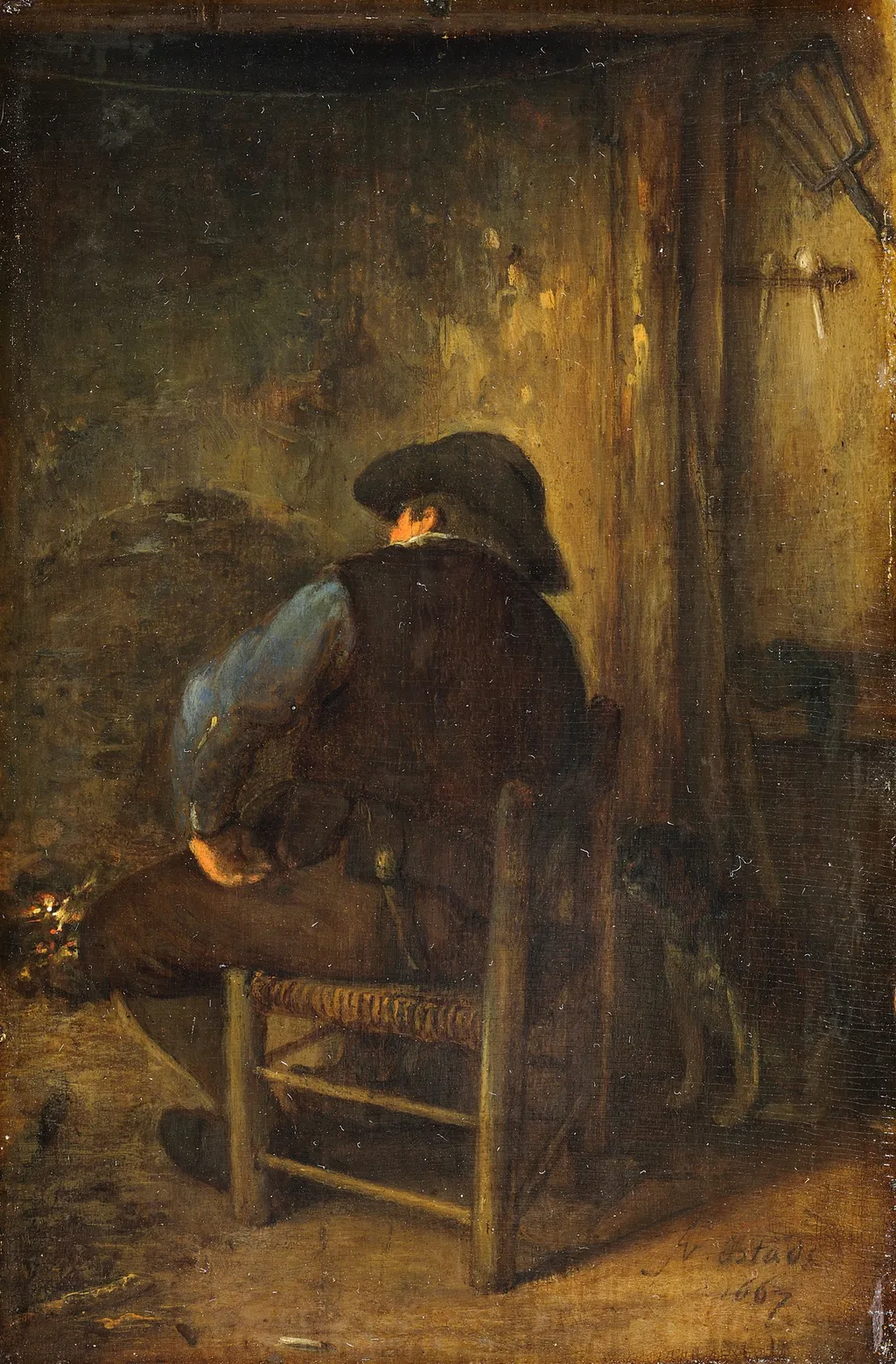
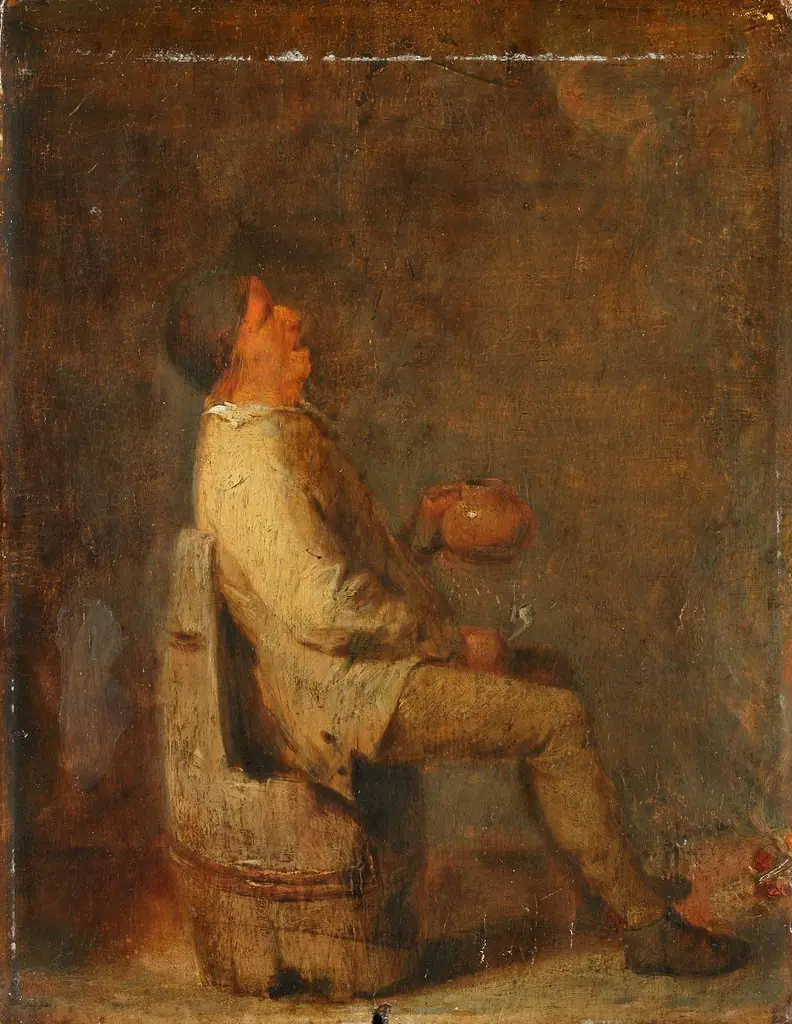
The Smoker is an oil painting by the Dutch Golden Age artist Adriaen van Ostade. It dates from 1667 and is held in the collection of the Gemäldegalerie Berlin.
About this work
Overview
Executed in oil paint on an oak panel, the work was created in Haarlem and is currently held in the Gemaldegalerie Berlin.
The Smoker is a genre painting by the Dutch Golden Age artist Adriaen van Ostade, dated 1667. Executed in oil paint on an oak panel, the work was created in Haarlem and is currently held in the Gemaldegalerie Berlin. Measuring 176 by 11.5 units, the composition captures a solitary male figure seated in a dimly lit rustic interior, holding a pipe. Van Ostade, a pivotal figure in seventeenth-century Dutch genre painting, specialized in depicting peasant life and intimate domestic scenes, and this work exemplifies his ability to find quiet dignity and contemplation in everyday leisure.
Subject & Meaning
The painting depicts a man viewed from a slight angle, seated on a wooden chair with a woven seat within a roughly planked interior. He wears a wide-brimmed dark hat, a brown vest, and a blue shirt with rolled sleeves, holding a pipe where a small glowing ember provides the focal point of the composition. The iconography centers on the act of smoking, which during the Dutch Golden Age possessed a cultural duality, signifying both a burgeoning leisure activity accessible across social strata and a symbol of contemplation and tranquility. The rustic setting and the figure's working-class attire reflect the material realities of the era, while his relaxed, absorbed posture transforms a mundane activity into a moment of introspective meditation on the balance between labor and rest.
Technique & Style
Van Ostade executed the work using oil paint on an oak panel support. The composition is dominated by a palette of browns, ochres, and muted blues, establishing an earthy, warm atmosphere. The artist employs a pronounced chiaroscuro, concentrating warm light on the figure's neck, hand, and the glowing pipe ember, while deep shadows engulf the remainder of the rustic interior. His brushwork is loose and textured, utilizing visible strokes and impasto techniques to build atmospheric depth and a tactile sense of realism. This approach creates a subtle interplay of light and shadow that enhances the enclosed, intimate mood of the scene, distinguishing his subdued, introspective style from the more chaotic and humorous genre scenes of contemporaries like Jan Steen.
History & Provenance
Created in Haarlem in 1667, The Smoker features a signature and date in the lower right corner. The painting is part of the collection of the Gemaldegalerie Berlin. While specific early ownership records for this exact panel are limited, van Ostade's genre works were widely collected by members of the Dutch aristocracy and middle class who valued their artistic merit and cultural significance. The broader dissemination of his smoker imagery was also facilitated by his etchings, such as the 1647 etching The Smoker at the Window, which allowed his intimate scenes of everyday life to reach a wider audience across different social strata.
Context
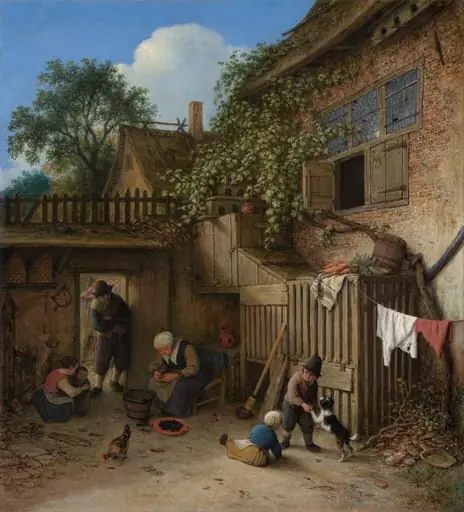
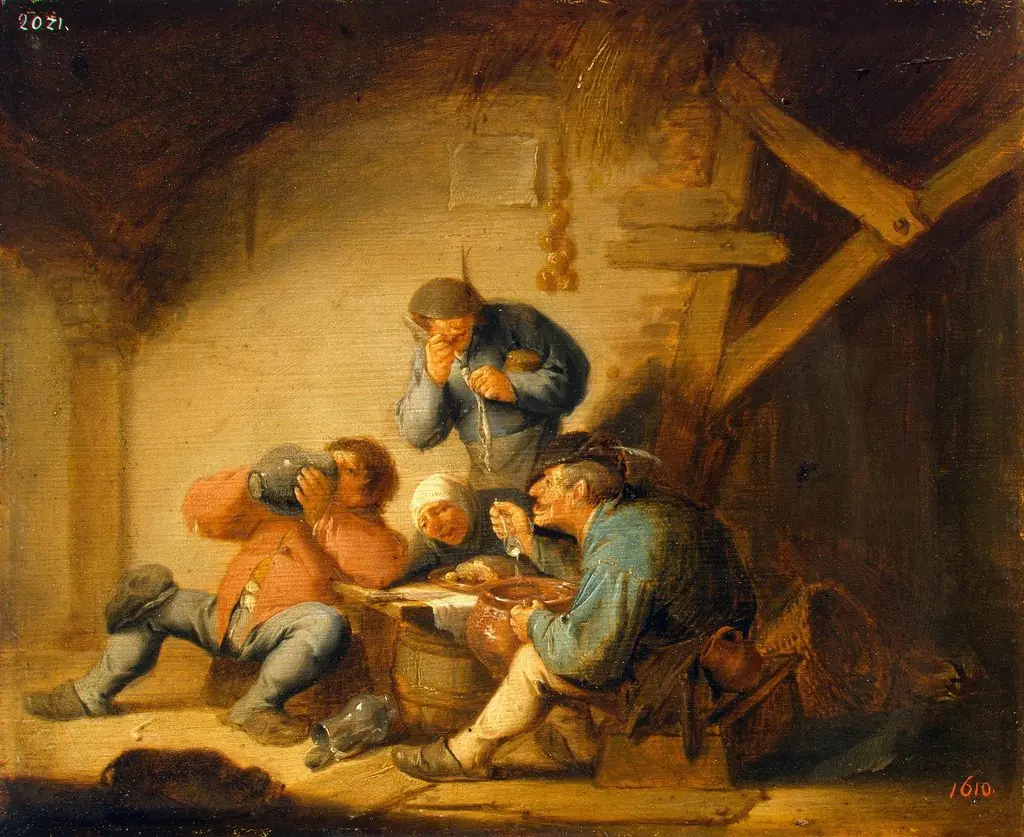
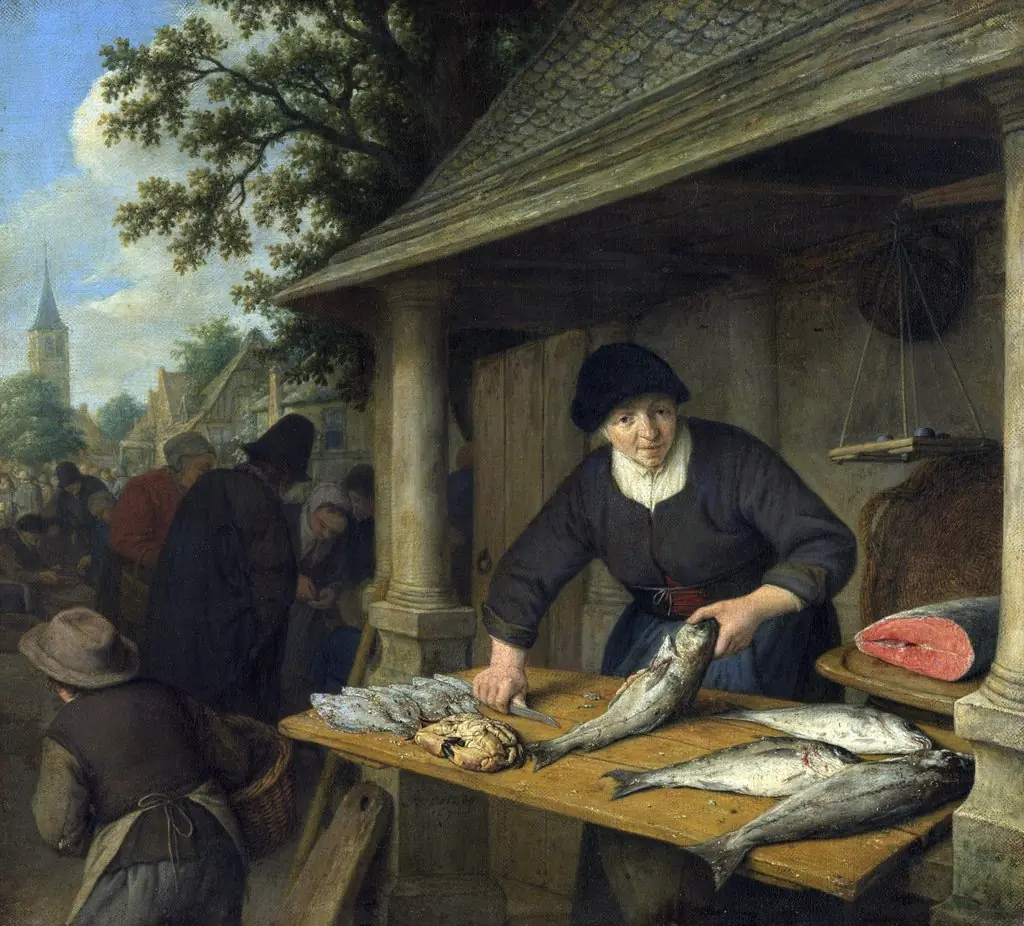
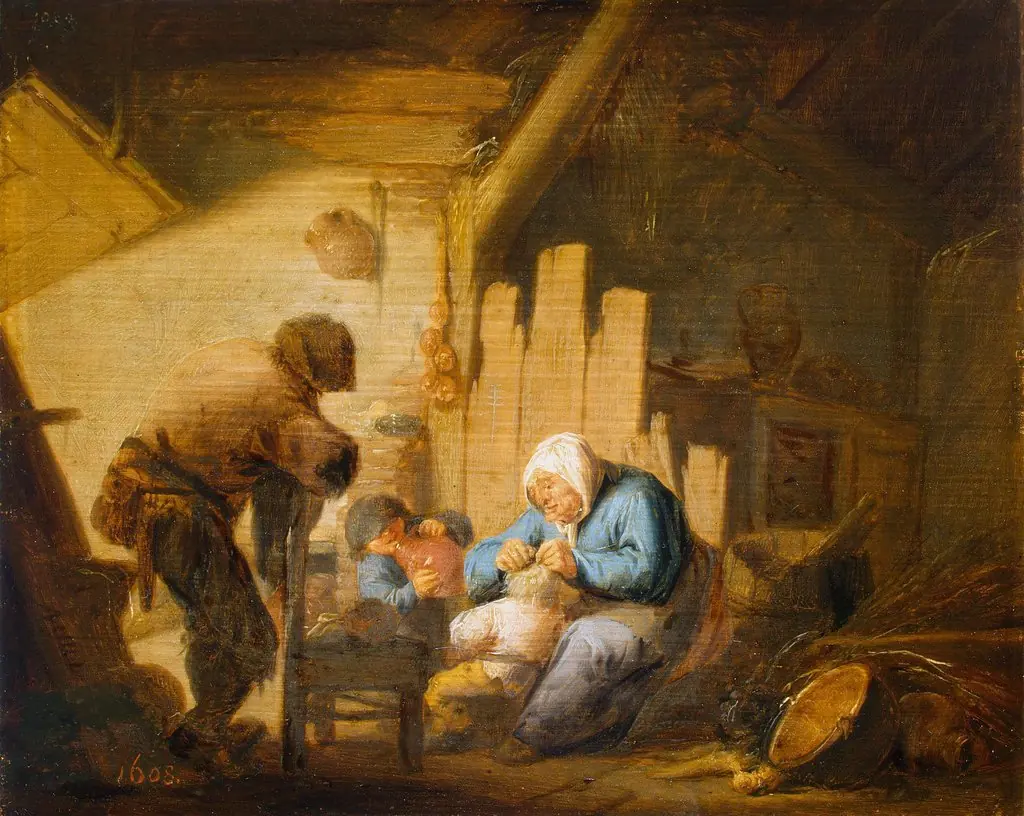
Adriaen van Ostade was a central figure in the Dutch Golden Age genre painting movement. Born in Haarlem in 1610 and active until his death in 1685, he was influenced by the works of Frans Hals and Rembrandt. While many Dutch genre artists, such as Jan Steen, focused on boisterous, humorous scenes, van Ostade developed a more subdued and introspective approach. His work consistently focused on the peasant class, capturing quiet moments of reflection rather than chaotic narratives. Art historians celebrate his genre scenes for their rich narrative quality and technical prowess, viewing them as quintessential examples of how seventeenth-century Dutch art reflected the social dynamics, class identities, and growing acceptance of leisure activities among the broader population.
Legacy
Van Ostade's intimate focus on everyday moments in works like The Smoker paved the way for later artists who similarly explored themes of domesticity and leisure, notably Jean-Baptiste-Simeon Chardin and Edouard Manet. The painting continues to resonate with modern audiences due to its universal themes of rest and reflection. Art historians frequently cite such works in discussions regarding the evolution of art and society, highlighting how the artistic documentation of ordinary life and material culture provides enduring insights into historical social practices and the shifting concepts of daily pleasure.
Own this work as a print
Artist & collection

Artist
Adriaen van Ostade (baptized as Adriaen Jansz Hendricx 10 December 1610 – buried 2 May 1685) was a Dutch Golden Age painter of genre works, showing the everyday life of ordinary men and women.