Artwork
The lamentation over the dead Christ
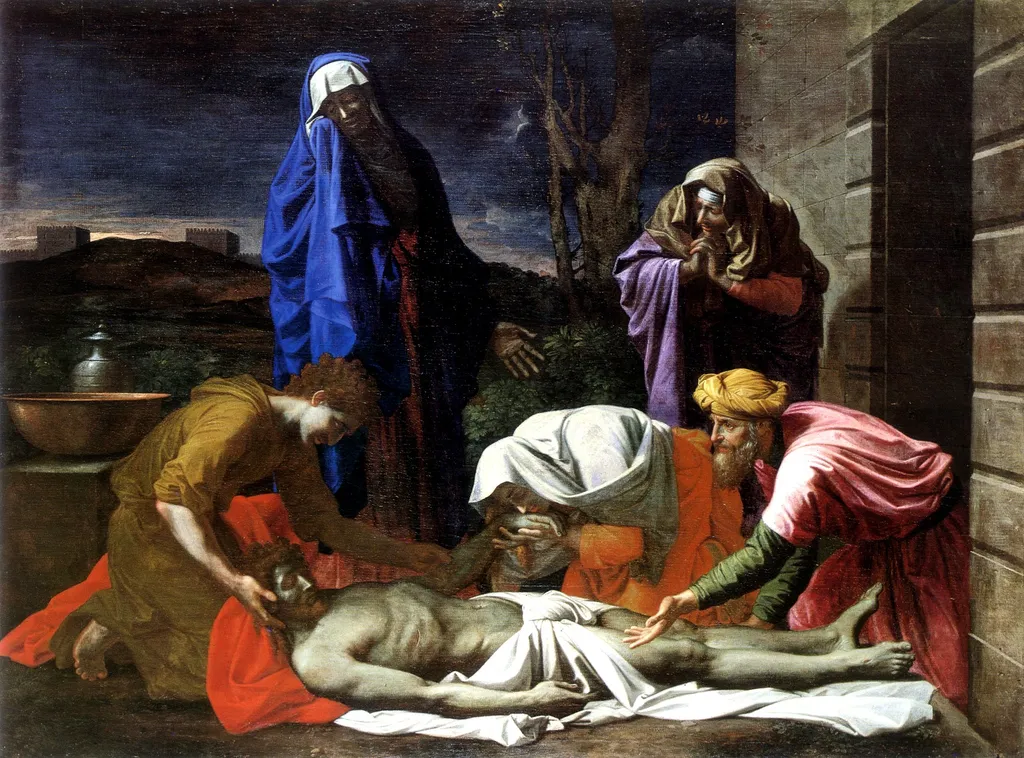
The lamentation over the dead Christ is an oil painting by the Flemish Baroque painting artist Nicolas Poussin. It dates from 1657 and is held in the collection of the National Gallery of Ireland.
About this work
Overview
The lamentation over the dead Christ is a religious painting by the French Baroque artist Nicolas Poussin, created around 1657.
The lamentation over the dead Christ is a religious painting by the French Baroque artist Nicolas Poussin, created around 1657. Executed in oil on canvas, the work measures 94 cm in height and 130 cm in width. Poussin, who spent most of his career in Rome working in a classical style, painted this composition late in his life. The painting is held in the National Gallery of Ireland in Dublin under accession number NGI.214.
Subject & Meaning
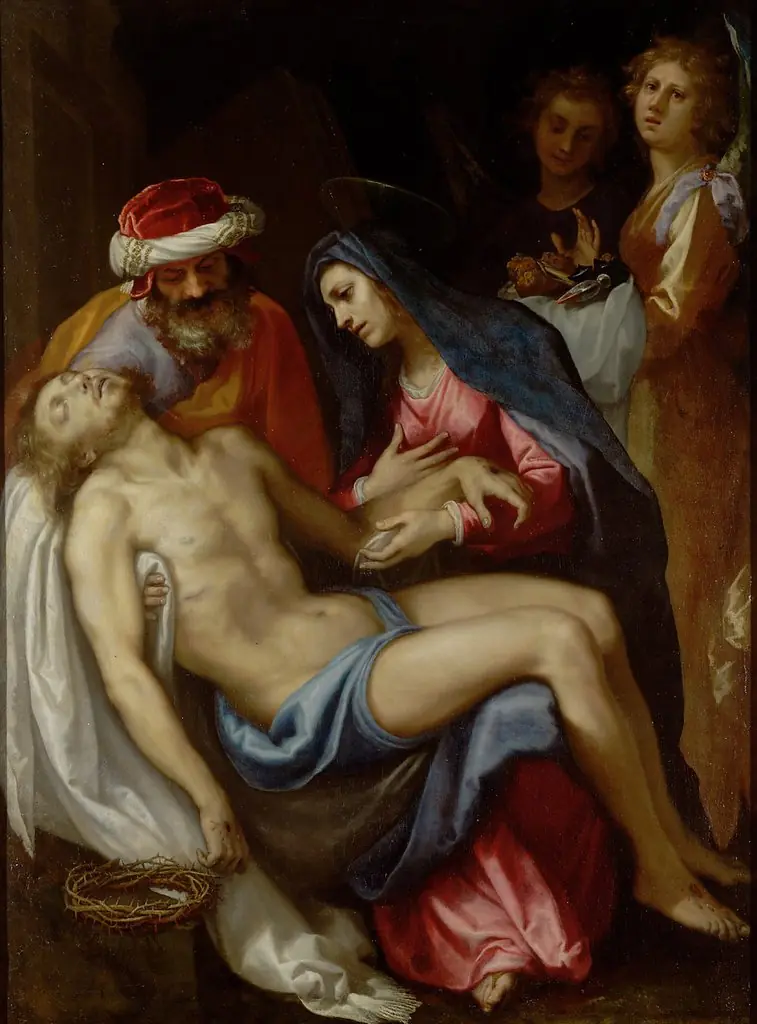
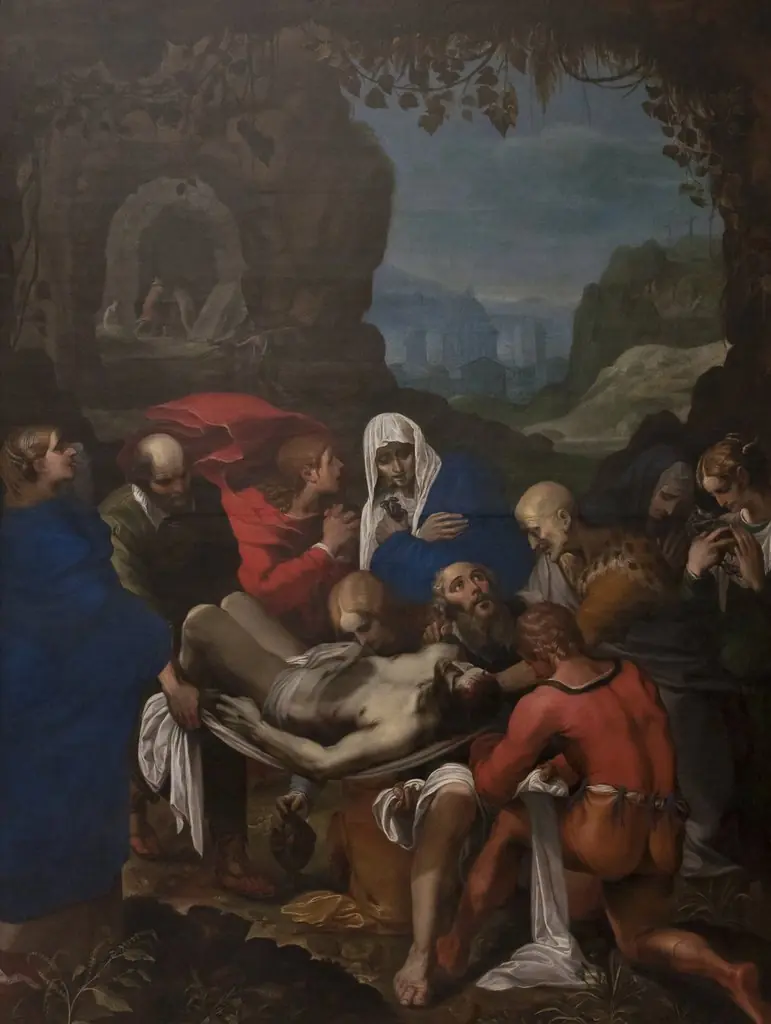
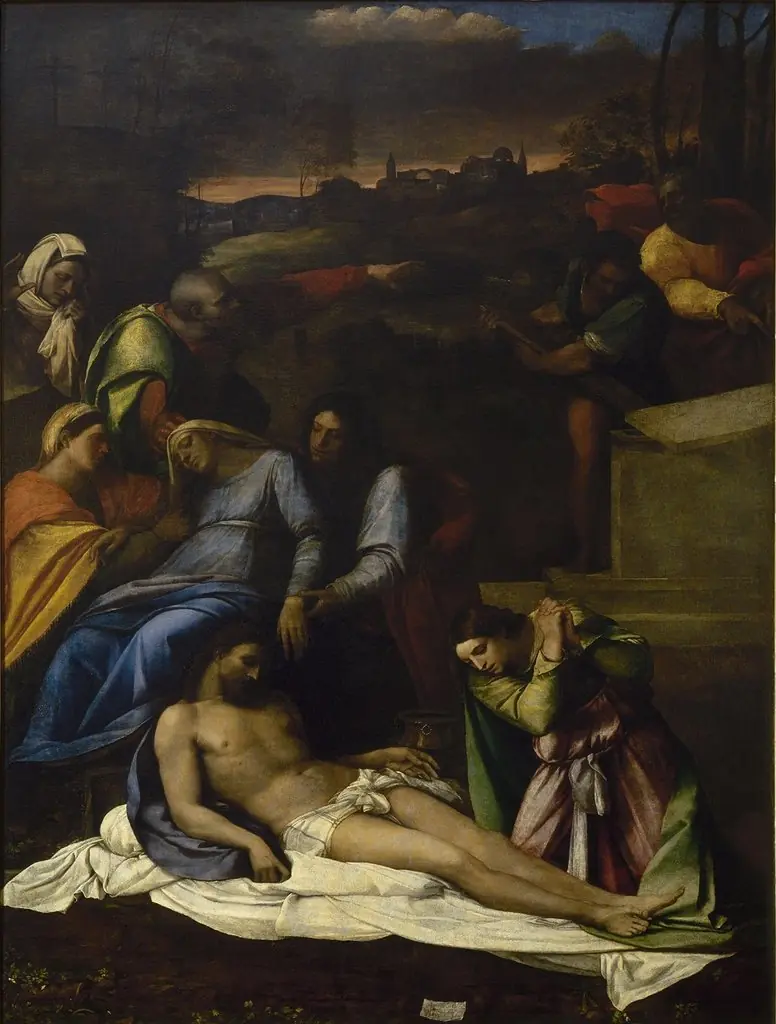
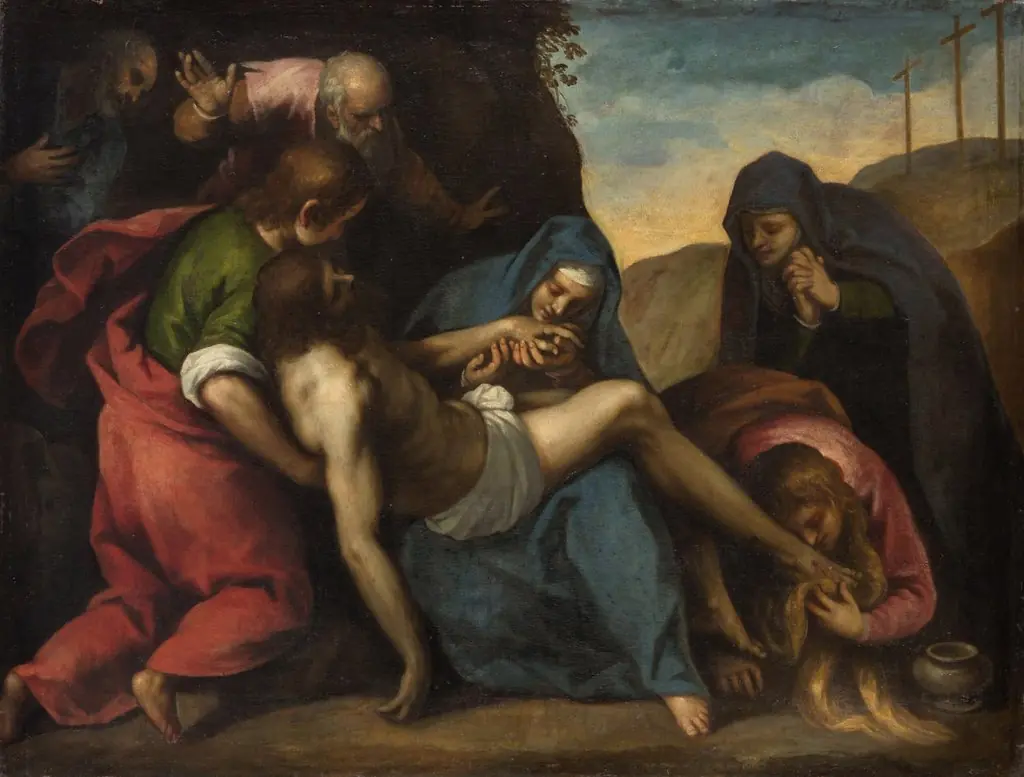
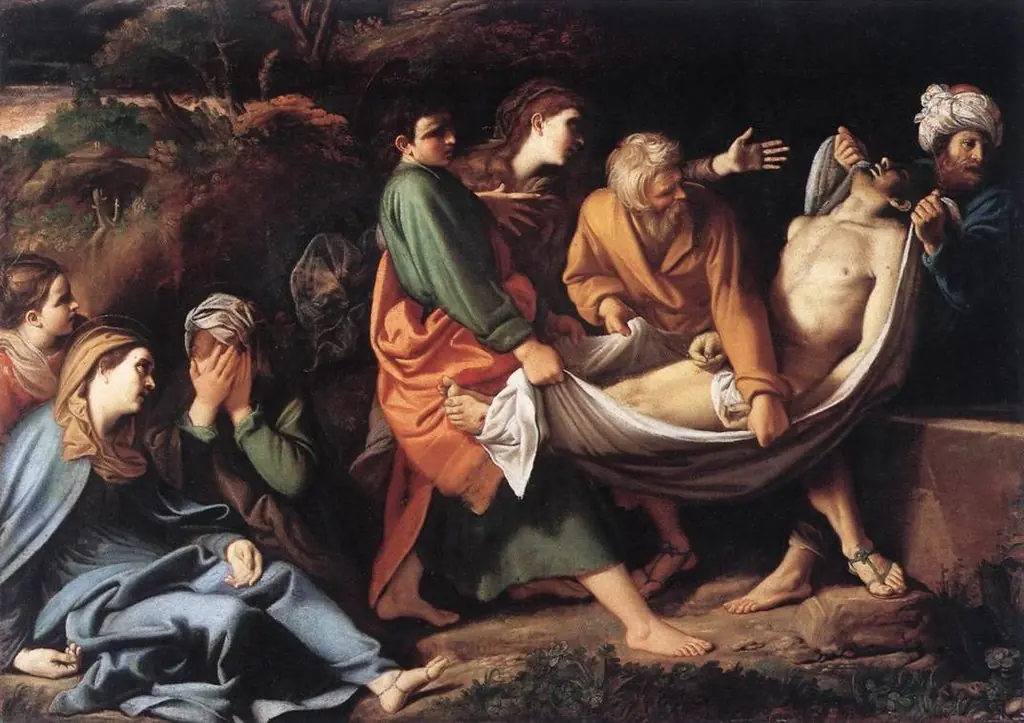
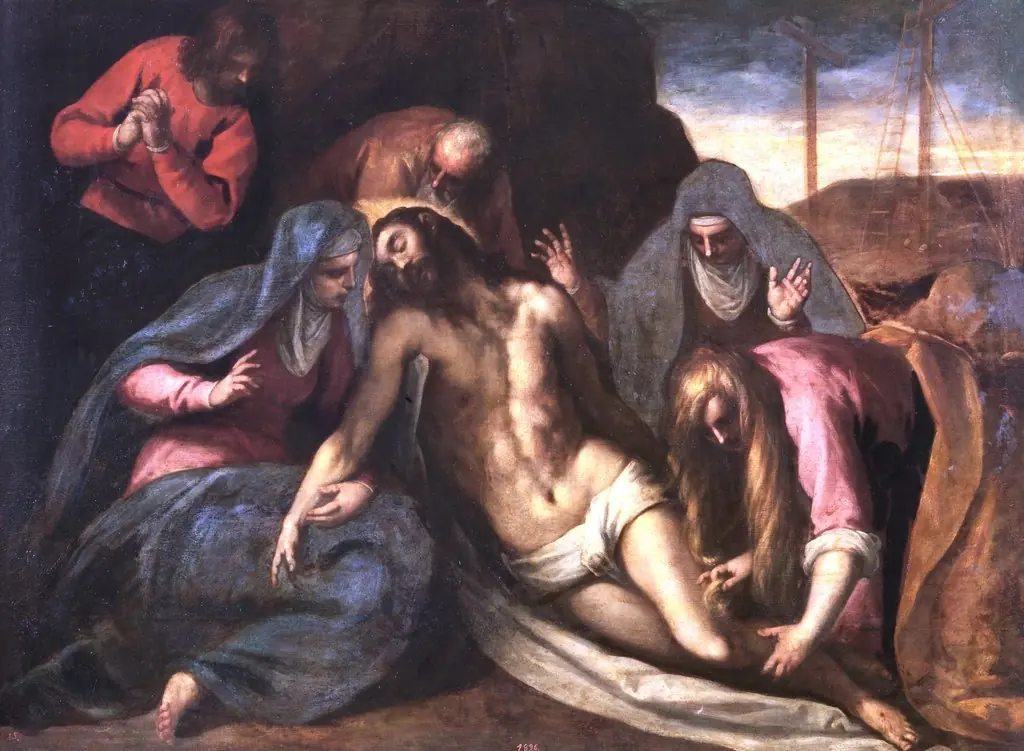
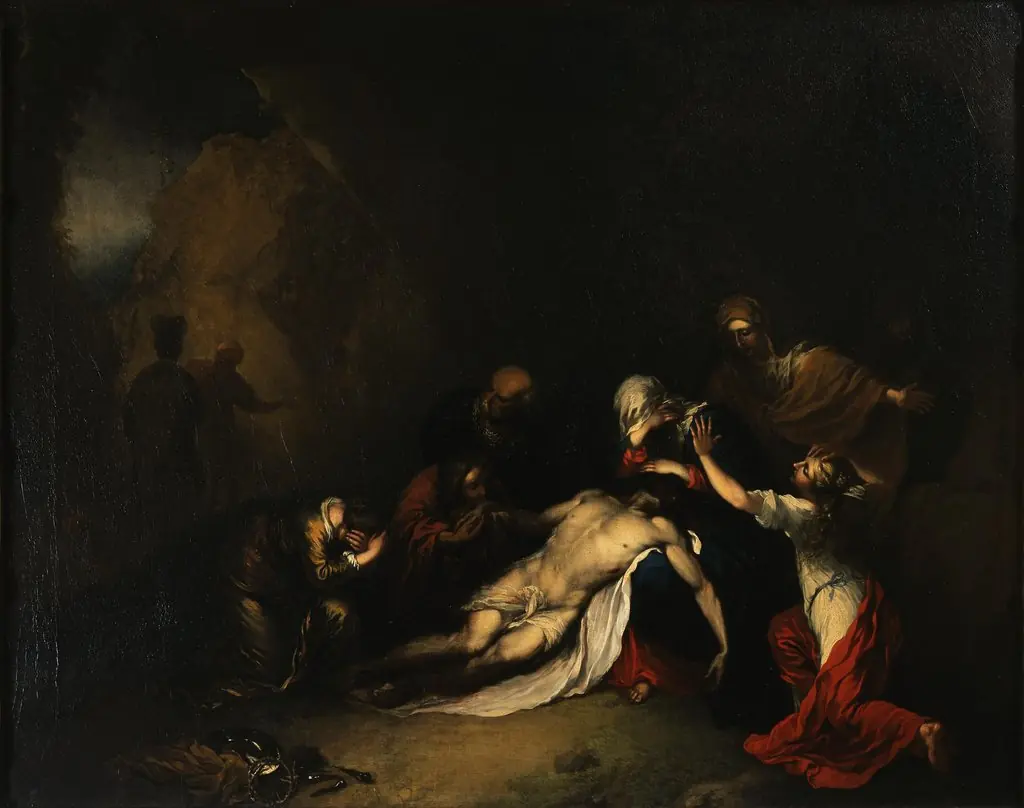
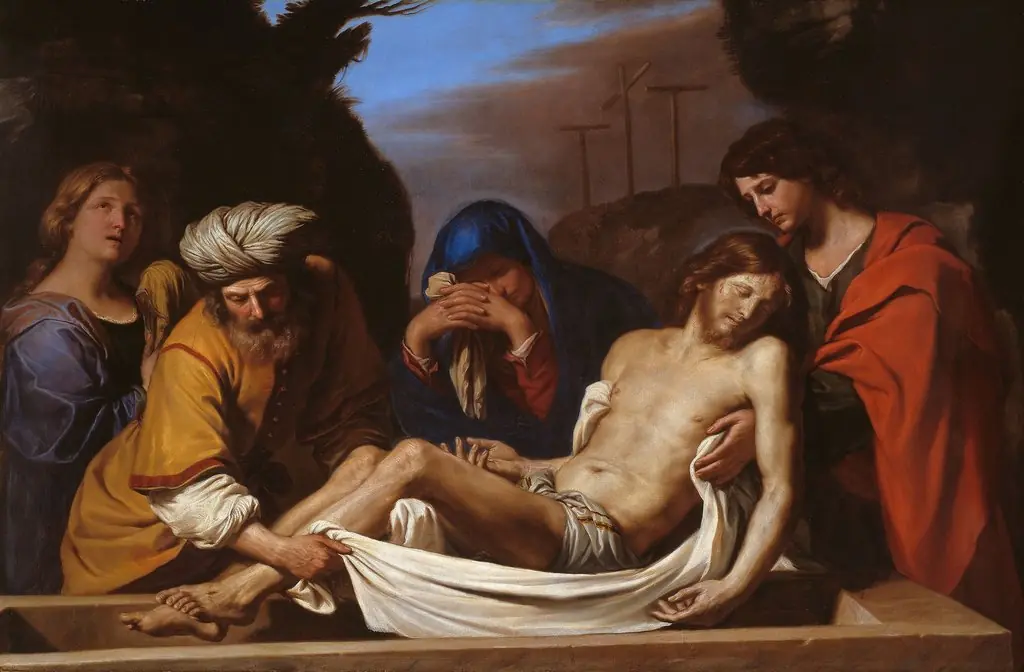
The artwork captures the solemn moment after the crucifixion, when Christ's body has been embalmed and is about to be interred. Five figures gather around the pale, dead body laid out on a white cloth. Saint John supports Christ's head on his lap, while Mary Magdalene leans forward to kiss his hand. Behind her stands the woman known as the 'other Mary' with hands clasped. The grief-stricken Virgin Mary, wearing a vivid blue cloak and white head covering, wipes away her tears. To the right, Joseph of Arimathea kneels at the entrance to the tomb. A metal vessel and basin on a stone ledge refer to the anointing with myrrh and aloes to preserve the body, as described in the Gospel of John. In the background, a tree bearing new shoots serves as a symbolic allusion to Christ's Resurrection.
Technique & Style
Poussin employed oil paint on canvas to construct a composition veiled in darkness and charged with emotional intensity. The palette is dominated by deep blue, rich red, orange, pink, and earthy browns, which contrast starkly against the pale flesh of the dead Christ. Strong chiaroscuro models the figures, with dramatic light falling on the central group to heighten the somber mood. The surface displays smooth, finished brushwork, with careful attention given to the rendering of drapery folds and anatomical detail.
History & Provenance
The painting's early provenance remains partially uncertain, though it is possibly linked to the collections of Pointel, Louis Bauyn de Cormery, and Samuel Bossiere. It appeared in several prominent sales: the D. Potter sale in The Hague in 1723, the Adriaan Bout sale in The Hague in 1733, and the Van Merstraeten sale in Brussels in 1760. It later passed through the hands of Peter Coxe and featured in the Bryan sale in London in 1798. By 1837, the painting was in the collection of Sir William Hamilton in Scotland. The National Gallery of Ireland acquired the work in 1882 during the Christie's Hamilton Palace sale. Its extensive exhibition history includes showings in London, Paris, Bologna, Rome, Dusseldorf, Chicago, San Francisco, Boston, New York, Lyon, and Dublin, spanning from 1932 to 2015.
Context
Created in 1657, this work stands among Poussin's late productions, reflecting his mature engagement with religious themes filtered through his established classical style. As a French artist who worked primarily in Rome, Poussin synthesized the grandeur of the Italian Baroque with the disciplined composition and emotional restraint of classicism. The painting demonstrates his late stylistic shift toward compositions dominated by profound shadow and dramatic illumination, prioritizing spiritual gravity over decorative detail. It was featured in major retrospectives such as the 1960 Exposition Nicolas Poussin at the Musee du Louvre and the 1994-1995 Poussin exhibition at the Galeries Nationales du Grand Palais and the Royal Academy of Arts, cementing its role in the scholarly assessment of his final years.
Legacy
The painting has maintained a significant cultural presence, notably featured in the 2006 exhibition Samuel Beckett: A Passion for Paintings at the National Gallery of Ireland, highlighting its resonance with modern writers. Its visual impact extended into contemporary art through Leon Kossoff's 1998 etching and aquatint, created as part of The Poussin Project, which reinterpreted the Baroque composition through a modern expressionist lens. The work continues to be a focal point for understanding the trajectory of religious painting, featured in the 2015 Louvre exhibition Poussin et la peinture religieuse.
Own this work as a print
Artist & collection
Artist
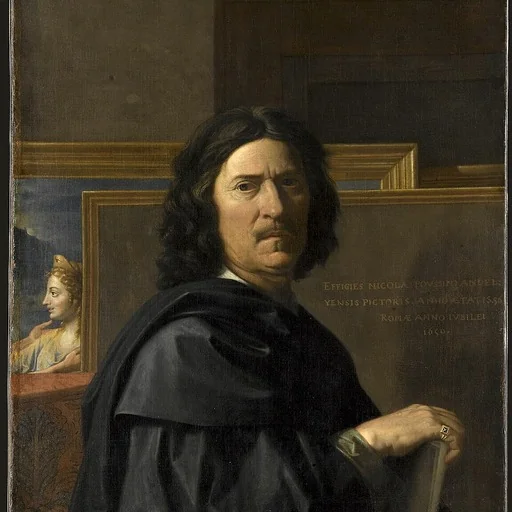
Nicolas Poussin (UK: US: French:; June 1594 – 19 November 1665) was a leading painter of the classical French Baroque style, although he spent most of his working life in Rome.