Artwork
Entombment
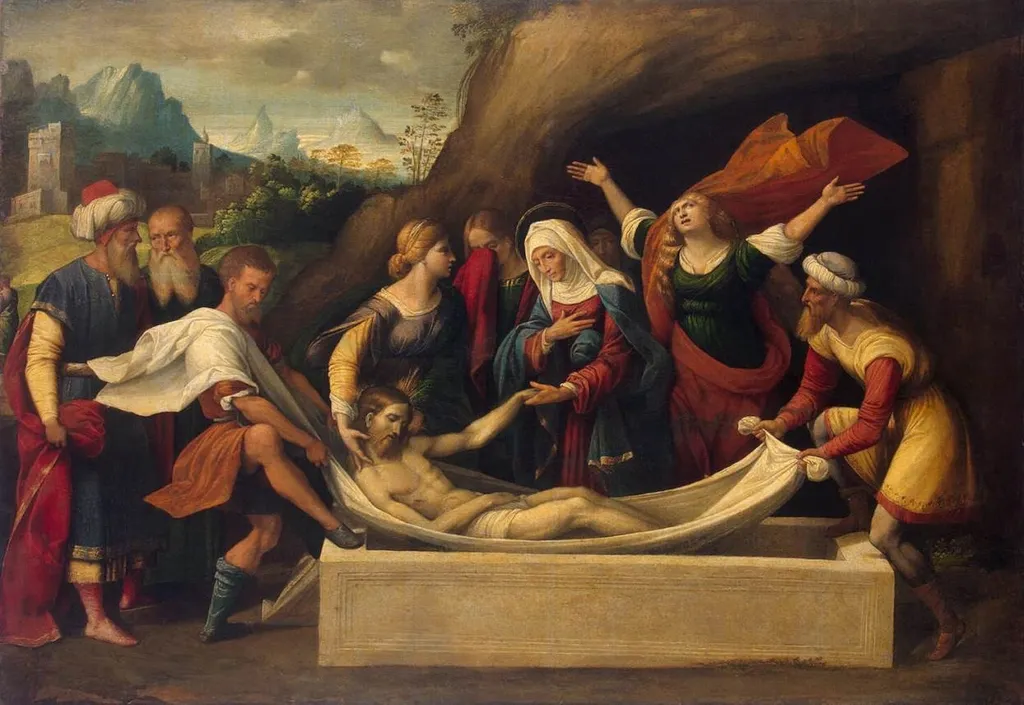
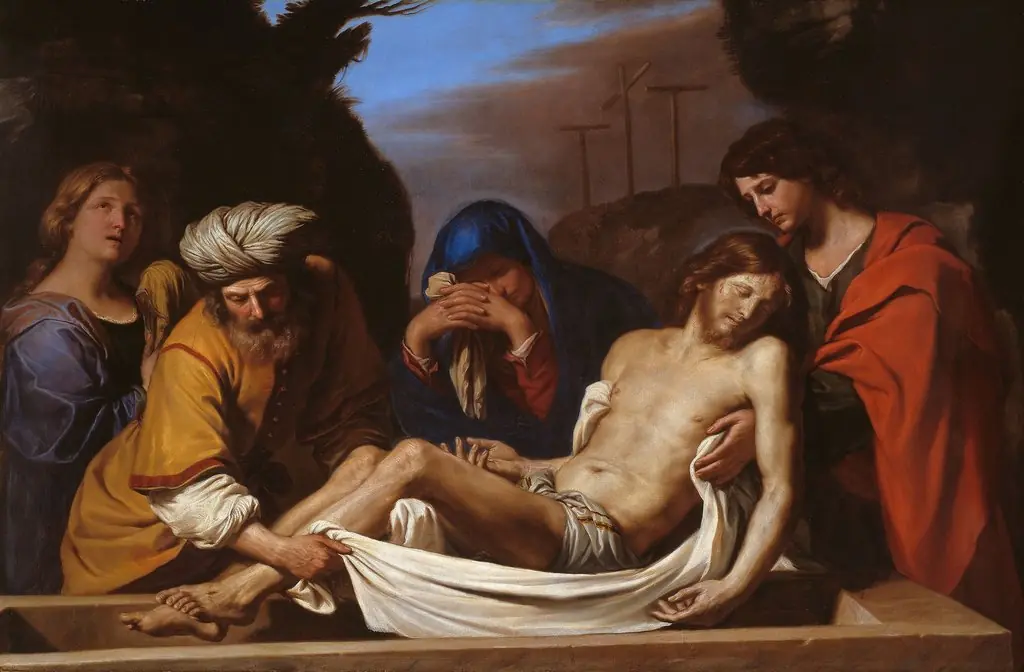
Entombment is an oil painting by the Mannerist artist Benvenuto Tisi. It dates from 1525 and is held in the collection of the Hermitage Museum.
About this work
Overview
Recognized for its polished finish and emotional gravity, the painting is a significant example of sixteenth-century Italian religious art.
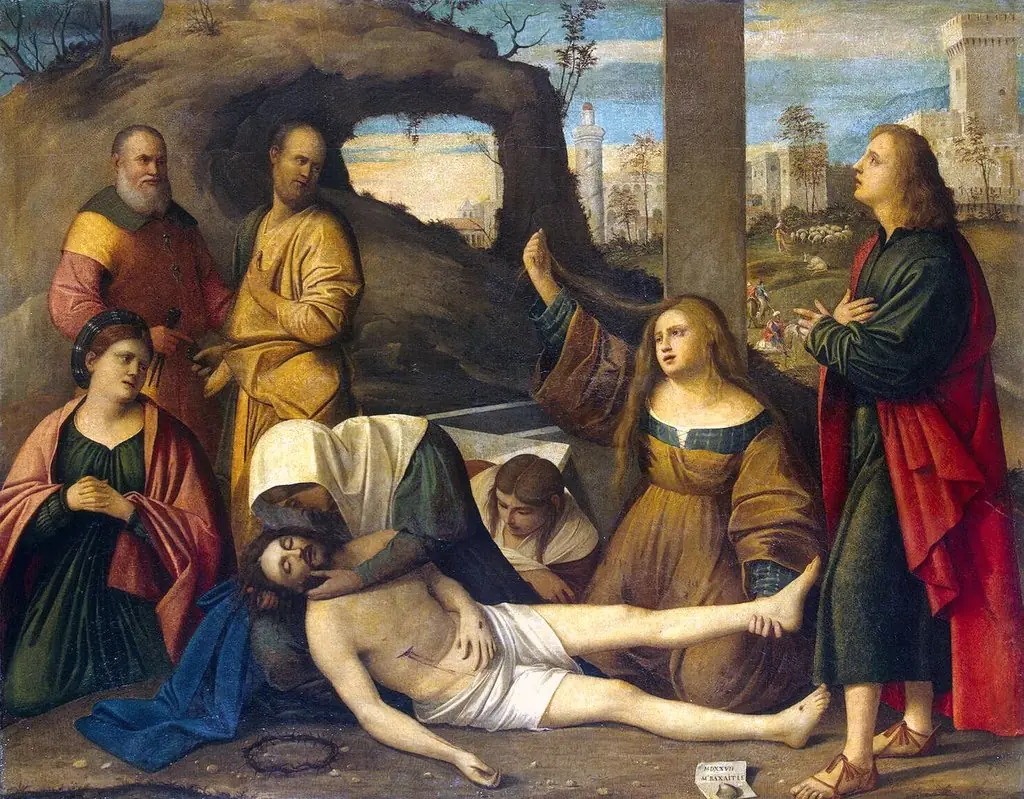
Entombment is a religious painting created by the Italian artist Benvenuto Tisi, commonly known as Garofalo, in 1525. Executed in oil paint on canvas, the artwork measures 53 by 75.5 centimeters. The work depicts the biblical entombment of Jesus Christ and is presently held in the collection of the Hermitage Museum. Recognized for its polished finish and emotional gravity, the painting is a significant example of sixteenth-century Italian religious art.
Subject & Meaning
The painting illustrates the Entombment of Christ, capturing the solemn moment when attendants lower the deceased, nude, bearded male figure into a pale stone sarcophagus. He is draped in a white linen cloth. To the left, two older men with long beards, one wearing a turban-like head covering, carefully support the body. A centrally positioned woman wearing a white veil clasps her hands in prayer and mourning, her detailed features conveying profound grief. To the right, a woman in vibrant green and red garments raises both arms outward in a gesture of supplication or despair, while a man in yellow and red holds the edge of the cloth. The scene explores themes of loss, faith, and reverence, with the contrast between the vibrant clothing of some figures and the somber surroundings symbolizing hope amidst despair.
Technique & Style
Garofalo employed oil paint on canvas to construct a horizontal composition dominated by a group of figures gathered around the foreground tomb. The palette relies on deep reds, blues, greens, and warm earth tones, juxtaposing the vibrant hues of the attendants' drapery with the muted browns and grays of the rocky setting. The artist utilized smooth modeling to render flesh and fabric, demonstrating careful attention to anatomical detail and texture. Strong contrasts between illuminated figures and darker background areas define the space. The overall finish is polished, featuring soft transitions between light and shadow. A small white object, possibly a stone, rests near the right hand of the man in yellow.
History & Provenance
Created in Italy circa 1525, the painting reflects the spiritual and artistic priorities of the sixteenth century. While the details of its original commission and early ownership remain unrecorded in the available sources, the work has subsequently entered the holdings of the Hermitage Museum, where it resides today as part of the museum's collection of Italian religious art.
Context
The painting emerges from the Italian Renaissance, a period that placed significant emphasis on faith and spirituality in visual culture. Garofalo's approach to the entombment theme situates the sacred event within a relatable human framework, emphasizing the emotional distress and compassionate reverence of the figures. The careful rendering of facial expressions and the physical weight of the body reflect the era's growing interest in humanizing biblical narratives and conveying psychological depth.
Artist & collection
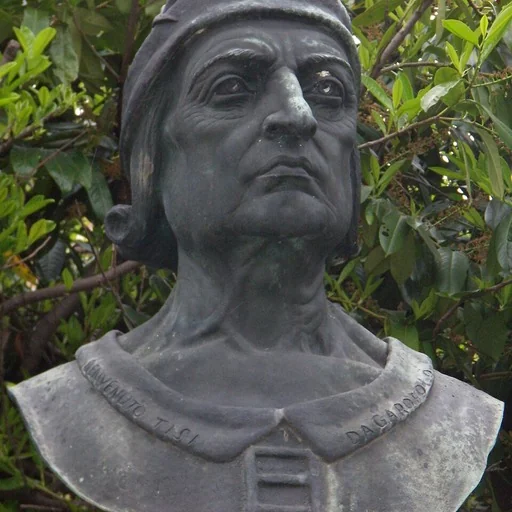
Artist
Benvenuto Tisi (Italian:; 1481 – September 6, 1559), also known as Il Garofalo (Italian: ), was a Late-Renaissance-Mannerist Italian painter of the School of Ferrara.