Artwork
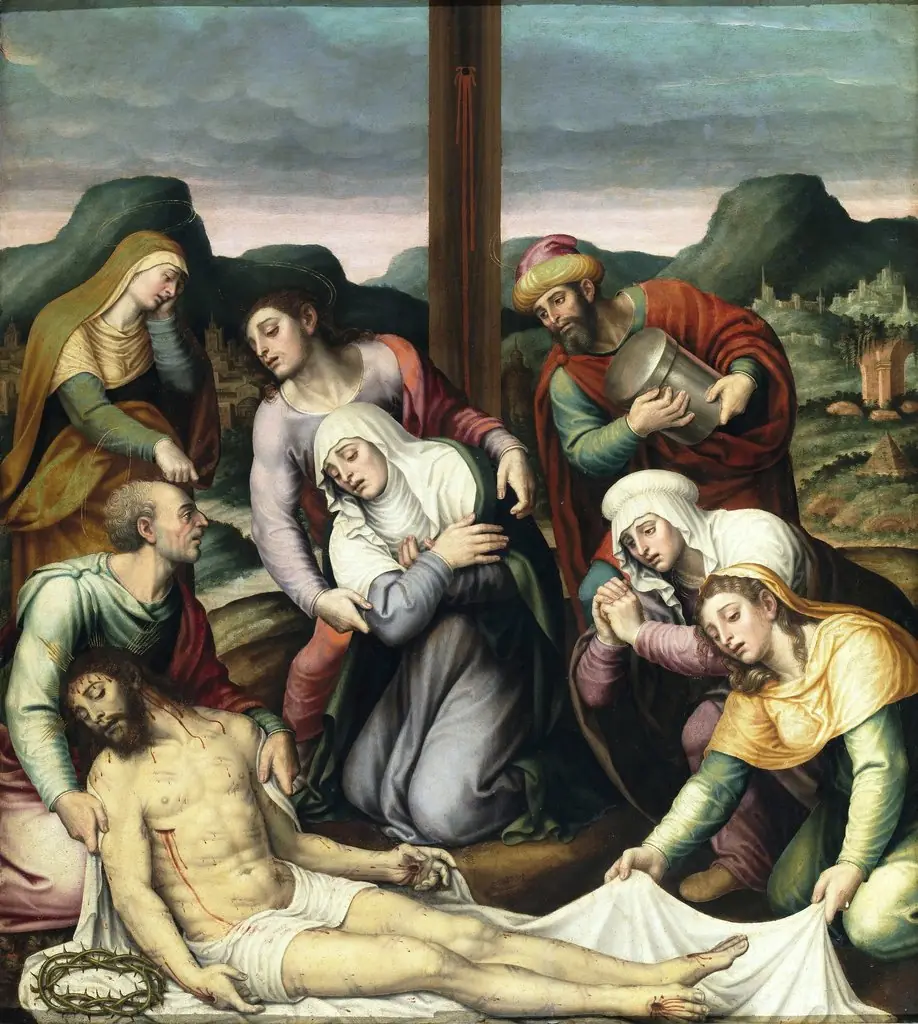
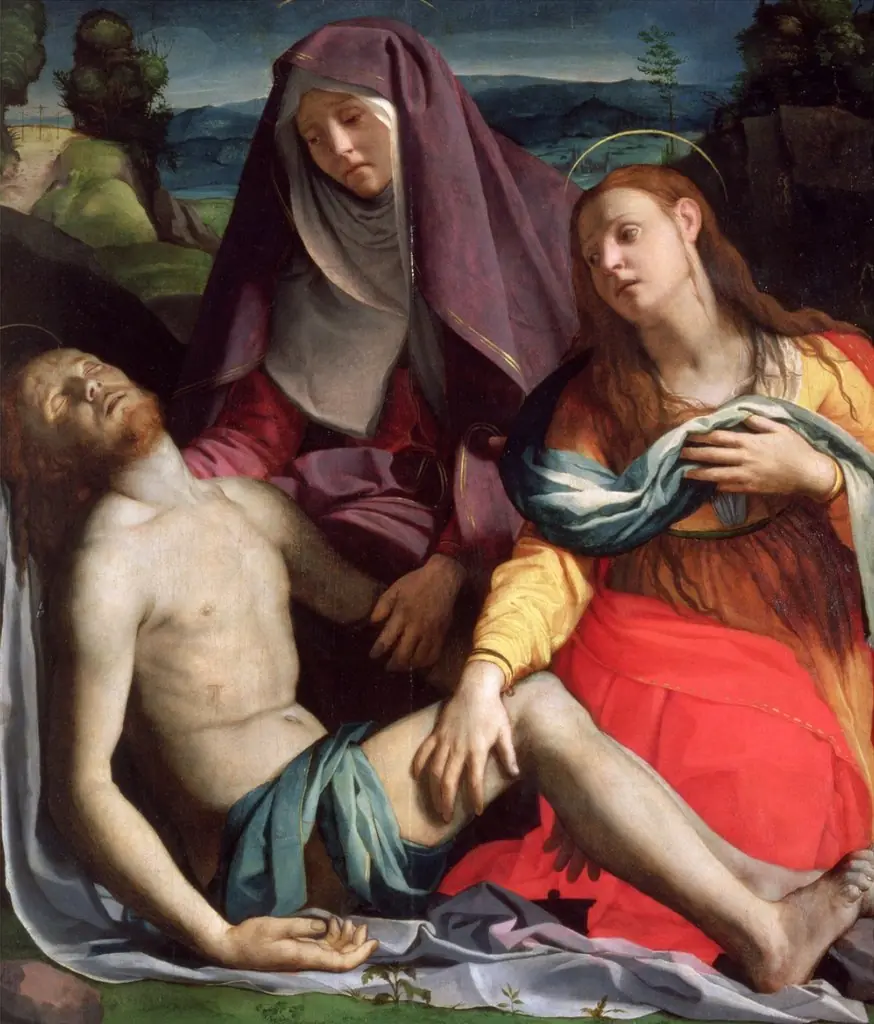
El Descendimiento o La Quinta Angustia
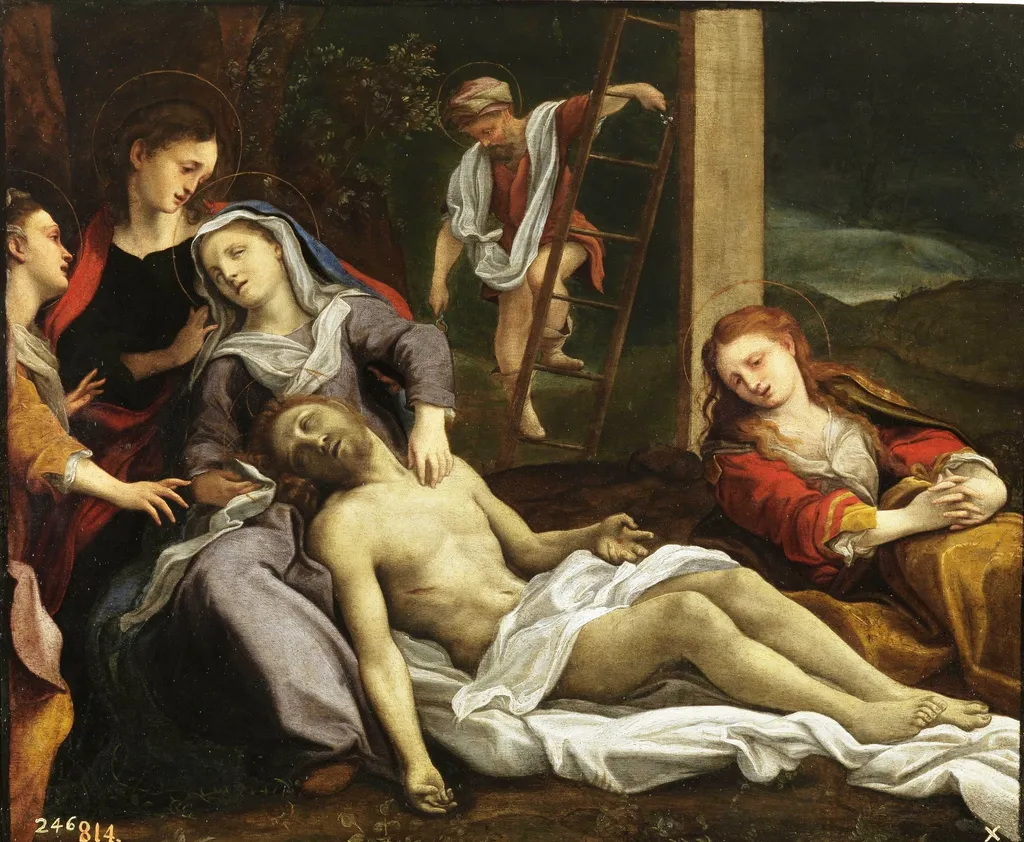
El Descendimiento o La Quinta Angustia is an oil painting by the Mannerist artist Unknown. It dates from 1540 and is held in the collection of the Museo del Prado.
About this work
Subject & Meaning
As a work of religious art from 1600, it belongs to the genre of devotional imagery common in Spanish painting of the period.
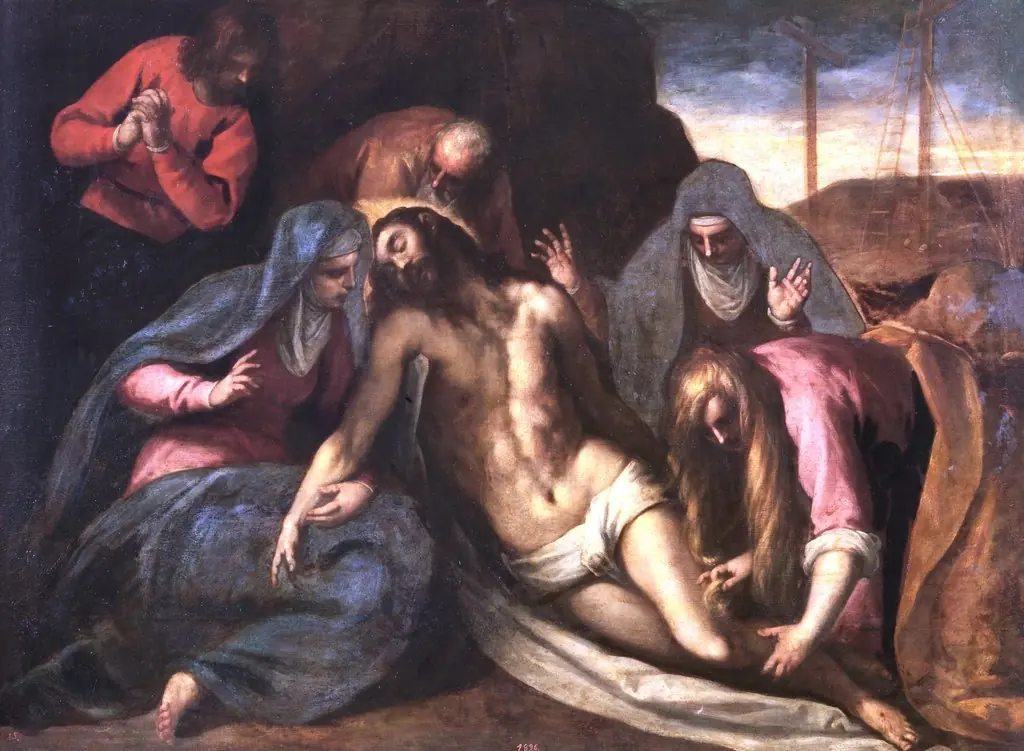
The painting depicts a religious scene featuring Jesus Christ and the Virgin Mary. As a work of religious art from 1600, it belongs to the genre of devotional imagery common in Spanish painting of the period. The title's dual naming, "El Descendimiento" (The Descent) and "La Quinta Angustia" (The Fifth Anguish), suggests the work represents the Deposition from the Cross or a related Passion scene, paired with a reference to one of the Sorrows of Mary.
The inclusion of both Christ and Mary points to a focus on the emotional and maternal dimensions of the Passion narrative, emphasizing Mary's suffering at her son's death.
History & Provenance
Created around the year 1600, this oil painting on walnut panel was originally owned by Philip V of Spain. The work, which depicts the Deposition of Christ and the Virgin Mary, eventually entered the collection of the Museo del Prado. It is currently housed at the Museo de Salamanca.
While some records suggest a possible inception date as early as 1540, the primary attributed date for the piece remains 1600. The artist responsible for the work is currently unidentified.
The painting is held by the Museo del Prado, though it is currently located at the Museo de Salamanca. The work was owned by Philip V of Spain. No inventory or accession number is provided in the sources, and no exhibition history is recorded.
Overview
El Descendimiento o La Quinta Angustia is an oil painting that depicts a somber gathering around a lifeless, pallid male figure. He lies on the ground, partially covered by a white cloth, while three women in dark robes and vivid headpieces attend him. A man on a ladder in the dim background holds a cross, adding a narrative element to the composition.
Technique & Style
The work employs a pronounced chiaroscuro, contrasting bright illumination on the foreground figures with a deep, shadowy backdrop. This stark lighting delineates the forms, emphasizing the emotional intensity of the scene. The painter’s handling of oil allows for smooth transitions between light and dark, creating a three‑dimensional presence that draws the viewer’s eye to the central drama.
Artist & collection