Artwork
Rue Nôtre-Dame, Paris
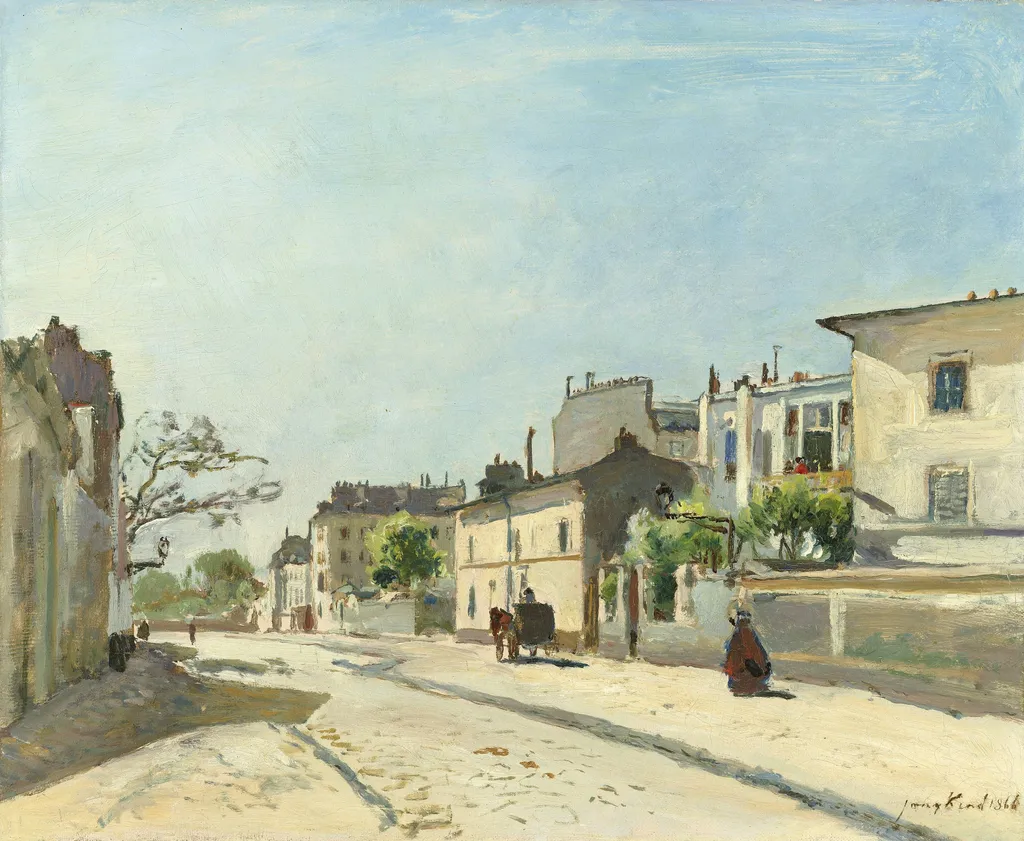
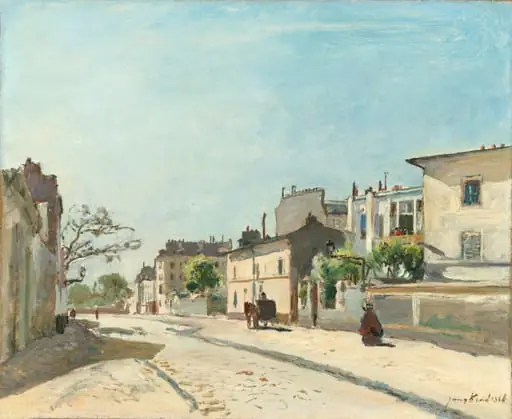
Rue Nôtre-Dame, Paris is an oil painting by the Realist artist Johan Jongkind. It dates from 1866 and is held in the collection of the Rijksmuseum.
About this work
Subject & Meaning
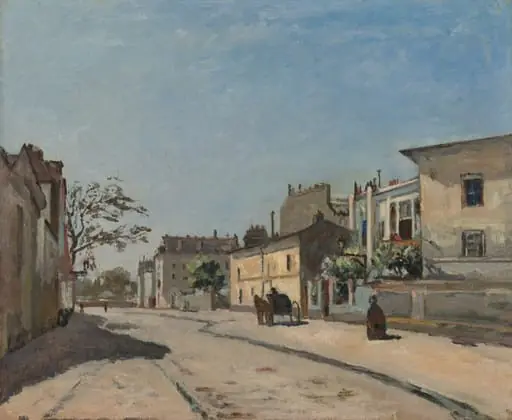
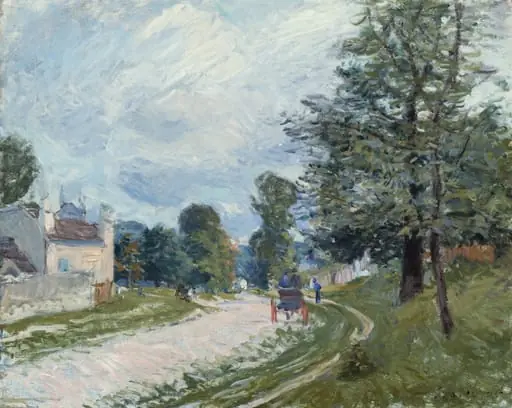
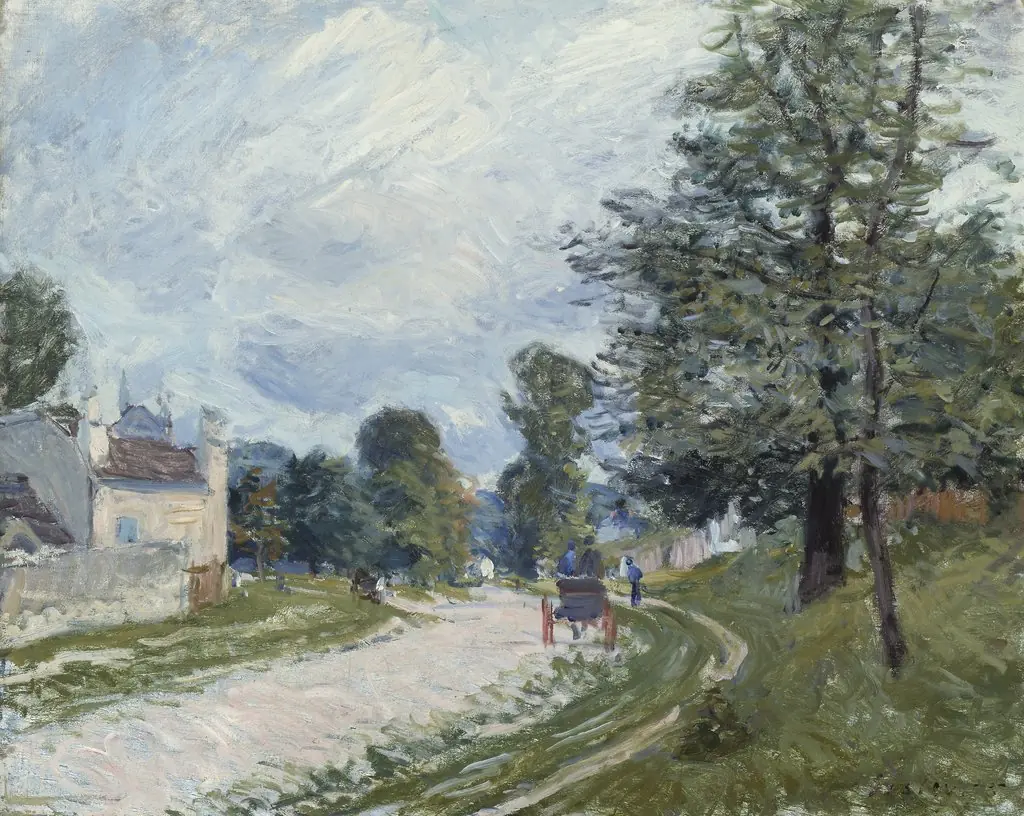
The painting shows a narrow Parisian street lined with modest buildings, centered on the view of Notre-Dame’s façade as seen from Rue Censier.
The painting shows a narrow Parisian street lined with modest buildings, centered on the view of Notre-Dame’s façade as seen from Rue Censier. The composition emphasizes the play of light on the cathedral’s towers and the everyday activity of pedestrians and carts, suggesting both urban realism and a subtle reverence for the historic monument. By capturing a specific, recognizable locale, Jongkind links the subject to the broader 19th‑century interest in documenting modern cityscapes while highlighting the interplay between architecture and daily life.
Technique & Style
Rue Nôtre-Dame, Paris is an oil painting executed on canvas, reflecting Jongkind's mature handling of light and urban atmosphere. The work measures 39 cm in height by 47 cm in width, typical of his mid‑19th‑century canvases. Contemporary analysis notes a loose brushwork and delicate tonal modulation that convey the street's texture and the luminous quality of Parisian daylight.
These stylistic traits align with the tonal realism characteristic of his contributions to the Barbizon school, emphasizing atmospheric effect over precise detail.
The painting is part of the Rijksmuseum's collection and was created in 1866, as documented in both primary corpus records and archival metadata.
History & Provenance
Rue Nôtre-Dame, Paris is an oil-on-canvas painting by Johan Barthold Jongkind, dated 1866. According to Wikidata, the work entered the collection of the Rijksmuseum, where it is currently held. The painting depicts the rue Censier and Notre-Dame de Paris, and measures 39 by 47 centimetres. No additional provenance details, commission information, or intermediate ownership history are recorded in the available sources.
The sources do not document a commission, prior owners, exhibition history, or acquisition circumstances for the work; only its creator, date, current holding institution, and physical characteristics are established.
The painting Rue Nôtre-Dame, Paris by Johan Jongkind is held in the collection of the Rijksmuseum. Created in 1866, the work is executed in oil on canvas and depicts the Rue Censier with Notre-Dame de Paris in the background. The piece measures 39 cm in height and 47 cm in width.
While the artwork is part of the museum's holdings, the provided sources do not list a specific inventory number or detail any past exhibitions for this work.
Context
Created in 1866, the work was painted by Johan Jongkind during his Paris period and reflects his keen eye for urban scenes. It captures a quiet corner of rue Censier near Notre-Dame, a view that anticipates the Impressionist focus on everyday city life. The painting entered the Rijksmuseum collection shortly after its creation and remains part of their holdings.
Scholars have noted its subtle brushwork and atmospheric treatment as precursors to Impressionist innovations. Its placement in the Rijksmuseum underscores its significance within Dutch nineteenth-century landscape painting.
Overview
Johan Jongkind’s 1866 oil painting, Rue Nôtre‑Dame, Paris, captures a tranquil segment of the French capital. The composition centers on a modest street flanked by light‑toned façades, a horse‑drawn carriage traversing the roadway, and a solitary figure in a dark cloak strolling along the curb. The scene is bathed in a pale sky, lending the work a calm, atmospheric quality.
Own this work as a print
Artist & collection
Artist
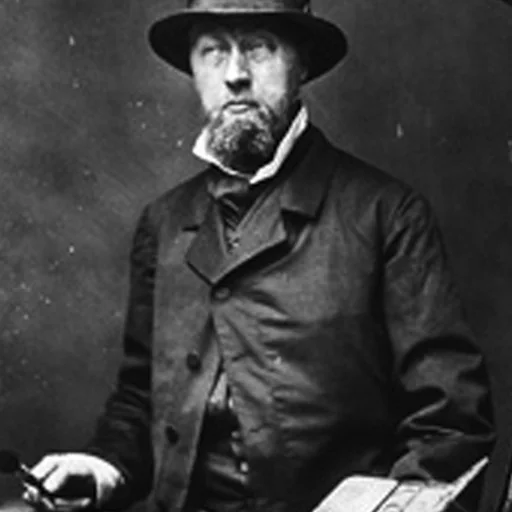
Johan Barthold Jongkind (Dutch pronunciation:; 3 June 1819 – 9 February 1891) was a Dutch painter and printmaker. He painted marine landscapes in a free manner and is regarded as a forerunner of impressionism.