Artwork
Robert Hotz Esquire and Bulldog
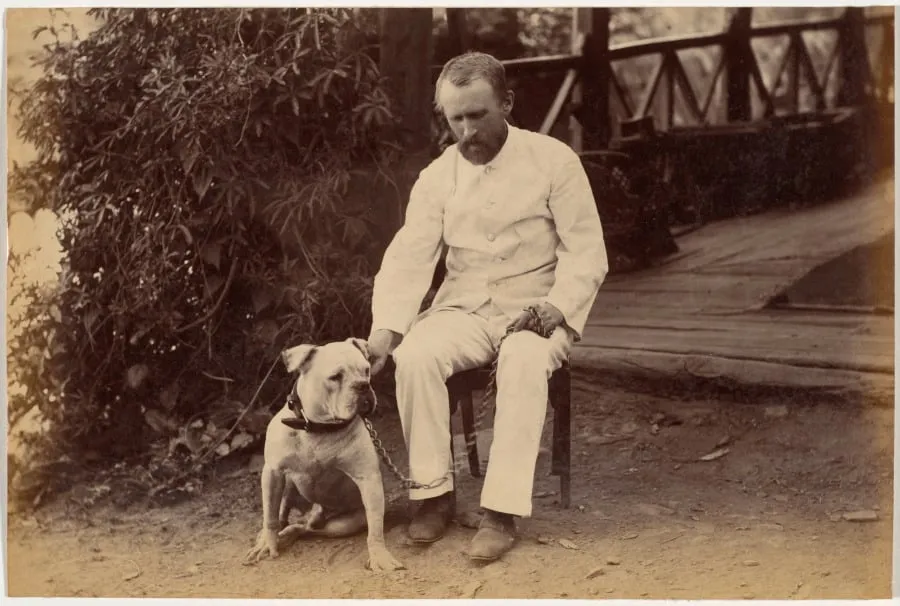
Robert Hotz Esquire and Bulldog is a photography by the Impressionist artist Raja Deen Dayal. It dates from 1887 and is held in the collection of the Cleveland Museum of Art. This photograph captures Robert Hotz, a British photographer active in colonial India, seated beside his bulldog.
- Accession no.
- 2016.266.12
- Credit line
- Purchase from the J. H. Wade Fund
About this work
The dog's presence is interesting because, in India, dogs were not usually kept as pets before the British arrived.
This painting shows a man, Robert Hotz, sitting with his bulldog. He's a photographer and the dog is a breed that was popular in England. The dog's presence is interesting because, in India, dogs were not usually kept as pets before the British arrived.
The man in the photo, Robert Hotz, had studios in Calcutta and Shimla. He relied on Indian servants to care for his dog, like many British people did.
You can learn more about the artist who took this photo by looking up Raja Deen Dayal (Indian, 1844–1905).
Overview
This photograph captures Robert Hotz, a British photographer active in colonial India, seated beside his bulldog. Taken in the late 19th century, it reflects the cultural presence of British expatriates in urban centers like Calcutta and Shimla. The image is attributed to Raja Deen Dayal, a prominent Indian photographer whose studio documented both colonial and indigenous life during this period.
Subject & Meaning
The bulldog, a symbol of English identity since the 18th century, appears here as a marker of domestic belonging in a foreign land. Its presence underscores the transplantation of British customs into Indian society. The dog’s role as a companion, uncommon in pre-colonial Indian culture, highlights the cultural dissonance and adaptation inherent in colonial life.
Technique & Style
The photograph employs a composed, formal pose typical of studio portraiture of the era. Soft lighting and careful framing emphasize the relationship between man and animal, while the background remains unobtrusive. The sharp detail and tonal range suggest the use of glass plate negatives, a standard technique among professional photographers in India at the time.
History & Provenance
Robert Hotz operated photographic studios in Calcutta and Shimla during the 1870s–1890s. The image was likely produced by Raja Deen Dayal, whose studio frequently photographed British residents. The photograph’s survival suggests it was preserved within private or institutional collections, possibly as part of a broader archive documenting colonial social practices.
Context
Before British colonization, dogs were rarely kept as pets in India and were often associated with scavenging or funerary sites. The British imported and relied on Indian servants to maintain their dogs, reinforcing social hierarchies. This photograph thus reflects not only personal companionship but also the broader cultural imposition and labor dynamics of colonial rule.
Legacy
The image contributes to visual records of colonial domesticity in India, illustrating how British norms were enacted through everyday objects like pets. It also stands as evidence of Indian photographers’ role in shaping colonial imagery, with Deen Dayal’s work offering a nuanced perspective on the lives of both British residents and their Indian staff.
Artist & collection

Artist
Raja Lala Deen Dayal, famously known as Raja Deen Dayal) was an Indian photographer.

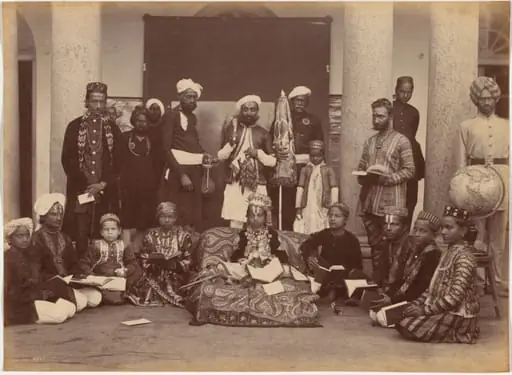 Maharaja of Rewa and Classmates
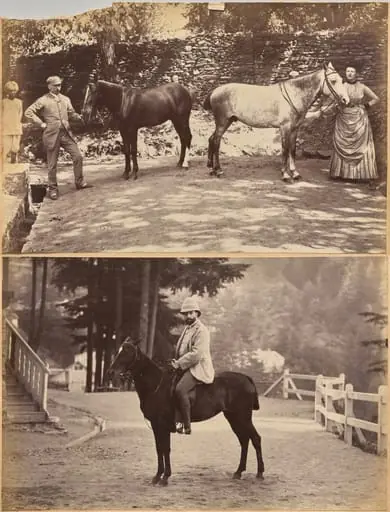 Col. F. G. Oldham (recto, top); Mr. Nowell, Shimla (recto, bottom)
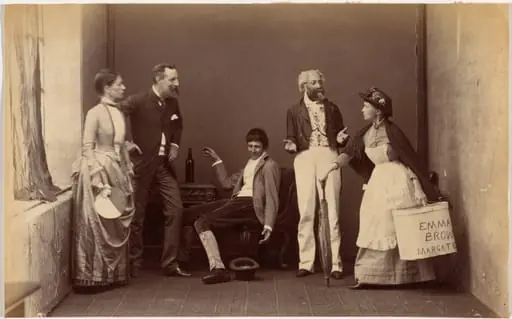 Fancy Group, Indore I
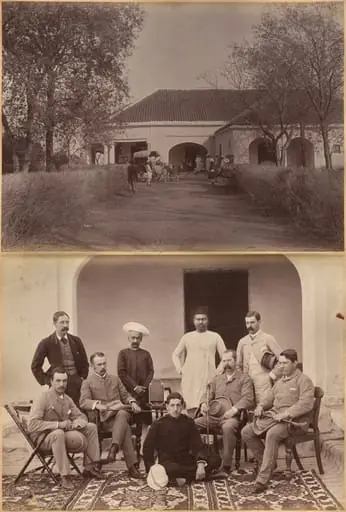 Civil officers at Jhansi (recto); Mr. William's House, Jhansi (verso)
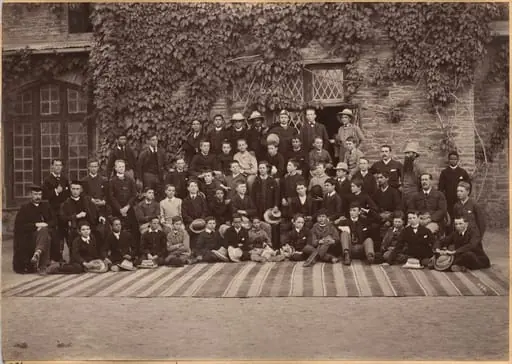 Middle Class Students and Staff, Bishop Cotton School, Shimla (verso)
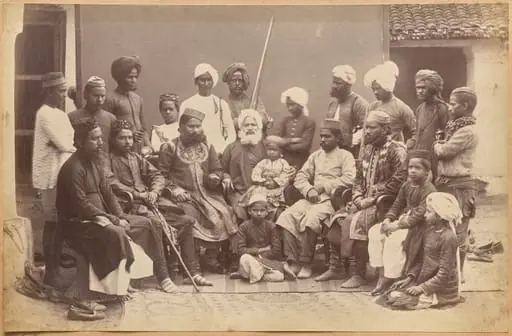 Mowhri Rahman Alli Khan family, Rewa (recto, bottom)
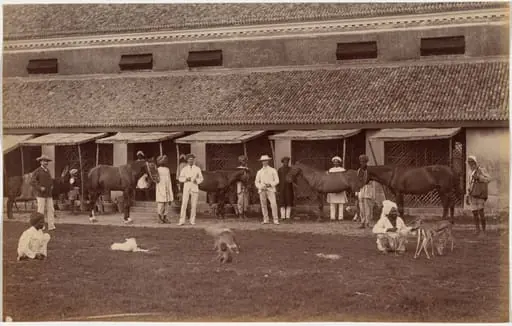
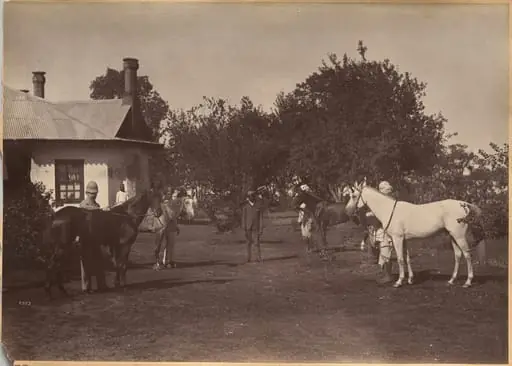 Lord William Beresford's horses
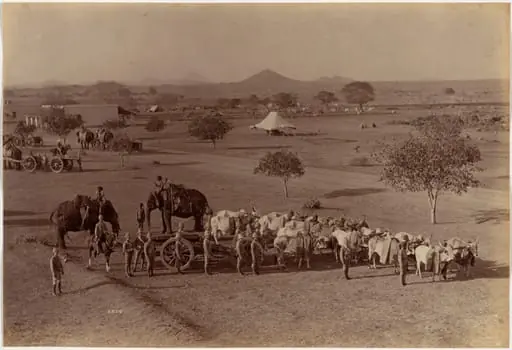 Heavy Field Battery, Jhansi
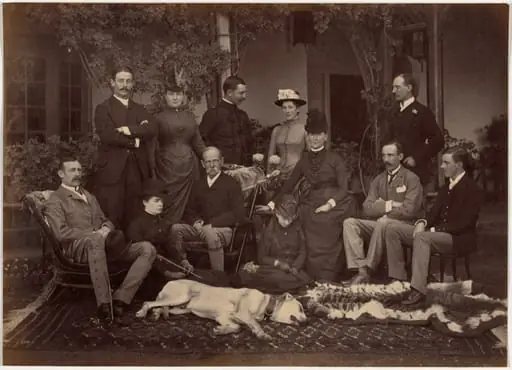 His Eminence Commander in Chief and Party, Shimla
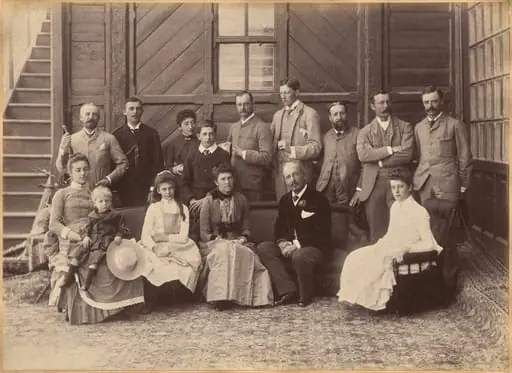 Viceregal Party Shimla (verso)
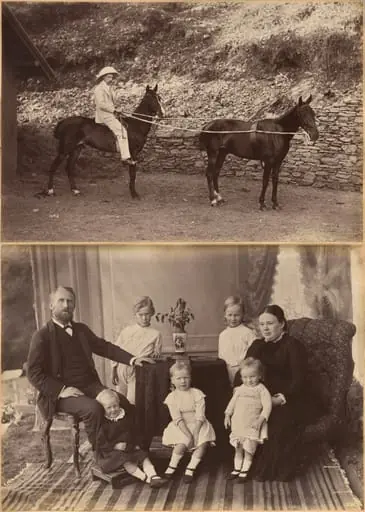 Captain H.S. Rawhinson (recto); Mr. Robert Holtz and Family (verso)
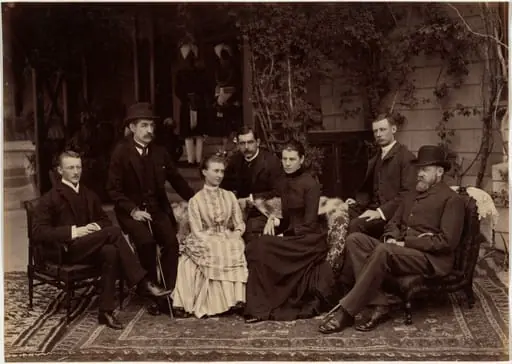 His Honor The Lieutenant Governor of the Punjab and Party, Shimla
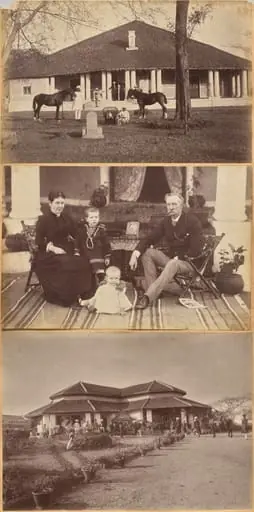 Captain Falkner's Bungalow, Neemuch (recto, top); Col. Carpendale and family, Neemuch (recto, bottom); Major Creagh's home, Mhon (verso)
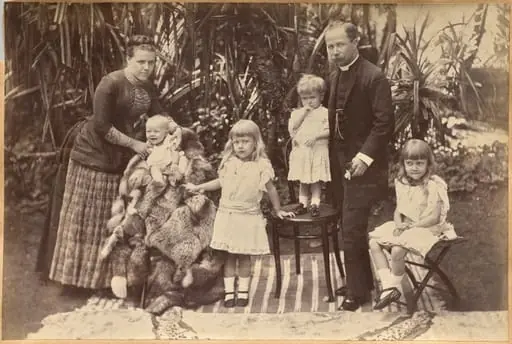 Untitled
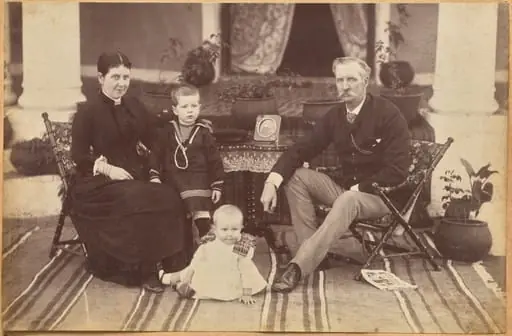 Col. Carpendale and family, Neemuch (recto, bottom)
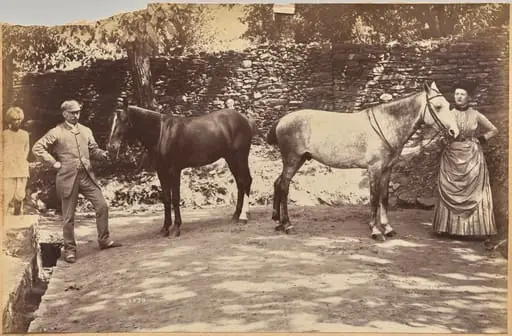 Col. F. G. Oldham (recto, top)