Artwork
A Waterfall, Moonlight
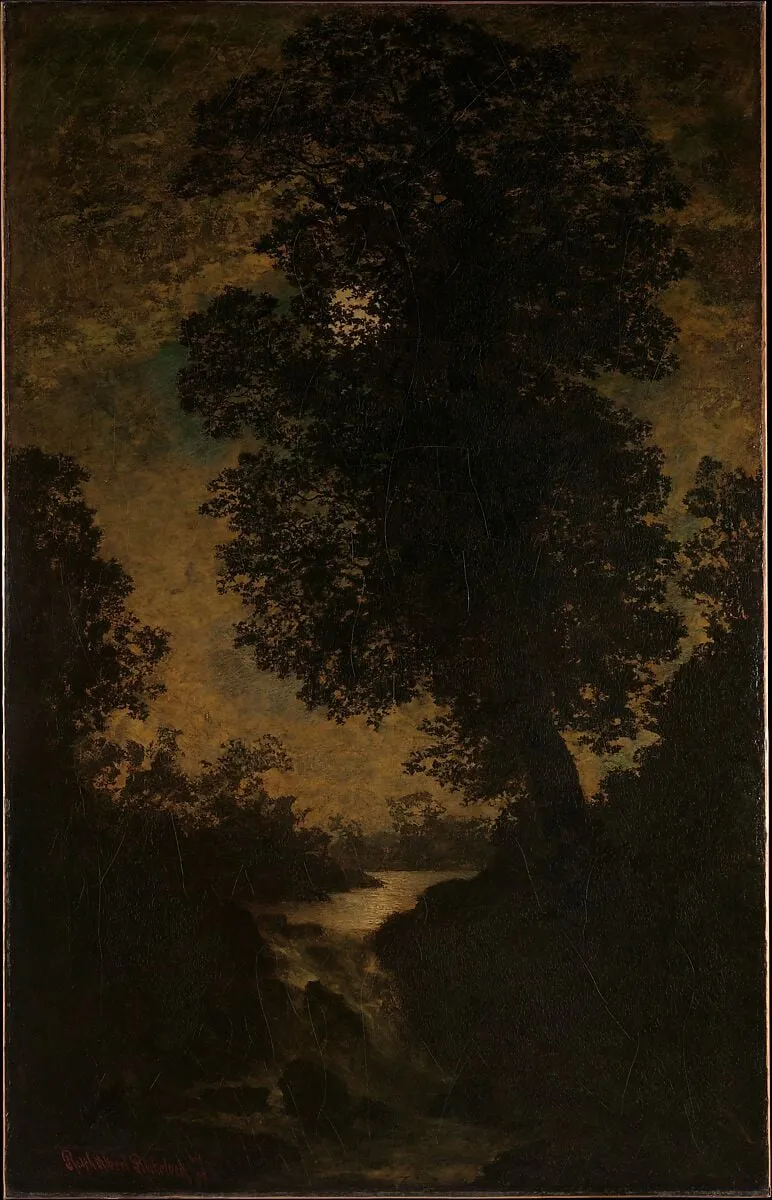
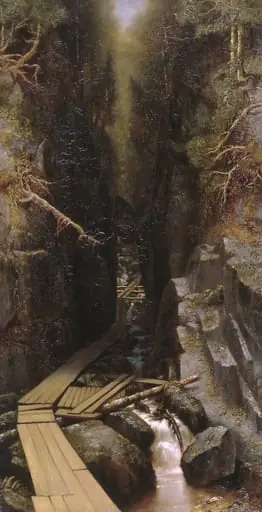
A Waterfall, Moonlight is an oil painting by the Hudson River School artist Ralph Albert Blakelock. It dates from 1886 and is held in the collection of the Metropolitan Museum of Art.
About this work
A dark forest with a thin waterfall glowing under moonlight. The trees stand almost black, and the water shines like liquid silver. Blakelock painted this in 1886, working at night by candlelight, with thin layers of oil that let the canvas show through. The effect is quiet, like the woods after sunset.
Subject & Meaning
The work represents a wilderness scene rendered at night, with the waterfall serving as the central natural feature amid the surrounding forest.
A Waterfall, Moonlight is a nocturnal landscape painting that depicts a waterfall flanked by trees under nighttime conditions. The work represents a wilderness scene rendered at night, with the waterfall serving as the central natural feature amid the surrounding forest. Its subject belongs to the tradition of American landscape painting, emphasizing the atmospheric and tonal qualities of a moonlit wilderness rather than identifiable landmarks or figures.
Technique & Style
A Waterfall, Moonlight is executed in oil on canvas, a standard combination for late nineteenth-century American landscape painting. The work measures 142.9 cm in height by 90.8 cm in width, giving it a tall, vertical format suited to its plunging landscape composition. The medium allowed Blakelock to build the dense, layered nocturnal atmosphere characteristic of his style, with the canvas support providing the scale needed to depict a moonlit waterfall flanked by trees.
The painting is held in the Metropolitan Museum of Art's American Wing classification, consistent with its oil-on-canvas landscape format.
History & Provenance
Ralph Albert Blakelock executed the oil on canvas painting A Waterfall, Moonlight in 1886. The work, which depicts a nocturnal landscape featuring a waterfall and trees, was created during the artist's mature period. While specific details regarding the original commission or the immediate ownership chain following its completion are not provided in the available records, the painting ultimately entered the collection of the Metropolitan Museum of Art.
It is currently classified within the museum's American Wing, where it remains part of the permanent holdings. The canvas measures approximately 142.9 by 90.8 centimeters.
A Waterfall, Moonlight (1886) by Ralph Albert Blakelock is housed in the Metropolitan Museum of Art in New York, where it is listed as part of the American Wing's landscape collection; its accession number is not disclosed in the referenced catalog entries. The painting, executed in oil on canvas, depicts a nocturnal scene of a tree beside a waterfall and is classified as a landscape work. The cited documentation does not record any prior exhibition of the piece in public shows or loan exhibitions, indicating that its exhibition history remains undocumented in the available sources.
Overview
"A Waterfall, Moonlight" is an oil on canvas painting that captures a nocturnal forest scene. The artwork depicts a dense, shadowy woodland where a slender waterfall shimmers under the illumination of moonlight. The trees appear almost black against the luminous water, which gleams with a silvery quality. The overall impression is one of profound tranquility, evoking the hushed atmosphere of a forest after dusk.
Context
The artist's approach to light and shadow is central to the painting's impact. The stark contrast between the intensely dark, almost silhouetted trees and the brightly illuminated waterfall exemplifies a dramatic use of chiaroscuro. This technique, which emphasizes strong contrasts between light and dark, is employed here to heighten the mystical quality of the moonlit landscape and draw the viewer's eye to the radiant cascade.
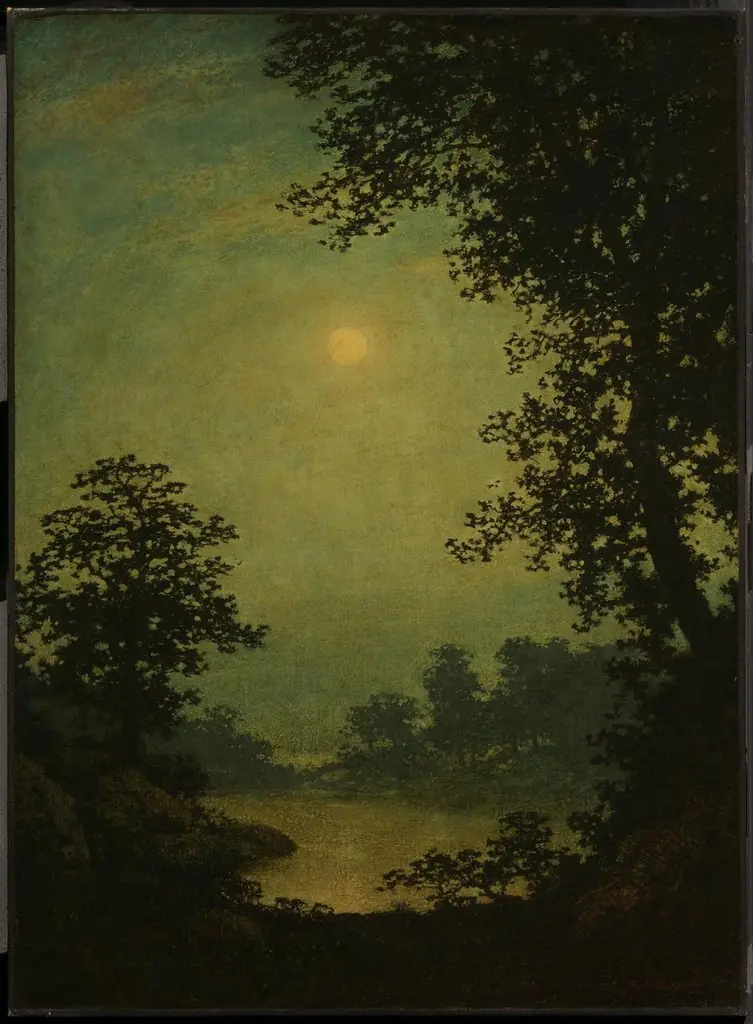
Artist & collection
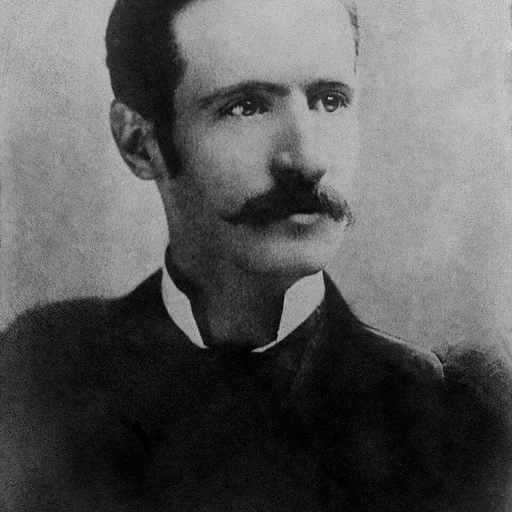
Artist
Ralph Albert Blakelock was a romanticist American painter known primarily for his landscape paintings related to the Tonalism movement.

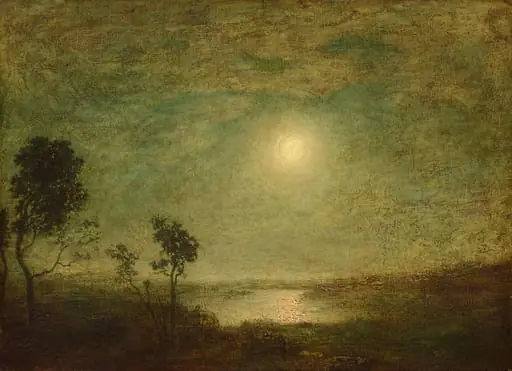
- Moonlight Sonata
 Forest landscape with huntsmen
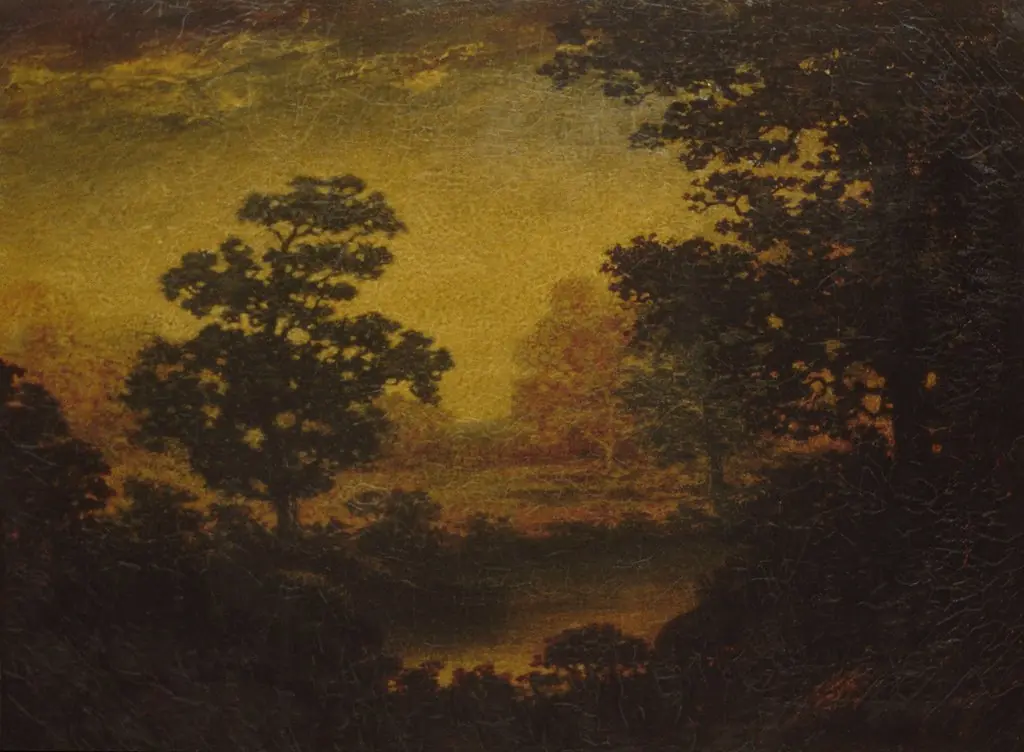 Woodland Vista
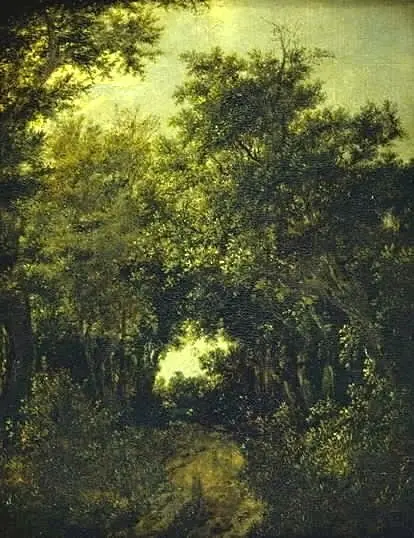 Road in an Oak Forest
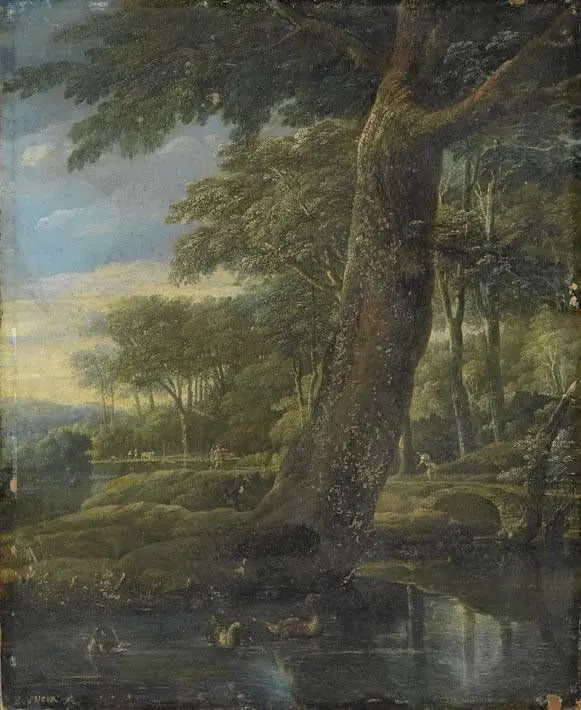 Landscape with river
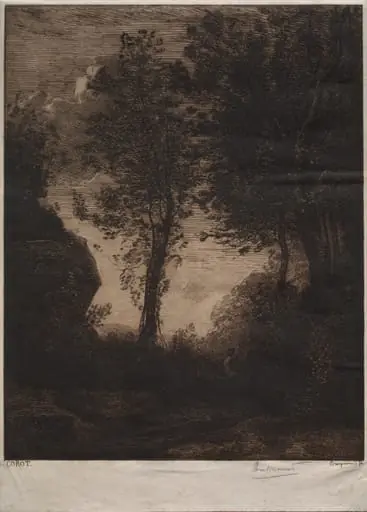 Landscape: Sunset, after Corot
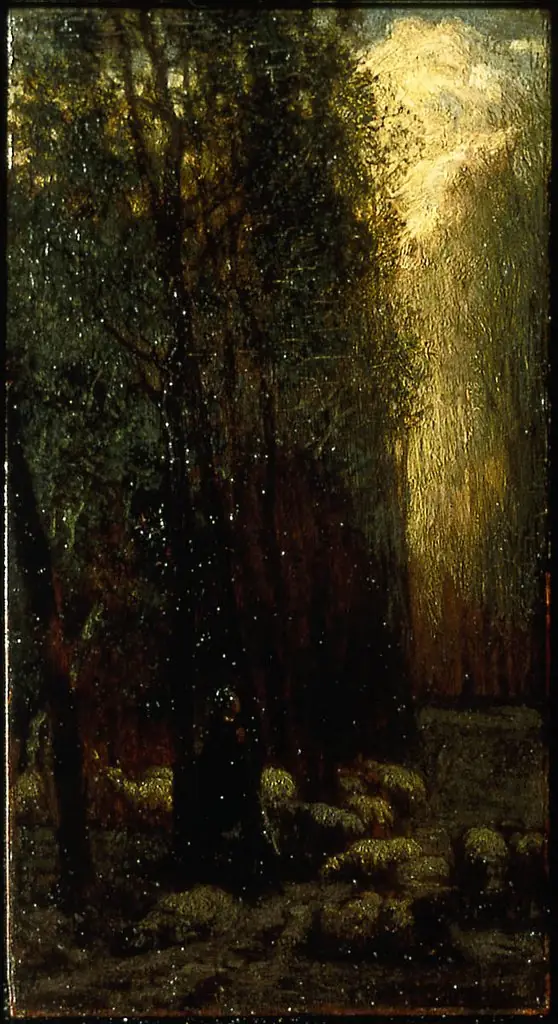 Forest with Shepherdess and Sheep
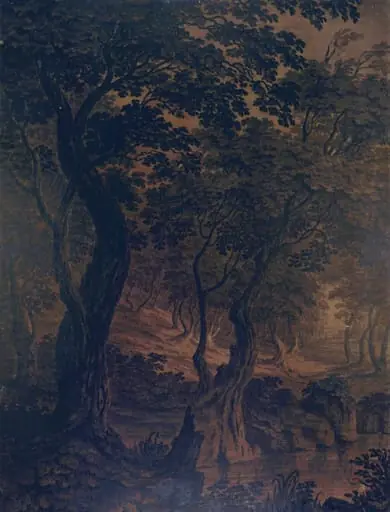 Wood Scene
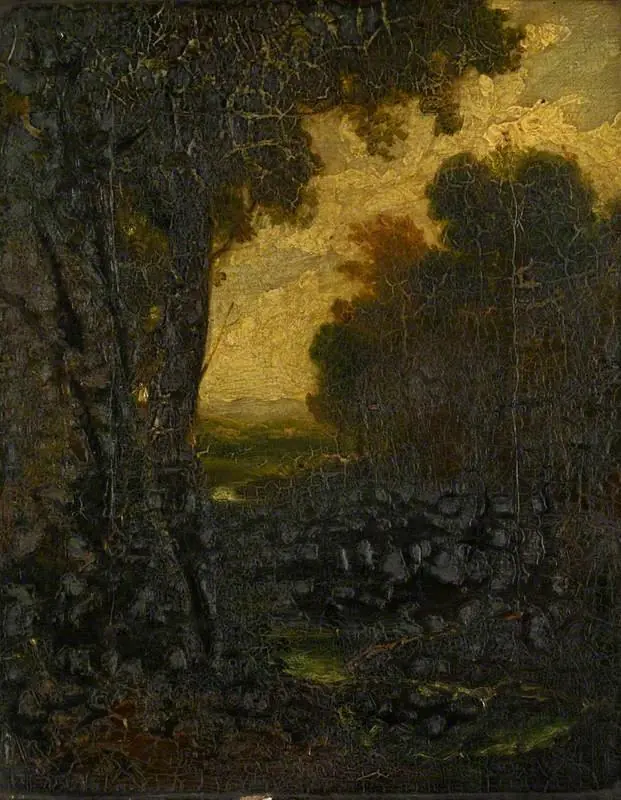 Trees on the Bank of a Stream
 Peisaj de pădure cu moară; pandant: Peisaj de pădure cu turn
 The happy island
 Devil's Bridge, Cardigan