Artwork
The Pipe Dance
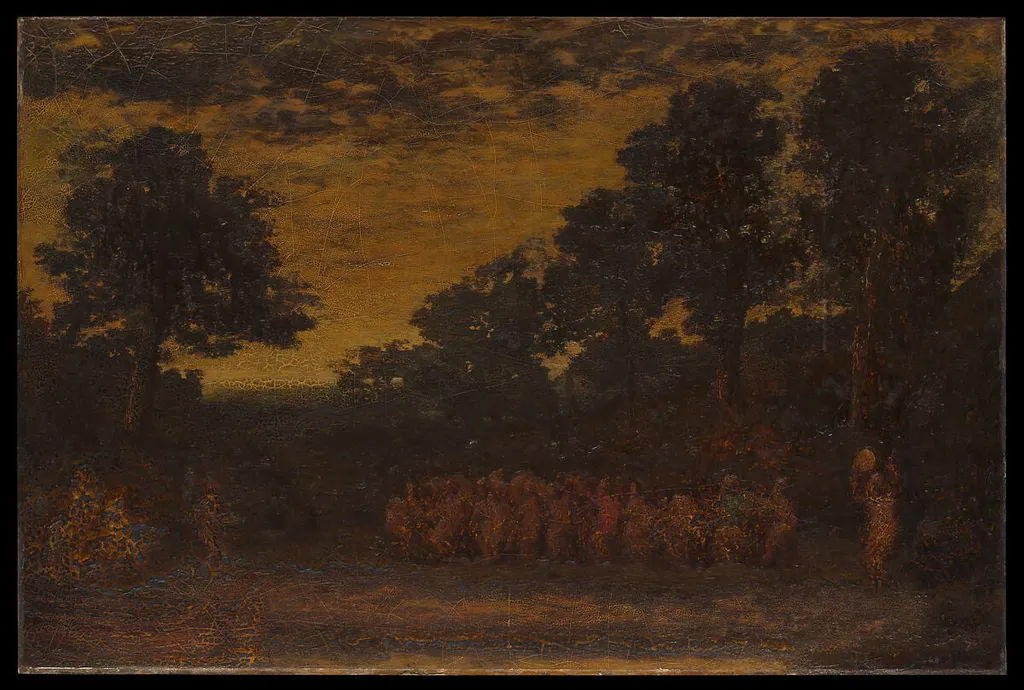
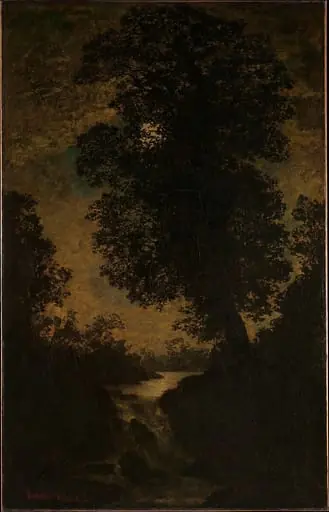
The Pipe Dance is an oil painting by the Hudson River School artist Ralph Albert Blakelock. It dates from 1890 and is held in the collection of the Metropolitan Museum of Art.
About this work
Subject & Meaning
The Pipe Dance portrays a ritualized dance set against a solitary tree, combining figures in motion with a central tree to create a symbolic scene.
The Pipe Dance portrays a ritualized dance set against a solitary tree, combining figures in motion with a central tree to create a symbolic scene. Rendered as a landscape, the composition emphasizes the interplay between human activity and natural form, suggesting a contemplative relationship between community and the environment. The work's iconography centers on the dance and the tree, elements that recur in Blakelock's exploration of spiritual and pastoral themes. Its depiction of these motifs reflects a 19th-century interest in idealized nature and ceremonial activity.
Technique & Style
Executed in 1890, The Pipe Dance is an oil painting on canvas by Ralph Albert Blakelock. The work measures approximately 123.2 by 182.9 centimeters, presenting a horizontal landscape format. Stylistically, the composition integrates naturalistic elements with human activity, specifically depicting trees alongside a dance scene.
As a piece classified within American landscape genre traditions, the medium relies on the textural capabilities of oil paint applied to a woven canvas support. The surviving physical object is held in the collection of the Metropolitan Museum of Art, where its material integrity as a late nineteenth-century oil work is maintained.
History & Provenance
The Pipe Dance is an oil on canvas painting created by the American artist Ralph Albert Blakelock. The work was executed in 1890. Depicting a landscape scene featuring trees and a dance, the piece entered the collection of the Metropolitan Museum of Art, where it remains housed within the American Wing.
While specific details regarding the original commission or the intermediate ownership chain prior to its museum acquisition are not provided in the available records, the painting's attribution to Blakelock and its dating are firmly established. The work measures 123.2 cm by 182.9 cm and its material composition is oil paint applied to canvas, reflecting the typical medium for late-19th-century American landscapes. No specific accession number or detailed exhibition record is provided in the available documentation.
Overview
Painted in 1890, Ralph Albert Blakelock's The Pipe Dance is a nocturnal landscape depicting a circle of small figures dancing around a fire, framed by dark, looming trees. Executed in oil on canvas, the work exemplifies Blakelock's mature style, characterized by a dense, rhythmic composition and the heavy application of paint known as impasto. This technique creates a textured surface that enhances the luminous quality of the firelight against the surrounding darkness.
The painting reflects the artist's experiences traveling in the American West, though it was created from memory rather than direct observation. Blakelock often synthesized his observations of Native American life and the Western landscape into dreamlike, romanticized scenes that prioritize mood over topographical accuracy. The Pipe Dance remained in the artist's studio until his death in 1919, never entering the commercial market during his lifetime.
It stands as a significant example of American Tonalism, illustrating Blakelock's unique ability to merge landscape with a poetic, almost mystical atmosphere.
Artist & collection
Artist
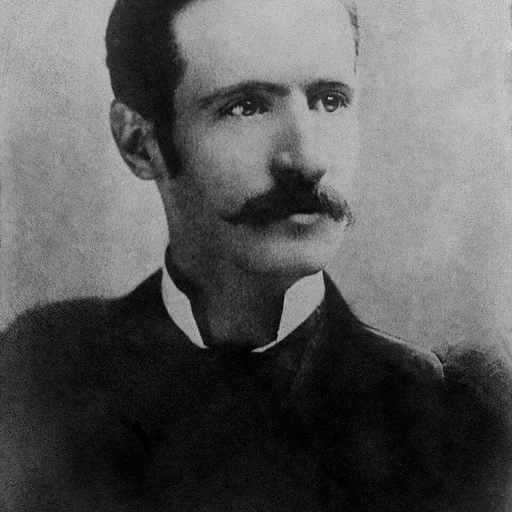
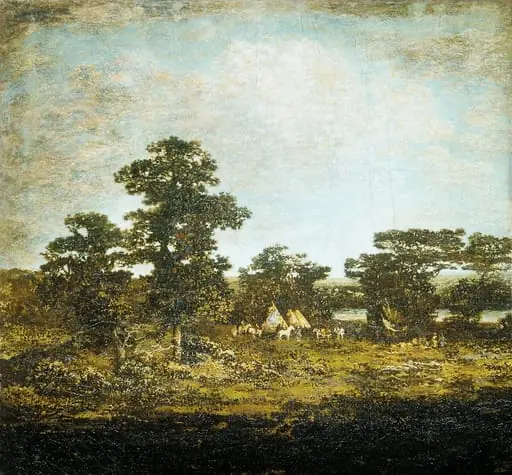
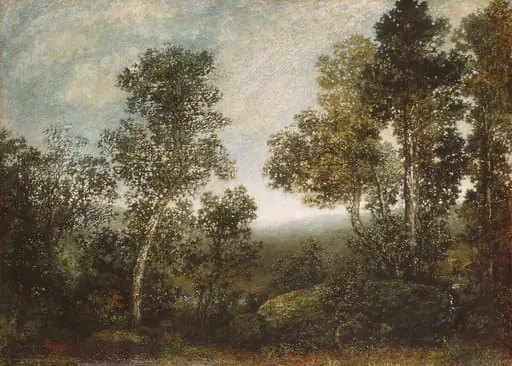
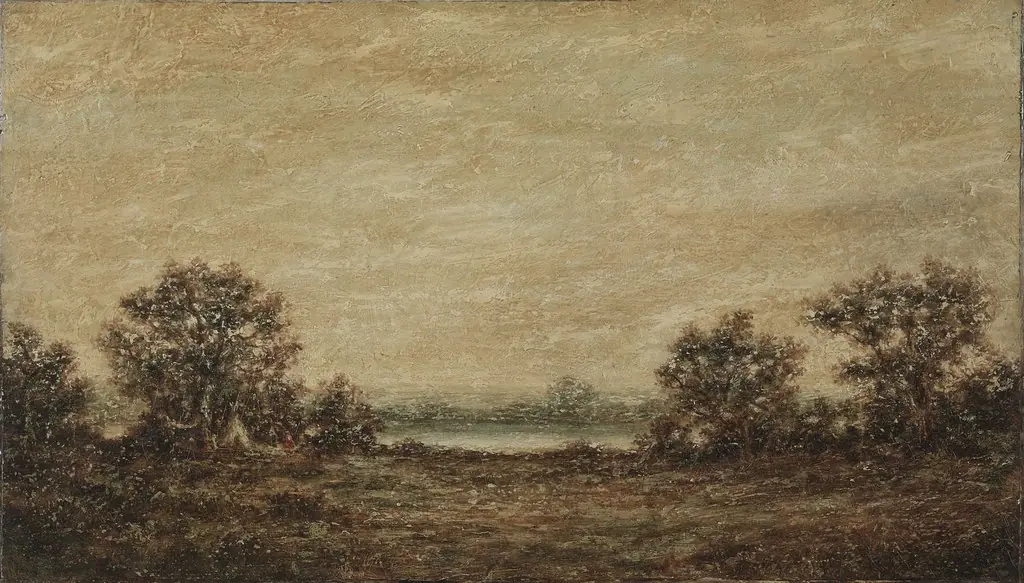
Ralph Albert Blakelock was a romanticist American painter known primarily for his landscape paintings related to the Tonalism movement.

- Landscape with Erminia
 Peisaj cu zidul unei grădini
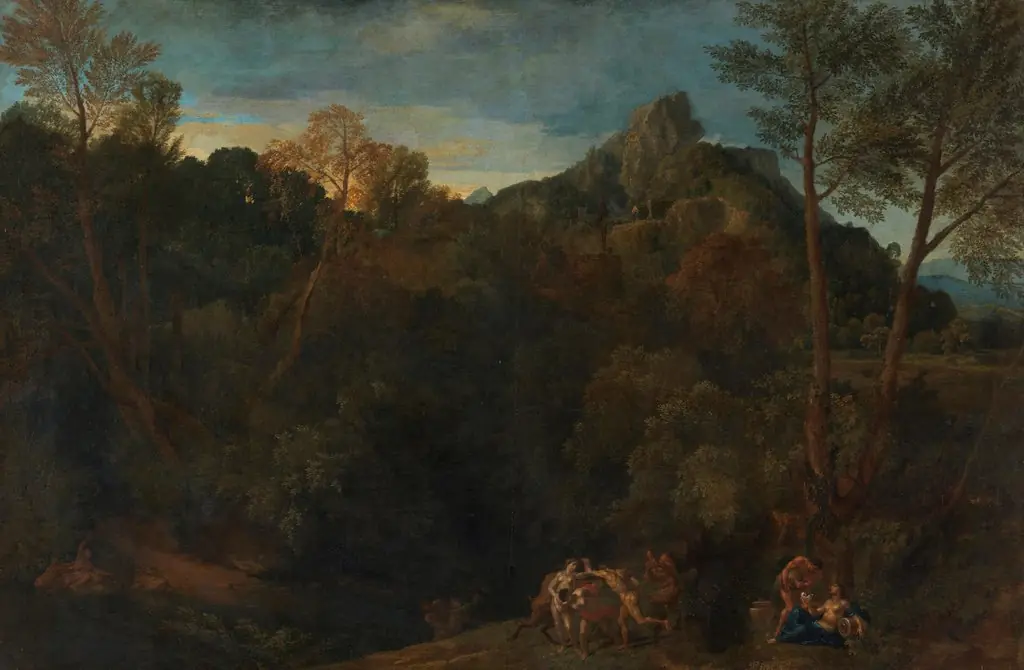 Landschaft
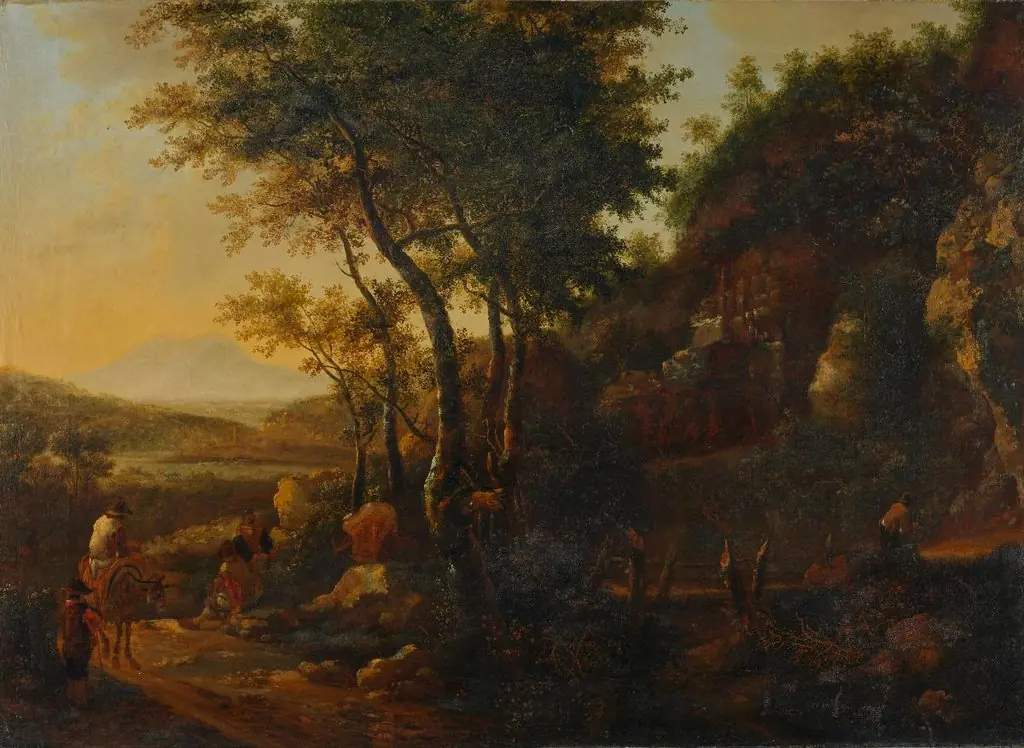 Komponierte Landschaft mit Bauern und Esel
 Peisaj de pădure cu moară; pandant: Peisaj de pădure cu turn
 Landscape with figures
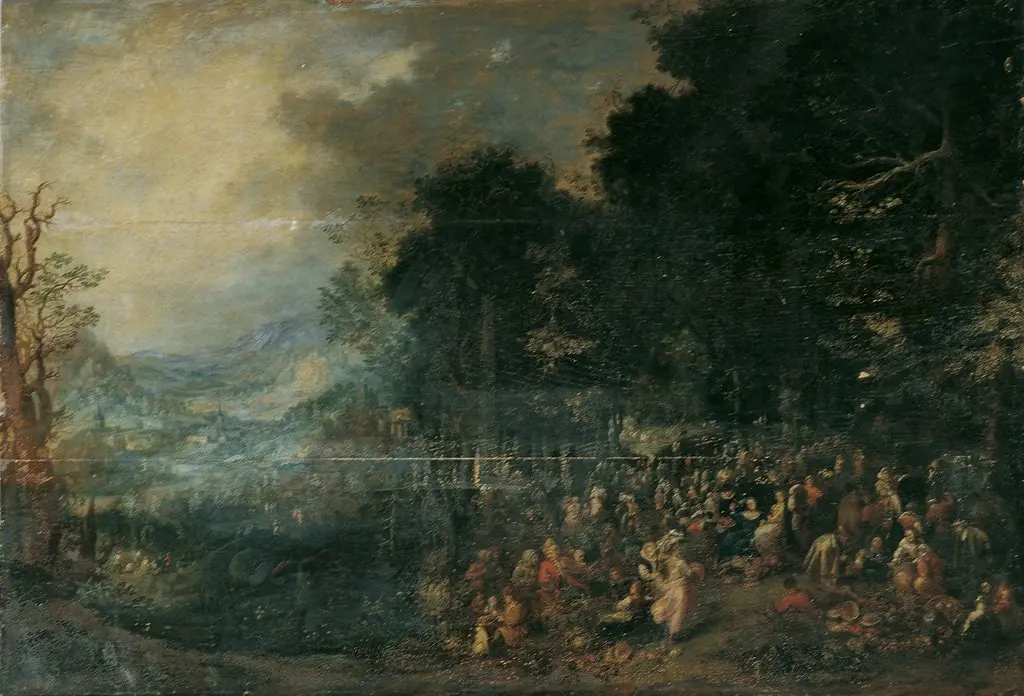 Landschaft mit Festgesellschaft
 Romantic landscape with travellers around a camp fire
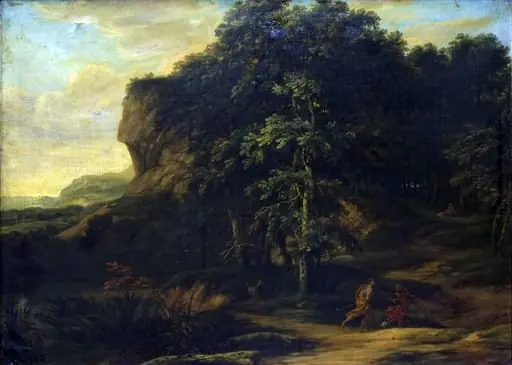 Peisaj cu personaje
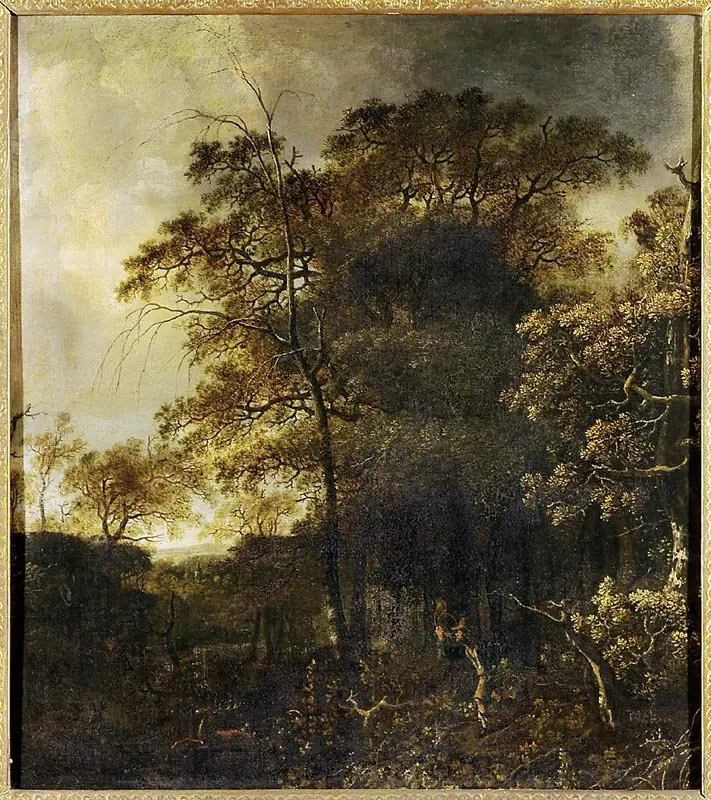 Forest landscape with huntsmen
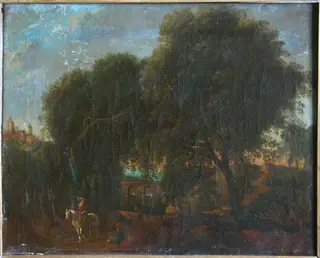 Peisaj cu copaci și pod ; Peisaj cu copaci și ruine antice
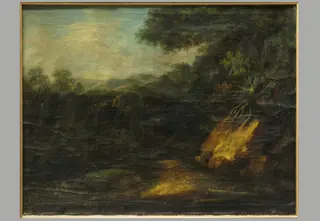 Peisaj de pădure cu turn; pandant: Peisaj de pădure cu moară