Artwork
Majo with a Guitar
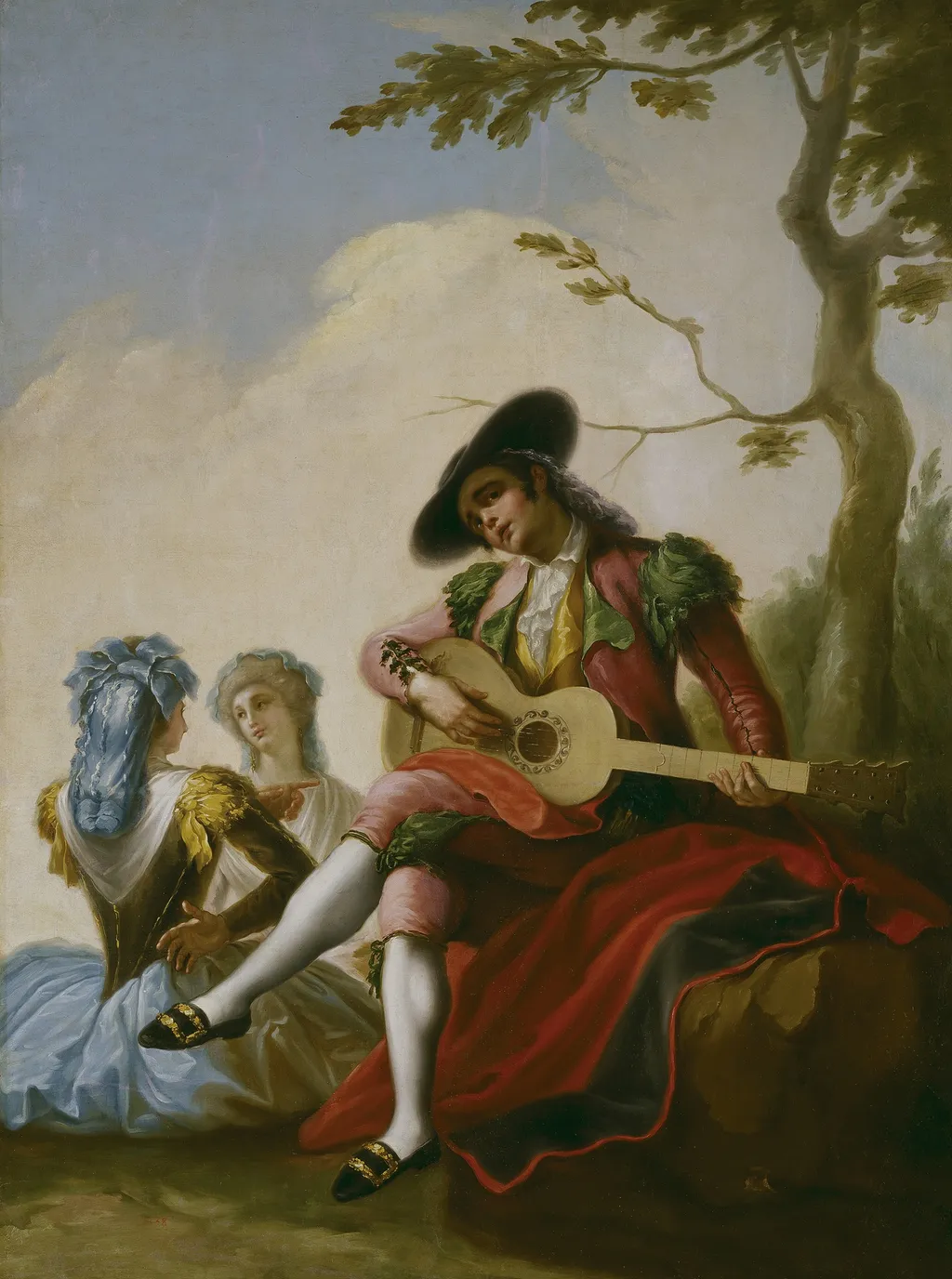
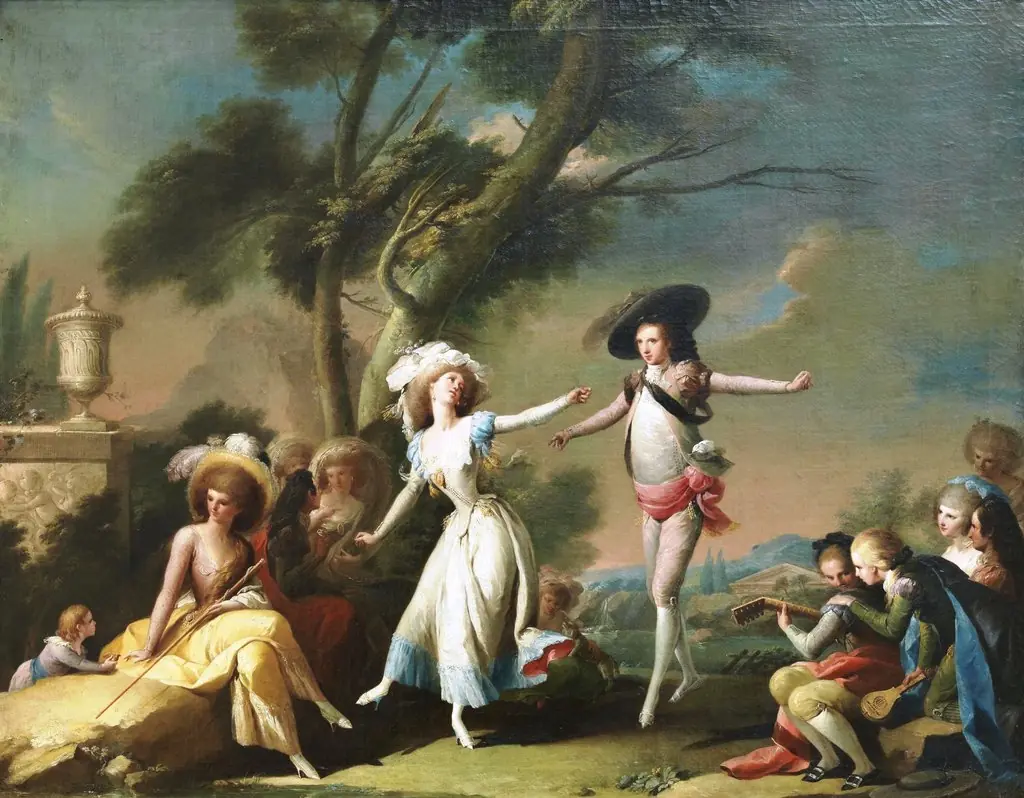
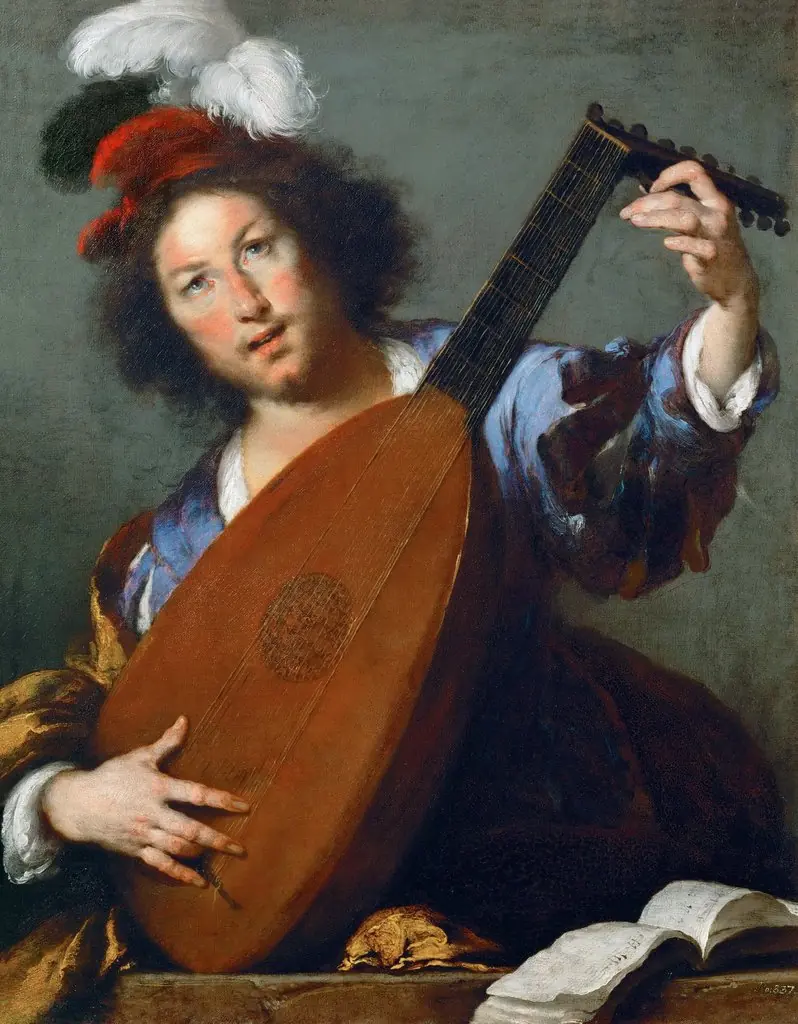
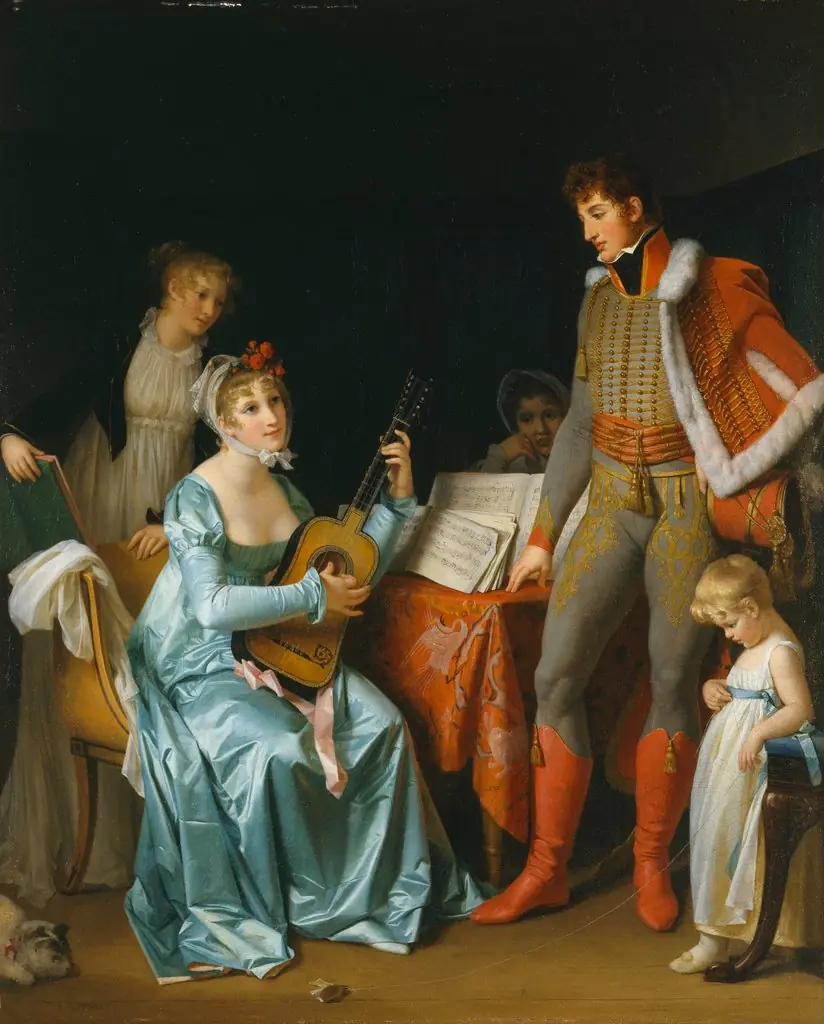
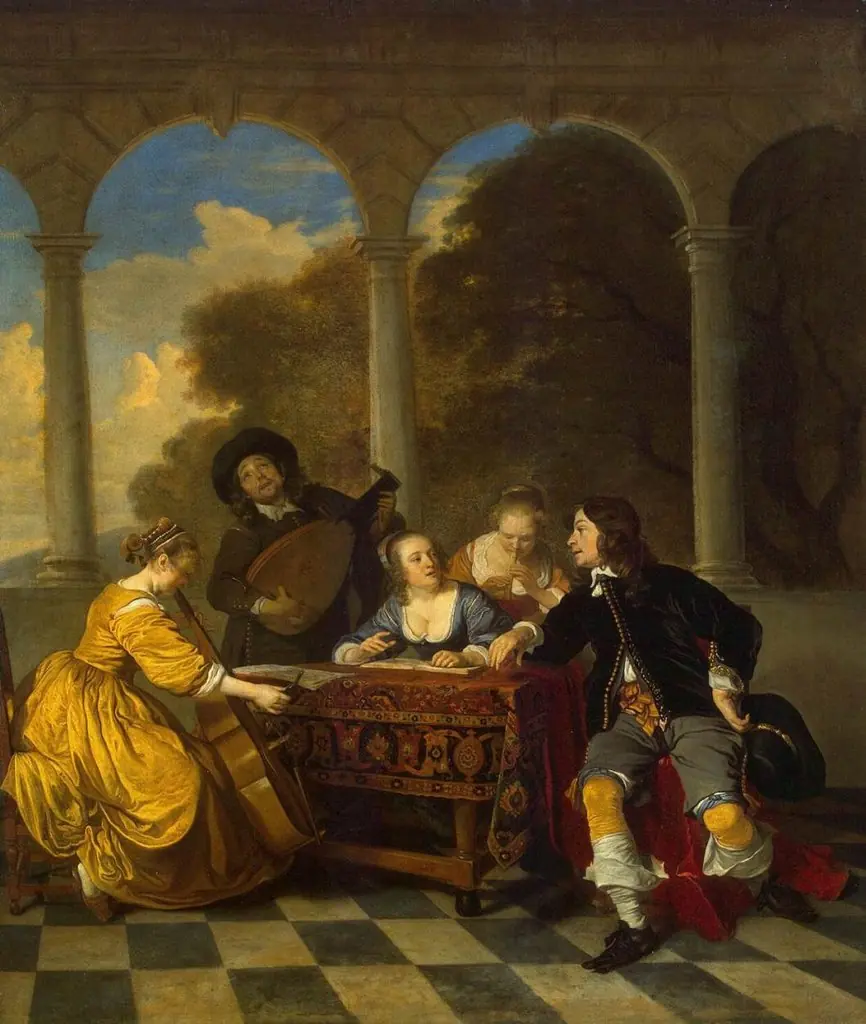
Majo with a Guitar is an oil painting by the Rococo painting artist Ramón Bayeu. It dates from 1790 and is held in the collection of the Museo del Prado.
About this work
Subject & Meaning
The work thus symbolizes both social distinction and the playful subversion of gender expectations in elite circles.
The painting shows a young woman dressed in traditional Andalusian attire, identified as a majo, holding a guitar. Her pose and the instrument emphasize youthful leisure and cultural identity in late 18th-century Spain, reflecting the romanticized notion of the romantic rogue and the allure of aristocratic femininity within popular customs. The work thus symbolizes both social distinction and the playful subversion of gender expectations in elite circles.
Technique & Style
The work is an oil painting executed on canvas, reflecting the mid‑18th‑century Spanish workshop practice of applying oil pigments directly to a stretched linen support. The brushwork demonstrates a smooth, blended surface typical of elite genre scenes, while the composition balances naturalistic detail with a decorative handling of drapery and instrument. The formal qualities include a restrained palette of warm ochres and muted greens, a crisp delineation of the figure’s outline, and a subtle chiaroscuro that models the majo’s clothing and the guitar’s strings.
Such stylistic choices align with the Rococo‑influenced realism found at the Museo del Prado, where the piece is housed.
History & Provenance
The painting was created in 1778 by Ramón Bayeu, as recorded in its catalog entry and corroborated by archival documentation. It entered the collection of the Museo del Prado, where it remains on display in the permanent collection, reflecting a continuous ownership chain from its inception to the present. The work is an oil on canvas portrait of a majo playing a guitar, representing a genre scene typical of late 18th‑century Spanish art. Its dimensions are 184 cm by 137 cm, matching the measurements listed in the provenance records.
Overview
Created in 1790 by the Spanish painter Ramón Bayeu, this oil on canvas work portrays a young guitarist in an outdoor setting. The painting is part of the Museo del Prado’s collection in Madrid and reflects the artist’s engagement with popular cultural themes of his time.
Context
The depiction of a majo aligns with contemporary fascination with Spain’s urban folk culture, a subject also explored by contemporaries such as Goya. By presenting a musician in a semi‑formal environment, the painting reflects the social mobility and cultural hybridity of the era’s lower‑class entertainers.
Own this work as a print
Artist & collection
Artist
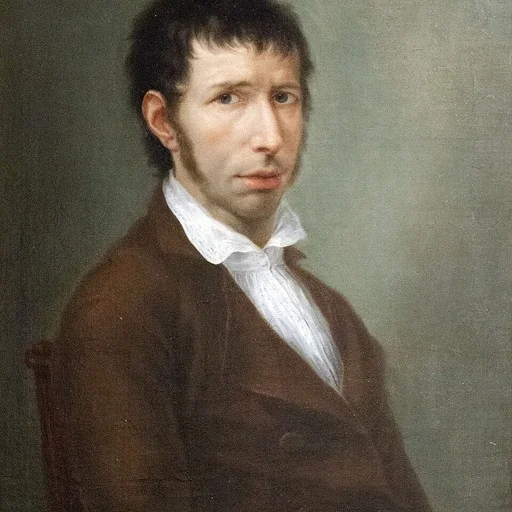
Ramón Bayeu y Subías (2 December 1744, Zaragoza – 1 March 1793, Aranjuez) was a Spanish Neoclassicist painter; known primarily for his work in tapestry design.