Artwork
Portrait of a Gentleman
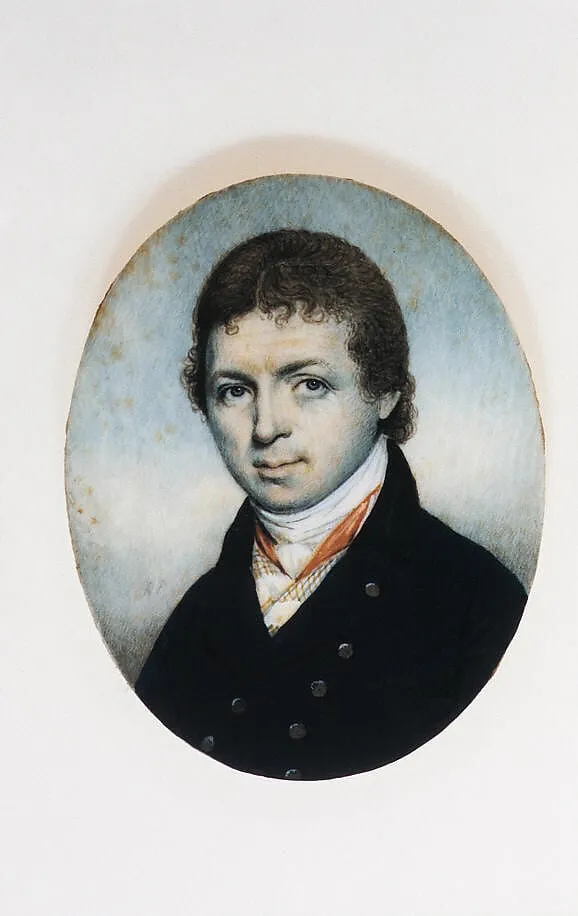
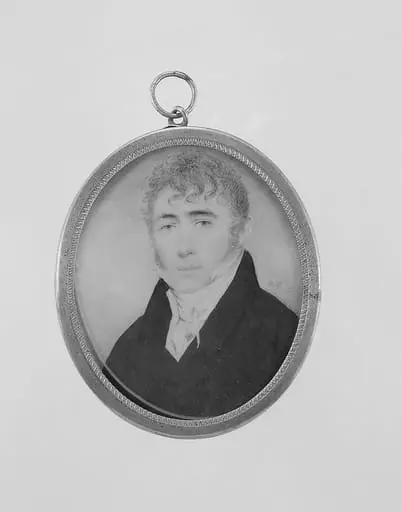
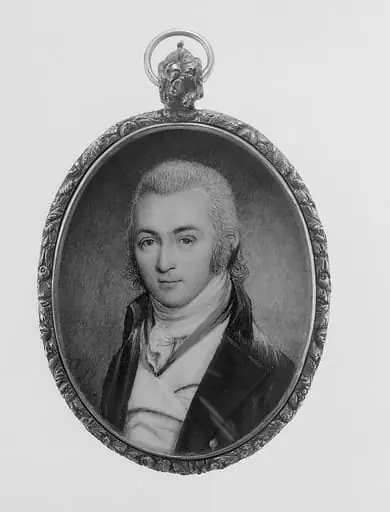
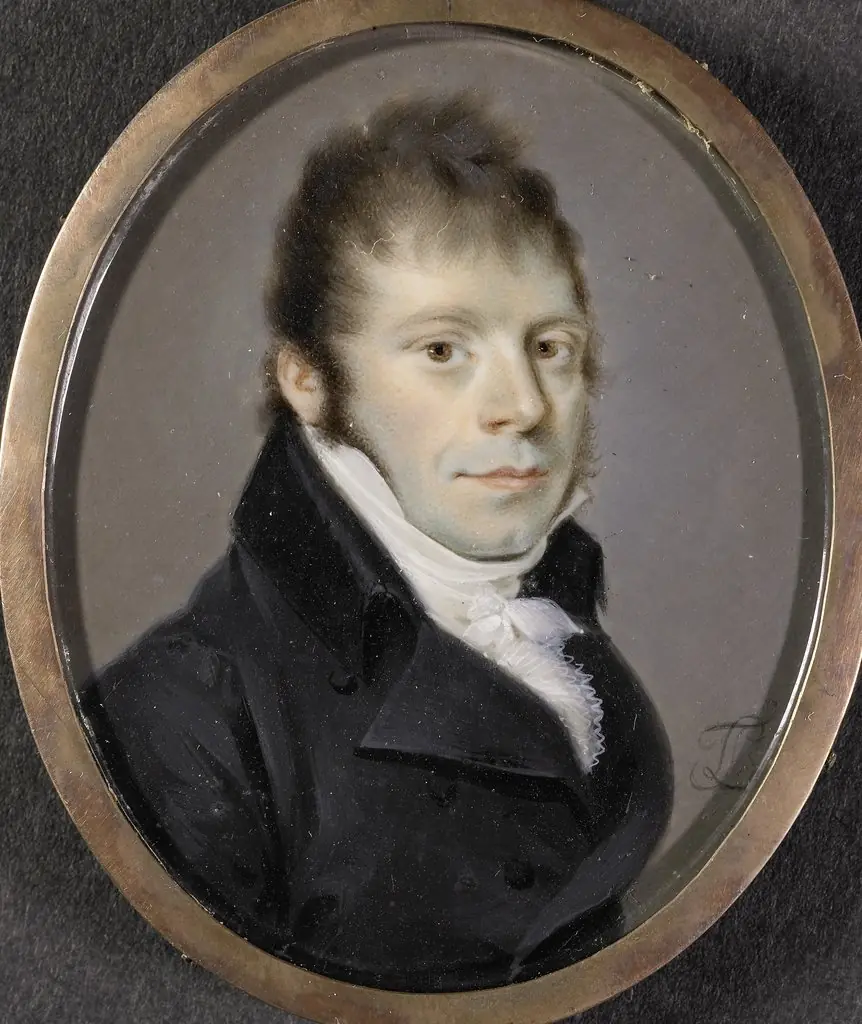
Portrait of a Gentleman is a watercolor painting by the American Folk Art artist Raphaelle Peale. It dates from 1800 and is held in the collection of the Metropolitan Museum of Art.
About this work
Technique & Style
Raphaelle Peale's Portrait of a Gentleman, executed in 1800, is a miniature portrait created using watercolor applied to an ivory support.
Raphaelle Peale's Portrait of a Gentleman, executed in 1800, is a miniature portrait created using watercolor applied to an ivory support. The work measures 7.3 centimeters in height and 5.9 centimeters in width, adhering to the intimate scale typical of the genre. As a watercolor on ivory, the piece relies on the translucent qualities of the pigment to interact with the reflective, smooth surface of the ivory, a medium favored for its ability to render delicate skin tones and fine details.
The painting is currently held in the collection of the Metropolitan Museum of Art within the American Wing.
History & Provenance
Portrait of a Gentleman was created circa 1800 by American miniaturist Raphaelle Peale, executed in watercolor on ivory. The work entered the Metropolitan Museum of Art's collection in 2006 and is catalogued as accession 2006.235.147. No earlier owners or commission details are documented in the available sources.
Context
Portrait of a Gentleman is a watercolor on ivory painted by Raphaelle Peale around 1800. The work is housed in the Metropolitan Museum of Art, listed in the American Wing's collection of early American portraiture. Its classification as a portrait of a man aligns with genre conventions of the period, situating it within the development of United States portrait painting in the early republic.
Overview
Raphaelle Peale's Portrait of a Gentleman, created around 1800, is a miniature watercolor on ivory. This small-scale work, characteristic of American folk art, presents a formally posed man. The sitter, depicted from the chest up, gazes directly forward, his features softly illuminated. Its diminutive size, smaller than a playing card, suggests an intimate purpose beyond a mere likeness.
Subject & Meaning
The artwork presents an unidentified gentleman, formally attired in a dark coat, who looks directly at the viewer. His face is gently illuminated, highlighting his features. This composed and direct gaze was a common convention in portraiture of the late 18th and early 19th centuries, reflecting a desire to convey dignity and presence in the sitter. The miniature format, however, adds a layer of personal connection.
Artist & collection

Artist
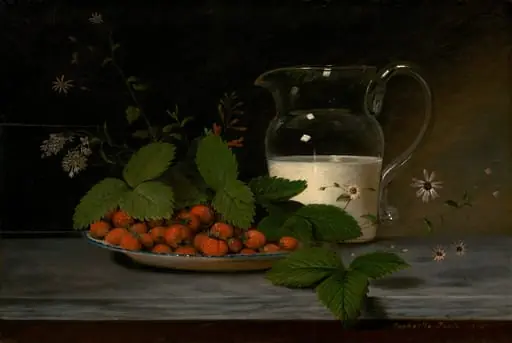
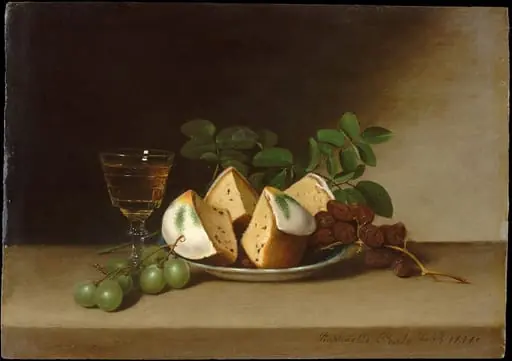
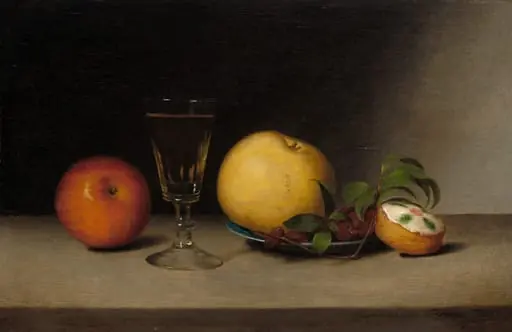
Raphaelle Peale (sometimes spelled Raphael Peale; February 17, 1774 – March 4, 1825) is considered the first professional American painter of still-life.

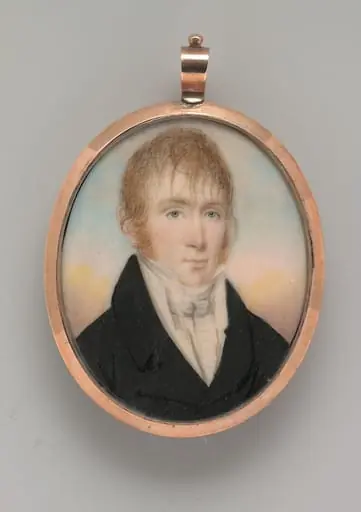
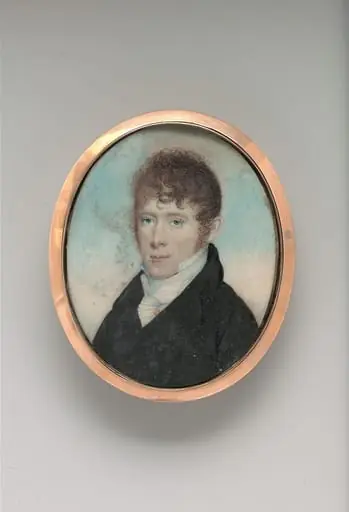
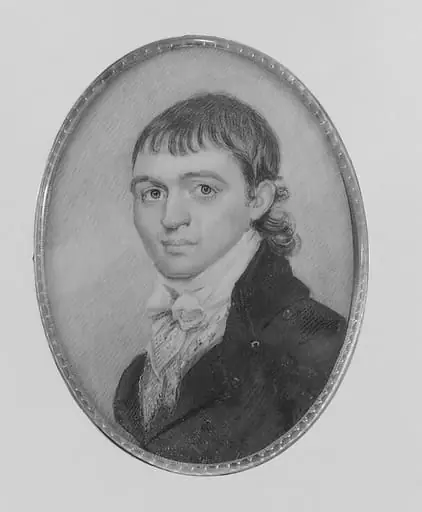
- Portrait of a Gentleman
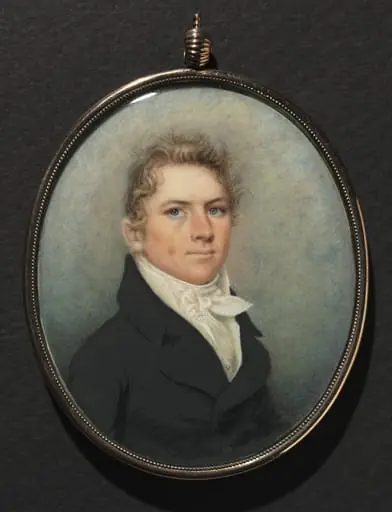 Portrait of a Man
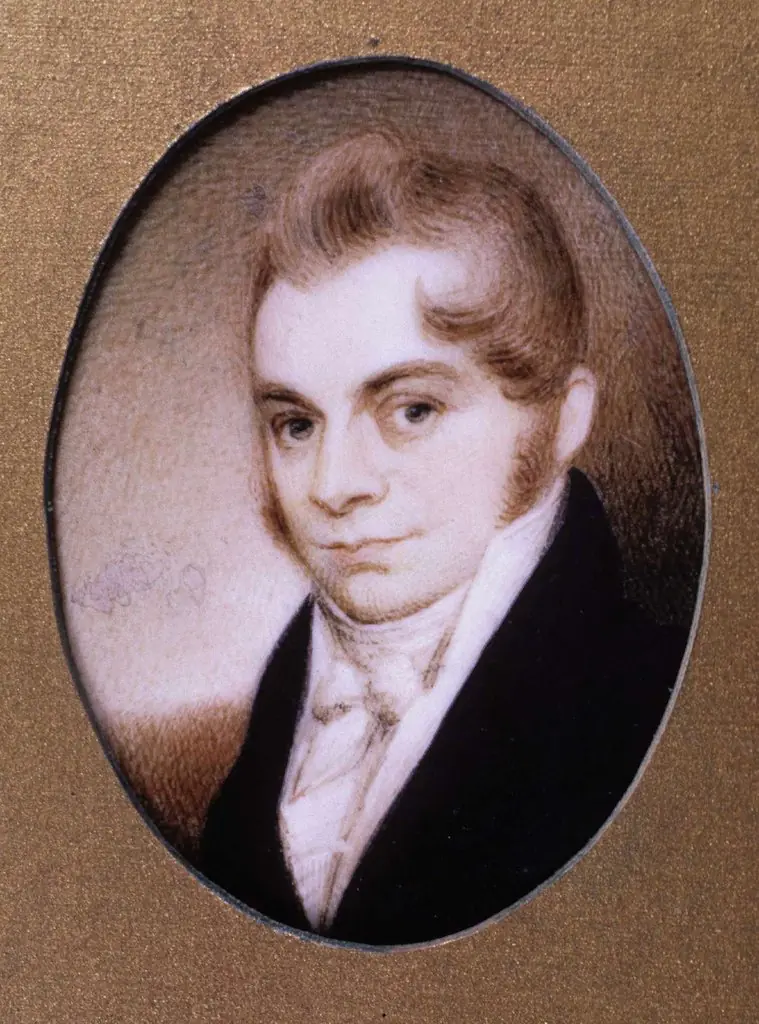 Portrait of the Artist
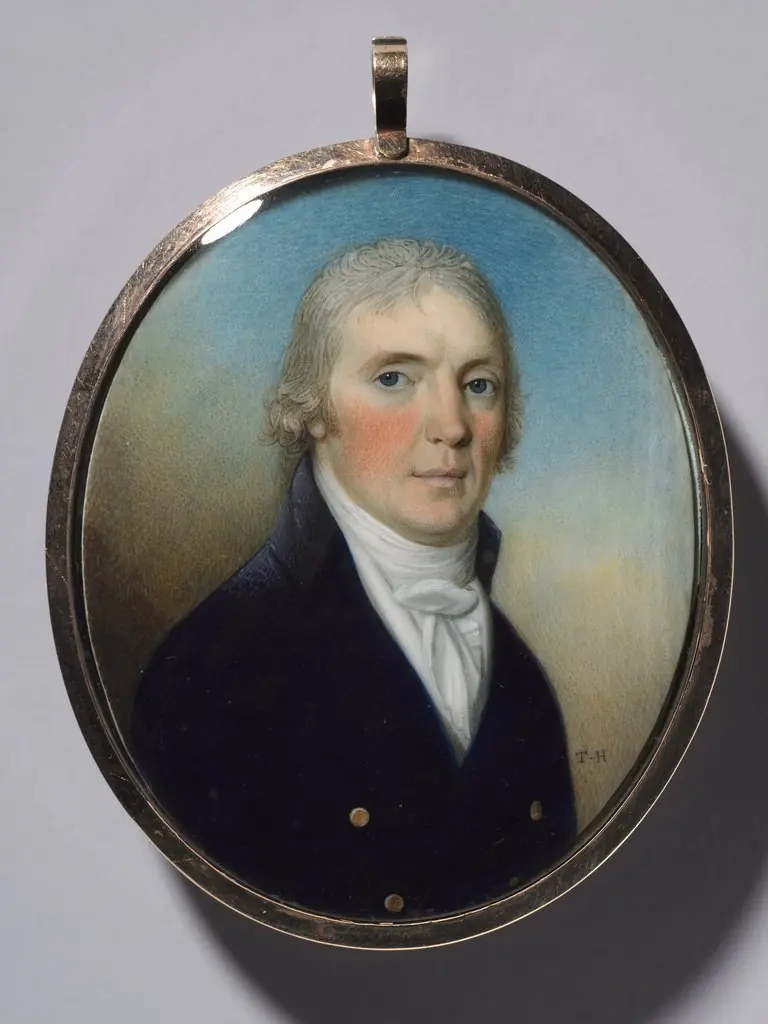 Portrait of a Man
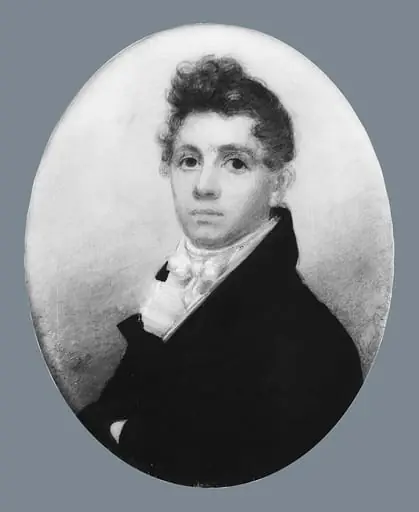 George William Fairfax
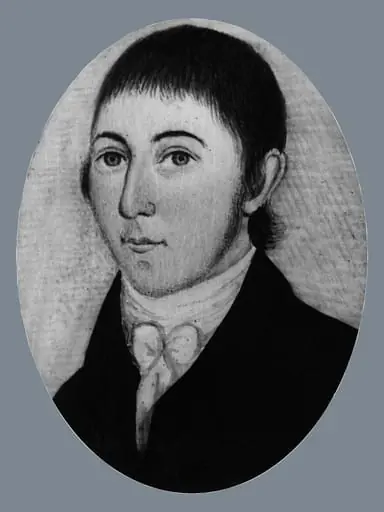 Johannis Van Kouwenhoven
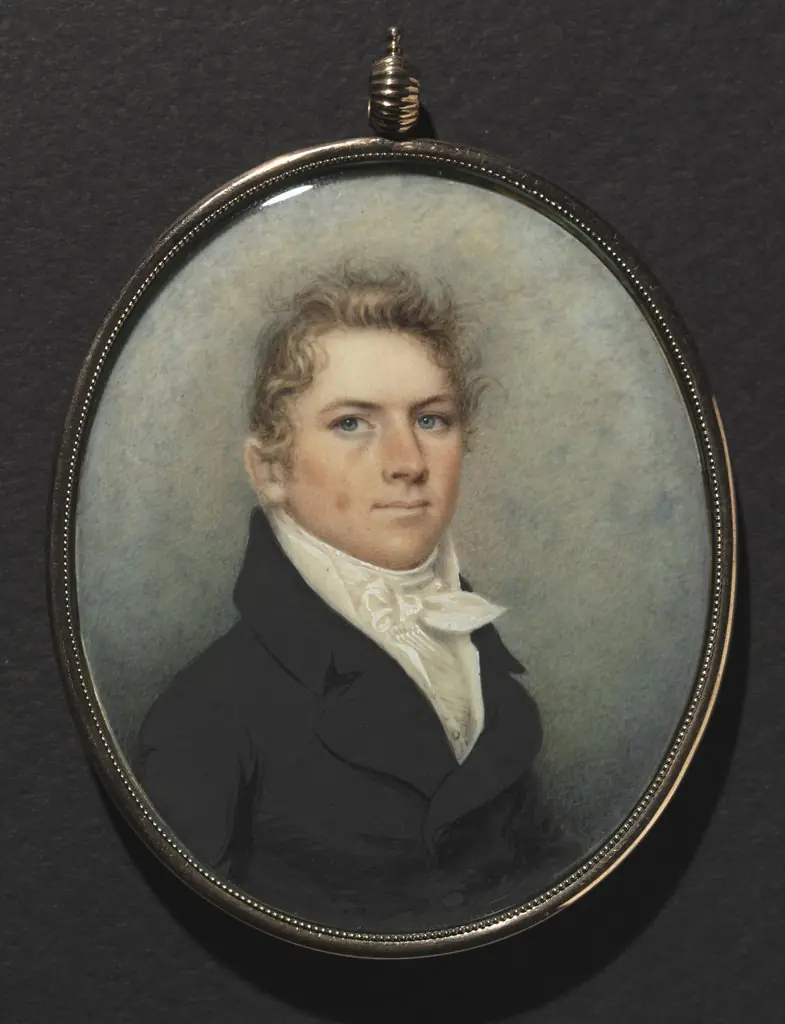 Portrait of a Man
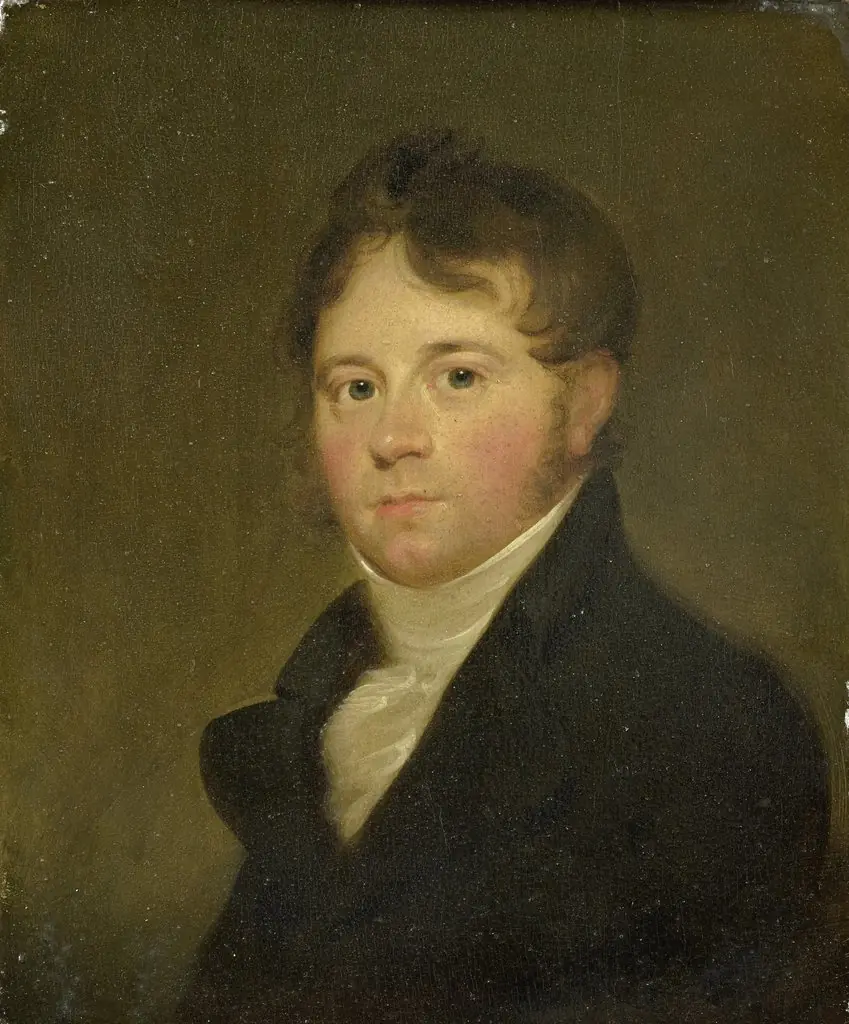 Portrait of Laurens de Witte van Citters, Father of Jhr. J de Witte van Citters (who bequeathed a number of family portraits to the museum)
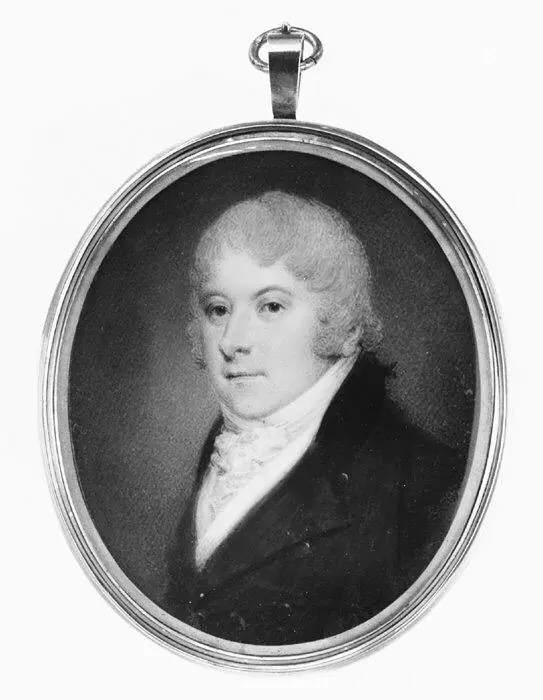 Portrait of a Man
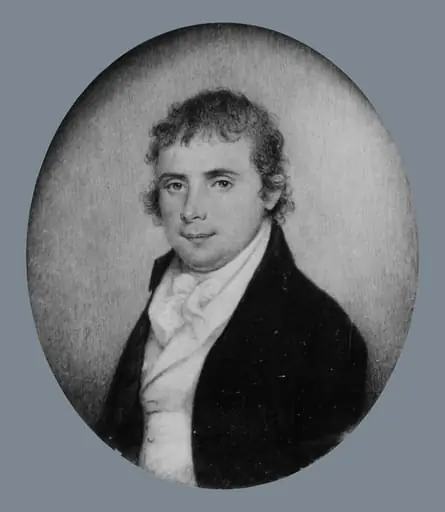 Jonathan Pinkney, Jr.
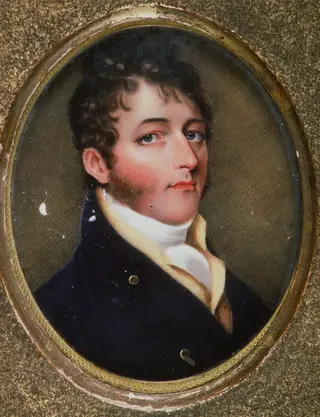 Pryse Pryse, Gogerddan
 Portrait of a man, signed "LT" and marked "JHB"