Artwork
Edgar Allen Poe
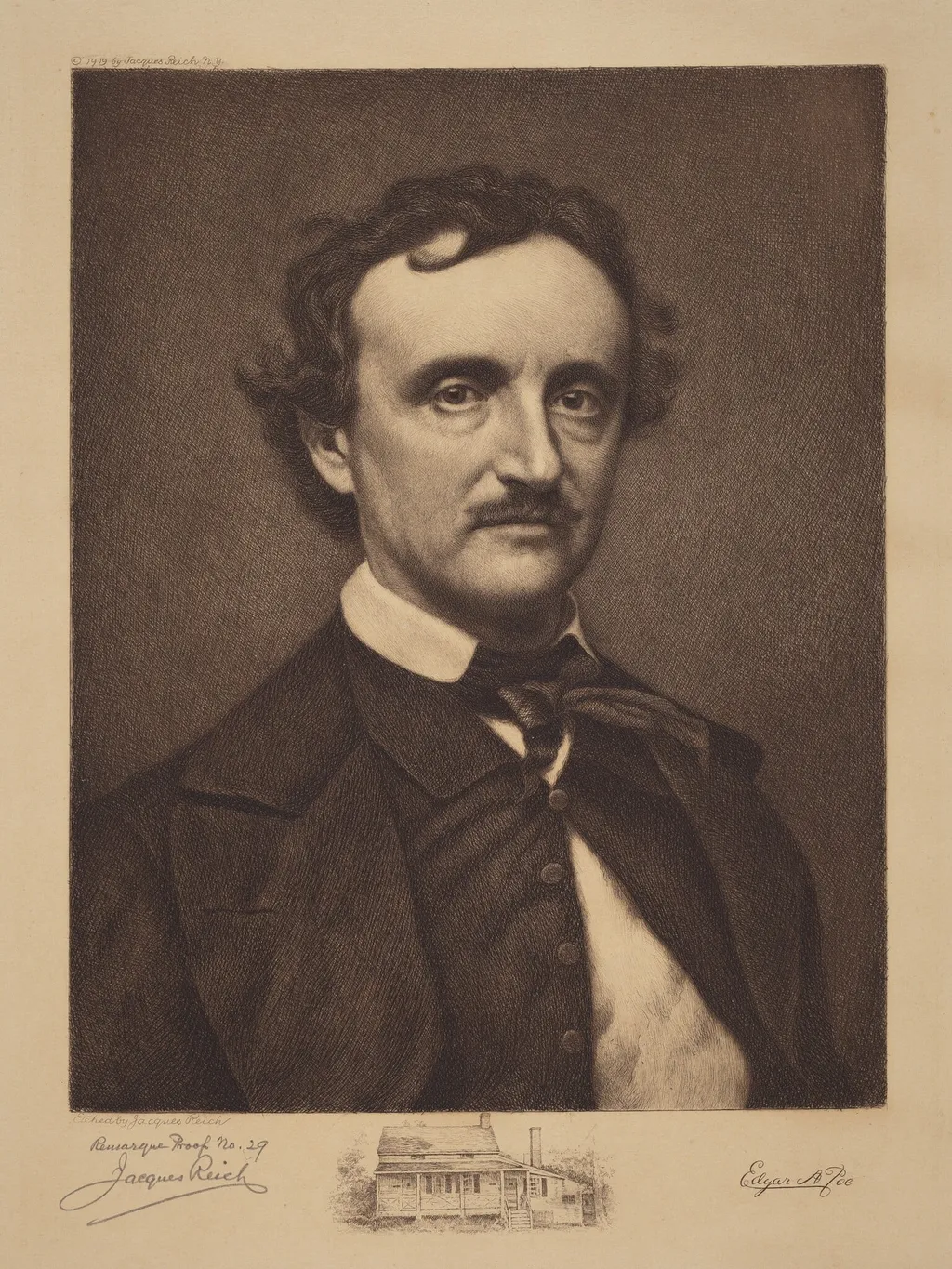
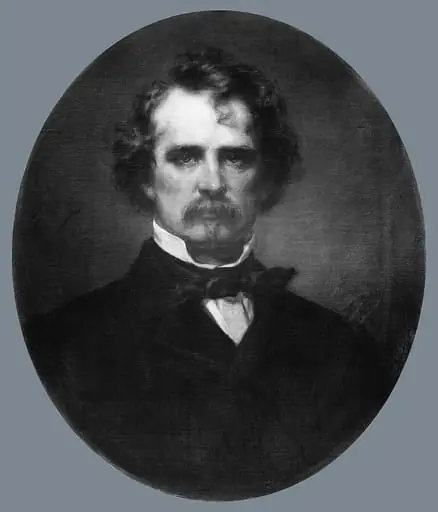
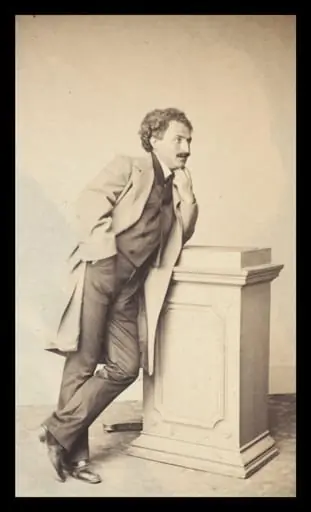
Edgar Allen Poe is an ink print by the Impressionist artist Jacques Reich. It dates from 1888 and is held in the collection of the National Gallery of Art.
About this work
Overview
The composition centers on Poe’s upper torso and face, rendered with fine, controlled lines that emphasize texture and form.
Jacques Reich created this 1888 etching of Edgar Allan Poe as a portrait study in monochrome. The composition centers on Poe’s upper torso and face, rendered with fine, controlled lines that emphasize texture and form. The background is left unadorned, directing attention to the subject’s posture and expression.
A small, signed sketch of a house appears at the lower edge, a subtle personal mark by the artist.
Subject & Meaning
The portrait captures Poe in a moment of quiet introspection, his hand adjusting his collar as if pausing mid-thought. His dark, wavy hair and somber gaze align with contemporary perceptions of him as a brooding literary figure. The absence of narrative elements or symbolic objects reinforces a focus on psychological presence rather than biographical detail, inviting contemplation of his inner world.
Technique & Style
Reich employed etching to achieve fine linear precision, using acid to bite into a metal plate and create intricate tonal gradations. The contrast between deep shadows and delicate highlights defines the fabric of Poe’s suit and the texture of his skin. The technique allows for both sharp definition and subtle gradation, characteristic of 19th-century reproductive prints that sought to convey realism through line alone.
History & Provenance
Created in 1888, the etching was produced during a period of renewed interest in Poe’s literary legacy. Reich, known for his portrait prints, likely based the image on existing photographs or earlier engravings. The work was part of a broader trend in printmaking to disseminate images of cultural figures to a growing middle-class audience, though specific early ownership records remain undocumented.
Context
In the late 19th century, etching experienced a revival among artists seeking to elevate printmaking beyond mere reproduction. Reich’s portrait of Poe reflects this movement, aligning with efforts to honor literary figures through fine art. The image resonated with audiences familiar with Poe’s gothic tales, offering a visual counterpart to his written persona in an era before widespread photographic reproduction.
Legacy
Reich’s etching remains one of the more recognizable graphic portraits of Poe, frequently reproduced in literary anthologies and museum collections. While not the earliest depiction, its clarity and emotional restraint have ensured its continued use as a standard visual reference. It stands as an example of how printmaking preserved the public image of writers during a transitional period in visual culture.
Own this work as a print
Artist & collection


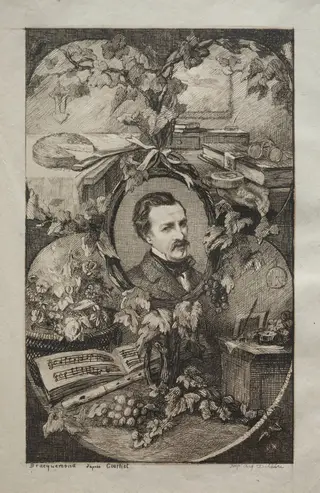 Frontispiece for "New Works of Champfleury, The Friends of Nature:" Portrait of Champfleury, after Gustave Courbet
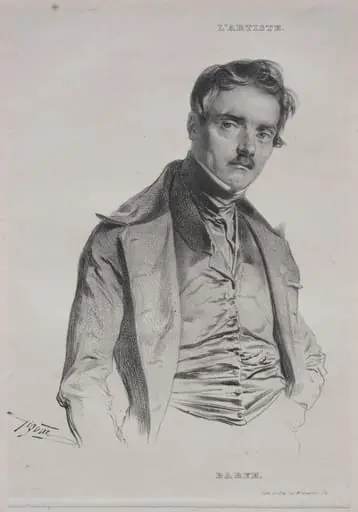 Antoine-Louis Barye
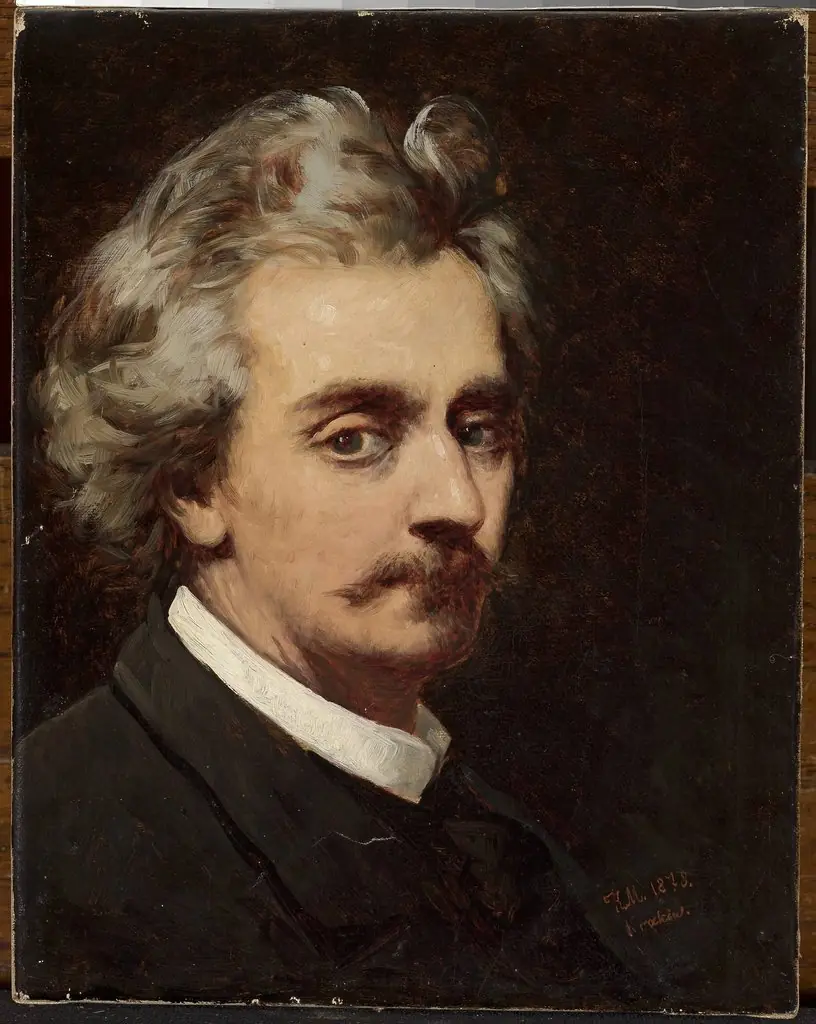 Self-portrait
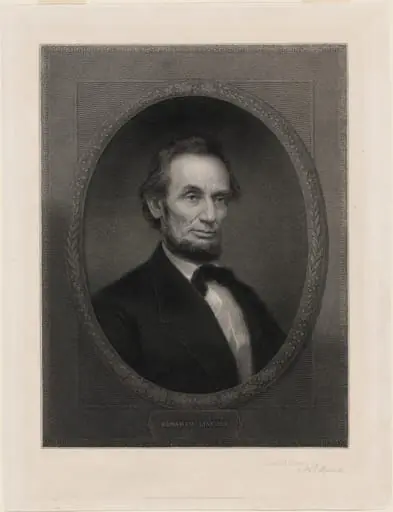 Abraham Lincoln
 James Topham Brady
 Abraham Lincoln
 Portrait of a Young Man
 Hon. Abraham Lincoln, Born in Kentucky, February 12, 1809
 Guy Little Theatrical Photograph