Artwork
現代 任頤 鍾馗像 軸|Zhong Kui
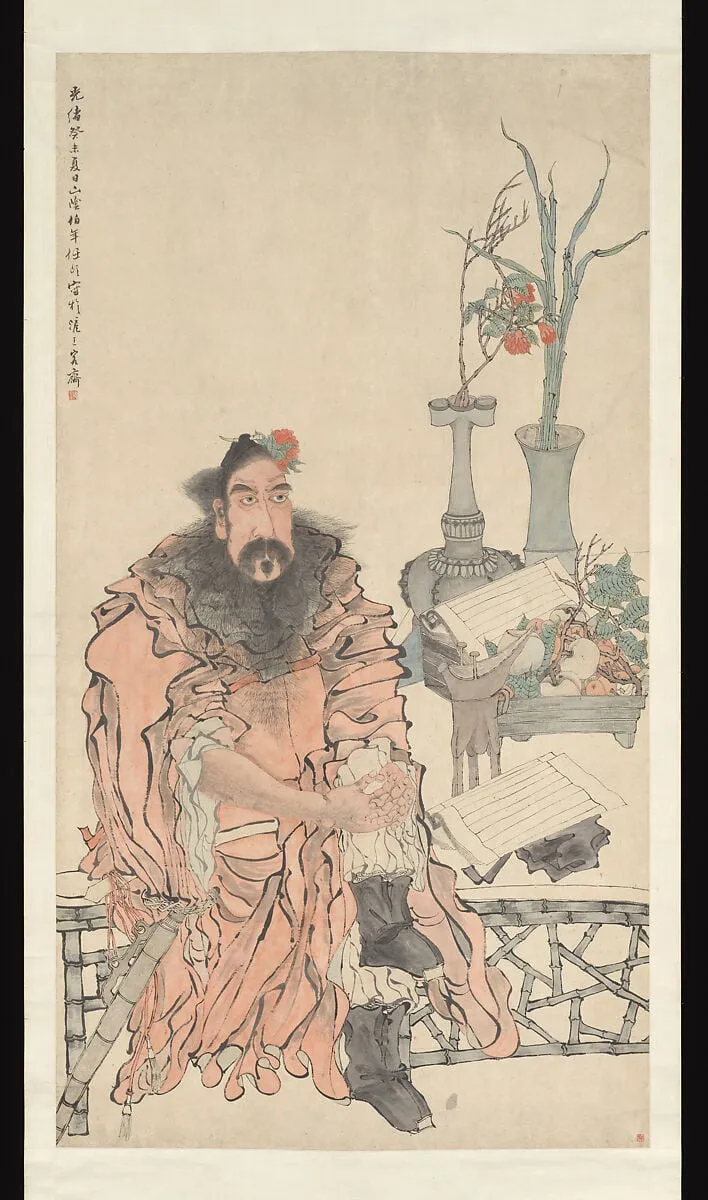
現代 任頤 鍾馗像 軸|Zhong Kui is an ink painting by the Chinese Orthodox School artist Ren Yi. It dates from 1883 and is held in the collection of the Metropolitan Museum of Art.
About this work
Ren Yi painted him in 1883, mixing bold ink lines with soft washes of color, a style that feels both ancient and fresh.
A fierce man with a long beard glares from the scroll, holding a sword. His wild hair and bulging eyes make him look like he’s about to leap off the paper. Bright red seals and calligraphy frame the scene.
This is Zhong Kui, a Chinese folk hero who catches ghosts. Ren Yi painted him in 1883, mixing bold ink lines with soft washes of color, a style that feels both ancient and fresh. The painting was meant to scare away evil spirits during festivals.
If you like this, look up cross-hatching, the way Ren Yi built up shadows with crisscrossed lines.
Subject & Meaning
The hanging scroll painted by Ren Yi in 1883 portrays the folkloric guardian Zhong Kui as a male figure, identified in the title as 鍾馗像. Rendered in ink and color on paper, the work belongs to the religious genre and was produced in China before entering the collection of the Metropolitan Museum of Art. Its subject reflects traditional iconography of Zhong Kui, a deity associated with exorcism and protection, presented here as a distinct man within a devotional context.
Technique & Style
Created in 1883, this work by Ren Yi is executed as a hanging scroll using ink and color on paper. The piece falls within the religious genre, depicting a male figure identified as Zhong Kui. As a painting from late Qing China, the medium reflects traditional Chinese brushwork methods applied to a paper support. The artwork is currently held in the collection of the Metropolitan Museum of Art.
History & Provenance
The painting was created in 1883 by Ren Yi, also known as Ren Bonian, as a hanging scroll executed in ink and color on paper. The work depicts Zhong Kui, a figure from Chinese religious tradition, and was produced in China. It is now part of the collection of the Metropolitan Museum of Art, where it is held and made accessible to the public.
No additional details regarding the circumstances of its commission, intermediate ownership, or chain of custody prior to its acquisition by the Metropolitan Museum of Art are documented in the available sources.
The painting is held in the collection of the Metropolitan Museum of Art, as recorded in its Wikidata entry. No specific inventory or accession number is provided in the available sources.
No exhibition history is documented in the sources reviewed.
Overview
Ren Yi’s hanging scroll, created in 1883, presents a vivid portrayal of Zhong Kui, the mythic exorcist of Chinese folklore. Executed in ink and color on paper, the work measures a traditional vertical format and remains a notable example of late‑Qing religious painting.
Context
Zhong Kui occupies a prominent place in Chinese popular religion, often invoked in rituals aimed at cleansing spaces of ghosts and demons. Paintings of this deity were commonly displayed in temples and homes, reflecting a syncretic blend of Taoist, Buddhist, and folk beliefs prevalent in the era.
Artist & collection


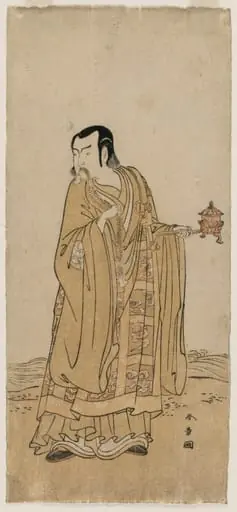 Ichimura Uzaemon IX as Shingen in “A String of Prayer Beads Shaken at a Ribbon of Waterfall”
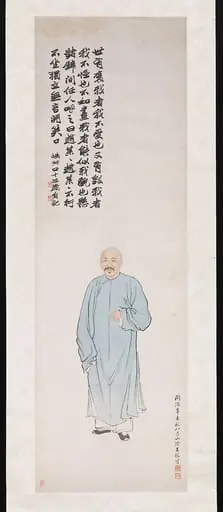 清 王緣 趙之謙肖像 軸|Portrait of Zhao Zhiqian
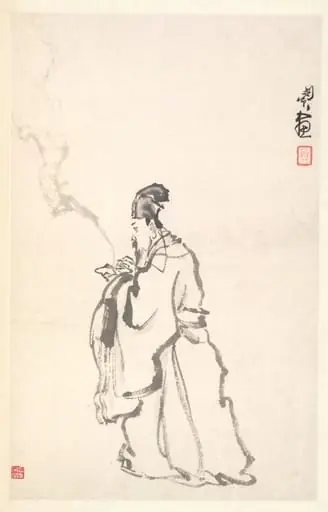 Su Dongpo
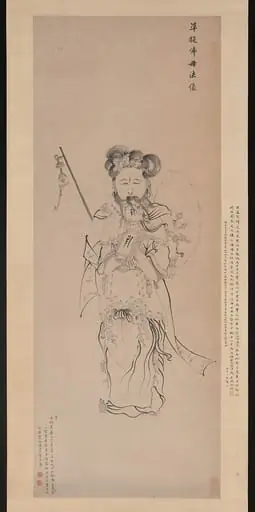 明 陳洪綬 準提佛母法像圖 軸|Bodhisattva Guanyin in the Form of the Buddha Mother
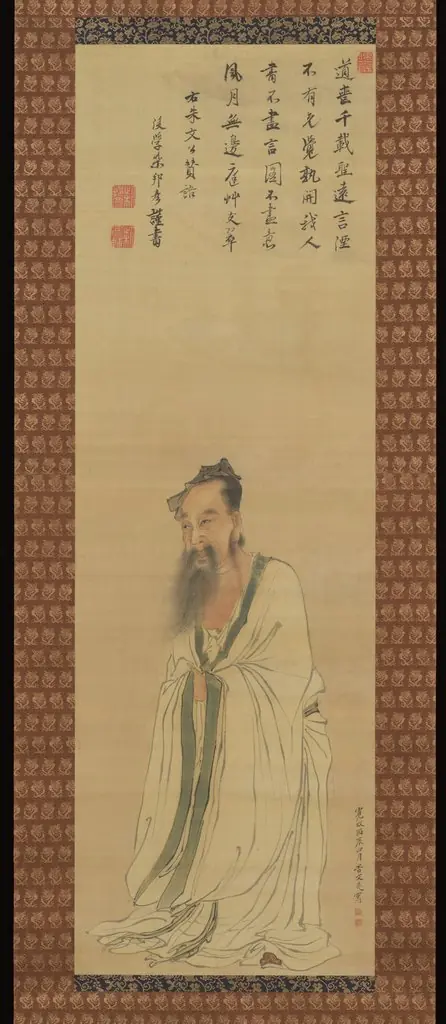 Portrait of Zhu Xi 朱熹像 (Shuki zō)
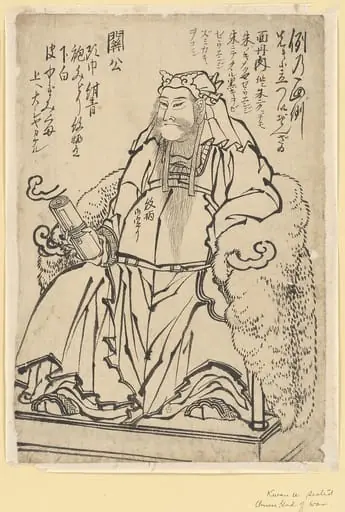 Untitled
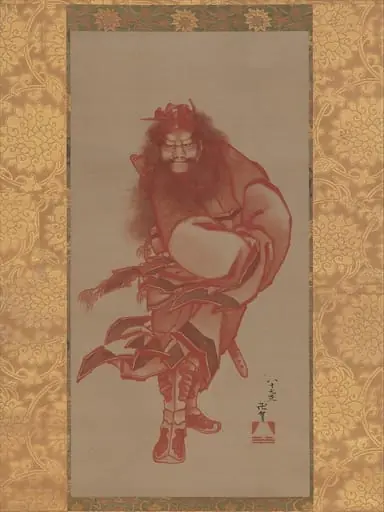 Untitled
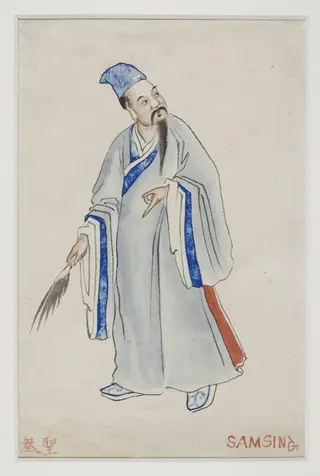 Figure
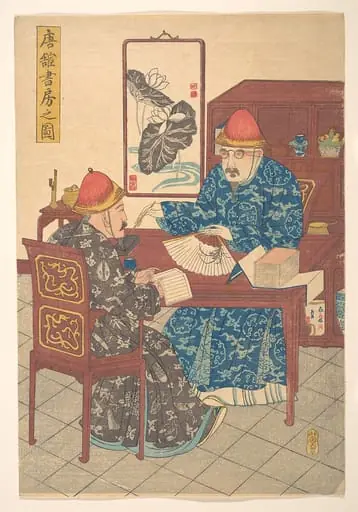 Kara kan shōbu no zu|Two Chinese Scholars Practicing Calligraphy in Their Studio