Artwork
Champs de Mars, the Red Tower
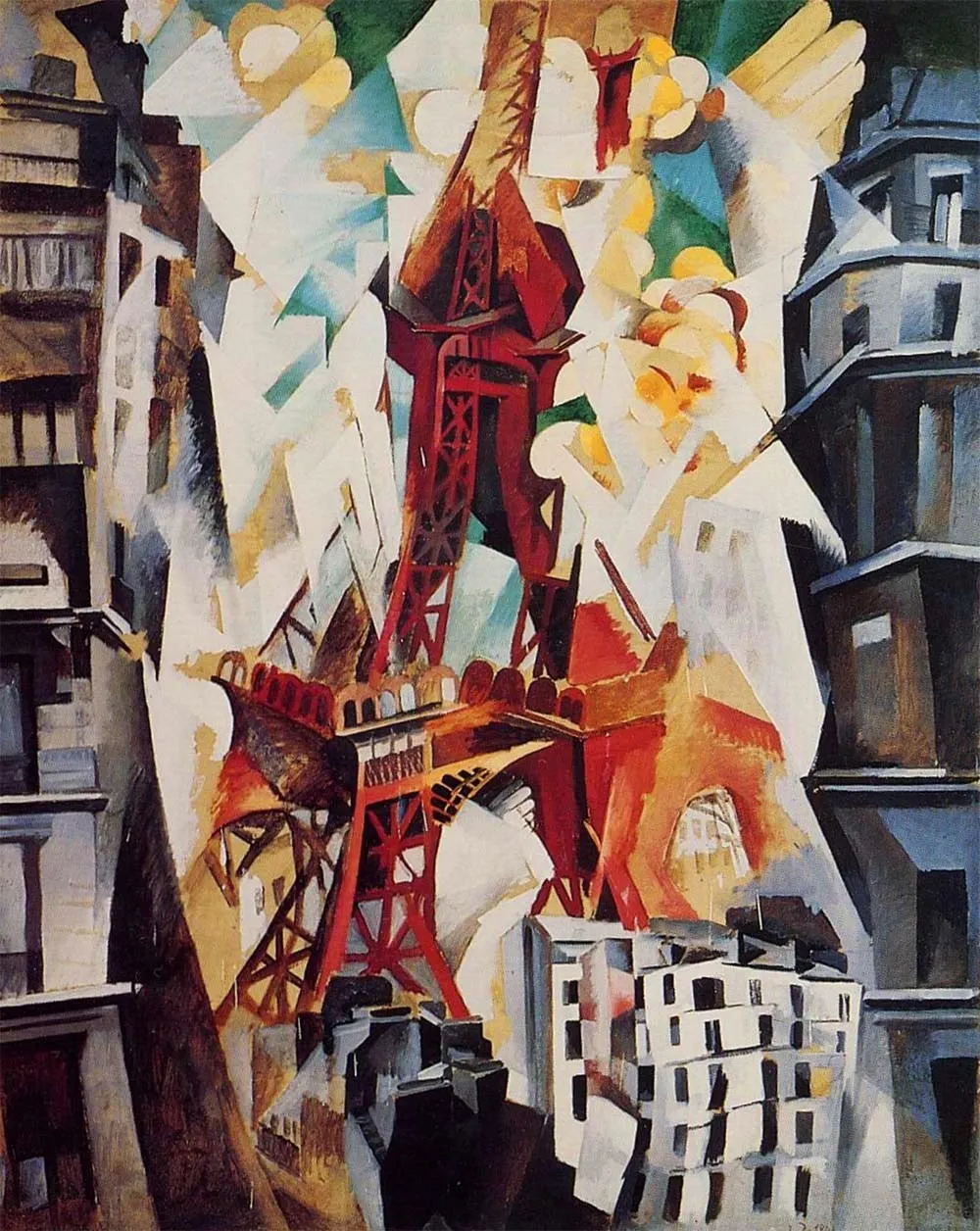
Champs de Mars, the Red Tower is an oil painting by Robert Delaunay. It dates from 1911 and is held in the collection of the Art Institute of Chicago.
About this work
The artist used oil paint to create this work, and it's now held at the Art Institute of Chicago.
This painting is called Champs de Mars, the Red Tower. It was created by Robert Delaunay in 1911. The artist used oil paint to create this work, and it's now held at the Art Institute of Chicago.
Robert Delaunay was a French painter, and this painting shows his unique style. He was experimenting with different ways to depict reality. You can learn more about similar works by looking up the Art Institute of Chicago.
Overview
Champs de Mars, the Red Tower is an oil on canvas painting by the French artist Robert Delaunay, completed in 1911. Measuring 160.7 by 128.6 centimeters, the work depicts an abstracted view of the Eiffel Tower and is now held in the collection of the Art Institute of Chicago. The painting stands as a pivotal work in Delaunay's development of orphism, a style he pioneered that emphasized fragmentation, dynamic color planes, and the subordination of figurative elements to formal composition. It belongs to an extensive series of more than fifty paintings featuring the Eiffel Tower that Delaunay produced between 1909 and the end of his life, through which scholars can trace his rapid evolution from impressionism toward radical abstraction.
Technique & Style
The painting is executed in oil on canvas. Delaunay's technique features visible, relatively flat brushwork with distinct planes of color abutting one another, sharp edges, and faceted, abstracted forms. The composition creates shallow, layered space without traditional perspective, breaking the cityscape into overlapping geometric shapes. Elements of impressionism persist in the handling of light and color, but these are increasingly subordinated to cubist-influenced fragmentation and surface composition. The palette is dominated by the red of the tower, muted grays and browns of the buildings, and touches of ochre and cream. This work sits at the threshold of Delaunay's full embrace of orphism, the style he launched that made defragmentation and plane composition central while rendering the figurative subordinate.
History & Provenance
Delaunay painted Champs de Mars, the Red Tower in 1911, during a period of extraordinarily rapid stylistic development. Only a few years earlier he had still been working in a neo-impressionist manner, but under the influence of cubism and the German expressionist group Der Blaue Reiter, with which he exhibited in Munich in 1911, his work advanced quickly toward abstraction. He first exhibited the painting in 1912, at which time critics found it unfinished. Photographic comparison between the 1912 state of the work and its appearance when he exhibited it again in 1923 reveals that Delaunay extensively revised it, altering details as well as overall composition. The painting is now in the collection of the Art Institute of Chicago. The Brazilian modernist painter Tarsila do Amaral was among its owners before its acquisition by the museum.
Context
Delaunay's turn toward the Eiffel Tower as subject emerged within the broader ferment of early twentieth-century modernism, when Western art underwent rapid transformation from impressionist and symbolist roots toward abstraction. His participation in the 1911 Munich exhibition with Der Blaue Reiter placed him in dialogue with key avant-garde currents across Europe. The Eiffel Tower series became the primary vehicle through which scholars trace his development as a modernist. Delaunay himself later characterized this early modernist period as his destructive phase, referring to his analytical breaking apart of objects and their reconstruction through contrasting aspects on the canvas. While the 1911 painting retains clearly figurative characteristics, he soon produced works in which the subject became barely recognizable. The painting thus documents a crucial moment of transition, when cubist fragmentation and the color theories that would define orphism were being synthesized into a distinctive personal language.
Legacy
Champs de Mars, the Red Tower occupies a significant place in art history as one of the most accessible and widely studied works from Delaunay's Eiffel Tower series, offering clear evidence of orphism's emergence from cubist and impressionist antecedents. The painting's continued residence in a major public collection and its reproduction in standard art historical literature have sustained its prominence as an exemplar of early European abstraction. Its influence extends through the broader impact of orphism on subsequent developments in abstract art, particularly in its demonstration that modern urban subjects could serve as vehicles for radical formal experimentation while retaining symbolic resonance. The work also illustrates the iterative, revisionary practices of early modernist painters, challenging assumptions about the fixedness of the finished artwork.
Artist & collection

Artist
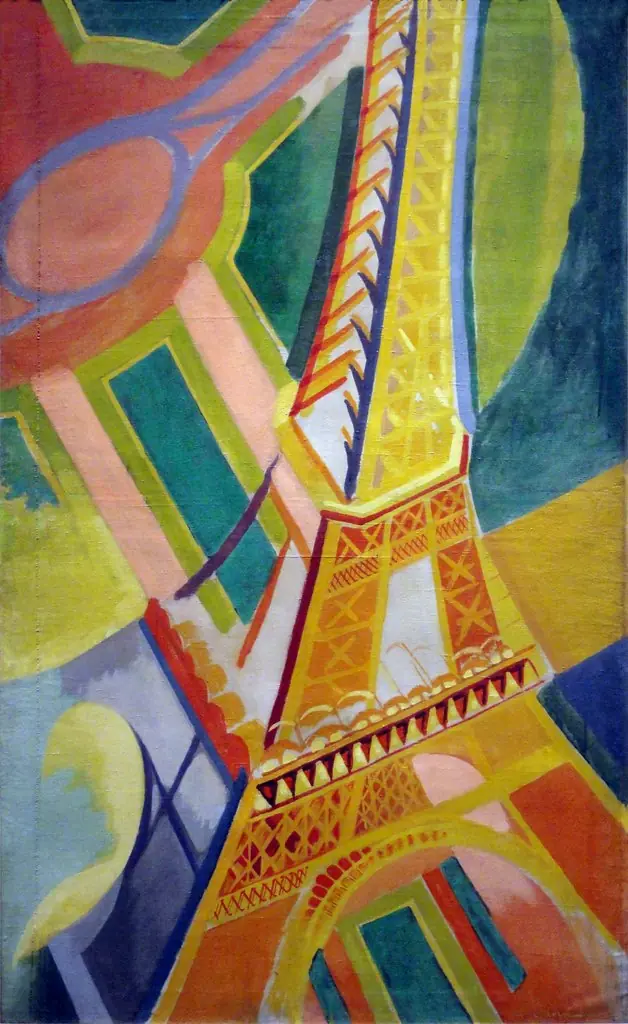
Robert Delaunay was a French artist of the School of Paris movement; who, with his wife Sonia Delaunay and others, co-founded the Orphism art movement, noted for its use of strong colours and geometric shapes.