Artwork
Wilhelmina Carolina (Carolina; 1743-87), prinses van Oranje-Nassau, dochter van Willem IV en zuster van Willem V, als kind
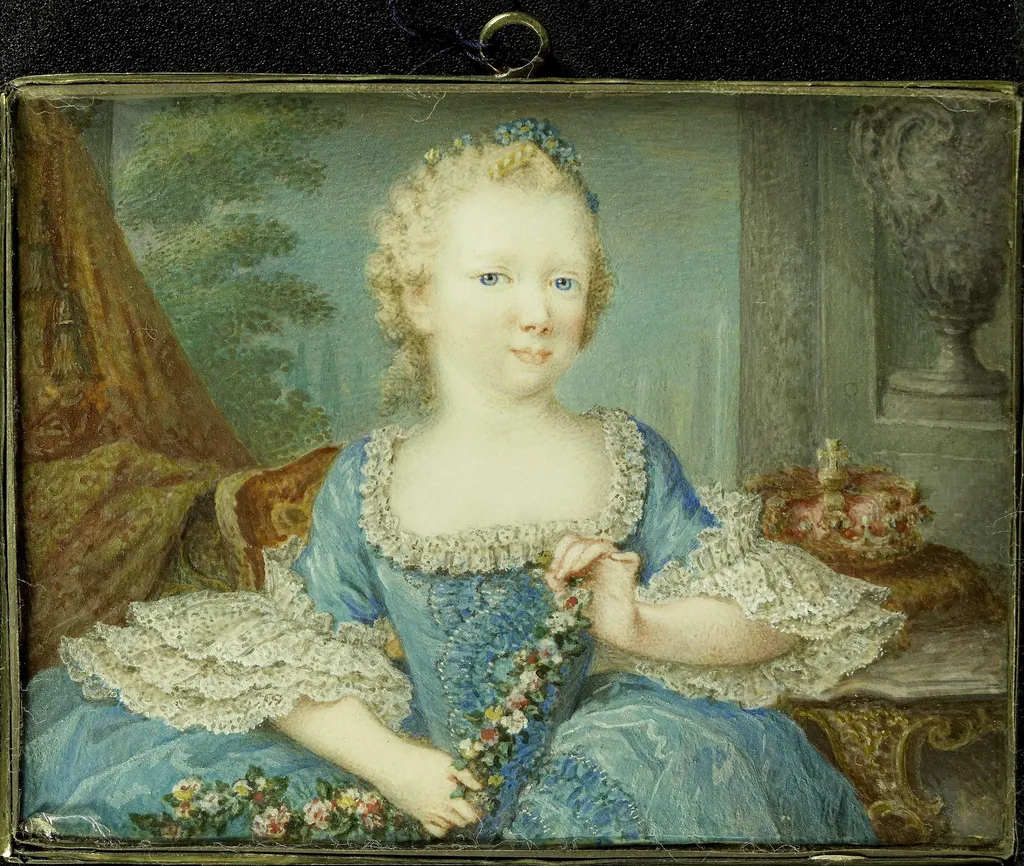
Wilhelmina Carolina (Carolina; 1743-87), prinses van Oranje-Nassau, dochter van Willem IV en zuster van Willem V, als kind is an unspecified painting by the Rococo painting artist Robert Mussard. It dates from 1749 and is held in the collection of the Rijksmuseum.
About this work
Subject & Meaning
This portrait functions as a symbolic record of dynastic continuity within the House of Orange-Nassau.
Wilhelmina Carolina, daughter of William IV and sister of William V, is portrayed as a child in a miniature painting on cardboard created by Robert Mussard in 1749. The work belongs to the miniature genre and is part of the Rijksmuseum's collection, reflecting the subject's status within the Dutch royal family through formal yet intimate representation typical of 18th-century court portraiture.
The iconography emphasizes her position as a royal offspring through conventional dress and composition, while the small scale of the cardboard medium underscores both technical ingenuity and the personal nature of the depiction. This portrait functions as a symbolic record of dynastic continuity within the House of Orange-Nassau.
History & Provenance
The painting depicting Wilhelmina Carolina (Carolina; 1743–87) as a child was created by Robert Mussard in 1749. Executed on cardboard, this miniature work measures 5.6 cm in height and 7.5 cm in width. The artwork is currently held in the collection of the Rijksmuseum.
The portrait is held in the Rijksmuseum, Amsterdam, inventoried as SK-C-1359.
It was exhibited at the Rijksmuseum in the 19th-century display of the House of Orange collection, and again in the 2000–2001 presentation "Orange and Europe: The House of Orange and the Arts in the 18th Century."
Overview
Wilhelmina Carolina, Princess of Orange-Nassau, is depicted as a child in this 1749 painting by Robert Mussard, now part of the Rijksmuseum's collection.
Technique & Style
The painting features impasto techniques, evident in the thick, textured brushstrokes on the blue dress and fan, contrasting with softer, brighter colors used for the princess's skin and the light green background.
Context
As a royal portrait of a child, it reflects 18th-century European traditions of depicting youthful nobility, emphasizing status through clothing and serene, introspective poses.
Legacy
While specific influences or direct artistic lineage are not highlighted, the piece contributes to the broader corpus of Dutch royal portraiture from the period, offering a glimpse into aristocratic life.
Own this work as a print
Artist & collection

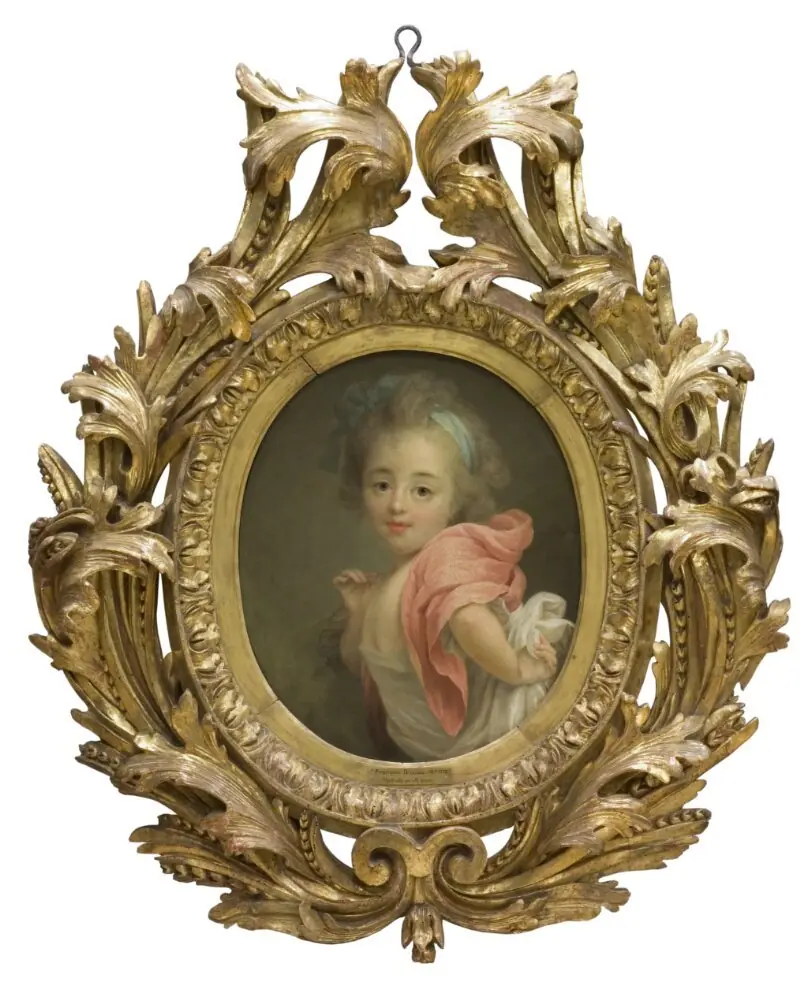 Portrait of a Child
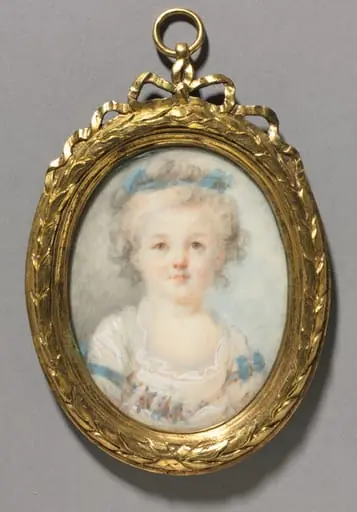 Portrait of a Little Girl
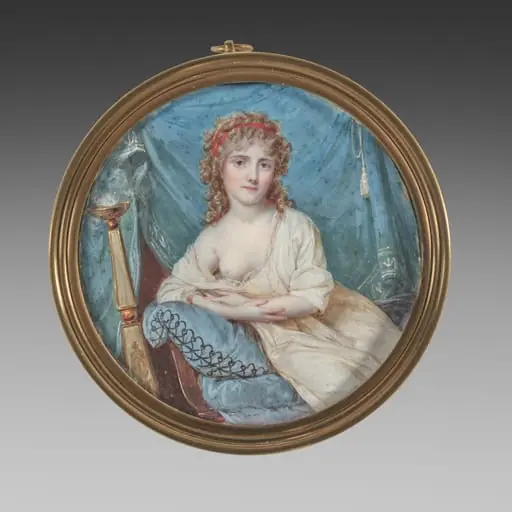 Portrait of a Woman Reclining on a Sofa
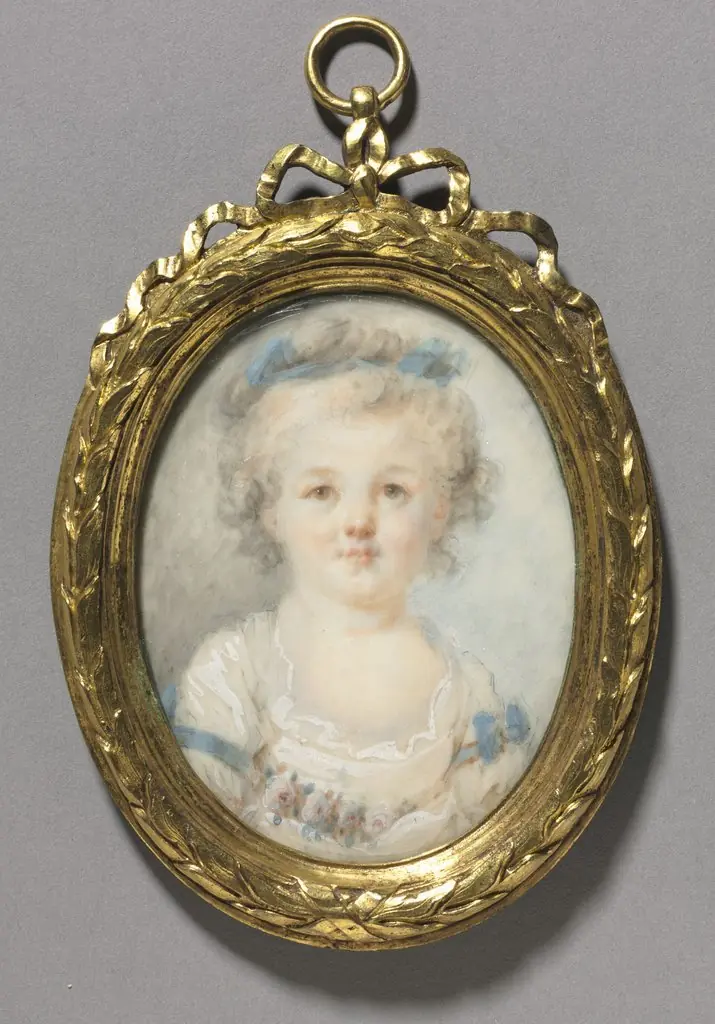 Portrait of a Little Girl
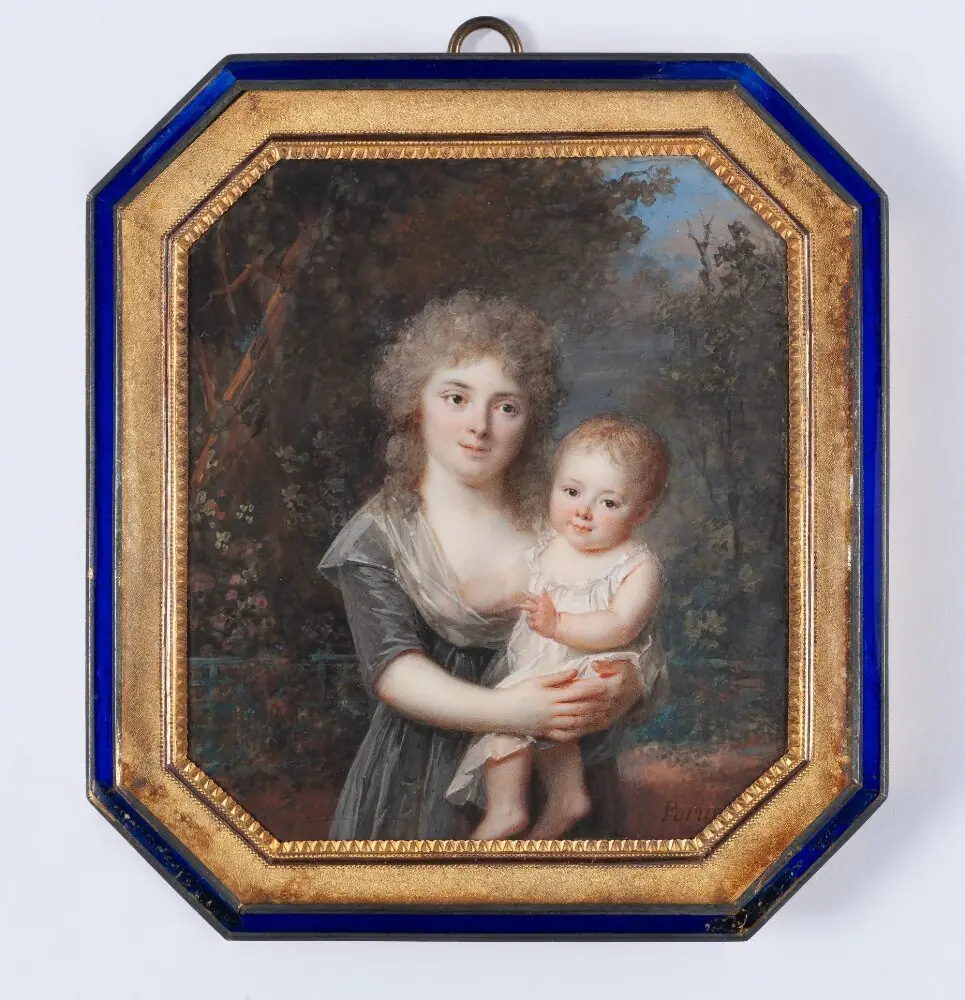 Adélaïde Roslin, née Abraham de Tours (b. 1773) and her Eldest Son Abraham (1794-1870)
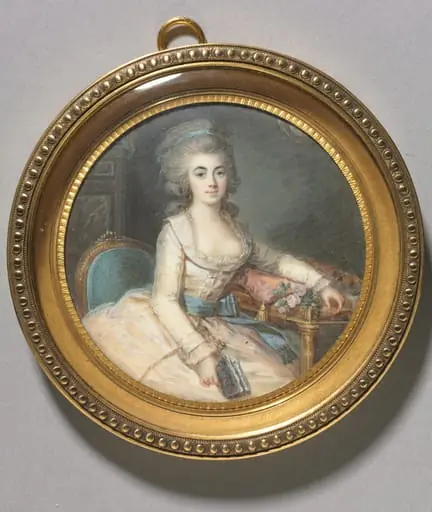 Portrait of a Woman
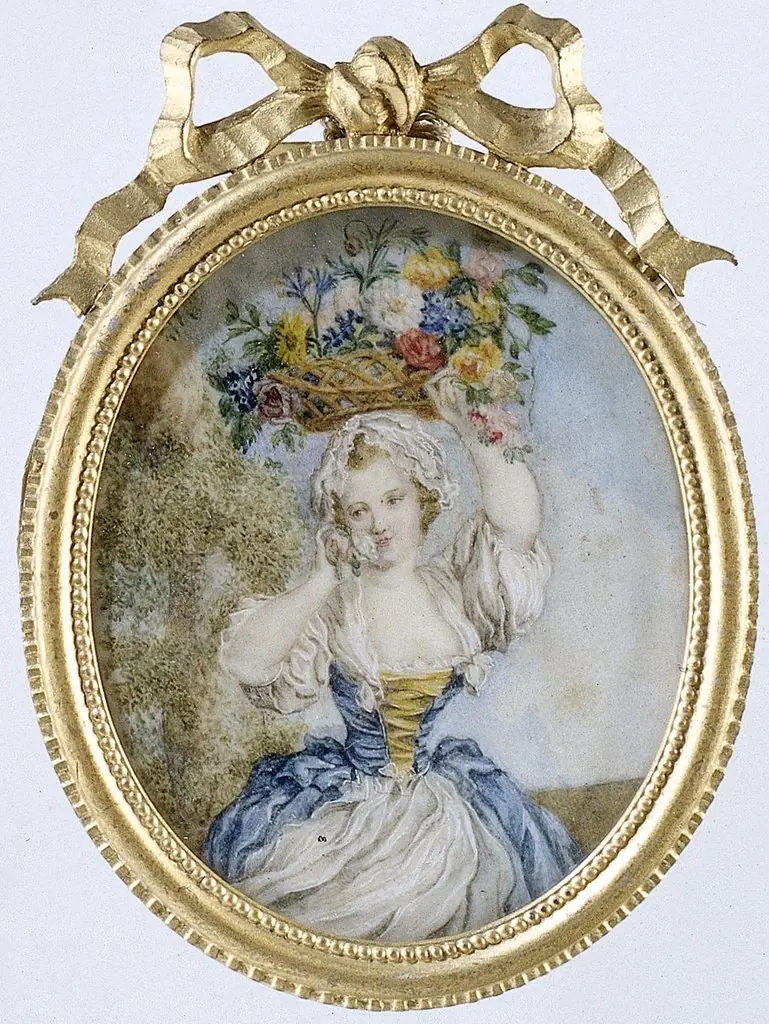 Schilderij met voorstelling van een meisje met bloemenmand
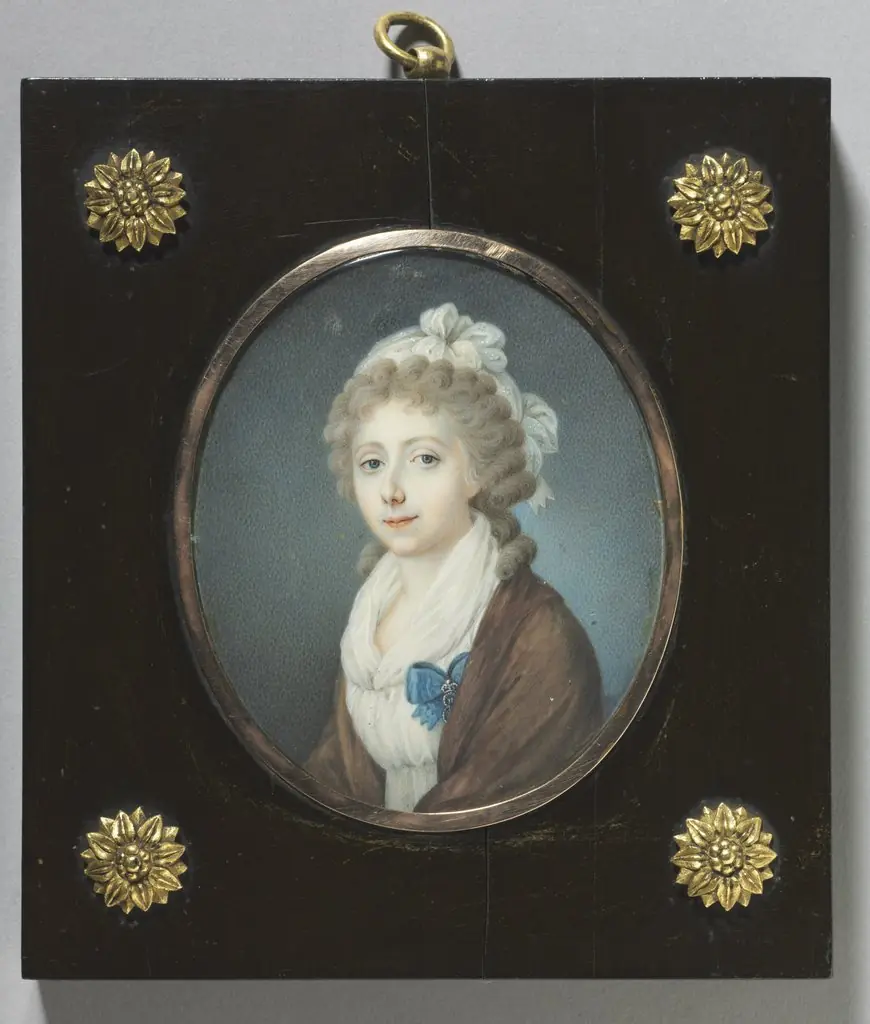 Portrait of a Noblewoman
 Portrait of a Noblewoman
 Portrait of an unknown woman