Artwork
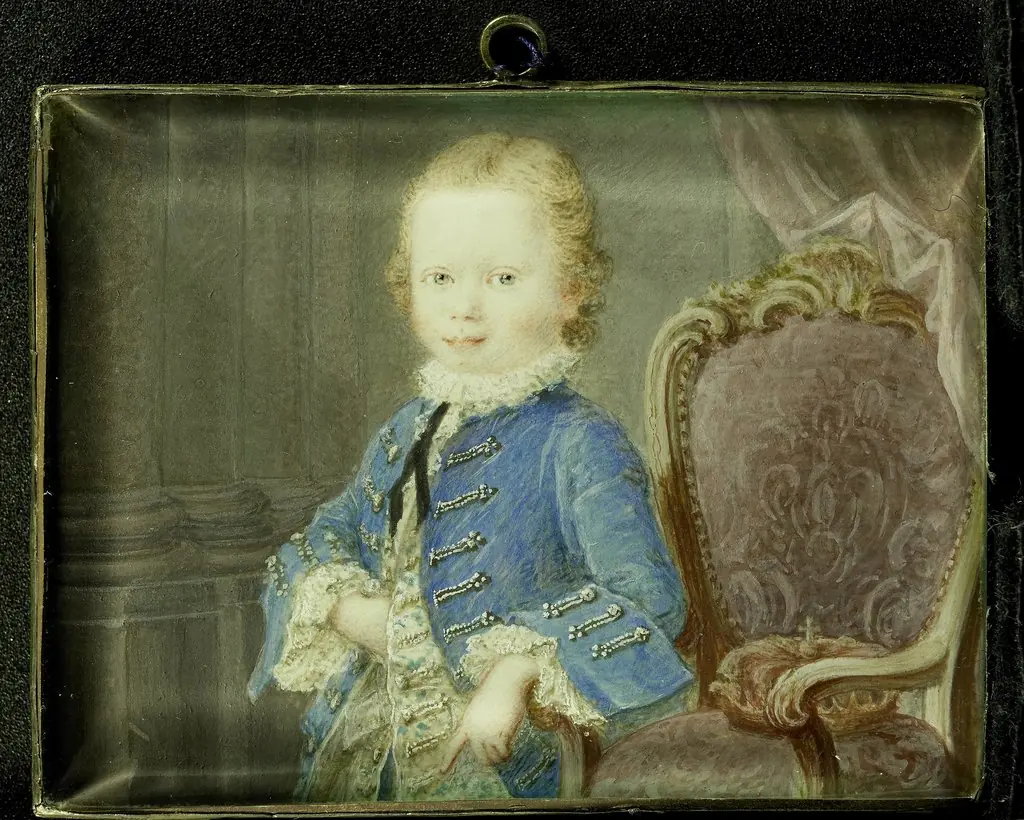
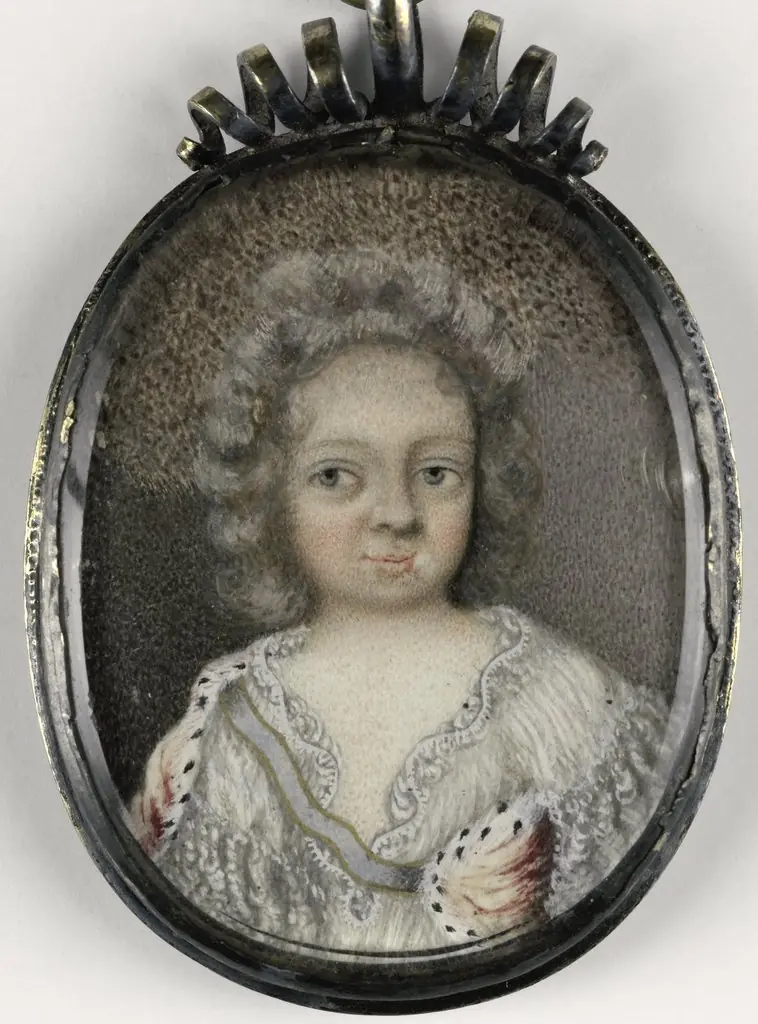
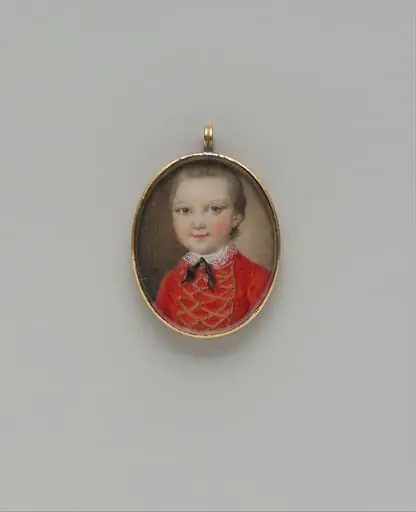
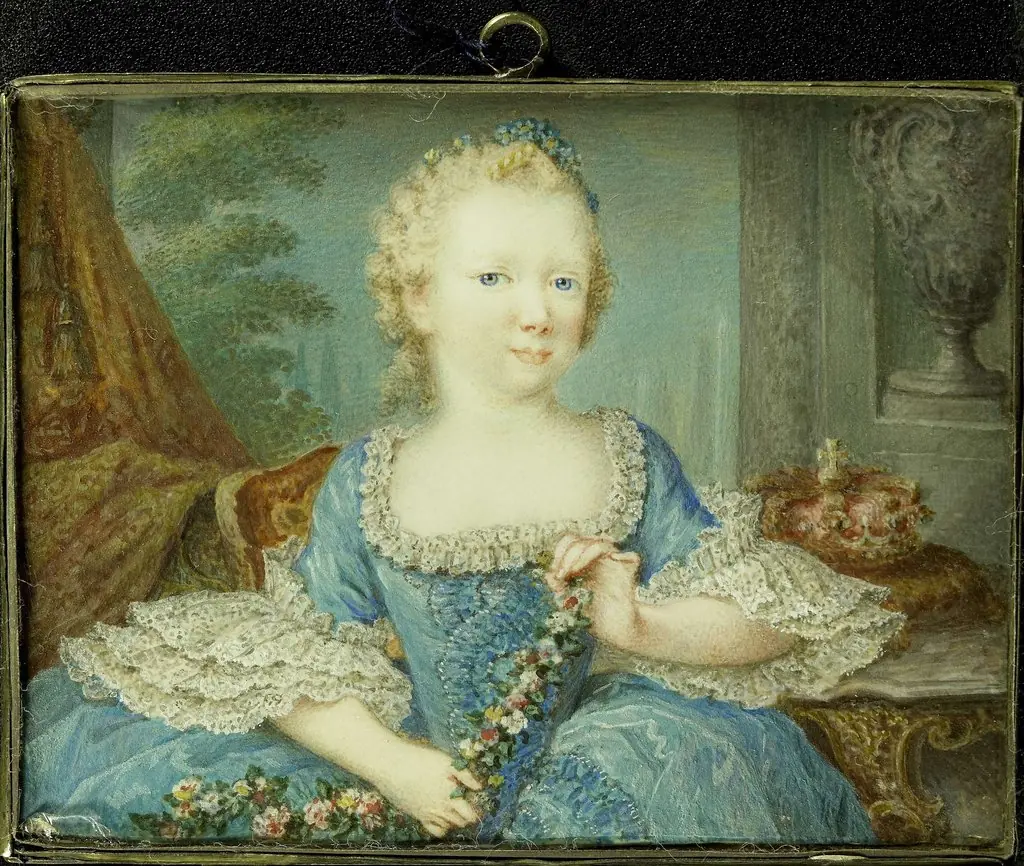
Willem V (1748-1806), prins van Oranje-Nassau, als kind
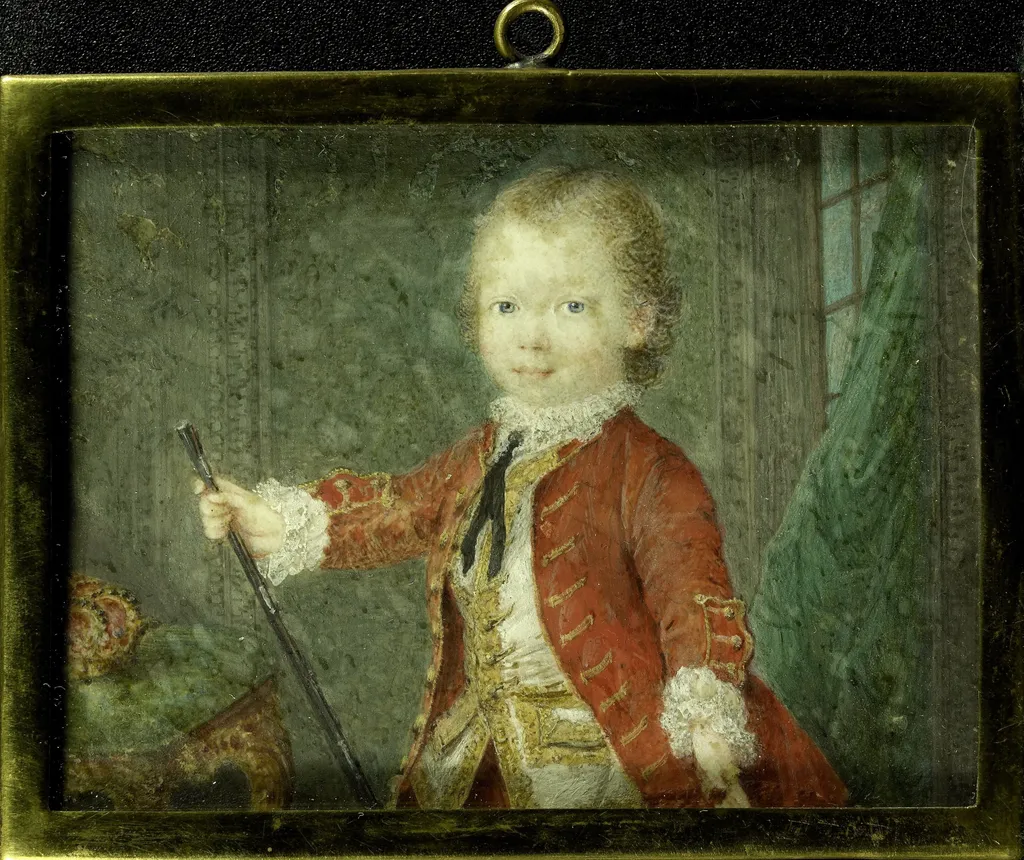
Willem V (1748-1806), prins van Oranje-Nassau, als kind is an unspecified painting by the Rococo painting artist Robert Mussard. It dates from 1751 and is held in the collection of the Rijksmuseum.
About this work
Technique & Style
Created in 1751 by Robert Mussard, this work is classified as a painting executed on a parchment support.
Created in 1751 by Robert Mussard, this work is classified as a painting executed on a parchment support. The piece is formally identified as a miniature, measuring 5.8 cm in height and 7.7 cm in width. This small scale and the use of parchment are characteristic of the miniature genre, suggesting a delicate handling of materials suited for intimate portraiture. The work is currently held in the collection of the Rijksmuseum.
History & Provenance
The portrait was commissioned in 1751, when the sitter was three years old, and painted by Robert Mussard on parchment.
It entered the collection of Willem V, Prince of Orange-Nassau, for whom it was made as a child portrait. After the prince’s death in 1806, the work remained with his descendants until it was transferred to the Rijksmuseum, where it has been held since.
The miniature portrait of Willem V as a child is held in the collection of the Rijksmuseum in Amsterdam. Created by Robert Mussard in 1751 on parchment, the work measures 5.8 cm in height and 7.7 cm in width. The provided sources do not contain specific inventory or accession numbers for this object, nor do they document any exhibition history.
Context
Robert Mussard's 1751 miniature portrait of Willem V, painted when the prince was a child, reflects the Oranje-Nassau family's emphasis on dynastic continuity and youthful legitimacy within Enlightenment-era European court culture. Executed in parchment with dimensions of 5.8 cm by 7.7 cm, the work functions as a formal record of succession rather than an intimate child portrait, consistent with contemporary princely image-making practices across European royal houses. Its preservation in the Rijksmuseum collection situates it within Dutch national heritage narratives that selectively highlight specific aspects of the House of Orange's history, particularly the youthful succession line preceding the American and French periods of upheaval.
The attribution to Mussard, a specialist in royal miniatures, demonstrates the specialization of court portraiture in the mid-18th century, where technical precision served political symbolism more than personal characterization.
Overview
This 1751 painting by Robert Mussard depicts Willem V, Prince of Orange-Nassau, as a child. Executed on parchment, the work is part of the Rijksmuseum's collection.
Subject & Meaning
The subject, Willem V, is portrayed in youthful attire, symbolizing his noble status: a bright red coat with gold buttons, a white cravat, lace cuffs, and a black cane. These elements reflect his princely heritage.
Legacy
While specific impact on art history is not prominently documented, the painting remains a notable example of 18th-century Dutch portraiture and the representation of the Orange-Nassau family.
Own this work as a print
Artist & collection