Artwork
Greeting the Postman
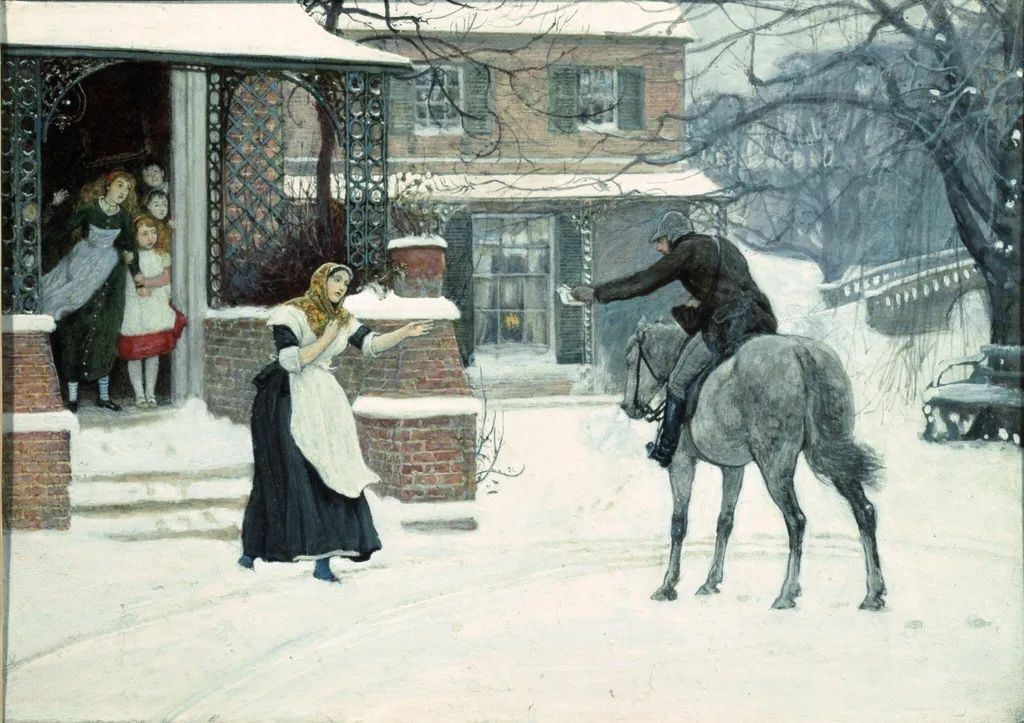
Greeting the Postman is a watercolor work on paper by the Plein Air artist Robert Walker Macbeth. It dates from 1850 and is held in the collection of the Victoria and Albert Museum.
About this work
Overview
Robert Walker Macbeth created this watercolour in the late 19th century, capturing a quiet winter moment outside a rural home.
Robert Walker Macbeth created this watercolour in the late 19th century, capturing a quiet winter moment outside a rural home. The scene centers on a woman receiving a letter from a postman on horseback, framed by snow-covered ground and bare trees. The work was first shown in 1877 and later circulated widely as a postcard after its 1935 auction, reflecting its appeal as a domestic vignette rather than a grand narrative.
Subject & Meaning
The painting portrays the anticipation surrounding mail delivery in a time when letters were primary links to distant family or news. The woman’s pause, the children and man watching from the doorway, and the postman’s lean forward all suggest a moment of suspended expectation. The cold exterior and warm interior light underscore the emotional weight of the letter, symbolizing connection amid isolation.
Technique & Style
Macbeth used delicate watercolour washes to render the snow’s softness and the texture of brick and wood. Subtle tonal shifts define the shadowed porch and the horse’s dark coat against the pale landscape. The figures are rendered with restrained detail, emphasizing mood over individual identity. The composition directs attention to the exchange between woman and rider, framed by the house’s doorway.
History & Provenance
The work was exhibited in 1877 under the title The Morning Post, aligning it with the cultural significance of daily mail. After being sold at Christie’s in 1935, it was reproduced as a picture postcard, broadening its public reach. Its presence in the Victoria and Albert Museum’s collection confirms its recognition as a representative example of Victorian domestic genre painting.
Context
In late Victorian Britain, the postal system had become a vital social infrastructure, especially in rural areas. Mail often carried news of births, deaths, or employment, making its arrival a communal event. Macbeth’s scene reflects this reality, portraying a moment familiar to many households where the arrival of a letter could alter the day’s course.
Legacy
Though not widely known today, the painting’s reproduction as a postcard ensured its visibility in domestic spaces during the early 20th century. Its preservation in a major museum collection underscores its value as a quiet record of everyday life, capturing the emotional rhythm of a pre-digital era where waiting for news was part of daily existence.
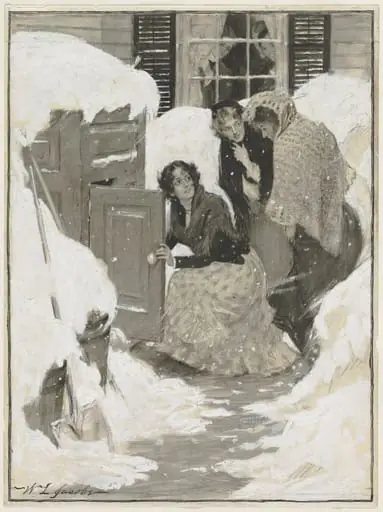
Own this work as a print
Artist & collection
Artist
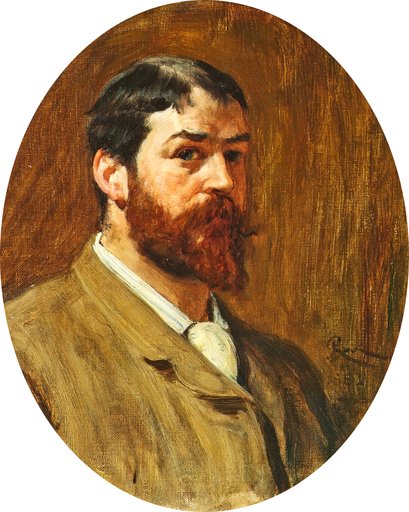
Robert Walker Macbeth was a Scottish painter, etcher and watercolourist. His father was a portrait painter named Norman Macbeth and his niece Ann Macbeth. Two of his five brothers, James Macbeth (1847–1891) and Henry…

- Sketch for a Book Illustration
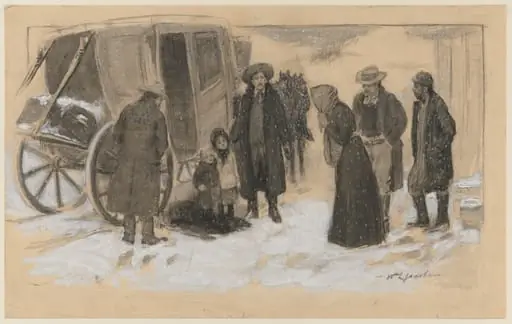 Sketch for "Christmas on the River"
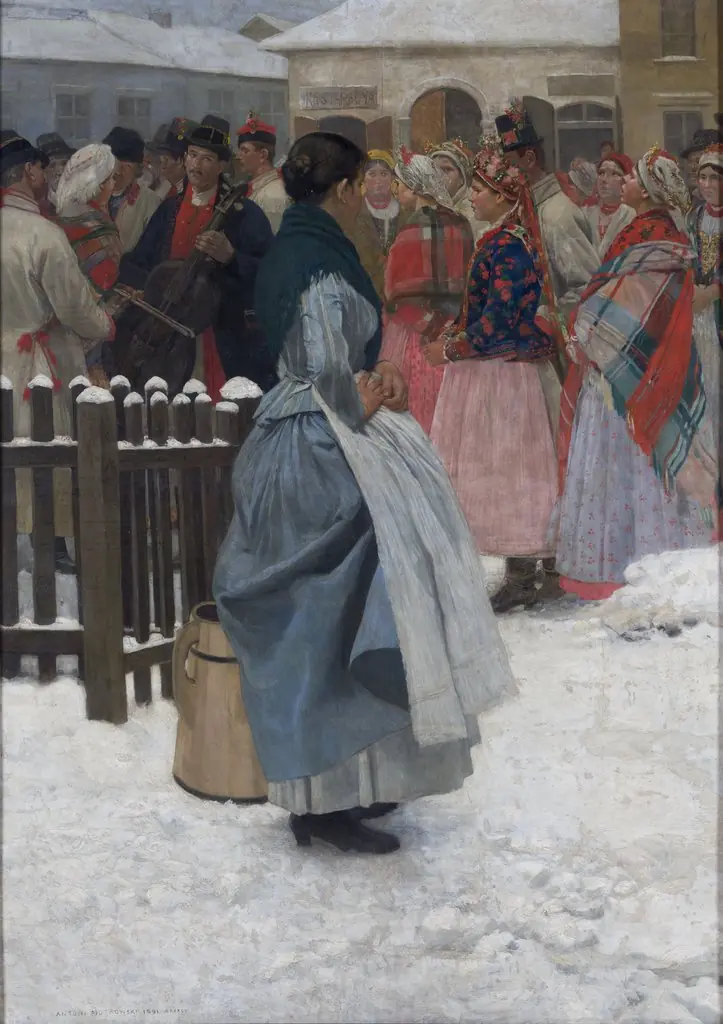 The Weeding Is Coming
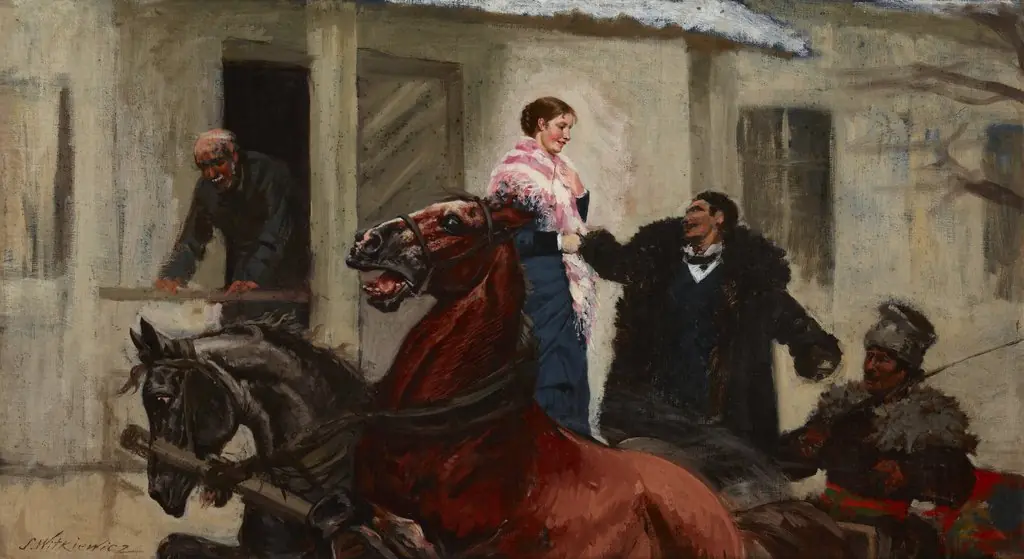 In Front of the Porch
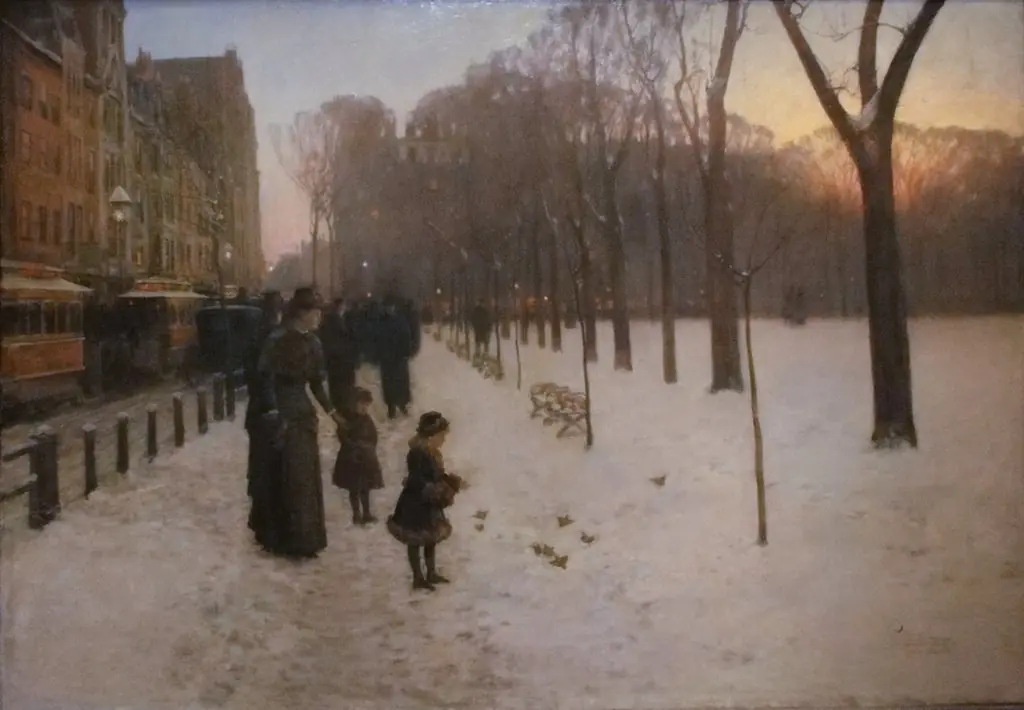 Boston Common at Twilight
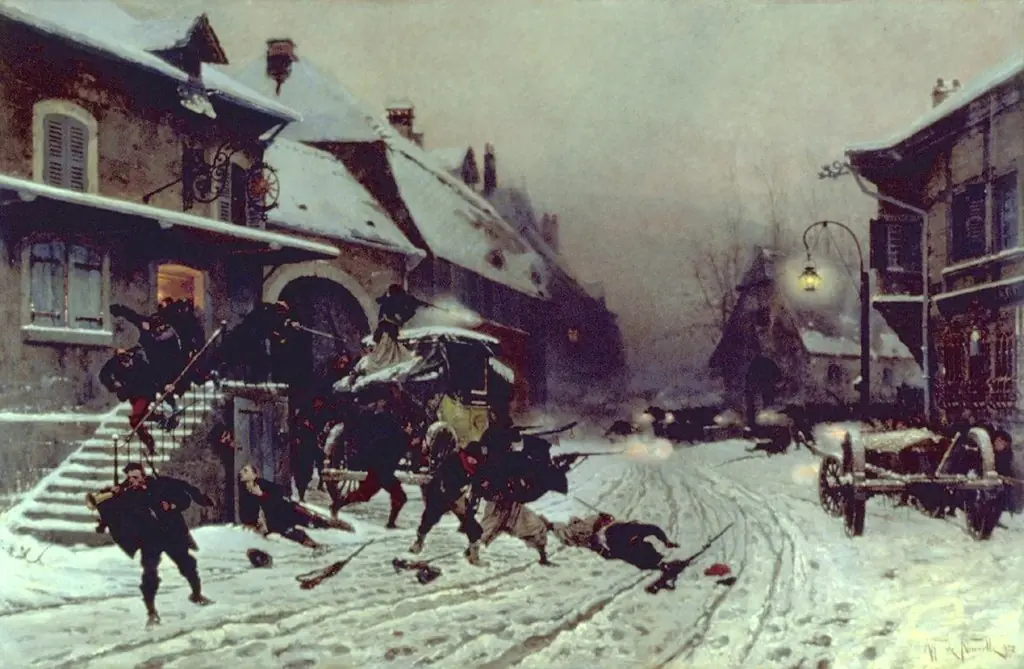 The Attack at Dawn
 The Bugle Call
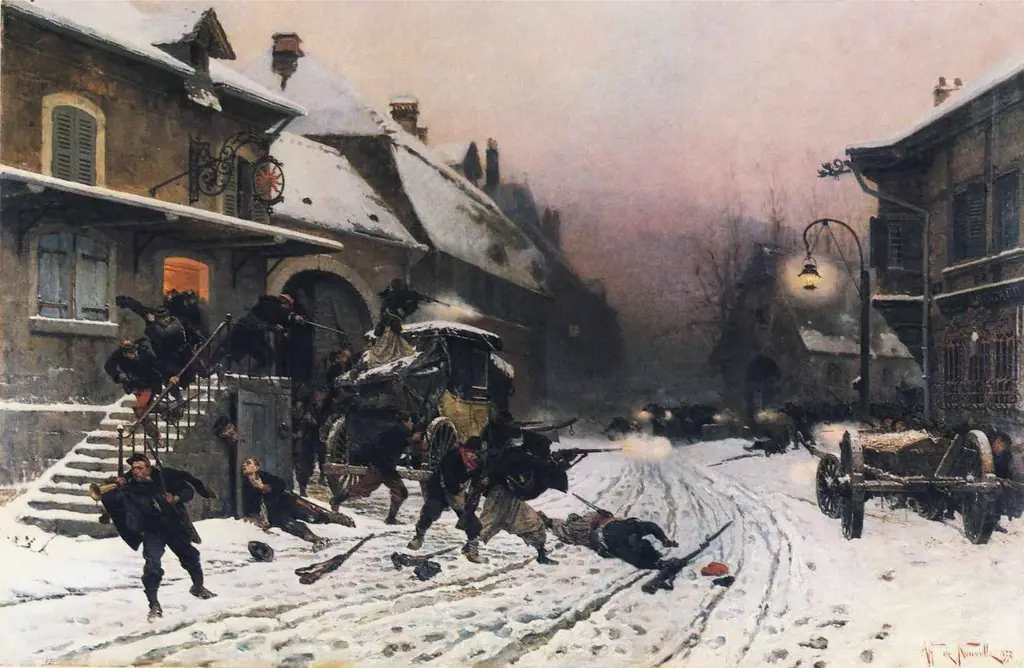 The Attack at Dawn
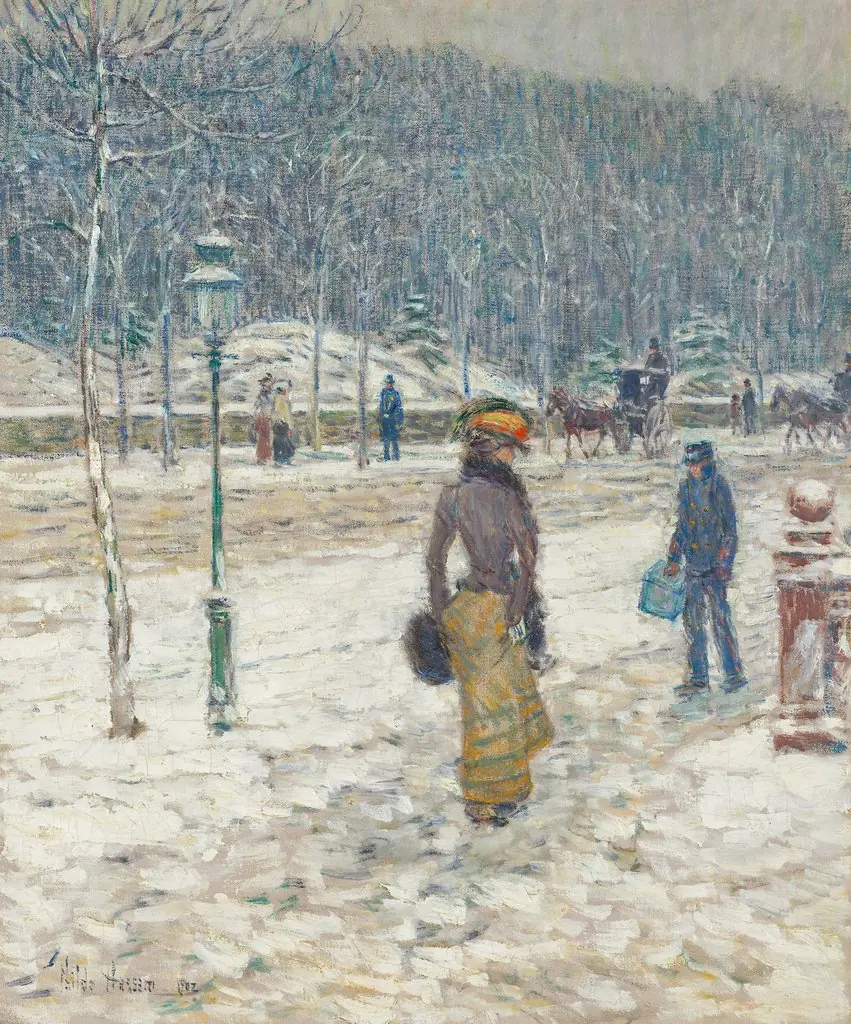 New York Street
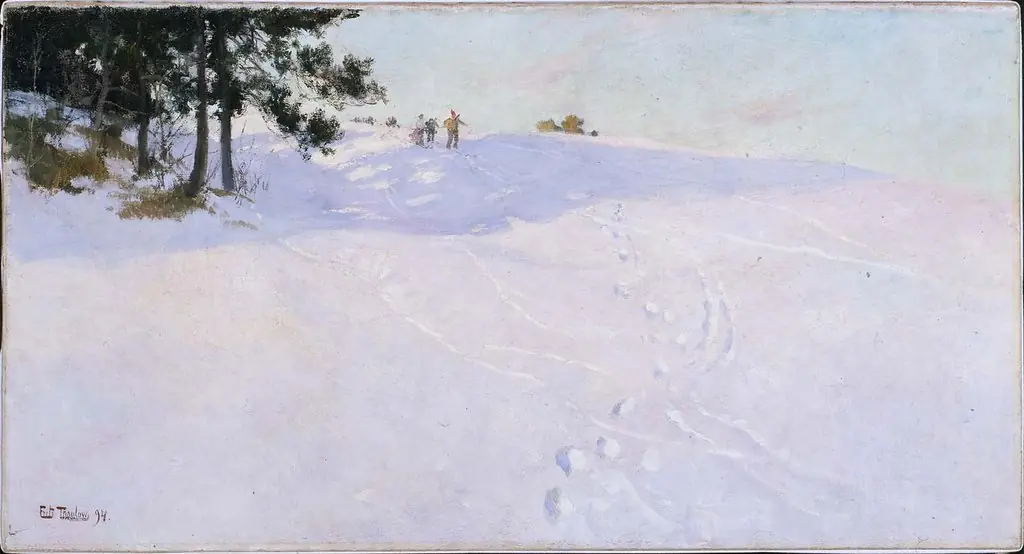 Skiers at the Top of a Snow-covered Hill
 An Old Man Had Come out of One of the Houses, from "Not Honorably Discharged"
 Warsaw coachman