Artwork
Parsifal
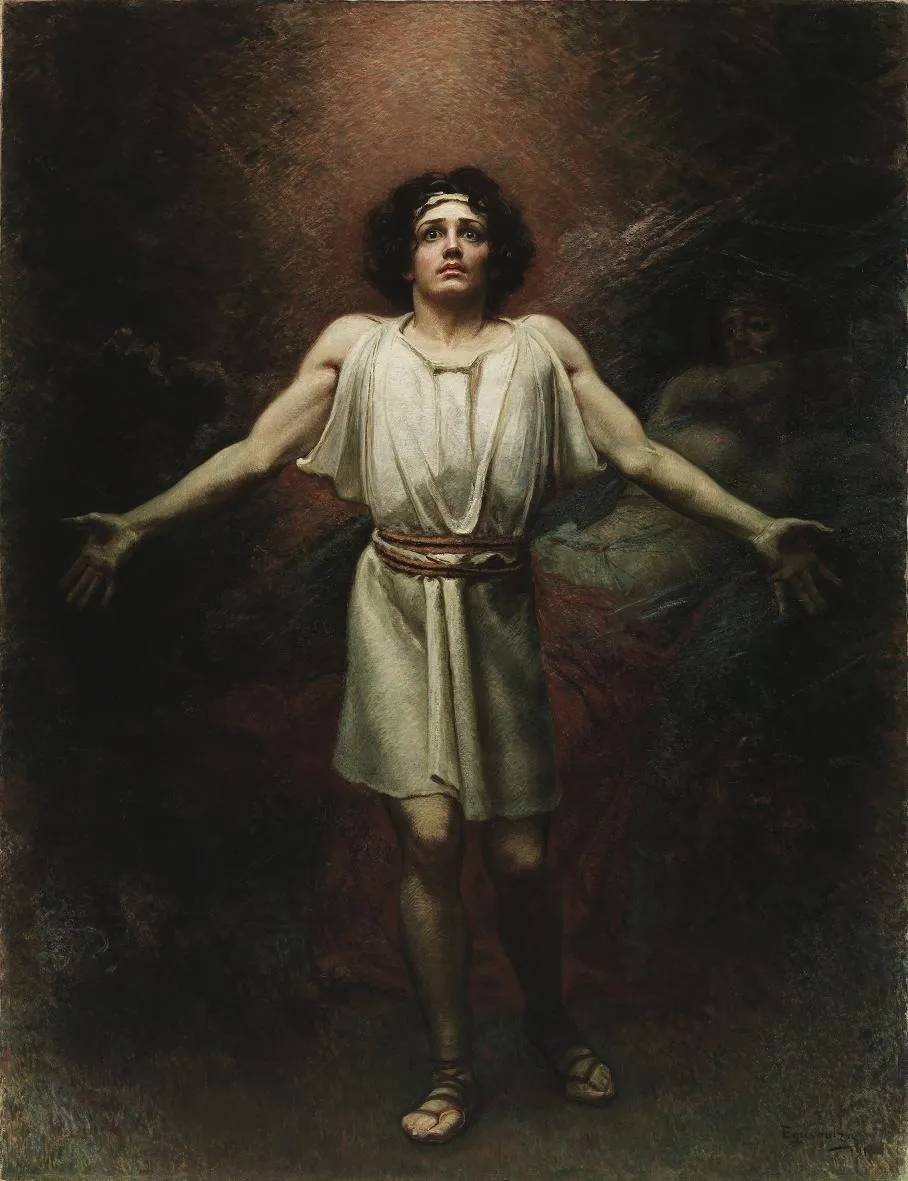
Parsifal is an oil painting by the Post-Impressionist artist Rogelio de Egusquiza. It dates from 1910 and is held in the collection of the Museo del Prado.
About this work
Overview
Parsifal is a 1910 oil painting by Spanish artist Rogelio de Egusquiza, held in the Museo del Prado collection.
Subject & Meaning
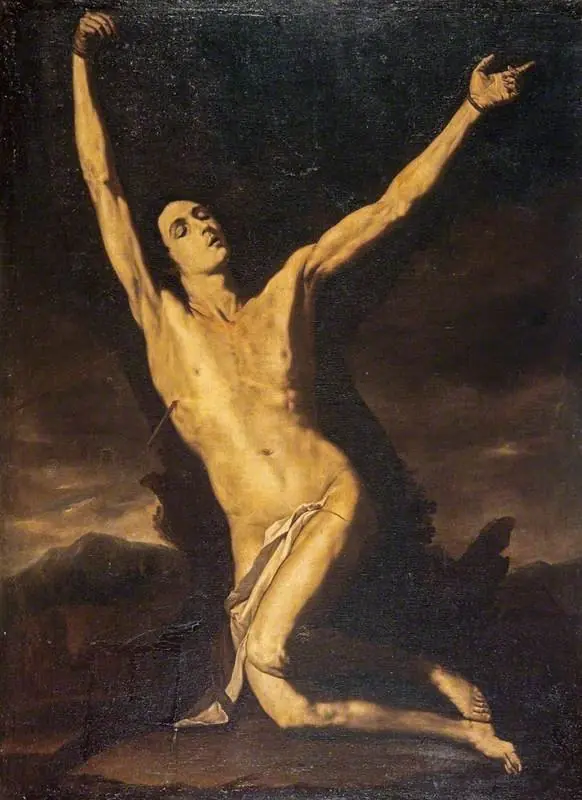
The painting depicts a figure, likely Parsifal, in a white tunic with outstretched arms, conveying determination through his serious expression and posture. The dark background highlights the figure, suggesting a moment of significance.
Technique & Style
Executed in a post-impressionist style, the painting employs chiaroscuro to create a dramatic effect, emphasizing the contrast between light and dark.
Context
Egusquiza was known for promoting Richard Wagner's music in Spain, and this work reflects his association with the composer, as Parsifal is a character from Wagner's opera.
Artist & collection
Artist
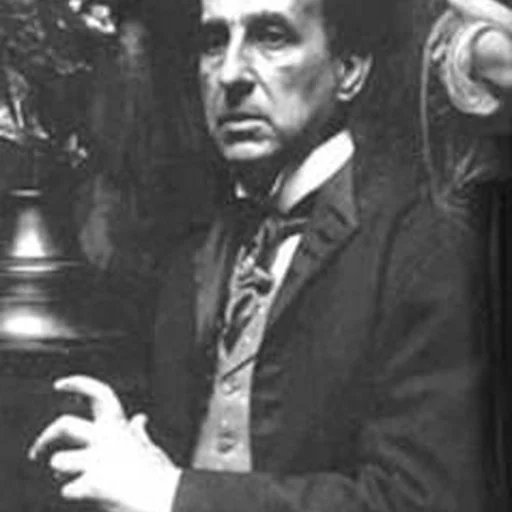
Rogelio de Egusquiza y Barrena (1845 – 10 February 1915) was a Spanish painter, known for his friendship with the German composer Richard Wagner, whose works he helped make familiar in Spain.