Artwork
Saint Sebastian
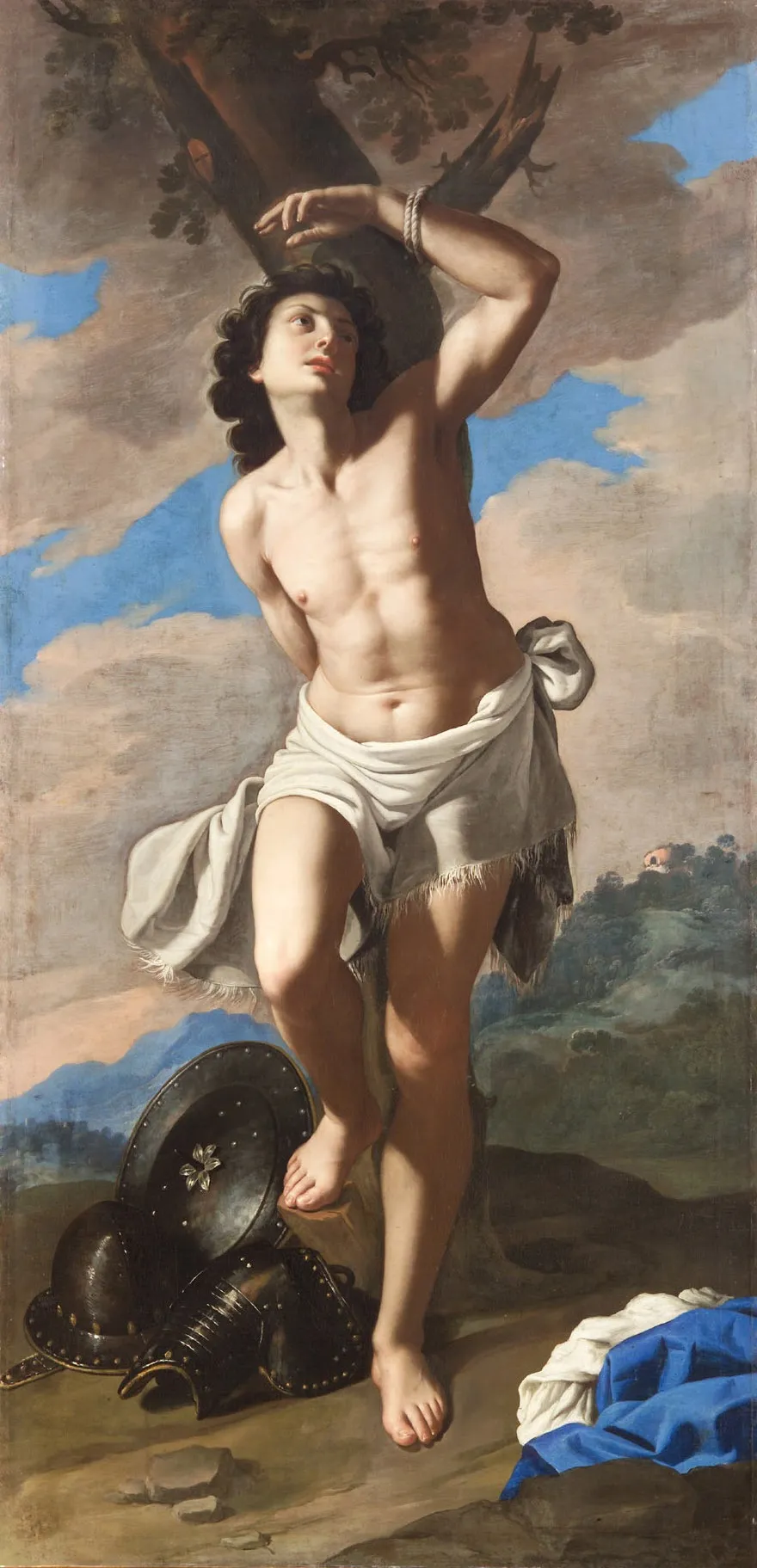
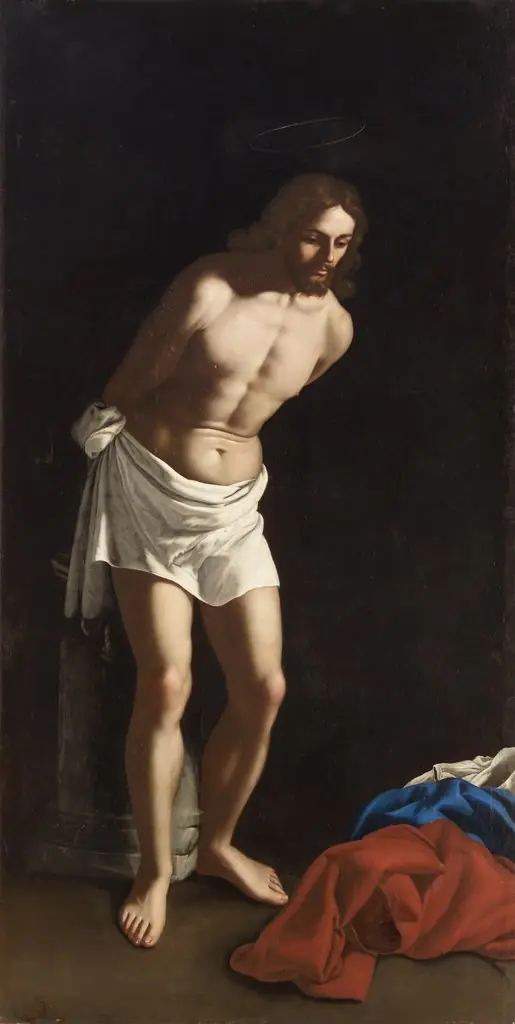
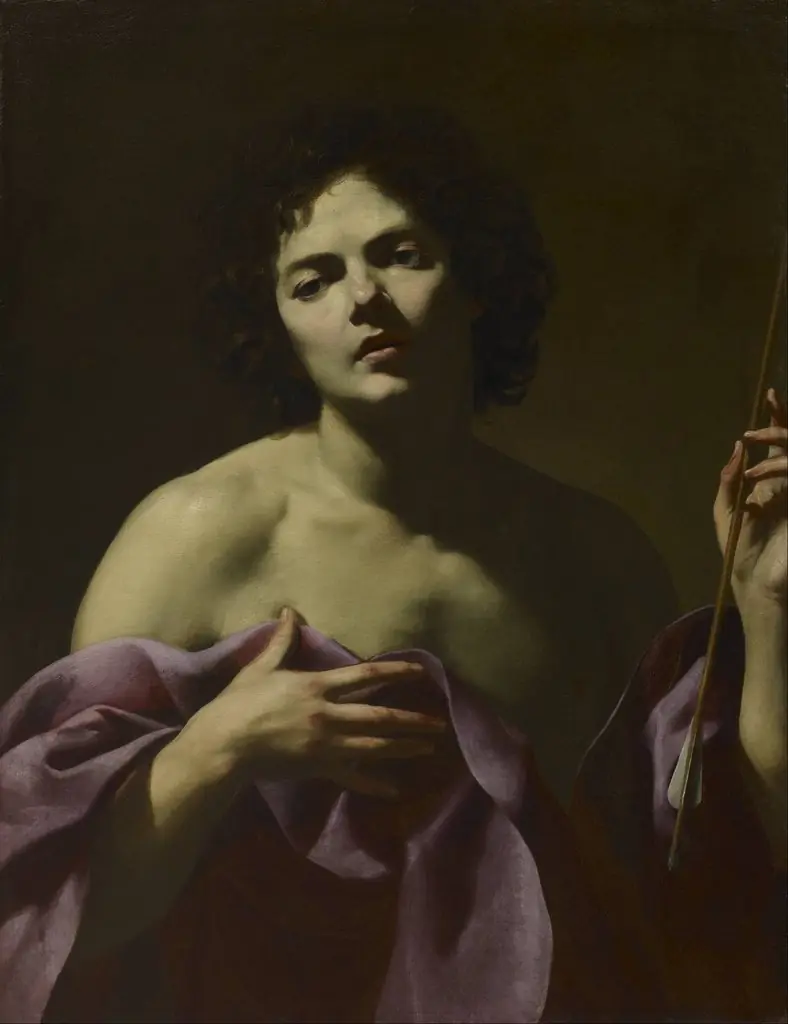
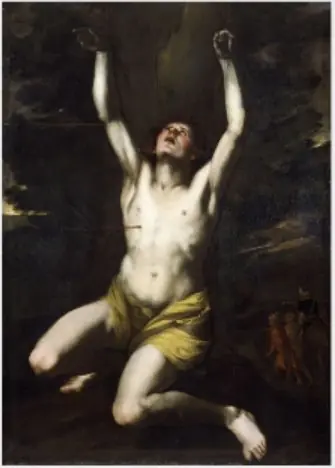
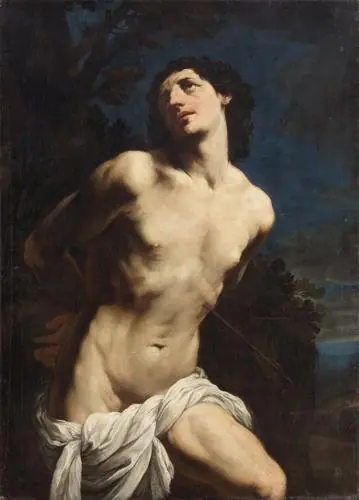
Saint Sebastian is an unspecified painting by the Early Baroque Italian artist Pacecco De Rosa. It dates from 1641 and is held in the collection of the Kunsthistorisches Museum.
About this work
Subject & Meaning
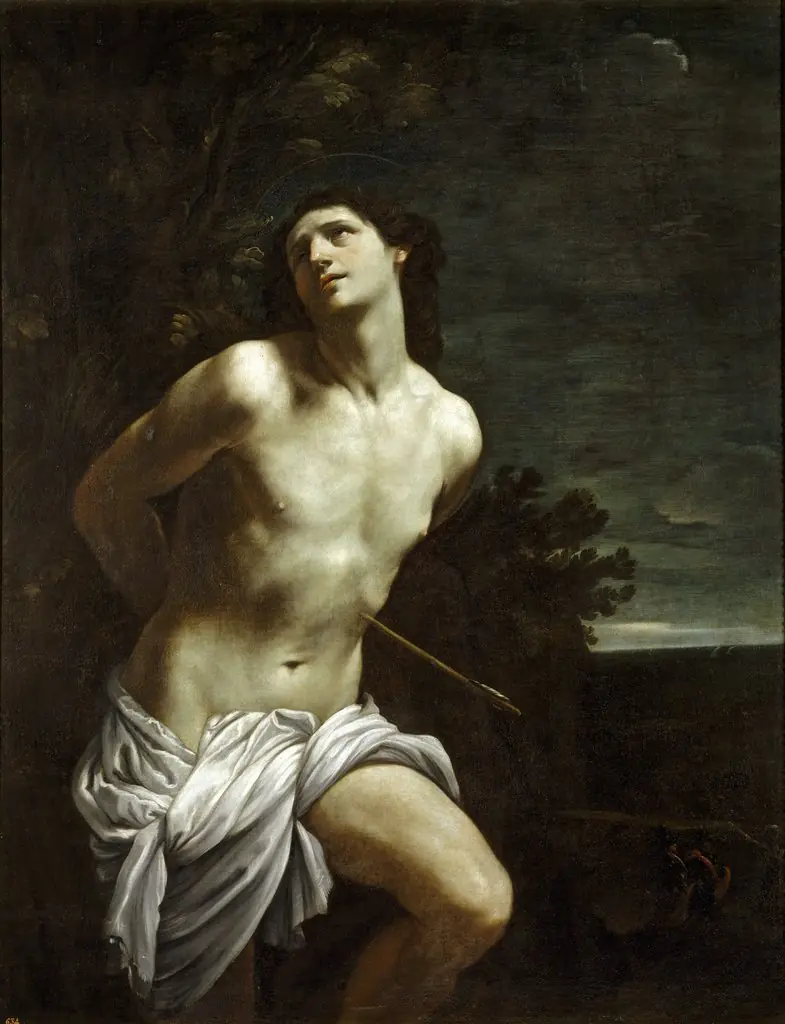
The work depicts Saint Sebastian, a Christian martyr, as the central figure within a religious composition. As the main subject, the painting focuses entirely on the saint, adhering to the conventions of religious art genre. The image serves as a visual representation of Sebastian's story, intended for devotional or narrative purposes within a sacred context.
History & Provenance
Its dimensions measure 206 cm in height and 101 cm in width, consistent with the specifications recorded in the source documentation.
The painting Saint Sebastian was created by Pacecco De Rosa, a known artist specializing in religious subjects, and depicts the Christian martyr Saint Sebastian. It is currently housed in the Kunsthistorisches Museum, where it has been part of the collection since its acquisition, reflecting a clear ownership chain under the museum's stewardship. The work is classified as a religious painting, aligning with its thematic focus and artistic genre.
Its dimensions measure 206 cm in height and 101 cm in width, consistent with the specifications recorded in the source documentation.
The artwork's creation history is rooted in the Baroque period, characterized by intense emotional expression and dramatic chiaroscuro typical of religious compositions from that era. While the precise date of creation is not explicitly stated in the available sources, its stylistic attributes and subject matter suggest a late 16th to early 17th-century production, placing it within the active period of the artist in Naples before his documented move to Rome around 1610.
Overview
Created circa 1641 by Neapolitan painter Pacecco De Rosa, the canvas portrays the Christian martyr Saint Sebastian. Executed during the early Baroque period, the work now belongs to the collection of the Kunsthistorisches Museum in Vienna. De Rosa, also recorded as Giovanni Francesco De Rosa, lived from 1607 to 1656 and was active in the artistic circles of Naples.
Technique & Style
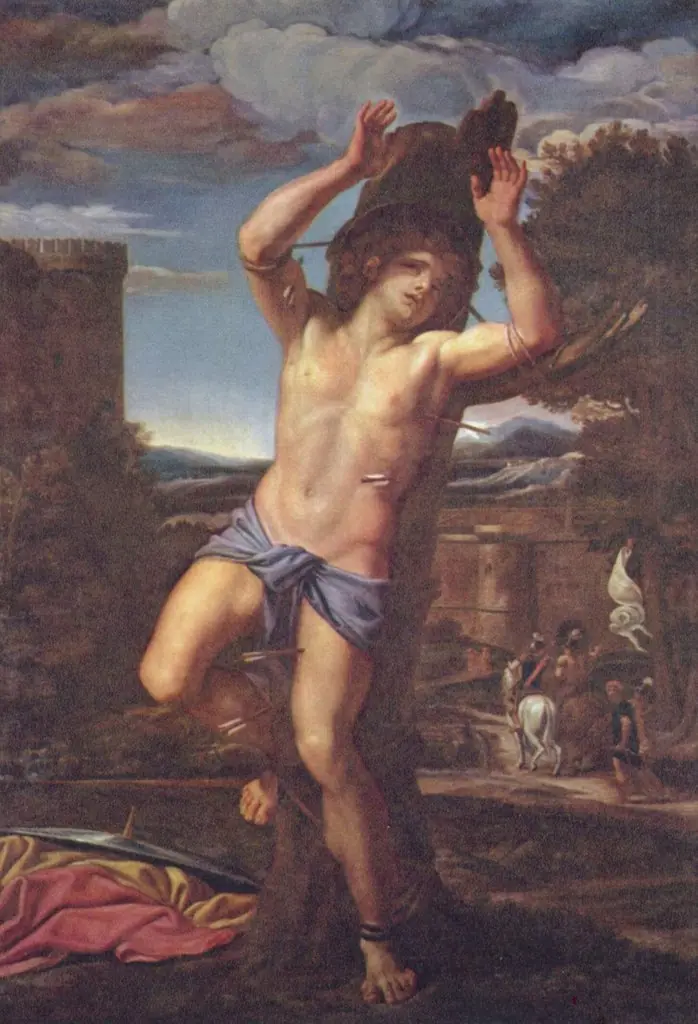
De Rosa employs strong chiaroscuro, allowing a sharp light to carve the musculature of the figure against a muted sky of blues and grays. The contrast between illuminated flesh and the darker background heightens the drama, while the abandoned helmet and shield on the rocky ground hint at the narrative without overt detail.
Artist & collection
Artist
Pacecco De Rosa (byname of Giovanni Francesco De Rosa; 17 December 1607 - 1656) was an Italian painter, active in Naples.