Artist
Subject
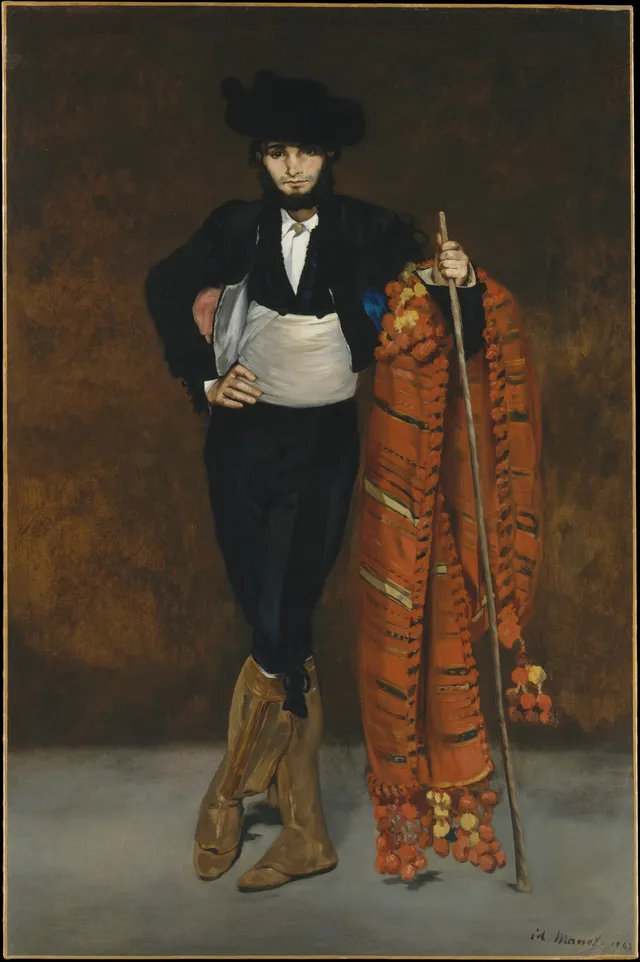
Belt is a subject in art. The gallery holds 97 works in this subject in art, including works by Édouard Manet, Joseph Badger and Rembrandt van Rijn.
Few accessories carry as much symbolic weight in the history of art as the belt or girdle, the simple band that gathers cloth at the waist. In ancient Greece it was the zōnē, the sash that secured a woman's chiton or peplos, and it was loaded with meaning: worn only by girls who had reached sexual maturity, it marked virginity and readiness for marriage, and ritual demanded that the bride loosen its knot—or that her husband untie it—on the wedding night. Greek myth pushed the idea further with the kestos himas, the embroidered girdle of Aphrodite, which Homer describes as imbued with the power to kindle desire in mortals and gods alike. Rome translated the belt into an emblem of office and arms: the cingulum militare, hung with decorated metal fittings, was worn as a badge of rank by soldiers and officials.
In Christian art the belt acquired a sacred dimension through the legend of the Sacra Cintola, the Virgin's own girdle. According to medieval tradition, Mary let her belt fall to the doubting apostle Thomas as she was assumed into heaven, offering tangible proof to the disciple who had not witnessed her death and burial. The relic—an 87-centimetre strip of green wool shot with gold thread—has been venerated at Prato Cathedral for centuries, and the episode became a staple of Tuscan and Umbrian altarpieces, where the moment turns doubt into faith and links earth to heaven.
The theme produced enduring masterpieces. Benozzo Gozzoli, a favoured pupil of Fra Angelico, painted his radiant Madonna della Cintola around 1450, showing the Virgin amid angels lowering her girdle to a kneeling Thomas. Raphael, in the Oddi Altarpiece (1502–04) for San Francesco al Prato in Perugia, folded the girdle into a single composition uniting the empty tomb, the Assumption, and the Coronation of the Virgin.
As costume, the belt persisted as a quiet marker of identity and station, from Renaissance girdles to the sashes of regional dress—seen in works our collection holds, such as Manet's Young man in Mayo costume. Whether erotic, martial, or devotional, the belt endures in art as a small object freighted with order, status, and meaning.
Artist


Artist

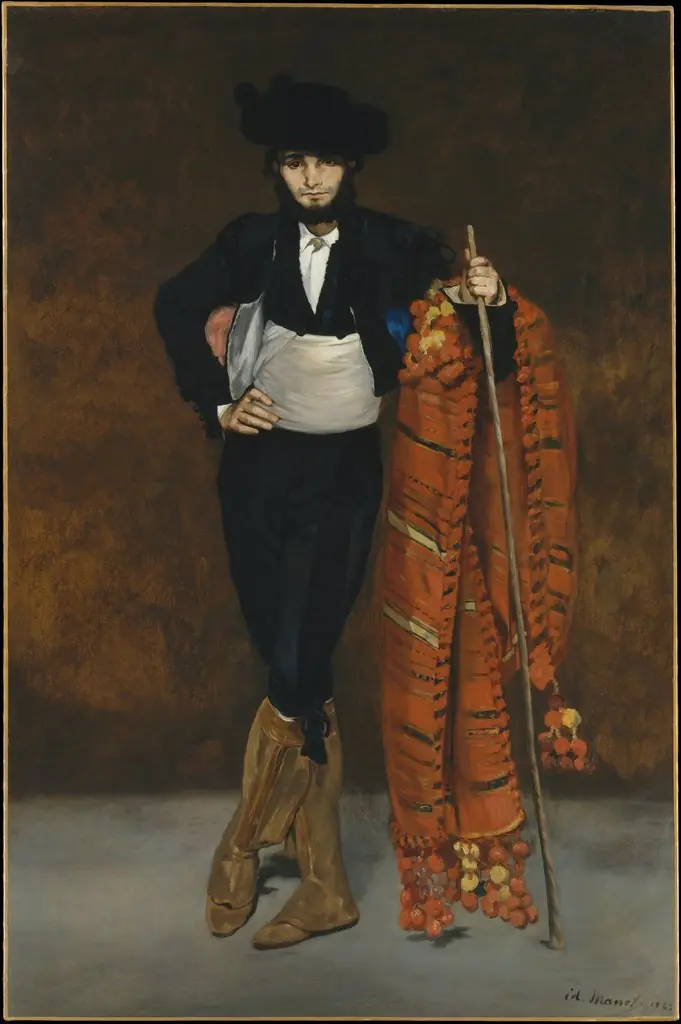 Young man in Mayo costume
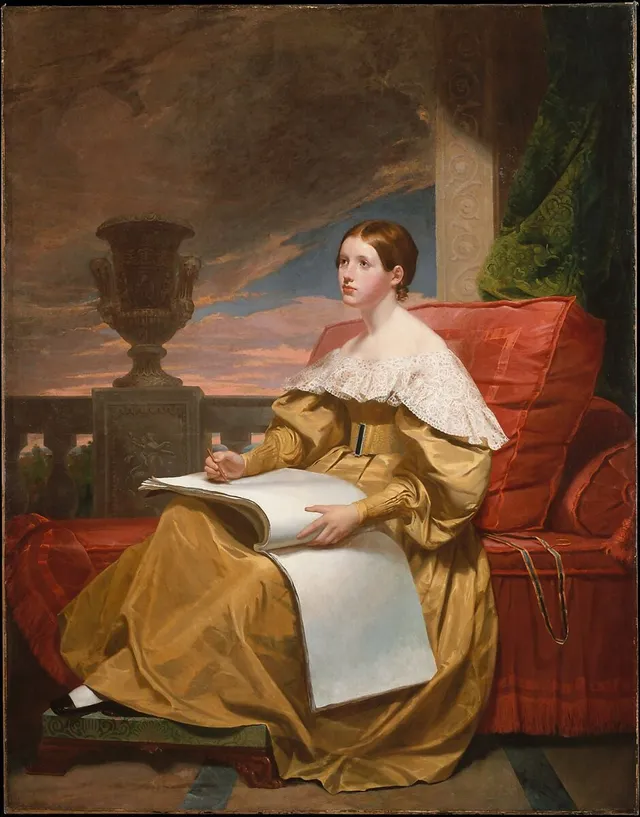
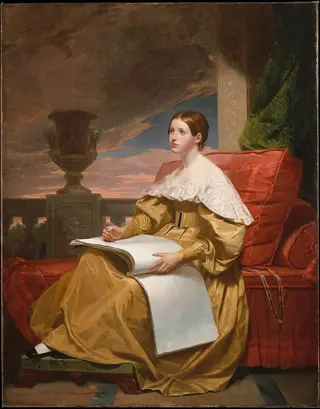 Susan Walker Morse (The Muse)
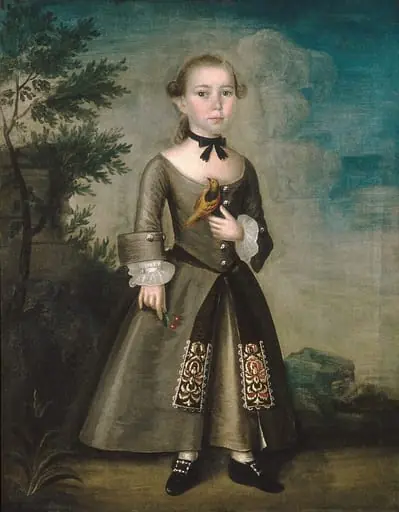 James Badger
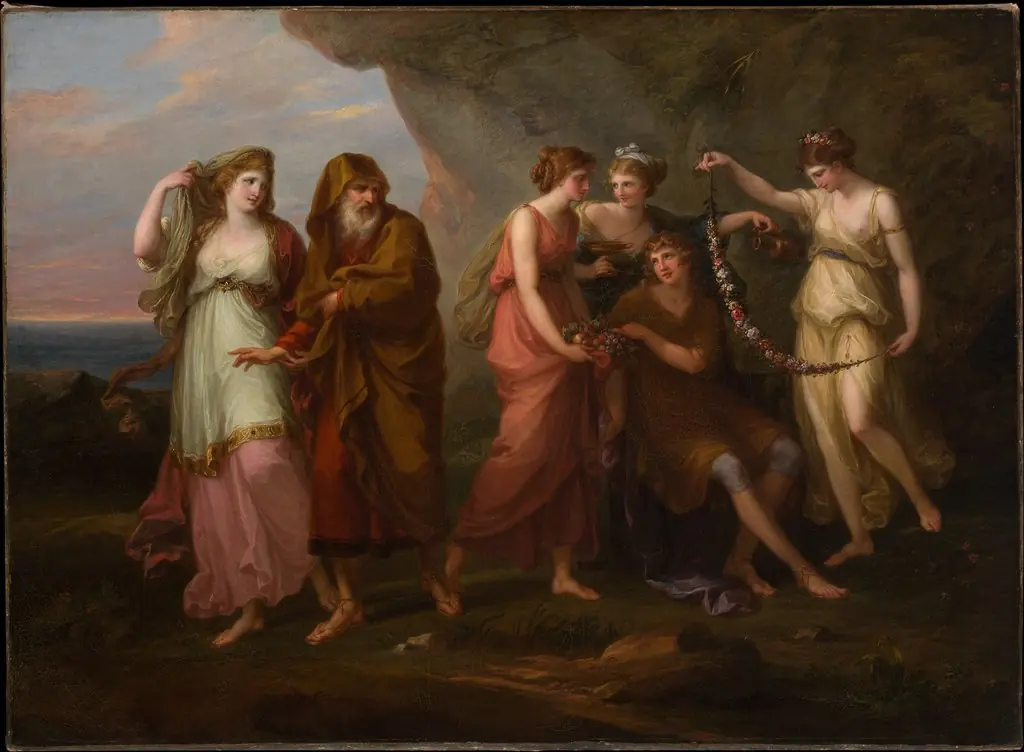 Telemachus and the Nymphs of Calypso
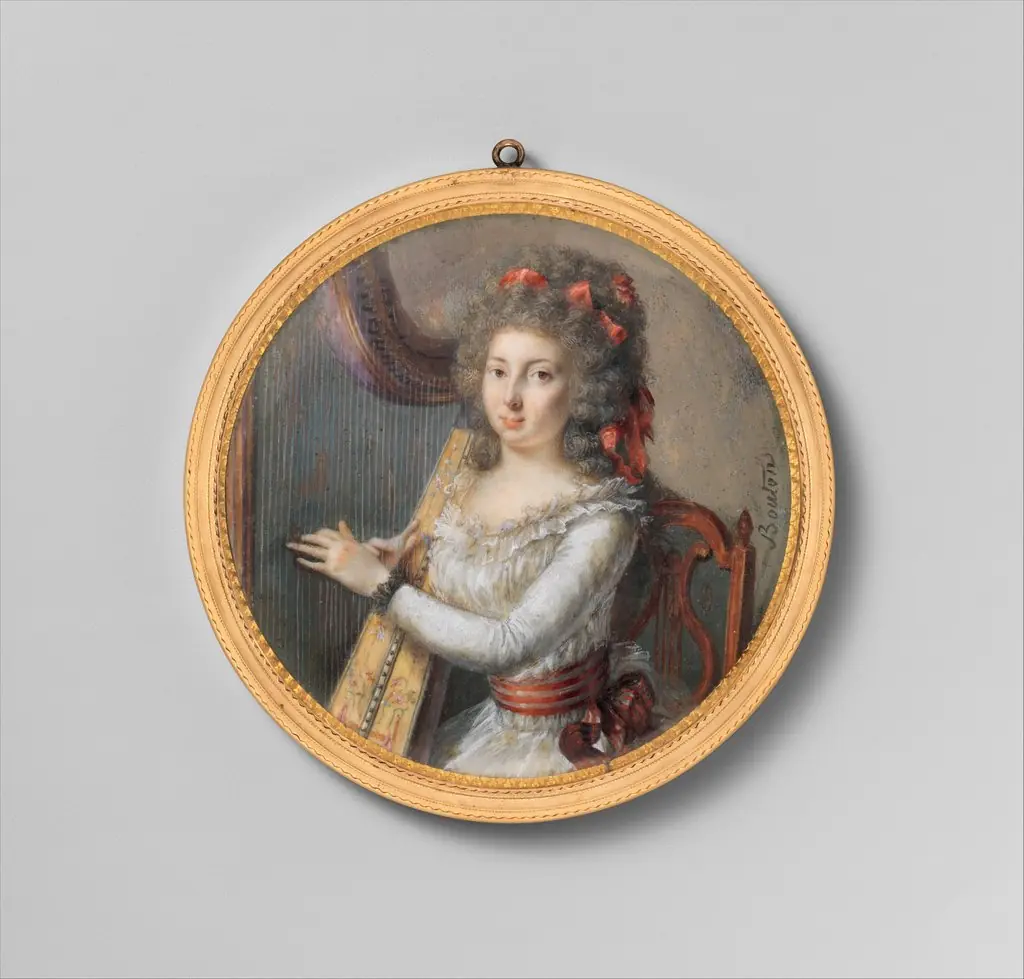 A Woman Playing a Harp
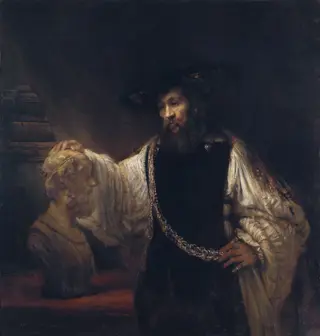 Aristotle with a Bust of Homer
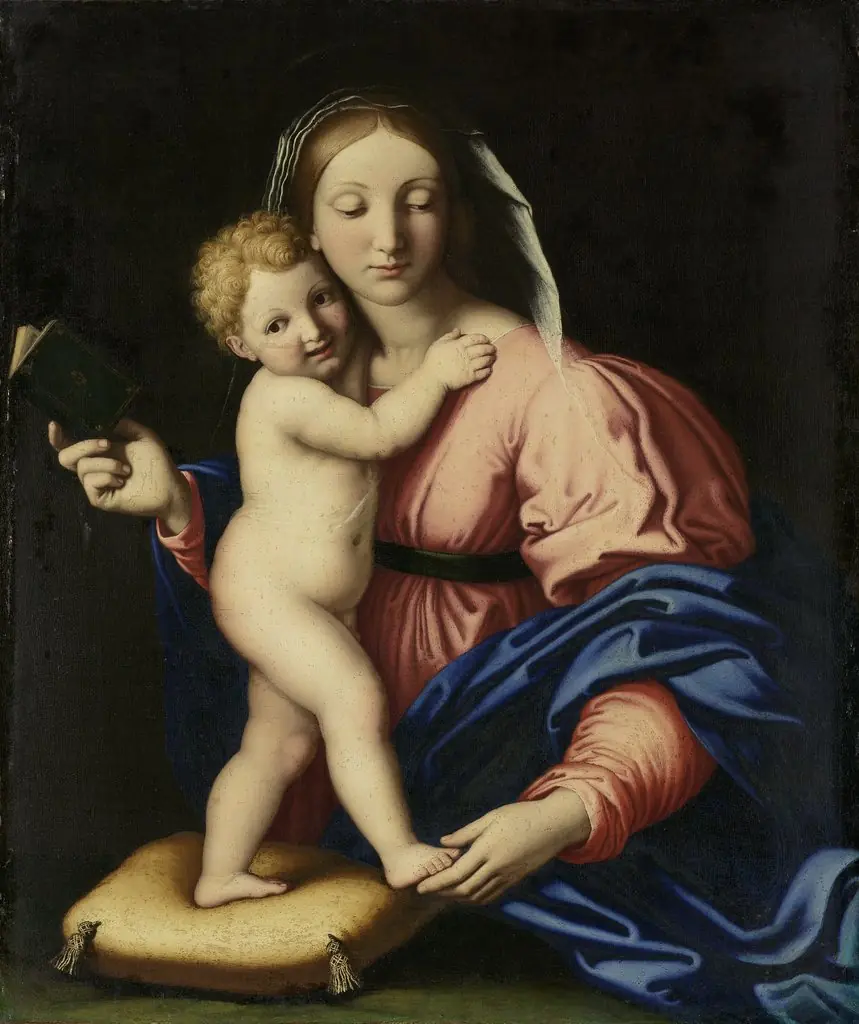 Virgin and Child
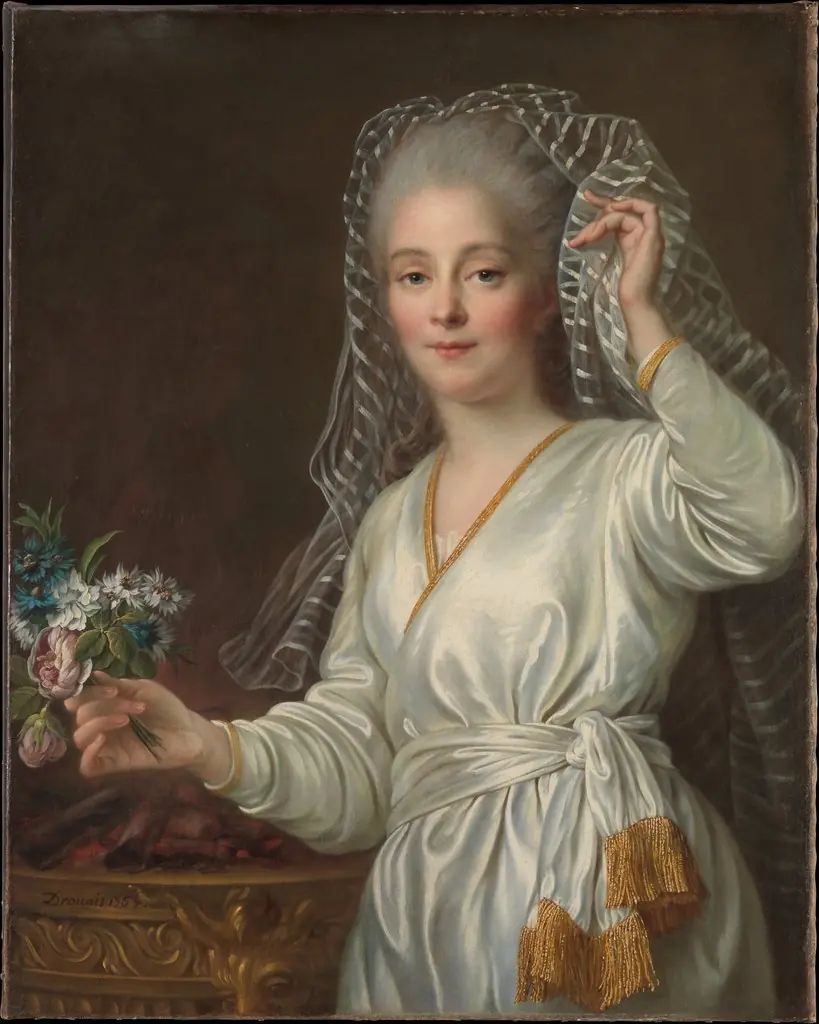 Portrait of a Young Woman as a Vestal Virgin
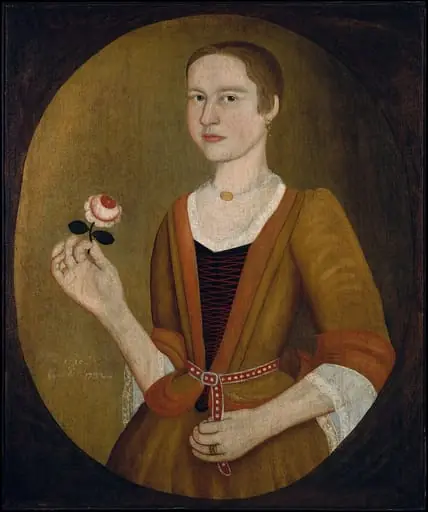 Young Lady with a Rose
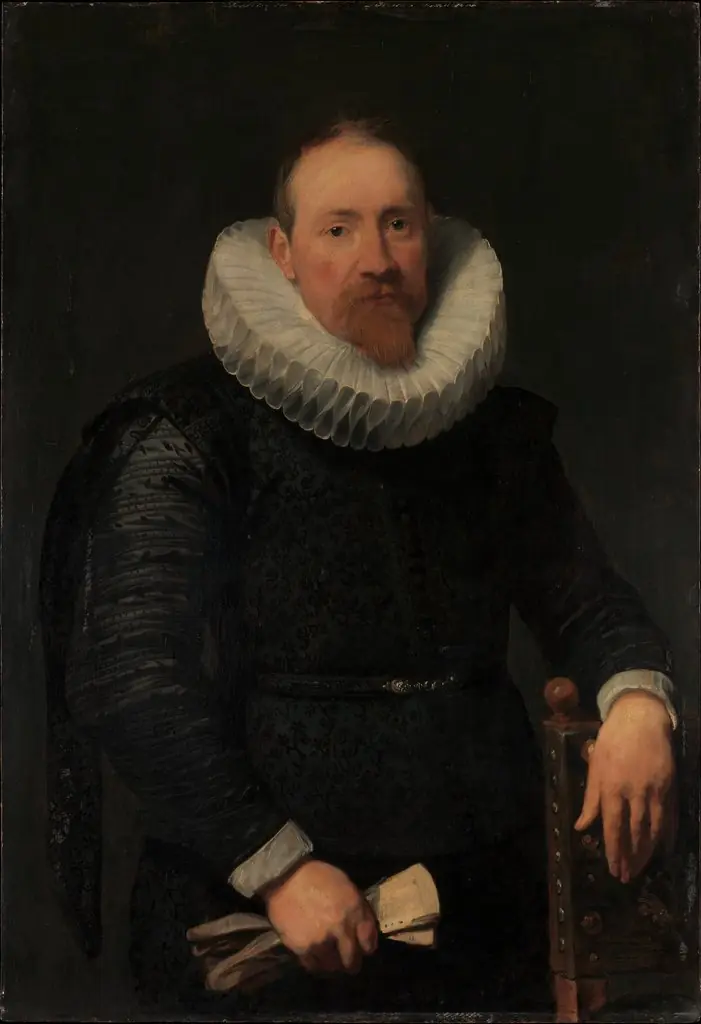 Portrait of a Man
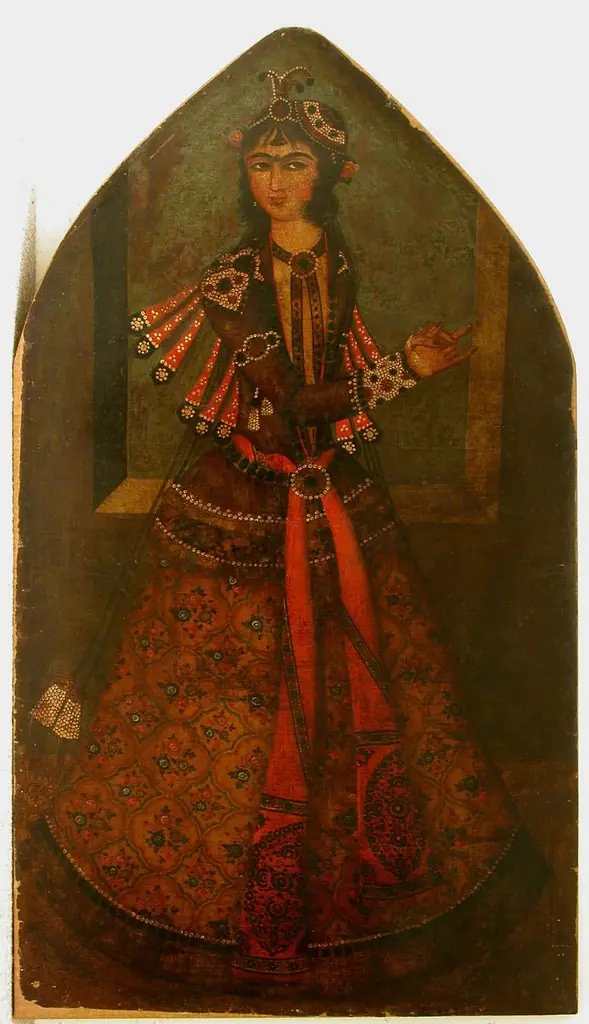 Painting of a Dancer
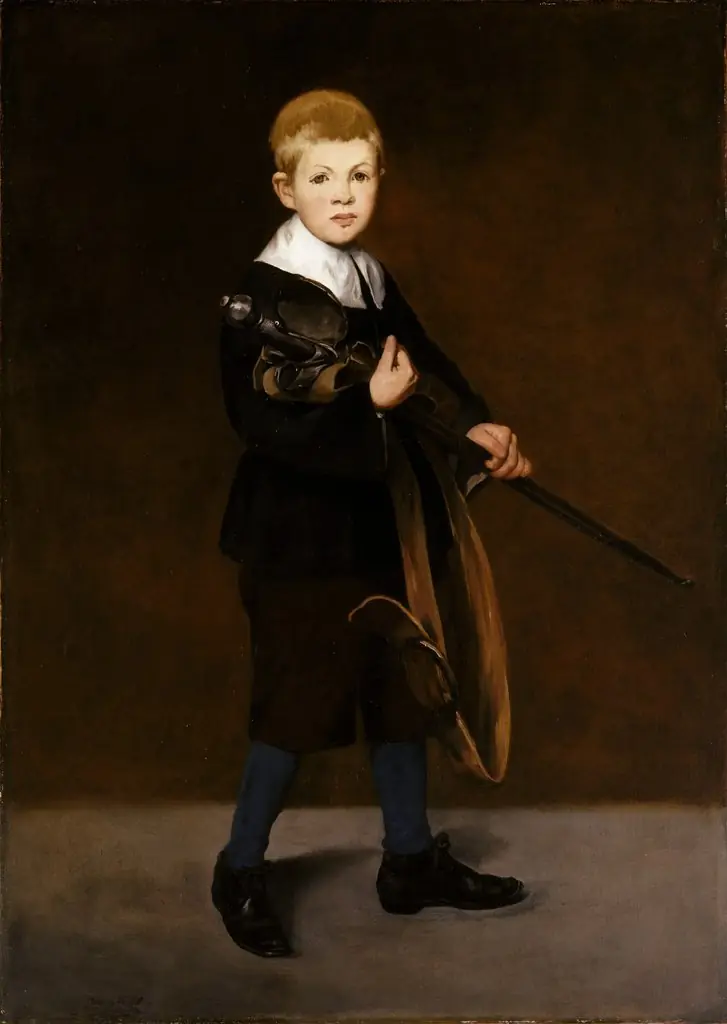 Boy Carrying a Sword
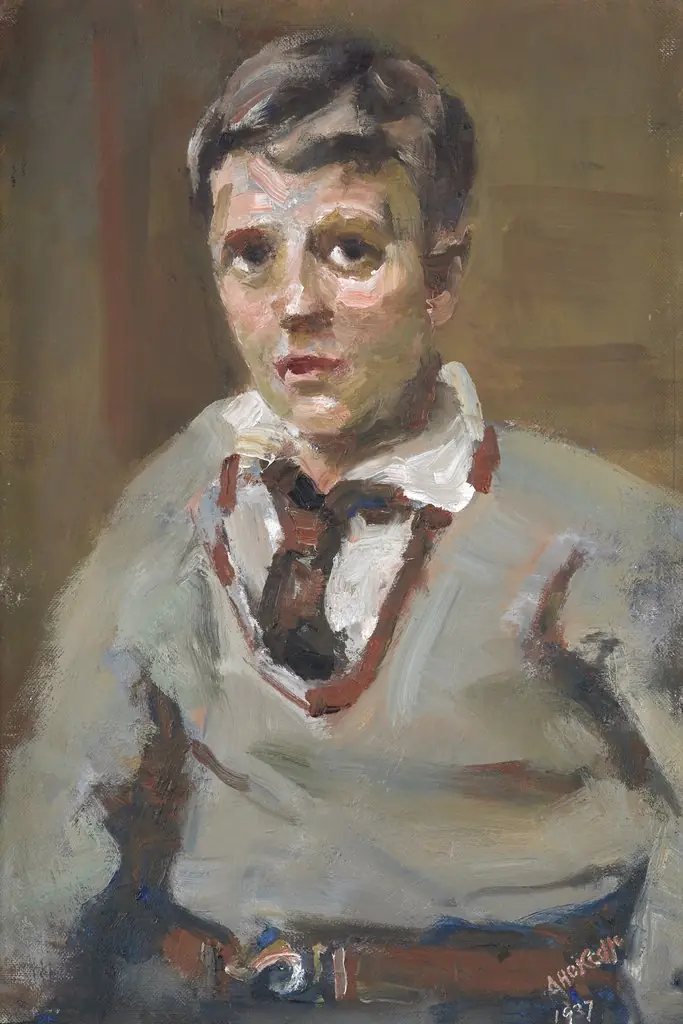 Charlie
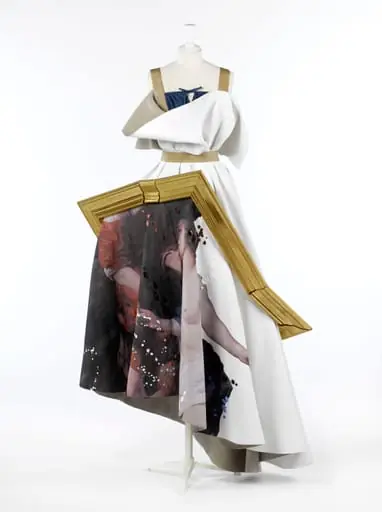 Sabina
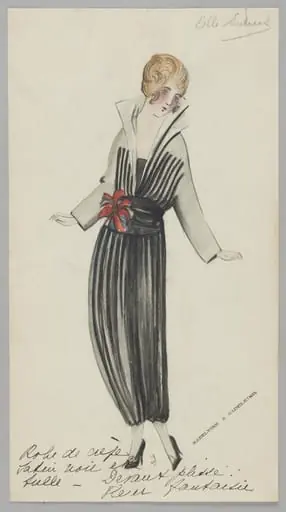 Elle séduit
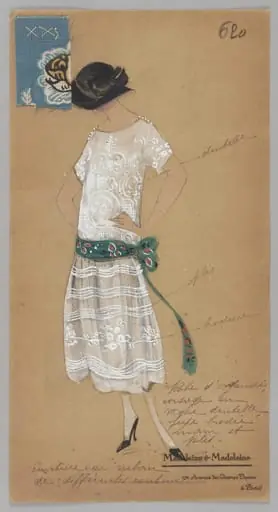 620
620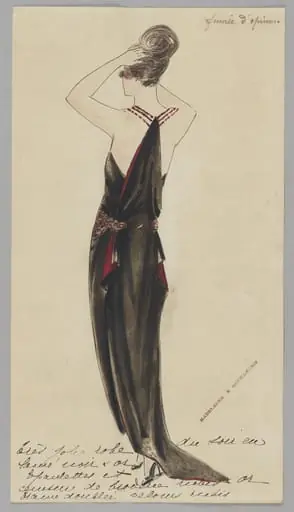 Fumée d'opium
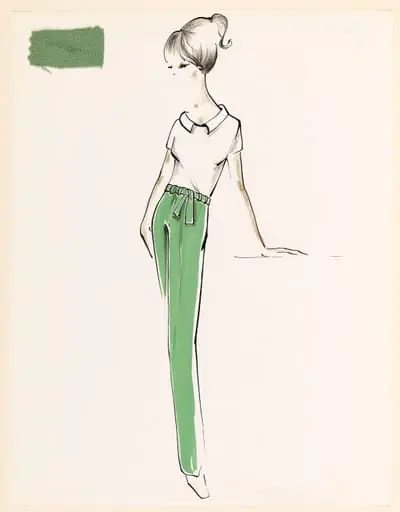 Haut blanc à manches courtes et pantalon vert à ceinture nouée
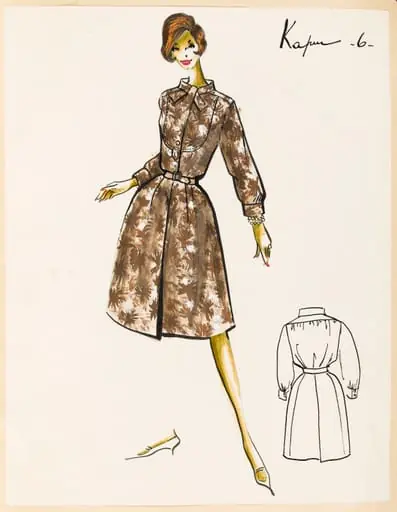 Kapur
Kapur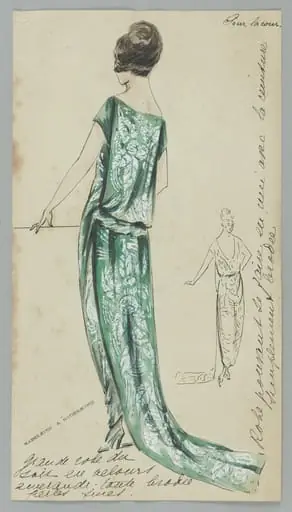 Pour la cour
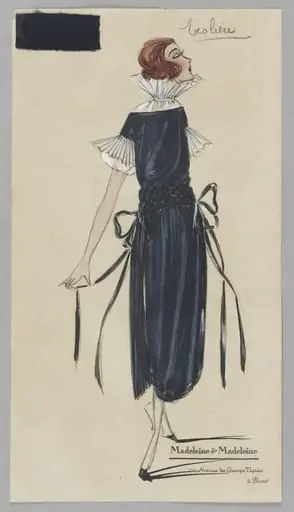 Ecolière
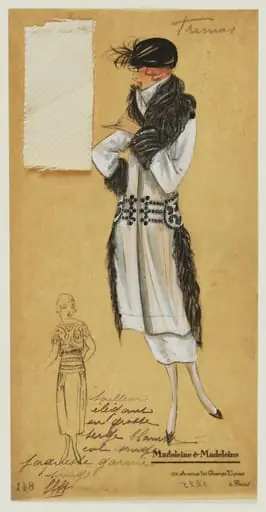 Trema
Trema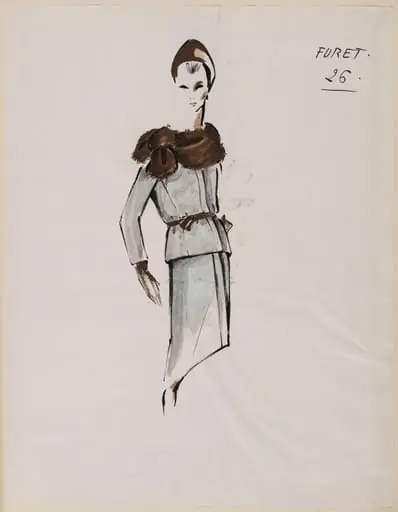 Furet
Furet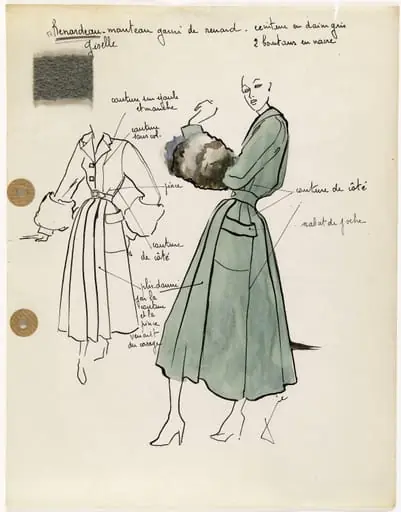 'Renardeau'
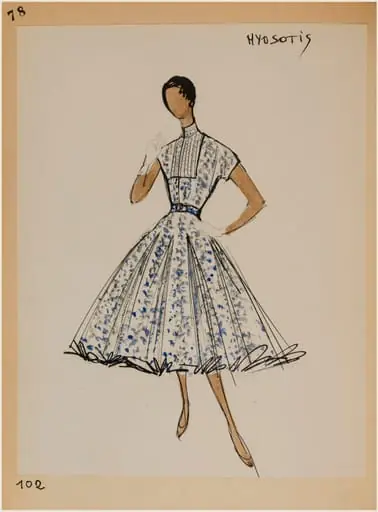 Myosotis
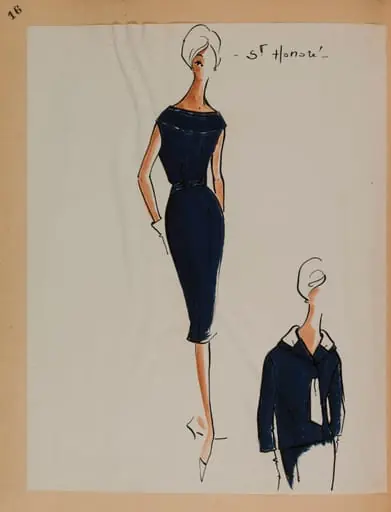 Saint Honoré
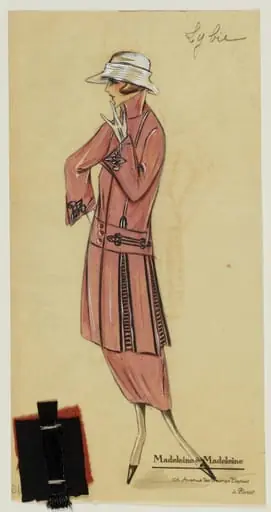 Lybie
Lybie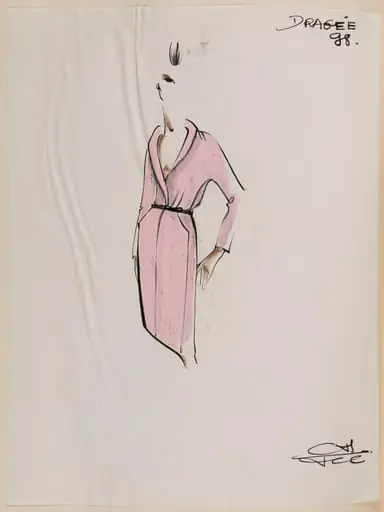 Dragée
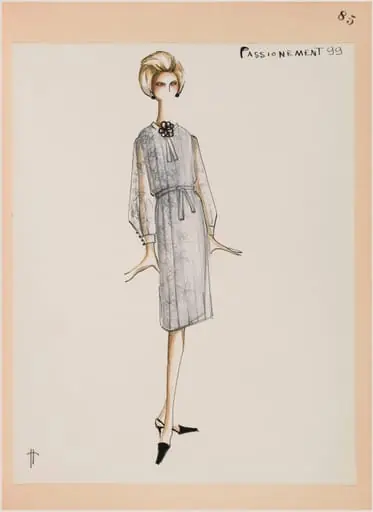 Passionement
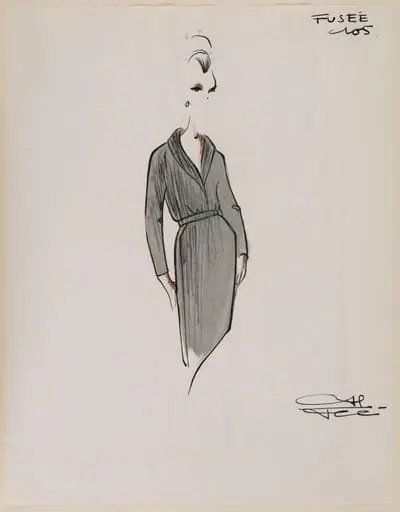 Fusée
Fusée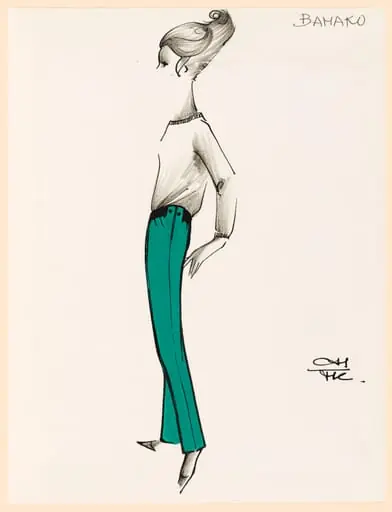 Bamako
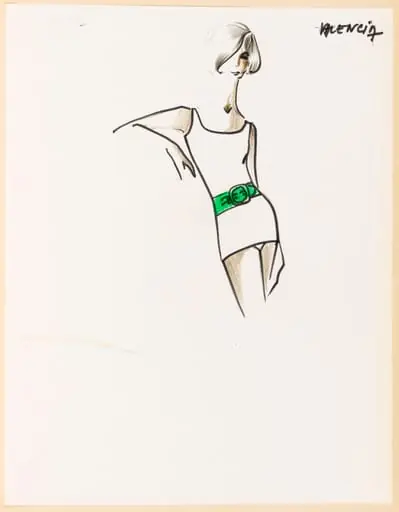 Valencia
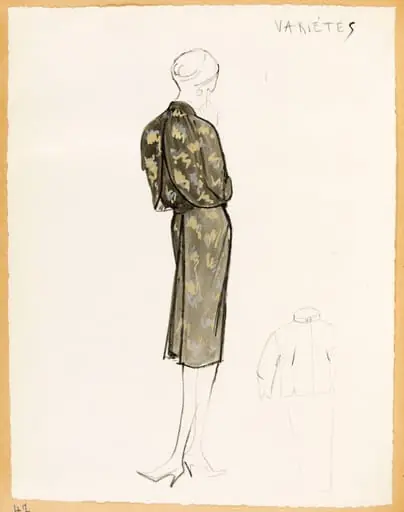 Variétés
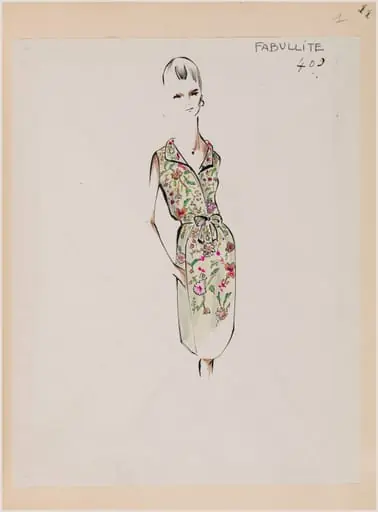 Fabullite
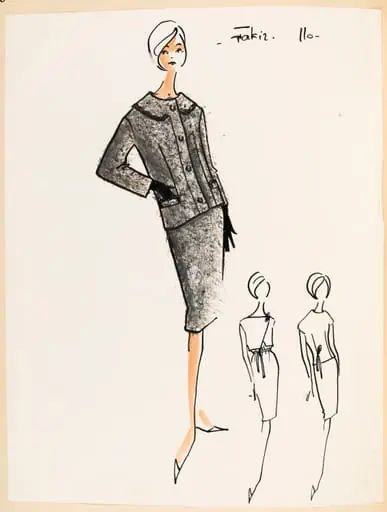 Fakir
Fakir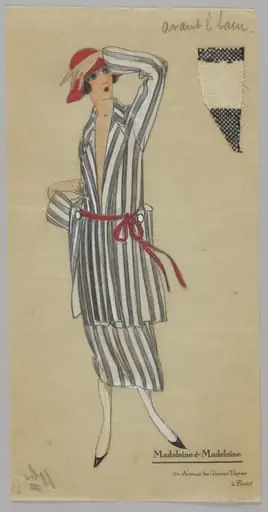 Avant le bain
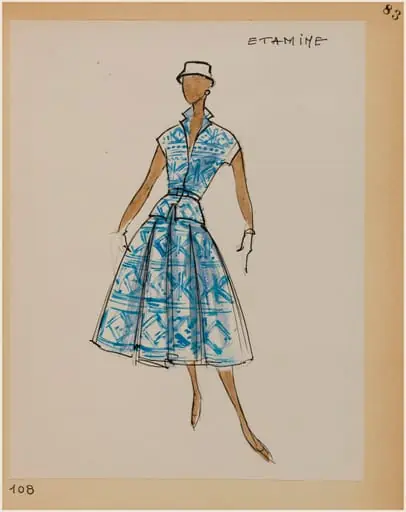 Etamine
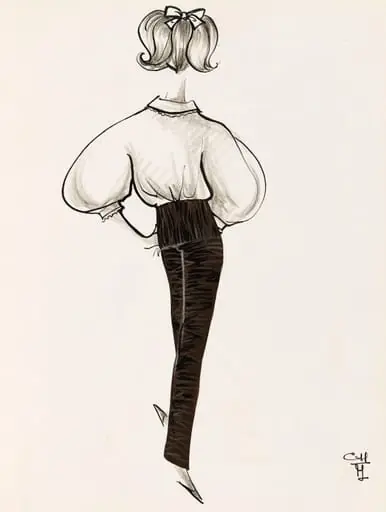 Pantalon marron à large ceinture
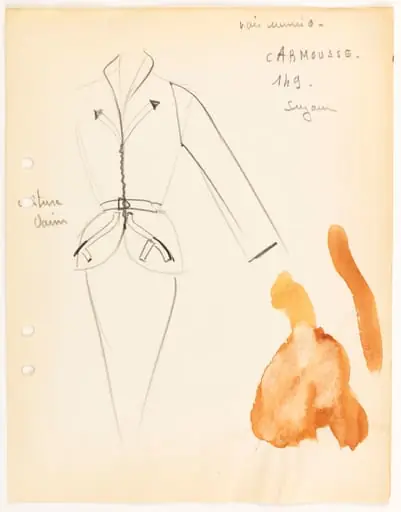 Carmousse
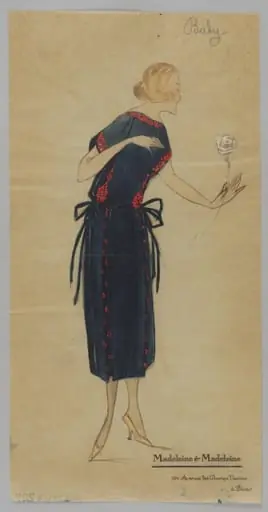 Baby
Baby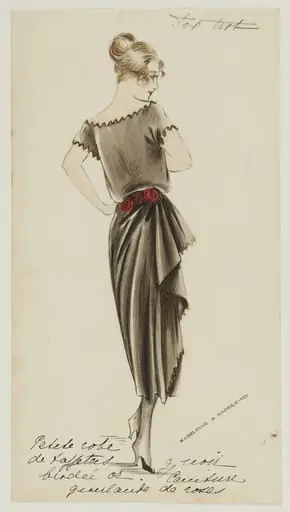 Top trot
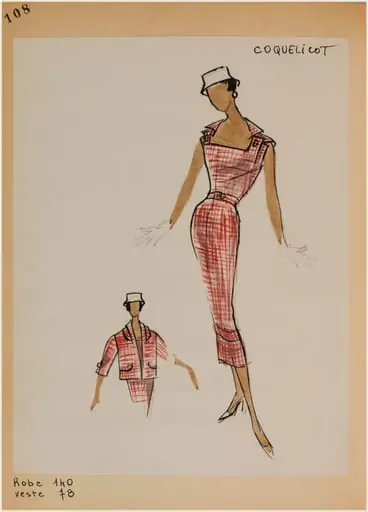 Coquelicot
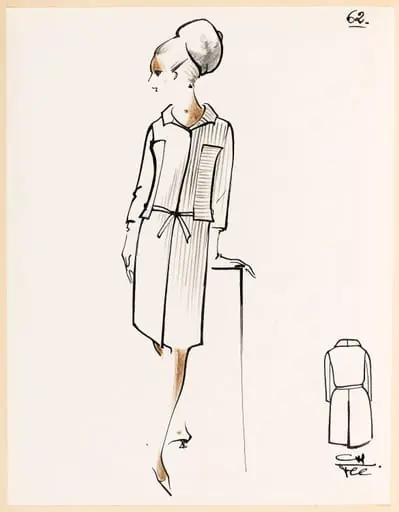 Manteau rayé à file ceinture et chapeau
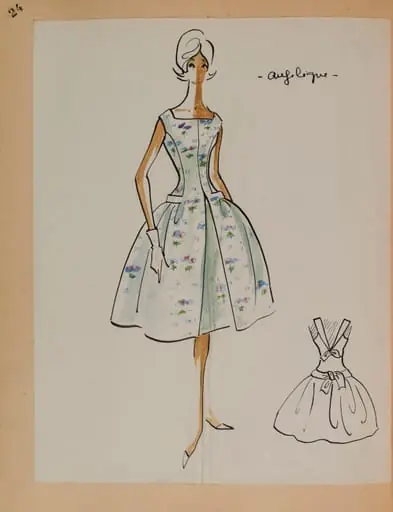 Angélique
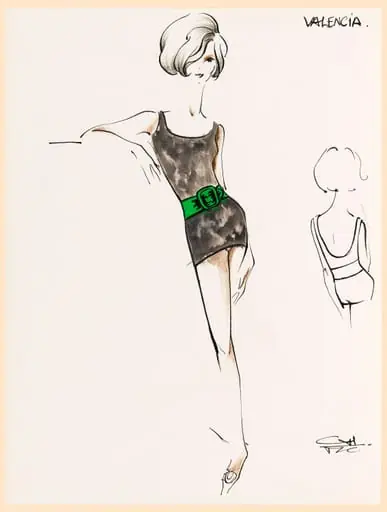 Valencia
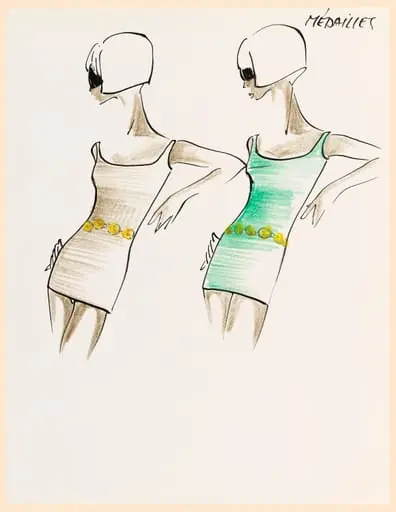 Médailles
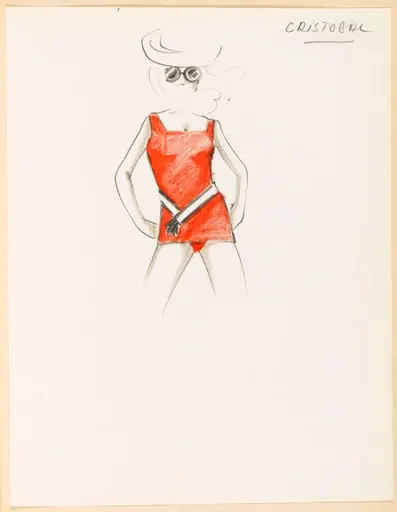 Cristobal
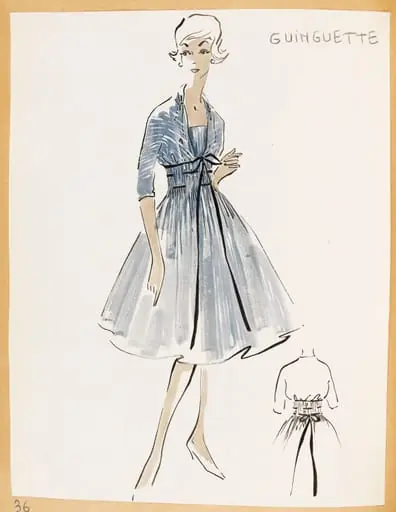 Guinguette
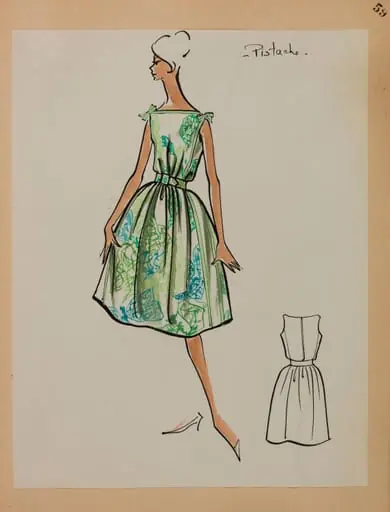 Pistache
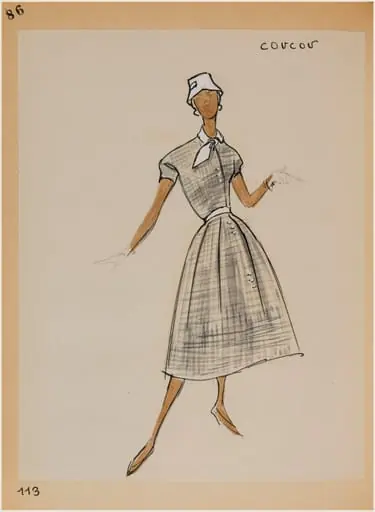 Coucou
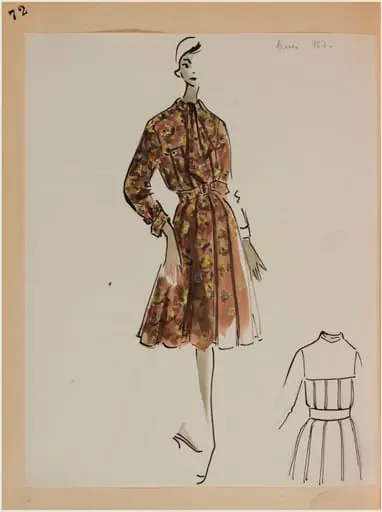 Ariane
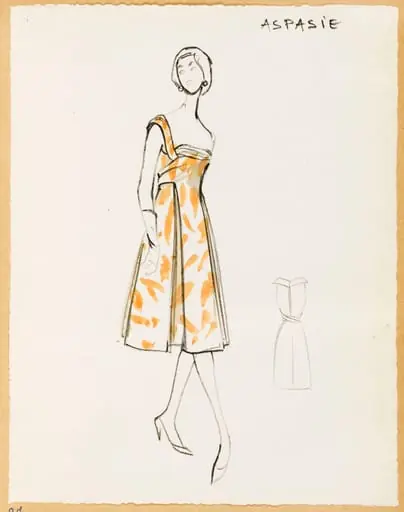 Aspasie
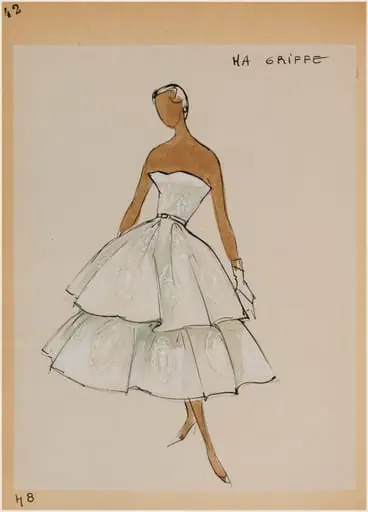 Ma griffe
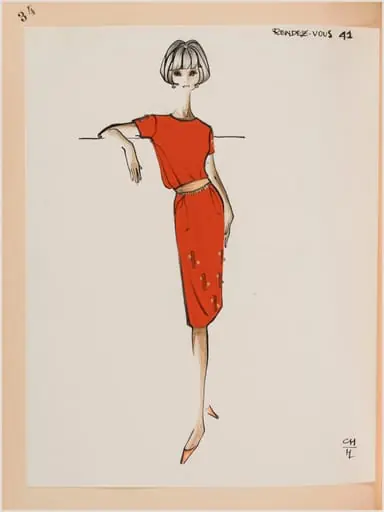 Rendez-vous
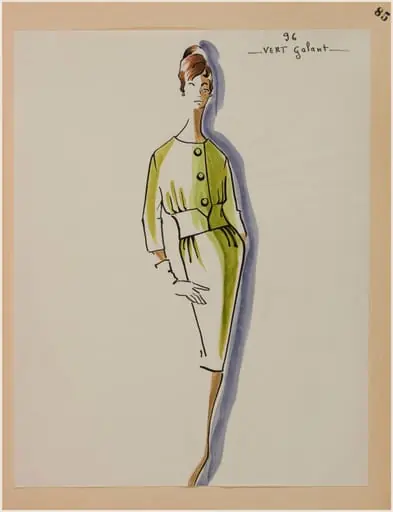 Vert galant
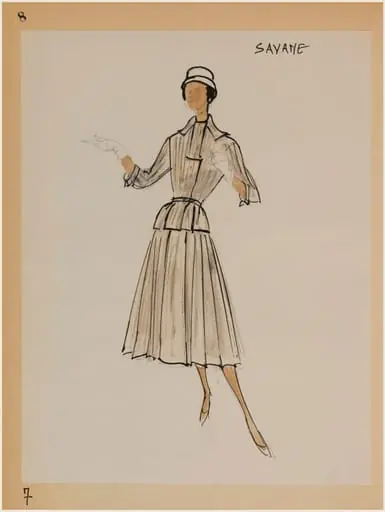 Savane
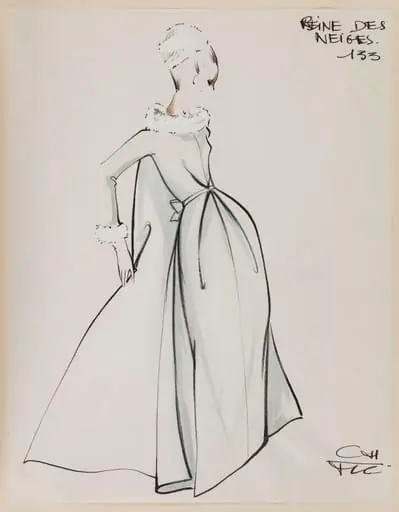 Reine des neiges
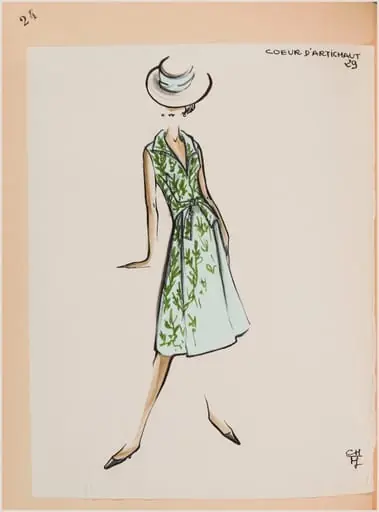 Coeur d'artichaut
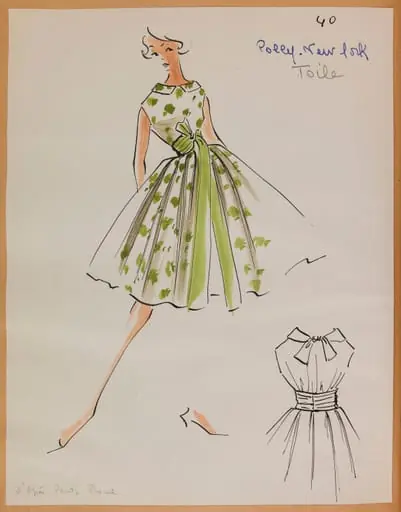 Robe sans manches blanche à motif pistache et grande ceinture pistache
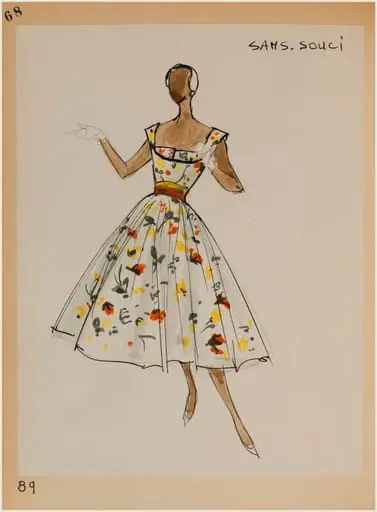 Sans-souci
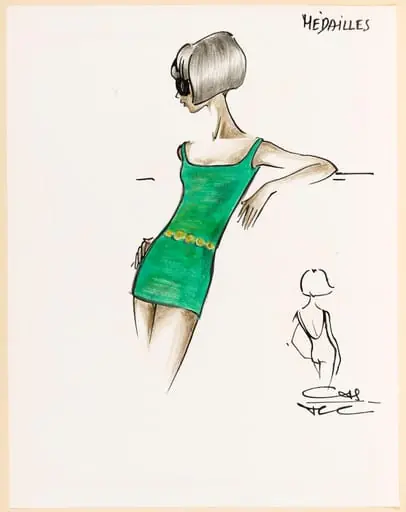 Médailles
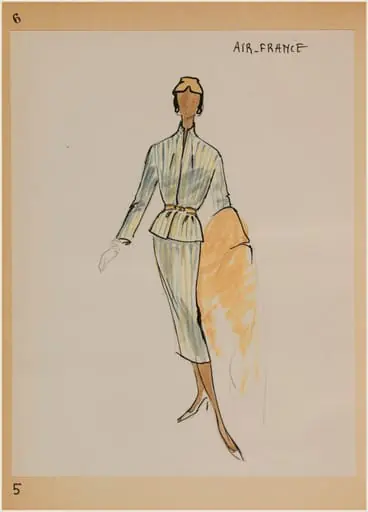 Air-France
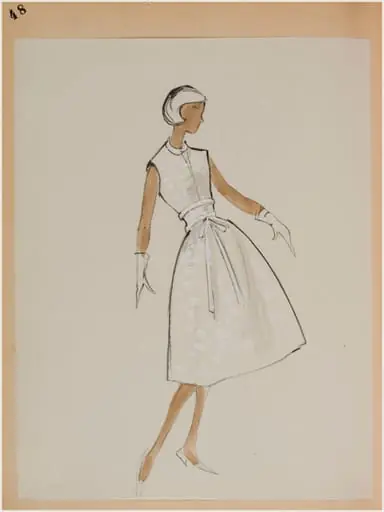 Robe sans manches blanche avec ceinture nouée à la taille
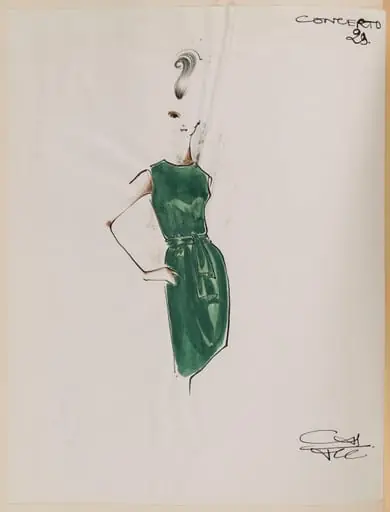 Concerto
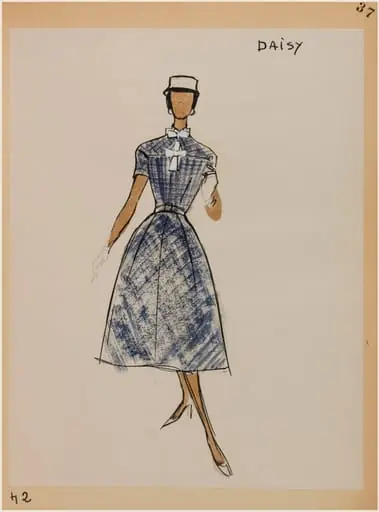 Daisy
Daisy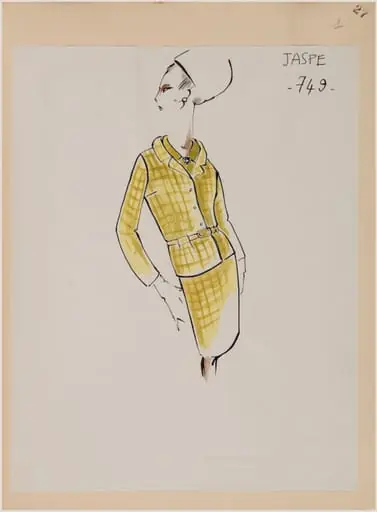 Jaspe
Jaspe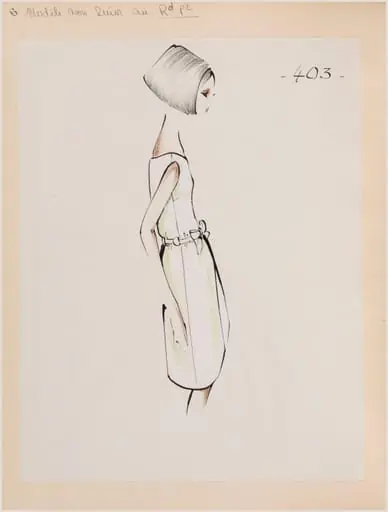 Robe sans manches vert pâle avec ceinture nouée
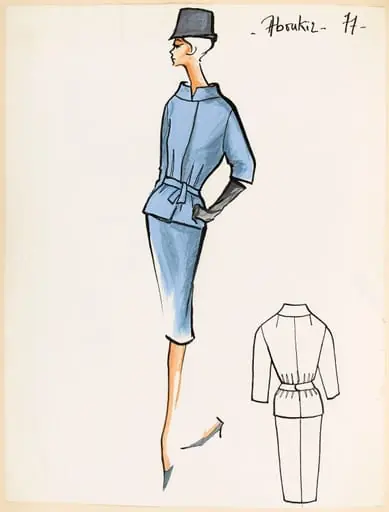 Aboukir
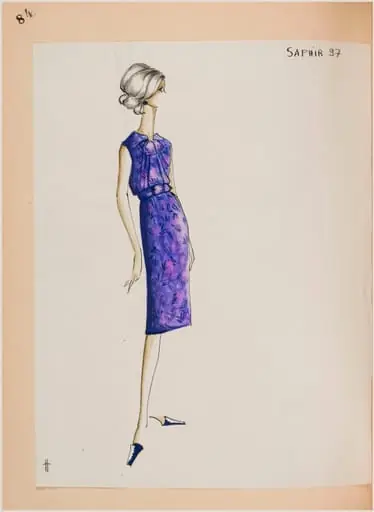 Saphir
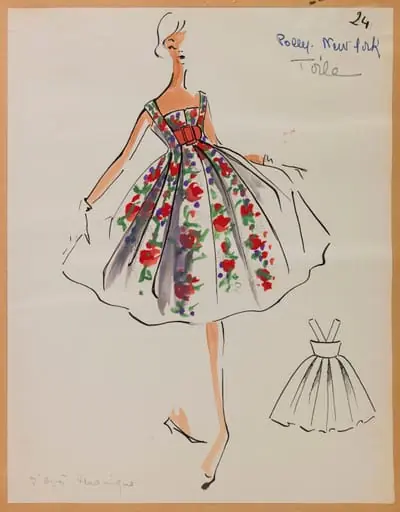 Robe à motif de fleur rouge et à large ceinture rouge sous la poitrine
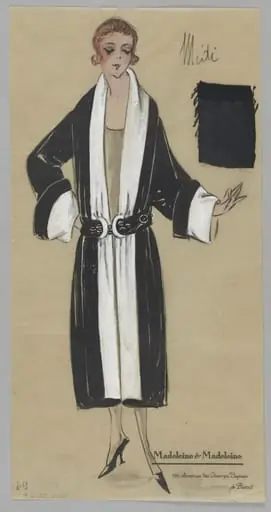 Midi
Midi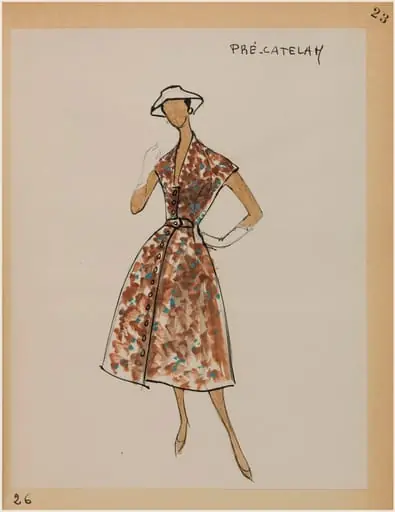 Pré-Catelan
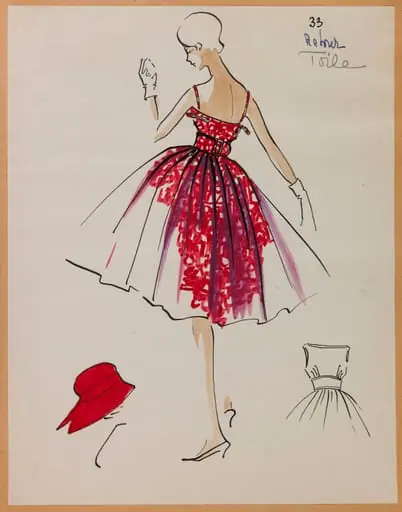 Robe rouge à ceinture à la taille
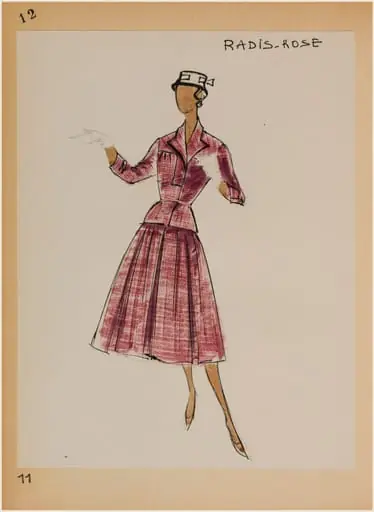 Radis rose
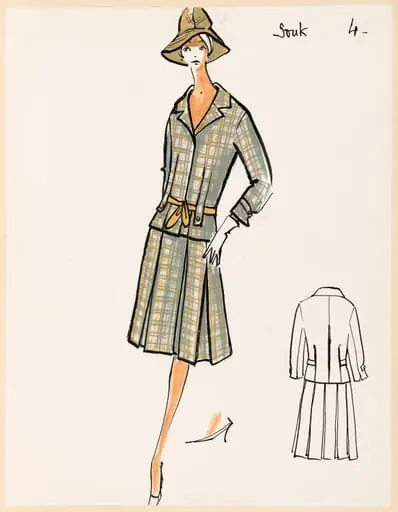 Souk
Souk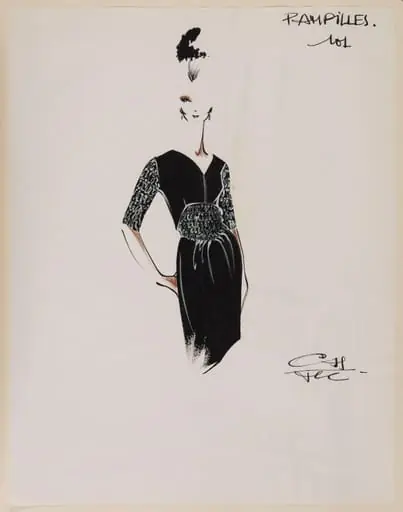 Pampilles
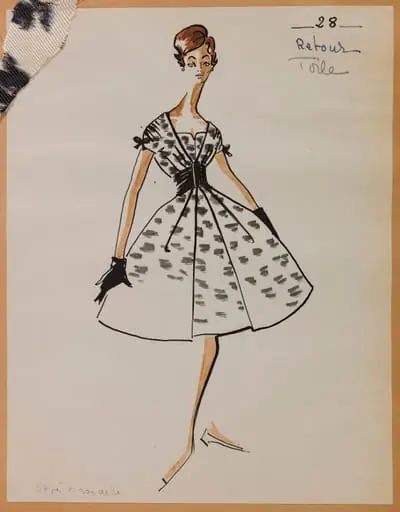 Robe blanche à motif noir avec large ceinture et noeuds aux épaules
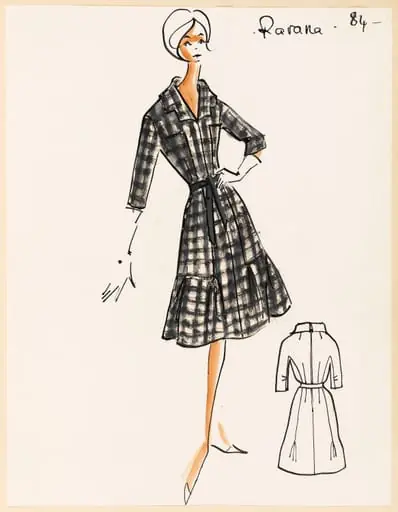 Ravana
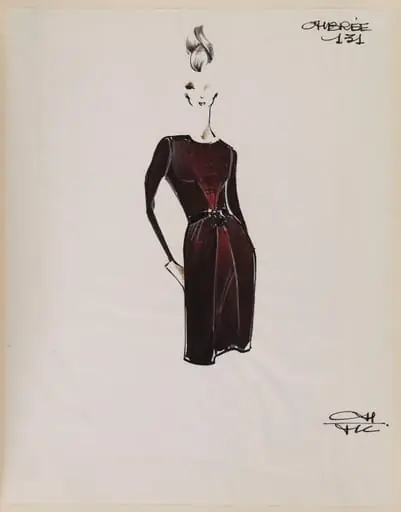 Ombrée
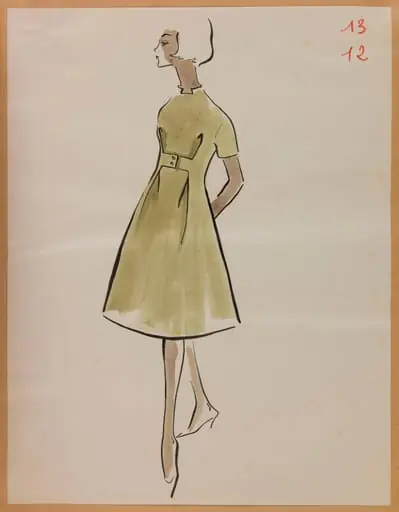 Robe amande avec ceinture sur le devant
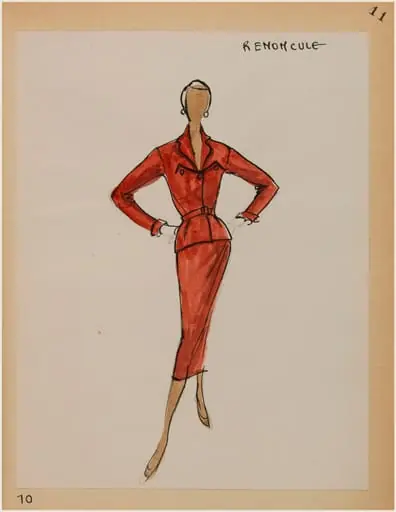 Renoncule
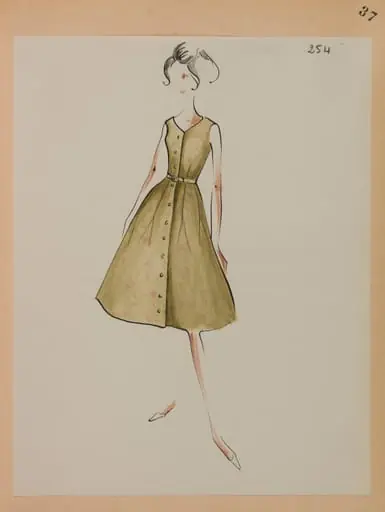 Robe à bretelles kaki clair à motif de soleil boutonnée de haut en bas avec fine ceinture
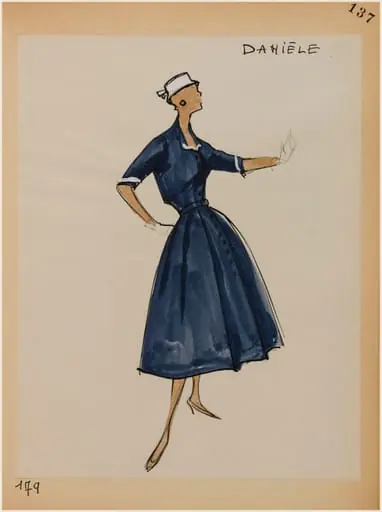 Danièle
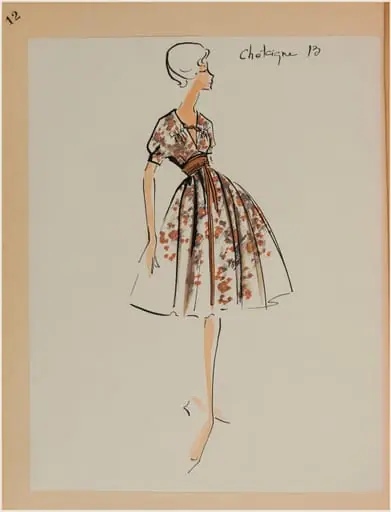 Chataîgne
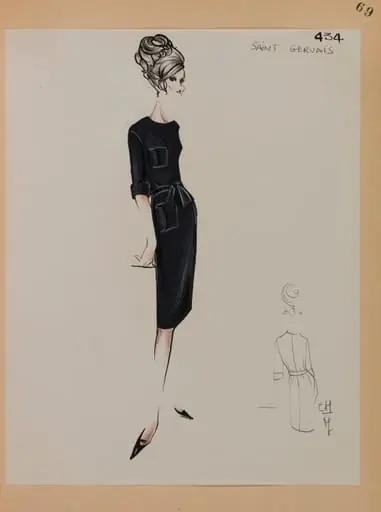 Saint Gervais
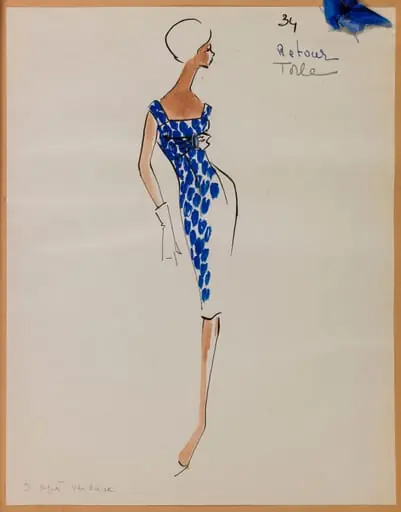 Robe ajustée à bretelles à motif bleu et ceinture sous la poitrine
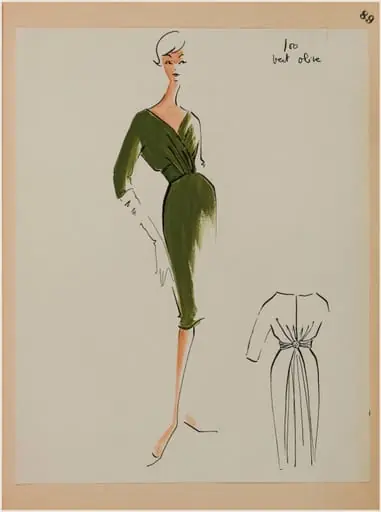 Vert olive
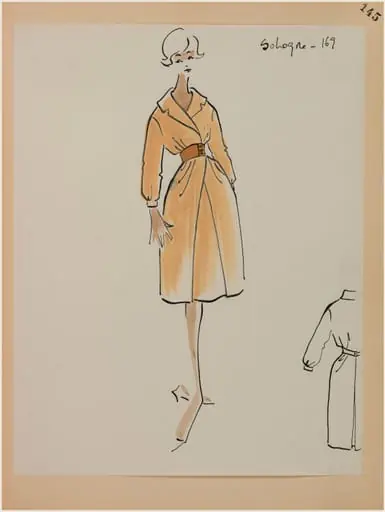 Sologne
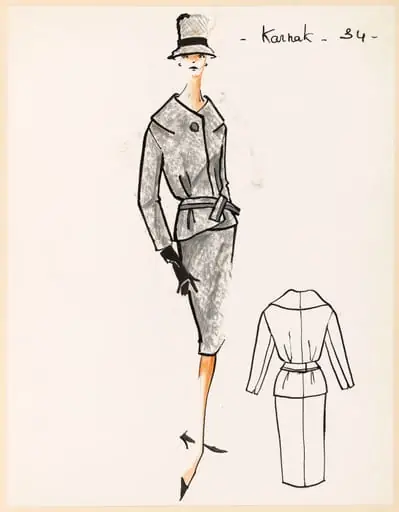 Karnak
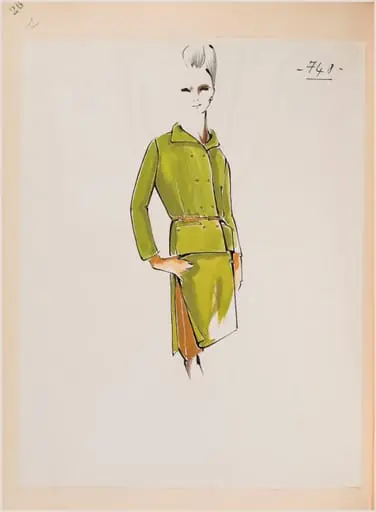 Tailleur vert et marron avec veste à fine ceinture et boutonnage
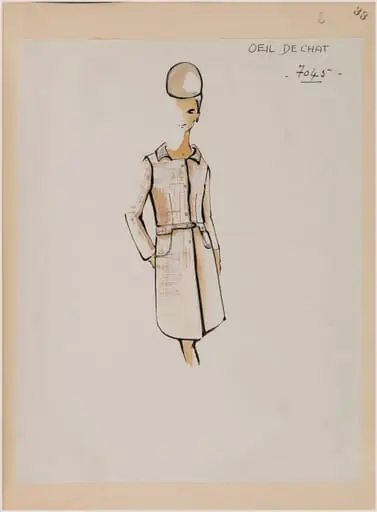 Oeil de chat
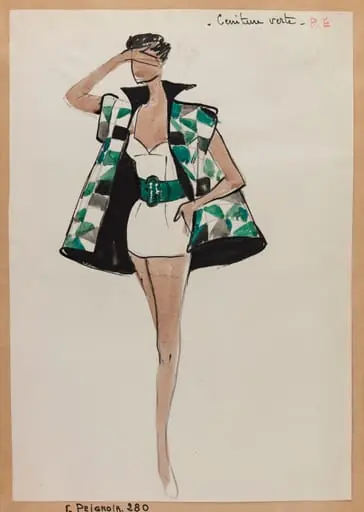 Ceinture verte
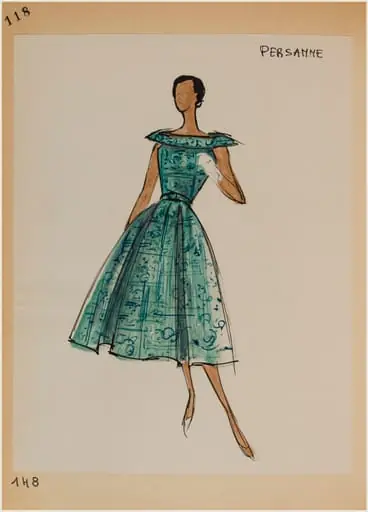 Persane
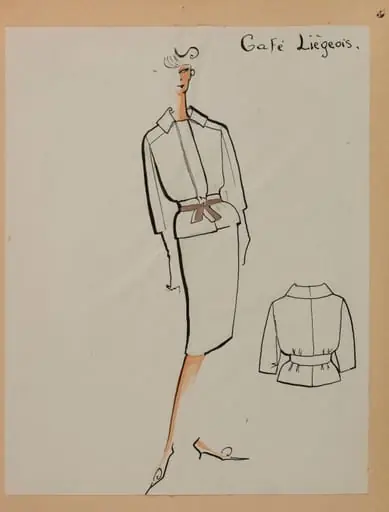 Café liégeois
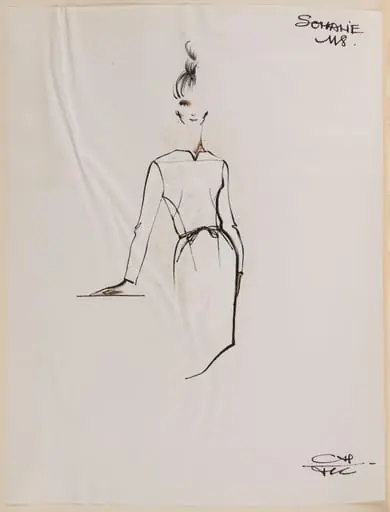 Somalie
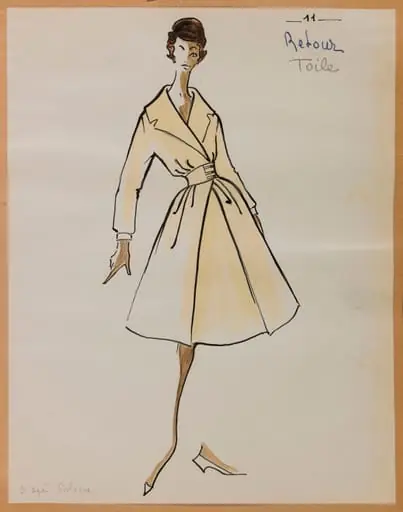 Manteau crème avec ceinture
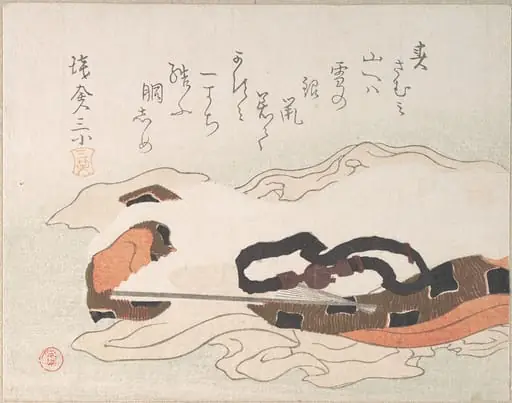 Untitled
Belt is a surname, and may refer to: Bradley Belt, American businessman Brandon Belt (born 1988), American baseball player Christopher Belt, American politician from Illinois Clarence Belt (1890–1969), American racing driver David Belt (born 1967), American entrepreneur Dustin…
Artifact World Gallery holds 97 public-domain Belt works, all free to view and download.
Key Belt artists in the collection include Édouard Manet, Joseph Badger and Rembrandt van Rijn.
Belt works in the collection are held by Palais Galliera - Musée de la Mode de la Ville de Paris, Metropolitan Museum of Art and Museum of New Zealand Te Papa Tongarewa.
Your cart is empty
Browse artworks →